Best Moisturizers for Sensitivity
Updated September 2026 · independently researched, no sponsored placements
Our top 40 picks, ranked from 534 reviewed products — ordered by each product's sensitivity verdict, then evidence strength.
















How to Choose
The best moisturizer for sensitive skin is defined as much by what it leaves out as by what it puts in — with reactive skin, subtraction is the strategy. Sensitivity isn't a single condition so much as a low irritation threshold: the barrier is easily provoked, so the things that trigger redness, stinging, and flushing are usually added extras, not missing ones.
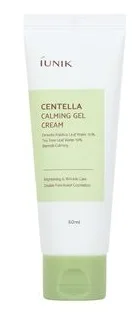
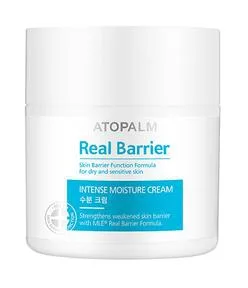
Fragrance (synthetic and "natural" essential oils alike), drying alcohols, dyes, and harsh preservatives are the usual culprits, and a short, deliberate ingredient list is the first sign a formula respects that. Once you've stripped out the irritants, the goal is to calm and rebuild. This is where the K-beauty derm brands genuinely lead, because they've built whole lines around centella asiatica — "cica" — a botanical with real evidence for soothing inflammation and supporting healing. Atopalm's Real Barrier Cicarelief and Tocobo's Multi Ceramide Cream pair centella with panthenol, allantoin, and the ceramides that patch the barrier itself, and they do it for around $24–$28. Texture matters too: reactive skin often does better with a lightweight gel-cream (Benton, IUNIK) than a heavy occlusive that can feel suffocating. The honest caveat: "hypoallergenic" and "for sensitive skin" are unregulated marketing terms, so don't take them at face value — read the actual ingredient list, and when you find a formula that works, patch-test anything new before committing. Reactive skin rewards consistency and a minimalist hand far more than a cabinet full of actives.
Buying Guide
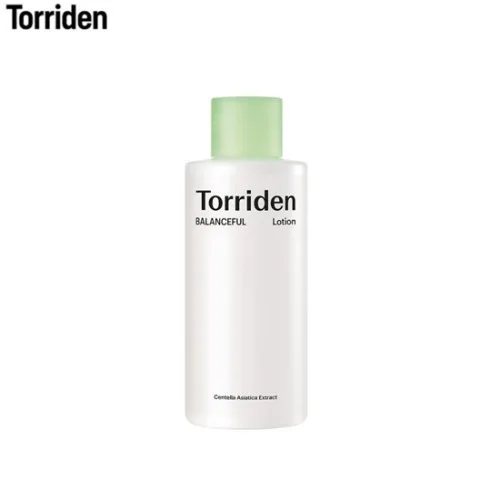
Start by reading what's absent: a moisturizer for sensitivity should be fragrance-free (including essential oils), dye-free, and free of drying alcohols, with a relatively short ingredient list that gives fewer things a chance to react. Then look for the soothing-and-repair pairing — calming actives like centella asiatica, panthenol, allantoin, and bisabolol to quiet inflammation, plus barrier lipids like ceramides and cholesterol to strengthen the easily-provoked barrier. Texture is a real comfort factor: gel-creams (IUNIK, Benton, Torriden) sit lighter on reactive or combination skin, while richer cica creams (Atopalm, Aestura) suit drier, more irritated skin. Ignore the marketing badges — 'hypoallergenic' and 'dermatologist-tested' aren't regulated guarantees, so the ingredient list is your real proof. On price, $18–$34 covers the best options here, and patch-testing a new formula on your inner arm or jaw for a few days is cheap insurance against a full-face reaction.
Frequently Asked Questions
What ingredients should sensitive skin avoid in a moisturizer?
The most common triggers are added fragrance — both synthetic perfume and 'natural' essential oils — along with drying alcohols, dyes, and certain harsh preservatives. None of these add skincare benefit to a moisturizer, so a fragrance-free formula with a short ingredient list removes most of the risk. Reading the actual INCI list matters more than any 'for sensitive skin' label on the front.
Is centella asiatica good for sensitive, reactive skin?
Yes — centella asiatica, often labeled 'cica,' has solid evidence for calming inflammation and supporting the skin's healing, which is why it anchors so many sensitive-skin moisturizers. It pairs especially well with panthenol and ceramides, addressing both the redness and the underlying barrier weakness. Brands like Atopalm, Benton, and IUNIK build their reactive-skin creams around it.
Does 'hypoallergenic' actually mean a product is safe for sensitive skin?
Not reliably — 'hypoallergenic,' 'dermatologist-tested,' and 'for sensitive skin' are marketing terms with no standardized regulation behind them, so they're not guarantees. The trustworthy signal is the ingredient list itself: short, fragrance-free, and free of known irritants. When trying a new product, patch-test it on a small area for a few days before applying it to your whole face.
Should sensitive skin use a light gel-cream or a rich cream?
It depends on how dry your skin is alongside the sensitivity. Lightweight gel-creams like Benton's or Torriden's feel less suffocating on reactive or combination skin, while richer cica creams like Atopalm's suit skin that's both sensitive and dry or actively irritated. The shared priority is the same calming, barrier-supporting ingredient set — choose the texture your skin finds most comfortable.