Best Toners for Acne
Updated September 2026 · independently researched, no sponsored placements
Our top 31 picks, ranked from 112 reviewed products — ordered by each product's acne verdict, then evidence strength.







How to Choose
The best toners for acne look nothing like the stinging, alcohol-soaked astringents your medicine cabinet remembers — and that reinvention is the whole point. The old logic was that acne-prone skin is dirty and oily, so you scour it dry; the modern understanding is that stripping skin only spikes oil production and inflammation, feeding the exact cycle you're trying to break.
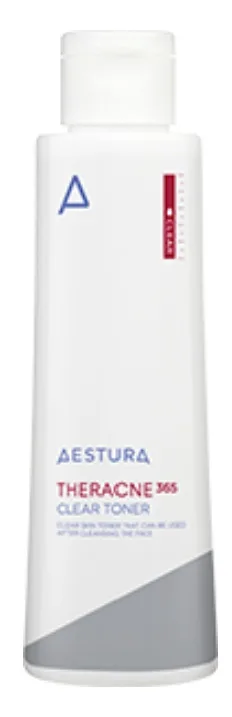
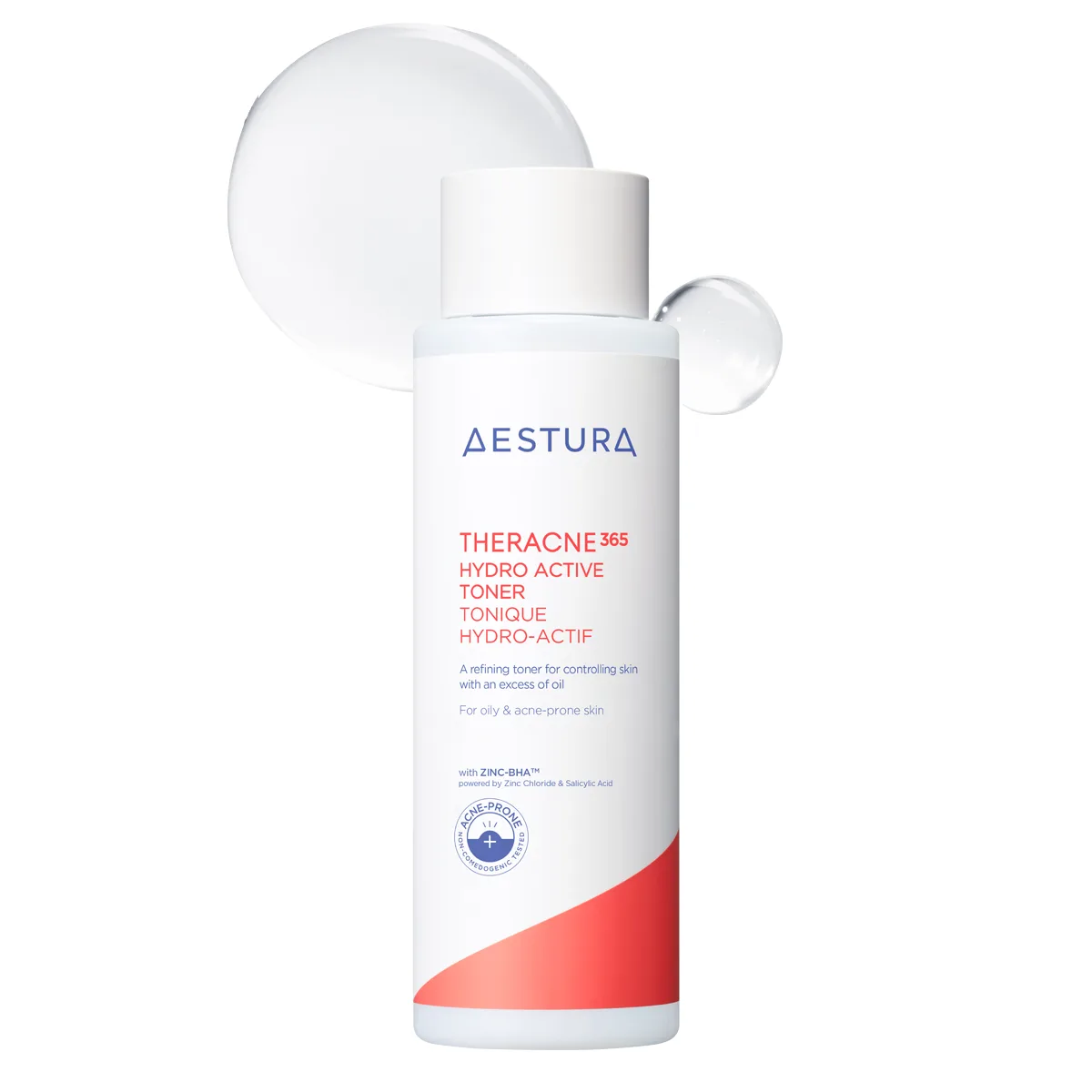
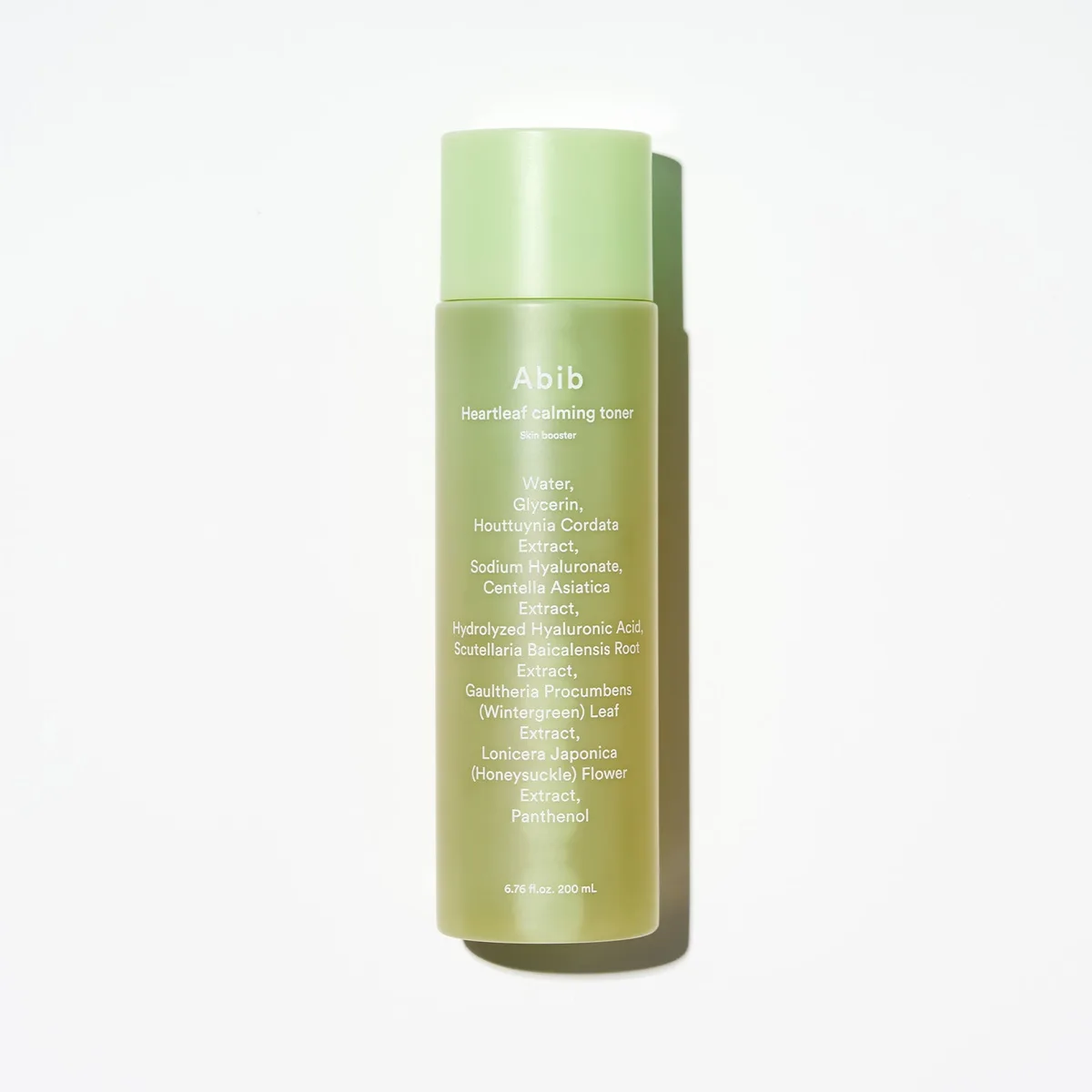
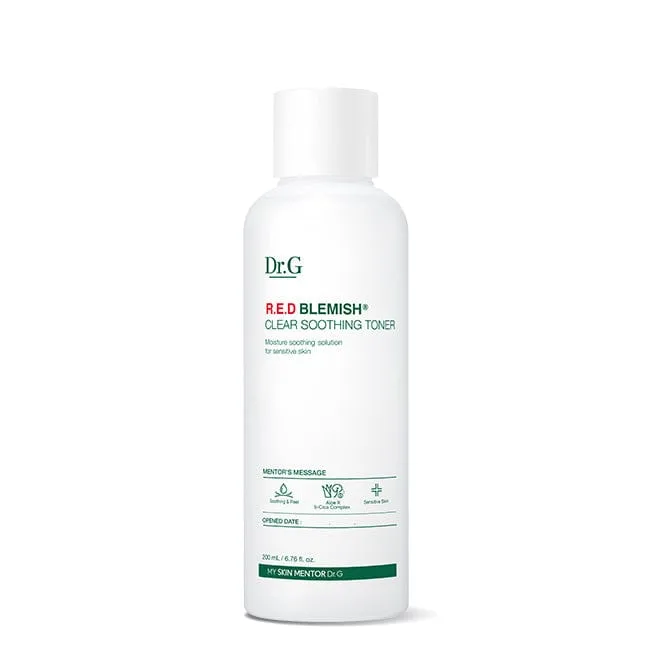
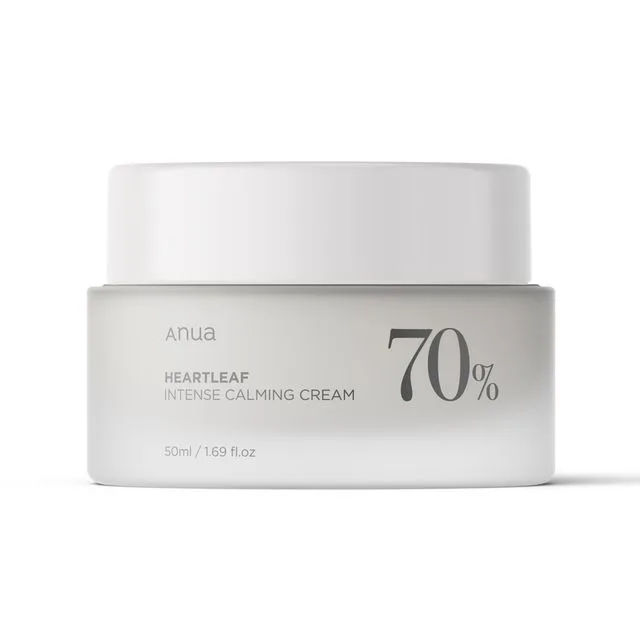
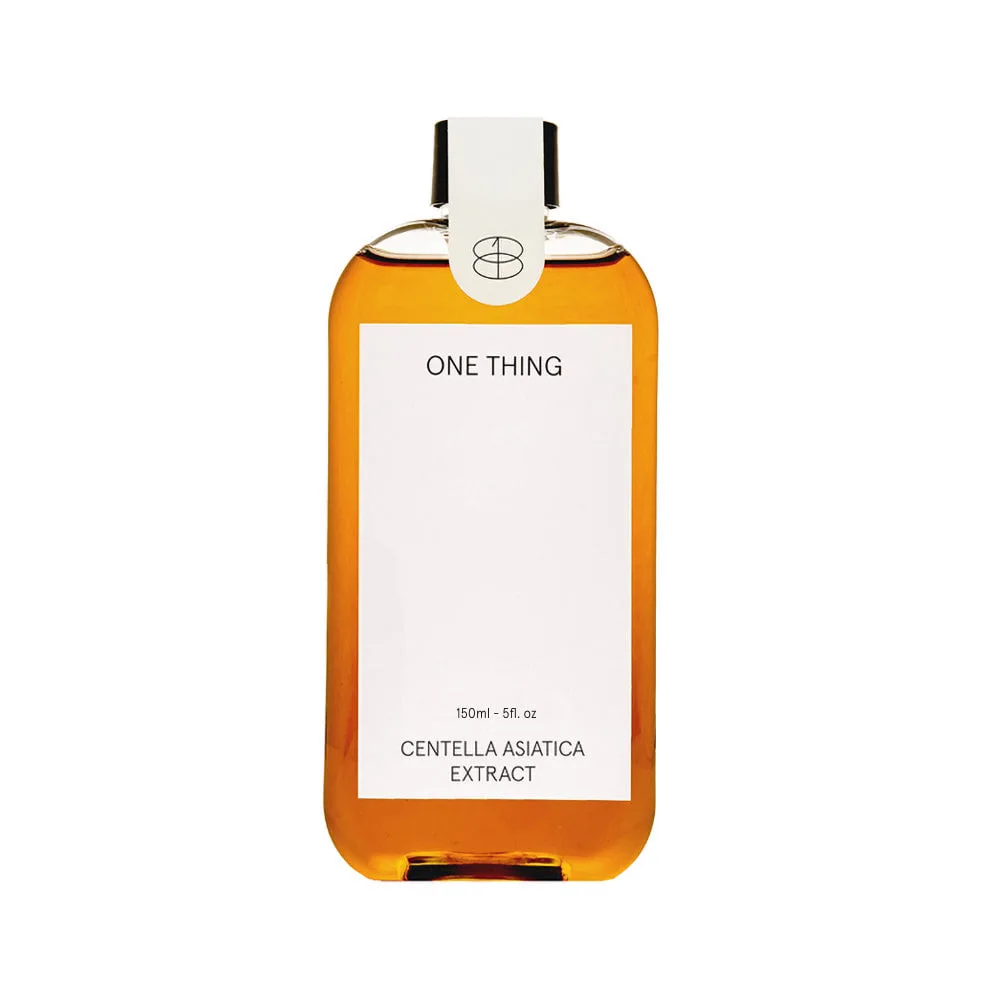
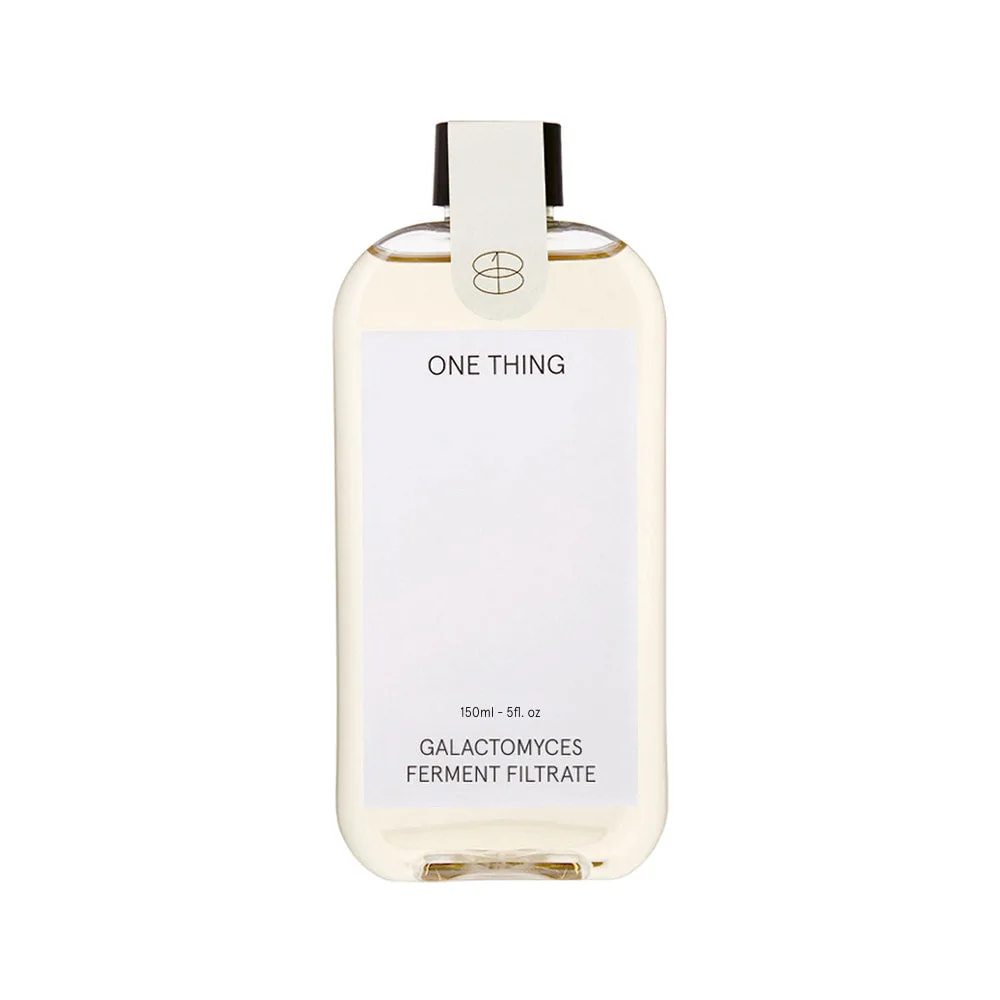
Today's acne toner is a calming, lightly active step. G Red Blemish toner and Abib's Heartleaf Calming. Many add a low, daily-safe dose of salicylic acid to keep pores clear without the harshness of a dedicated exfoliant, as in Benton's Aloe BHA and the gentle Aestura Theracne. A pure cica extract like the $14 One Thing Centella is almost a barrier-repair shot for inflamed skin. What to avoid is anything advertising 'deep cleansing' through denatured alcohol or witch hazel high on the list — that tight, squeaky feeling is barrier damage, not clarity. The honest caveat: a toner is a supporting player, not your acne treatment, and steady, gentle use does far more than an aggressive one you abandon after a week of flaking. Pat it on after cleansing, let it calm and prep the skin, and let your actual actives do the heavy lifting in the steps that follow.
Buying Guide
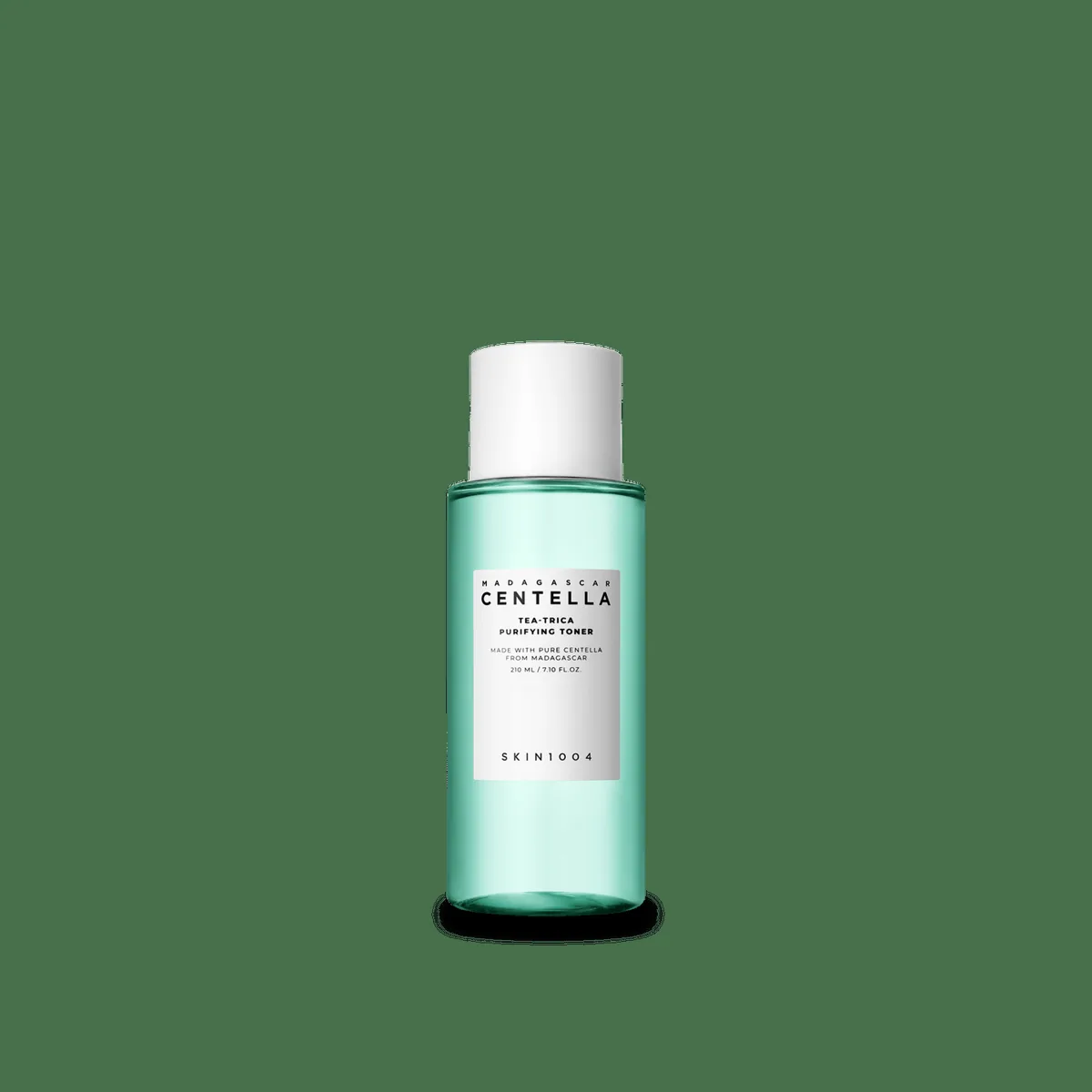
Reframe what an acne toner is for: soothing and gentle clearing, not aggressive degreasing. Prioritize anti-inflammatory, oil-balancing ingredients — centella, heartleaf, niacinamide, panthenol — that calm active breakouts, as in Dr.G Red Blemish and Abib Heartleaf. A modest dose of salicylic acid (Benton Aloe BHA, Aestura Theracne, SKIN1004 Tea-Trica) adds daily-safe pore clearing, but treat it as a light maintenance step, not a peel. The single most important rule is what to avoid: skip toners with denatured alcohol or witch hazel near the top of the list, since stripping the barrier worsens oil and inflammation. Texture should be a lightweight, watery fluid that layers under serum. Price is friendly here at $9 to $28, so choose on the soothing-active lineup rather than cost — and remember the toner supports your routine; it isn't the treatment itself.
Frequently Asked Questions
Do toners actually help with acne?
A well-chosen toner can support acne care by calming inflammation and lightly clearing pores, but it works best as a supporting step rather than a primary treatment. Modern acne toners use soothing actives like centella and niacinamide, sometimes with a low dose of salicylic acid, to reduce redness and oil without irritation. They complement your cleanser and treatments rather than replacing them.
Should acne toners contain alcohol?
No — toners high in denatured alcohol or witch hazel strip the skin barrier, which triggers more oil production and inflammation and ultimately worsens acne. That tight, squeaky-clean feeling is a warning sign, not a sign of effectiveness. Look instead for hydrating, soothing formulas like Benton Aloe BHA or the One Thing Centella extract.
What's the difference between an acne toner and an acne exfoliant?
An acne toner is a gentle, often daily step focused on soothing skin and lightly maintaining clear pores with a low dose of actives, while an exfoliant uses higher acid concentrations a few times a week to actively clear clogs. The toner supports your routine day to day; the exfoliant does periodic deeper work. Many people use both, spacing them to avoid over-treating.
Can I use an acne toner every day?
Yes, most soothing acne toners are formulated for daily, even twice-daily, use — especially the centella- and niacinamide-based ones like Dr.G Red Blemish. If your toner contains salicylic acid, start once daily and watch for dryness before increasing. Consistency with a gentle formula beats occasional use of a harsh one.