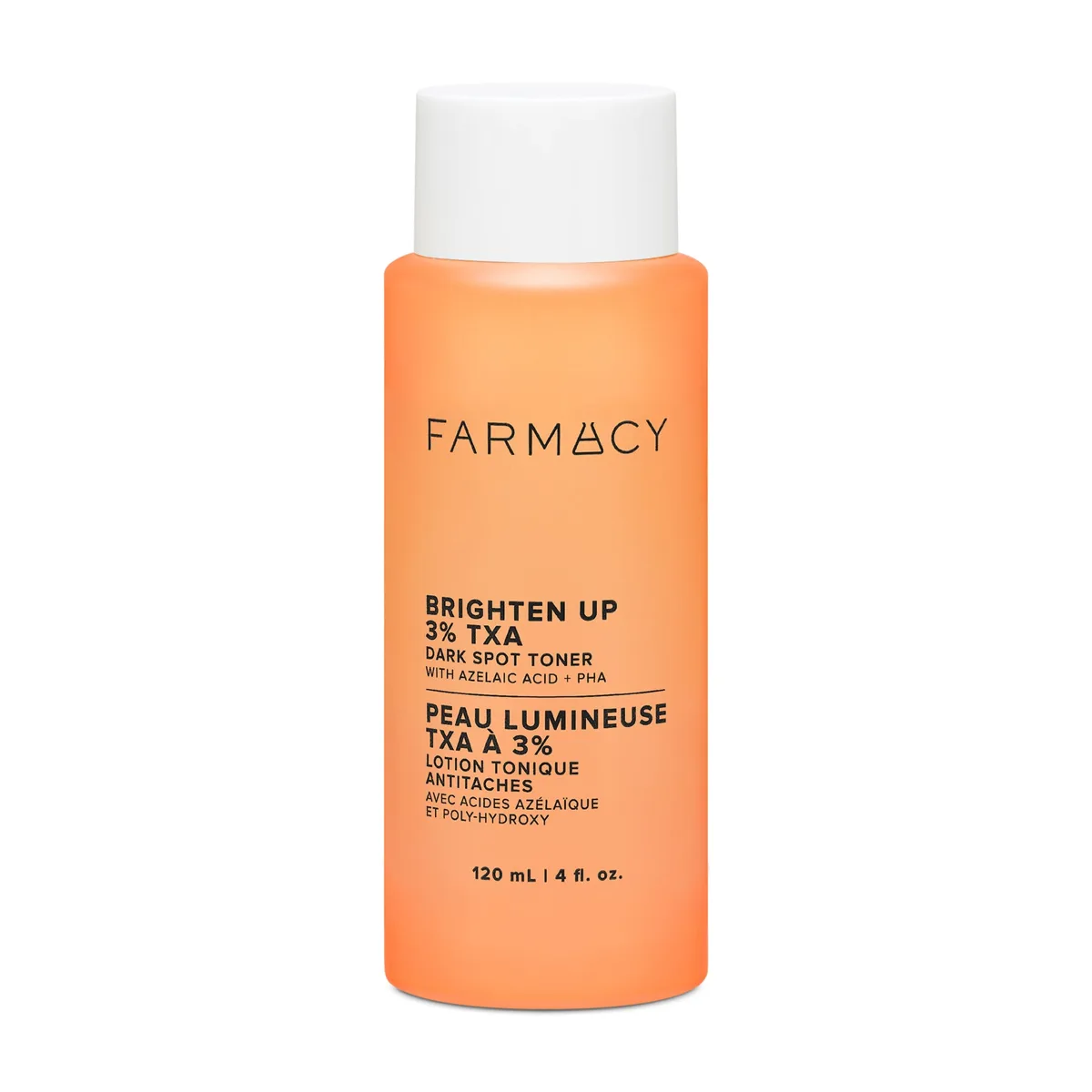
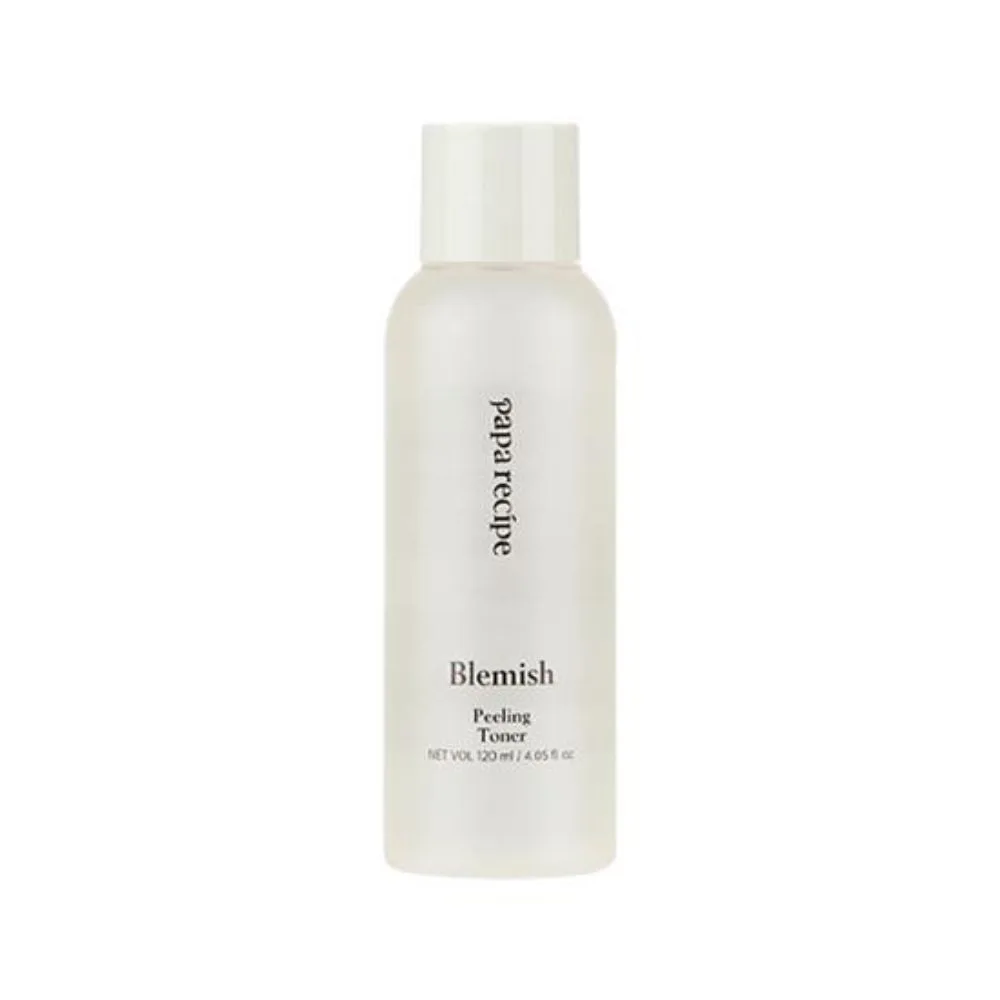
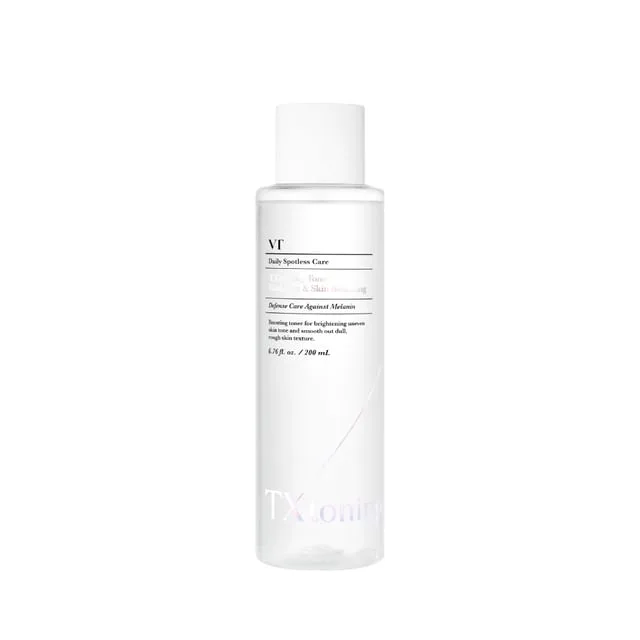
PHA-plus-tranexamic-acid pairings are rare at drugstore pricing — most products that pair these two actives sit above forty dollars from brands like SkinCeuticals or The Ordinary's experimental lines. Hada Labo built this one at fourteen dollars with a seven-ingredient INCI, no fillers, and the brand's signature Polyquaternium-51 humectant. It is one of the few daily-use chemical exfoliating toners that combination, sensitive, and even dry skin can usually share.
Hada Labo's Mild Peeling Lotion is the rare gentle exfoliating toner that earns the 'daily-use' positioning on its actual formula rather than just on the label. Seven ingredients, gluconolactone PHA paired with tranexamic acid, and a Hada Labo Polyquaternium-51 base — for fourteen dollars, this is one of the best engineered chemical exfoliants in the J-beauty drugstore tier.
Promisingfor HyperpigmentationIn your profileYou chose · Tranexamic Acid has trial-level evidence for hyperpigmentation but no guideline or regulatory standing yet — promising, short of a recommendation; the other actives here are not yet assessed for it.Moderate evidenceGentleNo reviews collected yet
The case for it
Tranexamic Acid has trial-level evidence for this concern but no guideline or regulatory standing yet.
It is plausibly present at a working level, though the concentration is not declared.
The formula carries none of the triggers this concern is sensitive to.
What would change this: A declared concentration would move this to a firmer reading of the dose.
Same rule for everyone. “Promising” is the verdict on 7,858 of 45,024 concern verdicts across the catalog; rule R9p decided 7,858 of them.
Unchanged since September 5, 2026, engine 5.1.1.
R9p — 0.5.0: 'Unproven' beside three filled dots read as one question answered twice with opposite words (7,018 rows). The chip measures standing, the dots measure trial volume; where the row carries at least one RCT or a tier-2 source (moderate dots) and the active is present at a working level, the honest word is Promising. Unproven is reserved for plausible-standing rows with limited or weak evidence, or an under-dosed form. Same rank as Unproven — a bet either way; the dots order them. · the full register
Carrying active
Tranexamic Acid
Standing
plausible — trials support it
Form
plausible — studied range 2–5%, from the OTC monograph or label; needs leave-on contact; judge it after ~12 weeks
Tolerability
gentle
Row checked
against its sources on July 17, 2026 (evidence table ev-2026.09-r228)
Also listed for Rough Texture, Dullness, Blackheads and Dark Spots — the actives here (Pentylene Glycol, Gluconolactone, Tranexamic Acid, Film Formers & Texture Polymers) are in our research queue for those concerns; there is no verdict until their evidence rows are written. That is a gap in our table, not a mark against the product.
Does the jobDoes what a toner is for: not alcohol-driven, adds something real. Not measured from the label: restores skin pH, plays well with what follows.
A verdict is DermApproved’s assessment of how well a product’s ingredients fit a concern — never a claim about what the product treats. Evidence dots and collected reviews sit beside it and are never blended in.
Rules 0.5.1 · evidence table ev-2026.09-r228 · how we decide
✓ Seven-ingredient INCI with no fillers, alcohol, fragrance, or essential oils
✓ Polyquaternium-51 humectant base offsets the PHA's dehydrating tendency
✓ Outstanding value at around fourteen dollars for three months of use
✓ No tingle, sting, or warmth on application even for sensitive skin
✓ pH around 4 sits in PHA's optimal activity range without barrier compromise
✓ Pairs well with niacinamide, vitamin C, and retinol with proper spacing
Cons
✗ Results are gradual — not a fast-acting exfoliating toner
✗ Cannot treat active comedonal acne pathology — pair with a BHA serum
✗ Fiddly flip-cap dispenser is awkward for cotton-pad soaking
✗ Single 170 ml size in most markets — no larger value format outside Japan
✗ Slight tackiness if too much is applied in one layer
Review
Full Review
Most exfoliating toners at the drugstore-price tier are built around glycolic acid or salicylic acid — either alone or stacked together — because those are the cheapest and best-studied AHA and BHA molecules. They are also the actives most likely to push barrier-sensitive skin into irritation when used daily. Rohto's Tamagohada Mild Peeling Lotion takes a different path. The formula's lead exfoliating active is gluconolactone, a polyhydroxy acid that surfaces in dermatology literature mostly in the context of post-procedure skincare, where AHA-sensitive skin still wants gentle resurfacing. Tranexamic acid sits in second position, and the rest of the formula is humectant scaffolding: pentylene glycol, butylene glycol, sodium metabisulfite as a stabilizer, and Polyquaternium-51 — the phosphorylcholine-mimicking polymer Hada Labo uses across its hydrating products.
The INCI is seven ingredients long. That is not a stylistic choice; it is a structural one. Gluconolactone works well when given room to distribute, and tranexamic acid's brightening dimension responds to direct contact rather than competition from a crowded formulation. The result is a toner that reads minimalist on paper but does more cumulative work than its short ingredient list might suggest. The pH sits around 4, which is the optimal range for PHA activity while still being barrier-tolerated, and the formula contains no alcohol, no fragrance, no essential oils, no parabens, and no fillers commonly found in less rigorously composed budget toners.
In use, the texture is indistinguishable from water — a clear, fast-absorbing liquid with no slip and no viscosity. Soak a cotton pad with three to five swipes from the bottle, or press a teaspoon into damp palms; both methods work but cotton-pad swiping increases contact and slightly accelerates the exfoliation. The toner does not tingle, sting, or warm the skin on application. There is no day-one micro-flake response of the kind that more aggressive AHA toners produce — gluconolactone's slower penetration means the surface keratin lift is distributed over days rather than concentrated in the first session. Skin feels marginally softer after the first use and noticeably more receptive to the next layer of skincare. That undramatic first session is the point, and it is why the 'PHAs are just weaker AHAs' framing misses the mechanism: gluconolactone's larger molecule isn't a diluted glycolic, it is a different penetration profile — surface-distributed rather than depth-concentrated — which is precisely what makes daily use sustainable on skin that a daily glycolic toner would sandpaper.
What the formula does best builds over weeks. Within two weeks of daily use, the surface texture around the nose, chin, and forehead reads visibly smoother. Around four to six weeks, post-inflammatory hyperpigmentation begins to fade — not dramatically, but observably, particularly on the kinds of post-acne marks that nudge brown rather than red. This is where the tranexamic acid earns its position in the formula. Gluconolactone alone would not do the pigment work; tranexamic acid alone would not do the texture work; together they do both, and on a barrier-friendly base that does not require routine architecture decisions about whether the skin can absorb the day's exfoliation. Tranexamic acid also deserves rescuing from its reputation as a melasma-only ingredient — it moderates plasmin-driven inflammatory signaling and melanocyte stimulation broadly, which is why it earns its place against ordinary post-acne marks and dullness, not just hormonal pigment. Routine-wise the rules are few: follow the toner within a minute with serum and moisturizer, and give leave-on AHAs, BHAs, and high-strength retinoids at least a day's spacing rather than stacking them on top. The formula is vegan, fungal-acne safe, and fine through pregnancy — a clean sweep of compatibility boxes that very few exfoliants tick simultaneously.
Limitations exist mostly at the edges of the use case. The formula is too gentle to handle active comedonal acne pathology — for that, a properly-formulated salicylic-acid leave-on is the better tool. Compromised barriers, active rosacea flares, and post-procedure skin should reach for a hydrating toner rather than this one until baseline calm is restored. The 170 ml bottle is the only size sold outside Japan; the larger Japanese refill format is available through import sites but does not transform the per-use math significantly. Hada Labo currently sells in mainland China, which historically requires post-market animal testing for foreign cosmetics, so the brand cannot claim cruelty-free certification regardless of how its individual formulas are manufactured. And the cap design is fiddly — a small but real ergonomic annoyance the brand has not solved across two decades of bottle iterations. One more housekeeping note: the stated period-after-opening is just six months — short for a toner — so an opened bottle should be a daily driver, not a shelf ornament.
Value is where the formula moves from competent to remarkable. Around fourteen dollars buys three months of daily use at one cotton-pad-soaked application, six weeks at twice-daily. Comparable PHA-plus-tranexamic-acid combinations from prestige cosmeceutical lines start at roughly three times that price. The Hada Labo Tamagohada Mild Peeling Lotion is not the most ingredient-elaborate exfoliating toner on the market; it is one of the most precisely composed for its category. For routines that want a daily gentle exfoliating step that does not require active management of irritation risk, this is the rare drugstore toner that earns its long shelf life by doing exactly the small, sustained thing it claims to do. Eighteen hundred reviews averaging 4.4 stars describe the same product from lived experience: no sting even on reactive skin, smoother texture inside three weeks, brighter post-acne marks inside a month — with the gradual pace, the fiddly cap, and a slight tack when over-applied as the only recurring quibbles. For a fourteen-dollar bottle, that is a complaint list most brands would envy.
Formula
Key Ingredients
The hero actives that drive this product's performance.
The formula's lead exfoliating active — a polyhydroxy acid that loosens corneocyte adhesion at the surface but, because of its larger molecular size, penetrates more slowly than glycolic or lactic acid. That is what allows daily use on barrier-sensitive skin without the cumulative irritation a glycolic toner would produce on the same routine.
Sits directly under the gluconolactone — a brightening and soothing additive that pairs unusually well with PHA exfoliation, because tranexamic acid moderates the inflammatory cascade triggered by even gentle acid use, which is the mechanism that limits post-exfoliation hyperpigmentation in melanin-prone skin.
Acts as both humectant and mild penetration enhancer — its second-place position is what helps the PHA distribute evenly across the skin during the brief contact time, while contributing its own hydration to offset the acid's dehydrating tendency.
A phosphorylcholine-mimicking polymer with documented water-binding capacity that exceeds hyaluronic acid by weight — Rohto's signature humectant choice across its Hada Labo line, used here as the formula's structural hydration counterweight to the gluconolactone.
Not yet assessed
Ingredient standings describe the active at treatment-level doses and
vehicles; this product's own condition grades weigh its actual formula.
Apply after cleansing as the first leave-on step. Soak a cotton pad or press the toner into the skin with damp palms — both methods work, but cotton-pad swiping delivers more contact and slightly stronger exfoliation. Follow within sixty seconds with hydrating serum and moisturizer; do not stack with leave-on AHA or BHA in the same routine without spacing the application by at least one full day.
Results Timeline
Skin feels marginally softer after the first use, with no tingle or stinging on the introduction. Within two weeks, surface tone reads more even and texture around the nose and chin reads smoother. By four to six weeks of daily use, post-inflammatory hyperpigmentation begins to fade noticeably — this is the combined effect of the PHA's gentle resurfacing and the tranexamic acid's pigment-pathway moderation rather than either active alone.
Polyhydroxy acid chemistry sits in an interesting place in cosmetic dermatology research. Gluconolactone is structurally a sugar acid with multiple hydroxyl groups, larger than glycolic or lactic acid by a meaningful molecular margin. That size difference is the source of its behavior — diffusion across the stratum corneum is slower, and the active fraction at any given moment is smaller. Studies in the Journal of the American Academy of Dermatology comparing PHA to AHA on similar contact protocols have shown comparable surface keratin loosening over weeks of daily use, with significantly lower irritation indices on barrier-sensitive skin. The mechanism is exfoliation by gradient rather than by depth, which is what allows daily use on routines that would not tolerate a daily glycolic toner.
Tranexamic acid is a different kind of active. Originally developed as an antifibrinolytic medication for bleeding disorders, its dermatologic interest emerged from observations of its effect on plasmin signaling and melanocyte stimulation. Reviews in the International Journal of Dermatology have characterized topical tranexamic acid as a moderator of the inflammatory cascade that drives post-inflammatory hyperpigmentation, with particular benefit in melasma and post-acne marks in melanin-rich skin types. Mechanistically, tranexamic acid does not block melanin synthesis the way hydroquinone or arbutin does; instead, it moderates the upstream signaling that triggers melanocyte hyperactivity, which is why its effect emerges over weeks rather than days.
The pairing of these two actives is the formula's structural insight. Surface exfoliation alone tends to brighten skin tone temporarily by removing the upper layer of melanin-containing corneocytes — the result is real but transient, since fresh corneocytes rise to the surface within days. Pigment-pathway moderation alone tends to fade existing pigmentation slowly because the surface barrier still contains older, melanin-loaded keratinocytes. Doing both at once — gentle daily resurfacing plus pigment-pathway moderation — produces cumulative improvement faster than either active alone. Sodium metabisulfite at the late end of the INCI stabilizes the tranexamic acid against oxidation in solution; Polyquaternium-51 contributes the formula's hydration counterweight. It is a tight, structurally coherent design.
Dermatologist Perspective
Dermatologists often recommend polyhydroxy acid products for patients who cannot tolerate daily AHA exfoliation — sensitive skin, recently treated skin, or skin with documented contact reactivity to glycolic or lactic acids. The addition of tranexamic acid in this formula extends its useful indication to patients dealing with mild-to-moderate post-inflammatory hyperpigmentation or early-stage melasma, particularly in Fitzpatrick III–VI skin where conventional brightening agents can drive paradoxical hyperpigmentation. It is commonly suggested for daily maintenance use in normal, combination, sensitive, and dry skin, and for combination or oily skin when paired with a separate salicylic-acid treatment for pore concerns. Dermatologists generally do not position this product as a first-line treatment for active comedonal acne, established melasma requiring prescription intervention, or compromised barriers — those need either stronger or temporarily gentler approaches respectively.
Guidance
Usage & Recommendations
How to Use
After cleansing, soak a cotton pad with three to five swipes from the bottle and wipe gently across the entire face, avoiding the immediate eye area. Alternatively, dispense a teaspoon into damp palms and press it into the skin. Allow about thirty seconds for the toner to absorb before applying the next product. Use once daily to start; step up to morning and evening application after a week if the skin tolerates well. Apply sunscreen daily — even gentle PHA exfoliation modestly increases short-term photosensitivity, and the brightening work the toner is doing is undone by unprotected sun exposure.
Value Assessment
At about fourteen dollars per 170 ml bottle and three months of daily use, this toner sits at one of the best value positions in the chemical exfoliating toner category. Comparable PHA-plus-tranexamic-acid products from Western brands like SkinCeuticals or higher-end Asian indie lines often start at three times the price. Larger Japanese refill sizes exist but are not widely distributed outside Asia and do not transform the per-use math significantly. The price reflects Hada Labo's drugstore positioning rather than any compromise in formulation quality — the seven-ingredient minimalism is a deliberate choice rather than a cost-cutting one. For PHA-receptive routines, this is the rare toner where price-quality alignment is genuinely outstanding rather than just respectable.
Who Should Buy
Sensitive, normal, combination, or dry skin that wants daily gentle exfoliation without the irritation risk of glycolic acid, anyone managing post-inflammatory hyperpigmentation or post-acne dark marks in melanin-rich skin types, and shoppers looking for an outstanding-value alternative to premium PHA-plus-tranexamic-acid toners from Western brands.
Who Should Skip
Active comedonal acne that needs a true BHA leave-on, compromised barriers or active rosacea flares where any exfoliation is premature, and routines that already use a leave-on AHA or BHA the user does not want to space out. Anyone allergic to sulfite preservatives should also skip — sodium metabisulfite in the INCI is the relevant trigger.
Ready to try Hada Labo Tamagohada Mild Peeling Lotion?
Clear, watery liquid with the consistency of standard Japanese hydrating toners — no slip, no viscosity, absorbs almost instantly.
Scent
True fragrance-free with no detectable base note; there are no perfumes, alcohols, or essential oils in the seven-ingredient formula.
Packaging
Standard Hada Labo 170 ml bottle with a flat cap that flips open — recognizable from across the Hada Labo range, dispenses via tipped pour rather than dropper or spray.
Finish
lightweightfast-absorbinginvisible
What to Expect on First Use
Saturate a cotton pad with three to five swipes from the bottle, or press a teaspoon into damp palms. The toner feels indistinguishable from water on first application — no tingle, no warmth, no stinging. Skin feels marginally softer after the first wipe and noticeably more receptive to the next layer of skincare. There is no purge period; gluconolactone's slow penetration means no day-one micro-flaking.
How Long It Lasts
About three months of daily use at one cotton-pad-soaked application per day, or six weeks if used morning and evening with both AM and PM cotton swipes.
Hada Labo's Tamagohada line targets the 'egg skin' textural ideal Japanese editorial skincare has long held up. The Mild Peeling Lotion was Rohto's effort to bring gentle chemical exfoliation into routines that found glycolic or salicylic toners too aggressive for daily use. Gluconolactone — a polyhydroxy acid newer to drugstore formulations at the time — was paired with tranexamic acid for the additional brightening dimension that PHA alone would not provide.
About Hada Labo Established Brand (5–20 years)
Hada Labo was launched in 2004 as a skincare line under Rohto, a Japanese pharmaceutical company founded in 1899. The brand built its reputation on simple, ingredient-led formulations and ranks among Japan's top-selling drugstore skincare lines. The Tamagohada sub-line specifically targets surface texture and 'egg-skin' smoothness through gentle chemical exfoliation.
Brand founded: 2004
Myth vs. Reality
Common Myths
Myth
Polyhydroxy acids are just weaker AHAs.
Reality
PHAs are functionally different — their larger molecular size means they penetrate the skin more slowly, distributing surface exfoliation rather than deeper resurfacing. That is not a 'weaker AHA' but a different mechanism, which is why daily PHA use can be sustained on barrier-sensitive skin that would not tolerate daily glycolic acid.
Myth
Tranexamic acid only works for melasma.
Reality
Tranexamic acid works on a broad set of inflammatory and pigment pathways — it moderates plasmin-driven inflammatory signaling and reduces melanocyte stimulation. That makes it useful not only for melasma but also for post-inflammatory hyperpigmentation, post-acne marks, and general dullness, particularly in melanin-rich skin types.
FAQ
Frequently Asked Questions
Is the Hada Labo Tamagohada Mild Peeling Lotion an AHA or BHA toner?
Neither — it is a PHA toner. Gluconolactone is a polyhydroxy acid, which is structurally related to AHAs but penetrates the skin more slowly because of its larger molecular size. The cleanser version of Tamagohada contains AHA and BHA; this toner does not.
Can I use the Mild Peeling Lotion every day?
Yes — that is the formula's intended use. Gluconolactone's gradual penetration profile is what makes daily use sustainable on most skin types, including sensitive skin that would react to daily glycolic acid. Start with once daily and step up to morning and evening if the skin tolerates well after a week.
Will Hada Labo Mild Peeling Lotion fade dark spots and acne marks?
Over time, yes — but the work is gradual. The combination of PHA surface exfoliation and tranexamic acid's pigment-pathway moderation produces visible fading of post-inflammatory hyperpigmentation around the four-to-six-week mark of daily use. It is not a fast brightening agent — pair with niacinamide and a sunscreen for stronger results.
How does Tamagohada Mild Peeling Lotion compare to a leave-on AHA toner?
A traditional AHA toner like Pixi Glow Tonic delivers a stronger one-time exfoliation but cannot be safely used daily on most skin. This PHA toner delivers a milder per-application effect but is gentle enough for daily use, which is what produces a comparable cumulative result on most skin types over weeks.
Is Hada Labo Mild Peeling Lotion safe to use in pregnancy?
Generally yes. Gluconolactone has no documented pregnancy concerns and tranexamic acid is sometimes prescribed orally in pregnancy for unrelated conditions, so topical exposure at toner concentrations is considered low-risk. Always patch-test and discuss any new active introduction with your obstetrician.
Can I use Hada Labo Mild Peeling Lotion with retinol or vitamin C?
Yes, with spacing. Apply the toner in the morning routine and reserve evening for retinol, or alternate evenings between the toner and retinol while the skin adjusts. Vitamin C in the morning before this toner is well-tolerated; the PHA's slow penetration does not destabilize ascorbic acid the way some AHA toners can.
Why is the Hada Labo Tamagohada Mild Peeling Lotion called a 'lotion' when it's a toner?
Japanese skincare uses 'lotion' to refer to watery toners — what Western brands typically call 'essence', 'toner', or 'astringent'. Despite the name, the formula is a thin, fast-absorbing liquid applied via cotton pad or palm-press, not the thicker lotion texture the word implies in English.
Reviews
What Reviewers Tend to Say
Recurring themes our editors read across retailer reviews of this product — summaries in our words, not quotations, and not a substitute for your own patch test.
Common Praise
Genuinely mild — no tingling or stinging even on sensitive skin
Visibly smoother skin within two to three weeks
Brightening effect on post-acne marks within a month
Excellent value at around fourteen dollars for 170ml
Common Complaints
Results are gradual — not a fast-acting exfoliant
Bottle cap design is fiddly compared to dropper toners
Slight tacky finish if too much is applied
Single-size only — no larger value format outside Japan
Notable Endorsements
Recurrent inclusion in J-beauty editorial toner roundupsFrequently cited in PHA-vs-AHA gentle exfoliation guides
Japan runs a third regulatory tier between cosmetic and pharmaceutical, and once you can see it, the entire J-beauty aisle stops looking modest and starts looking legally precise.
Most heritage claims are unfalsifiable. This one sits on a public regulatory register — which makes it the rare case where you can check what 150 years of institutional research actually bought.
It was invented to stop bleeding during surgery. In 2026 it's in dozens of brightening serums — and the evidence is better than most trend ingredients can claim.
Polyhydroxy acids get filed under 'beginner exfoliant,' as if gentle meant weak. The truth is stranger: their bulk is exactly why they work for the skin everything else sets on fire.
Jan 10, 2026· 5 min
Questions people ask about Hyperpigmentation
Verified answers from our questions library — the nuance a product page cannot carry.
Products, answers, therapy guides, tools and articles in one search. Brand names,
slang and abbreviations all work — accutane finds isotretinoin, bacne finds truncal acne.