Film Formers & Texture Polymers
Products with Film Formers & Texture Polymers
 Outdoor Athlete's SPF
 Sport Mineral Sunscreen SPF 50+
Blue Lizard's most durable formula — engineered for athletes who need sunscreen that stays put through sweat, water, and friction. The hybrid mineral-chemical approach trades 100% mineral purity for real-world spreadability and enhanced film-forming technology that outperforms many chemical-only sport sunscreens on adhesion. At $15 for 5 ounces, the value is hard to beat for regular outdoor athletes.
 Dermatologist-Backed Daily Fighter
 Stubborn Acne AM Treatment 2.5% Benzoyl Peroxide
A no-nonsense morning acne fighter that proves you don't need a complicated formula to get results. The micronized 2.5% benzoyl peroxide delivers clinical-grade efficacy without the redness and flaking that scare people away from stronger concentrations, and the invisible finish actually makes it wearable under sunscreen and makeup.
 Lightweight Eczema Daily
 Atoderm Intensive Gel-Cream
A cleverly engineered lightweight alternative to heavy eczema balms that delivers patented anti-bacterial adhesion technology and meaningful niacinamide levels in a gel-cream you'll actually want to wear daily. It won't replace the Baume during severe flares, but for everyday maintenance and warm-weather eczema management, it fills a gap that most brands ignore.
 Max-Strength BP Spot
 Spot Acne Cream 10%
A cheap, no-frills 10% benzoyl peroxide spot cream in a bare, greaseless vanishing base that dries up individual pimples fast — the leave-on partner to Asepxia's salicylic acid bars. For oily, resilient skin that wants to zap a blemish directly, it's a solid, affordable pick. The maximum strength runs drying, the tube is small, and it bleaches fabric like any benzoyl peroxide, but as a straightforward spot treatment it does exactly what it promises.
 Eight Ingredients, One Drug
 BARE Sensitive Scalp Dandruff Shampoo
Eight ingredients, one of which is a federally defined antidandruff drug. No sulfate, no fragrance, no dye, no silicone, no cooling agent — every ingredient class responsible for scalp contact dermatitis has simply been deleted. Slightly less potent than the heavy hitters and it leaves hair bare, but for a scalp that reacts to everything else, this is the one to buy.
 Sensitive Skin Workhorse
 Gentle Daily Cleanser
A quietly brilliant cleanser that solved a problem most people did not know existed: proving that foam and gentleness are not mutually exclusive. The HMP polymer technology is clinically validated, the surfactant system is genuinely sophisticated, and the price makes it accessible to everyone. Not glamorous, not exciting — just exceptionally good at the most fundamental step in skincare.
 Best Beginner Retinoid Affordable
 Starter Retinol Serum
INKEY List's gentle entry-level retinoid combining HPR (hydroxypinacolone retinoate) with low-concentration retinaldehyde and bisabolol anti-irritation support. Designed for first-time retinoid users at exceptional affordable pricing.
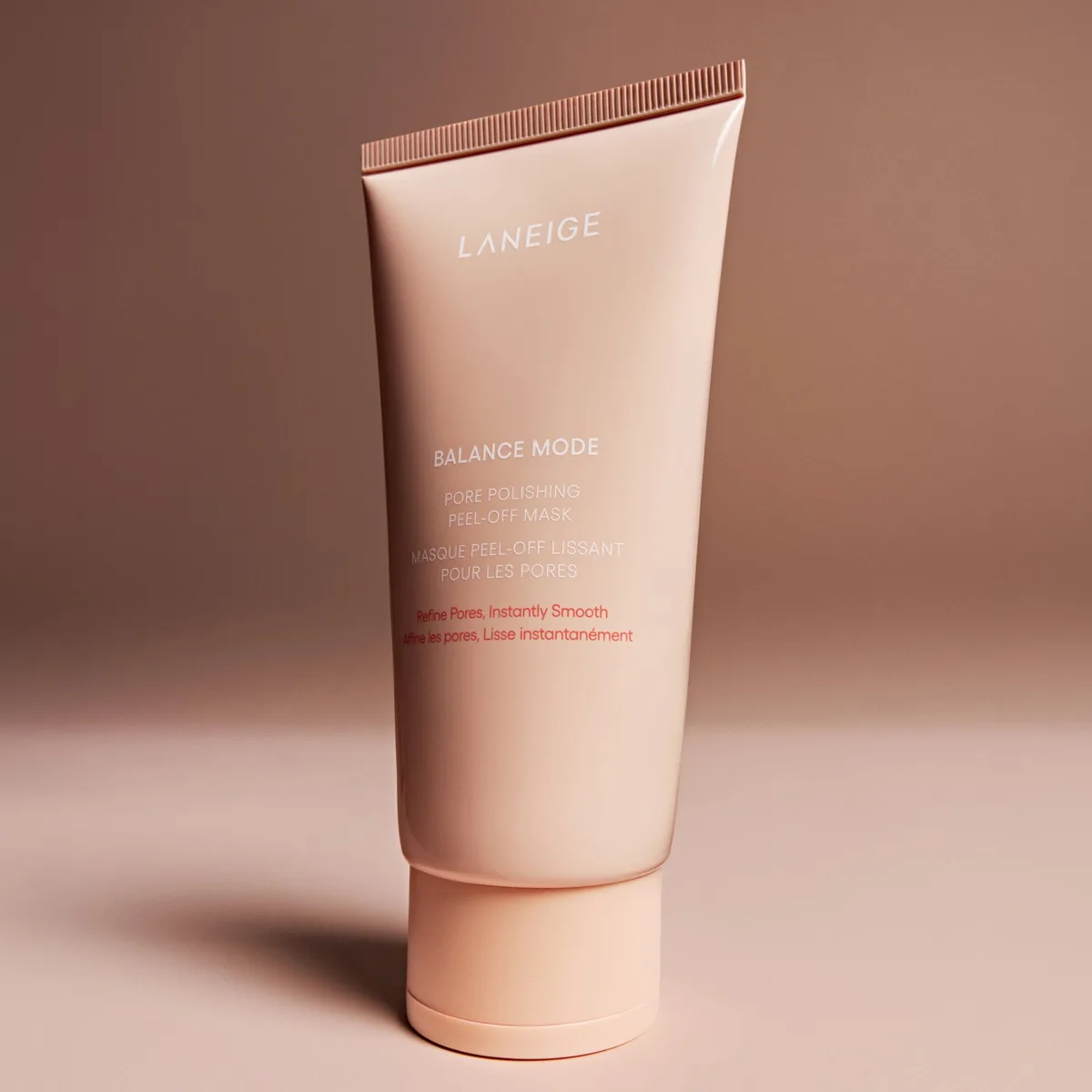 K-Beauty Multi-Mechanism Pore Mask
 Balance Mode Pore Polishing Peel-Off Mask
An ambitious K-beauty peel-off mask combining film-forming mechanical pore-clearing with niacinamide, salicylic acid, bentonite clay, and soothing botanical cast in a multi-mechanism formulation. The integrated chemistry distinguishes this from basic peel-off masks that rely on mechanical action alone. Limited to oily-to-combination skin given the alcohol-denat plus mechanical action combination, but for the target demographic this delivers meaningful pore care with cumulative effects.
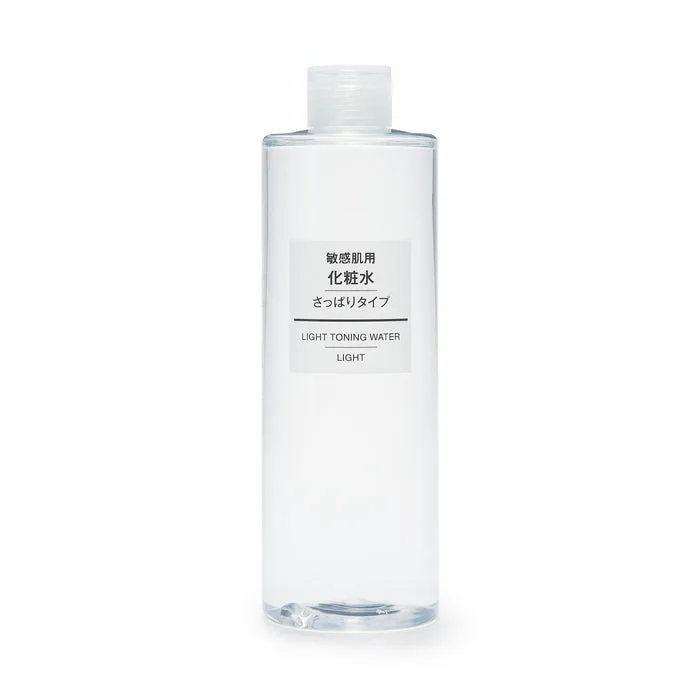 Cult Minimalist Toner
 Sensitive Skin Toning Water - Light
A cult Japanese minimalist toner that distills hydration to its essentials — alkaline spring water, Lipidure, glycerin, purslane, allantoin — fragrance-free, alcohol-free, and famously cheap. The Light version is weightless and almost impossible to react to, ideal for normal-to-oily and sensitive skin. It's a humble, reliable hydrator; just don't expect any treatment actives.
 Invisible Liquid Patch
 Paint & Peel Liquid Pimple Patch
An inventive paint-on pimple patch: a liquid that dries into a near-invisible, customizable film, sealing 1% salicylic acid against a blemish for real leave-on treatment, at up to 100 uses for around $10. It's more invisible, flexible, and economical than a sticker patch and genuinely gentle. The honest trade-off is drawing power — unlike a hydrocolloid sticker, it doesn't absorb fluid or flatten a whitehead nearly as well. A great invisible treat-and-protect, a weaker 'draw-it-out.'
 No-Frills BP Gel
 Acne Treatment Gel
A no-frills 10% benzoyl peroxide gel that treats pimples effectively in an unusually minimal, fragrance- and alcohol-free base — just five inactive ingredients around the proven active. It's a solid, honest pick for oily, resilient, acne-prone skin that wants the acne fighter with as little else on the skin as possible. The maximum strength runs dry and flaky, the tube is small, and it's priced a touch above some drugstore rivals, but the bare-bones formula is the point.
 Ten-Ingredient Reactive-Skin Wash
 Soothing Cleansing Gel
Ten ingredients, one very mild glucoside, glycerin in second place and no fragrance: this is the Mustela wash for the baby whose skin reacts to the others, and it does that one job as well as any pharmacy cleanser. It barely lathers, feels like slightly slippery water and costs $17 for a formula this plain — all of which is the point, and none of which will please a parent who wanted bubbles.
 Blue Line Lip Seal
 Blue EGF Barrier Lip Balm
A well-made, fragrance-free, flavour-free gloss-balm that does what a lip balm should and adds two things most do not: polyisobutene and a lanolin-like ester over a declared ten percent shea seal the lip, urea softens the dead edges of a chapped one, and panthenol, ceramide NP and squalane support the thin lipid layer underneath, with a guaiazulene salt for the Blue calm. The EGF is a trace at the very end of the list and the badge on the tube, chamomile oil is the one allergen note, there is no SPF, and a month-old balm has no record; at ten dollars it is a good lip balm with a story attached.
 Refillable Kids' Spray
 Kids 360 Coverage Advanced Control Mist Sunscreen SPF 50
The best reason to buy a Banana Boat kids' spray in years is the bottle, not the sunscreen: a quiet, non-aerosol, any-angle, refillable sprayer that covers a squirming child in three sweeps without a cloud to breathe or a can to bin. The formula is the adult Sport mist minus the fragrance — standard four-filter SPF 50+, eighty minutes of water resistance, an alcohol base that stings scrapes. Rub it in, keep it off the face, and reach for a mineral lotion if the child has eczema.
 SPF 70 Mineral That Spreads
 Ultra Sheer Mineral Face Liquid Sunscreen SPF 70
An SPF 70 mineral face sunscreen that genuinely spreads and sets sheer for its twenty-one percent zinc-and-titanium load, fragrance-free, sting-free and thirteen dollars, with glass microspheres and film-formers doing the elegant work. The cast on deeper skin tones is real, the bottle is small, and the '100 percent mineral' label sits over a UV-absorbing salicylate ester in the inactives; for fair to medium sensitive, rosacea-prone or melasma-prone faces it is one of the best mineral buys on a drugstore shelf.
 Dermatologist Gold Standard
 Effaclar Adapalene Gel 0.1%
The same prescription-strength adapalene that dermatologists recommended for decades, now available over the counter under a trusted pharmacy brand. It's a genuinely effective acne treatment with long-term anti-aging benefits — but it costs more than identical OTC alternatives, and the adjustment period is real.
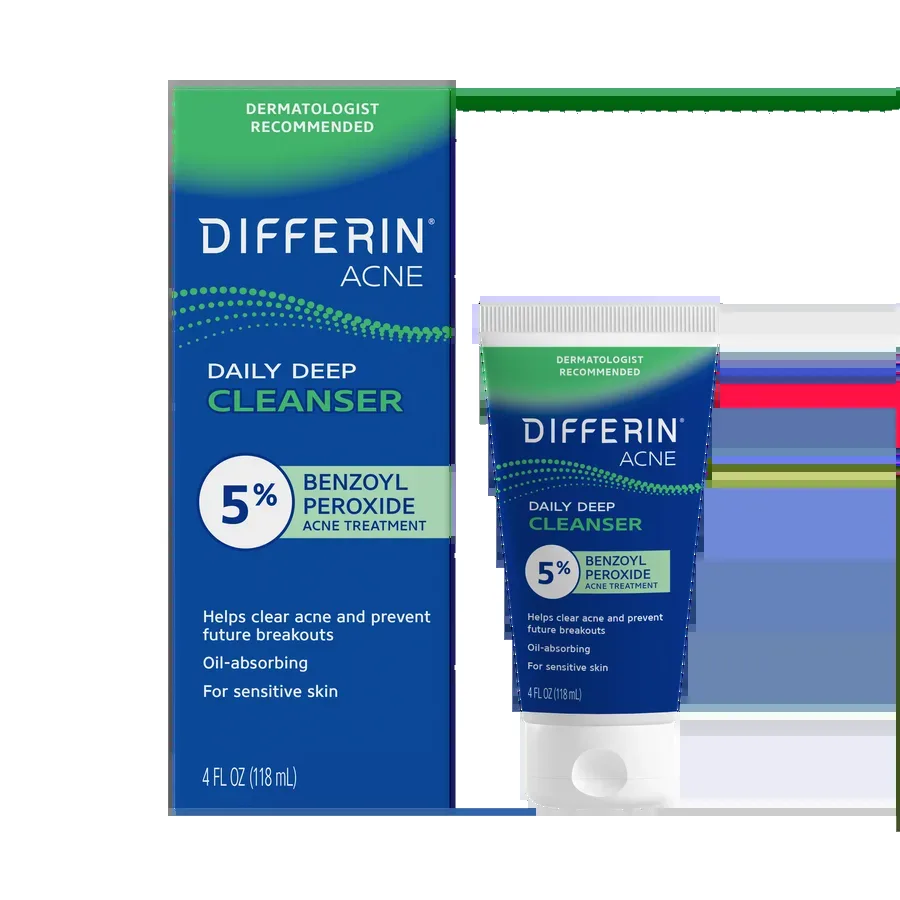 Acne Starter Kit Essential
 Daily Deep Cleanser
A brilliantly minimalist benzoyl peroxide cleanser that does exactly one thing — kill acne bacteria — with less collateral damage to your skin than virtually any competing BPO wash. The clever dual-action polymer technology makes it the ideal gentle on-ramp for anyone building an adapalene-based acne routine.
 Drugstore Eye Cream That Earns the Category
 Gokujyun Premium Eye Cream
One of the few drugstore-tier eye creams that actually earns the category designation — 7-hyaluronic-acid stack plus barrier-mimetic lipids, squalane, meadowfoam oil, and phellodendron extract calibrated specifically for eye-area skin. Focuses on hydration and barrier support rather than active anti-aging chemistry, which is the right scope for the price tier.
 Percentages On The Label
 Salicylic Acid Exfoliating Scalp Treatment
Fifteen ingredients, three published percentages, and a real two-percent keratolytic dose — this is what a scalp exfoliant looks like when nobody is trying to make it feel like something. No fragrance, no menthol, no tingle, and consequently no theatre. For oil-bound flaking and buildup it works, it costs seventeen dollars, and the bottle lasts months.
 Sensitive Scalp Standard
 Dandruff Shampoo
Monograph-maximum zinc pyrithione in a base that behaves like a sensitive-skin cleanser — no sulfates, no fragrance, no dye, nothing to react to. It is the rare medicated shampoo that does not punish the scalp it is treating. Twice the drugstore price, and zinc pyrithione is still not the strongest active in the aisle, but for reactive scalps this is close to the ideal compromise.
 Reference Calming Ampoule
 Artemisia Calming Ampoule
Seventy percent fermented mugwort, a humectant gel and nothing else: fifteen ingredients, no fragrance, no oil, no gimmick. It calms a flushed face within minutes, hydrates without heaviness, and pairs with every active in the cabinet, which is why it has been the reference calming ampoule since 2019 under two names. Its evidence is preclinical and its ambition stops at soothing, and that is precisely why it works.
 The Family Zinc That Blends
 PLAY Mineral Lotion SPF 30
The family zinc lotion that actually blends: 16% coated zinc oxide, no chemical filters, no fragrance, no alcohol, a genuine 80-minute water-resistance rating, and bisabolol, glycerin and astaxanthin to keep it kind on children and reactive skin. The cast on deeper tones and the salicylate booster are the honest footnotes, and the alphabetical ingredient list defeats the usual reading habit. At $28 for 100 ml it is fair for what it is, and what it is is one of the better mineral body lotions at the price.
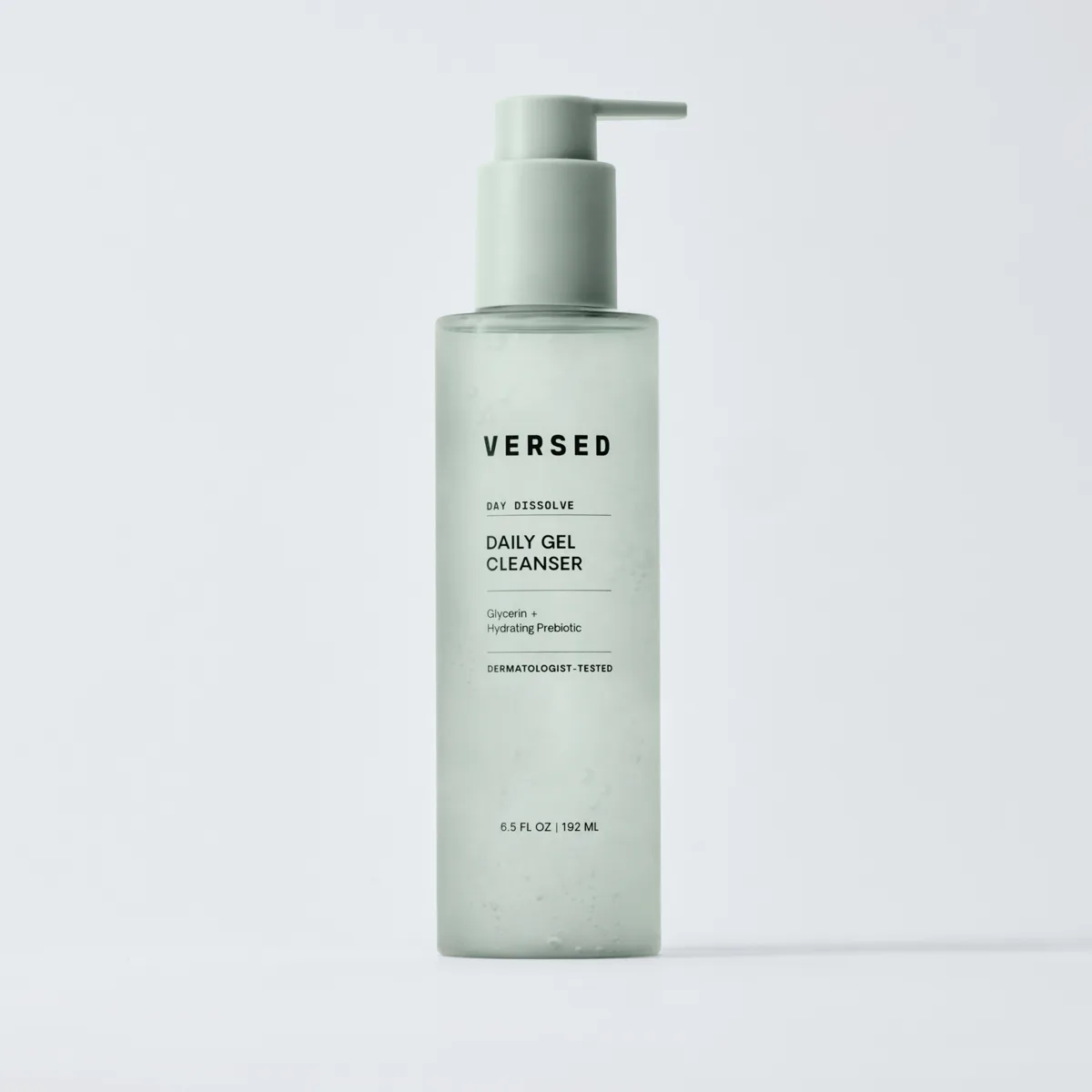 The Thirteen-Dollar Amino-Acid Wash
 Day Dissolve Daily Gel Cleanser
A mild amino-acid and glucoside gel with glycerin above the surfactants, a soft prebiotic-and-beta-glucan finish and nothing to react to, at thirteen dollars — the kind of cleanser that costs twice as much when it arrives from Seoul or Tokyo. It will not shift heavy makeup alone, its prebiotic billing is decorative in a rinse-off, and it is too new to have a record, but on chemistry and price it is one of the better gentle gels on a drugstore shelf.
 No-Frills Lip Glaze
 Bamboo Hyalu Lip Essence
A cheap, fragrance-free petrolatum ointment in a glossy, squeezable costume, and a very effective one. The hyaluronic acid and bamboo on the label barely register in the formula, but the petrolatum base is exactly what chapped lips need. Bought as a plain, well-textured lip ointment rather than a hydration serum, it is one of the easier recommendations in lip care.
 Matte SPF Daily Driver
 Ultra-Light Moisturizing Lotion SPF 30
The daily SPF that oily skin types will actually wear — and that is the highest compliment a sunscreen can receive. The matte finish is genuine, the ceramide barrier support is a thoughtful bonus, and the lightweight texture makes skipping sun protection feel like a choice rather than a necessity. Just accept the chemical sunscreen scent and the modest 1.7-ounce size.
 Best Retinoid Starter
 Crystal Retinal 3
The retinoid designed for people who are afraid of retinoids — and the product that might just convert them. Crystal Retinal 3 proves that the world's most effective OTC vitamin A form can be introduced to sensitive skin without the usual drama, creating a genuinely accessible on-ramp to serious anti-aging skincare.
 Sport Sunscreen Workhorse
 Skin Armor SPF 50 Sunscreen
Art of Sport's Skin Armor is one of the better sport sunscreens at any price — and it's a drugstore product. Avobenzone is maxed at 3%, photostabilized by 8% octocrylene, and locked in by a real water-resistance polymer. The fragrance and alcohol denat keep it out of sensitive-skin territory, but for athletes who actually sweat, it earns the name.
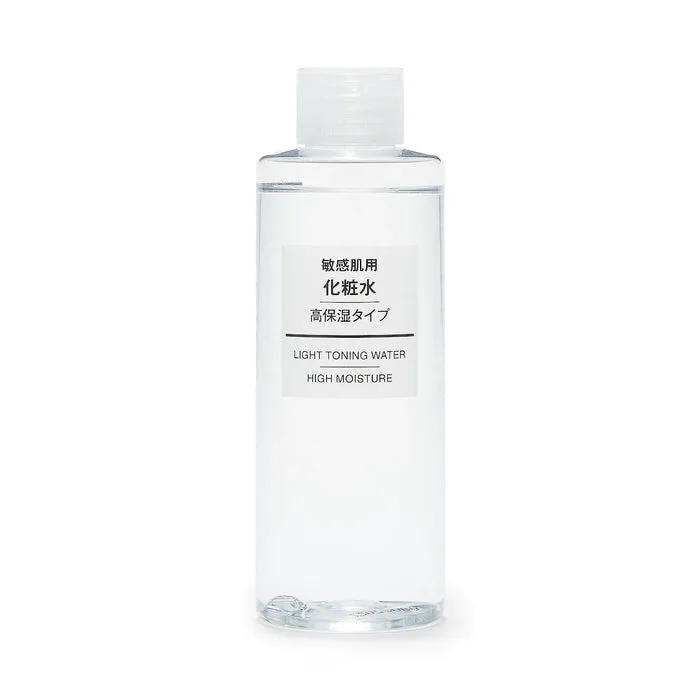 Richest Sensitive Toner
 Sensitive Skin Toning Water - High Moisture
The dry-skin member of Muji's variant system: the same gentle, fragrance- and alcohol-free Sensitive Skin base as the Light toner, boosted with a stacked humectant blend (glycerin, sodium PCA, hyaluronic acid, trehalose) for richer, longer-lasting hydration — and, notably, still oil-free and fungal-acne safe. It's a lovely, comforting hydrator for dry skin at a giveaway price.
 Glow-Boost Peel-Off Mask
 Rose Collagen Wrapping Peel-Off Mask Pack
A cut above the average peel-off mask: a Damask rose water base carrying genuinely useful actives — niacinamide, adenosine, panthenol — plus a broad fruit-antioxidant cast, drying to a satisfying film that leaves skin smooth and glowy. The catch is the inherent limits of the format and added fragrance, so treat it as a weekly cosmetic polish, not a deep treatment.
 Refillable Sport Spray
 Sport 360 Coverage Advanced Control Mist Sunscreen SPF 50
Buy it for the bottle. The sunscreen inside is Banana Boat's ordinary four-filter sport formula — SPF 50+, eighty minutes of water resistance, alcohol base, tropical fragrance — but the non-aerosol, refillable dual-mode sprayer is a real improvement on the propellant cans it replaces: no cloud, no chill, no inhalation, any angle, and a refill that costs less than a new one. Rub it in, keep it off the face, and know the alcohol will sting a shaved leg.
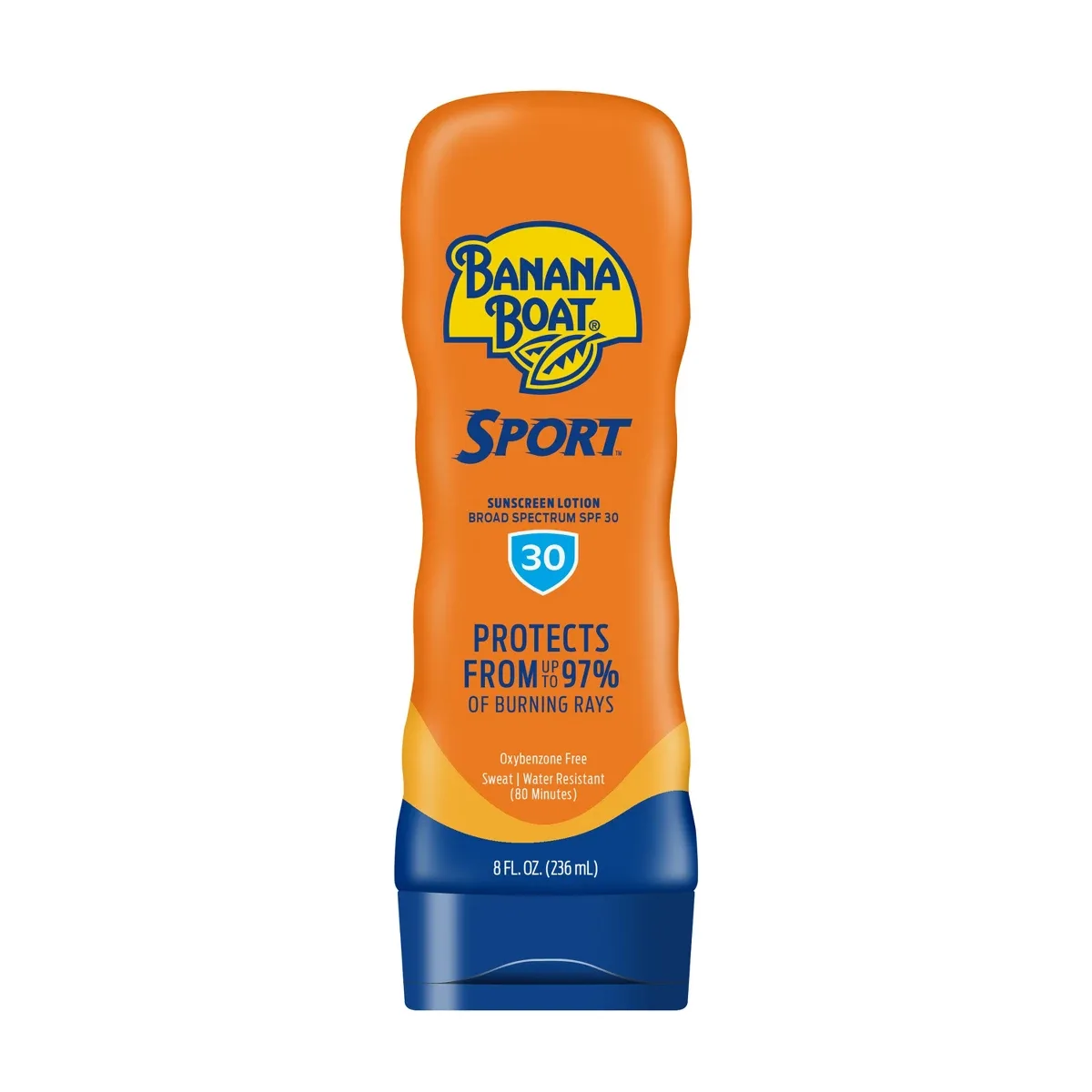 Budget Sport Lotion
 Sport Sunscreen Lotion SPF 30
A cheap, light, sweat-resistant SPF 30 body lotion that does what a budget sport sunscreen should — rubs in clear, holds through a swim, costs little enough to reapply without thinking. The catch is the fine print on the 2026 bottle: the 'New & Improved' reformulation cut every filter below the Sport Ultra it replaced, the base changed, and recent reviews are cooler than the thousand-review record the old formula built. Apply it generously, keep it off reactive faces, and read the new label as 'lighter', not 'stronger'.
 Tanning Oil, Reformed
 Glow Oil SPF 50 Body Oil
The tanning-oil experience with a real sunscreen inside it: a fast-spreading, dry-touch, glossy body oil whose SPF 50, doubly stabilised avobenzone and 80-minute water resistance are properly engineered and monograph-tested. The costs are the ones the format demands — maximum-dose homosalate and octocrylene over a lot of skin, alcohol second, an oil that is easy to under-apply, and $40 for 148 ml that a properly dosed beach week will empty. Better than it has any right to be; still an oil.
 Lipid-Depositing Baby Wash
 Nourishing Cleansing Gel with Cold Cream
Mustela's reliable tear-free wash with a cold-cream fraction folded in — beeswax and sweet almond oil that leave a trace of lipid on dry baby skin after rinsing. The idea is sound and the execution is competent, and it feels noticeably less stripping than a plain gel. But it keeps the brand's fragrance and adds a tree-nut oil, which rules it out for the eczema-prone and allergy-prone babies whose skin is driest, and its ceramide is a label promise a wash can't keep.
 The Original Pimple Patch
 Acne Pimple Master Patch
The product that launched a category. A no-frills hydrocolloid patch that does exactly one thing — absorb fluid from surfaced blemishes and protect them while they heal — and does it so well, so cheaply, and so satisfyingly that it has sold tens of millions of units and spawned an entire industry of imitators.
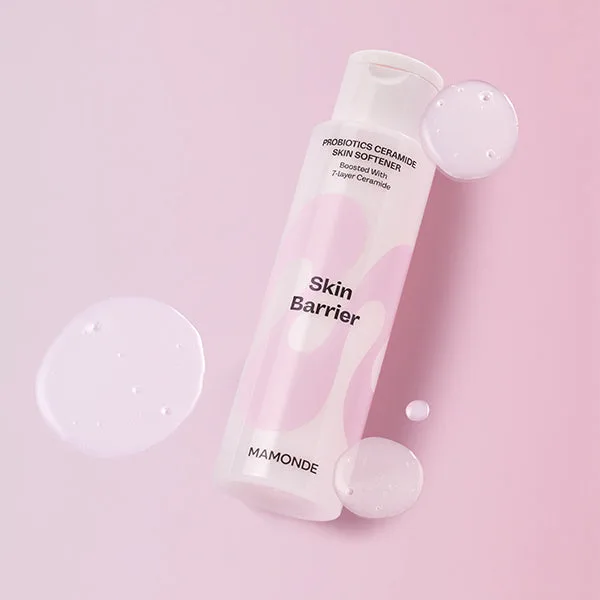 Ceramide Toner Pioneer
 Ceramide Skin Softener
A clever K-beauty softener that turns the humble toner step into active barrier repair, delivering ceramides and probiotics in a fast-absorbing liquid that primes skin for everything that follows. The value is outstanding, and the formula proves that effective barrier care doesn't need to be heavy.
 Water-Resistant Japanese Sunscreen
 UV Aqua Rich Watery Hold Cream SPF 50
The cult Aqua Rich texture, finally built to stay put. This 2025 'Hold' version pairs advanced UV filters unavailable in the US with a film-forming polymer system for genuine water and sweat resistance — all at a budget price. The trade-off is a high alcohol content that makes it less comfortable for dry or sensitive skin. For oily and combination skin, it is outstanding value.
 Dessert-Flavoured Gloss Balm
 Acai and Vanilla Lip Balm
A glossy, melt-on-contact squeeze-tube balm built on a hydrogenated olefin base with avocado, almond, cocoa and shea for comfort, at a price that makes it an easy impulse buy. The dessert scent and sucralose sweetener are the point and the problem: lovely to wear, hard to stop licking, and wrong for cracked or reactive lips. A treat, not a treatment.
 Nu-Derm's Sheer Step Six
 Healthy Skin Protection Broad Spectrum SPF 35
The Nu-Derm sunscreen patients actually wear: a sheer hybrid of nine percent zinc and octinoxate that vanishes into the skin, does not sting a hydroquinone face, and carries the Skin Cancer Foundation's seal. Its loyal reviewers are right about how it feels and wrong to overlook the label, which pairs an organic filter banned in Hawaii with five parabens, comedogenic esters and a DEA emulsifier; it is a 2000s formula Obagi would rather geo-fence than rebuild.
 Body SPF That Feels Like Nothing
 Unseen Sunscreen Body SPF 40
The most pleasant body sunscreen to actually wear: a water-free silicone gel with a full four-filter SPF 40 that spreads over a limb in a few strokes, sets clear and dry in a minute, and never ends up on a shirt. It is built for the days people skip body SPF — the commute in shorts, the terrace lunch — and it wins those days. It loses the beach: forty-minute water resistance, a price per ounce that stings at a proper body dose, and an avobenzone system that reactive skin will notice.
 PLAY, Minus the Octocrylene
 PLAY Everyday Lotion SPF 30
The best-selling PLAY lotion with one filter removed: no octocrylene, avobenzone stabilised by a dedicated photostabiliser instead, and a rating of 30 rather than 50 at exactly the same price. For anyone avoiding octocrylene it is the version to buy, and it keeps everything that made PLAY the family sunscreen — hydrating, no cast, 80-minute water resistance, a clean citrus scent. For everyone else the SPF 50 in the matching tube is the better number, and the six essential oils keep both off reactive skin.
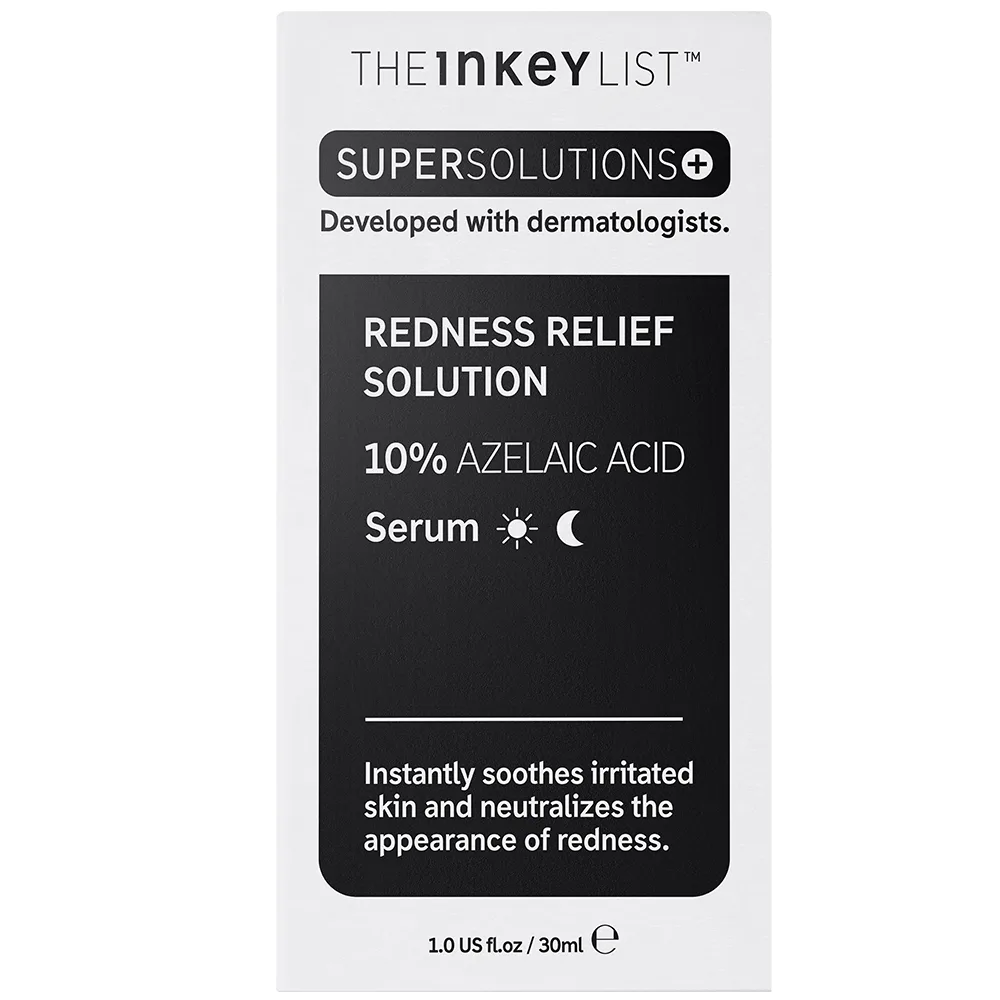 Azelaic Acid That Doesn't Pill
 10% Azelaic Acid Serum for Redness Relief
One of the best-behaved cosmetic azelaic serums on the market: a declared 10 percent in a smooth gel that absorbs invisibly and does not pill, a real 0.3 percent allantoin to blunt the first-week sting, and a sheer green tint that cancels pink on contact — fragrance-free, oil-free, pregnancy-safe, $20. It calms redness within a couple of weeks and fades marks over two months. It tingles at first, 10 percent is slower than prescription strengths, and the four-day claim is the brand's own; but for redness-prone skin that has given up on azelaic acid because of the texture, this is the one to try again with.
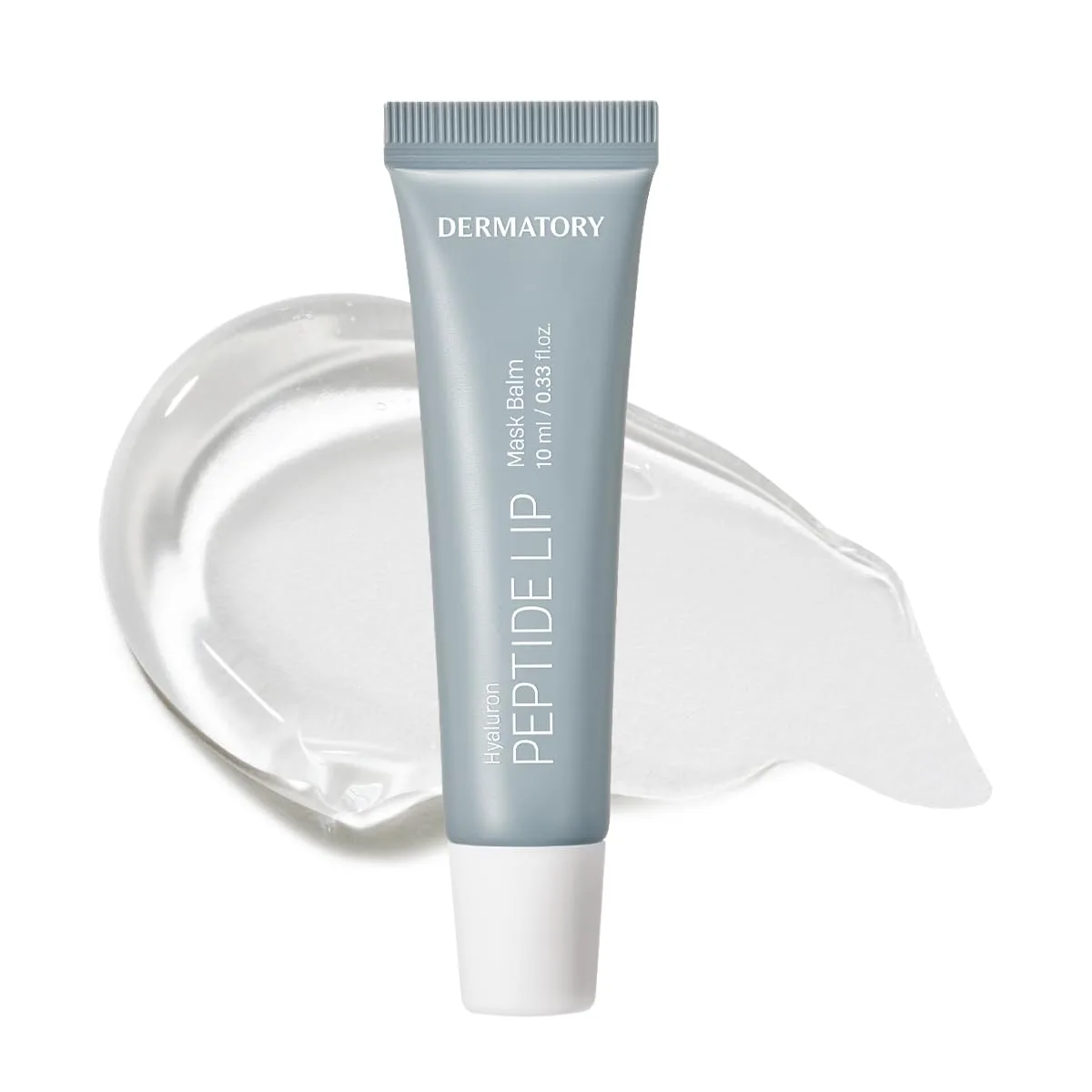 Sting-Free Lip Plumper
 Hyaluron Peptide Volume Lip Mask Balm
A gentle, fragrance-free lip mask balm that makes lips look fuller and glossier through a cushiony occlusive base and humectants, while ceramide and panthenol repair dryness. The five peptides are mostly for show, sitting at the end of the list, but as a sting-free plumping and overnight repair balm it is very good value.
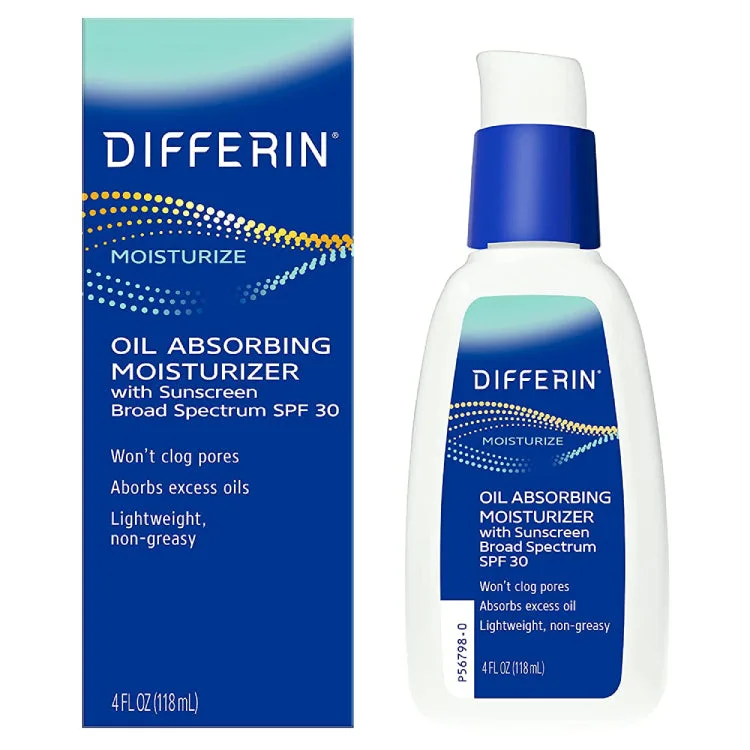 Best Retinoid-Companion SPF
 Oil Absorbing Moisturizer SPF 30
A sunscreen-moisturizer hybrid that actually understands its assignment. Differin's Oil Absorbing Moisturizer SPF 30 combines triple UV protection with genuine barrier repair ingredients and real oil control — making it one of the few drugstore SPF options that feels purpose-built for retinoid users with oily, acne-prone skin rather than just slapped together.
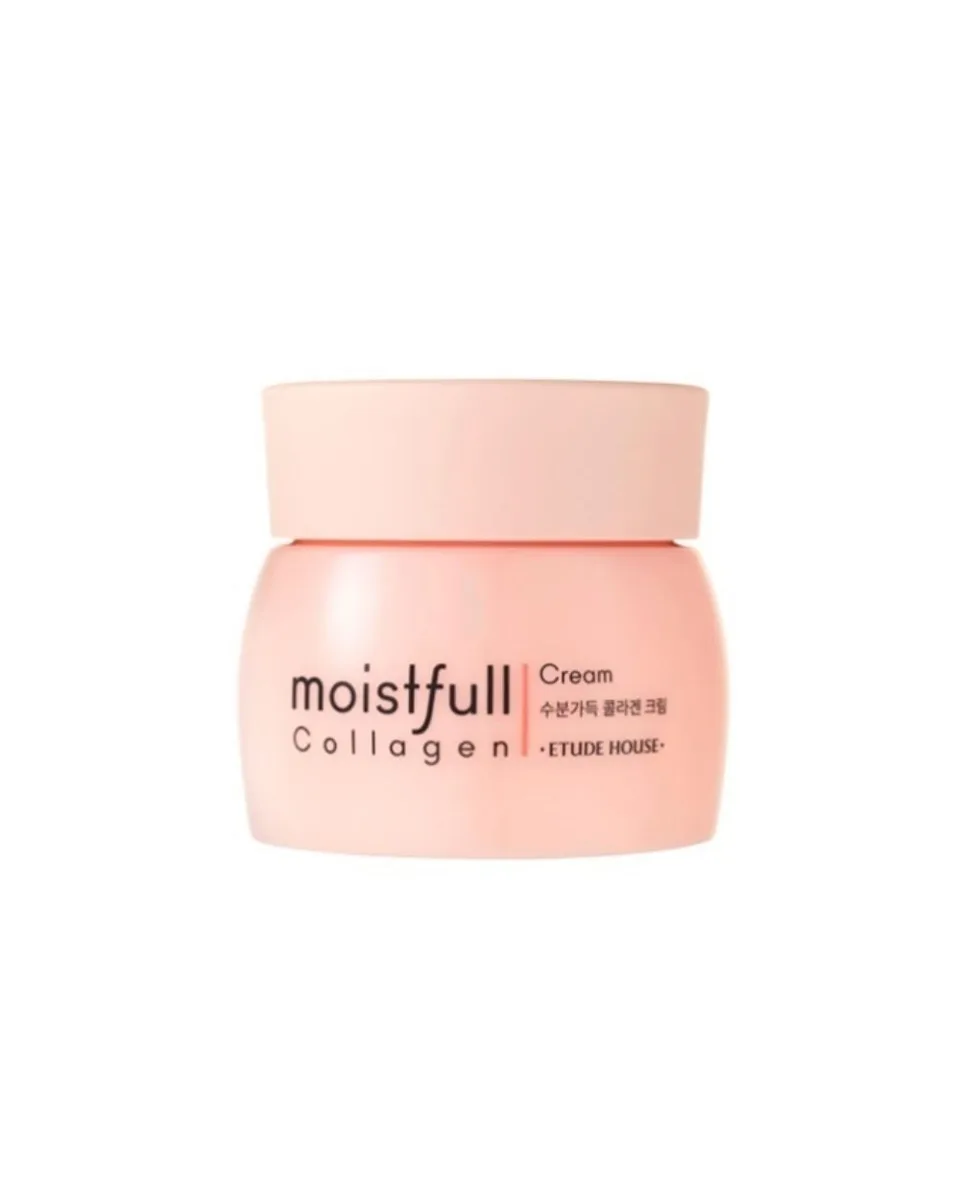 K-Beauty Cult Favorite
 Moistfull Collagen Cream
A delightful K-beauty moisturizer that delivers genuine hydration through its unique 63.4% hydrolyzed collagen water base and satisfyingly bouncy texture. The plumping effect is immediate and the price is accessible. Just manage your expectations — this cream hydrates beautifully but won't rebuild your skin's collagen structure. For what it actually does, it does it well.
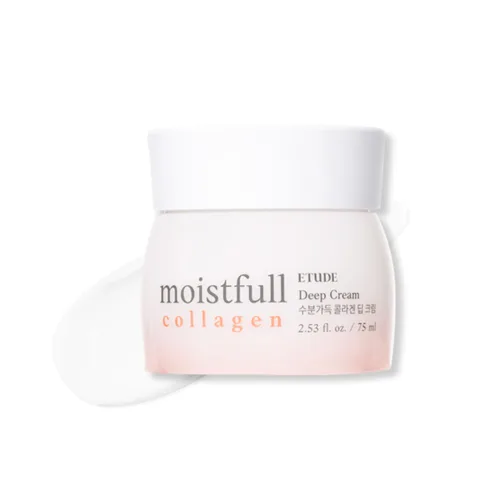 K-Beauty Winter Shield
 Moistfull Collagen Deep Cream
The richer, winterized sibling of Etude's cult-favorite collagen cream. It trades some collagen water for heavier emollients that create a more protective moisture barrier — ideal for genuinely dry skin or cold-weather rescue. Not as universally wearable as the original, but it fills a real gap for those who need more than a gel-cream can deliver.
 Gen Z Acne Icon
 Hydro-Star + Salicylic Acid Pimple Patches
The pimple patch that made acne treatment feel like a fashion statement rather than a medical intervention. The 1% salicylic acid gives it a genuine edge over plain hydrocolloid patches, but the premium price means you are paying for branding as much as for blemish-fighting.
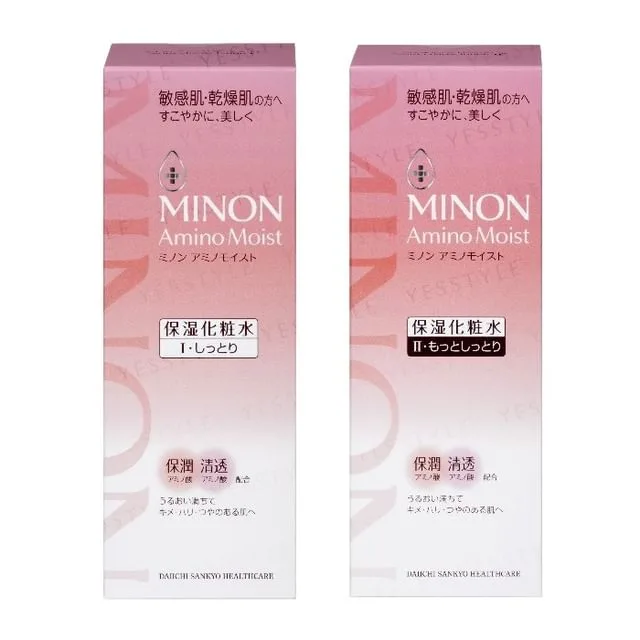 Winter Sensitive-Skin Hydration MVP
 Amino Moist Charge Lotion II Moist
The richer-texture counterpart to Minon's Charge Lotion I — identical comprehensive NMF amino-acid and dual-MW hyaluronic-acid architecture, now with xanthan gum added for the viscosity that genuinely dry skin needs. The two-version approach lets users match format to skin condition rather than settling for one-size formulation. Premium pharmacy-brand pricing is the only meaningful flag.
 Best J-Beauty Sunscreen
 UV Aqua Rich Watery Hold Cream
Biore's UV Aqua Rich Watery Hold Cream delivers Japan's modern UV filter set (zinc oxide plus ethylhexyl methoxycinnamate plus Tinosorb S plus Tinosorb M plus Uvinul A Plus) at SPF 50+ PA++++ in the brand's signature watery-elegance texture. Superior filter technology unavailable in US-formulated sunscreens, at accessible import pricing.
 Instant Event Eye Bag Treatment
 Revitalift Triple Power Eye Bag Instant Eraser
L'Oreal Paris cosmetic-effect instant tightening eye gel using acrylates/isobornyl acrylate copolymer + silica silylate film-forming technology for visible under-eye tightening lasting several hours. Specifically positioned for event use rather than as a daily skincare-tier treatment. Useful for the targeted event-treatment use case but not a substitute for skincare-tier under-eye treatment.
 Single-Peptide Value Serum
 Matrixyl Synthe'6 Serum
This is a focused, honest peptide serum: a single branded collagen-signaling peptide, Matrixyl Synthe'6, at its proper 2% dose in an almost bare, gentle base, for a budget price. It hydrates immediately and builds subtle firmness and smoothness over a couple of months without any irritation. The peptide evidence is promising rather than retinoid-strong, so use it as a gentle building block — ideally alongside a retinoid — and it's excellent value.
 The Clinical Descaler
 T/Sal Therapeutic Shampoo, Scalp Build-Up Control
Eleven ingredients, no fragrance, no dye, no preservative, two real cationic conditioners, and a three percent acid labelled for psoriasis as well as dandruff. It is the most clinically built thing in the medicated aisle and the only one whose label tells you how long to leave it on. It also has no antifungal action, and costs more than twice per ounce what its shelf-mates do.
 Ppm-Labelled Milky Rice Toner
 Rice Glow Milky Toner
A gentle, fragrance-free milky toner with more going for it than its rice-water headline: niacinamide sixth on the list, three ceramides with cholesterol and sterols, panthenol and allantoin, in a light emulsion that sinks in without tack. The 78 percent rice water is the base with a big number on it and the milk is partly an opacifier, but the toner underneath is a well-built hydration layer for nearly any skin at a fair price. Expect softness and a faint glow, not a brightening result.
 Family Daily SPF
 Essence Sunscreen SPF43+
The sensible one in Missha's US sun line: fragrance-free, alcohol-free, cast-free and cheap enough to slather on a whole family every morning, with its avobenzone properly stabilised. It has no glamour and an odd number on the front, and octocrylene means eczema-prone skin should patch test, but as an everyday lotion it simply works.
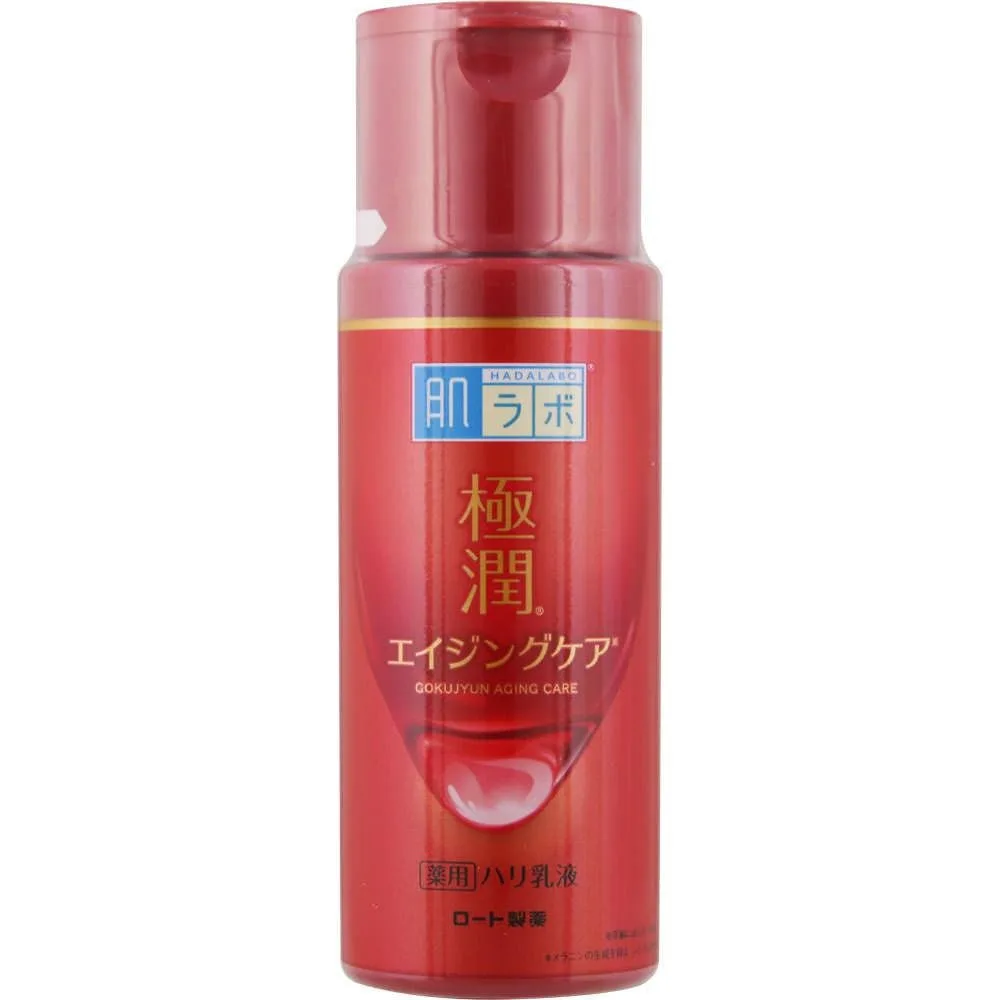 Pharmacy Quasi-Drug Milk
 Gokujyun Anti Aging Milky Lotion
A pharmaceutical company's anti-ageing milk: niacinamide registered as a quasi-drug active for wrinkles and spots, acetyl glucosamine beside it, three hyaluronic acids, shea and meadowfoam, no fragrance, no alcohol, no parabens, eighteen dollars. It does nothing loudly and everything sensibly, and the only things to hold against it are an undisclosed percentage and a richness that oily skin in summer will notice.
 Vegan PDRN, Film-Formed Lift
 Lacto-PDRN 4% + B9 Eye Cream
Under ten dollars buys an eye cream that tightens visibly within half an hour through a pullulan-and-gum film, hydrates comfortably with shea oil and humectants, and carries a declared four percent of a fermentation-derived vegan DNA fragment that DECIEM calls Lacto-PDRN and nobody has yet shown does anything topically. The immediate effect is honest and mechanical, the eight-week claim is unpublished, and the value is excellent either way.
 European Pharmacy Classic
 Hyaluron-Filler Eye Cream
A quietly excellent eye cream from a 120-year-old pharmacy brand that delivers dual-molecular hyaluronic acid, endogenous HA stimulation, and integrated SPF 15 at a price that makes luxury eye creams look embarrassed. Not the most exciting product in your routine, but possibly the most sensible.
 J-Beauty Sport Sunscreen MVP
 UV Athlizm Skin Protect Essence SPF 50+
One of the most capable sport sunscreens on the global market — a Japanese essence loaded with next-generation European filters that holds up through sweat, swimming, and sunshine without feeling like armor. If you can import it, it belongs in any runner, cyclist, or swimmer's bag; if you're buying for calm daily office wear, the regular Aqua Rich line is a better fit.
 Sulfate-Free Beard Wash
 Moisturizing Beard Wash
A purpose-built, sulfate-free beard wash that cleans coarse facial hair without the stripping you get from body soap or shampoo, thanks to a mild amino-acid surfactant blend buffered with glycerin and panthenol. It's gentle, conditioning, and a deserving brand cornerstone, with an assertive fragrance as the main caveat.
 Gentle Gommage Peel
 PHA Peeling Gel
A genuinely gentle two-step exfoliant: cotton-derived cellulose for a soft gommage and lactobionic acid PHA for mild chemical exfoliation, buffered by ceramide, hyaluronic acid, and soothers. It's an excellent low-irritation way for sensitive or dry skin to smooth texture without the sting of a strong acid. The honest catch — it's mild, so stubborn texture and congestion may need something stronger, and some of the visible 'peeling' is the product, not your skin.
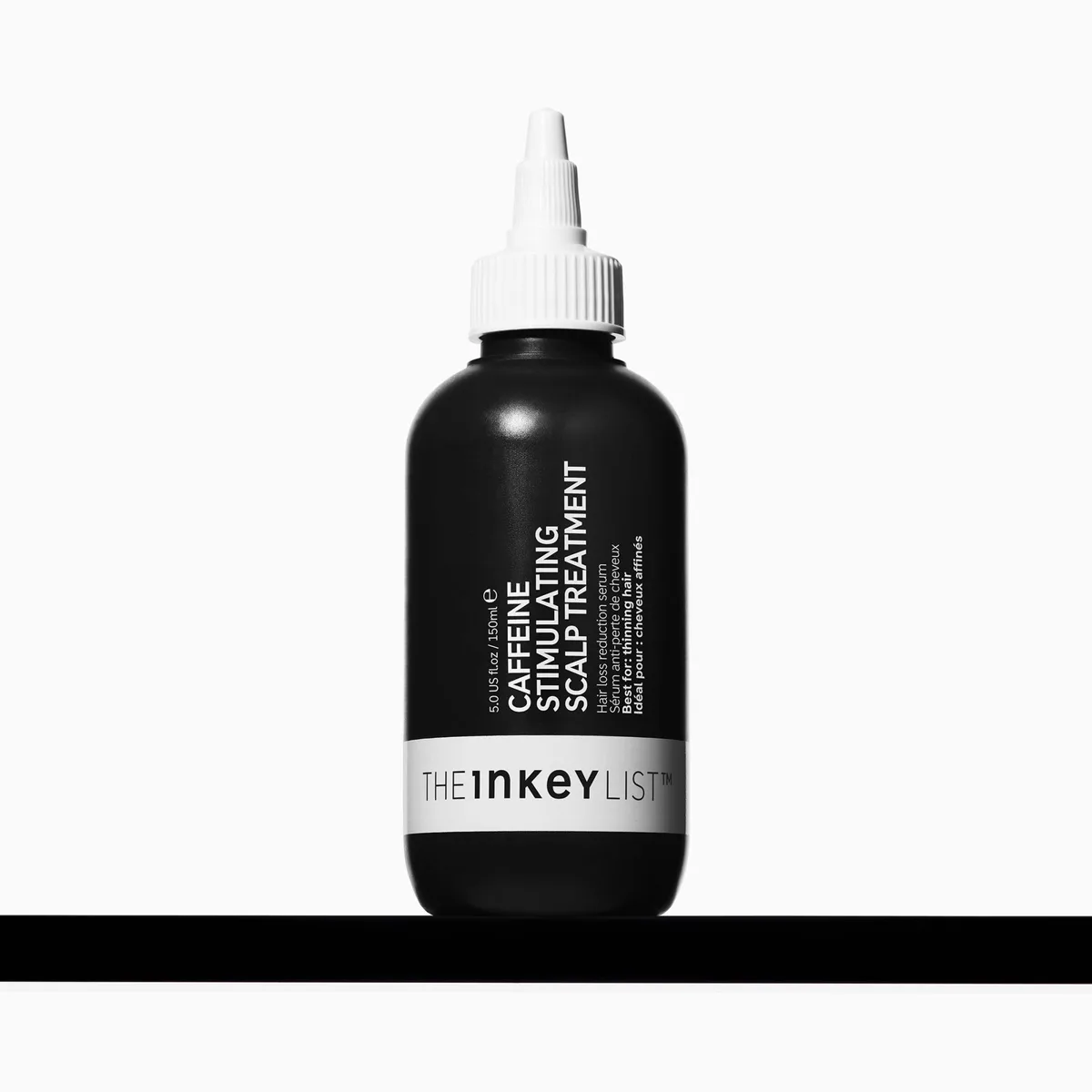 Nightly, Quiet, Cheap
 Caffeine Stimulating Scalp Treatment
One percent Redensyl and one percent caffeine, published on the label, in a fifteen-ingredient formula containing nothing that could irritate a scalp dosed nightly — for seventeen dollars. It is honest, unusually gentle, and its ceiling is set by evidence rather than by formulation. Expect a modest, slow, uncertain benefit rather than a transformation.
The full film formers & texture polymers guide
The invisible scaffolding of modern skincare, film formers are why your SPF stays put through a swim, your serum feels like skin rather than product, and that "instant lifting" claim on certain anti-aging treatments is actually delivering something real — at least until you wash your face.
These polymers don't penetrate; they coat, and that surface-level action turns out to be surprisingly useful.
How it's regulated in the US
FDA does not classify ingredients — it classifies products, by what they are sold to do. The same molecule can be a drug active in one product and a cosmetic ingredient in the next, and only the claim on the label decides which. What follows is a statement about that legal standing, not about whether it works — the evidence question is answered separately above.
Cosmetic Film Formers & Texture Polymers is a cosmetic ingredient in the US: no OTC monograph covers it and it is not an active in any FDA-approved drug, so a product built around it is a cosmetic rather than a drug.
The functional claims for film formers are among the most mechanistically straightforward in cosmetics: they form measurable polymer networks on skin surfaces, and those networks provide documented water resistance, UV-filter retention, and sensory modification. The Cosmetic Ingredient Review published its Final Report on Acrylates Copolymer and 33 related ingredients in 2002, then issued an amended assessment covering a much larger group of acrylates copolymers in 2018, again concluding they are safe for cosmetic use when formulated to be non-irritating. Formulation research confirms that polymeric film formers improve SPF and water resistance in sunscreens by distributing UV filters more uniformly and reducing their migration during sweating or immersion. The temporary tightening and smoothing effects are real but entirely physical — the film contracts slightly as it dries, mechanically reducing the appearance of fine lines and enlarged pores, with no dermal remodeling involved. Pullulan (a fermentation-derived polysaccharide from Aureobasidium pullulans) produces well-characterized breathable films; synthetic acrylates carry the deepest safety dossier. There is no credible evidence that properly formulated film formers at cosmetic use levels are comedogenic or that they block normal transepidermal gas exchange. Environmental persistence of non-biodegradable synthetic polymers (certain acrylates, polyacrylamide) is a legitimate concern distinct from skin safety.
How it works
When you apply a product containing a film former, the polymer is dissolved or dispersed in the formula's water or solvent phase. As the product spreads and the carrier evaporates, the polymer chains come into proximity and entangle — or, in crosslinked systems, lock into a three-dimensional mesh — forming a thin, continuous layer that adheres to the skin surface. This happens at room temperature with no chemical reaction required from the skin itself. The resulting film is semi-permeable rather than fully occlusive. Moisture still moves through it at a reduced rate, which is partly why some film formers contribute mild moisturizing effects, and gas exchange is not meaningfully blocked. What the film does restrict is the physical displacement of whatever it was co-formulated with: UV filters stay more evenly distributed rather than migrating into sweat droplets, active ingredients remain in contact with the stratum corneum longer, and pigments in makeup adhere more durably. Texture polymers like carbomer and hydroxyethylcellulose play a different role — their primary job is controlling the viscosity and rheology of the base, the difference between a serum that flows and a gel that stays put. Carbomer, a crosslinked polyacrylic acid, needs a neutralizing base to reach peak viscosity; hydroxyethylcellulose is nonionic and pH-tolerant, making it compatible with sensitive actives. And that faint tightening sensation from a film-heavy serum? It is simply the polynetwork contracting as it dries — perceivable, but purely mechanical.
Key benefits
- Keeps UV filters evenly distributed for more reliable SPF performance and water resistance
- Creates a breathable surface film that extends active-ingredient contact time with skin
- Delivers immediate, perceivable smoothing of fine lines and surface texture (mechanical, not biological)
- Provides the gel, serum, or cream feel of a formula without requiring heavy oils or waxes
- Hydroxyethylcellulose thickens formulas without disrupting pH-sensitive actives like peptides or niacinamide
- Biodegradable options such as pullulan and cellulose derivatives match film performance with a lower environmental load
Concentration & usage
Film formers and texture polymers span a wide functional range, so usage levels vary by job. Carbomer and hydroxyethylcellulose typically appear at 0.1–2% — small amounts generate significant viscosity. Acrylates copolymer can range from under 1% in a lightweight serum base to very high levels in specialized products like nail extensions, though face-product usage sits at the low end. PVP commonly appears at 1–10% in setting and hold products, while pullulan in tightening serums is typically used at 1–5%. On an INCI list these ingredients almost always appear after the actives but before the preservatives; their position reflects concentration, not importance. Look for them listed as Carbomer, Acrylates Copolymer, Acrylates/C10-30 Alkyl Acrylate Crosspolymer, Hydroxyethylcellulose, Polyvinylpyrrolidone (or PVP), VP/VA Copolymer, Pullulan, or Polyacrylate Crosspolymer-6.
Who it's for & who should be cautious
Who it's for
Anyone using a daily sunscreen benefits from film formers whether they realize it or not — polymer-boosted SPF formulas hold up better against rubbing, sweating, and water than film-former-free versions. People who want a serum or moisturizer that gives immediate visible smoothing, especially around the eyes and forehead, will find pullulan- or acrylate-rich formulas deliver that effect quickly. Oily and combination skin types often tolerate film-former-heavy formulas well, since the light polymer matrix provides hold and finish without the weight of heavy occlusives.
Who should be cautious
Those with a known sensitivity to acrylate-based polymers — which sometimes overlaps with acrylic-nail or dental-cement reactions — should patch-test products that list acrylates copolymers prominently. People who deliberately avoid synthetic polymers on environmental grounds have a legitimate reason to seek out cellulose- and polysaccharide-based alternatives, though that is a values choice rather than a skin-safety one. And because a film-former-heavy occlusive layer can occasionally trap already-present irritants against compromised skin, anyone mid-flare with eczema or contact dermatitis should be cautious with products that feel particularly sealing.
Pairs with & conflicts
Myths & facts
Myth: Film formers prevent your skin from breathing, suffocating pores and causing breakouts.
Reality: Skin does not 'breathe' the way lungs do — it gets the vast majority of its oxygen through circulation, not surface diffusion. The semi-permeable films from cosmetic polymers do not meaningfully block transepidermal gas exchange, and common film formers like acrylates copolymer, dimethicone, and pullulan are generally noncomedogenic at typical use levels. Breakouts blamed on a product usually trace back to other formula components or a skin-type mismatch.
Myth: The 'instant tightening' from film-former serums means the product is actually repairing your skin.
Reality: That tightening is entirely mechanical: as the polymer film dries on the surface, it contracts slightly, physically compressing the look of fine lines and pores. It is not stimulating collagen, remodeling the dermis, or repairing the barrier. The effect is real and perceptible, but it is also reversible — it comes off with your evening cleanser.
Myth: Synthetic film formers like acrylates copolymer are microplastics that accumulate in your body.
Reality: Microplastics are generally defined as solid plastic particles; soluble or film-forming polymers like acrylates copolymer are a different category from rinse-off particulate microplastics. The legitimate concern is aquatic persistence after wash-off, not absorption or buildup in the user's body. CIR safety assessments have not identified systemic toxicity for cosmetic-grade acrylates at relevant use concentrations.
Frequently asked questions
Do film formers genuinely make sunscreen water-resistant, or is that just a marketing line?
There is genuine science behind it. Film-forming polymers help distribute and physically anchor UV filters across the skin, reducing the displacement that occurs when sweat or water dilutes the filter layer. Formulation studies show that film formers measurably improve SPF retention and water resistance, including after immersion. A 'water resistant (80 minutes)' label still requires specific immersion testing to earn, so the film former is part of what makes that standard achievable.
Why does my carbomer gel serum go runny when I layer it under an acidic vitamin C?
Carbomer (crosslinked polyacrylic acid) relies on neutralization to reach peak thickness — it is pH-sensitive by design. Push the pH well below its working range and the polymer network loosens, thinning the product and potentially releasing trapped actives unevenly. Layering rather than physically mixing your serums avoids this; alternatively, look for hydroxyethylcellulose-thickened formulas, which are nonionic and hold viscosity across a broad pH range.
Is the pullulan in an 'instant lift' serum actually doing something, or is it a gimmick?
Pullulan produces a real, immediate effect — but it is purely physical. The fermentation-derived polysaccharide forms a thin film that contracts as it dries, mechanically tightening the surface and blurring the look of fine lines. It does not stimulate collagen, increase elastin, or alter skin structure. Treat it as an honestly described cosmetic tool, not a treatment that changes your skin over time.
If I react to acrylic nails, can I still use skincare containing acrylates copolymer?
Acrylate reactions from nails are typically triggered by uncured liquid acrylate monomers during application, not by fully polymerized acrylates. The acrylates copolymers in skincare are already fully formed polymers with a very different exposure profile. Cross-reactivity has been reported in some sensitive individuals, though, so a patch test before regular use is a sensible precaution if you have a known acrylate allergy.
How is a film former different from an emollient like dimethicone — don't they both just sit on the skin?
Both stay on the surface rather than penetrating, but they behave differently. A film former builds a cohesive polymer network that anchors ingredients, resists wear, and contracts as it dries. An emollient like dimethicone fills microscopic surface gaps and adds slip but never forms a rigid network — it stays fluid and can be rubbed away. Plenty of well-built products use both: the film former for hold, the emollient for feel.
Are 'clean beauty' brands right to tell people to avoid synthetic film formers?
On skin safety, the case for properly formulated synthetics like acrylates copolymer is solid — the CIR has assessed them as safe at cosmetic use levels, with no credible evidence of skin harm or endocrine disruption in leave-on products. The more defensible concern is aquatic persistence, since some synthetic polymers are not readily biodegradable. If environmental footprint matters to you, cellulose derivatives, pullulan, and other bio-based film formers are legitimate alternatives that perform comparably.
Sources
- https://www.cir-safety.org/sites/default/files/acryco092018TAR.pdf
- https://journals.sagepub.com/doi/10.1080/10915810290169800
- https://pubmed.ncbi.nlm.nih.gov/16154914/
- https://www.personalcaremagazine.com/story/15162/film-forming-polymers-aid-sun-protection
- https://pmc.ncbi.nlm.nih.gov/articles/PMC11644281/