Pentylene Glycol
Products with Pentylene Glycol
 Dry-Skin BHA Pioneer
Salicylic Acid 2% Anhydrous Solution
A genuinely clever reformulation that makes BHA exfoliation accessible to dry and sensitive skin for the first time. It trades the instant gratification of a tingling acid for a gentler, sustained approach that works just as well — it just asks for more patience.
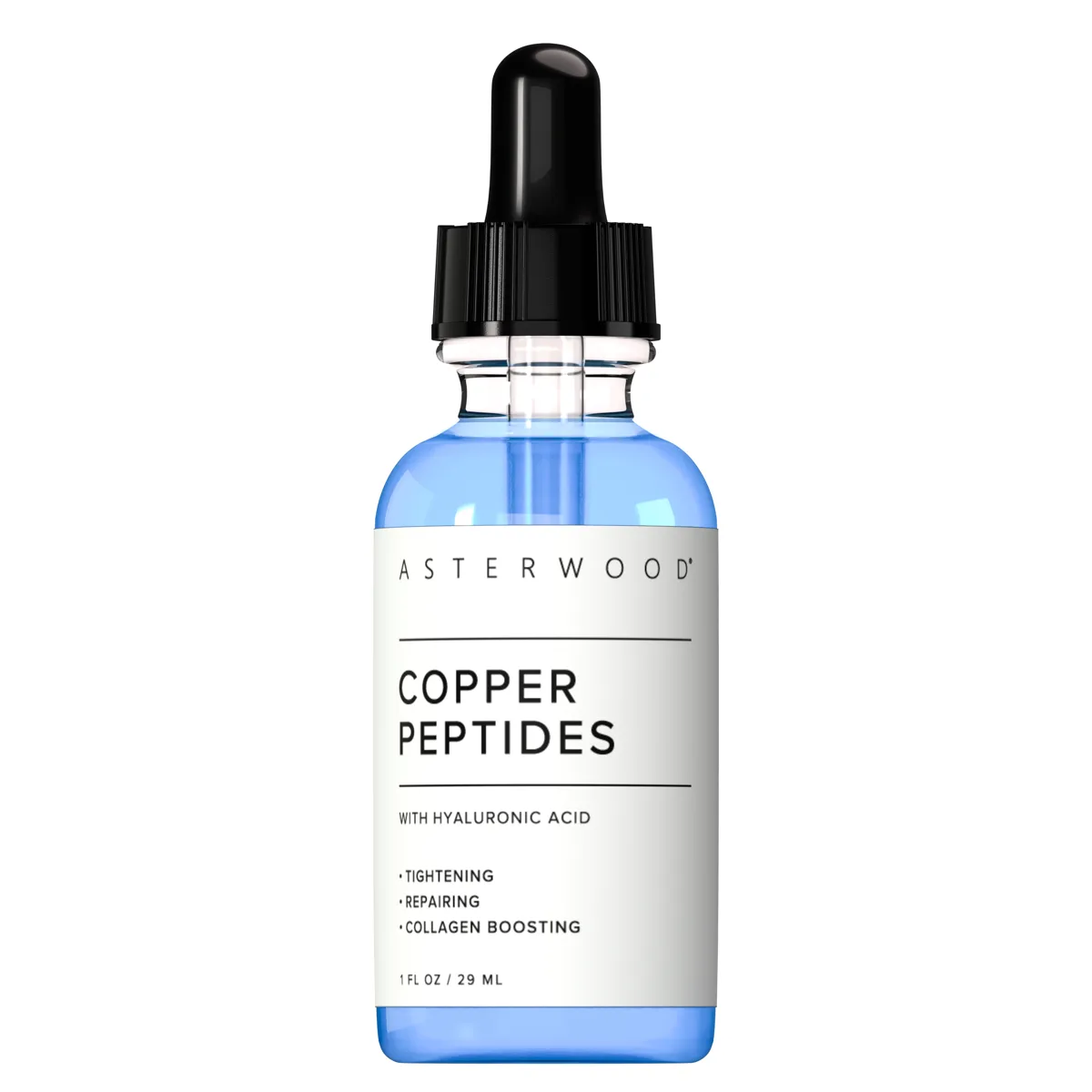 Minimalist Copper Peptide
Copper Peptides Serum
The cleanest way to try copper peptides at a sensible price: six ingredients, a declared 0.10 percent GHK-Cu, a generous 1.5 percent hyaluronate, and nothing to react to. It hydrates immediately and calms retinoid redness within weeks; firmness, if it comes, takes months and is subtle. The dose is modest and the evidence for cosmetic copper peptides is thinner than the hype, so buy it as a well-made experiment rather than a proven fix.
 Budget Niacinamide Heavyweight
Niacinamide 15% + Zinc Face Serum
Revolution Skincare took The Ordinary's famous niacinamide formula, cranked the percentage to 15%, and wrapped it in a silkier, tamarind-gum-enhanced base — all for under ten dollars. It's a genuine value play for oil-prone users who've maxed out on lower concentrations, but the higher dose comes with higher flushing risk for sensitive skin.
 Allergist's Default Shampoo
Shampoo
The shampoo that allergists hand out for a reason: fifteen ingredients, no fragrance, no sulfates, no betaine, no formaldehyde releaser, and a soft glucoside lather that cleans a reactive scalp without giving it anything to react to. It will not impress anyone who wants foam, volume or a scent, and it carries the small glucoside-allergy caveat — but as the default wash for skin that argues with everything, it is hard to beat.
 Sensitive Skin MVP
Toleriane Sensitive Fluide
A masterclass in formulation restraint — ten ingredients, zero unnecessary irritants, and genuinely effective barrier repair. The Toleriane Sensitive Fluide is the moisturizer dermatologists reach for when every other product makes skin angrier. Not the most hydrating option, but for reactive and rosacea-prone skin, its minimalism is precisely the point.
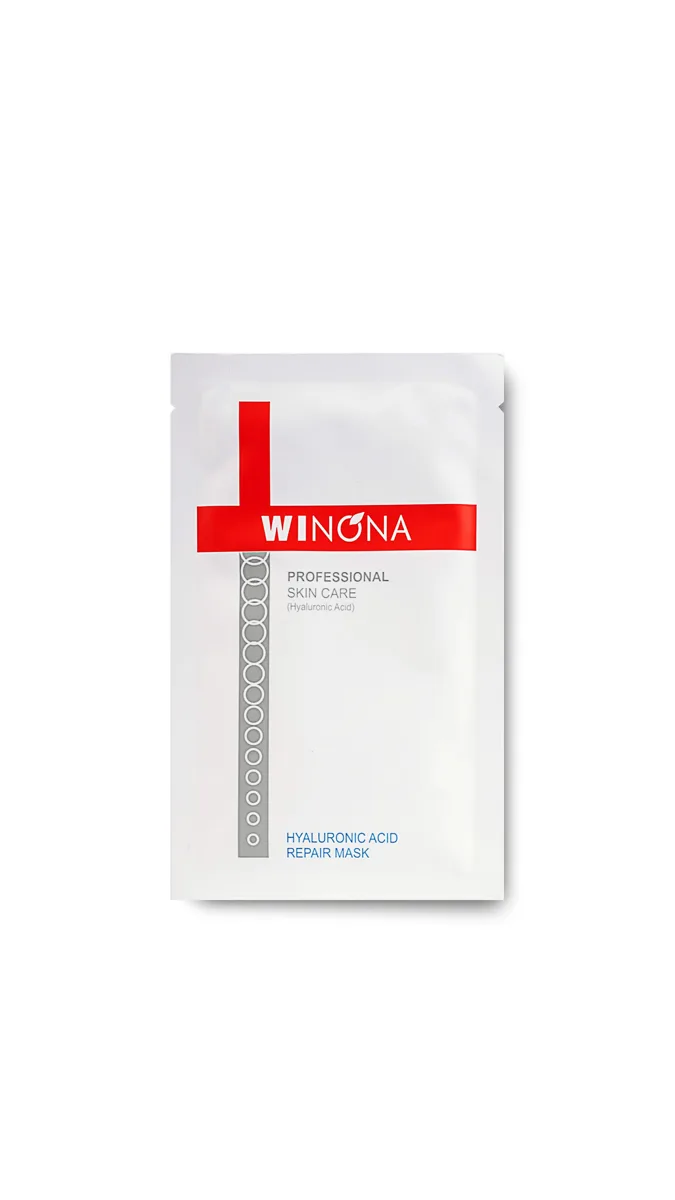 Post-Laser Standby
Hyaluronic Acid Repair Mask
Three ingredients, a device registration and a clear job: cool, wet, inert cover for skin that has just been lasered, peeled or is mid-flare. For that job it is excellent and hard to fault. As an everyday hydrating mask it is an expensive way to get what a drugstore sheet delivers, and it does not pretend otherwise.
 Budget BHA That Means It
Salicylic Acid Oil-Control & Anti-Acne Toner
A real BHA toner at a mass-market price: salicylic acid dissolved by ethoxydiglycol rather than alcohol, buffered to a stated pH of 4.5, with no fragrance and a gentle witch hazel distillate for mattifying. It works on blackheads and oily congestion the way leave-on salicylic acid should. The trade-offs are an unstated concentration, a penetration enhancer that makes it stronger than it looks, and a paraben.
 French Pharmacy Comfort
Refreshing Tonic Lotion
A comfortable, alcohol-free rose toner that hydrates, smells wonderful and quietly finishes the cleansing job with two mild glucoside surfactants. It does nothing beyond that, and $24 for eleven ingredients is a sensory purchase more than a skincare one, but as a daily refresh for normal-to-dry skin it is hard to dislike.
 Derm-Grade Coverage Pioneer
Dermablend Corrective Foundation
A corrective foundation born from real medical need — 25% pigment concentration that conceals vitiligo, rosacea, and scarring in a formula gentle enough for post-procedure skin. The fragrance-free, non-comedogenic fluid feels lighter than it has any right to given its coverage. The limited 8-shade range with yellow-skewing undertones is the one significant compromise.
 Sensitive-Skin Safe Pick
Skin Rescue Serum
The quiet overachiever of the Bye Bye Blemish lineup: a short, fragrance-free serum led by high-placed niacinamide and fermented zinc that controls oil, refines pores, and calms blemish-prone skin with almost no irritation risk. It won't dazzle, but it's the most broadly wearable, sensitive-skin-friendly product the brand makes, and a genuine budget value.
 Gentle PHA Exfoliating Toner
Tamagohada Mild Peeling Lotion
Hada Labo's Mild Peeling Lotion is the rare gentle exfoliating toner that earns the 'daily-use' positioning on its actual formula rather than just on the label. Seven ingredients, gluconolactone PHA paired with tranexamic acid, and a Hada Labo Polyquaternium-51 base — for fourteen dollars, this is one of the best engineered chemical exfoliants in the J-beauty drugstore tier.
 French Nursery Standard
ABCDerm H2O Micellar Water
Seven ingredients, one ophthalmic-grade surfactant, a pharmaceutical buffer and a litre for $31 — as a no-rinse cleanser for newborn faces, hands and folds it is about as gentle and as good value as the format gets. The fragrance at the end of the list is the one thing a paediatric dermatologist would strike out, and it is enough to send eczema-prone babies to an unscented alternative.
 Travel & Gym Bag MVP
Take The Day Off Micellar Cleansing Towelettes for Face & Eyes
A genuinely convenient, fragrance-free micellar wipe that handles light-to-medium makeup without stinging the eyes — the Take The Day Off option for when there is no sink in sight. It is gentle and travel-friendly, but it is pricey for a wipe and works best followed by a real cleanse at home.
 Gentle Sensitive-Skin Prep
Intral Facial Toner
A deliberately stripped-back, alcohol-free toner that refreshes and lightly soothes reactive skin with hawthorn and chamomile, and nothing more. It's genuinely gentle and pleasant, but the minimalist formula, a luxury-tinged price, and the odd inclusion of fragrance, benzophenone-4, and dyes in a sensitive-skin product make it an easy step to skip rather than a must-have.
 French Bath-Time Default
ABCDerm Foaming Gel
A well-buffered, betaine-softened sulfate wash that cleans a normal-skinned baby's hair and body in one go without stinging, for $15 a tube. It is the French bath-time default and does that job competently; it is also a scented SLES gel, which is the template modern infant-care guidance has moved away from, and the wrong choice for dry, sensitive or eczema-prone babies — for whom the same range sells a better cleanser.
 Post-Procedure Pro Favorite
Hydra-Cool Serum
A beautifully minimalist hydrating serum that earns its place in derm offices for good reason — isolated centella triterpenoids and hyaluronic acid deliver genuine soothing and hydration in a formula so clean it barely needs a label. The price-per-ounce is steep, but if your skin is reactive, post-procedure, or rosacea-prone, this is the kind of product that justifies its clinical pedigree.
 Vitamin C That Oily Skin Can Actually Wear
Vitamin C12 Oil Control Serum
By stripping its Vitamin C12 formula down to fifteen ingredients and a water base, La Roche-Posay has made one of the few pure 12 percent vitamin C serums that oily and combination skin can wear under sunscreen without a trace of grease. The brightening is real, the matte finish is a relief, and the early reception is deservedly strong. The salicylic acid is too low to do serious pore work, the fragrance is an unforced error, and dry skin will find it austere.
 European Spa Ritual Companion
Phytoactive Hydro-Base
An effective and unusually thoughtful companion to Babor's signature HY-ÖL cleansing oil, designed to turn the biphase ritual into a hydrating experience for dry and mature skin. The catch is unmistakable: the product is functionally useless without the matching cleansing oil, and the alcohol and PEG content put it out of bounds for very reactive skin.
The full pentylene glycol guide
Pentylene glycol does three jobs at once, and does each one quietly enough that most consumers have never given it a second thought.
It draws moisture into skin, smooths the texture of a formulation, and acts as a preservation co-system that lets brands cut back on traditional preservatives. That last role is why it turns up so often in "preservative-free" serums and eye creams: it does real antimicrobial work without being classified as a preservative under EU cosmetics rules.
How it's regulated in the US
FDA does not classify ingredients — it classifies products, by what they are sold to do. The same molecule can be a drug active in one product and a cosmetic ingredient in the next, and only the claim on the label decides which. What follows is a statement about that legal standing, not about whether it works — the evidence question is answered separately above.
Cosmetic Pentylene Glycol is a cosmetic ingredient in the US: no OTC monograph covers it and it is not an active in any FDA-approved drug, so a product built around it is a cosmetic rather than a drug.
The CIR Expert Panel reviewed 1,2-glycols including pentylene glycol in a 2012 safety assessment (International Journal of Toxicology) and concluded the ingredient is safe in cosmetic products at current concentrations of use. That review noted these glycols are dermally absorbed, but that longer-chain 1,2-glycols are predicted to penetrate skin less. A 2017 cutaneous absorption and volatility study measured uptake of pentylene glycol from a real sunscreen matrix in pig skin and derived a wide margin of safety, partly because the molecule proved unexpectedly volatile. On the safety-concern side, a 2022 review and a 2024 retrospective patch-test study from Italian dermatology centers (SIDAPA network) document that contact allergy to pentylene glycol is real and may be underappreciated, notably in products marketed as hypoallergenic or for sensitive skin. Its humectant and texture roles are well-established in formulation practice; the often-quoted "~30% rise in skin water content at 5%" figure traces to supplier data rather than independent peer-reviewed trials, so treat that specific number cautiously.
How it works
Cosmetic pentylene glycol is 1,2-pentanediol: two hydroxyl groups on adjacent carbons of a five-carbon chain, and that small structure explains most of its behavior. The hydroxyls hydrogen-bond with water, drawing moisture from the environment and deeper tissue up into the stratum corneum, which is the classic humectant mechanism. Because the molecule is comfortable in both water and oil, it doubles as a co-solvent, helping dissolve and stabilize oil-soluble actives in water-based systems while improving how a product spreads and feels. Its antimicrobial action works differently. By lowering a formulation's water activity, pentylene glycol makes the environment less hospitable to bacteria, yeast, and mold. Around 3 to 5 percent, this becomes strong enough to reduce or partly replace conventional preservative systems. Since EU regulations don't list it as an approved preservative, brands can label such products "preservative-free" even while pentylene glycol is doing meaningful preservation work, a distinction worth understanding. It also acts as a mild penetration enhancer. Like propylene glycol, it interacts with the lipid scaffolding of the stratum corneum and can modestly raise the absorption of co-formulated actives. That is usually a plus, but on sensitized or compromised skin, easier penetration also means greater exposure to any irritant or allergen in the same formula, so the rest of the ingredient list matters.
Key benefits
- Pulls water into the stratum corneum for sustained surface hydration
- Lowers formulation water activity, helping inhibit bacteria, yeast, and mold
- Reduces the conventional preservative load a formula needs
- Improves spreadability and skin feel as a co-solvent
- Lets water- and oil-soluble actives sit stably in one base
- Bio-based versions from sugarcane or corncob deliver the same function from a renewable feedstock
Concentration & usage
Leave-on products typically use roughly 1 to 5 percent. The CIR review documents reported levels spanning 0.001 percent up to 5 percent across cosmetic categories. Useful preservation activity is generally cited around 3 to 5 percent, while the humectant effect is relevant across the whole range. On a label it appears simply as "Pentylene Glycol," and the concentration is almost never disclosed; its position in the list, usually after the main actives and ahead of trace ingredients, tends to place it in the 1 to 3 percent zone in most serums and moisturizers.
Who it's for & who should be cautious
Who it's for
Most skin types tolerate pentylene glycol well across a broad range of product types. It is especially handy in formulas for oily skin because it adds water-binding hydration without oil or heavy emollients, and its preservation co-action suits lightweight, low-oil bases. Reacting to propylene glycol or other glycols doesn't automatically flag a problem here, since the molecular structures differ, but anyone with a history of glycol reactions is wise to introduce a new product gradually.
Who should be cautious
Anyone with a confirmed contact allergy to pentylene glycol should steer clear, and patch testing is sensible for people who react to "preservative-free" or "hypoallergenic" eye-area products, where it is often the antimicrobial stand-in. Several published case reports document allergic contact dermatitis to pentylene glycol specifically in eye creams and products aimed at sensitive or atopic skin, ironically the same formulations that swapped out traditional preservatives for it. Eczema-prone or barrier-compromised skin may warrant extra caution, since easier penetration through a damaged barrier raises exposure to anything else in the formula.
Pairs with & conflicts
Myths & facts
Myth: It's a 'natural' preservative, so it must be safer than synthetic preservatives.
Reality: Whether sourced from sugarcane and corncob or made petrochemically, pentylene glycol is the identical molecule with the same safety profile. 'Natural' describes the feedstock, not the risk. Published contact dermatitis cases show sensitization can happen regardless of source, including in products positioned as hypoallergenic.
Myth: A 'preservative-free' product with pentylene glycol genuinely contains no preservation chemistry.
Reality: Pentylene glycol actively suppresses microbial growth and is often included precisely as a preservation co-system. EU rules simply don't place it on the approved-preservatives list, which opens the labeling gap. The antimicrobial function is real; the 'preservative-free' claim reflects a regulatory category, not the formulation reality.
Myth: Pentylene glycol and propylene glycol are basically the same thing.
Reality: They're related diols but not interchangeable in performance or allergy behavior. Pentylene glycol has a five-carbon backbone versus propylene glycol's three, which shifts its polarity, antimicrobial strength, and sensitization potential. Reacting to one doesn't predict reacting to the other, though either can independently cause contact dermatitis.
Frequently asked questions
Is it safe to use pentylene glycol daily in a serum or moisturizer?
For most people, yes. The CIR Expert Panel reviewed it as safe at concentrations up to 5 percent in leave-on products, and it appears in countless daily-use formulas without trouble. The exception is people with a documented contact allergy, which is uncommon but real, so recurring irritation around the eyes or on sensitized skin is worth a patch test or dermatologist review.
Why does pentylene glycol show up in products labeled 'preservative-free'?
It isn't classified as a preservative under EU Cosmetics Regulation Annex V, so a product relying on it as its main antimicrobial can technically call itself preservative-free. In practice it lowers water activity and curbs microbial growth, which is exactly what preservation does. The label reflects a regulatory bucket, not an absence of antimicrobial action.
Can pentylene glycol trigger breakouts or clog pores?
It isn't considered comedogenic. As a water-soluble diol it doesn't block pores the way heavy oils or waxes can, and it's frequently used in lightweight, acne-friendly formulas. Contact sensitization could indirectly aggravate skin in allergic individuals, but pore-clogging itself isn't a documented concern.
Does pentylene glycol make other ingredients absorb better?
It has mild penetration-enhancing properties, much like other glycols. Usually that helps, letting actives such as niacinamide or hyaluronic acid get into skin more effectively. On compromised or reactive skin, though, easier absorption also means more exposure to any irritant present, so the makeup of the whole formula matters.
Is sugarcane-derived pentylene glycol better for skin than the synthetic kind?
Functionally, no. The bio-based and petrochemical versions are the same molecule and behave identically on skin. The bio-based route offers a sustainability story for brands and shoppers who value renewable feedstocks, but it brings no skin benefit and doesn't alter the safety or allergy profile.
How do I check whether a product I own contains pentylene glycol?
Look for it on the INCI list spelled exactly as 'Pentylene Glycol,' with no alternate label names used. It usually sits in the lower-to-middle part of the list in serums, eye creams, essences, and lightweight moisturizers, often near humectants like glycerin or butylene glycol.