



The Truth About Pore Strips, Pore Vacuums, and 'Shrinking' Your Pores
You cannot shrink a pore. But you can change how visible it is — and almost everything sold to 'minimize' pores is pulling the wrong lever.
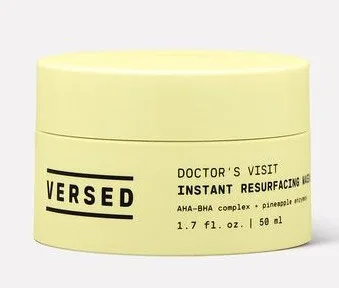
Most at-home acid masks in the under-twenty-dollar range lean on a single AHA or BHA without meaningful support actives. Doctor's Visit pairs a three-acid blend with fourth-slot niacinamide and a soothing trio of centella, panthenol, and allantoin — an ingredient combination that reads more like a dermatologist-office-inspired formulation than a drugstore mask.
A well-built at-home acid mask that delivers genuine brightening and texture improvement without the stripped feel of a cheaper peel pad. Doctor's Visit pairs glycolic, lactic, and salicylic acids with real niacinamide and soothing actives, and at twenty dollars it is one of the better-value at-home peels in the drugstore category.
The case for it
Same rule for everyone. “Good choice” is the verdict on 9,564 of 45,024 concern verdicts across the catalog; rule R5 decided 9,072 of them. Unchanged since September 5, 2026, engine 5.1.1.
Brand or formulator? Disclose a concentration or correct a fact →
The studies behind the evidence row
The case for it
Same rule for everyone. “Good choice” is the verdict on 9,564 of 45,024 concern verdicts across the catalog; rule R5 decided 9,072 of them. Unchanged since September 5, 2026, engine 5.1.1.
Brand or formulator? Disclose a concentration or correct a fact →
The studies behind the evidence row
The case for it
What would change this: A declared concentration would move this to a firmer reading of the dose.
Same rule for everyone. “Promising” is the verdict on 7,858 of 45,024 concern verdicts across the catalog; rule R9p decided 7,858 of them. Unchanged since September 5, 2026, engine 5.1.1.
Brand or formulator? Disclose a concentration or correct a fact →
The studies behind the evidence row
The case for it
Cautions: a photosensitising active — use sun protection.
What would change this: A declared concentration would move this to a firmer reading of the dose.
Same rule for everyone. “Good choice” is the verdict on 9,564 of 45,024 concern verdicts across the catalog; rule R5 decided 9,072 of them. Unchanged since September 5, 2026, engine 5.1.1.
Brand or formulator? Disclose a concentration or correct a fact →
The studies behind the evidence row
The case for it
Cautions: fungal-acne triggers.
What would change this: A declared concentration would move this to a firmer reading of the dose.
Same rule for everyone. “Strong choice” is the verdict on 1,459 of 45,024 concern verdicts across the catalog; rule R3 decided 567 of them. Unchanged since September 5, 2026, engine 5.1.1.
Brand or formulator? Disclose a concentration or correct a fact →
The studies behind the evidence row
As a maskNot judged: what a mask is for — works within its wear time, benefit outlasts the mask, comes off cleanly — cannot yet be measured from the ingredient list (only intensity without injury can).
A verdict is DermApproved’s assessment of how well a product’s ingredients fit a concern — never a claim about what the product treats. Evidence dots and collected reviews sit beside it and are never blended in. Rules 0.5.1 · evidence table ev-2026.09-r228 · how we decide
The name Doctor's Visit is doing some heavy lifting, and it is worth pausing on. Versed chose that name specifically to summon the feeling of leaving a dermatologist's office after a brightening peel — that smoother-looking, slightly glowy skin you catch in the car mirror on the way home. The product is pitched as the at-home version of that experience. It is a real and intentional positioning claim, and the first thing to understand about this mask is whether it actually delivers on that framing, and where the boundary between 'at home' and 'in office' sits. Because that boundary matters a lot for how you should use this product.
The formula is a three-acid blend — glycolic, lactic, and salicylic — supported by fourth-slot niacinamide and a small calming cast of centella, panthenol, and allantoin. The lead acid is glycolic, reportedly around five percent, which is a moderate at-home dose. Glycolic acid has the smallest molecular size of the common AHAs and penetrates the stratum corneum more readily than its cousins, which is why it produces the most dramatic immediate surface smoothing. Lactic acid broadens the exfoliation while adding a mild humectant effect that keeps the mask from feeling as drying as a pure glycolic formula, and salicylic acid adds the oil-soluble BHA action that helps with pore congestion and blackheads. Together, the three acids cover surface exfoliation, follicular decongestion, and humectant support in a single step. The formulation choice is sensible and the dosing sits in the 'active but manageable at home' zone.
Where Doctor's Visit separates itself from cheaper acid masks is the niacinamide. At the fourth slot on the ingredient list, niacinamide is not a decorative inclusion — it is there to reinforce the barrier during and after the acid exposure, dampen inflammatory signaling, and support the post-mask finish. Cheap acid masks often skip this step or include niacinamide so low on the ingredient list that it might as well not be there. The practical effect in Doctor's Visit is that after the ten minutes are up, the rinse reveals skin that looks brighter and smoother without the raw, flushed look you sometimes get from a straight acid peel. That niacinamide-and-centella cushion is a meaningful part of what makes the mask work for more skin types than its acid load alone would suggest.
Application is straightforward. Cleanse, pat dry, and apply a thin, even layer of the clear gel across the face, avoiding the eye area, lips, and any broken skin. For most users, there is a mild tingling or warming sensation in the first minute or two as the acids activate — this is normal and means the mask is working. What is not normal is significant stinging, burning, or pain; if that happens, rinse immediately and consider whether your barrier was compromised going in. Leave on for ten minutes, no longer. Rinse thoroughly with lukewarm water, pat dry, and follow with a fragrance-free moisturizer. Skip other active ingredients on the same night — no retinoids, no vitamin C, no other acids. The next morning, sunscreen is non-negotiable, because the next 48 hours carry a real photosensitivity increase.
Results are where the mask earns its place in a routine. The first use produces a visible, immediate brightening effect — a smoother light-reflecting quality to the skin that makes pores look temporarily smaller and tone look more even. Over three or four applications across two to three weeks, that immediate effect builds into more durable texture improvement, and over six to eight weeks of consistent weekly use, hyperpigmentation from old breakouts or mild sun damage shows noticeable softening. What the mask will not do, and what it does not pretend to do, is deliver the depth of action of an in-office glycolic or TCA peel. Professional peels use higher acid concentrations in a controlled environment with a knowledgeable hand, and that's not something a ten-minute home mask can replicate. If you want that, book the actual appointment.
The main honest criticism of Doctor's Visit is about user behavior rather than formulation. The mask feels gentle enough during use that many people are tempted to use it too often — three times a week, or four — and that is a fast path to barrier disruption and over-exfoliation. The brand labels the product for weekly use, and that should be treated as the actual ceiling for most skin types. The other caveat is suitability: if your skin runs sensitive, reactive, eczema-prone, rosacea-prone, or is currently in any kind of compromised state, this mask is not the right tool. The three-acid blend is genuinely effective, which means it is also genuinely capable of making bad situations worse. Sensitive skin is better off with a single-acid gentler option like a leave-on lactic acid product.
On value, twenty dollars for two fluid ounces is reasonable for the category. The tube size is small by facial moisturizer standards but appropriate for a weekly treatment product — a single tube will last most users three to four months, which brings the per-month cost into line with most serum-level products. Against drugstore competitors, Doctor's Visit offers a more sophisticated ingredient story than single-acid alternatives; against mid-range Sephora options like dedicated cult AHA toners, it's cheaper and more targeted for the specific 'weekly at-home peel' use case. It is not going to replace a dermatologist appointment, it is not the right pick for sensitive skin, and it punishes overuse. Inside those boundaries, it is a genuinely good product.
The hero actives that drive this product's performance.
| Ingredient | Function | Evidence |
|---|---|---|
| Glycolic Acid (5%) | The primary AHA in this ten-minute mask, chosen for its small molecular size and well-documented ability to loosen the bonds between dead stratum corneum cells. Within a short exposure window, it delivers visible surface smoothing and brightening without the deeper effects of a professional peel. | Established mechanism for Rough Texture · established mechanism |
| Lactic Acid | A gentler, slightly larger AHA that partners with glycolic acid to broaden the exfoliating action while supporting stratum corneum hydration. It adds a mild humectant character that offsets some of the drying tendency of a pure glycolic mask. | Established mechanism for Rough Texture · established mechanism |
| Salicylic Acid | The BHA in the blend, oil-soluble and able to penetrate into the follicle to break up oil and dead skin inside the pore. In this mask it adds targeted decongestion on top of the surface smoothing work of the AHAs. | Established mechanism for Rough Texture · established mechanism |
| Niacinamide | Positioned fourth on the INCI list, niacinamide works alongside the acids to strengthen the barrier, reduce inflammation, and soften the post-exfoliation finish. It is the main reason this mask does not leave skin looking red or raw the way many acid masks do. | Emerging for Hyperpigmentation |
| Centella Asiatica Extract | A soothing botanical with documented anti-inflammatory activity, included here to calm the post-acid response. Pairs with panthenol and allantoin to buffer the exfoliation rather than leaving skin stripped. | Not yet assessed |
| Panthenol | Provitamin B5 that helps restore stratum corneum hydration after the acid exposure. A small but meaningful inclusion that reinforces the mask's 'brighter without rawness' positioning. | Not yet assessed |
Ingredient standings describe the active at treatment-level doses and vehicles; this product's own condition grades weigh its actual formula.
Water (Aqua/Eau), Glycerin, Glycolic Acid, Niacinamide, Lactic Acid, Salicylic Acid, Butylene Glycol, Propanediol, Sodium Hydroxide, Ammonium Lactate, Xanthan Gum, Aloe Barbadensis Leaf Juice, Allantoin, Panthenol, Centella Asiatica Extract, Hydroxyethylcellulose, Polysorbate 20, Disodium EDTA, Phenoxyethanol, Ethylhexylglycerin
treatment
PM
Use as a 10-minute treatment once or twice a week in the evening. Skip other active ingredients (retinoids, vitamin C, exfoliating toners) on nights you use this mask, and always follow with a rich moisturizer and SPF the next morning.
Immediate visible brightening and surface smoothing after the first use. Meaningful improvement in texture and dullness after 3-4 applications over 2-3 weeks. Full benefits on hyperpigmentation and pore appearance after 6-8 weeks of weekly use.
The individual acids in this formula have extensive peer-reviewed support. Glycolic acid has been studied in dermatology journals for decades, and research published in Dermatologic Surgery and other outlets has documented its role in increasing stratum corneum turnover, improving dyspigmentation, and reducing fine lines at at-home cosmetic concentrations. A commonly cited study in the Journal of the American Academy of Dermatology showed that glycolic acid at cosmetic concentrations improved signs of photoaging after several weeks of use.
Salicylic acid, a beta hydroxy acid, is oil-soluble and penetrates the follicle to break up oil and dead skin inside the pore. Its efficacy in acne and comedonal skin is well established, and the FDA recognizes salicylic acid at specific concentrations as an over-the-counter acne treatment. Niacinamide, present at a meaningful concentration in this mask, has been studied for its ability to support barrier function and reduce inflammatory signaling, which is particularly relevant when the skin is being intentionally disrupted by acids.
The specific combination at work in Doctor's Visit — glycolic and lactic acids for surface exfoliation, salicylic acid for follicular decongestion, niacinamide for barrier support during exposure, and centella and panthenol for post-acid calming — is a well-thought-out formulation strategy. It is not novel, but it represents a thoughtful implementation of the evidence-based approach to at-home chemical exfoliation, and the inclusion of the supporting actives is the main thing that distinguishes it from a pure peel product.
Dermatologists generally view Versed Doctor's Visit as a reasonable at-home exfoliating mask for patients with normal, combination, or oily skin who have no ongoing barrier issues and who are looking for an occasional brightening boost. Among dermatologists, the consensus is that the three-acid blend with supporting niacinamide and centella is a sensible formulation for a drugstore product, and that used once weekly it poses manageable risk for most users. The typical clinical caveats are that the mask should be avoided in patients with active eczema, rosacea, or compromised barriers, that it should not be used alongside professional peels or on the same week as microneedling, that pregnant patients should avoid it because of the salicylic acid content, and that strict sun protection is non-negotiable for the 48 hours following use. Dermatologists also emphasize that at-home acid masks do not replace in-office treatments for patients with significant hyperpigmentation or severe photoaging.
Use once a week in the evening on clean, dry skin. Apply a thin, even layer across the face, avoiding the eye area, lips, and any broken or irritated skin. Leave on for up to 10 minutes — not longer — then rinse thoroughly with lukewarm water and pat dry. Follow with a fragrance-free moisturizer. Do not use any other actives on the same night (no retinoids, vitamin C, or additional exfoliants). The next morning, apply a broad-spectrum SPF 30 or higher, and continue strict sun protection for at least 48 hours after use. Patch test on the jawline before the first full-face application.
At around twenty dollars for two fluid ounces, Doctor's Visit is priced fairly for an at-home acid mask with a three-acid blend and meaningful niacinamide. A single tube lasts three to four months at weekly use, which brings the per-month cost into serum-level territory. Against cheaper single-acid drugstore options, you are paying for the broader active story and the soothing support ingredients. Against more expensive department-store acid masks, Doctor's Visit holds its own for the specific weekly at-home peel use case without overpaying for packaging or marketing. It is the kind of product that rewards patient, disciplined weekly use rather than trying to justify its cost on a single dramatic result.
People with normal, combination, or oily skin who want a weekly at-home brightening mask and are already comfortable with chemical exfoliation. A strong pick for users dealing with dullness, rough texture, congested pores, and post-inflammatory hyperpigmentation from old breakouts.
Anyone with sensitive, rosacea-prone, eczema-prone, or barrier-compromised skin — the three-acid blend is too strong. People who are pregnant or breastfeeding because of the salicylic acid content. Users already running a robust actives-driven routine with prescription retinoids or in-office peels, for whom additional weekly acid exposure is redundant and risky.
Ready to try Versed Doctor's Visit Instant Resurfacing Mask?
Buy at Amazon ♥Clear, slightly viscous gel that spreads evenly and stays put during the 10-minute dwell time.
Fragrance-free with a faint acidic note from the AHA/BHA blend.
2 fl oz squeeze tube for controlled dispensing.
On first use, expect a mild tingling or warming sensation within the first minute or two of application — this is the acid activity and is normal unless it becomes a sharp sting. After 10 minutes and a rinse, skin looks noticeably brighter and smoother right away. Some users experience a brief pink flush that settles within an hour. Avoid using the mask for longer than the directed time, and do not layer other actives on the same night.
A 2 fl oz tube typically lasts 3-4 months with weekly use, or about 2 months with twice-weekly use.
All Year
Doctor's Visit was pitched as Versed's at-home answer to professional resurfacing treatments, with the name deliberately evoking the kind of brightening result associated with an in-office appointment. The product has been in the brand's catalog since 2019 and is one of the clearer examples of Versed's strategy of translating professional-feeling formulations into drugstore-priced products.
Versed launched in 2019 and Doctor's Visit has been in the core lineup since the early catalog. The brand does not run peer-reviewed trials, but the AHA/BHA blend in this mask is a familiar formulation strategy with a well-established track record across the category.
At-home acid masks work as well as in-office peels.
They don't, and Doctor's Visit doesn't claim to. A ten-minute home mask with a three-acid blend at cosmetic concentrations delivers visible surface brightening and meaningful texture improvement over time, but it does not reach the depth or intensity of a professional glycolic or TCA peel performed by a dermatologist.
If an acid mask doesn't sting, it isn't working.
Mild tingling is normal but significant stinging is not a sign of effectiveness — it's a sign that your barrier is compromised or that the concentration is too high for your skin. A well-formulated acid mask should feel slightly active, not painful, and actual results come from consistent use at appropriate intervals rather than intensity of sensation.
Once a week is the safe default for most users, with twice a week reserved for people whose skin has already shown good tolerance to regular chemical exfoliation. Overusing this mask leads to barrier disruption and visible irritation, even though each individual use feels mild.
Versed has indicated the mask contains approximately 5% glycolic acid alongside lactic and salicylic acids in the blend. The exact percentages of the other acids are not publicly disclosed, but the overall formulation is positioned as a moderate-strength at-home acid treatment.
Not on the same night. Layering a multi-acid mask with retinol in a single routine significantly increases irritation and barrier disruption. Use the mask on one night and retinol on different nights, with at least one buffer night between them when you're starting out.
For mild congestion and blackheads, yes — the salicylic acid in the blend helps decongest pores. For active inflammatory acne, this mask is not a treatment and can actually worsen irritation. Acne-prone users should focus on gentler daily BHA products like a salicylic acid serum or leave-on exfoliant.
A mild tingling or warm sensation in the first minute or two is normal and indicates the acids are active. Significant stinging, burning, or pain is not normal and means you should rinse the mask off immediately. Sensitive skin should patch test on the jawline before applying to the full face.
Cautiously, or not at all. The three-acid blend is too strong for truly sensitive or rosacea-prone skin, and the risk of barrier disruption outweighs the benefit for those skin types. Sensitive users should consider gentler lactic-acid-only products or a single-acid leave-on toner instead.
Yes — sunscreen the next day is essential. Chemical exfoliation increases photosensitivity for the following days, and skipping SPF can trigger new hyperpigmentation or undermine the brightening benefit the mask is delivering. A broad-spectrum SPF 30 or higher is the minimum.
Recurring themes our editors read across retailer reviews of this product — summaries in our words, not quotations, and not a substitute for your own patch test.
Visibly brighter skin after the first use
Clear texture improvements within a few masks
Genuinely fragrance-free
Priced fairly for a peel-style product
Stings on application for some users
Too strong for sensitive or eczema-prone skin
Small tube runs out quickly with weekly use
Temptation to overuse leads to over-exfoliation
Verified answers from our questions library — the nuance a product page cannot carry.