Best Glycolic Acid for Dullness
Updated September 2026 · independently researched, no sponsored placements
Our top 39 picks, ranked from 187 reviewed products — ordered by each product's dullness verdict, then evidence strength.

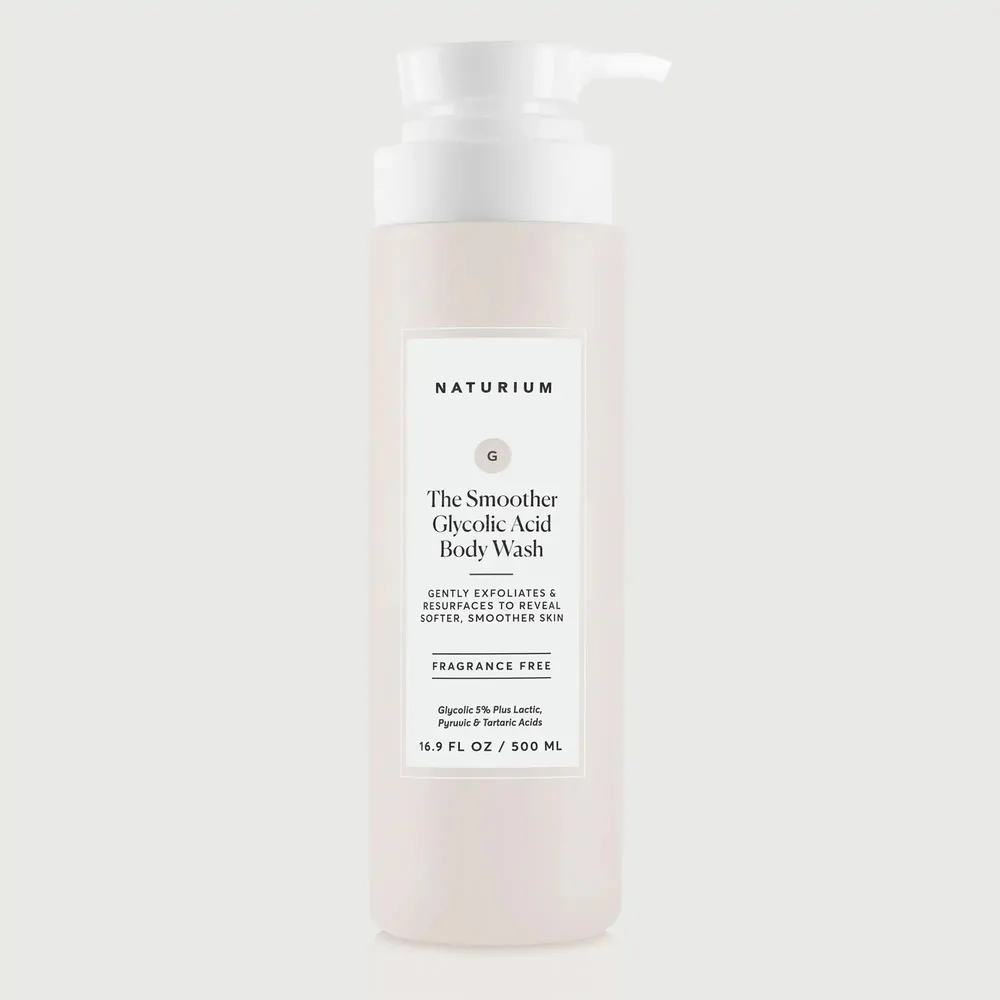


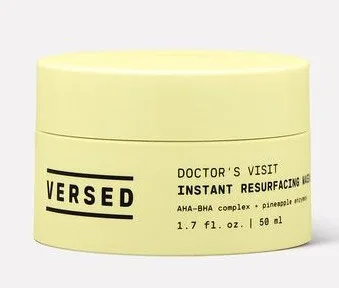

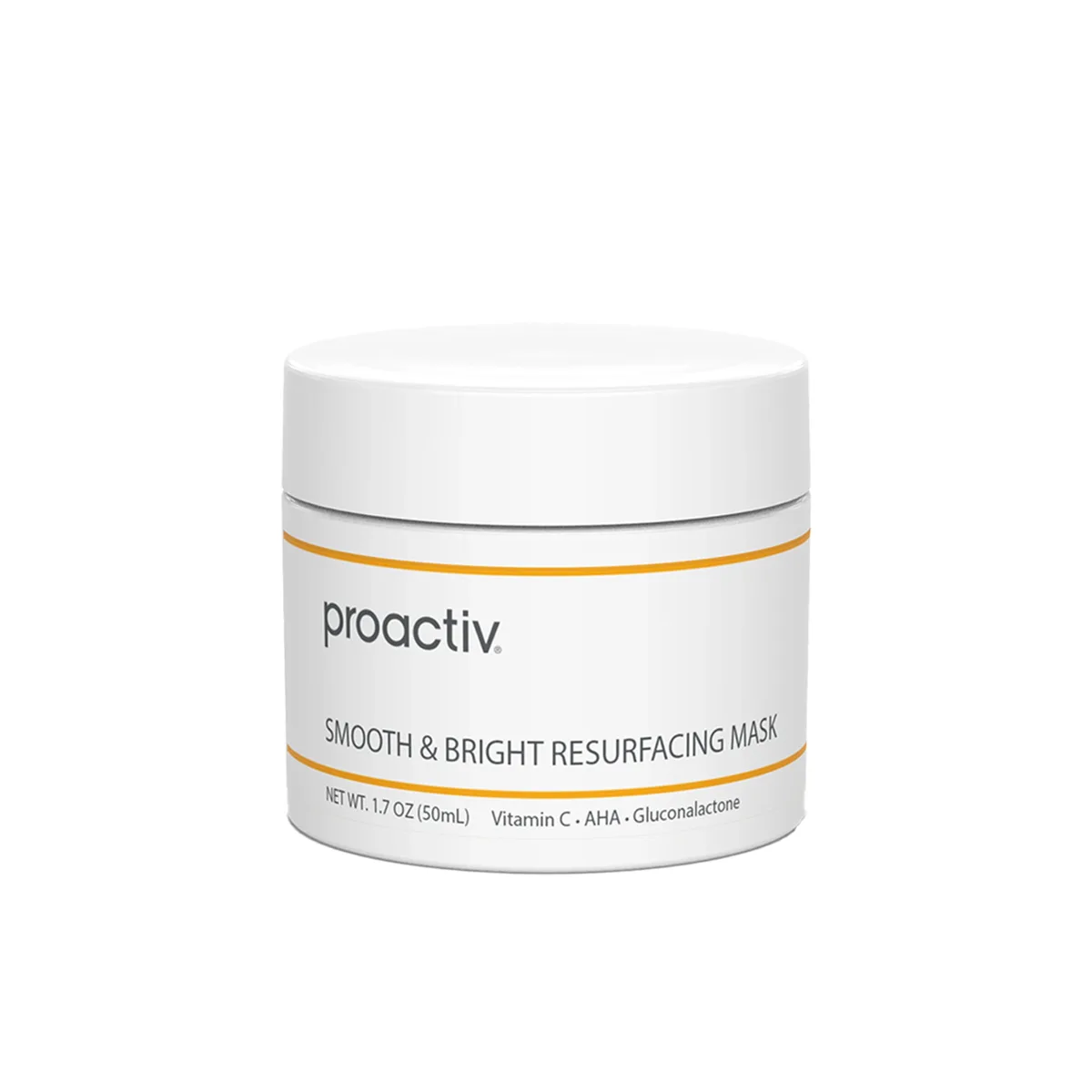










How to Choose
Glycolic acid is the most effective acid for dull, lackluster skin because dullness is largely a light problem — and glycolic fixes it at the source. When dead skin cells pile up on the surface (from slowing cell turnover, dehydration, and sun exposure), they create a rough, disorganized layer that scatters light instead of reflecting it cleanly, so skin reads as flat and gray.
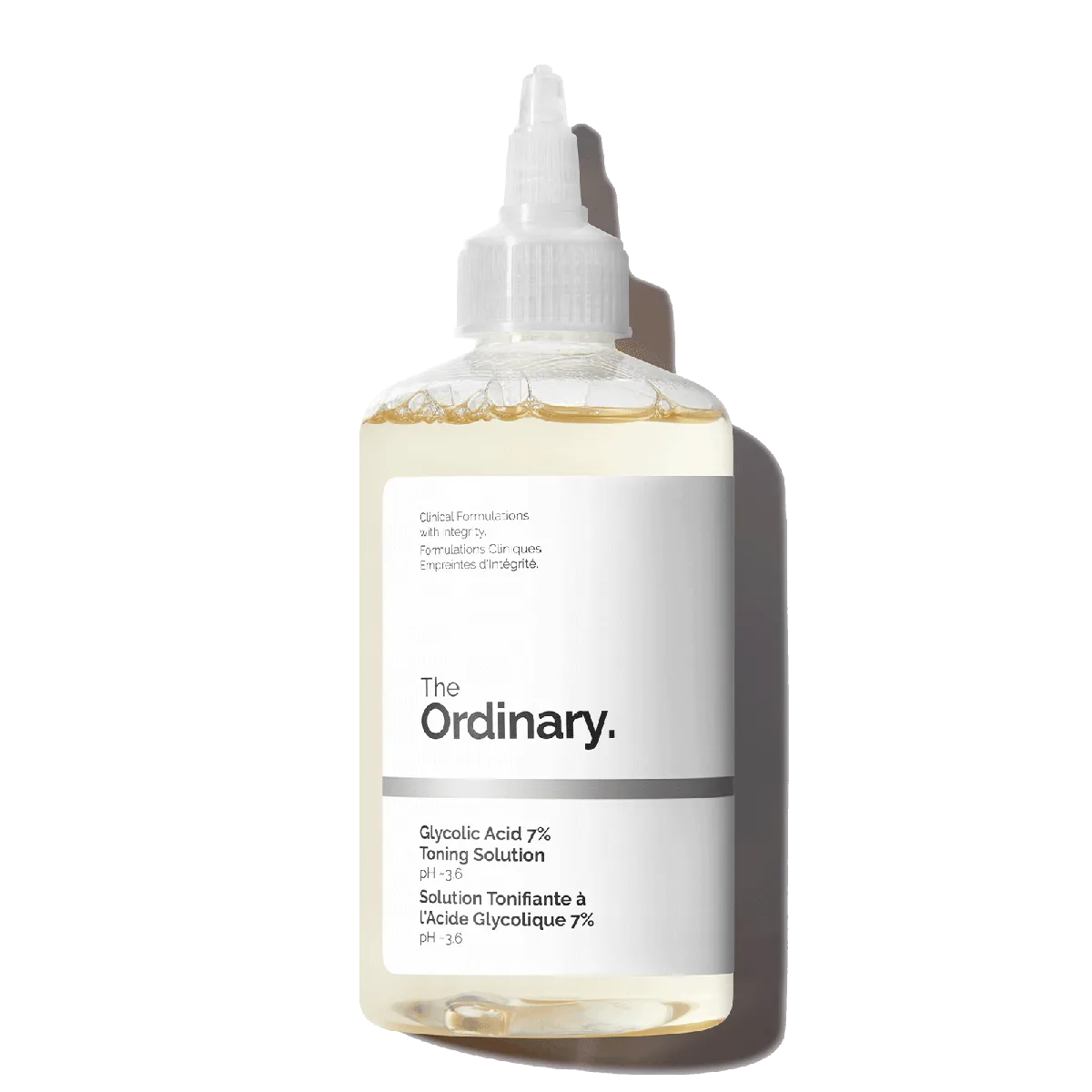
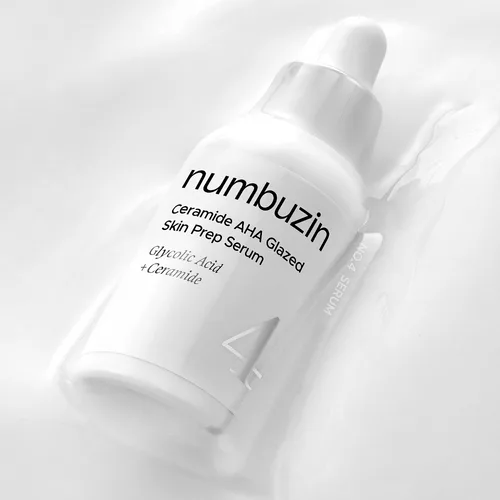
Glycolic acid is the smallest molecule in the AHA family, which lets it penetrate fastest and dissolve the bonds holding that dead layer in place more efficiently than gentler acids. Sweep those cells away and light bounces off a smoother surface — instant-looking radiance, plus genuine brightening over time as turnover speeds up. Look for glycolic around 5–10% in a leave-on product used a few nights a week; formulas that pair it with vitamin C (Dr. Dennis Gross's Vitamin C Lactic serum) or buffer it with ceramides and niacinamide (Numbuzin's No. 4 Ceramide AHA, $20) brighten while protecting the barrier, which matters because radiant skin is hydrated skin. An at-home peel pad (Dr. Dennis Gross Alpha Beta, $92) is the splurge version; the $20 K-beauty prep serums deliver similar glow for far less. The honest caveat: glycolic is potent and increases sun sensitivity, so daily SPF is mandatory, and over-using it strips the barrier into a different kind of dullness — the dehydrated, irritated kind. Two or three nights a week, then let your skin catch the light.
Buying Guide
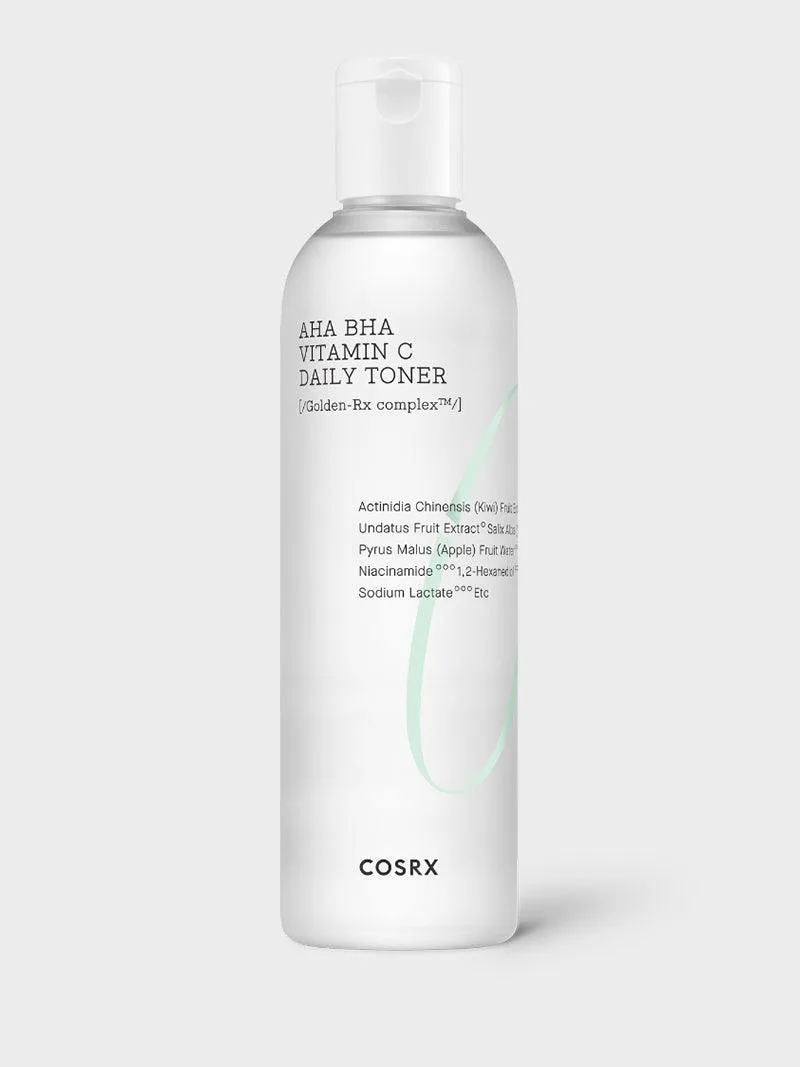
Treat strength and frequency as a pair. Glycolic acid around 5–10% in a leave-on toner or serum is the effective range for brightening dull skin; higher-percentage peels work faster but demand more caution and less frequent use. Because glycolic penetrates deeply, look for supportive partners that keep the barrier happy — ceramides, niacinamide, panthenol, and humectants (Numbuzin No. 4, e.l.f. Pure Skin Toner) prevent the irritation that potent acids can cause, while a vitamin C pairing (Dr. Dennis Gross) layers antioxidant brightening on top of the exfoliation. Choose format by comfort: gentle leave-on serums and toners for steady glow, pre-soaked peel pads for an occasional reset. Avoid stacking glycolic with retinoids or scrubs on the same night, and dial back if skin turns tight, red, or paradoxically dull from over-exfoliation. Daily sunscreen is non-negotiable, since glycolic raises photosensitivity and unprotected sun undoes the radiance you're chasing. Price is not a proxy for results here — $20 options brighten as well as $80–$90 peels — so buy on concentration and the rest of the formula.
Frequently Asked Questions
Why is glycolic acid good for dull skin?
Glycolic acid is the smallest AHA molecule, so it penetrates quickly and efficiently dissolves the buildup of dead cells that makes skin look dull and gray. Removing that rough surface layer lets light reflect evenly for an immediate radiance boost, and over time it speeds cell turnover for lasting brightness. That combination of instant and cumulative glow is why it's the go-to acid for dullness.
What's the difference between glycolic and lactic acid for radiance?
Glycolic penetrates deeper and faster, making it the more powerful brightener for dull skin, while lactic acid is gentler and more hydrating, better suited to sensitive or dry skin. If your main goal is maximum glow and your skin tolerates acids well, glycolic is the stronger choice. Sensitive skin may get there more comfortably with lactic, just a little more slowly.
How often can I use glycolic acid for glowing skin?
Two to three nights a week is the sweet spot for most people, giving radiance without over-stripping. Using it too often, or layering it with retinoids and scrubs, can damage the barrier and leave skin looking dull and irritated instead of bright. Start slow and build up only if your skin stays calm.
Should glycolic acid be used in the morning or at night?
Night is generally best, since glycolic increases sun sensitivity and applying it in the evening avoids fresh acid on skin during peak UV. Always follow with broad-spectrum sunscreen the next morning, because unprotected sun exposure will undo the brightening and worsen dullness. If you prefer a morning vitamin C step, alternate it with glycolic at night rather than layering both at once.