Best Glycolic Acid Exfoliants
Updated September 2026 · independently researched, no sponsored placements
Our top 40 picks, ranked from 87 reviewed products — ranked by our overall assessment of formula, safety and value.








How to Choose
The best glycolic acid exfoliants earn their reputation on molecular size: glycolic is the smallest alpha-hydroxy acid there is, which lets it slip through the skin's surface faster and deeper than any other AHA — and that's both its superpower and its catch. That deep, efficient penetration is why glycolic is the go-to for dullness, rough texture, and uneven tone; it loosens the glue between dead surface cells so they shed evenly, revealing the smoother, brighter skin underneath, and over time it nudges collagen too.
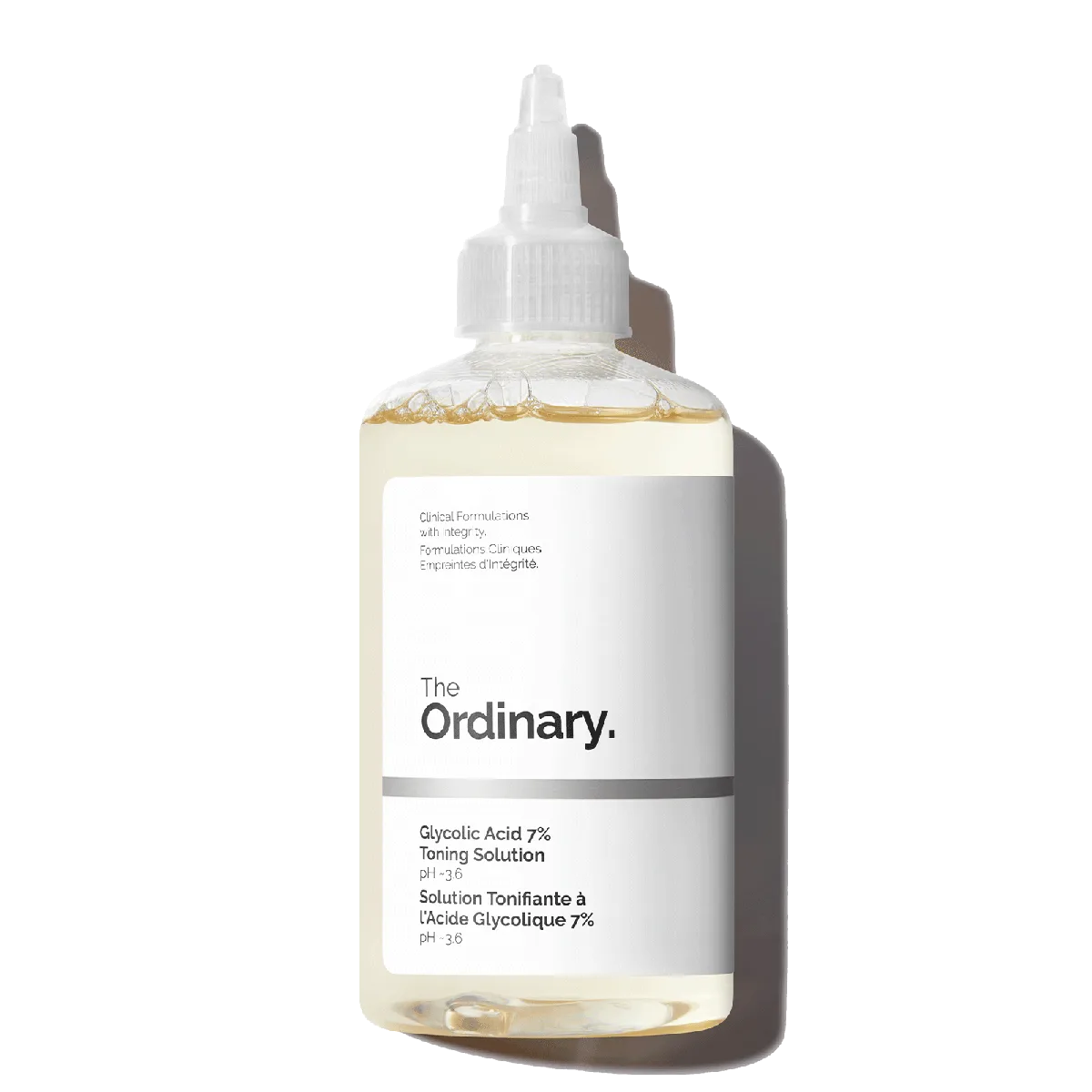
But the same small molecule that makes it effective also makes it the most likely AHA to sting or over-strip, so concentration and frequency are everything. A gentle 7% like The Ordinary's $14 Toning Solution is the right place to start; a 12% such as Geek & Gorgeous Smooth Out is for skin already acid-adjusted; and the cult Alpha-H Liquid Gold or the pricey Dr. Dennis Gross peel pads sit at the assertive end. Look for buffering humectants and soothers — hyaluronic acid, panthenol, licorice — that take the edge off, and avoid stacking glycolic with retinol or other acids on the same night unless your skin is seasoned. The honest caveat you can't skip: glycolic makes skin meaningfully more sun-sensitive, so daily SPF isn't optional, it's part of the treatment. Start low, use it two or three nights a week, and let the glow build instead of chasing it with a stronger bottle.
Buying Guide
Choose your concentration like a dose, not a dare. Glycolic's small molecule penetrates deep, so beginners should start around 7% (The Ordinary Toning Solution) and only graduate to 10–12% (Geek & Gorgeous Smooth Out) or pro peel pads (Dr. Dennis Gross, Alpha-H) once skin is acclimated. Look for supporting ingredients that buffer the sting — hyaluronic acid, panthenol, licorice, or a milk/multi-acid base like Prequel's that softens the punch. Decide on a format: a leave-on liquid you apply with a cotton pad gives the most control, while pre-soaked peel pads trade some control for convenience. Avoid layering glycolic with retinoids or other strong acids in one session unless your skin is well-seasoned, and skip it entirely on broken or irritated skin. Price spans $14 to over $100, but efficacy tracks concentration and formulation, not cost — and whatever you buy, daily sunscreen is non-negotiable because glycolic increases sun sensitivity.
Frequently Asked Questions
What does glycolic acid do for your skin?
Glycolic acid dissolves the bonds holding dead cells on the skin's surface, so they shed evenly to reveal smoother, brighter skin — it's especially effective for dullness, rough texture, and uneven tone. As the smallest AHA molecule, it penetrates deeply and, with consistent use, can also stimulate collagen. The trade-off is that it's the most likely AHA to cause irritation if overused.
What percentage of glycolic acid should a beginner use?
Start around 7%, like The Ordinary's Glycolic Acid 7% Toning Solution, used two or three nights a week. Higher strengths of 10–12% and professional peel pads are best reserved for skin that's already comfortable with acids. Building up gradually lets you get the smoothing benefits without the stinging and flaking that come from jumping in too strong.
Does glycolic acid make your skin more sensitive to the sun?
Yes — by removing the outer layer of dead cells, glycolic acid leaves fresh skin more vulnerable to UV damage, so daily broad-spectrum sunscreen is essential while using it. Skipping SPF can undo the tone-evening benefits and even cause new dark spots. Treat sunscreen as part of the glycolic routine, not an optional add-on.
Can I use glycolic acid with retinol?
Cautiously, and usually not on the same night unless your skin is well-adjusted to both — combining glycolic acid and retinol increases the risk of irritation, dryness, and peeling. Many people alternate them on different evenings instead. If you do want both, introduce them one at a time and always buffer with a good moisturizer and daily sunscreen.