Best Glycolic Acid Toners
Updated September 2026 · independently researched, no sponsored placements
Our top 22 picks — ordered by how well each product does its category’s job.
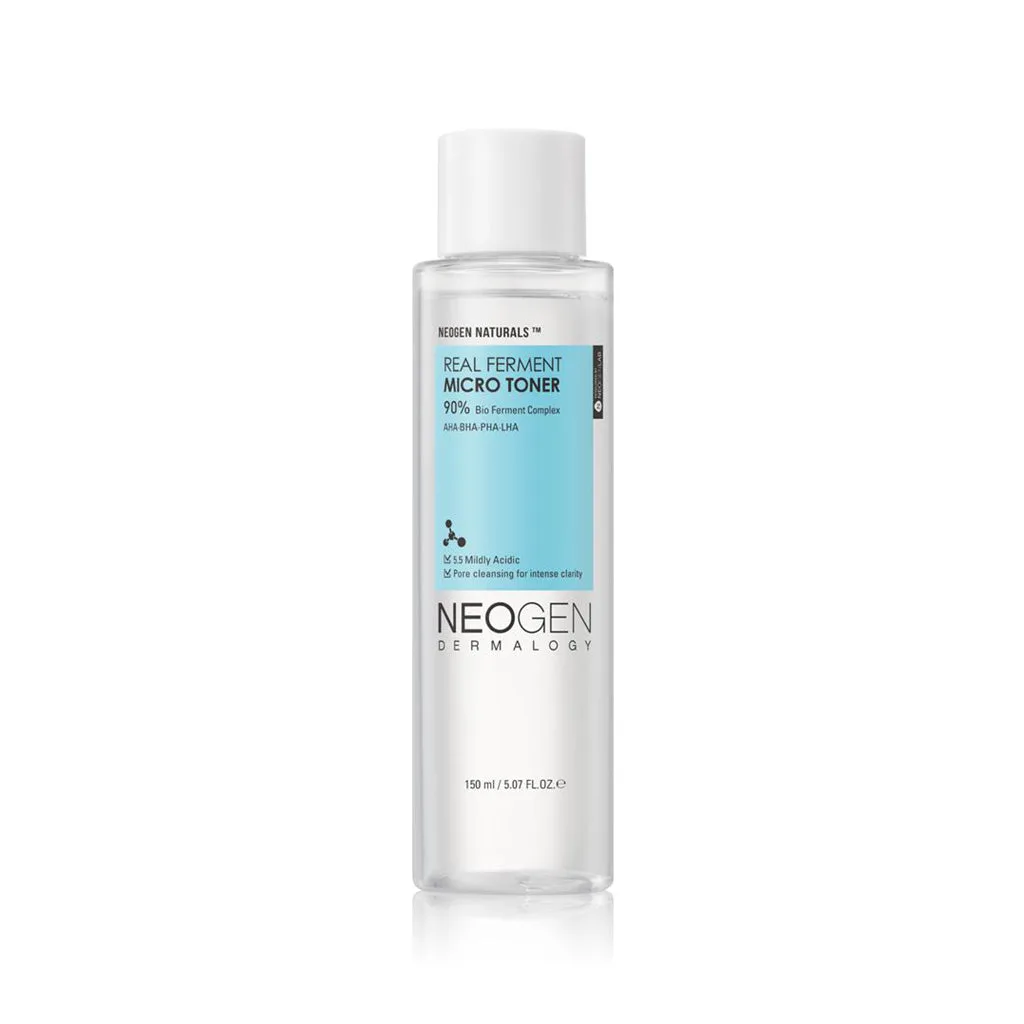
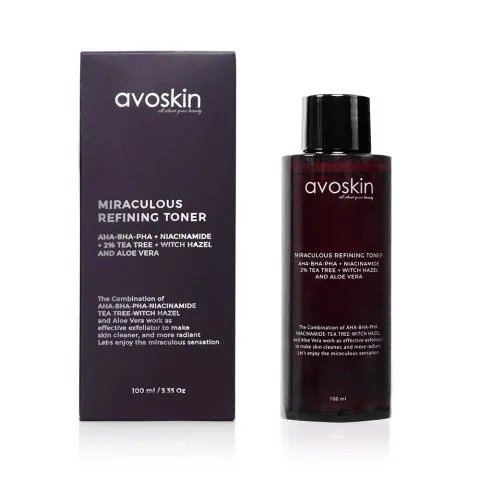




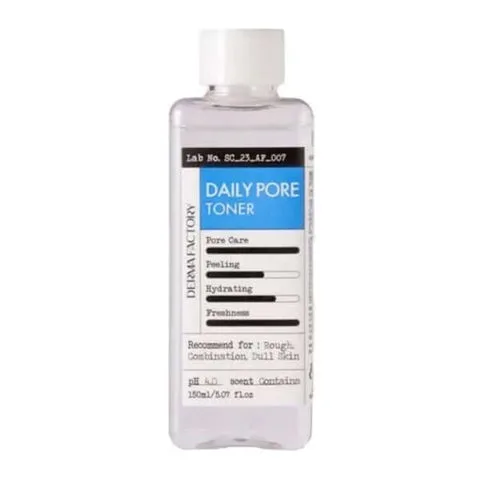


How to Choose
The best glycolic acid toners are the gentle, everyday face of glycolic — lower in concentration than a dedicated peel, designed to be swiped on regularly to keep skin smooth and glowing rather than to deliver one intense resurfacing hit. That's the distinction worth understanding before you buy.
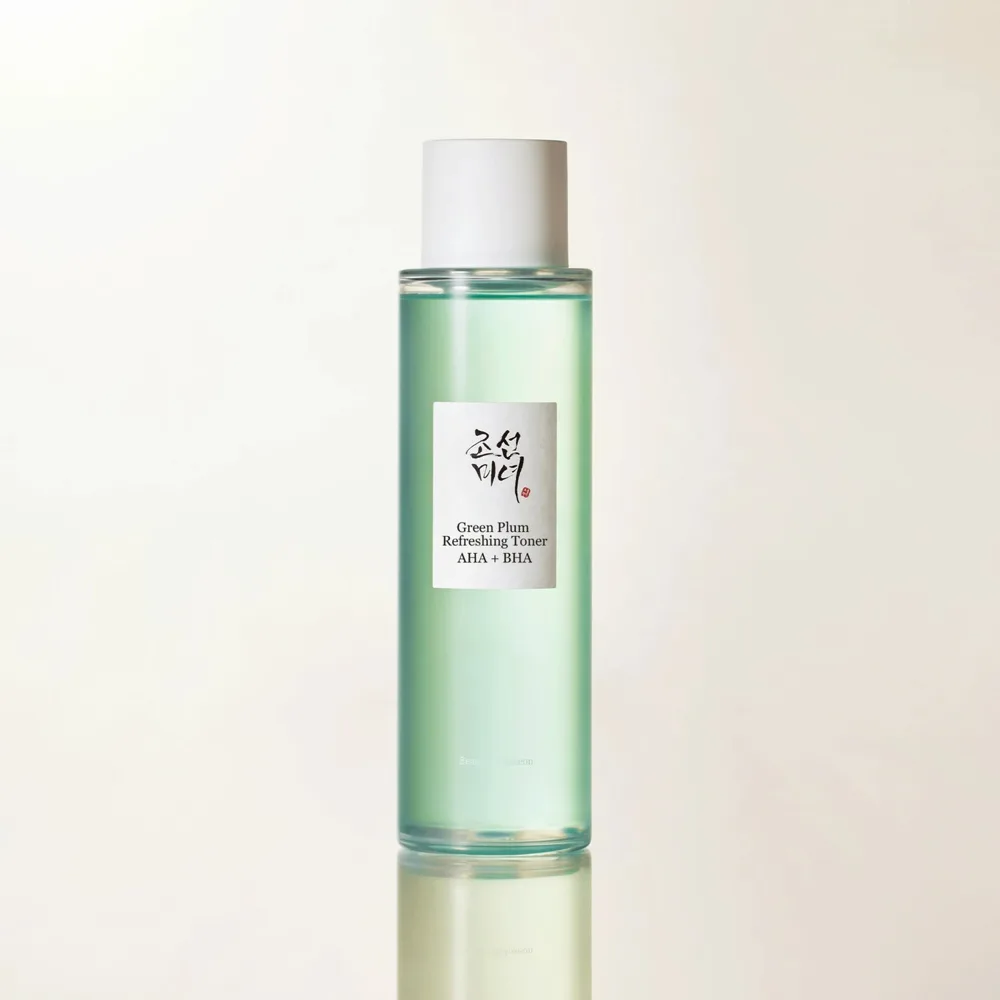
A glycolic toner usually sits around 5–7% (the cult Pixi Glow Tonic is 5%), which is mild enough that some skin types tolerate it several nights a week, building a steady, cumulative radiance instead of the dramatic turnover of a stronger treatment. Glycolic earns its glow honestly: as the smallest AHA, it loosens dull, dead surface cells so they shed evenly, refining texture and brightening tone over time. The signals to look for are a sensible low percentage paired with soothing, hydrating support — aloe, panthenol, niacinamide, hyaluronic acid — as in the L'Oréal Revitalift toner or the affordable Beauty of Joseon Green Plum at $18. The trap to watch for is witch hazel and alcohol high on the ingredient list, which some classic 'glow tonics' still include and which can leave the skin dry and tight. The honest caveat: 'toner' lulls people into thinking it's consequence-free, but it's still an acid that raises sun sensitivity, so it's not a swipe-twice-daily-forever product, and daily SPF is non-negotiable. Start a few nights a week, watch how your skin responds, and let a low-and-slow glycolic toner build the kind of glow that lasts.
Buying Guide
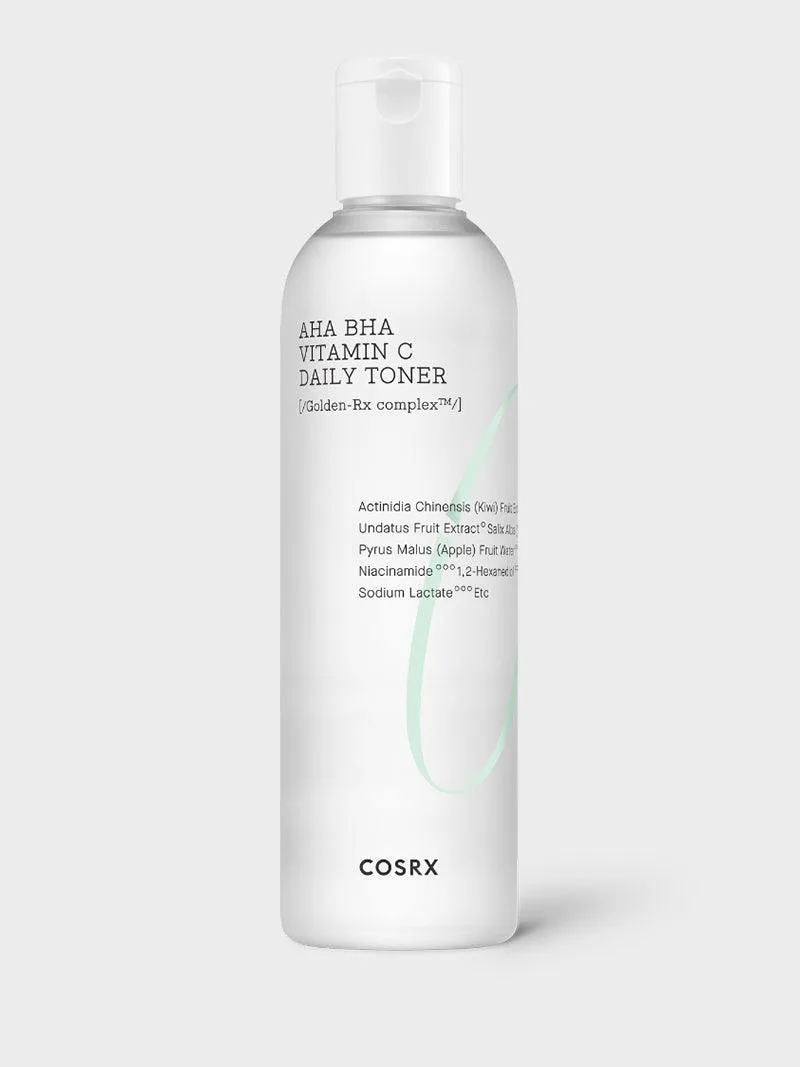
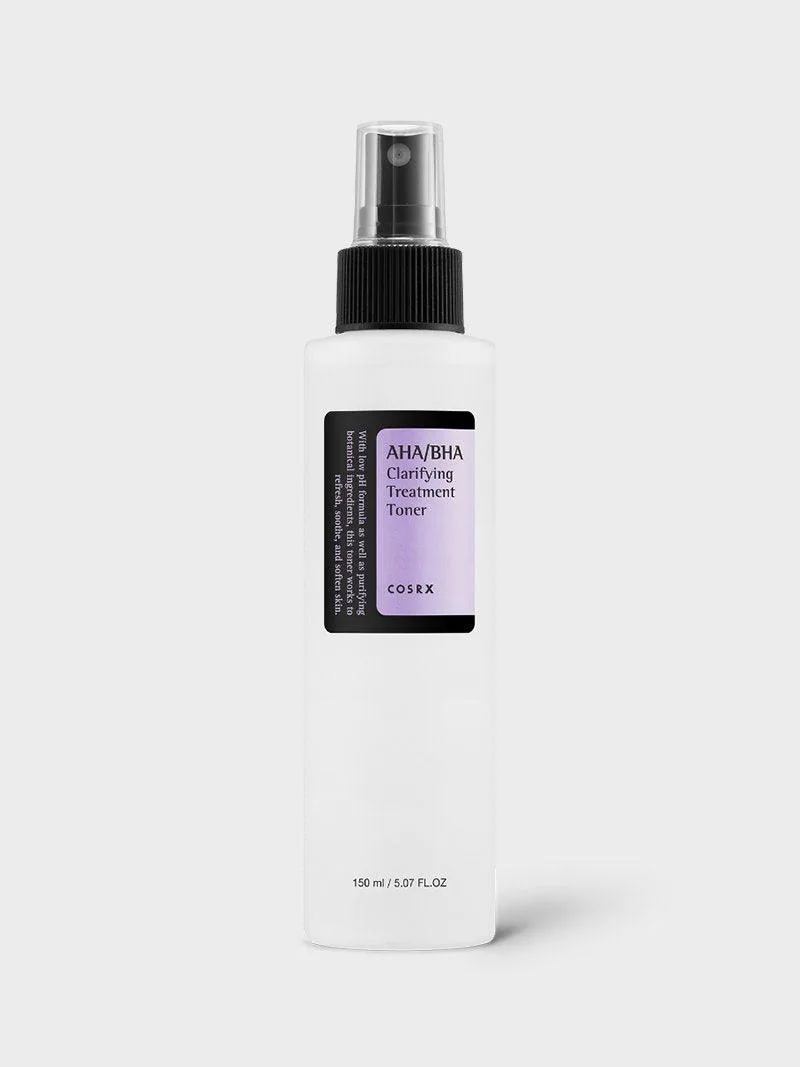
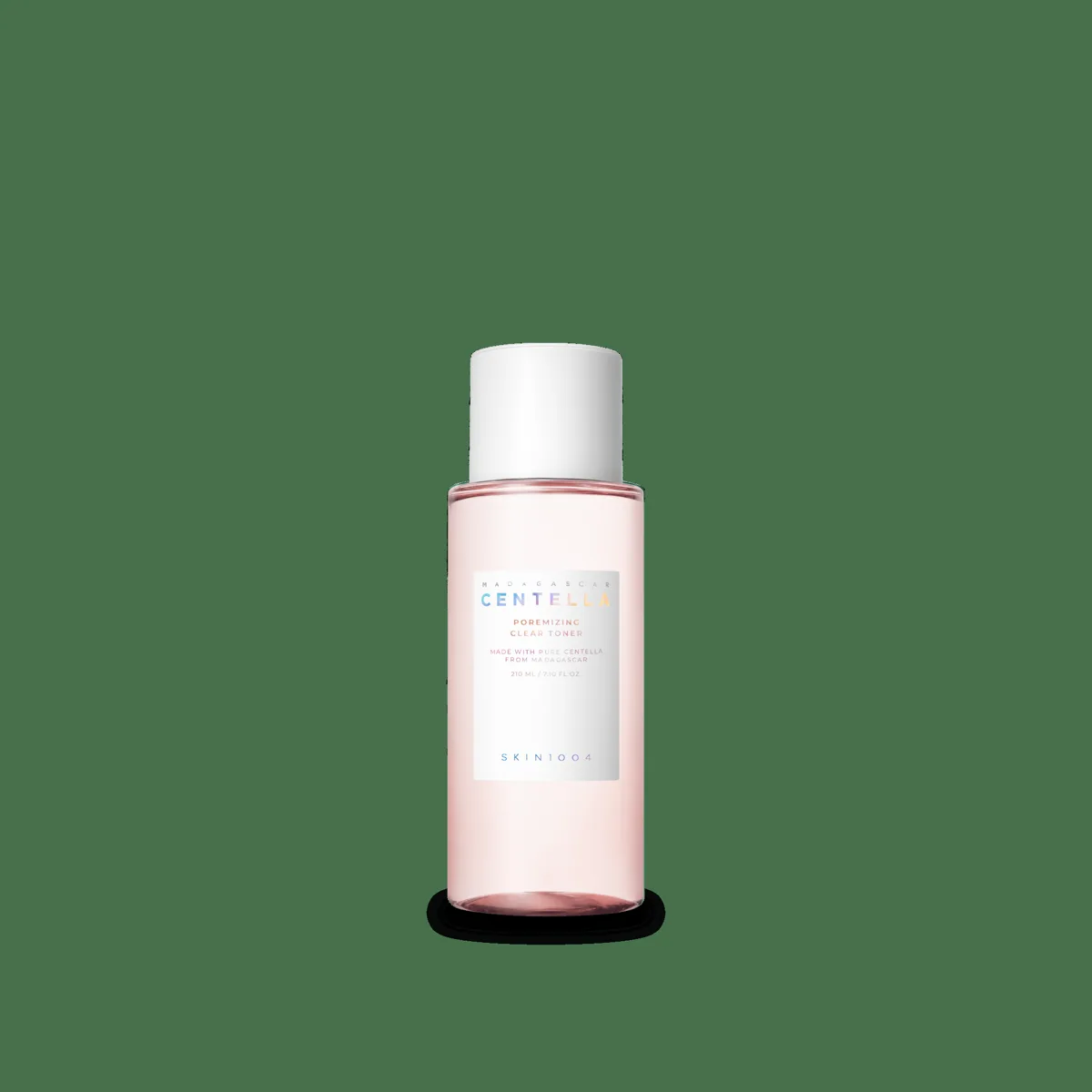
Treat the percentage as the headline. Glycolic toners are the lower-strength, more frequent-use format — typically around 5–7%, like Pixi Glow Tonic — so they suit building gradual radiance rather than deep resurfacing. Look for the acid buffered with soothing, hydrating ingredients (aloe, panthenol, niacinamide, hyaluronic acid) as in L'Oréal Revitalift or Beauty of Joseon Green Plum, and check that witch hazel and denatured alcohol aren't ranked high, since some legacy formulas still rely on them and can over-dry. Some toners pair glycolic with salicylic (SKIN1004, COSRX AHA/BHA) for oilier, congested skin. Apply with a cotton pad or hands after cleansing, before serum. Price runs $10 to $88, but concentration and formulation matter more than cost. And don't be fooled by the word 'toner' — it's still an acid, so introduce it gradually, skip it on irritated skin, and wear sunscreen daily.
Frequently Asked Questions
What's the difference between a glycolic toner and a glycolic exfoliant?
It's mostly concentration and intended use — glycolic toners are typically lower strength (around 5–7%) and designed for regular, even daily, swiping to build gradual glow, while dedicated exfoliants are stronger and used less often for deeper resurfacing. A toner like Pixi Glow Tonic is gentler than a 10–12% peel. Both contain the same acid; the toner is simply the lighter, more frequent format.
Can I use a glycolic acid toner every day?
Some skin types can tolerate a low-percentage glycolic toner several nights a week or even daily, but it's still an exfoliating acid, not a plain hydrating toner, so start a few times a week and build up. Watch for dryness, tightness, or sensitivity, which mean you're overdoing it. Always follow with daily sunscreen, since glycolic increases UV sensitivity.
Why do some glycolic toners contain witch hazel?
Witch hazel is an astringent some classic 'glow' toners include for an extra tightening, oil-controlling effect, but it can be drying and irritating, especially alongside an acid. If your skin is dry or sensitive, look for a formula where witch hazel and alcohol sit low on the list or are absent, like Beauty of Joseon Green Plum. The acid does the real work; the astringent is often unnecessary.
When should I apply a glycolic acid toner in my routine?
Use it after cleansing and before your serums and moisturizer, applying with a cotton pad or pressing it in with clean hands. Most people use it at night, since acids increase sun sensitivity and a PM routine pairs naturally with morning sunscreen. Give it a minute to absorb before layering the next step.