
Glycolic vs Lactic Acid: Which AHA Is Actually Right for You
Glycolic gets the hype and the higher numbers. But lactic acid does something glycolic can't — and for a lot of skin, that changes the whole calculation.
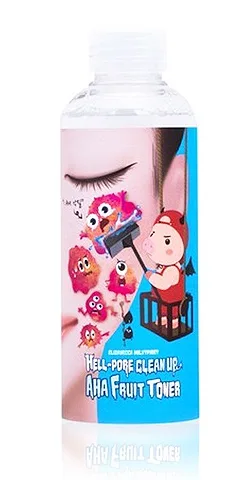
It wraps a daily-leaning glycolic acid exfoliant in a fruit-extract-and-niacinamide base and a generous 200ml bottle, positioning itself as a gentle, everyday-friendly resurfacer rather than a strong weekly peel. The pore-tightening witch hazel angle ties it to the Hell-Pore line's clogged-pore focus.
A budget glycolic toner dressed up in fruit-extract marketing, and a decent daily-leaning exfoliator if your skin can handle acids. The niacinamide softens the blow and the bottle is generous, but undisclosed acid strength plus witch hazel, lemon, and fragrance make it a clear skip for sensitive skin.
Elizavecca doesn't publish the acid concentration and independent testing of this exact toner is limited, so its scoring draws on ingredient analysis and the well-documented behavior of glycolic acid more than on disclosed clinical figures. The roughly sixteen hundred reviews give a usable read on tolerability and texture results, but treat strength comparisons cautiously without a stated percentage.
The case for it
What would change this: A declared concentration would move this to a firmer reading of the dose.
Same rule for everyone. “Promising” is the verdict on 7,858 of 45,024 concern verdicts across the catalog; rule R9p decided 7,858 of them. Unchanged since September 5, 2026, engine 5.1.1.
Brand or formulator? Disclose a concentration or correct a fact →
The studies behind the evidence row
The case for it
What would change this: A declared concentration would move this to a firmer reading of the dose.
Same rule for everyone. “Promising” is the verdict on 7,858 of 45,024 concern verdicts across the catalog; rule R9p decided 7,858 of them. Unchanged since September 5, 2026, engine 5.1.1.
Brand or formulator? Disclose a concentration or correct a fact →
The studies behind the evidence row
The case for it
Same rule for everyone. “Good choice” is the verdict on 9,564 of 45,024 concern verdicts across the catalog; rule R5 decided 9,072 of them. Unchanged since September 5, 2026, engine 5.1.1.
Brand or formulator? Disclose a concentration or correct a fact →
The studies behind the evidence row
The case for it
Same rule for everyone. “Good choice” is the verdict on 9,564 of 45,024 concern verdicts across the catalog; rule R5 decided 9,072 of them. Unchanged since September 5, 2026, engine 5.1.1.
Brand or formulator? Disclose a concentration or correct a fact →
The studies behind the evidence row
The case for it
What would change this: A declared concentration would move this to a firmer reading of the dose.
Same rule for everyone. “Promising” is the verdict on 7,858 of 45,024 concern verdicts across the catalog; rule R9p decided 7,858 of them. Unchanged since September 5, 2026, engine 5.1.1.
Brand or formulator? Disclose a concentration or correct a fact →
The studies behind the evidence row
Does the jobDoes what a toner is for: adds something real, not alcohol-driven. Not measured from the label: restores skin pH, plays well with what follows.
A verdict is DermApproved’s assessment of how well a product’s ingredients fit a concern — never a claim about what the product treats. Evidence dots and collected reviews sit beside it and are never blended in. Rules 0.5.1 · evidence table ev-2026.09-r228 · how we decide
Read the front of the bottle and you'd think you were buying a smoothie: apple, lemon, sugarcane, orange, bilberry, an entire produce aisle of fruit extracts crowding the label. That framing is the first thing to see past, because it's working far harder for the marketing department than it is for your skin. Flip to the ingredient list, read it in order, and the truth is plainer and considerably more useful. This is a glycolic acid toner wearing a fruit-basket costume, with niacinamide as ballast and witch hazel supplying the pore-tightening angle the Hell-Pore name promises. Once you've named it correctly, you can actually judge whether it's worth your thirteen dollars.
Glycolic acid is the real exfoliant here, and it's a good one to build around. The smallest of the alpha-hydroxy acids, it slips between dead surface cells, loosens the glue holding them in place, and over a few weeks leaves skin smoother, brighter, and with clearer pore openings. Elizavecca never publishes the percentage, but with glycolic acid sitting mid-list at a stated pH around four, this reads as a daily-tolerable strength rather than a high-percentage weekly peel, which fits the everyday positioning. The fruit-acid complex stacked behind it contributes a little extra low-potency exfoliation plus some polyphenol antioxidants, but be realistic about the contribution: those botanical extracts are mostly there to justify the name. The glycolic acid is doing the actual resurfacing.
What keeps the formula from being one-note is the support cast, and the smartest inclusion is niacinamide, placed high enough to matter. It evens tone, reinforces the barrier, and crucially buffers some of the dryness an acid toner invites, which is what makes the daily-leaning framing halfway credible rather than reckless. Witch hazel brings the astringency that ties the product to the line's clogged-pore obsession, tightening the look of pores and tempering surface oil, though it also nudges the formula toward the drying end on already-parched skin. A thread of hyaluronic acid adds a little hydration back. Taken together it's a coherent toner for oily and combination complexions that want a frequent-use resurfacer.
In the hand it's a thin, faintly slippery clear liquid with a light fruity-fresh scent, and on the skin it behaves like water with a mild tingle as the acids activate. That tingle is normal for an AHA. A sharp sting is not, and it's your cue that you've gone too fast or too often. Skin feels smoother within the first few applications, and some people pass through a brief stretch of light flaking or surface purging as congested pores clear out. The generous 200ml bottle is the quiet hero of the value story, lasting months and making the low price look even better per use.
The genuine drawbacks gather around irritation and transparency, and they're the reason this isn't a universal recommendation. The undisclosed acid percentage means you can't precisely gauge strength or compare it against a properly labeled exfoliant, so you're trusting the daily-use positioning on faith. More pointedly, the formula stacks several potential irritants at once: glycolic acid, astringent witch hazel, lemon fruit extract, and added fragrance with limonene along for the ride. Any one of those is a minor consideration in isolation. Together they add up to enough that sensitive, rosacea-prone, or compromised-barrier skin should give this a wide berth, and the irritation score reflects that honestly. It's also not fungal-acne safe, and like any AHA it raises sun sensitivity, so daily sunscreen stops being optional and you shouldn't layer it into the same routine as retinol or vitamin C.
On results, set the clock realistically. The first few uses give a smoother, fresher feel almost immediately, but the visible payoff for texture, clogged pores, and dullness builds across two to four weeks of consistent though not necessarily daily use. This is a slow, cumulative improver, not an overnight transformation, and treating it as the latter is the fastest route to an irritated face.
On value it's a strong budget pick for the right skin. A big bottle of a competent glycolic toner with niacinamide buffering, for roughly the price of two coffees, is an easy recommendation for oily and combination types who tolerate acids and want something to lean on a few nights a week. Elizavecca is an established Korean indie brand, and while it leans hard on the K-beauty fondness for fruit-acid storytelling, the underlying glycolic acid gives the product real exfoliating credibility behind the gimmick.
The bottom line is a matter of expectations. Go in respecting it as the glycolic toner it actually is rather than the harmless splash of juice the label implies. Start slow, wear sunscreen religiously, keep it away from your other strong actives, and skip it entirely if your skin is reactive. Do all that, and a thirteen-dollar bottle of decent everyday exfoliation is a perfectly sensible thing to keep on the shelf. Treat it like the produce stand its packaging pretends to be, and it'll bite back. As an established Korean indie brand selling a generously sized bottle of competent exfoliation at a budget price, Elizavecca has earned the reputation this toner trades on, but the brand's medium data confidence and undisclosed strength mean you should let your own skin set the pace rather than the label's everyday framing. Used sensibly by oily and combination skin that tolerates acids, it's a genuinely good value; used carelessly or on the wrong complexion, it's a quick lesson in why acid strength and irritant stacking actually matter.
The hero actives that drive this product's performance.
| Ingredient | Function | Evidence |
|---|---|---|
| Glycolic Acid | The toner's primary chemical exfoliant — the smallest alpha-hydroxy acid, it loosens the bonds between dead surface cells to smooth texture and unclog pores, sitting at a daily-use strength here rather than a peel-level dose. | Established mechanism for Rough Texture · established mechanism |
| Fruit AHA Complex (Apple, Lemon, Sugarcane, Orange, Bilberry) | A blend of fruit-derived acid extracts that pads the 'fruit toner' positioning and contributes mild additional exfoliation and antioxidants, though the bulk of the resurfacing work realistically comes from the listed glycolic acid rather than these botanical extras. | Not yet assessed |
| Niacinamide | Placed high in the formula to even tone and reinforce the barrier, it offsets some of the dryness an acid toner can cause and helps the daily-use positioning hold up without over-stripping. | Limited for Large Pores |
| Witch Hazel Extract | An astringent that tightens the look of pores and tempers oil — the pore-refining angle the Hell-Pore name promises — though it adds to the toner's slightly drying profile on already-dry skin. | Not yet assessed |
Ingredient standings describe the active at treatment-level doses and vehicles; this product's own condition grades weigh its actual formula.
Water, Butylene Glycol, Glycerin, Pyrus Malus (Apple) Fruit Water, Niacinamide, Glycolic Acid, Hamamelis Virginiana (Witch Hazel) Extract, Citrus Limon (Lemon) Fruit Extract, Pyrus Malus (Apple) Fruit Extract, Saccharum Officinarum (Sugarcane) Extract, Citrus Aurantium Dulcis (Orange) Fruit Extract, Vaccinium Myrtillus Fruit Extract, Sodium Hyaluronate, Arginine, Carbomer, Ethylhexylglycerin, Phenoxyethanol, Fragrance
treatment
PM
Sweep over cleansed skin with a cotton pad or palms before serums; introduce it a few nights a week, don't pair it with retinol or other acids in the same session, and wear sunscreen daily since AHAs increase sun sensitivity.
A smoother, fresher feel after the first few uses; visible improvement in texture, clogged pores, and dullness builds over two to four weeks of consistent but not daily use.
The toner's exfoliation rests on glycolic acid, the best-studied alpha-hydroxy acid, whose small molecular size lets it efficiently weaken corneocyte cohesion in the upper stratum corneum, accelerating desquamation and, with sustained use, improving texture, tone, and the appearance of pores. The formulation-specific question is strength: with no published percentage and glycolic acid mid-list at a stated pH around 4, this reads as a daily-tolerable concentration rather than a high-percentage weekly peel, which fits its everyday positioning. The fruit-acid extracts contribute additional, lower-potency AHAs and polyphenol antioxidants, but their real exfoliating contribution is modest next to the glycolic acid. The pairing with niacinamide is the smarter formulation choice — niacinamide's documented support of barrier lipids and reduction of transepidermal water loss helps counter the drying tendency of frequent AHA use, while witch hazel's tannins provide the astringent, pore-tightening effect the product is marketed on.
Glycolic acid toners are widely used in dermatology to address dull, congested, and uneven-textured skin, and a daily-strength formula buffered with niacinamide aligns with common guidance for gradual, tolerable exfoliation. Dermatologists routinely caution that AHAs increase photosensitivity, making daily broad-spectrum sunscreen essential, and advise against layering acids with retinoids or vitamin C in the same session to limit irritation. The combination of witch hazel, citrus extract, and fragrance in this formula is the kind of additive stack often flagged as unsuitable for sensitive, rosacea-prone, or barrier-compromised skin, for whom a simpler, fragrance-free acid is generally preferred. For resilient oily or combination skin, an inexpensive glycolic toner like this is considered a reasonable everyday option when introduced slowly.
At night, after cleansing, sweep the toner over the face with a cotton pad or press it in with clean palms, avoiding the eye area. Start two to three nights a week and increase only if your skin stays comfortable; a mild tingle is normal, a sharp sting is not. Follow with a hydrating serum and moisturizer. Don't use it in the same routine as retinol or vitamin C, and apply a broad-spectrum sunscreen every morning, since the glycolic acid increases sun sensitivity.
At about thirteen dollars for a 200ml bottle that lasts three to four months at a few nights a week, this is genuinely cheap for a glycolic acid toner, and the niacinamide content makes it more than a bare-bones acid splash. The value case is strongest for oily and combination skin that tolerates acids and wants a high-volume, frequent-use exfoliant without spending on a boutique formula. The undisclosed acid strength slightly undercuts the value for anyone who wants to dose precisely. Sold in one size, its per-unit cost is simply the low sticker price, which compares very favorably against labeled AHA toners.
Oily and combination skin that tolerates acids and wants an affordable, generously sized glycolic toner for frequent use against clogged pores, rough texture, and dullness. It suits people who like the idea of a daily-leaning exfoliant and aren't bothered by light fragrance.
Sensitive, rosacea-prone, or compromised-barrier skin should pass, given the glycolic acid, witch hazel, lemon extract, and fragrance stacked together. Anyone wanting a disclosed acid strength, a fragrance-free exfoliant, or a fungal-acne-safe option should look elsewhere.
Ready to try Elizavecca Hell-Pore Clean Up AHA Fruit Toner?
Buy at Amazon ♥Thin, slightly slippery clear liquid
Light fruity-fresh fragrance
Tall plastic bottle with a flip or twist cap
Goes on like water with a faint slip and a mild tingle as the acids get to work — normal for an AHA, though a sharp sting means it's too much too soon. Skin feels noticeably smoother after a few uses; some people see a short adjustment phase of light flaking or surface purging as clogged pores clear.
Roughly three to four months at a few nights a week
All Year
Part of Elizavecca's Hell-Pore range built around blackheads and enlarged pores, this toner leaned into the K-beauty fondness for fruit-acid 'food for skin' marketing. The fruit-extract roster is as much storytelling as active, but the underlying glycolic acid gives it real exfoliating credibility.
Elizavecca, a Korean indie brand founded around 2014, markets this as a daily-use AHA fruit toner under its pore-focused Hell-Pore line. The exact acid percentage is undisclosed, and the brand provides limited independent data on its specific exfoliation claims.
Because it's a gentle fruit toner, you can safely use it every single day and skip sunscreen.
Even a daily-strength AHA toner exfoliates with glycolic acid, which thins the dead-cell layer and raises sun sensitivity. Most skin does best starting a few nights a week, and daily SPF is non-negotiable while using it — 'fruit' on the label doesn't make the acid optional to respect.
Its primary exfoliant is glycolic acid, supported by a blend of fruit-derived acid extracts from apple, lemon, sugarcane, orange, and bilberry. The brand doesn't publish the total acid percentage.
It's positioned for frequent use, but most skin does best starting a few nights a week and building up. Daily use can be drying, especially alongside the witch hazel, so increase frequency only if your skin stays comfortable.
Yes, absolutely. Glycolic acid increases sun sensitivity, so daily broad-spectrum sunscreen is essential while using any AHA, including this fruit-based one.
Yes — the glycolic acid clears dead cells from pore openings and the witch hazel has an astringent, pore-tightening effect, which is the toner's main focus. Results on clogged pores build over a few weeks.
Keep them separate — combining AHAs with retinol or vitamin C in the same routine raises irritation risk. Use this on its own nights and reserve retinol or vitamin C for other days or the morning.
Generally no — between the glycolic acid, witch hazel, lemon extract, and added fragrance, it carries enough potential irritants that sensitive, rosacea-prone, or barrier-compromised skin should choose a gentler exfoliant.
Recurring themes our editors read across retailer reviews of this product — summaries in our words, not quotations, and not a substitute for your own patch test.
Smooths and refines skin texture
Large 200ml bottle for the price
Helps with clogged pores
Gentle enough for several-times-a-week use
Can be drying or tingly
Acid strength undisclosed
Contains fragrance and lemon extract
Not for sensitive skin