Best Glycolic Acid for Texture
Updated September 2026 · independently researched, no sponsored placements
Our top 40 picks, ranked from 207 reviewed products — ordered by each product's rough texture verdict, then evidence strength.







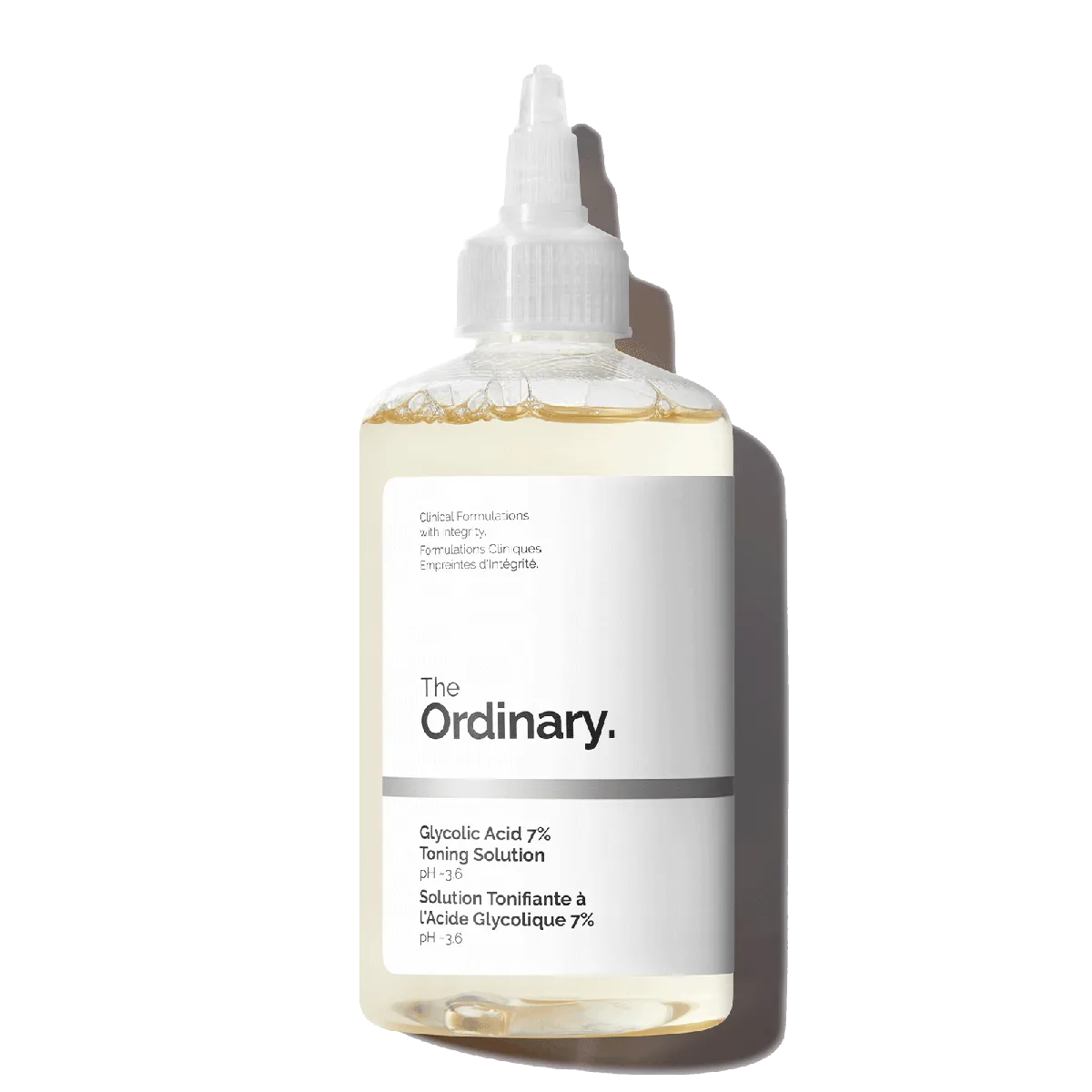


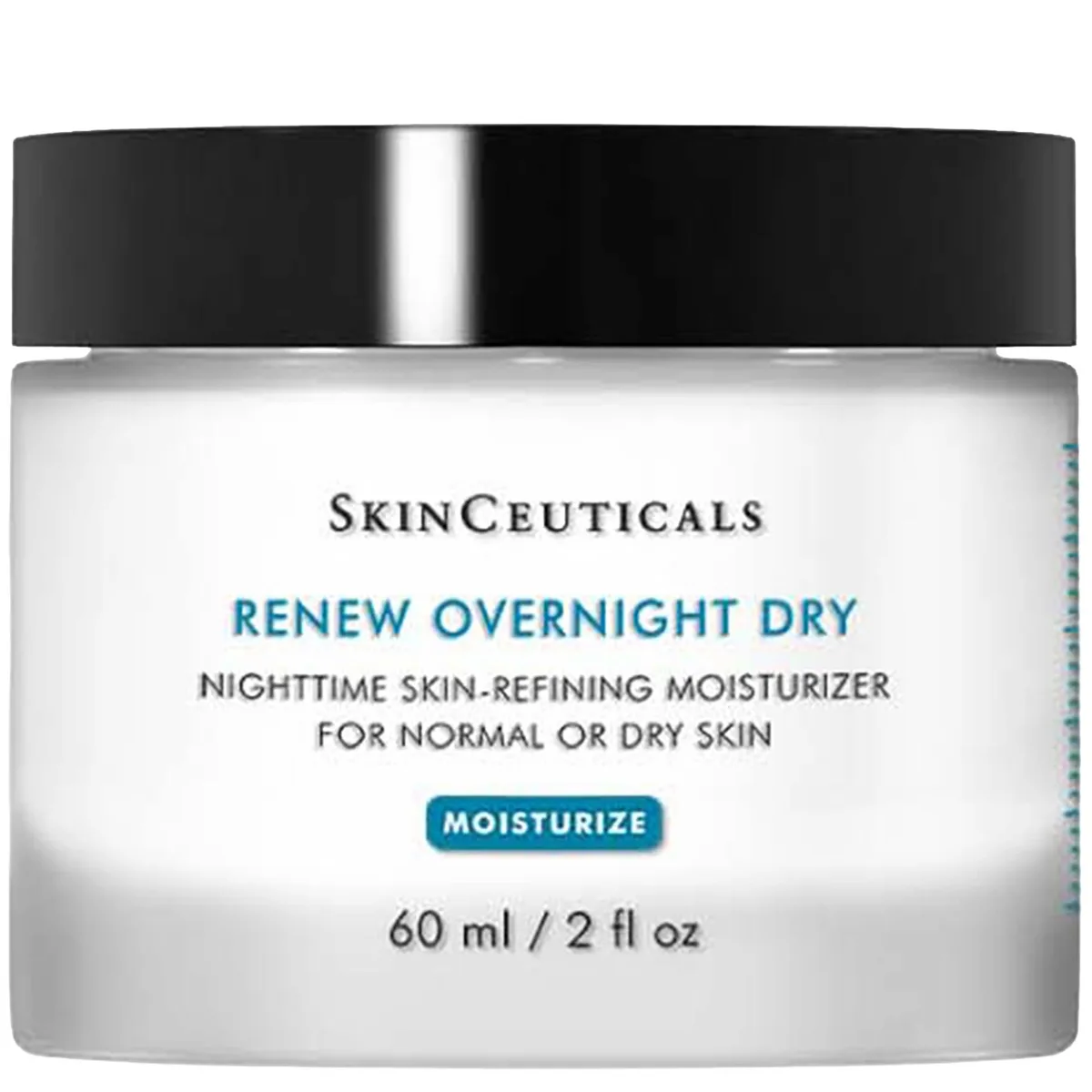



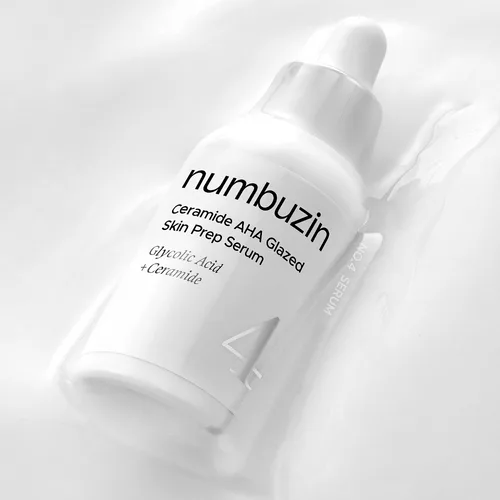



How to Choose
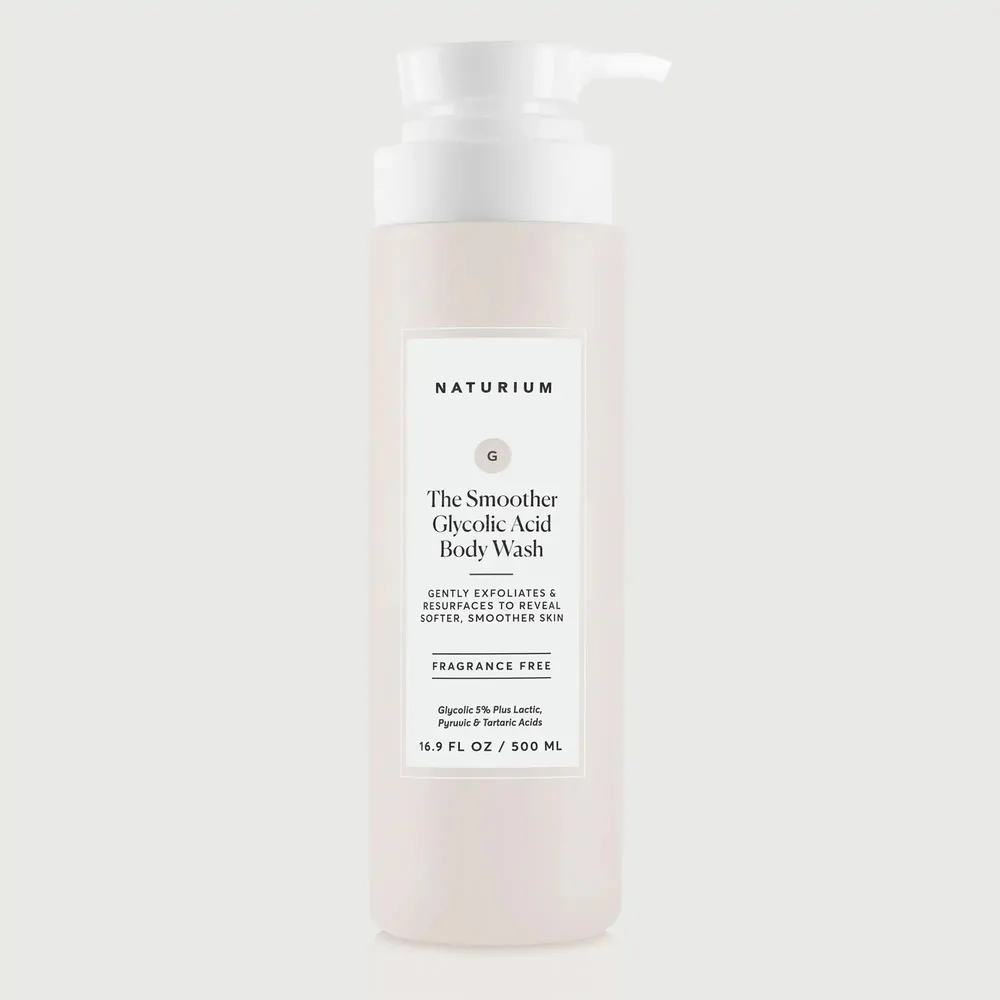
Glycolic acid is the smallest of the alpha hydroxy acids, and that single fact is why it's the go-to for rough, bumpy texture: a smaller molecule slips deeper and faster into the skin, loosening the dead-cell buildup that you can actually feel under your fingertips. Texture is a tactile complaint — the fine roughness, the grainy bumps, the patches that snag a cotton pad — and where a gentle lactic acid mostly polishes the very top, glycolic gets under the surface to resurface more aggressively.
That depth is its strength and its liability. The same penetration that smooths skin fastest is also what makes glycolic the most likely AHA to sting, flush, or over-do it, so the best products either keep the percentage sensible or buffer the acid: Geek & Gorgeous Smooth Out 12% ($17) for confident skin, Prequel's milk-buffered multi-acid peel ($23) for a softer landing, or the famous Dr. Dennis Gross daily peel pads ($92) if you want the splurge. Look for a stated percentage rather than a mystery 'resurfacing complex,' and for niacinamide or panthenol to take the edge off. The honest caveat: smoothing builds over a few weeks of using it two or three times a week, not by scrubbing harder or going daily — over-exfoliated skin feels rougher, not smoother. And because glycolic thins the dead-cell layer that normally absorbs some UV, daily sunscreen isn't optional here; skip it and you trade texture for sun damage. Used with patience, glycolic is the most reliable route from rough to genuinely smooth.
Buying Guide
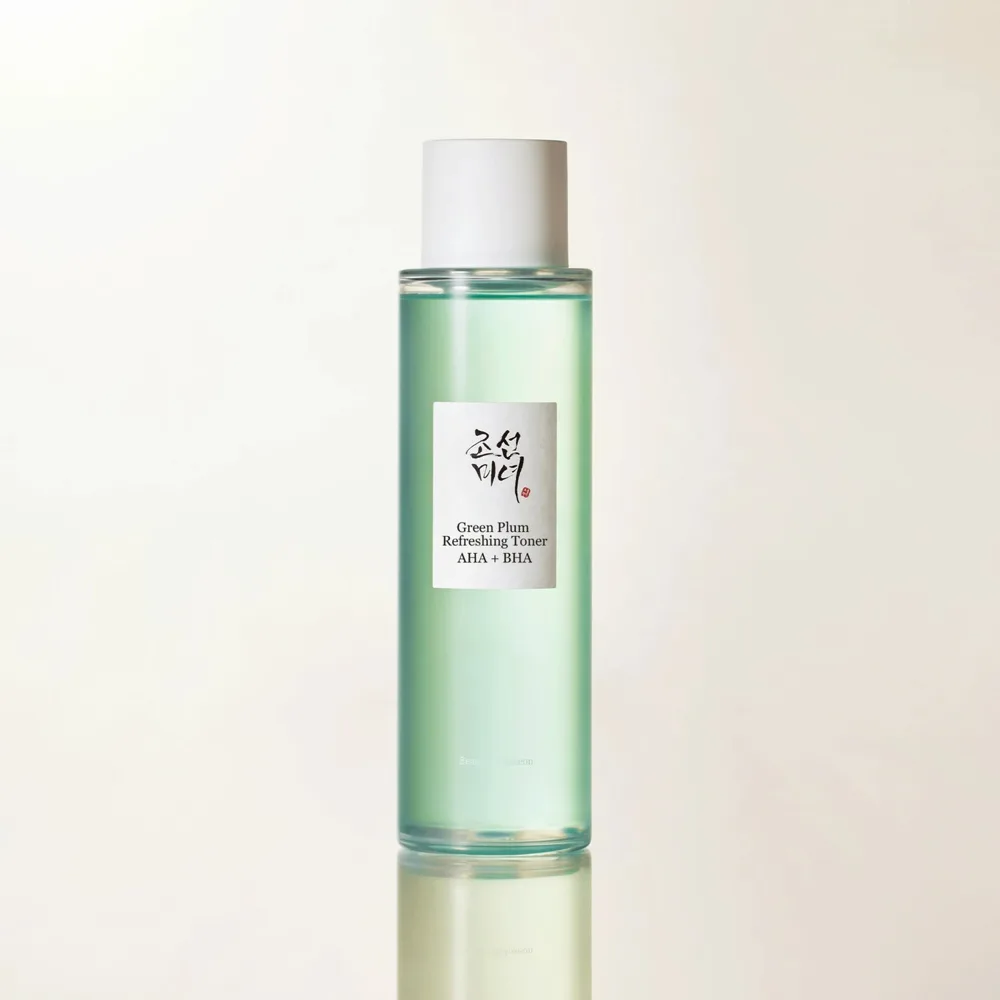
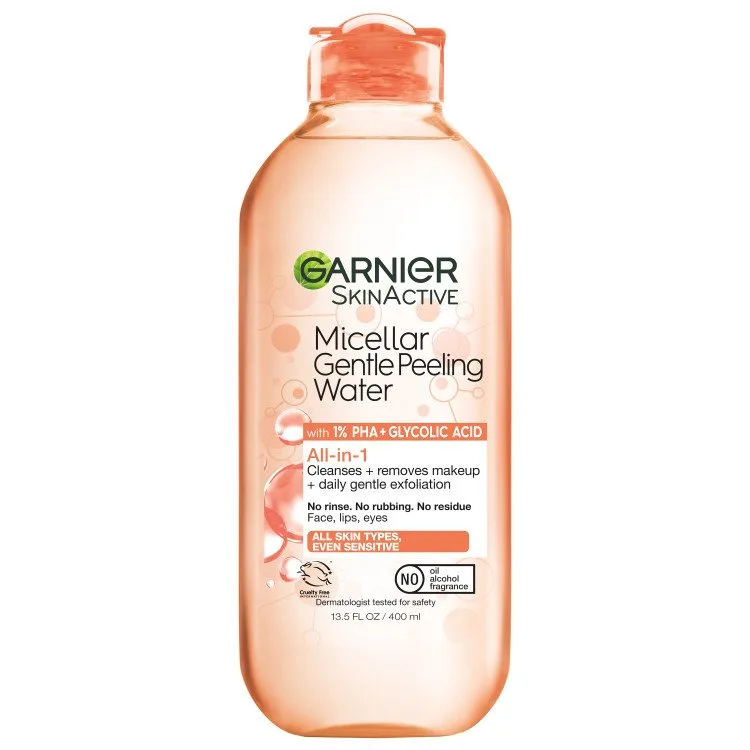
Choose glycolic acid for texture when you want deeper resurfacing than a surface polish provides, but calibrate the strength to your tolerance. Beginners and sensitive skin should start with a buffered or lower-percentage formula — a milk peel, a 1% PHA-plus-glycolic micellar water, or an AHA/BHA toner — while resilient skin that's used acids before can handle a 10–12% leave-on. Always look for the percentage on the label; a named concentration is more trustworthy than a vague resurfacing claim. Supporting ingredients matter for comfort: niacinamide, panthenol, and centella buffer the acid and reduce the flushing glycolic can cause. Frequency is the discipline that makes or breaks results — two to three times a week resurfaces, daily use over-exfoliates and worsens texture. Follow every use with hydration and, non-negotiably, morning SPF, since glycolic increases sun sensitivity. Price spans $12 drugstore options to $95 peel pads, and the budget AHAs here genuinely compete with the luxury peels.
Frequently Asked Questions
Why is glycolic acid better than other acids for rough texture?
Glycolic acid has the smallest molecule of the common AHAs, so it penetrates deeper and works faster on the dead-cell buildup that creates rough, bumpy texture. That deeper action makes it more effective for resurfacing than gentler acids like lactic, though it's also more likely to irritate, so strength should match your skin's tolerance.
What percentage of glycolic acid should I use for texture?
Beginners do well with buffered or lower-strength formulas around 5–8%, while experienced, resilient skin can use 10–12% leave-on exfoliants. Higher isn't automatically better — a sensible percentage used consistently smooths texture more safely than a strong one that triggers irritation and forces you to stop.
How long does glycolic acid take to smooth skin texture?
Some smoothness is noticeable after the first few uses, but meaningful, lasting texture improvement builds over four to six weeks of using it two or three times a week. Going more often doesn't speed things up — it usually backfires by over-exfoliating and making texture feel worse.
Do I really need sunscreen when using glycolic acid?
Yes, without exception — glycolic acid thins the outer dead-cell layer that normally absorbs some UV, leaving fresh skin more vulnerable to sun damage. Daily broad-spectrum SPF protects your results and prevents the sun damage that would undo the smoothing you're working for.