Vitamin C for Dullness: What the Verdicts Say
Updated September 2026 · independently researched, no sponsored placements
Our top 35 picks, ranked from 899 reviewed products — ordered by each product's dullness verdict, then evidence strength.
Nothing here earns a Strong or Good choice for dullness in our verdicts; this list ranks what exists, and says so.









How to Choose
Vitamin C earns its reputation for dullness because it works on the actual causes of a flat complexion — oxidative damage from sun and pollution, plus the uneven pigment that scatters light instead of reflecting it. Dullness is rarely one thing.
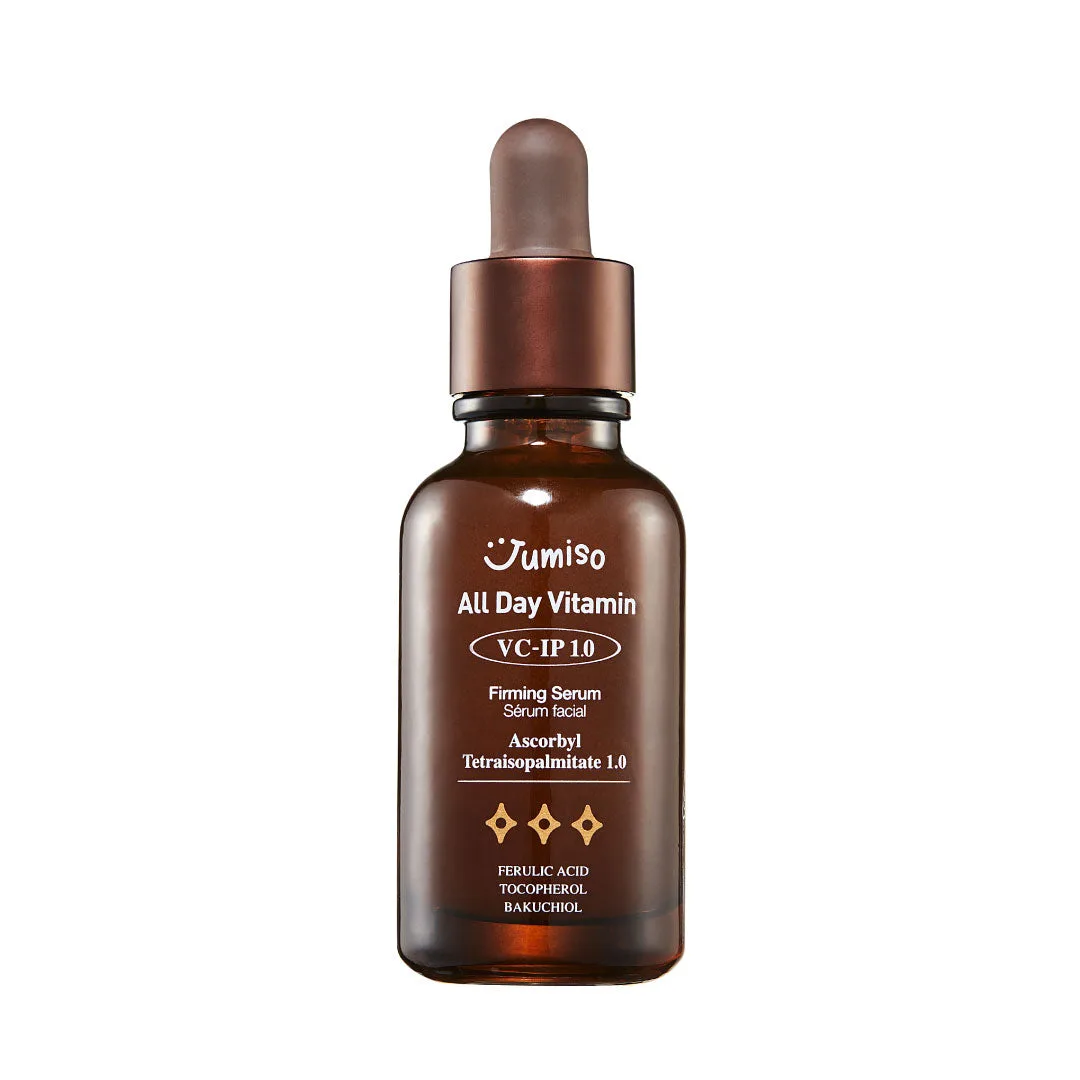
It's slow cell turnover, surface dehydration, and accumulated UV damage all conspiring to make skin look gray and tired, and vitamin C, a potent antioxidant, addresses the part most other ingredients can't: it neutralizes free radicals before they degrade collagen and trigger more pigment. The brightening you see comes from two mechanisms working together — antioxidant protection and a gentle nudge against melanin overproduction. What to look for depends on your tolerance. f. Bright Icon serum at $22 is a genuinely good take on the classic C+E+ferulic combo), but it's also the most prone to oxidizing into uselessness — if your serum has turned dark orange, it's done. Gentler derivatives and stabilized forms, like the Jumiso VC-IP serum ($24), trade a little strength for stability and far less sting. The pairing that pays off is vitamin C with niacinamide and hydration, which is why several picks here bundle all three. The honest caveat: vitamin C is a slow brightener, not a highlighter. Give it four to eight weeks, wear sunscreen over it every morning (its antioxidant role and your SPF are a team), and dullness lifts gradually rather than overnight. At $4 to $132 across the category, price tracks formulation polish more than results — the mid-range picks here hold their own against the luxury tier.
Buying Guide
First decide which form of vitamin C fits your skin. L-ascorbic acid is the gold standard for potency and has the most research behind it, but it stings sensitive skin and oxidizes quickly, so it needs opaque, air-tight packaging and a fresh bottle. Stabilized derivatives like ascorbyl tetraisopalmitate (VC-IP) or sodium ascorbyl phosphate are gentler and last longer in the bottle — a smarter pick if you've reacted to straight ascorbic acid. Look for supporting cast: ferulic acid and vitamin E stabilize L-ascorbic acid and boost its antioxidant punch, while niacinamide and hyaluronic acid add brightening and hydration that amplify the glow. Concentration matters up to a point — somewhere around 10–20% is the effective range, and higher isn't automatically better if it just means more irritation. Mind the packaging and color: a serum in clear glass or one that's gone deep orange has likely oxidized. And don't overpay — the difference between a $22 and a $130 vitamin C is usually texture and marketing, not results.
Frequently Asked Questions
How long does vitamin C take to brighten dull skin?
Most people see a visible lift in radiance around the four-to-eight-week mark with daily use, since it works by gradually reducing pigment and protecting against new oxidative damage rather than instantly. Surface glow can appear sooner, but the real brightening is cumulative — consistency matters far more than concentration.
Which form of vitamin C is best for a dull complexion?
L-ascorbic acid is the most-researched and potent form and the strongest choice for brightening, but it's unstable and can irritate. If your skin is sensitive or you've struggled to keep a serum from oxidizing, a stabilized derivative like ascorbyl tetraisopalmitate is gentler and more reliable in the bottle, with slightly slower results.
Should I use vitamin C in the morning or at night?
Morning is ideal because vitamin C's antioxidant protection works alongside your sunscreen to defend against the UV and pollution that cause dullness in the first place. It's not photosensitizing, so it won't make you burn — but always layer SPF over it, since the two together protect far better than either alone.
Can I use vitamin C with niacinamide for brightening?
Yes — the old warning that they cancel each other out is largely a myth from outdated lab conditions, and several picks here deliberately combine them. Together they tackle dullness from two angles: vitamin C as an antioxidant and melanin inhibitor, niacinamide reducing pigment transfer and supporting the barrier.
How do I know if my vitamin C serum has gone bad?
Color is the tell — a fresh L-ascorbic acid serum is clear to pale yellow, and once it oxidizes it turns deep orange or brown and loses potency. A darkened serum won't harm your skin but won't brighten it either, so store it away from light and air and replace it once it changes color.