Best Vitamin C Serums
Updated September 2026 · independently researched, no sponsored placements
Our top 40 picks, ranked from 363 reviewed products — ranked by our overall assessment of formula, safety and value.







How to Choose
The best vitamin C serum is the one that's still potent by the time you finish the bottle — because vitamin C's greatest enemy is the air and light inside its own packaging. Pure L-ascorbic acid, the most-studied form, is a brilliant antioxidant that shields skin from daily free-radical damage, supports collagen, and gradually fades discoloration.
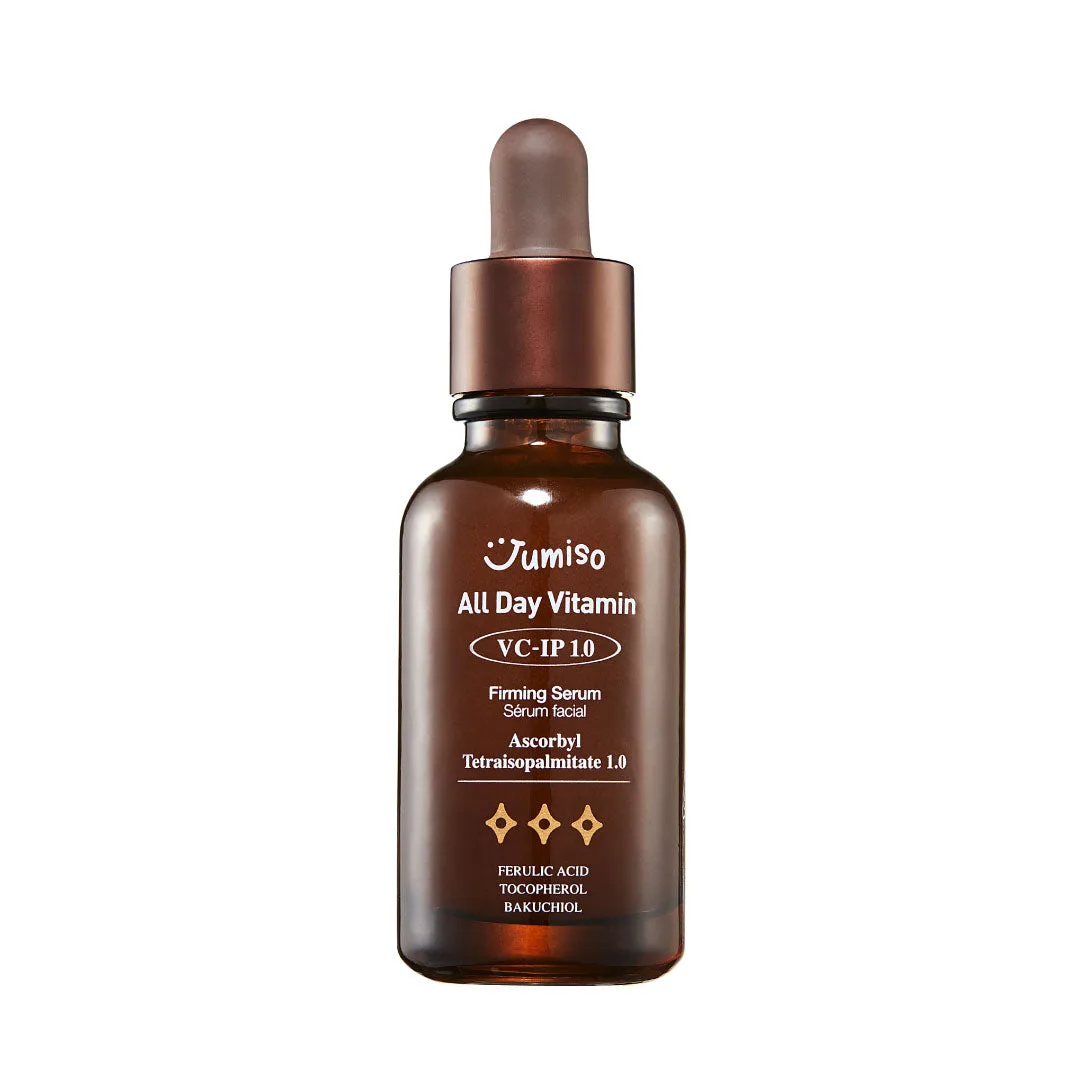
It's also notoriously unstable: expose it to oxygen and it oxidizes into the useless (and slightly skin-staining) compound that turns a serum orange-brown. This is why two details matter more than the percentage on the front. First, the stabilizing companions — vitamin E and ferulic acid, the famous trio pioneered by the original CE Ferulic formula, which together hold L-ascorbic acid steady and amplify its protection. 's Bright Icon C + E + Ferulic ($22) replicates exactly that architecture for a fraction of the prestige price. Second, the packaging: opaque, air-restricting bottles keep the serum alive, while clear droppers invite decay. If you have sensitive skin, the gentler vitamin C derivatives — like the THD ascorbate in Jumiso's VC-IP ($24) — trade a little raw strength for far better stability and lower sting. The honest caveat: a vitamin C serum that's gone amber is doing nothing but tinting your face, so store it cool and dark and replace it once it darkens. Used fresh, in the morning under sunscreen, a well-stabilized formula is one of the few proven anti-aging steps you can buy for $20.
Buying Guide
Start with the form: pure L-ascorbic acid is the most-researched and most potent but the least stable, so it must be backed by vitamin E and ferulic acid — the CE Ferulic trio — to stay effective. If your skin is reactive or you've found L-ascorbic acid stings, choose a gentler derivative like THD ascorbate or sodium ascorbyl phosphate, which sacrifice a little strength for much better tolerance and shelf life. Scrutinize the packaging as closely as the formula: opaque, air-tight bottles protect vitamin C, while clear jars and open droppers let it oxidize fast. Don't over-index on percentage — 10–15% L-ascorbic acid is the effective range, and higher concentrations mainly add irritation. Excellent stabilized serums start around $20–$24, so a luxury price should buy better antioxidants or packaging, not just a bigger number; and whatever you buy, replace it the moment it turns orange.
Frequently Asked Questions
Why did my vitamin C serum turn orange or brown?
That color change means the vitamin C has oxidized — reacted with air and light — and converted into an inactive form that can faintly stain skin. An oxidized serum no longer protects or brightens, so it's time to replace it. To slow this, choose serums in opaque, air-restricting packaging, store them somewhere cool and dark, and close the cap promptly after use.
What's the difference between L-ascorbic acid and vitamin C derivatives?
L-ascorbic acid is pure vitamin C — the most studied and most potent form, but also the most unstable and the most likely to sting. Derivatives like THD ascorbate or sodium ascorbyl phosphate are more stable and gentler, making them better for sensitive skin, though generally a bit less powerful. If you tolerate it, a well-stabilized L-ascorbic acid serum gives the strongest evidence-backed results.
Should I use vitamin C serum in the morning or at night?
Morning is ideal, because vitamin C is an antioxidant that neutralizes the free radicals generated by daytime UV and pollution, working as a partner to your sunscreen rather than a replacement for it. Apply it after cleansing and before moisturizer and SPF. It's stable enough to use at night too, but you get the most from its protective role during the day.
What percentage of vitamin C should a serum have?
For L-ascorbic acid, roughly 10–15% is the sweet spot — enough for proven results without the extra irritation higher concentrations bring. Going above 20% doesn't reliably do more and often stings, especially on sensitive skin. The stabilizing partners (vitamin E and ferulic acid) and the packaging matter more to real-world performance than chasing the highest percentage on the label.
- DIY & At-HomeYou Can Mix L-Ascorbic Acid at Home. Keeping It Alive Is the Hard Part.The one home formulation with a genuinely coherent case, taken apart on its own terms: the pH window, the oxidation clock, and what a browning serum has actually become.
- Vitamin C & AntioxidantsMost Vitamin C Rules Are Folklore. Four Are Chemistry.The pH threshold is real, the niacinamide feud is not, and the thing most likely to kill your serum is the shelf you keep it on.
- Skincare in Your 20sNothing Falls Off a Cliff in Your Thirties. That's Exactly Why the Panic Sells.The decade is marketed as an emergency requiring a whole new regimen, when the measurable biology is a shallow slope and most of what people suddenly notice was banked years earlier.