





The Truth About Pore Strips, Pore Vacuums, and 'Shrinking' Your Pores
You cannot shrink a pore. But you can change how visible it is — and almost everything sold to 'minimize' pores is pulling the wrong lever.
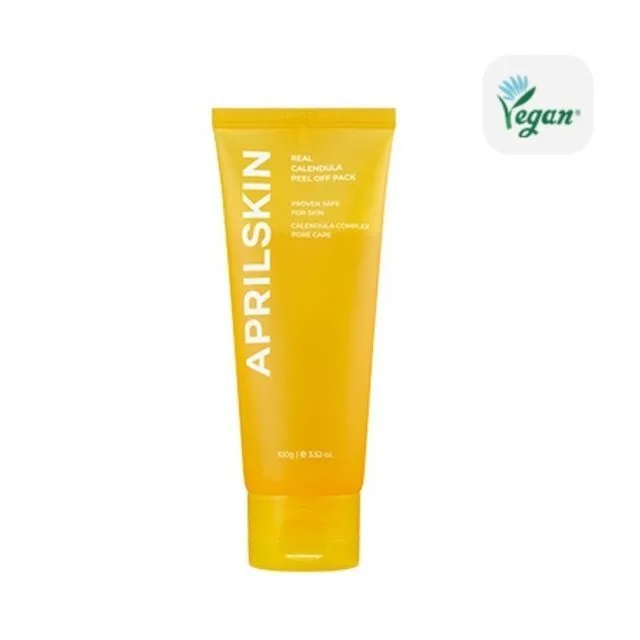
Most peel-off masks are functionally identical — a polyvinyl alcohol gel with light scent and minimal actives, riding on the physical extraction mechanism alone. This one builds a real supporting cast around the standard peel polymer — niacinamide at meaningful concentration, calendula in three forms, gentle BHA and PHA, beta-glucan and chlorella. The active load genuinely elevates the format beyond the pure-extraction baseline that defines the category.
A peel-off mask with a genuinely loaded supporting cast — niacinamide, calendula in three forms, BHA, PHA and beta-glucan elevate it above the pure-extraction baseline of the category. The whole-flower visual is genuinely pretty, the immediate smoothness is real, and the per-use cost is reasonable. The peel-off format remains fundamentally a physical-extraction approach with limits, and the alcohol-and-fragrance content narrows the audience.
The case for it
Cautions: fungal-acne triggers.
What would change this: A declared concentration would move this to a firmer reading of the dose.
Same rule for everyone. “Strong choice” is the verdict on 1,459 of 45,024 concern verdicts across the catalog; rule R3 decided 567 of them. Unchanged since September 5, 2026, engine 5.1.1.
Brand or formulator? Disclose a concentration or correct a fact →
The studies behind the evidence row
The case for it
What would change this: A concentration inside the studied range would raise this a step.
Same rule for everyone. “Unproven” is the verdict on 1,111 of 45,024 concern verdicts across the catalog; rule R9 decided 1,111 of them. Unchanged since September 5, 2026, engine 5.1.1.
Brand or formulator? Disclose a concentration or correct a fact →
The studies behind the evidence row
The case for it
Cautions: fungal-acne triggers.
What would change this: A concentration inside the studied range would raise this a step.
Same rule for everyone. “Unproven” is the verdict on 1,111 of 45,024 concern verdicts across the catalog; rule R9 decided 1,111 of them. Unchanged since September 5, 2026, engine 5.1.1.
Brand or formulator? Disclose a concentration or correct a fact →
The studies behind the evidence row
The case for it
What would change this: A declared concentration would move this to a firmer reading of the dose.
Same rule for everyone. “Good choice” is the verdict on 9,564 of 45,024 concern verdicts across the catalog; rule R5 decided 9,072 of them. Unchanged since September 5, 2026, engine 5.1.1.
Brand or formulator? Disclose a concentration or correct a fact →
The studies behind the evidence row
Also listed for Dullness — the actives here (Film Formers & Texture Polymers, Beta-Glucan, Niacinamide, Salicylic Acid) are in our research queue for that concern; there is no verdict until their evidence rows are written. That is a gap in our table, not a mark against the product.
As a maskNot judged: what a mask is for — works within its wear time, benefit outlasts the mask, comes off cleanly — cannot yet be measured from the ingredient list (only intensity without injury can).
A verdict is DermApproved’s assessment of how well a product’s ingredients fit a concern — never a claim about what the product treats. Evidence dots and collected reviews sit beside it and are never blended in. Rules 0.5.1 · evidence table ev-2026.09-r228 · how we decide
Peel-off masks occupy an awkward place in the skincare conversation. They are visually satisfying — there is genuine theater to watching a film dry on your face and then pulling it off in one piece, with a little patch of debris visibly stuck to the underside. They sell well, especially to social-media-driven audiences who like the documented before-and-after moment. They are also, formulationally, mostly the same product across brands: a polyvinyl alcohol gel with some scent and minimal actives, riding on the physical extraction mechanism alone. Dermatology generally regards the format with measured skepticism — gentle on most skin in moderation, not particularly useful for the pore-clearing claims most brands make about them, and capable of physical surface damage if formulated too aggressively.
Aprilskin's Calendula Peel Off Mask is one of the few peel-off products that puts real formulation work into the supporting cast around the polymer. Polyvinyl alcohol sits in slot two as the film-former that does the actual peel. Below it, the formula gets more interesting. Calendula appears in three forms — whole dried flowers visible in the gel, an extract, and an oil — providing the brand's signature visual identity and a small amount of genuine soothing support. Niacinamide sits mid-list at what is likely a meaningful concentration. Salicylic acid appears low on the list, gluconolactone slightly above it. Caffeine adds a brightening-and-circulation note. Beta-glucan and chlorella extracts provide humectant cushioning, and a small sugar complex of glucose, fructose and fructooligosaccharides softens what the alcohol takes out. This is, by peel-off mask standards, a genuinely loaded ingredient list.
In use the mask is satisfying without being remarkable. Apply an even layer to clean dry skin, avoid the eye and lip areas, and wait 15 to 25 minutes for the polymer to dry. The film firms gradually into a flexible mask with the whole calendula flowers visible through the dry surface. Peel from the edges with steady tension and the mask comes off in one piece — mostly; small areas around the nose and chin sometimes break off in fragments. The underside shows visible debris that is satisfying in the way pore strips are satisfying, even though most of what is on it is stratum corneum dead skin cells rather than actual pore content. The immediate post-mask finish is notably smoother and brighter; skin reads as fresher for a few days. The cumulative effect over weekly use is modest — slightly clearer pores from the BHA and slightly more even tone from the niacinamide build incrementally on top of the surface clearing.
Two pieces of peel-off folklore deserve dismantling here, because both lead people to misuse the format. The first is that a peel-off mask lifts blackheads. It doesn't; the adhesion isn't strong enough to pull a hardened plug out of a follicle, and the gray fuzz on the film is dead skin and vellus hair, not the contents of your nose. The second, and more dangerous, is that a mask that hurts to peel is working harder. Pain means the film has bonded to living cells and is taking them with it, which is injury, not exfoliation. A well-behaved peel-off releases with firm tension and no yelping. This one, to its credit, generally does.
The limitations are honest and characteristic of the format. Alcohol denat sits third on the list at a meaningful concentration, contributing to the mask's quick dry time but also drying the skin during wear; sensitive or dry skin will feel it, and a light tightness after peeling is normal rather than a sign of deep cleansing. Added parfum and the natural calendula scent give the mask a pronounced floral fragrance that some users actively dislike. Calendula itself is a daisy-family botanical, which makes it a real allergen for anyone who reacts to that family — an unusual risk to carry in a mask, and worth a patch test. And the peel-off mechanism is fundamentally physical extraction: gentle in this formulation, but the once-weekly cadence is non-negotiable, and stacking it with retinoids or acids on the same day is how a pleasant ritual becomes a compromised barrier.
What you do after the peel matters as much as the peel. Skin comes out of it freshly stripped of its surface layer and slightly dehydrated from the alcohol, which is the ideal moment for a hydrating toner, a soothing serum, and a ceramide-rich moisturizer — in that order, without rushing. The morning after, sunscreen stops being optional, because freshly exfoliated skin burns more readily than skin that was left alone.
The value calculation is reasonable. Twenty dollars for 100 g at once-weekly use lasts about six months, which works out to well under a dollar a session — genuinely good per-use economics for a treatment-tier mask. Against other peel-off masks, whether the K-beauty ones at a similar price or the Western clay-and-charcoal treatments at two or three times the cost, this formula is competitive on price and meaningfully more loaded on actives. The jar it ships in is a squat tub with a clear cap designed to show off the suspended flowers, which is charming and, at once-weekly use, perfectly hygienic.
The right buyer fit is specific. This mask is for oily, combination or normal skin without sensitivity concerns, who enjoy the peel-off ritual and want a weekly treatment that adds visible smoothness and gentle exfoliation. It is not a serious blackhead or pore solution despite the marketing — the BHA content is too low and the mask's adhesion is gentler than dedicated pore strips. It is not for dry, sensitive, rosacea-prone or eczema-prone skin, where the alcohol and fragrance content compound risk. Across nearly three thousand reviews, the split is exactly what the formula predicts: delight at the smoothness and the flowers, frustration from the people whose skin should never have been in the jar's target market. Used correctly, it is one of the better-formulated peel-off masks on shelves; expected to do more than the category itself can deliver, it will inevitably disappoint. Aprilskin's contribution here is making a peel-off mask that pulls its weight as a formulation rather than just a sensory experience — within those limits, it earns its place in the rotation.
The hero actives that drive this product's performance.
| Ingredient | Function | Evidence |
|---|---|---|
| Polyvinyl Alcohol | The film-forming polymer that makes the mask peel off in one piece. Polyvinyl alcohol dries into a flexible adhesive film over 15-25 minutes that lifts surface debris, dead skin cells and some sebum as it peels — the actual extraction mechanism behind any peel-off mask format. | Not yet assessed |
| Whole Calendula (Calendula Officinalis) Flowers + Extract + Oil | The brand's signature ingredient in three forms — whole dried flowers visible in the gel, an extract for soothing actives, and the oil for lipid-soluble components. Calendula contains triterpenoid saponins, flavonoids and carotenoids with documented anti-inflammatory and wound-healing activity. Mostly cosmetic theater at the visible-flower level, but the extract and oil contribute genuine soothing support. | Not yet assessed |
| Salicylic Acid (BHA) + Gluconolactone (PHA) | Two acids at small concentrations adding gentle chemical exfoliation to supplement the physical peel-off mechanism. Salicylic acid is oil-soluble and works on pore plugs; gluconolactone is a PHA that exfoliates the skin surface gently. Together they push the mask beyond pure physical extraction into mild chemical exfoliation territory. | Established mechanism for Rough Texture · established mechanism |
| Niacinamide & Caffeine | Two mid-list actives that add brightening and circulation-stimulating effects on top of the peel mechanism. Both are at modest concentrations given the 15-25 minute mask wear time, but contribute meaningful supportive work that elevates the mask above a plain extraction format. | Limited for Large Pores |
| Beta-Glucan & Chlorella Extract | A humectant-and-conditioning layer that counterbalances the alcohol denat content. Beta-glucan is one of the better-evidenced polysaccharide humectants; chlorella adds amino acids and chlorophyll for additional skin-conditioning support. Both help the mask leave skin feeling supple rather than tight after peeling. | Not yet assessed |
Ingredient standings describe the active at treatment-level doses and vehicles; this product's own condition grades weigh its actual formula.
Water, Dipropylene Glycol, Alcohol Denat., Polyvinyl Alcohol, 1,2-Hexanediol, Propanediol, Polyglyceryl-10 Isostearate, Polyglyceryl-10 Oleate, Chlorella Vulgaris Extract, Glucose, Fructooligosaccharides, Fructose, Butylene Glycol, Ethylhexylglycerin, Glycerin, Beta-Glucan, Cellulose Gum, Xanthan Gum, Sodium Citrate, Cynanchum Atratum Extract, Althaea Rosea Flower Extract, Calendula Officinalis Flower, Tocopherol, Niacinamide, Fragrance (Parfum), Caffeine, Sodium Phytate, Gluconolactone, Caprylic/Capric Triglyceride, Calendula Officinalis Flower Extract, Salicylic Acid, Calendula Officinalis Flower Oil
treatment
PM
Use 1-2 times weekly maximum — the physical peel-off mechanism plus the alcohol denat content and the small acid load make this an occasional treatment rather than a regular step. Apply an even layer to clean dry skin, avoiding the eye and lip areas. Wait 15-25 minutes until fully dry; peel gently from the edges. Follow with a hydrating soothing serum and a barrier-rich moisturizer to support recovery.
Immediate: visible surface debris removal as the mask peels off, plus a fresher, slightly brighter complexion from the chemical exfoliation. The instant smoothness lasts a few days. Over 4-8 weeks of weekly use, the cumulative effect is meaningfully clearer pores and slightly more even tone — the niacinamide and salicylic acid contributions build incrementally alongside the surface clearing.
The mask's primary mechanism is the polyvinyl alcohol film-formation process. Polyvinyl alcohol is a synthetic polymer that, when applied as a thin aqueous layer and allowed to dry, forms a flexible adhesive film through evaporation and chain alignment. The dried film adheres to the skin surface and lifts loose surface debris (stratum corneum dead skin cells, sebum residue, small particulates) when peeled. Dermatology research on peel-off masks generally supports the mechanism for surface exfoliation but is skeptical of broader pore-clearing claims — the adhesion is not strong enough to reliably lift deep-set blackheads.
The supporting active cast contributes documented work during the 15-25 minute wear time. Niacinamide has substantial evidence for skin barrier support, sebum regulation and brightening at 2-5% concentrations; the slot-twenty-four position here implies a modest but meaningful dose. Salicylic acid is the most clinically supported BHA for pore management, with documented efficacy at 0.5-2% concentrations; the slot-thirty-one position here implies a small concentration that contributes supportive rather than primary exfoliation. Gluconolactone is a PHA with documented gentle exfoliating activity and barrier-supportive effects.
Calendula officinalis (marigold) has a developing evidence base in cosmetic dermatology, with active compounds including triterpenoid saponins, flavonoids (quercetin, isoquercitrin) and carotenoids. Topical studies suggest anti-inflammatory and wound-healing activity, though the human clinical evidence is less robust than for ingredients like centella asiatica. Calendula is also a documented potential allergen for users with daisy-family (Asteraceae) sensitivities.
Beta-glucan has strong evidence as a polysaccharide humectant with film-forming and barrier-supportive activity. Chlorella extract contributes amino acids and chlorophyll with promising in-vitro skin-conditioning support.
The alcohol denat content (slot three) functions as a solvent and viscosity modifier that helps the film dry quickly; it also contributes to drying effects on the skin during wear, which is the standard trade-off for this formulation choice in peel-off masks.
Dermatology generally regards peel-off masks with measured skepticism — useful as occasional surface exfoliation, gentle in well-formulated versions, but not the deep-cleaning or pore-clearing solution many brands market them as. The Aprilskin formula's loaded supporting cast (niacinamide, calendula, BHA, PHA, beta-glucan) is genuinely better than the typical peel-off mask, and skin-care professionals would view it as one of the more defensible products in the category. The clinical caveats are familiar to the format: the physical-extraction mechanism is fundamentally limited compared with proper exfoliation; the alcohol and fragrance content limits suitability for sensitive skin; and the once-weekly cadence is non-negotiable for barrier health. Dermatologists also remind patients that visible debris on peeled film is mostly stratum corneum dead skin cells rather than pore content, and that peel-off masks are surface-smoothing rather than pore-clearing in their actual mechanism. Within those constraints, the mask is a clinically defensible occasional treatment for non-sensitive oily-to-combination skin.
Use 1-2 times weekly maximum. After cleansing, pat skin dry. Apply an even thin layer to the face, avoiding the eye and lip areas, hairline and eyebrows. Wait 15 to 25 minutes until the mask is fully dry — it should feel flexible but firm to the touch and no longer tacky. Peel gently from the edges with steady tension; the mask should release in one piece (some breakage around the nose and chin is normal). Follow immediately with a hydrating, soothing serum and a barrier-rich moisturizer to support skin recovery. Always use broad-spectrum SPF 30+ the morning after.
At about $20 for 100 g at once-weekly use, the jar lasts roughly six months — a per-use cost of around $0.78 that puts the mask at genuinely good value for a treatment-tier weekly product. Comparable K-beauty peel-off masks (Some By Mi Snail Truecica Miracle Repair Mask at $19, Etude House SoonJung Cica Sleeping Pack at $15) sit in similar price territory with arguably less loaded supporting casts. Western peel-off alternatives (Boscia Luminizing Black Mask at $34, Glamglow Supermud at $59) are meaningfully more expensive without comparable formulation advantage. The honest framing is that this is fair-to-good value for a peel-off mask format and reasonable per-use economics — limited only by the once-weekly cadence the format requires.
Anyone with oily, combination or normal skin without sensitivity concerns who enjoys the peel-off mask ritual and wants a weekly treatment with a meaningfully loaded supporting cast. Particularly suited to users who appreciate the visible whole-flower aesthetic and to fans of the Aprilskin brand experience.
Sensitive, dry, rosacea-prone, eczema-prone or daisy-family-allergic skin should look elsewhere — the alcohol denat, fragrance and calendula content compound risk for those groups. Skip too if you are looking for genuine pore-clearing (the peel-off mechanism is too gentle for deep blackhead removal) or if you prefer fragrance-free, alcohol-free formulations.
Ready to try Aprilskin Calendula Peel Off Mask?
Buy at Amazon ♥A clear viscous gel with visible whole dried calendula petals suspended in it — visually distinctive on application. The gel spreads in a thin even layer that dries to a flexible film over 15 to 25 minutes, then peels off in one piece if applied correctly.
A pronounced floral-herbal scent dominated by added parfum and natural calendula notes. Strong enough to be the dominant sensory cue.
A 100 g squat plastic tub with a chrome rim and clear cap, designed to show off the visible flower suspension through the lid. The jar format exposes the formula to air and fingers but is appropriate for the 1-2 times weekly use cadence.
First use centers on the visible drying transformation — the clear gel with floating flowers gradually firms into a flexible mask over 15-25 minutes. The peel is satisfying, with visible debris and dead skin cells embedded in the peeled film. The immediate post-mask finish is noticeably smoother and brighter, with skin feeling lightly tight from the alcohol denat content (which a soothing serum afterward addresses).
About 6 months at 1x weekly use
All Year
The Calendula Peel Off Pack launched as Aprilskin's signature treatment mask, with the visible whole dried calendula flowers as the shelf gimmick that drove early Instagram and social media virality. The brand has reformulated the mask over the years to add more actives, but the whole-flower visual identity has remained constant as the line's defining feature.
Aprilskin (founded October 2014) launched the Calendula Peel Off Pack with whole dried calendula flowers visible in the gel — a memorable shelf gimmick that turned into a long-running brand staple. The mask is the most-recommended product from the brand's Calendula line and the format that introduced many users to Aprilskin beyond the Magic Stone soap.
Peel-off masks deep clean pores by lifting blackheads.
Peel-off masks based on polyvinyl alcohol mostly lift surface debris — dead skin cells, peach fuzz, some surface sebum and small amounts of soft superficial plugs. They do not have the adhesive strength to lift deep-set blackheads the way a dedicated pore strip can, and they are not a substitute for proper exfoliation. The visible debris on the peeled film is mostly stratum corneum, not pore content. Useful for surface smoothness; not transformative for pore care.
If a peel-off mask hurts to peel, it's working better.
Pain during peeling is a sign that the mask is too adherent for your skin — it is lifting living surface cells along with the dead ones, which is physical damage rather than effective exfoliation. A well-formulated peel-off mask should release smoothly with some firm tension but no actual pain. If a peel-off product hurts on removal, the formula is too aggressive for your skin and ongoing use will compromise the barrier.
The mask uses polyvinyl alcohol as a film-forming polymer that dries into a flexible adhesive film over 15-25 minutes. When peeled off, the film lifts surface debris, dead skin cells and some surface sebum from the skin. Supplementary actives (niacinamide, salicylic acid BHA, gluconolactone PHA, calendula extracts) add chemical exfoliation, soothing and brightening during the wear time.
Once weekly maximum is recommended. The combination of physical peel-off action, alcohol denat content and small chemical exfoliation load means the mask is an occasional treatment rather than a regular routine step. Two times weekly is the absolute upper limit; daily or more frequent use compromises the skin barrier.
Not really. Peel-off masks based on polyvinyl alcohol mostly lift surface debris rather than deep-set blackheads. For genuine blackhead removal, dedicated pore strips (like the Ilso Nose Patch) or BHA toners work better. The Calendula Peel Off Pack delivers visible surface smoothing and gentle exfoliation, but the gentle visible debris that comes off is mostly stratum corneum dead skin cells, not actual pore plugs.
Not on the same day. The combination of physical extraction, alcohol denat, salicylic acid and PHA is already meaningful exfoliation. Do not stack with retinoids, AHAs, BHAs or other peel-off products on mask day. Use the mask on a quiet evening, follow with hydrating and soothing products, and resume your regular active routine the next day.
Yes. The formula is vegan and cruelty-free, with no animal-derived ingredients. The whole calendula flowers, calendula extract and oil are all plant-derived, and the polymer-and-active base is synthetic and plant-derived.
Recurring themes our editors read across retailer reviews of this product — summaries in our words, not quotations, and not a substitute for your own patch test.
Visible removal of dead skin and pore debris as the mask peels
Pretty aesthetic with whole dried calendula flowers in the gel
Loaded supporting cast (niacinamide, BHA, PHA, calendula) above category baseline
Skin feels visibly smoother and brighter immediately after use
Peel-off mechanism is too aggressive for sensitive or compromised barriers
Strong floral fragrance is unsuitable for some users
Alcohol denat content can be drying for already-dry skin
Calendula presents an allergy risk for daisy-family-sensitive users