Stop Declaring War on Your Oily Skin: Control Comes From Balance, Not Stripping
The 'squeaky clean' instinct wrecks your barrier without touching the glands that actually make the oil — here's what genuinely regulates shine.
Read the preview
From the DermApproved blog, in Oily Skin Type: the war you keep losing against your own face. You know the drill — the squeaky-clean cleanser, the stinging toner, skipping moisturizer because why add oil to oil. And by mid-afternoon? Shiny again, but now tight and irritated too. Here's the reframe that changes everything: the popular reason you've been given for all this — that stripping your skin makes it 'fight back' with more oil — is mostly a myth. The real story is stranger, it lives much deeper than any cleanser can reach, and it means your entire strategy has been aimed at the wrong target. So what actually regulates shine? A few genuinely gentle steps, three evidence-backed actives, and one honest line between treating the cause and just blotting the symptom. It's all waiting at dermapproved.com/blog.
The war you keep losing against your own face
If you have oily skin, you have almost certainly tried to defeat it: the foaming cleanser that leaves your face feeling scrubbed to a squeak, the alcohol toner that stings in a way that feels productive, the decision to skip moisturizer because why add oil to oil. By mid-afternoon the shine is back anyway, often with a tight, irritated undertone it didn't have before. The routine feels like it's working right up until you look in a mirror.
The reason this cycle never ends is that it's built on a misunderstanding of where oil comes from. The intuitive model — oil is on my skin, so I should remove it harder and more often — treats sebum like surface grime you can out-clean. But sebum isn't dirt sitting on top of your face waiting to be conquered; it's produced deep in the sebaceous glands on a schedule your cleanser has almost no say over. Understanding that one fact rewrites the entire strategy, and it's a lot gentler than the war you've been waging.
Why 'strip it dry' is the wrong mental model
Here's the part that upends the drugstore logic. The rate at which your sebaceous glands pump out oil is governed chiefly by hormones — androgens like testosterone and its more potent cousin DHT drive sebocyte activity and lipid production. A review of sebaceous gland regulation lays out how androgen and retinoid receptors, not your face wash, sit at the controls of how much oil a gland makes. People who are genetically insensitive to androgens barely produce sebum at all, which tells you exactly where the master switch lives.
So the popular idea that harsh cleansing 'strips oil and makes your skin produce even more to compensate' is, in the literal rebound-feedback sense, largely a myth — your glands aren't monitoring your surface and cranking up production the moment you towel off. But — and this is the important but — stripping still backfires, just through a different mechanism. Aggressive surfactants and alcohol damage the skin barrier and drive up water loss, leaving skin dehydrated, tight, and inflamed. Dehydrated skin can look shinier and feel worse, irritation can aggravate breakouts, and you end up chasing a problem you partly manufactured. The glands keep doing their hormonal thing regardless. You've simply added a wrecked barrier on top. The goal, then, isn't to remove oil at all costs; it's to keep the barrier intact while nudging the glands with ingredients that actually reach them.
The gentle core: cleanse, hydrate, and yes, moisturize
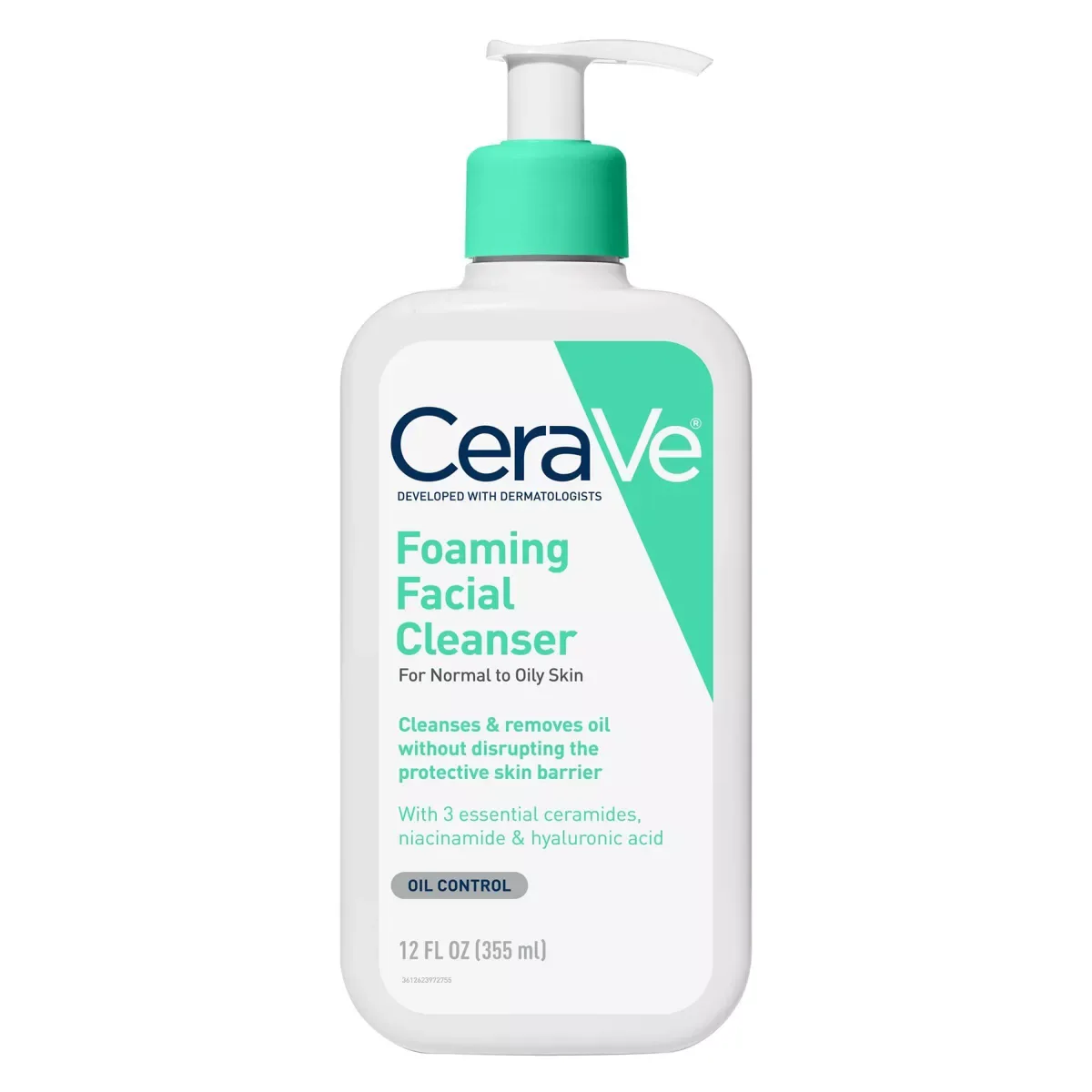
A routine that respects that biology is almost anticlimactically calm. Start with a cleanser that removes excess oil and grime without scorching the earth — a gentle gel-to-foam formula like CeraVe Foaming Facial Cleanser cleans effectively while leaving the barrier intact, which is the entire brief. Twice daily is plenty; the urge to wash a fifth time when you feel shiny is the exact instinct to resist.
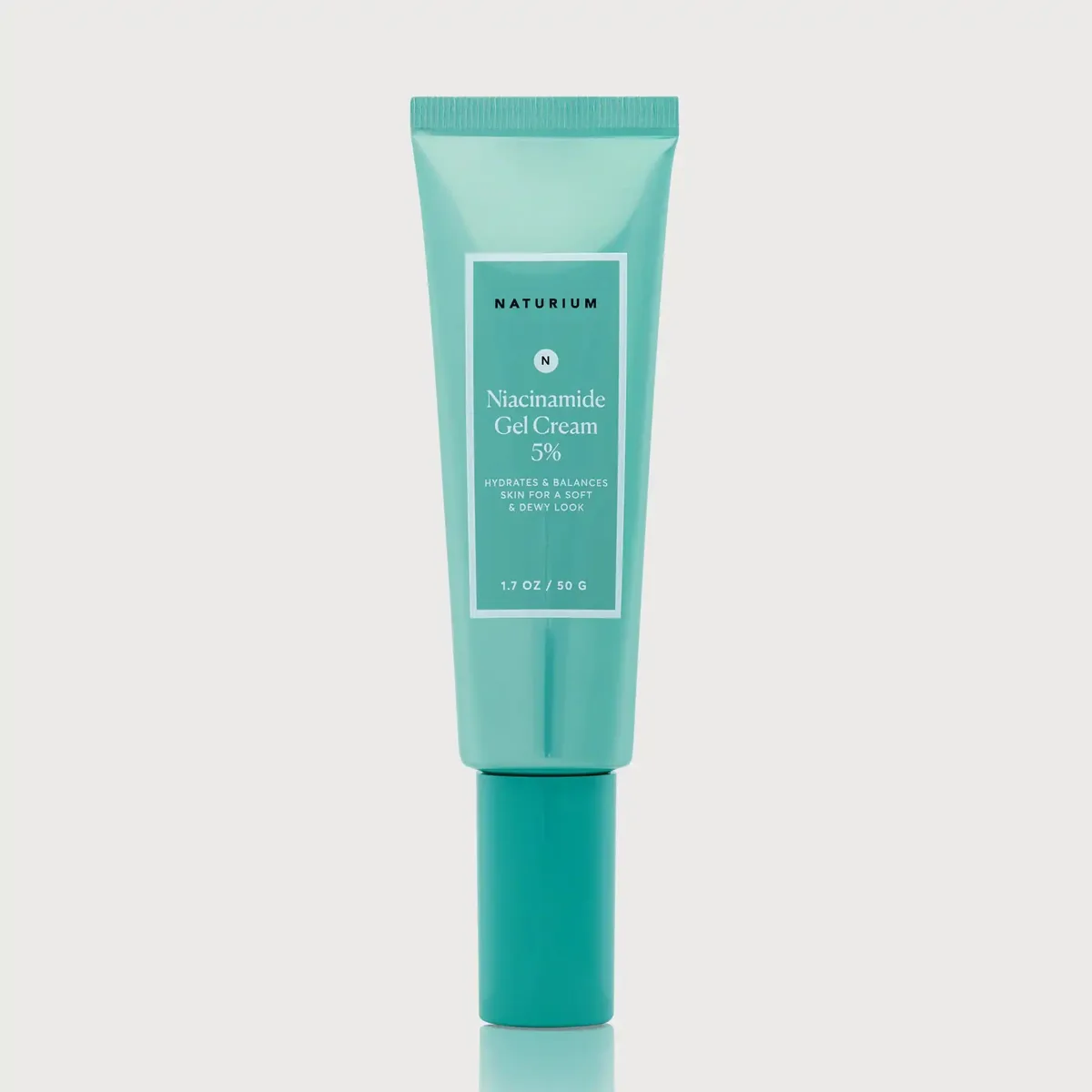
Then — and this is the step oily skin keeps trying to skip — moisturize. Oily skin still needs hydration; dehydrating it is what makes it misbehave. The trick is texture: a lightweight gel or gel-cream that hydrates without heaviness. A gel moisturizer like Naturium Niacinamide Gel Cream 5% does two jobs at once, delivering water-light hydration alongside niacinamide, which brings us to the single most useful active for oily skin. If you're not certain your skin is truly oily rather than dehydrated-and-overcompensating, our skin-type quiz is a quick gut-check before you build anything.
The actives that regulate oil at the source
Three ingredients actually influence oil and congestion rather than just mopping up the surface, and they form the treatment layer of an oily-skin routine.
Niacinamide is the standout because it has direct evidence for the thing everyone wants. In a controlled study of topical 2% niacinamide, the treated group showed a significant reduction in sebum excretion rate over four weeks, alongside smaller pore appearance. It's not a placebo buzzword; it measurably tempers oil while also supporting the barrier, which is a rare and useful combination.
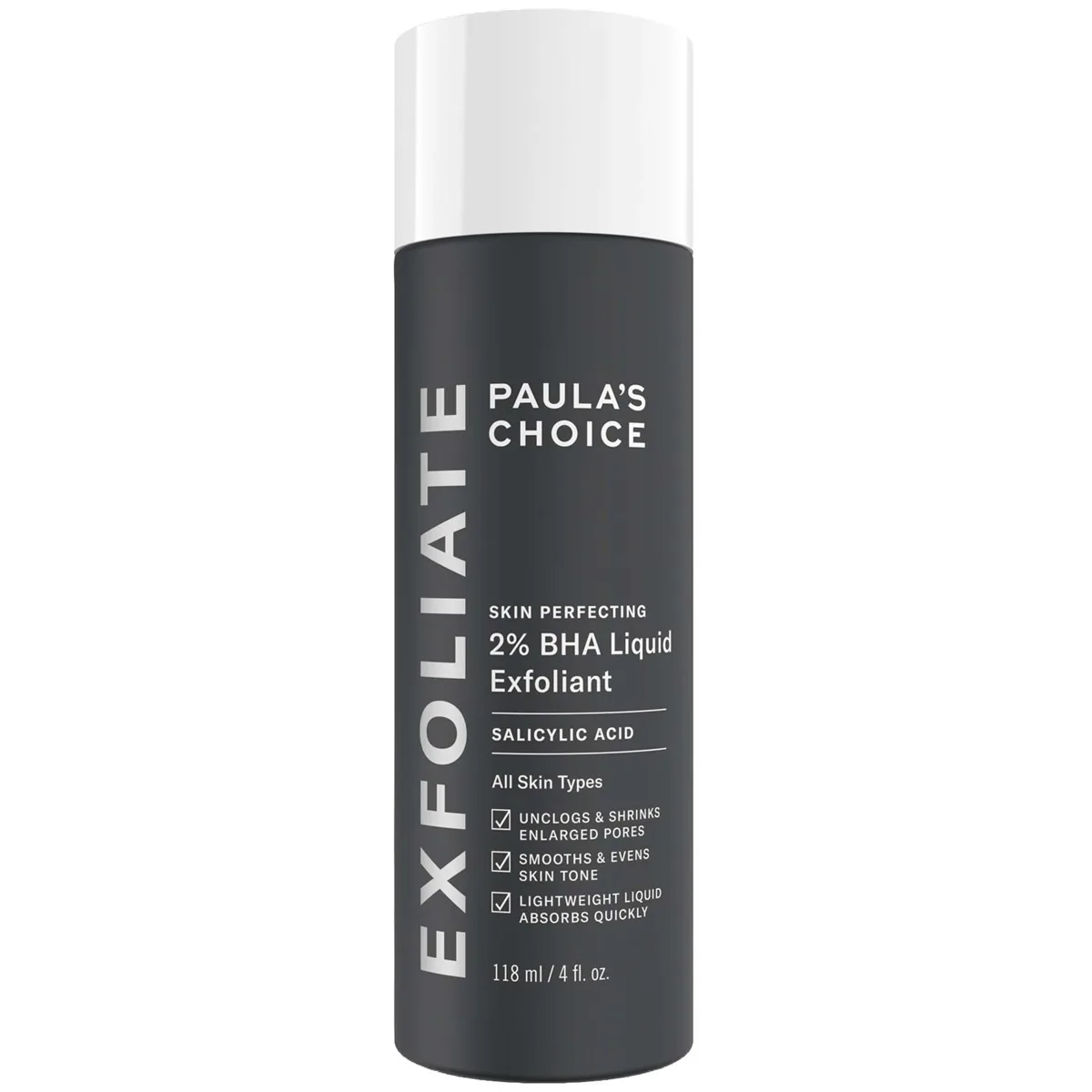
Salicylic acid — a beta hydroxy acid — earns its place through chemistry. It's oil-soluble, so unlike surface-only exfoliants it penetrates into sebum-filled pores and helps dissolve the mix of dead cells and oil that clogs them, which is why a BHA like Paula's Choice 2% BHA Liquid Exfoliant is a classic for congested, oily skin. A few times a week is usually enough; daily acids on top of everything else tips back toward over-treating.
Retinoids round out the trio. Beyond their anti-aging reputation, retinoids normalize how skin cells shed inside the follicle and can influence sebaceous activity, which is why a nightly retinol such as Skintific 2.5% Retinol Skin Renewing Serum helps with both oil-related congestion and texture over time. Introduce it slowly — a couple of nights a week to start — because piling actives on fast is how oily skin ends up irritated and, ironically, looking worse. If you'd rather have the whole lineup sequenced for you, the routine finder assembles a plan around your skin type and tolerance.
Mattifying the symptom vs. treating the cause
There's an entire product category built to make oily skin look matte right now — blotting papers, oil-absorbing primers, mattifying powders, clay masks. None of it is wrong, and there's genuine value in looking shine-free for a photo or a long day. But it's worth being clear-eyed about what these do: they manage the appearance of oil in the moment; they don't change how much your glands produce. Mattifiers are cosmetics, not treatments, and confusing the two is how people end up with a drawer full of blotting products and a skin situation that never actually improves.
The honest hierarchy is simple. If you want your skin to be less oily over weeks and months, that job belongs to the treatment layer — niacinamide, a BHA, a retinoid — working on a barrier you've kept intact by not stripping it. If you want to look less shiny for the next four hours, reach for a mattifier and enjoy it, with no illusion that it's doing anything below the surface.
And temper the expectation on the treatment side too, because this is a management story, not a cure. Oil production is largely written into your hormones and genetics; the realistic win is well-regulated, comfortable skin with fewer clogs and less mid-day slick — not a permanently matte face. Chasing 'zero oil' is what started the war in the first place. Aim for balance, keep the barrier happy, and let the actives do the quiet work the scrubbing never could.
Products mentioned
Independently reviewed and scored — the real products behind this piece.

References
- The effect of 2% niacinamide on facial sebum production — Journal of Cosmetic and Laser Therapy, 2006
- Sebaceous gland receptors — Dermato-endocrinology, 2009
- Pharmacology of salicylic acid in acne vulgaris — Journal of the American Academy of Dermatology, 2006
Every cited link is verified to resolve to the paper named. Where a source could not be independently confirmed, it is listed without a link rather than pointing you somewhere wrong.
Frequently asked
Does washing my oily face more often reduce the oil?
No — sebum production is mainly controlled by hormones at the gland level, not by how often you wash. Cleansing more just risks damaging your barrier and dehydrating the skin, which can make it look shinier and feel tight. Twice daily with a gentle cleanser is the sweet spot for most oily skin.
Should oily skin skip moisturizer?
Definitely not. Skipping moisturizer dehydrates oily skin, and dehydrated skin often looks and behaves worse. The fix is texture, not omission: use a lightweight gel or gel-cream that hydrates without feeling heavy. Many gel moisturizers also carry niacinamide, which helps temper oil while supporting the barrier.
What actually reduces oil production over time?
The evidence-backed regulators are niacinamide, salicylic acid, and retinoids. Topical 2% niacinamide significantly lowered sebum excretion rate in a controlled study, salicylic acid penetrates and clears oily pores, and retinoids normalize follicular shedding. Mattifiers and blotting papers manage shine cosmetically but don't change how much oil your glands make.
Is it true that stripping my skin makes it produce more oil?
In the strict rebound sense it's largely a myth — your glands don't monitor your surface and ramp up production after you wash. But stripping still backfires by damaging the barrier and dehydrating the skin, which can worsen shine and irritation. So the advice to stop over-cleansing is right, even if the exact reason usually given for it isn't.
How often should I use a BHA if my skin is oily?
A few times a week is usually enough for most people. Salicylic acid is oil-soluble and works inside sebum-filled pores, but layering it daily on top of a retinoid and other actives tends to over-treat and irritate. Start a couple of times weekly, watch how your barrier responds, and adjust from there.