You Can't Wash Your Way to Less Oily Skin
Sebum is set by hormones and genetics, not by how hard you scrub — which is why the war on shine keeps backfiring.
Read the preview
From the DermApproved blog, in Oily Skin and Shine: sebum, and why you can't wash your way out of it. Here's the trap almost everyone falls into — oil is on the surface, so surely scrubbing the surface harder means less of it, right? It's the most intuitive idea in skincare, and it's wrong in a way that quietly makes things worse. Your oil isn't decided by your cleanser at all. It's set somewhere your face wash will never reach, by signals you didn't choose. So if washing can't fix it, what can? A few ingredients genuinely move the needle, one has real controlled data behind it — and there's a familiar feeling you've been taught to chase that's actually the sound of things going wrong. Oil was never the villain. What is, at dermapproved.com/blog.
Why the war on shine keeps losing
Oily skin has a persuasive logic problem. Oil is on the surface; therefore, the reasoning goes, if you scrub the surface harder and more often, you'll have less oil. It feels obviously true, which is exactly why so many people spend years with foaming cleansers, astringent toners, and that tight, squeaky post-wash feeling — and stay just as shiny.
The flaw is that sebum isn't sitting on your skin waiting to be washed off at the source. It's manufactured deep inside sebaceous glands and pushed up to the surface, and how much your glands produce is set by signals your cleanser never reaches. You can absolutely remove the oil that's already surfaced. You cannot, with any face wash, tell the gland to make less.
Understanding that single distinction changes everything about how you manage oily skin. It shifts the project from a daily fight you keep losing to a strategy you can actually win — one that works with your biology instead of scrubbing against it.
What sebum is and why you actually want it
Sebum is a waxy, lipid-rich substance secreted by the sebaceous glands, and it provides roughly ninety percent of the lipids on your skin's surface. It isn't a flaw or a waste product — it's functional. Sebum helps waterproof the skin and limit water loss, contributes to the surface acid mantle that discourages some microbes, carries fat-soluble antioxidants like vitamin E up to the surface, and offers a measure of protection against environmental stress. Skin that produces essentially no sebum isn't the dream; it's often dry, fragile, and uncomfortable.
The glands themselves are concentrated where you'd expect the shine and the breakouts: the face, especially the T-zone, and the scalp. That distribution is why your forehead goes glossy by noon while your shins stay bone-dry.
So the first mental shift is to stop treating oil as a pure enemy. The goal isn't a face stripped of all sebum — that's neither achievable nor desirable. The goal is managing excess and its consequences (shine, clogged pores, breakouts) while keeping the protective function intact. That reframing is what stops people from over-treating their skin into a worse state.
The real controllers: hormones and genetics
If cleansing doesn't set your oil level, what does? Overwhelmingly, hormones and the genes that dictate how your glands respond to them. The central players are androgens. As a 2004 review in the Journal of Investigative Dermatology on the regulation of human sebaceous glands lays out, androgens are the principal drivers of sebaceous activity: testosterone is converted by the enzyme 5-alpha-reductase into dihydrotestosterone (DHT), a more potent androgen that binds receptors inside the oil-producing sebocytes and ramps up lipid production.
This is why oiliness tracks so tightly with life stage and physiology. Sebum output is low in childhood, surges at puberty as androgens rise, and generally declines later in life as those hormones fall. It's why hormonal shifts — the menstrual cycle, pregnancy, conditions like PCOS — visibly change oiliness and breakouts. Estrogens, by contrast, tend to suppress sebaceous activity, and factors tied to insulin and IGF-1 can push it up, which is part of why diet and metabolic health enter the acne conversation.
Layered on top of all that is genetics: how many glands you have, how large they are, and how sensitively they respond to a given androgen level is substantially inherited. Two people with identical hormone levels can have very different skin. None of this is reachable by a surfactant. It's the reason 'just wash more' was always going to fail — and understanding your own baseline is more useful than fighting it. Our skin-type quiz can help you pin down where your skin actually sits so you stop treating oily skin as a character flaw to scrub away.
The stripping trap — and what genuinely modulates oil
Here's where the war on shine actively backfires. Harsh cleansers and high-strength alcohol toners strip the skin's protective lipids and disrupt the barrier. That leaves skin tight, dehydrated, and irritated — and dehydrated skin can look and feel worse, sometimes prompting even more aggressive washing in a self-defeating loop. Whether stripping directly triggers a compensatory oil surge is debated, but what's not debated is that a damaged barrier is a bad outcome, and that over-cleansing reliably produces one. That squeaky-clean feeling you were taught to chase is the sound of your barrier being compromised.
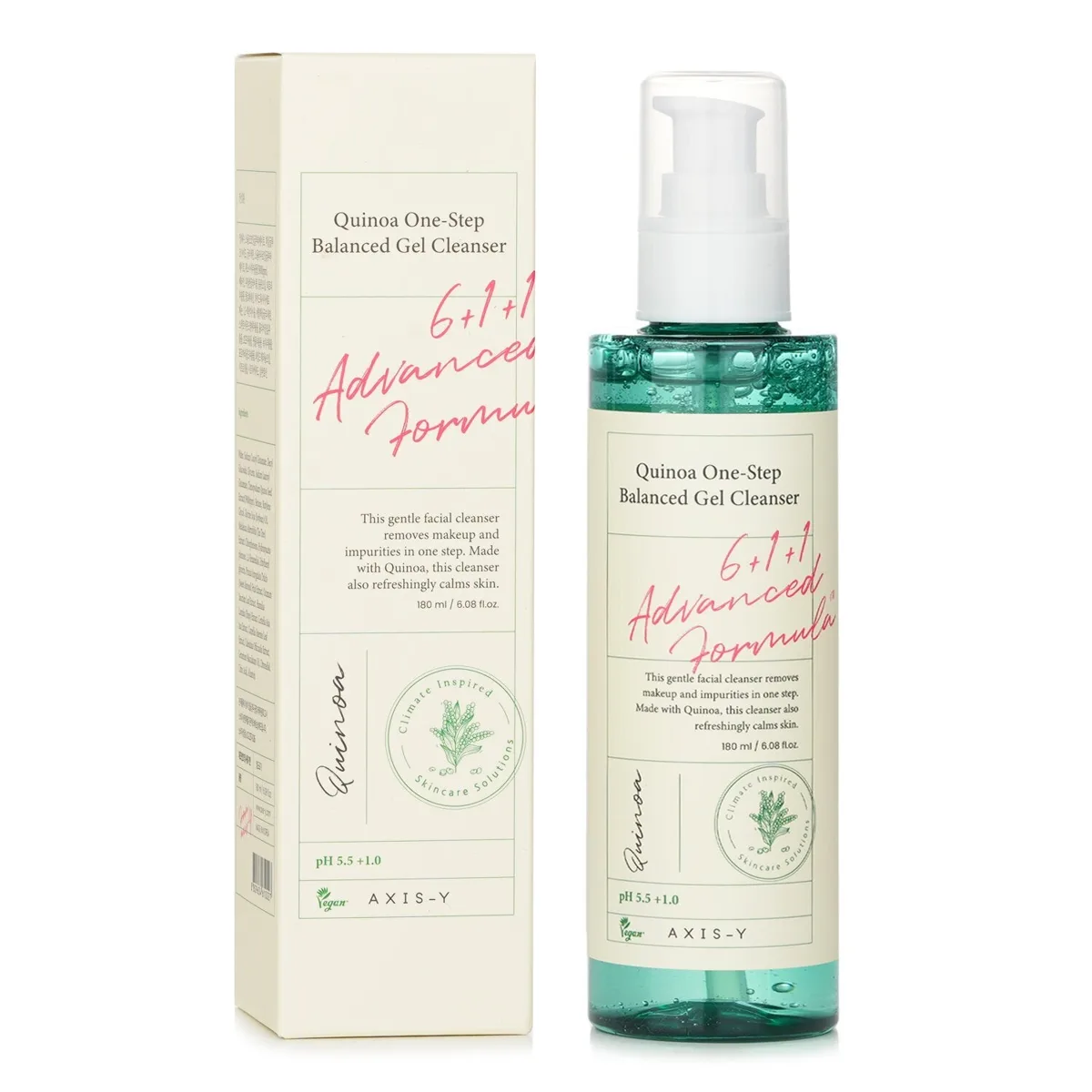
The fix is to cleanse gently and modulate oil with ingredients that actually reach the relevant machinery. Start at the surface with a non-stripping cleanser: something like Axis-Y Quinoa One Step Balanced Gel Cleanser removes excess oil and grime without demolishing the barrier, which is the whole point.
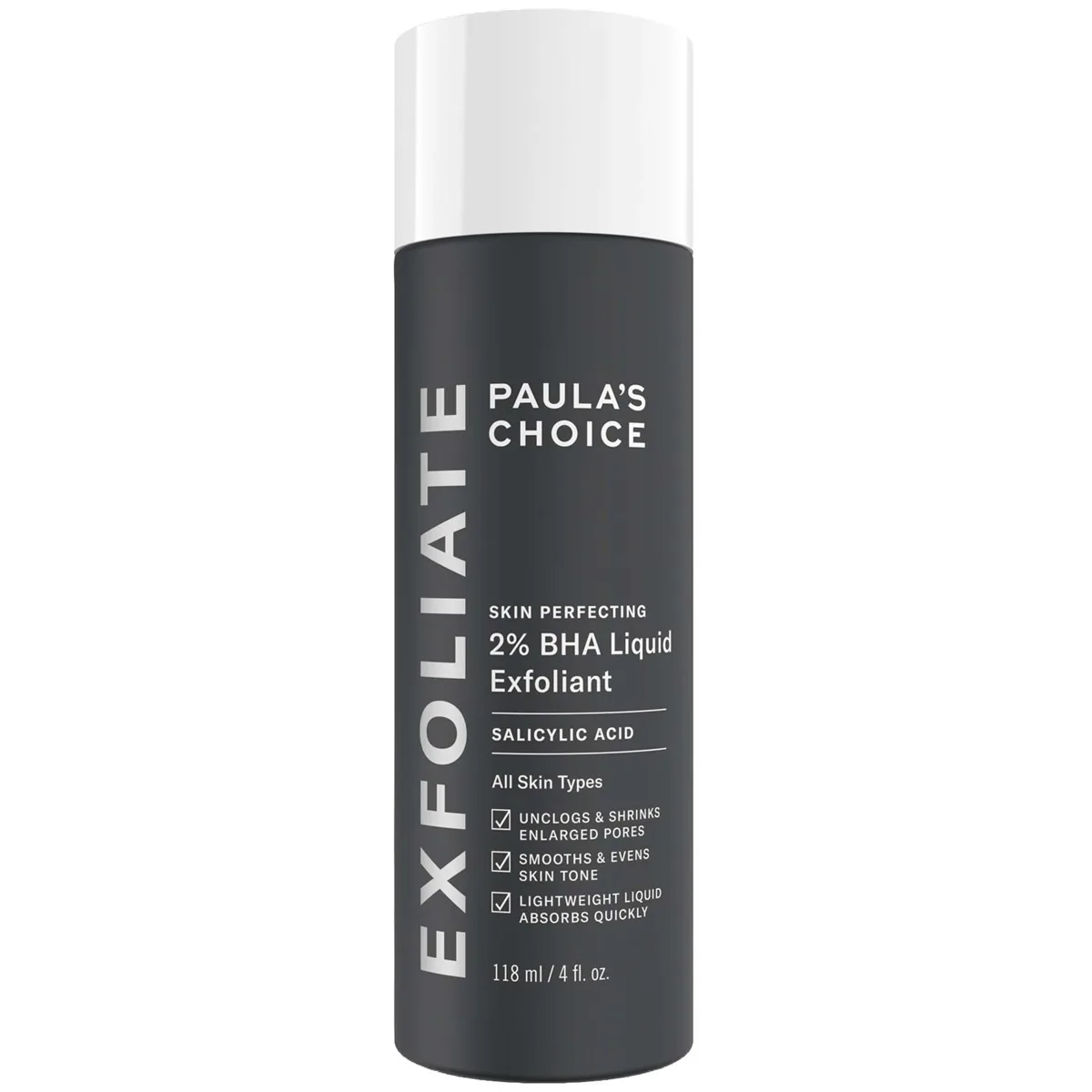
Then add the actives with real evidence. Niacinamide is the standout: in a controlled study on facial sebum production, topical 2% niacinamide significantly reduced sebum excretion rate over several weeks — a genuine, measured effect rather than a marketing claim. A well-dosed serum like Minimalist 10% Niacinamide is an easy way to work it in, with the bonus of barrier support. Salicylic acid, a beta-hydroxy acid, is oil-soluble, so it penetrates into sebum-filled pores to clear and refine them; a staple like Paula's Choice 2% BHA Liquid Exfoliant is the classic tool for congestion-prone oily skin. And retinoids, over time, influence how sebaceous glands behave and are a cornerstone of managing oily, acne-prone skin under appropriate guidance. These work because they act at the pore and gland level — not because they scrub harder.
A strategy, not a scrub
Put together, effective oily-skin care looks almost anticlimactic compared to the aggressive routines people default to. Cleanse twice a day with something gentle. Don't chase the tight, stripped feeling. Add niacinamide for measurable sebum modulation and barrier support, use a BHA to keep pores clear, and consider a retinoid for longer-term regulation. Crucially, keep moisturizing — oily skin still needs hydration, and skipping moisturizer to 'dry it out' is another version of the stripping mistake. Lightweight, non-comedogenic formulas exist precisely for this.
The honest expectation setting: you are managing and regulating oil, not curing or eliminating it. If your oiliness is hormonally driven — flaring with your cycle, tied to a condition like PCOS, or severe and resistant — the most effective interventions may be internal (hormonal treatments prescribed by a clinician) rather than anything topical, because they address the actual signal. Topicals manage the output; hormones write the instructions.
Building a coherent routine around all this beats grabbing another mattifying gimmick, and our routine-finder tool can assemble a sensible oily-skin lineup — gentle cleanser, the right actives, an appropriate moisturizer — rather than the scorched-earth approach that got so many oily-skinned people stuck. Oil was never the villain. Treating it like one was.
Products mentioned
Independently reviewed and scored — the real products behind this piece.

References
- Regulation of human sebaceous glands — Journal of Investigative Dermatology, 2004
- The effect of 2% niacinamide on facial sebum production — Journal of Cosmetic and Laser Therapy, 2006
Every cited link is verified to resolve to the paper named. Where a source could not be independently confirmed, it is listed without a link rather than pointing you somewhere wrong.
Frequently asked
Does washing my face more often reduce oil?
No. Cleansing removes oil that's already on the surface, but it can't change how much sebum your glands produce, which is controlled by hormones and genetics deep in the gland. Washing more, or with harsher products, tends to strip and damage the barrier, leaving skin dehydrated and irritated without reducing actual oil output. Twice-daily gentle cleansing is enough.
What actually controls how oily my skin is?
Chiefly androgens and genetics. Hormones like testosterone are converted to the more potent DHT, which binds receptors in oil-producing cells and increases sebum production, which is why oiliness surges at puberty and shifts with hormonal changes. Genetics determine how many sebaceous glands you have and how sensitively they respond, so two people with the same hormones can have very different skin.
Is oily skin actually bad for me?
Not inherently. Sebum waterproofs the skin, supports the protective barrier and acid mantle, and carries antioxidants like vitamin E to the surface. The goal isn't to eliminate oil but to manage excess and its consequences like shine and clogged pores. Skin stripped of nearly all sebum is often dry, fragile, and uncomfortable, which is why over-treating oily skin backfires.
Which ingredients genuinely help oily skin?
Look for ones that act at the pore or gland level. Topical niacinamide reduced sebum in a controlled study and supports the barrier. Salicylic acid (BHA) is oil-soluble, so it penetrates sebum-filled pores to clear congestion, and retinoids help regulate oily, acne-prone skin over time. Pair these with a gentle cleanser and a light moisturizer rather than harsh, stripping products.
Should I skip moisturizer if my skin is oily?
No, skipping moisturizer to dry skin out is a common mistake. Dehydrated skin can look and feel worse and may prompt more over-washing. Oily skin still needs hydration; the solution is a lightweight, non-comedogenic moisturizer rather than none. If your oiliness is severe or hormonally driven, internal treatments from a clinician may help more than any topical.