Sebaceous Filaments vs Blackheads: Why You Should Stop Squeezing Your Nose
Those tiny dots on your nose are almost certainly not blackheads — they're normal, functional plumbing you will never 'clear,' and the extraction obsession is quietly wrecking the skin around them.
Read the preview
From the DermApproved blog, in Skin Concerns: the little dots on your nose — and why the thing you keep doing to them is quietly making it worse. Brace yourself, because most of what you've been squeezing was never a blackhead at all. It's normal. It's functional. And here's the kicker — it refills within days, every time, which means the clean-nose crusade you've been on is mathematically unwinnable. So why do the pore strips and the vacuums and the finger-squeezing backfire so badly? What does a dermatologist actually reach for to make these things less obvious? And what's the one expectation — the image you've been chasing — that you need to quietly let go of, because it isn't a real place? There's a single ingredient that gets into the pore where others can't, a night-time active that changes the plumbing itself, and a hard truth about what a 'poreless' nose actually is. We separate the normal, working anatomy from the real acne — and tell you exactly where to point your energy instead — at dermapproved.com/blog.
Most of what you're squeezing was never a blackhead
Press your fingertips beside your nose, watch a little pale thread of sebum emerge from a pore, and feel the grim satisfaction — then know that you have almost certainly just evicted a completely normal, functional part of your skin. Those uniform grey-to-tan dots peppering the nose and chin, arranged in an even, orderly pattern, are overwhelmingly sebaceous filaments, not blackheads. And the distinction isn't pedantry; it's the difference between treating a disease and waging war on healthy anatomy.
A sebaceous filament is a thin, tube-like collection of sebum and cellular material that lines the inside of a pore and channels oil from the sebaceous gland up to the skin surface, where it does useful things like keeping skin supple and moisturized. It's part of the pore's normal plumbing. It sits flush with the skin, tends to be light-colored, and appears in the greatest density exactly where your oil glands are busiest. A true blackhead, by contrast, is a form of acne — an open comedone. It forms when a follicle gets genuinely plugged with a compacted mass of dead keratinocytes and oil, and because the opening is open to air, the surface oxidizes and darkens. Reviews of comedonal acne describe this precisely: the dark cap of a blackhead is oxidized, melanin-tinged keratin debris, not trapped dirt. One is a clog; the other is a working part.
Why the nose refills no matter what you do
Here's the fact that should end the extraction obsession: sebaceous filaments refill. Because they're the visible expression of an active, oil-producing pore doing exactly what it evolved to do, squeezing one out simply empties a pore that will re-fill with sebum within days to a couple of weeks. You are not clearing a backlog; you are momentarily interrupting a continuous process. That's why the nose that looked 'clean' the evening of a big squeeze session looks identical again by the weekend, and why the pursuit of a filament-free nose is structurally unwinnable — you're trying to drain a pool that has the tap running.
The amount and visibility of filaments track closely with how much oil you produce, which is governed largely by genetics, hormones, and sometimes age. People with oilier skin and larger pore openings simply have more prominent, more numerous filaments, and no cleanser 'shrinks' a pore in the structural sense — pore size is mostly baked in. This is where expectations do more work than any product. Running your would-be miracle 'pore-clearing' products through the [ingredient-decoder] usually reveals ordinary surfactants and astringents dressed up in language that implies permanent removal. What actually helps is reframing the goal from elimination to refinement: less conspicuous, not gone.
How squeezing, strips, and vacuums backfire
The methods people reach for to attack their nose are, almost across the board, mildly to moderately counterproductive. Manual squeezing forces the pore contents out under pressure that also traumatizes the surrounding skin; done repeatedly, it can inflame follicles, introduce bacteria, and provoke the very redness and breakouts you were trying to prevent. Pore strips yank out the top of the filament along with fine vellus hairs and surface debris — momentarily dramatic on the adhesive backing, but they don't address why the pore fills, and the aggressive pulling can irritate and, over time, contribute to the sense that pores look larger, not smaller.
Blackhead vacuums and over-vigorous mechanical extraction carry the same core problem: they apply force to a structure that will simply refill, while risking broken capillaries, bruising, and stretched pore openings. And stretched openings are the cruel twist — a pore whose rim has been repeatedly distended by suction or squeezing can appear more visible afterward, the opposite of the intended effect. There's also a barrier cost: the picking-and-prodding routine tends to travel with over-cleansing and harsh scrubs, which strip the skin and can nudge oil glands to compensate. If your routine has quietly become a pile of astringents, acids, and physical tools all aimed at your nose, the [conflict-checker] is a quick way to see how much irritation you're actually stacking.
What genuinely refines them: chemistry, not force
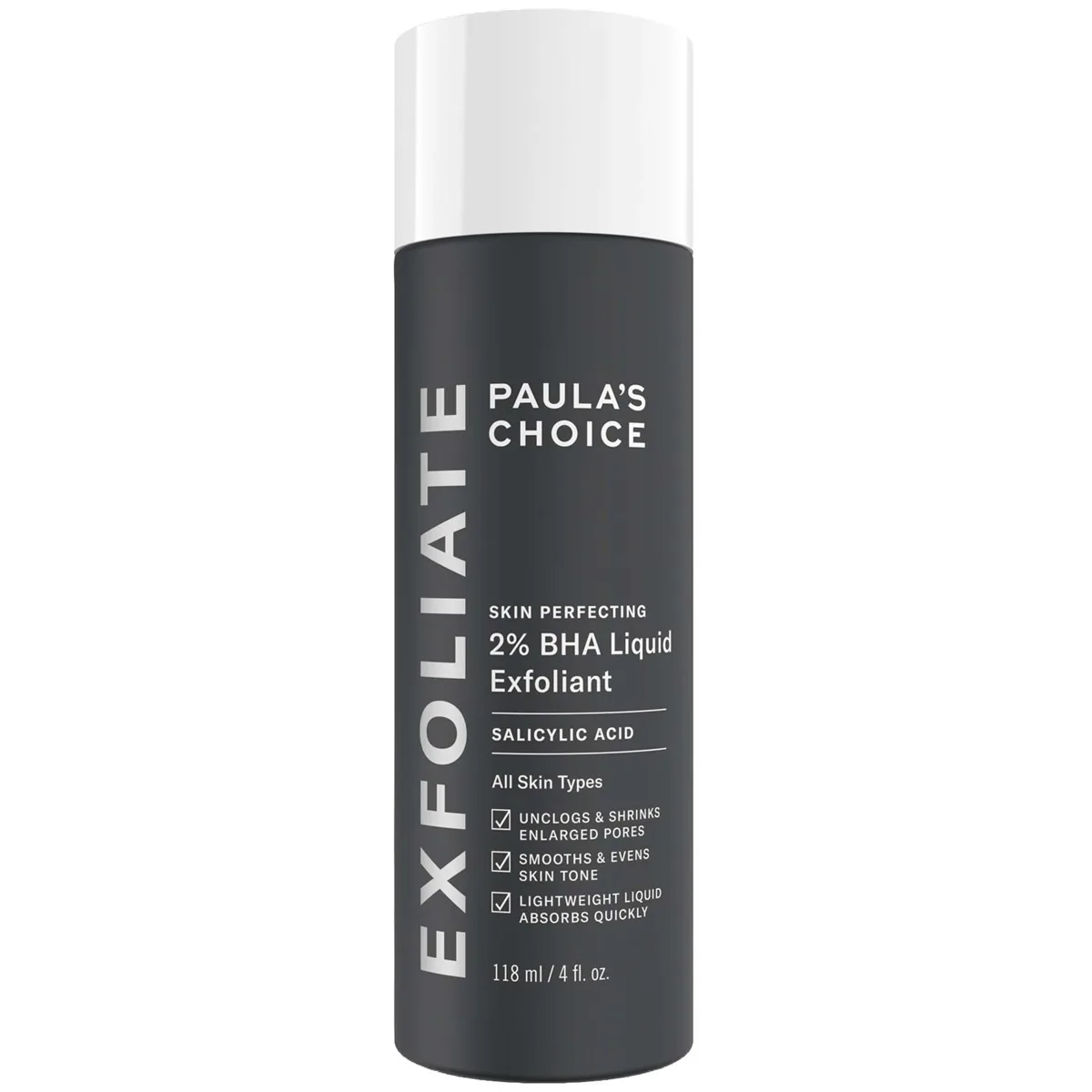
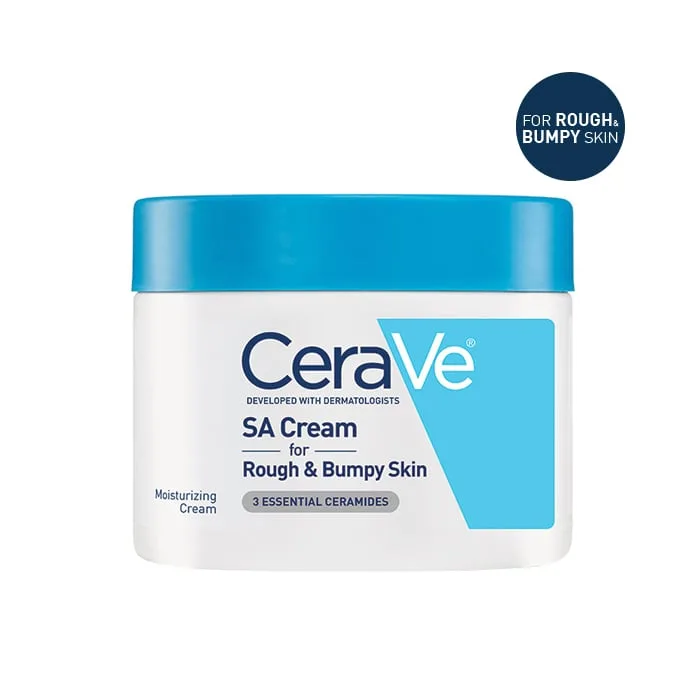
The interventions that actually make sebaceous filaments (and real blackheads) less conspicuous work by chemistry, not mechanical assault — and they work gradually. The standout is salicylic acid, a beta-hydroxy acid that is oil-soluble, which means it can travel down into the sebum-filled pore and loosen the debris lining it, keeping filaments emptier-looking and dissolving the plugs of genuine blackheads. A classic leave-on formula like Paula's Choice 2% BHA Liquid Exfoliant is a low-drama daily option; a cream that pairs salicylic acid with barrier-supporting niacinamide and ceramides, such as CeraVe SA Smoothing Cream, is gentler for skin that finds a straight acid too much. For a milder entry point, a blended exfoliant like Versed Skin Refine Gentle Pore-Clearing Serum eases skin into acid exfoliation.
The other evidence-backed lever is topical retinoids. Retinoids normalize the way pore-lining cells shed and mature — they're comedolytic, meaning they resolve the microcomedone that precedes a true blackhead and reduce the compaction that makes pores look congested. A clinician's guide to topical retinoids describes exactly this mechanism: increased follicular cell turnover and expulsion of the plug, plus suppression of new microcomedone formation. An over-the-counter adapalene gel like Differin Adapalene Gel 0.1% brings a prescription-grade retinoid to the drugstore; introduce it slowly, because retinoids can irritate at first, and always patch-test a new active. Both approaches ask for weeks of consistency, not a dramatic single session — the [patch-test] step up front saves you from an avoidable flare.
Making peace with the nose you have
The uncomfortable truth threaded through all of this is that a poreless, filament-free nose is not a real place. Sebaceous filaments are a sign your skin is functioning, not failing; they will be visible to a mirror at close range on almost any adult with normal-to-oily skin, no matter how disciplined the routine. The photos that set the standard are typically shot under flattering light, often filtered or blurred, sometimes captured moments after a professional extraction that will look identical again within days. Chasing that image is how people end up over-treating and irritating skin that was basically fine.
A realistic program looks like this: a gentle cleanser, consistent oil-soluble exfoliation a few times a week, a retinoid at night if you tolerate it, daily sunscreen (because irritation and sun both worsen the look of skin texture), and a firm 'no' to squeezing, strips, and vacuums. Expect a subtle softening of how prominent the dots look over one to three months, not disappearance. If genuine blackheads or persistent congestion are the real issue, a professional extraction by an esthetician or dermatologist — done with proper technique, occasionally — is far safer than a bathroom-mirror squeeze session, and a dermatologist can add prescription retinoids for stubborn comedonal skin. The goal worth having isn't an empty pore. It's calm, healthy skin that happens to have pores, like everyone's does.
Products mentioned
Independently reviewed and scored — the real products behind this piece.


References
- A Clinician's Guide to Topical Retinoids — Journal of Drugs in Dermatology, 2022
- Acne vulgaris: A review of the pathophysiology, treatment, and recent nanotechnology based advances — Biochimie, 2023
- Presentations of Cutaneous Disease in Various Skin Pigmentations: Acne Vulgaris - Comedonal Acne — Cureus, 2024
Every cited link is verified to resolve to the paper named. Where a source could not be independently confirmed, it is listed without a link rather than pointing you somewhere wrong.
Frequently asked
How can I tell if the dots on my nose are sebaceous filaments or blackheads?
Sebaceous filaments are usually small, uniform, light grey-to-tan, sit flush with the skin, and appear in an even pattern across oily zones like the nose and chin. Blackheads are darker, look genuinely plugged with a raised or clearly darkened cap, and tend to be more scattered and irregular. If a fine thread of oil emerges when you press and it refills within days, that's a filament — a normal structure, not acne.
Can you permanently get rid of sebaceous filaments?
No. Sebaceous filaments are a normal, functional part of the pore that wicks oil to the surface, so they refill within days of being emptied. You can make them look less prominent with oil-soluble exfoliation and retinoids, but you can't eliminate them, and any product promising a permanently filament-free nose is overselling. The realistic goal is refinement, not removal.
Do pore strips actually work on sebaceous filaments?
Only cosmetically and briefly. Pore strips pull out the tops of filaments, surface debris, and fine hairs, but they don't change why the pore fills, so the filaments return within days. Worse, the aggressive adhesive pulling can irritate skin and, with repeated use, contribute to pores looking more visible rather than less.
What's the best ingredient for making pores on my nose look smaller?
Salicylic acid is the standout because it's oil-soluble and can get into the sebum-filled pore to keep it clearer, and topical retinoids help by normalizing how pore-lining cells shed. Both work gradually over weeks. Neither physically shrinks a pore — pore size is largely genetic — but they can meaningfully reduce how congested and conspicuous the area looks.
Is it ever okay to squeeze my nose?
Routine at-home squeezing is best avoided — it traumatizes skin, can spread bacteria, and may stretch pore openings so they look larger over time. If genuine blackheads need clearing, an occasional professional extraction by an esthetician or dermatologist using proper technique is far safer than a bathroom-mirror session. For everyday maintenance, let salicylic acid and retinoids do the work instead.