Best Lactic Acid Exfoliants
Updated September 2026 · independently researched, no sponsored placements
Our top 40 picks, ranked from 67 reviewed products — ranked by our overall assessment of formula, safety and value.







How to Choose
The best lactic acid exfoliants do something most acids can't: they smooth and resurface while actually hydrating your skin. That's the quiet superpower of lactic acid.
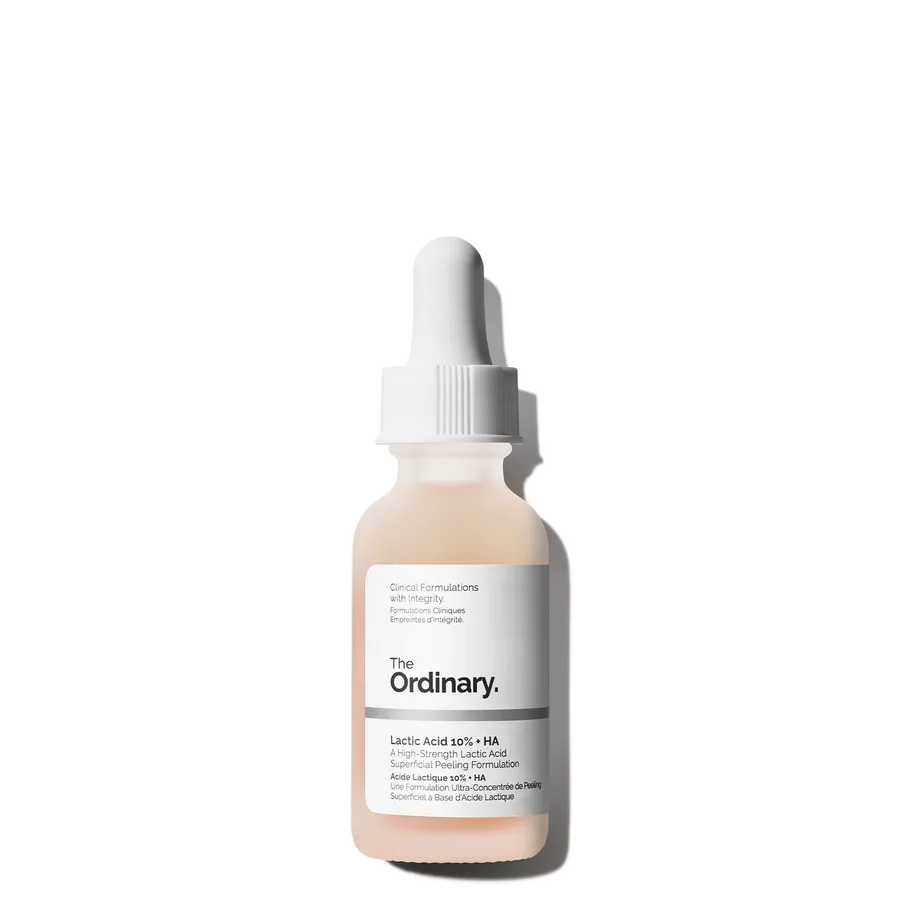
It's an alpha-hydroxy acid like glycolic, so it lifts away dull, dead surface cells to reveal brighter skin — but its molecule is larger, so it works a touch more slowly and nearer the surface, which translates to far less sting. Better still, lactic acid is a natural humectant (it's part of your skin's own moisture-retaining system), so it draws in water as it exfoliates instead of leaving you tight and flaky. That combination makes it the AHA of choice for dry, sensitive, or acid-nervous skin that wants a glow without the drama. For beginners, a low 5% with hyaluronic acid is the ideal entry — The Ordinary's $8 and Minimalist's $6 versions are genuinely excellent starting points, and the gentle Paula's Choice 6% Mandelic + 2% Lactic blend is a lovely step up. What to look for is a sensible 5–10% concentration buffered with soothers like HA, panthenol, or centella; what to skip is layering it with strong retinoids or other acids the same night while your skin adjusts. The honest caveat applies to every AHA: lactic acid increases sun sensitivity, so daily SPF is mandatory, and gentler doesn't mean limitless — two or three nights a week is plenty. Start low, keep it consistent, and you'll get soft, glowing skin that never had to suffer for it.
Buying Guide
Reach for lactic acid when you want exfoliation that hydrates rather than strips — its larger molecule and humectant nature make it gentler and more moisturizing than most AHAs, ideal for dry or sensitive skin. Beginners should start around 5% buffered with hyaluronic acid (The Ordinary Lactic Acid 5% + HA, Minimalist 5%), stepping up to 8–10% or multi-acid blends (Paula's Choice, Prequel Milk Peel) only once skin is comfortable. Look for supporting soothers — HA, panthenol, centella, niacinamide — and a leave-on liquid or serum format for the most control. Avoid stacking lactic acid with retinoids or stronger acids on the same night until your skin is seasoned, and never apply to broken or irritated skin. Price runs from $6 to nearly $100, but the budget options perform beautifully, so spend on concentration and formulation, not prestige — and pair it with daily sunscreen, since lactic acid raises sun sensitivity like any AHA.
Frequently Asked Questions
What's the difference between lactic acid and glycolic acid?
Both are alpha-hydroxy acids that exfoliate the surface, but lactic acid has a larger molecule, so it penetrates more slowly and gently than glycolic acid, with less irritation. Lactic acid is also a humectant, meaning it hydrates as it exfoliates, while glycolic is more potent but more likely to sting. Lactic is usually the better pick for dry or sensitive skin.
Is lactic acid good for sensitive or dry skin?
Yes — lactic acid is one of the most sensitive-skin-friendly exfoliating acids because it's gentler than glycolic and actively draws moisture into the skin as a humectant. Low-strength formulas with hyaluronic acid, like The Ordinary's 5% + HA, are especially well tolerated. Start at a low concentration two or three times a week and build from there.
What percentage of lactic acid should I use?
Beginners and sensitive skin do well starting at 5%, like Minimalist or The Ordinary's formulas, while 8–10% suits skin already comfortable with acids. Higher isn't automatically better — concentration should match your tolerance, and over-exfoliating causes more harm than good. Use it two to three nights a week rather than daily when you begin.
Do I need sunscreen when using a lactic acid exfoliant?
Absolutely — like all AHAs, lactic acid makes your skin more sensitive to UV by removing the outer dead-cell layer, so daily broad-spectrum sunscreen is essential. Skipping it can cause irritation and new pigmentation, undoing the brightening you're after. Applying lactic acid at night and SPF every morning is the standard approach.