Best Exfoliants for Combination Skin
Updated September 2026 · independently researched, no sponsored placements
Our top 40 picks, ranked from 274 reviewed products — ranked by our overall assessment of formula, safety and value.













How to Choose
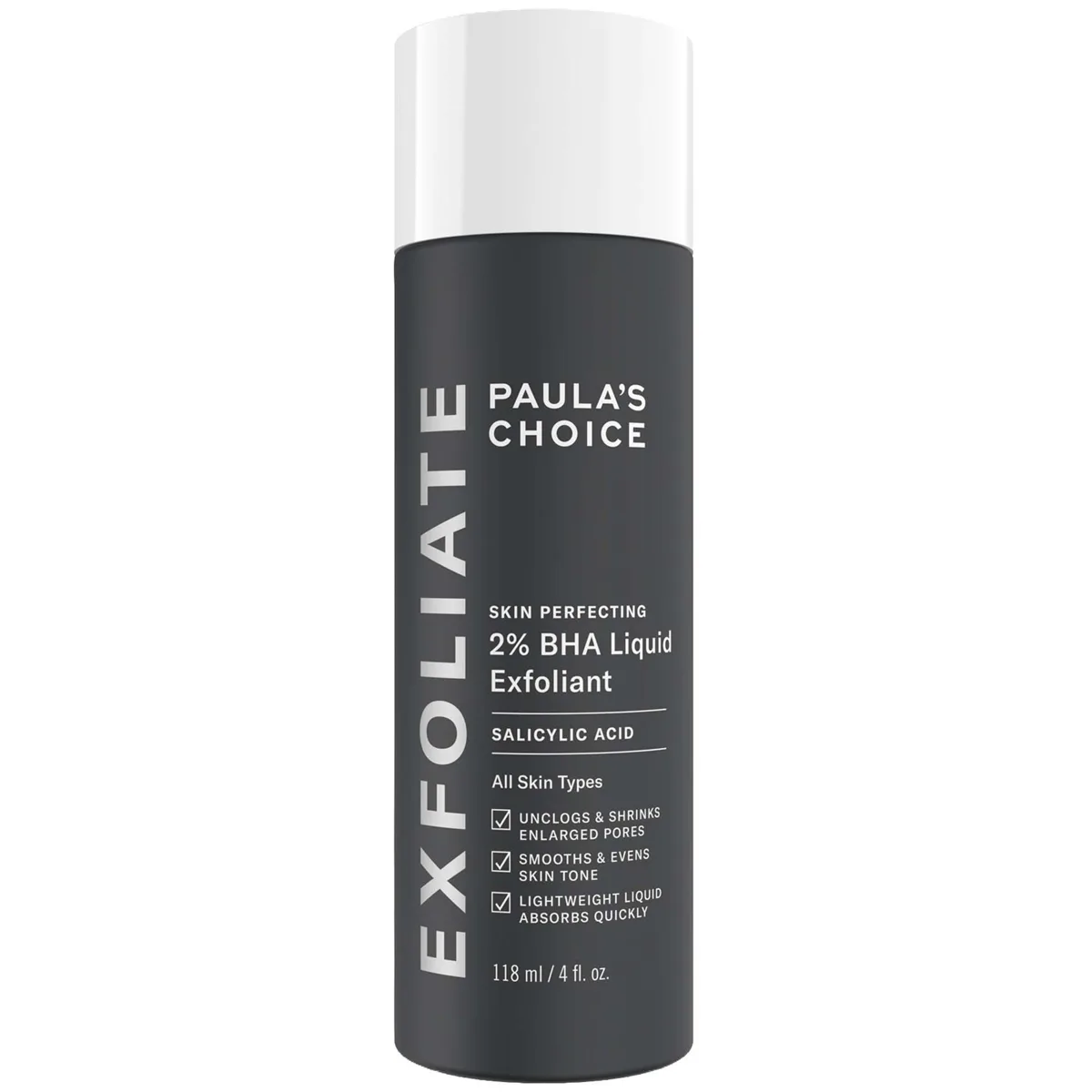
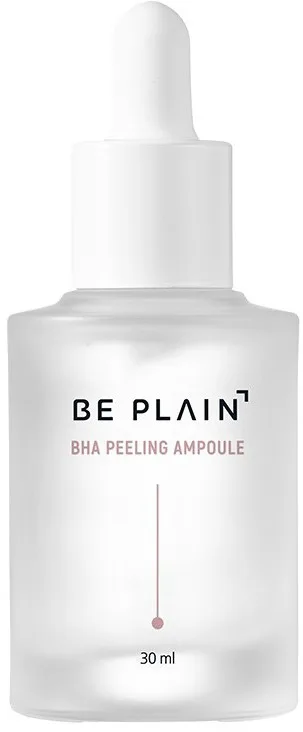
The best exfoliant for combination skin exploits a quirk of acid chemistry: BHA is oil-soluble and dives into clogged T-zone pores, while AHA and PHA are water-soluble and gently smooth drier cheeks — and the smartest products either blend the two or are mild enough to use everywhere. That's the puzzle combination skin poses.
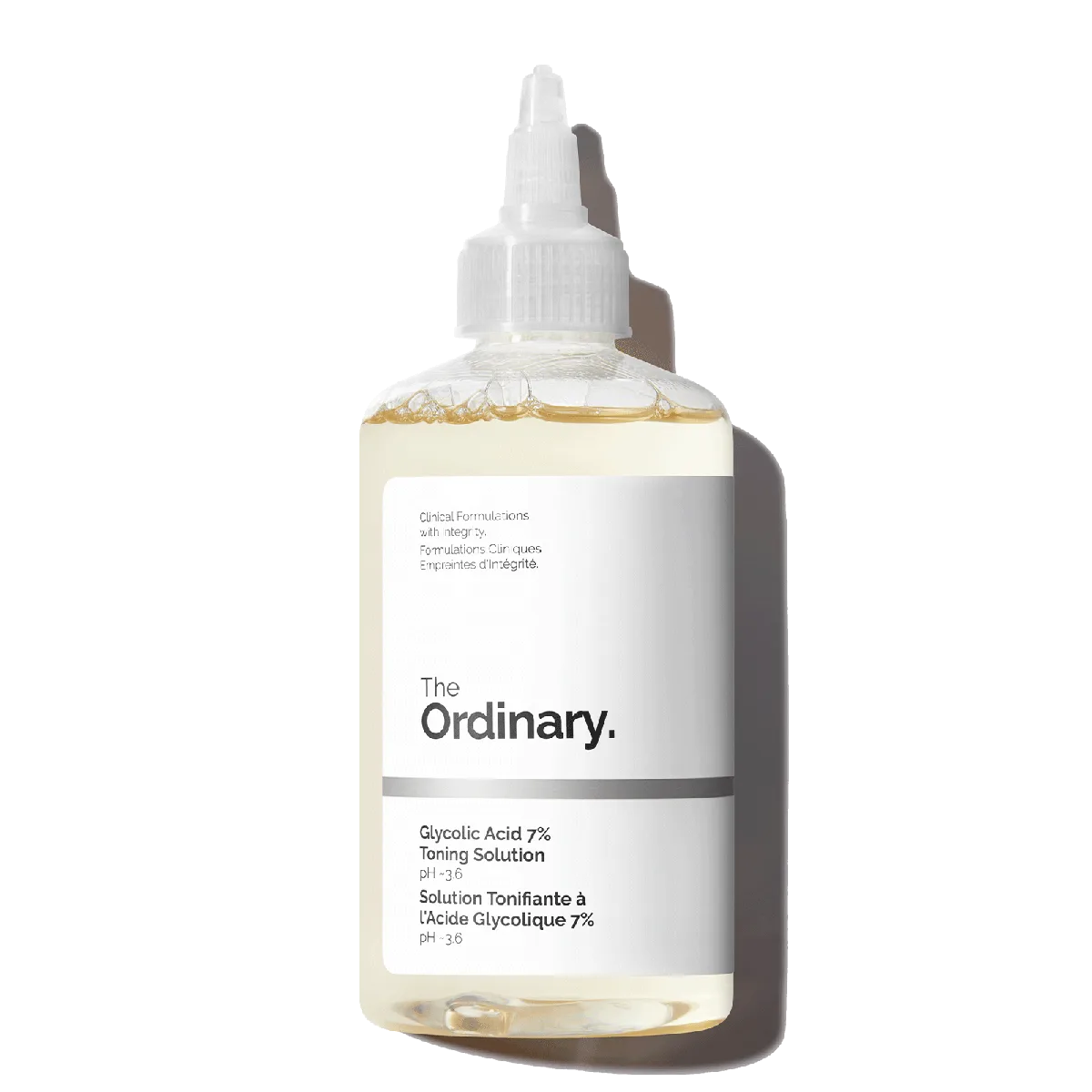
A strong glycolic peel that suits the oily nose can leave the cheeks flaky and tight, while a treatment gentle enough for the cheeks may not touch the congestion around the T-zone. The elegant solution is a balanced formula. Salicylic acid (the BHA) clears pores and blackheads; mandelic and lactic acids (AHAs) resurface without much sting because their larger molecules penetrate slowly and evenly; PHAs like gluconolactone are the gentlest of all. Combination picks lean heavily on mandelic for exactly this reason — By Wishtrend's Mandelic Acid 5% ($23) and Paula's Choice 6% Mandelic + 2% Lactic ($37) resurface evenly across both zones, while Geek & Gorgeous's Cheer Up mandelic-plus-salicylic ($12) covers oil and texture at once. The trap is over-exfoliating to satisfy the T-zone and frying the cheeks — combination skin punishes a heavy hand with redness and a damaged barrier. The honest caveat: start two to three times a week, not daily, and you can absolutely multi-zone if one product won't do — a touch of BHA on the T-zone, a gentle AHA on the cheeks. Balance and restraint beat strength here every time.
Buying Guide
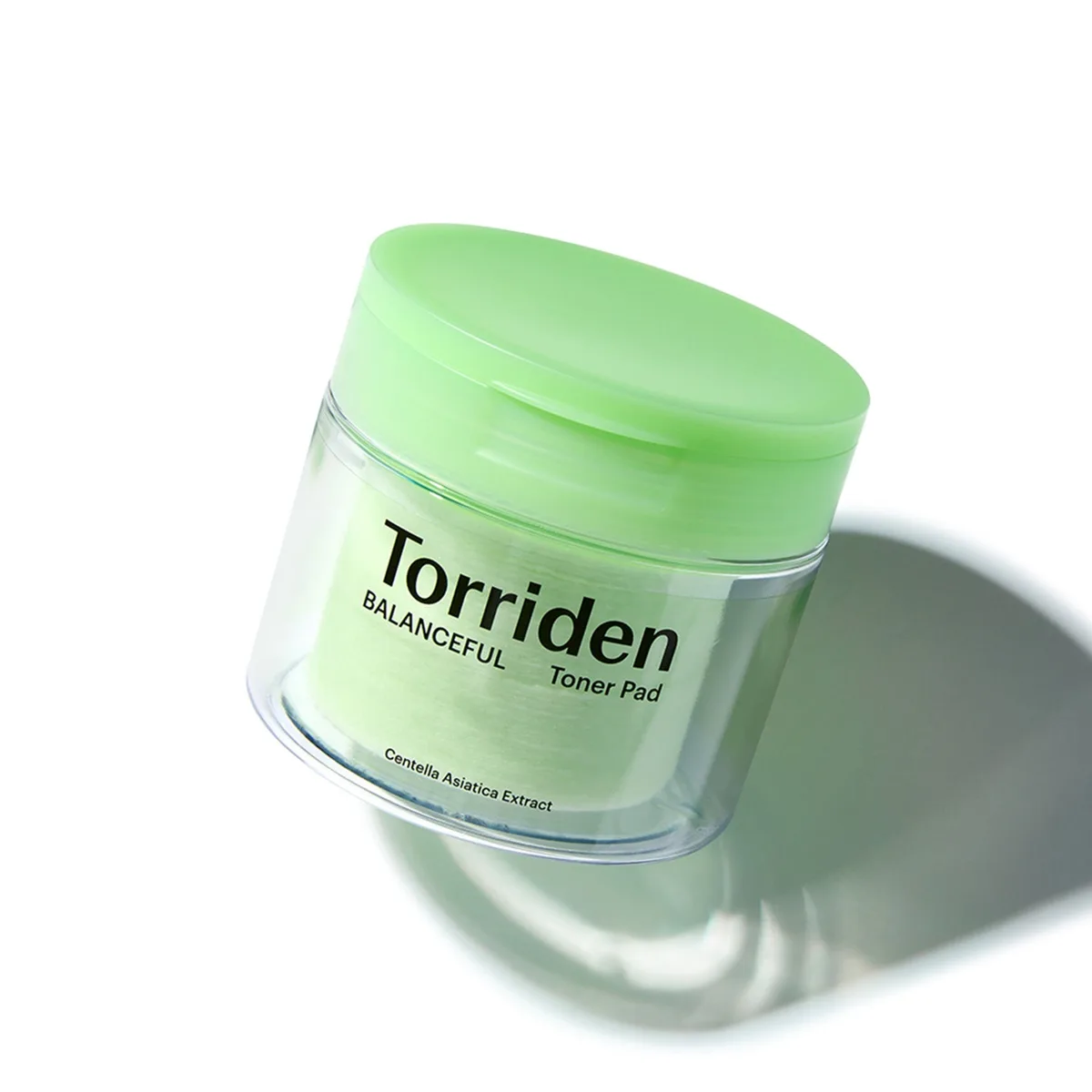
Choose your acid by what each zone needs. Salicylic acid (BHA) is oil-soluble and best for the congested, blackhead-prone T-zone, while glycolic, lactic, and mandelic acids (AHAs) work on the skin's surface to smooth drier areas; PHAs like gluconolactone are the mildest option for easily-irritated combination skin. Mandelic acid is the standout all-rounder here because its large molecule resurfaces evenly with minimal sting, making it usable across both zones. Look for supportive soothing ingredients — centella, panthenol, niacinamide, beta-glucan — that buffer irritation, and start with a lower percentage and a 2–3x weekly frequency rather than a daily high-strength peel. Avoid gritty physical scrubs, which exfoliate unevenly and aggravate the dry zones, and resist stacking multiple acids at once. If a single product can't satisfy both zones, multi-zoning (BHA on the T-zone, a gentle AHA on the cheeks) is a legitimate strategy. Price runs $6–$92, but value is excellent at the low end — several $12–$23 mandelic and AHA/BHA blends outperform the $88 options, so spend up only for a particular texture or a leave-on daily-peel format.
Frequently Asked Questions
Should combination skin use an AHA or BHA exfoliant?
Ideally a bit of both, because they target the two zones differently: BHA (salicylic acid) is oil-soluble and clears the congested T-zone, while AHAs (mandelic, lactic, glycolic) smooth the drier cheeks. Many combination-friendly products blend them, or you can use a gentle all-over mandelic acid. If you prefer one, a balanced AHA/BHA exfoliant is the most versatile choice.
How often should combination skin exfoliate?
Start with two to three times a week and adjust based on how your skin responds, since the oily T-zone tolerates more than the drier cheeks. Daily exfoliation is rarely necessary and risks over-stripping the cheeks, leading to redness and a damaged barrier. Let the more sensitive zone set your frequency rather than the oily one.
Can I use one exfoliant on both my oily and dry areas?
Yes, if you choose a gentle, balanced formula — a mild mandelic acid or a low-strength AHA/BHA blend works across both zones without over-drying the cheeks. If your zones differ a lot, you can apply a stronger BHA only on the T-zone and a gentler acid on the cheeks. Starting low and observing how each area reacts is the safest approach.
What is mandelic acid and why is it good for combination skin?
Mandelic acid is an AHA with a larger molecule than glycolic acid, so it penetrates more slowly and evenly, causing less irritation while still resurfacing the skin. That gentleness makes it ideal for combination skin, where the cheeks can't tolerate harsh acids but the whole face benefits from smoothing. It also has mild antibacterial properties that help the oilier T-zone.