Best Exfoliants for Dry Skin
Updated September 2026 · independently researched, no sponsored placements
Our top 40 picks, ranked from 199 reviewed products — ranked by our overall assessment of formula, safety and value.











How to Choose
The best exfoliant for dry skin walks a tightrope: it has to clear away the dull flakes sitting on the surface without stripping a barrier that's already short on the oils holding it together. That's the whole challenge.
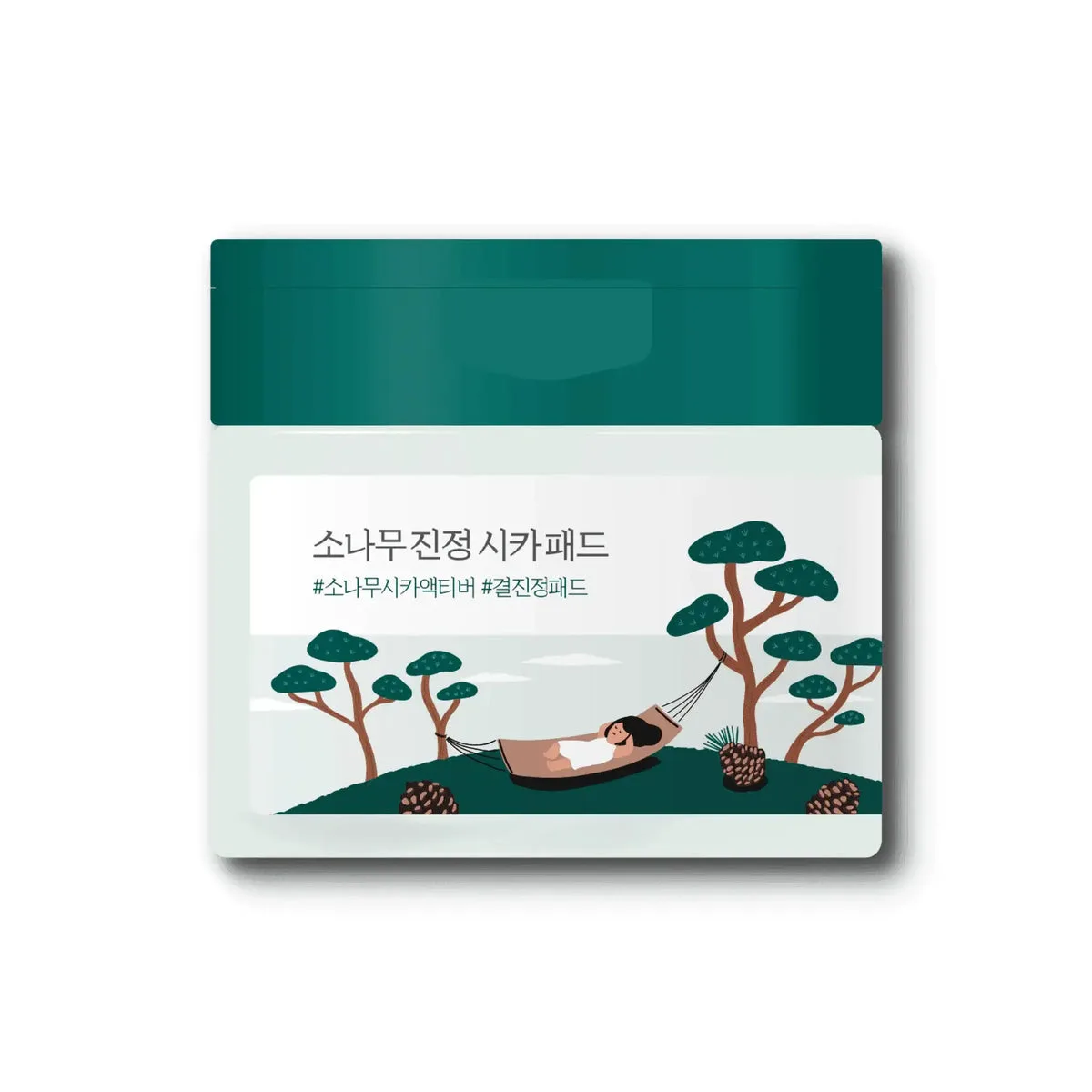
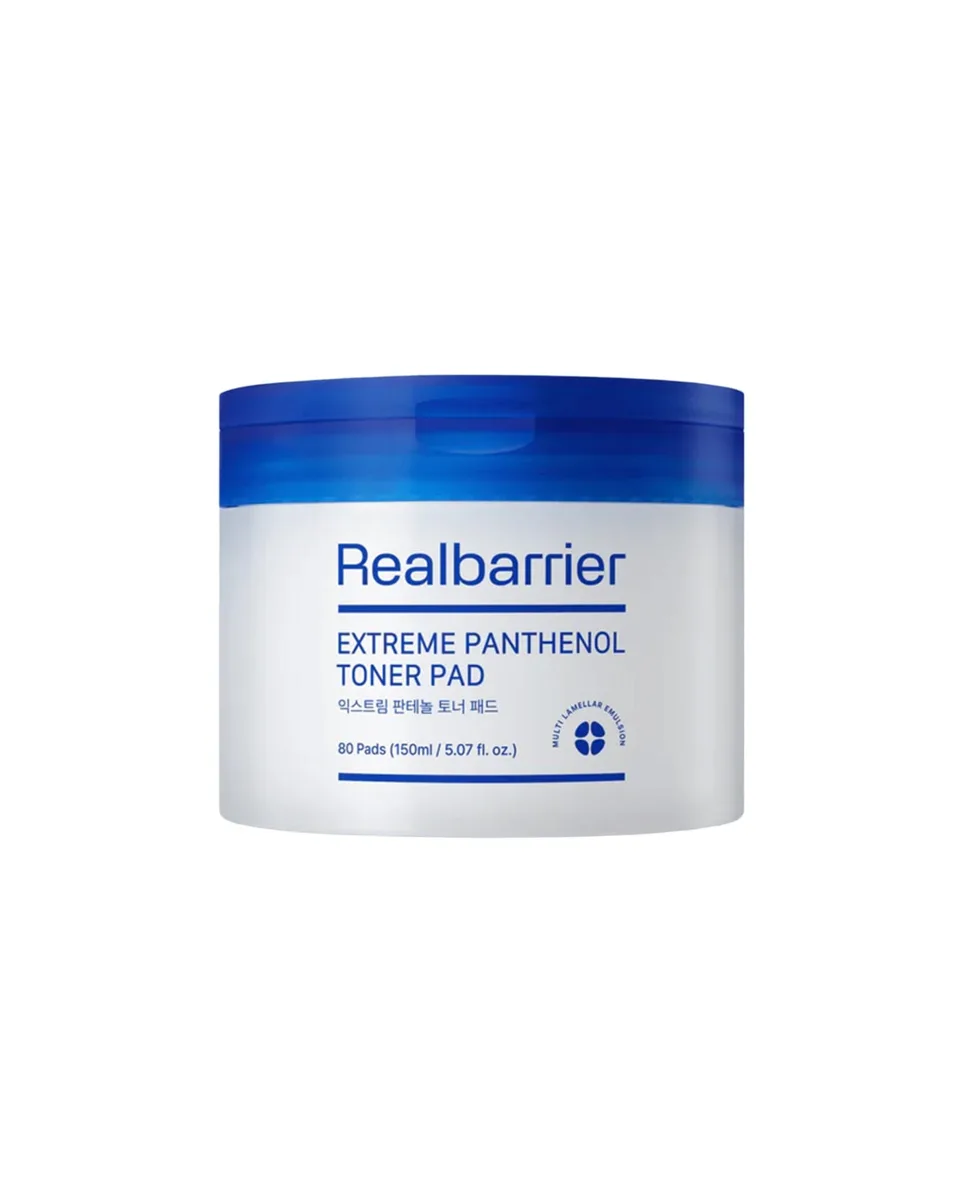
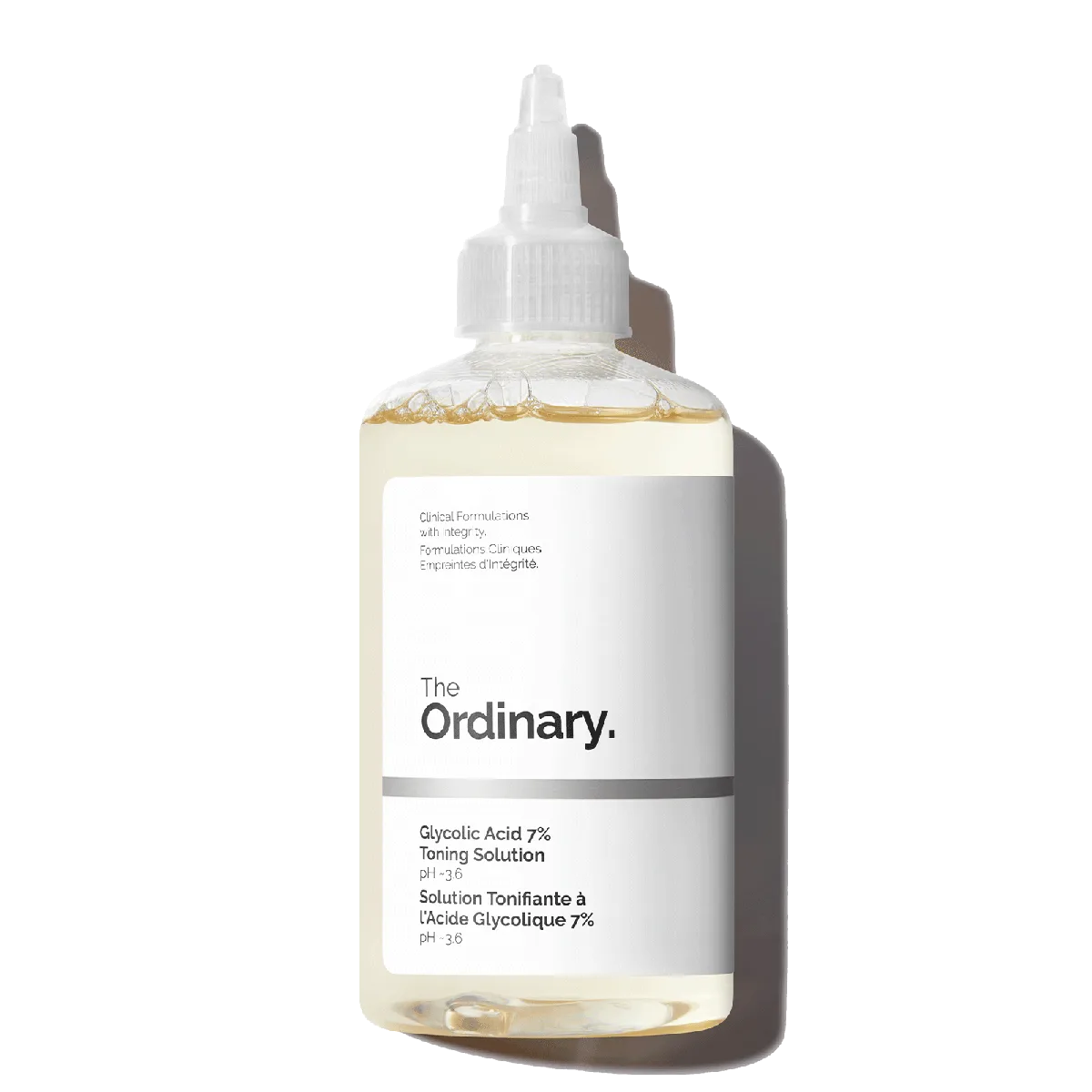
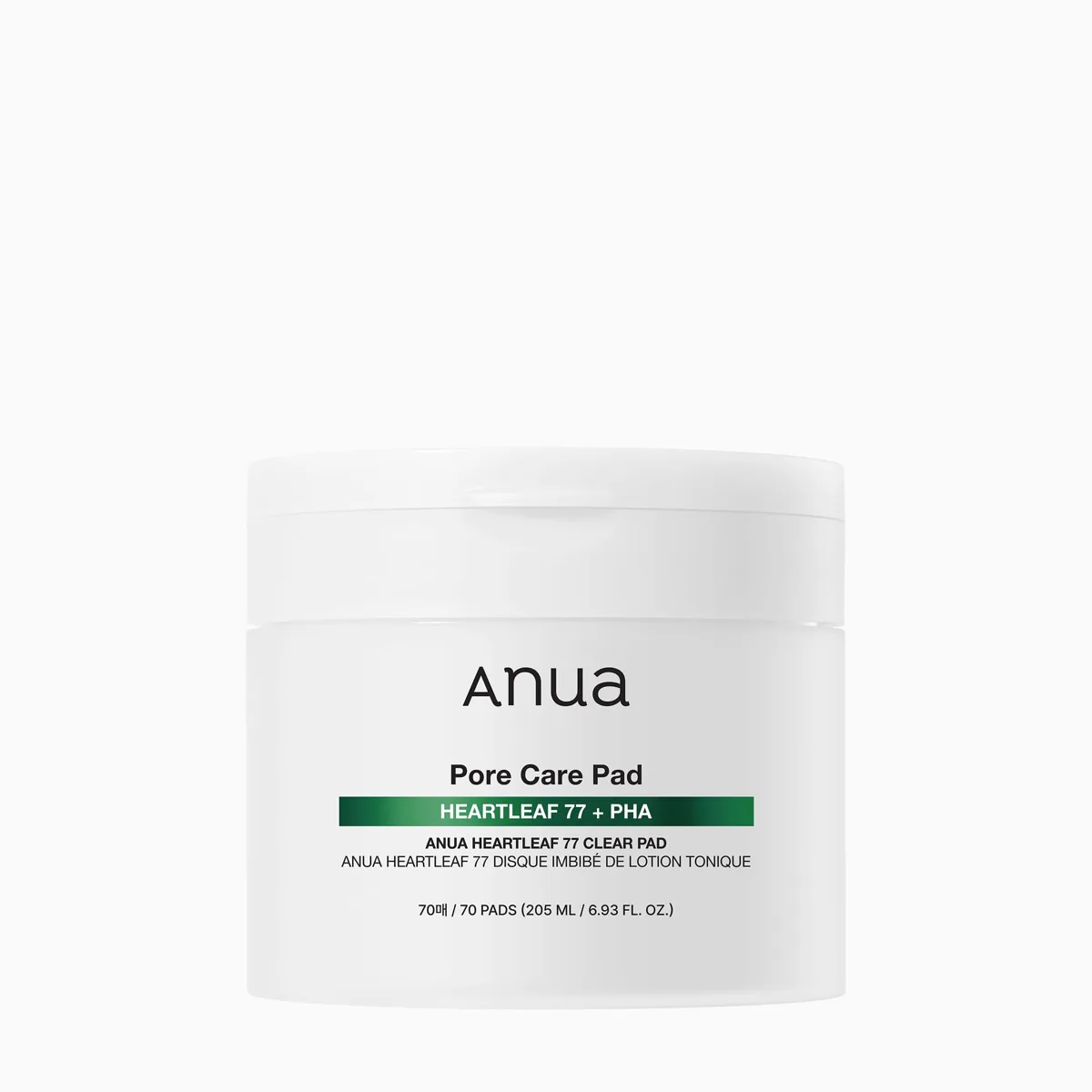
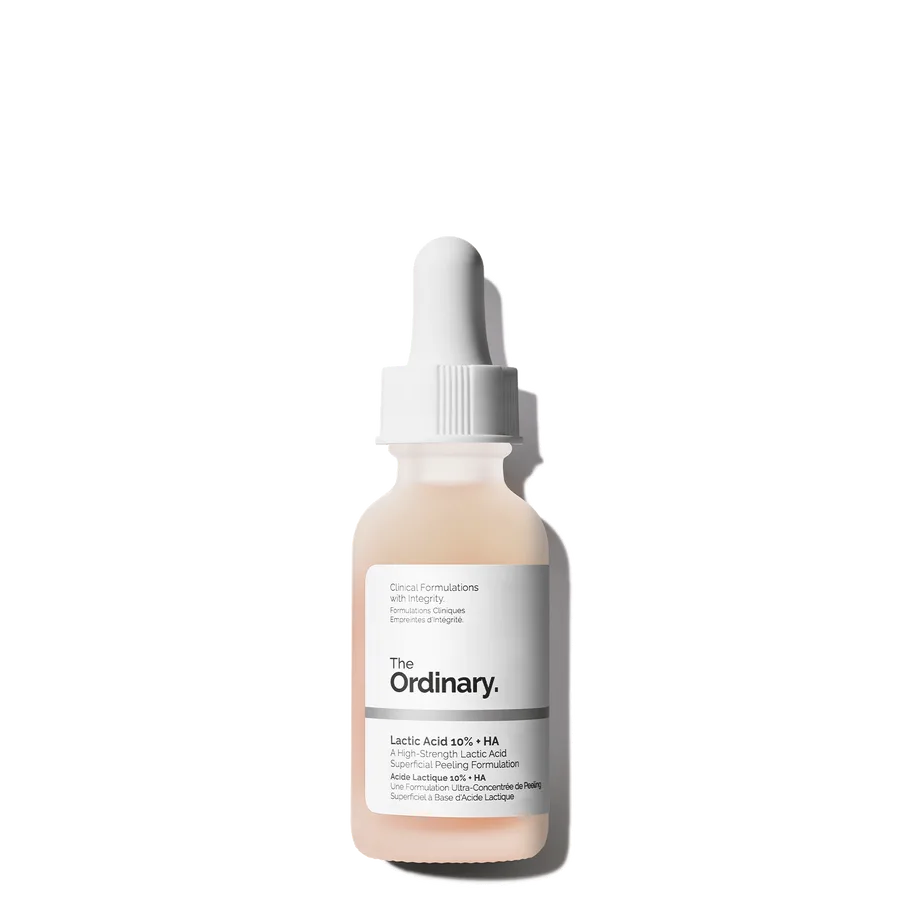
Dry skin underproduces lipids — the ceramides and fatty acids that seal moisture in — so an aggressive exfoliant (a gritty scrub, a high-strength glycolic, anything used too often) doesn't just remove dead cells, it tears into a fragile barrier and leaves skin tighter, flakier, and more irritated than before. The fix is gentle chemical exfoliation that hydrates as it works. PHAs like gluconolactone are the dry-skin gold standard because their large molecules exfoliate slowly at the surface and double as humectants — Anua's Heartleaf 77% Toner Pad ($22) is a perfect low-stakes entry point. Mandelic and lactic acid are the next step up: both are large, gentle AHAs, and the best formulas blend them with hyaluronic acid, beta-glucan, and panthenol (By Wishtrend's Mandelic 5% Prep Water, $23; The Ordinary's Lactic Acid 5% + HA, $8) so you smooth without parching. Look for those humectant partners and avoid bare, high-percentage acids and physical scrubs. The honest caveat is frequency: dry skin should exfoliate less than it thinks — once or twice a week is plenty — and every session must be followed by a rich, ceramide-heavy moisturizer to reseal the barrier you just disturbed. Exfoliate gently, seal generously, and the flakes go without the fallout.
Buying Guide
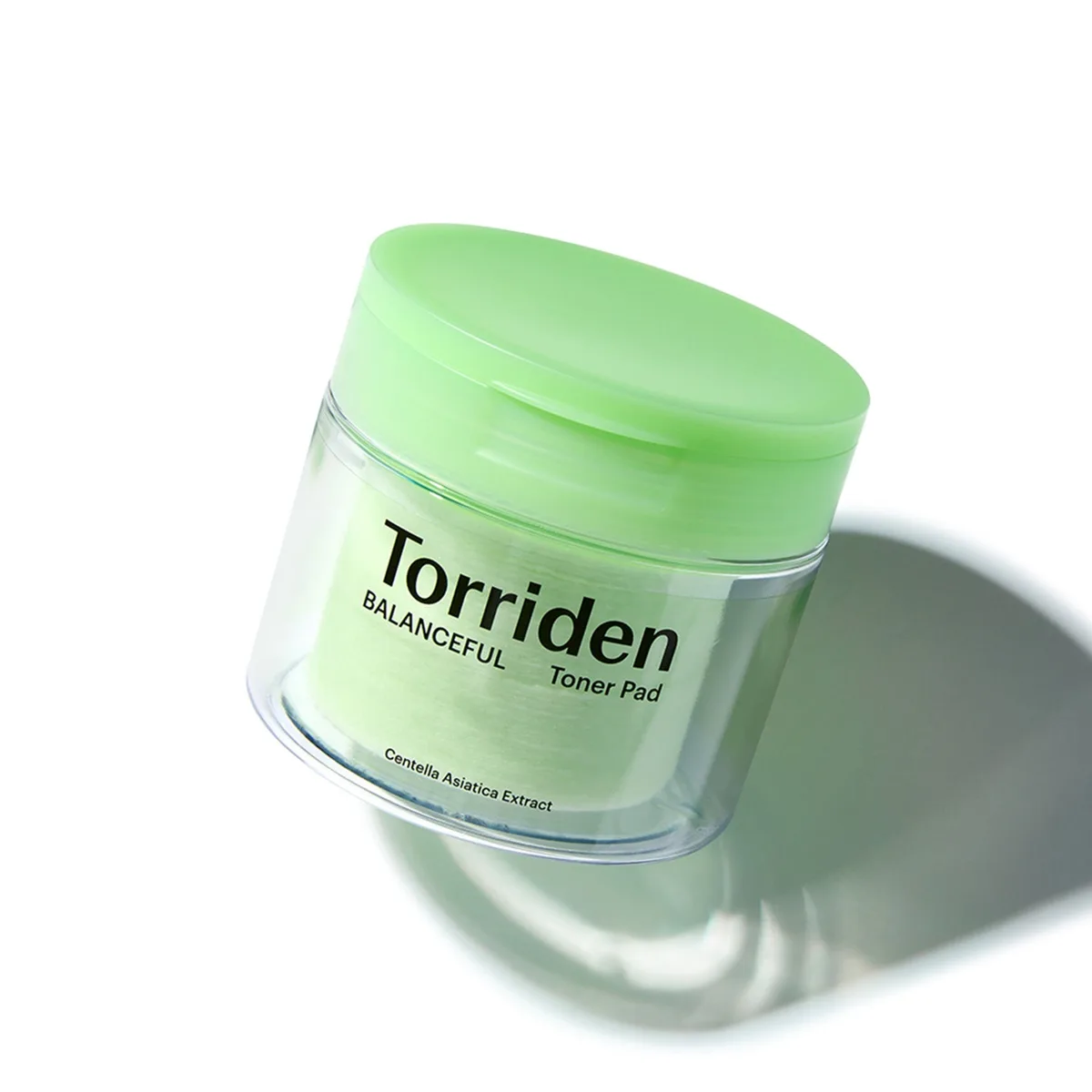
Choose the mildest acid that gets the job done, then support it. PHAs (gluconolactone, as in Anua's and Torriden's pads) are the safest for dry skin because they exfoliate gently and attract water; mandelic and lactic acid are the next tier, both large, slow-penetrating AHAs that suit dryness far better than high-strength glycolic. Crucially, favor formulas that pair the acid with humectants and soothing agents — hyaluronic acid, beta-glucan, panthenol, centella (By Wishtrend, The Ordinary Lactic 5% + HA) — so you exfoliate without stripping. Steer clear of gritty physical scrubs and bare, high-percentage acids, which damage an already lipid-deficient barrier. Keep frequency low: once or twice a week is enough for most dry skin, and the single most important step is what comes after — a rich, ceramide-and-occlusive moisturizer to reseal the barrier. Watch for tightness or stinging as a signal to scale back. Price is no barrier to quality; $8 options perform alongside $37 ones, so spend on the gentle acid and hydrating formula that fits your skin.
Frequently Asked Questions
Can dry skin be exfoliated safely?
Yes, but it requires a gentler approach than other skin types. Dry skin lacks the lipids that hold the barrier together, so harsh scrubs or strong acids can strip it and worsen flaking. Stick to mild chemical exfoliants like PHAs, mandelic, or lactic acid, use them sparingly, and always follow with a rich moisturizer.
Which acid is gentlest for dry, flaky skin?
PHAs such as gluconolactone are the gentlest because their large molecules stay near the surface and also act as humectants, drawing in water as they exfoliate. Mandelic and lactic acid are the next mildest AHAs and a good step up. Avoid high-strength glycolic acid, which penetrates deeply and can be too stripping for dry skin.
How often should dry skin be exfoliated?
Once or twice a week is plenty for most dry skin, since over-exfoliating quickly damages an already fragile barrier. If your skin starts feeling tight, stinging, or looking flakier, that's a sign to cut back further. Consistency at a low frequency beats frequent, aggressive sessions.
What should I do after exfoliating dry skin?
Immediately follow with a rich moisturizer containing ceramides and ideally an occlusive like squalane or shea to reseal the barrier you've just disturbed. Applying it to slightly damp skin helps lock in extra hydration. This reseal step is what makes gentle exfoliation safe rather than stripping for dry skin.