Best Exfoliants for Sensitive Skin
Updated September 2026 · independently researched, no sponsored placements
Our top 40 picks, ranked from 78 reviewed products — ranked by our overall assessment of formula, safety and value.













How to Choose
The best exfoliants for sensitive skin are the ones built around the biggest molecules — PHAs and mandelic acid — because molecule size, more than concentration, decides how gently an acid treats reactive skin. Here's the mechanism worth understanding: the smaller an acid's molecule, the faster and deeper it penetrates, and the more likely it is to sting and inflame.
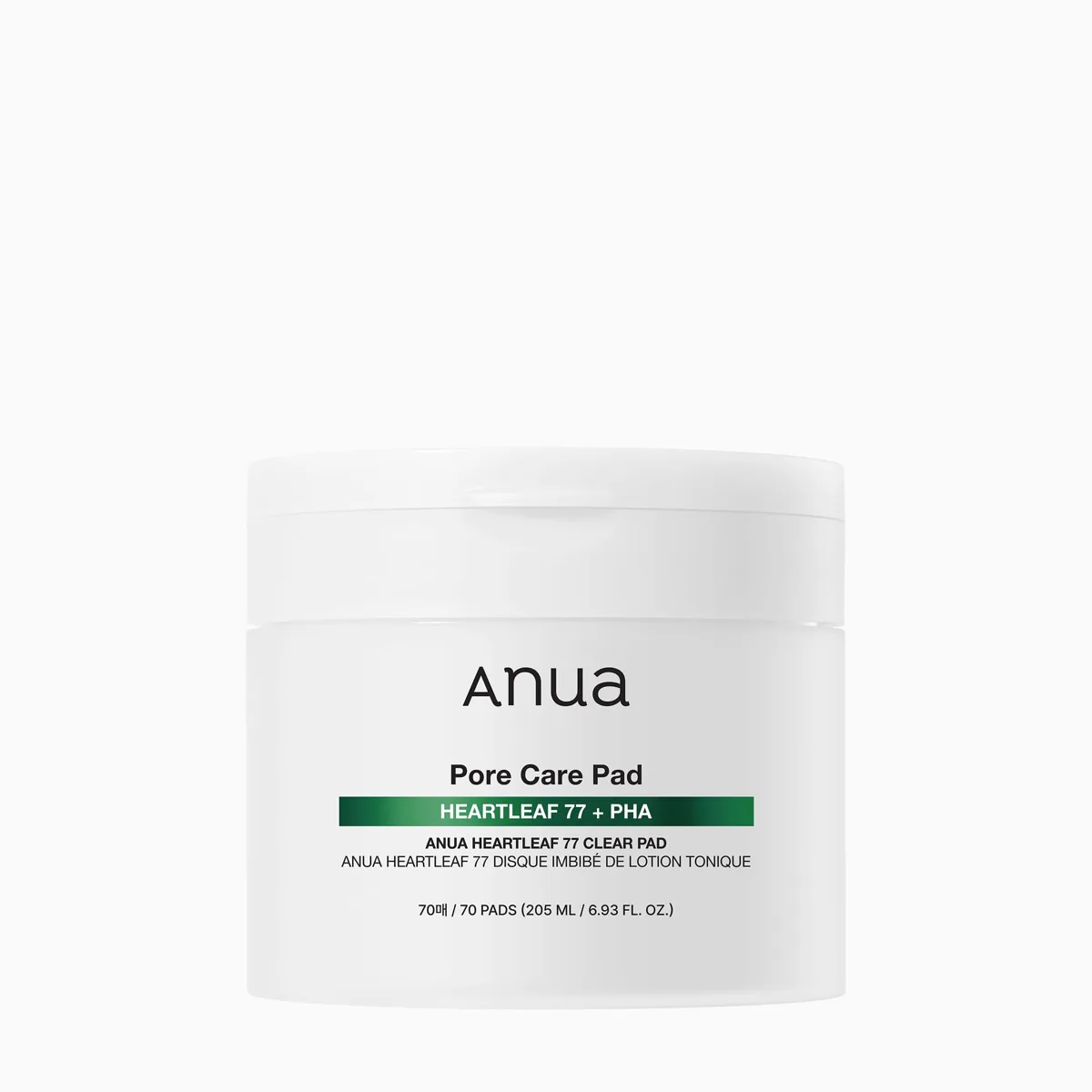
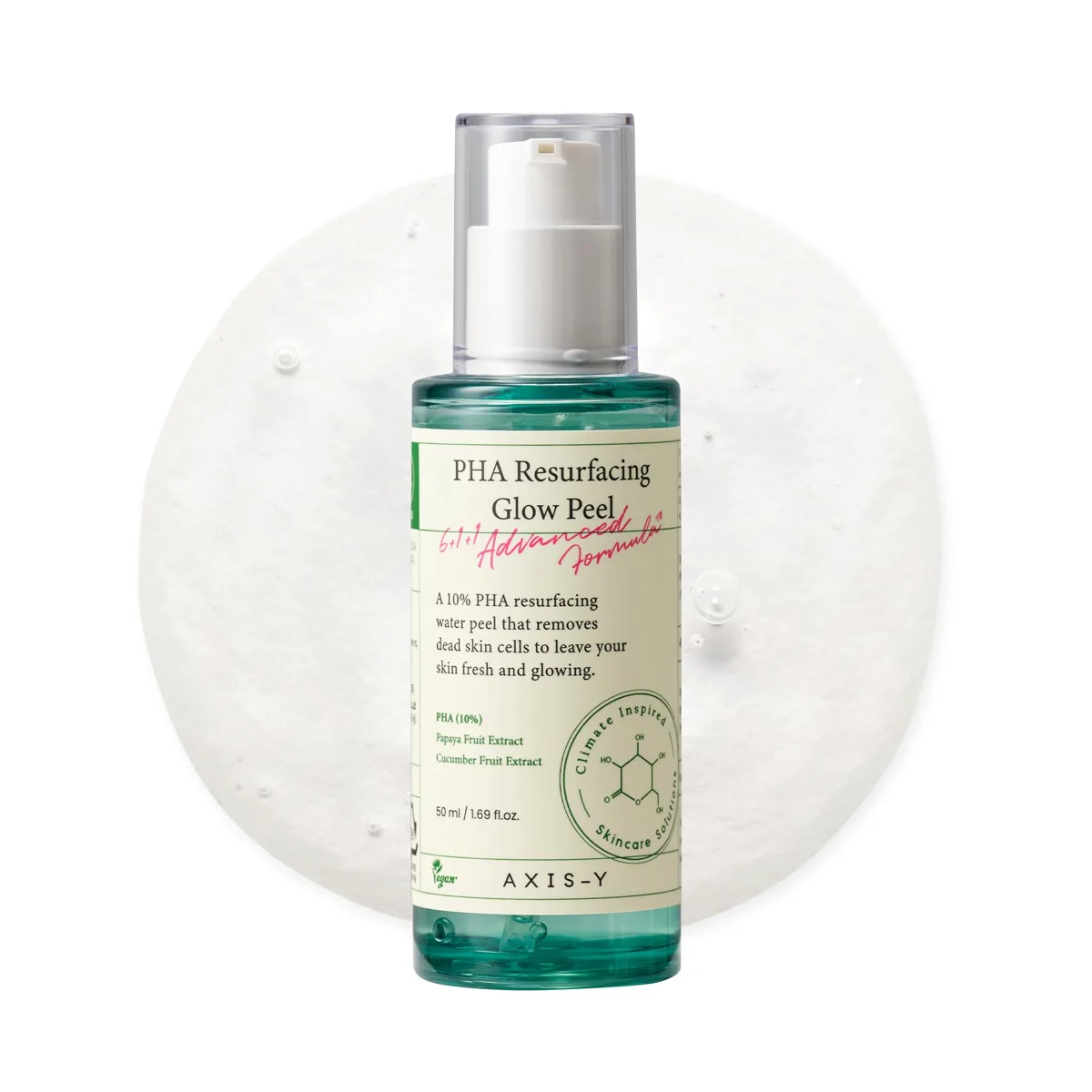
Glycolic acid is tiny and aggressive; that's great for resilient skin and rough on sensitive skin. The gentle alternatives go the other way. Polyhydroxy acids like gluconolactone and lactobionic acid are large, slow-penetrating, and even bring humectant and antioxidant perks — Anua's Heartleaf PHA pads ($22) and Axis-Y's PHA peel ($28) are easy gateways. Mandelic acid, derived from almonds, is the largest common AHA, which is why By Wishtrend's 5% Skin Prep Water ($23) and The Ordinary's Mandelic 10% + HA ($8) exfoliate noticeably without the bite. What to look for beyond the acid itself: fragrance-free formulas (fragrance is the top sensitizer), a short ingredient list, and soothing partners like centella, panthenol, and niacinamide. What to skip entirely is gritty physical scrubs, which create micro-tears reactive skin doesn't recover from well. The honest caveat: even the gentlest chemical exfoliant can be overdone — start once or twice a week, never stack it with retinoids or other acids while acclimating, and patch test first. Daytime SPF is non-negotiable since acids raise sun sensitivity. At $6 to $88, the budget mandelic and PHA options here are the genuine standouts; spending more buys polish, not gentleness.
Buying Guide
Choose the acid by molecule size, since that's what governs gentleness: PHAs (gluconolactone, lactobionic acid) are the largest and mildest, with hydrating and antioxidant bonuses, and mandelic acid is the gentlest AHA thanks to its large molecule and slow penetration. Steer away from high-strength glycolic acid and from physical scrubs, which abrade and micro-tear sensitive skin. Beyond the exfoliant, fragrance-free is the most important label — fragrance is the leading trigger of irritation — and soothing, barrier-supporting ingredients like centella asiatica, panthenol, niacinamide, and beta-glucan help offset any tingling. Favor leave-on liquids and pads at low, beginner-friendly concentrations over potent peels, and keep frequency low: once or twice a week to start, building up only if your skin stays calm. Never layer a new acid with retinoids or other actives while acclimating, and always patch test. Daily sunscreen is essential. On price, gentleness doesn't track cost — $8–$28 PHA and mandelic options suit reactive skin as well as or better than the premium peels.
Frequently Asked Questions
What is the gentlest exfoliant for sensitive skin?
Polyhydroxy acids (PHAs) like gluconolactone and lactobionic acid are the gentlest because their large molecules penetrate slowly and barely sting, and they add hydration and antioxidant benefits. Mandelic acid is the next mildest option among AHAs, making PHA and mandelic formulas the safest starting points for reactive skin.
Can sensitive skin use chemical exfoliants at all?
Yes — sensitive skin can usually tolerate gentle chemical exfoliants better than physical scrubs, since acids work without the abrasion and micro-tears that scrubs cause. The keys are choosing a mild acid (PHA or mandelic), using a low concentration, keeping frequency to once or twice a week, and patch testing first.
Why is mandelic acid good for sensitive skin?
Mandelic acid has the largest molecule of the common AHAs, so it penetrates slowly and exfoliates the surface without the deep, fast action that makes glycolic acid sting. That slow, even penetration delivers smoothing and brightening with far less irritation, which is why it's a favorite for sensitive and reactive skin types.
How often should sensitive skin exfoliate?
Start with once or twice a week and increase only if your skin stays calm, since over-exfoliation is a common cause of the very sensitivity you're trying to manage. Watch for redness, stinging, or tightness as signs to cut back, and always pair exfoliation with daily sunscreen and a soothing moisturizer.