Best Exfoliants for Oily Skin
Updated September 2026 · independently researched, no sponsored placements
Our top 40 picks, ranked from 271 reviewed products — ranked by our overall assessment of formula, safety and value.


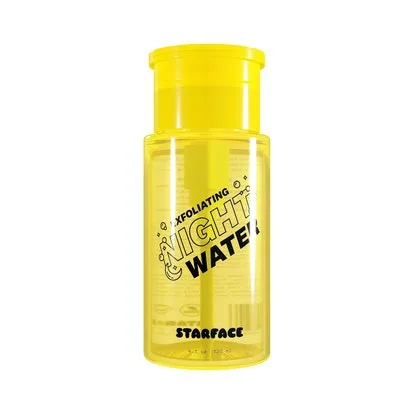
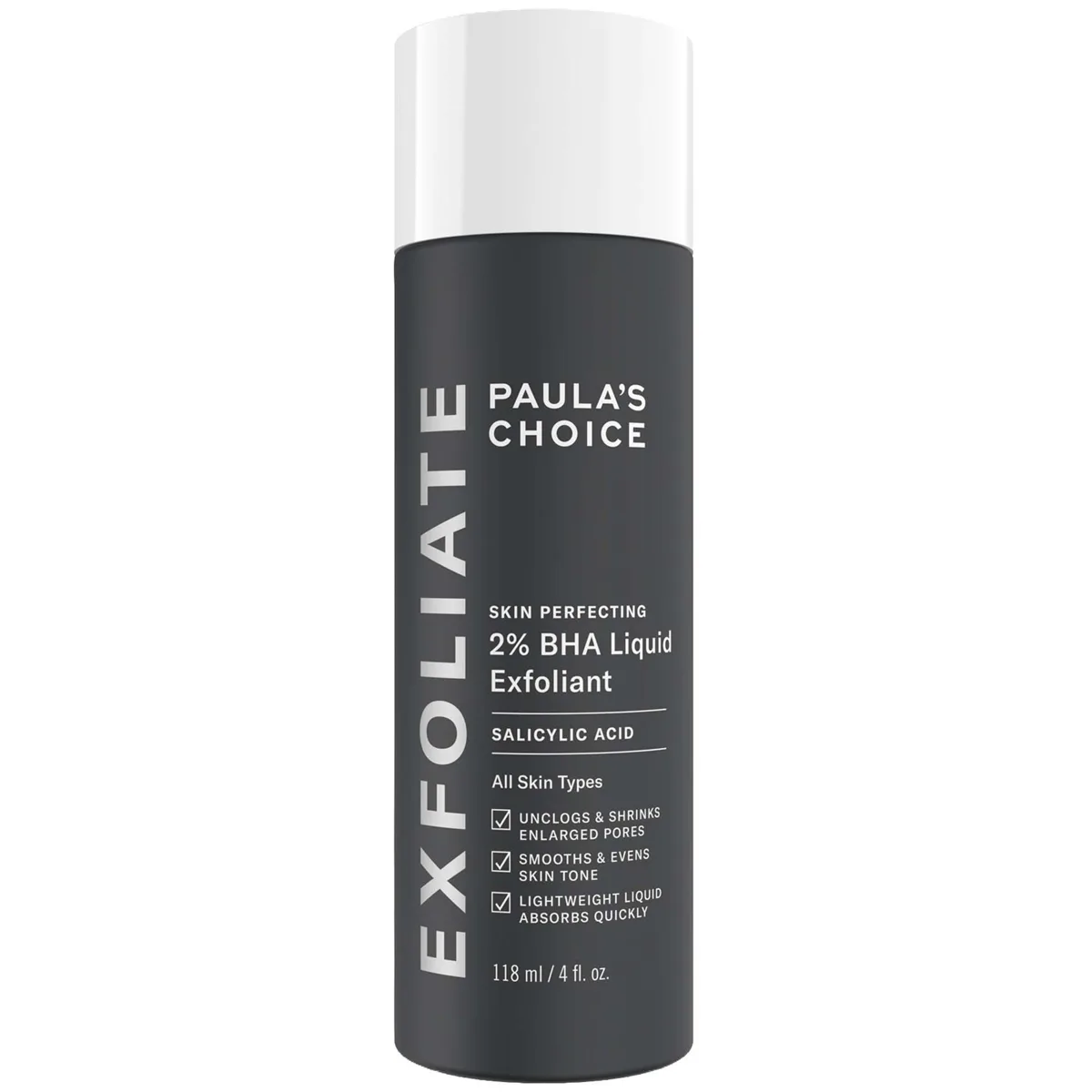


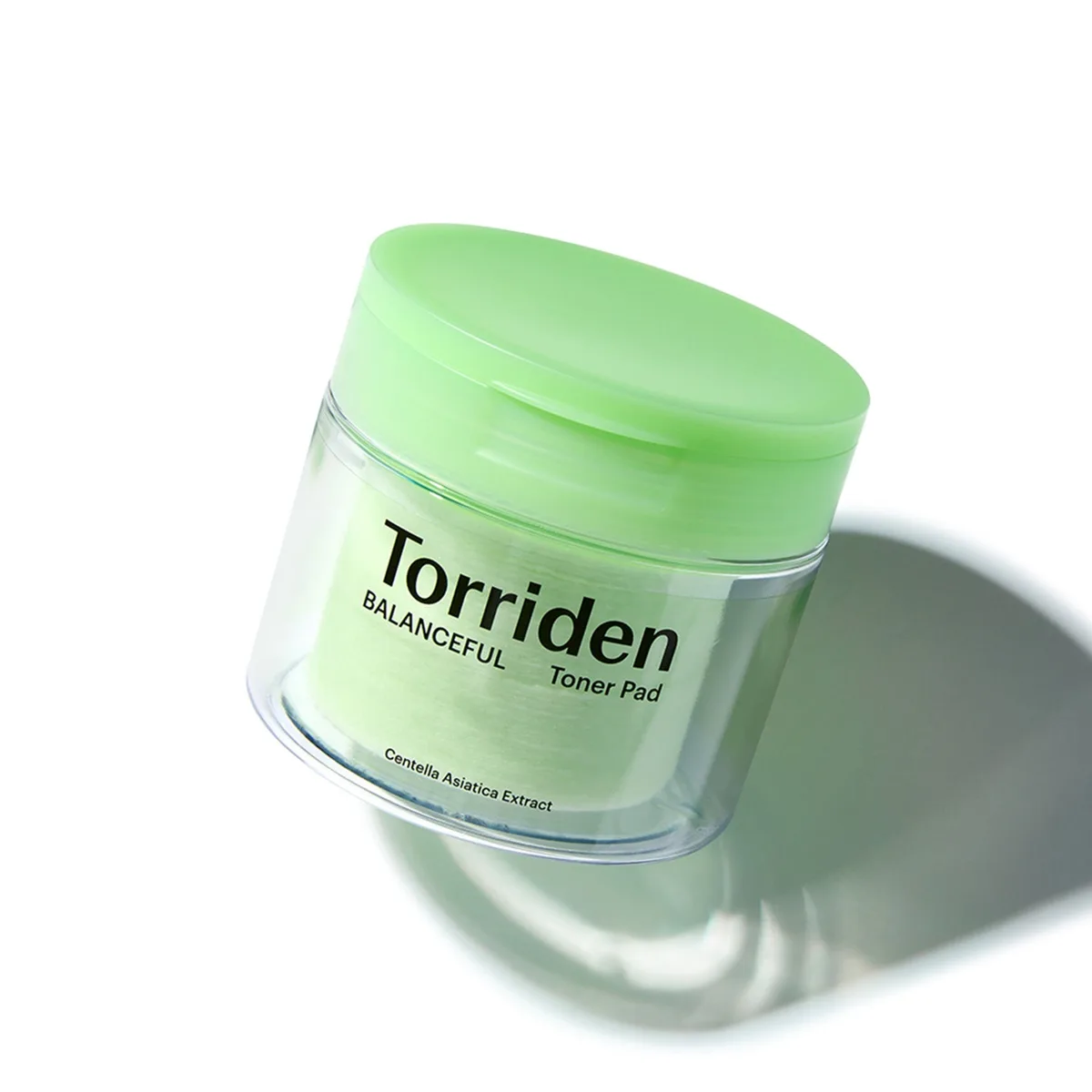


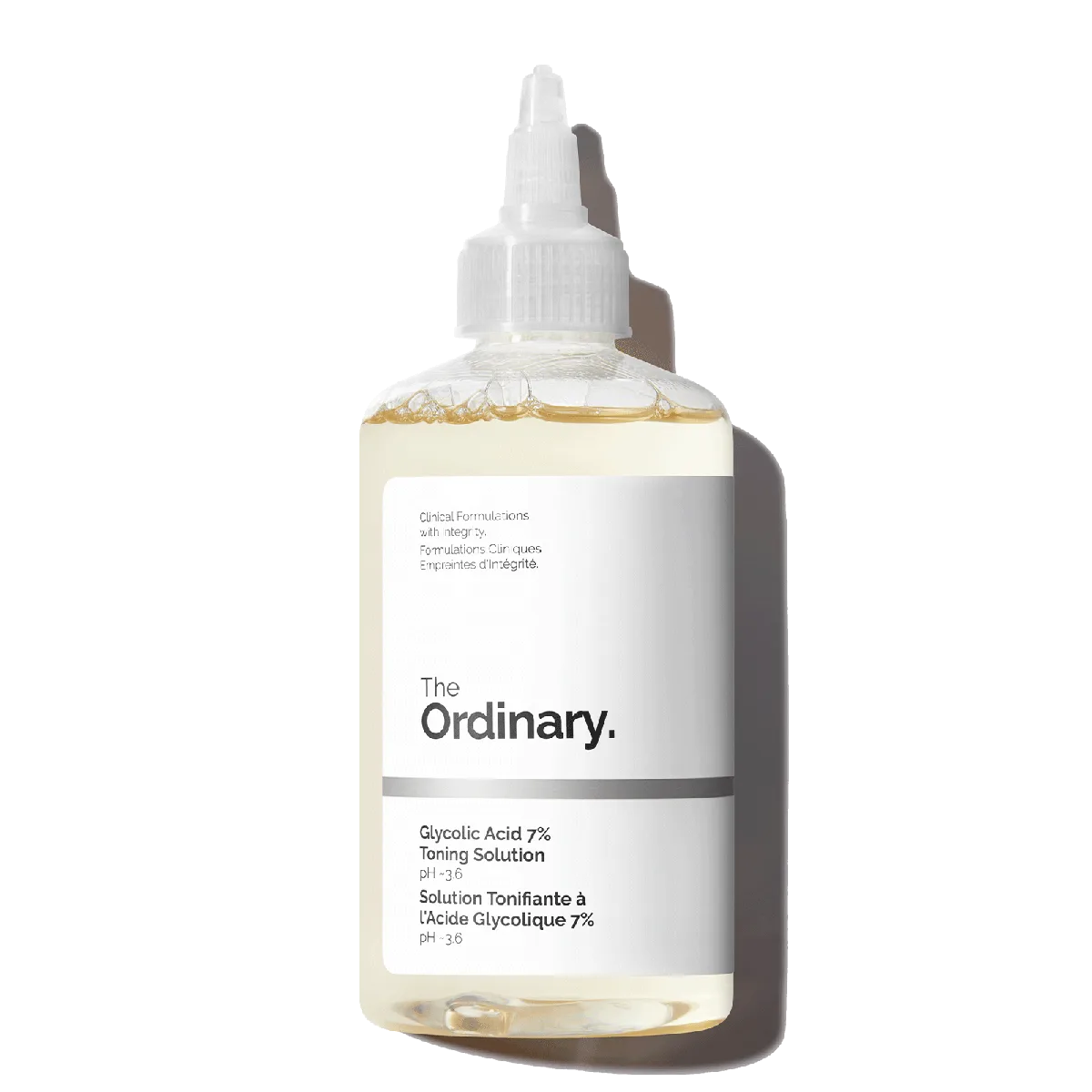







How to Choose
The best exfoliant for oily skin is almost always a salicylic acid (BHA), because it's the one acid that dissolves in oil and can actually travel down into a sebum-packed pore to clear it from the inside. That's the mechanism that matters.
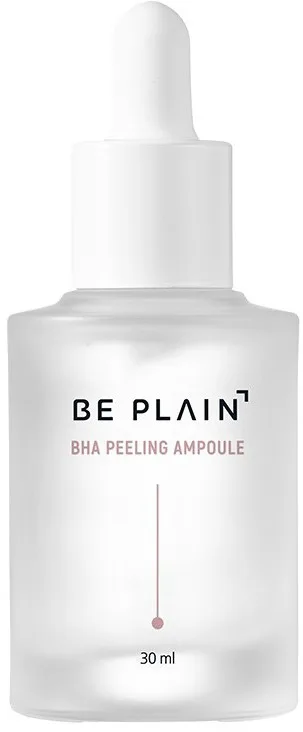
Water-soluble AHAs like glycolic and lactic acid work beautifully on the skin's surface, but they can't get into an oily, congested pore the way BHA does — so for blackheads, clogged pores, and the rough, shiny congestion that defines oily skin, salicylic acid is the targeted tool. Pair it with niacinamide, which modestly tempers sebum and pore appearance, and you've got the core of an oily-skin routine. Budget makes this easy: Minimalist's 2% Salicylic Acid serum costs $7, Geek & Gorgeous's Cheer Up mandelic-plus-salicylic ($12) adds gentle surface smoothing, and Be Plain's BHA Peeling Ampoule ($22) is a soft entry point. The big trap is treating exfoliation as oil control and over-doing it — stripping oily skin daily with strong acids triggers a rebound where it pumps out even more oil, while quietly wrecking the barrier and causing flaky, irritated patches under the shine. The honest caveat: exfoliating won't stop your skin from producing oil, which is genetic and hormonal; it keeps pores clear and texture smooth, which is the realistic win. Start two to three times a week, choose lightweight gel or liquid textures over heavy ones, and let consistency, not intensity, do the work.
Buying Guide
Make salicylic acid your default active, since its oil solubility lets it clear the congested pores that drive oily skin's blackheads and bumps; a 1–2% BHA in a lightweight liquid or serum is the workhorse. Niacinamide is a valuable companion for sebum regulation and pore appearance, and gentle AHAs like mandelic acid add surface smoothing if you want a blend. Texture should stay light — gel, liquid, essence, or serum formats absorb cleanly, whereas rich creams and balms feel heavy on oily skin. Resist the urge to chase strength: a high-percentage daily peel over-strips and provokes more oil, so start at 2–3 times weekly and build slowly. Look for soothing extras (centella, green tea, panthenol) that keep exfoliation from tipping into irritation, and skip gritty physical scrubs, which roughen skin and can worsen breakouts. Price is generous at $6–$92, and the value here is remarkable — pharma-grade BHA serums under $10 hold their own against $90 peels — so reserve any splurge for a specific texture or a multi-acid daily format, not for the assumption that a higher percentage equals better results.
Frequently Asked Questions
Is salicylic acid or glycolic acid better for oily skin?
Salicylic acid (a BHA) is generally better for oily skin because it's oil-soluble and can penetrate into sebum-filled pores to clear blackheads and congestion, which glycolic acid can't do. Glycolic and other AHAs work on the surface and are great for smoothing and glow, but they don't address clogged pores as directly. Many oily-skin users benefit from a BHA-led product, optionally blended with a gentle AHA.
How often should oily skin be exfoliated with acids?
Begin with two to three times a week and increase only if your skin clearly tolerates it, since daily acid exfoliation often over-strips and triggers more oil production. Oily skin can usually handle more frequent exfoliation than dry skin, but more isn't automatically better. Watch for tightness, flaking, or stinging as signs to scale back.
Does exfoliating reduce oil production?
Not directly — oil production is driven by genetics and hormones, so exfoliation won't make your skin produce less sebum. What it does is keep pores clear and smooth out texture, which reduces blackheads and the look of enlarged pores. Pairing a BHA with niacinamide can modestly improve oiliness, but managing expectations matters: clearer, smoother skin is the realistic goal, not a permanently matte face.
Can over-exfoliating make oily skin worse?
Yes — stripping oily skin with strong or too-frequent acids damages the barrier and can trigger a rebound where the skin produces even more oil to compensate. You may also see redness, flaking, and stinging hiding beneath the shine. The fix is to cut back frequency, lower the acid strength, and let the barrier recover with gentle hydration.