Best Lactic Acid for Dryness
Updated September 2026 · independently researched, no sponsored placements
Our top 36 picks, ranked from 60 reviewed products — ordered by each product's dryness verdict, then evidence strength.















How to Choose
Lactic acid is the rare exfoliating acid that hydrates while it sloughs, which is exactly why it's the AHA of choice for dry, flaky skin that other acids leave tight. Most exfoliants only take away — they dissolve the bonds holding dead cells on the surface and call it a day.
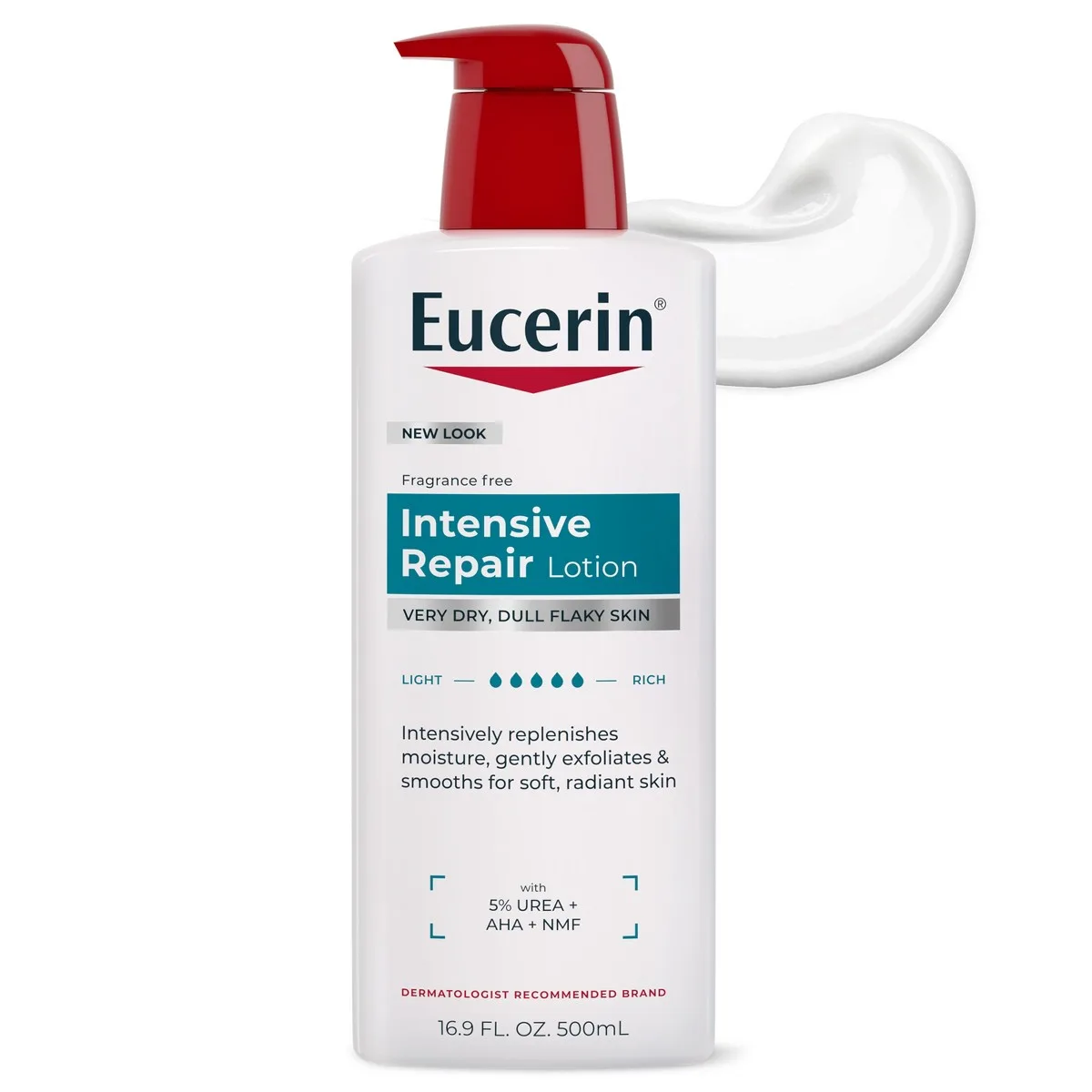
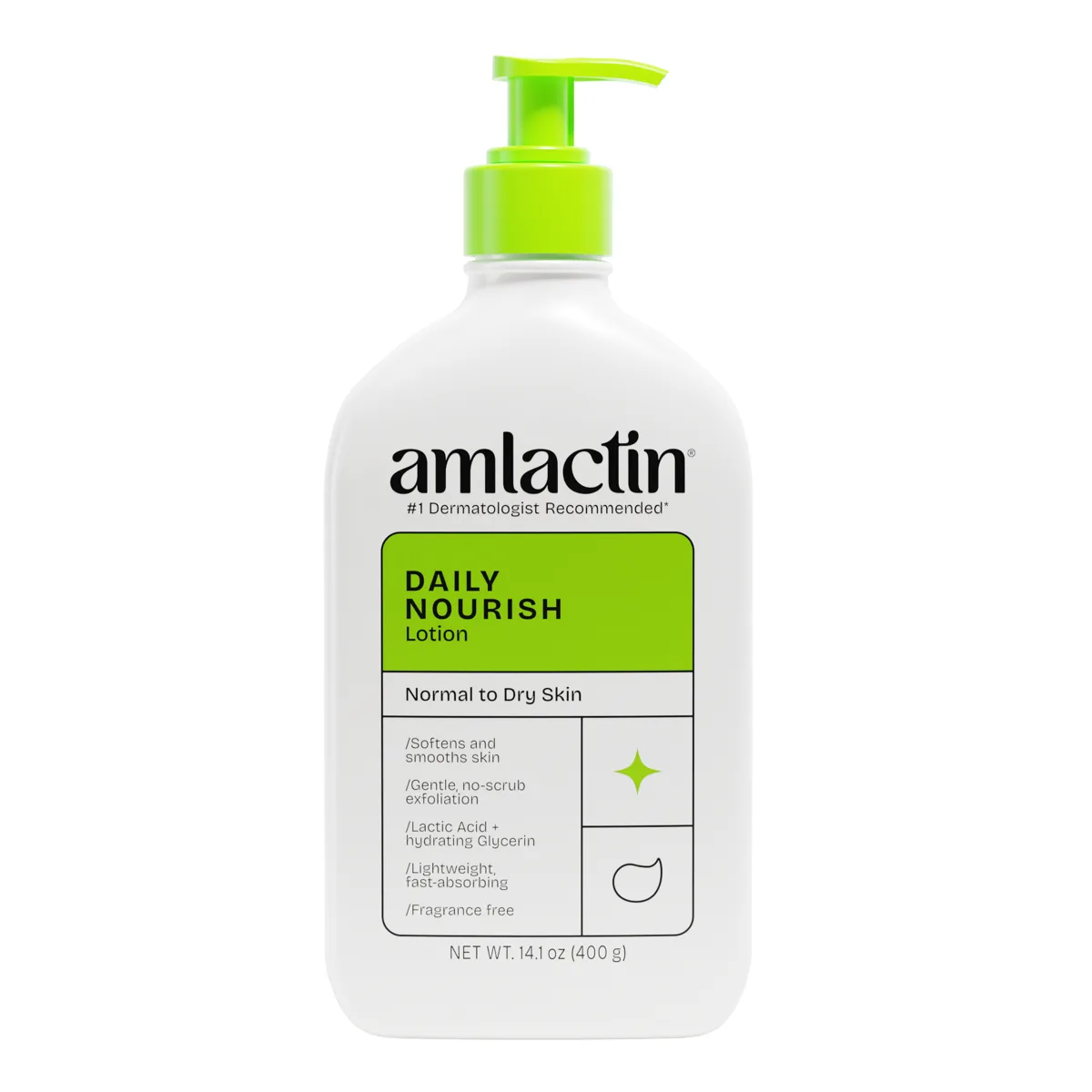
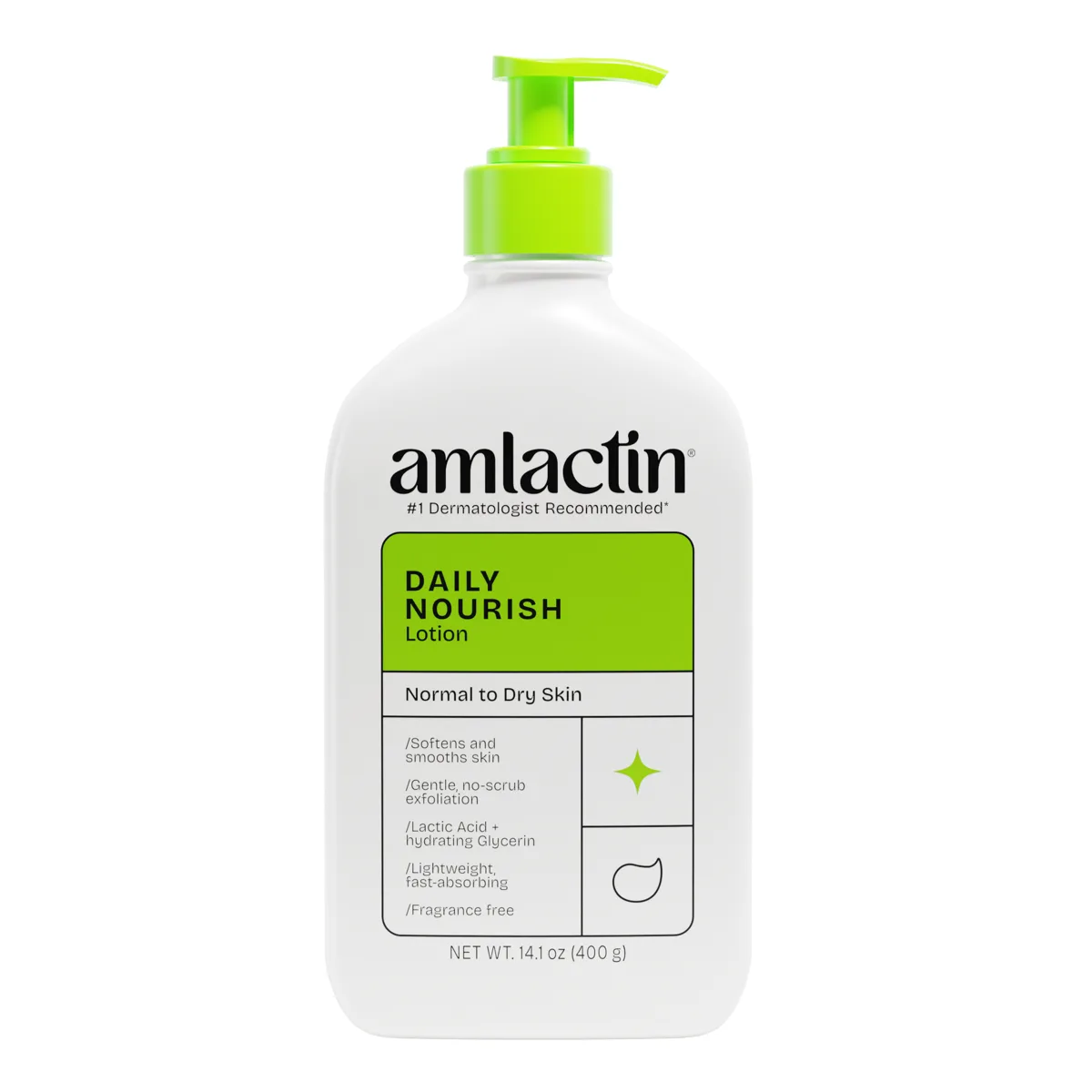
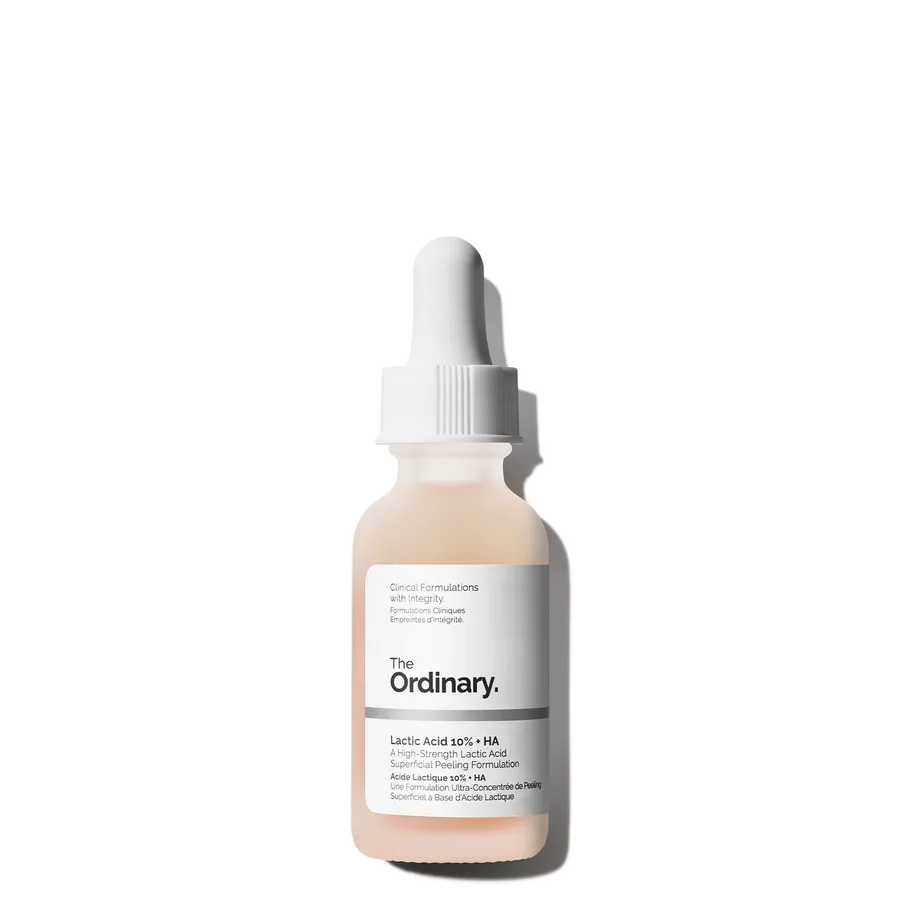
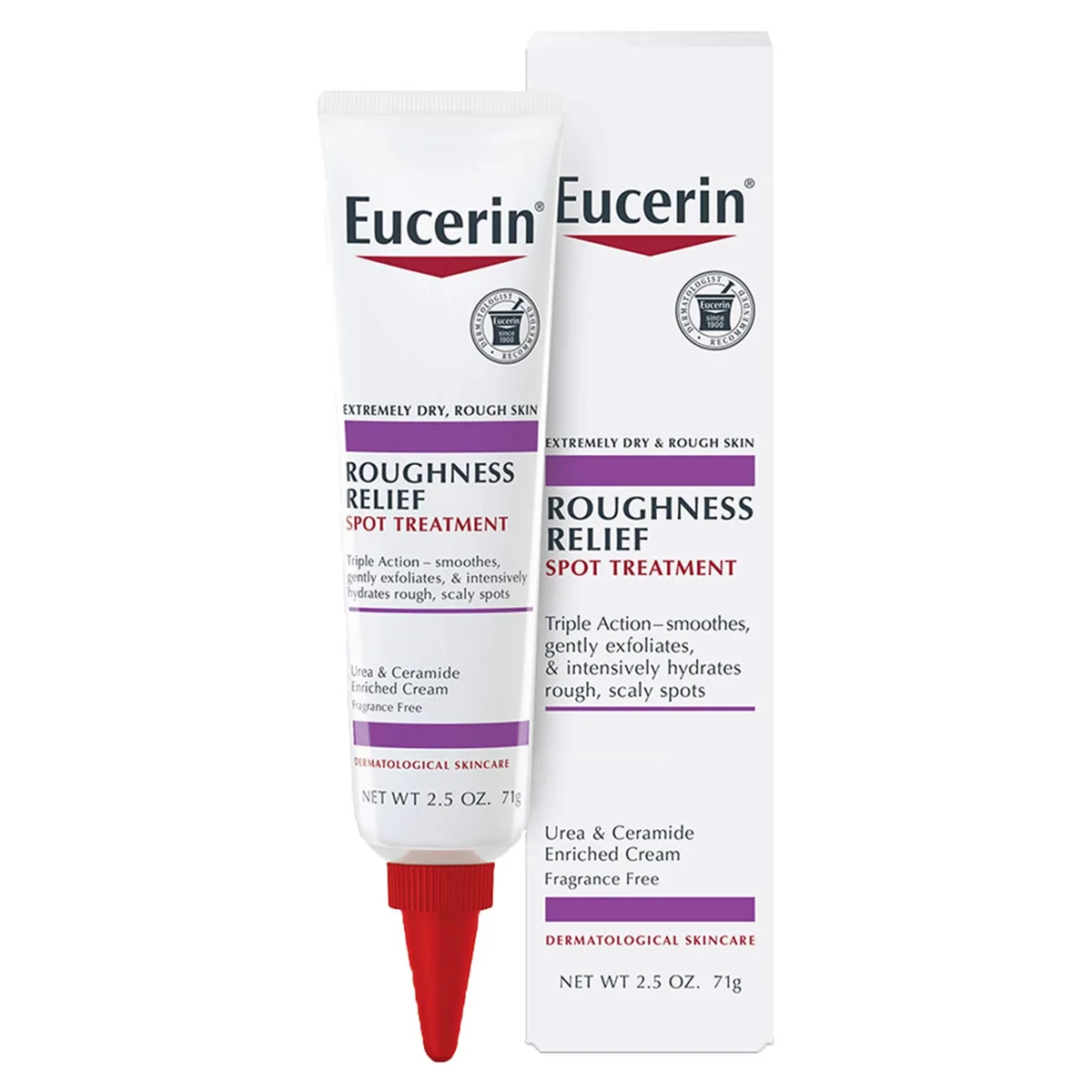
Lactic acid does that too, but it's also a natural moisturizing factor, one of the humectant compounds your skin already makes to hold onto water. So as it clears the dull, dry buildup that makes flaky skin look ashy, it simultaneously draws moisture in. Its molecule is larger than glycolic acid's, so it penetrates more slowly and gently — less sting, less risk of overdoing it on already-compromised skin. The formulas that shine for dryness pair lactic acid with barrier support: The Ordinary's Lactic Acid 5% + HA ($8) and Minimalist's gentle 5% serum ($6) add hyaluronic acid, while AmLactin's ceramide lotion ($17) and Eucerin's urea-and-lactic Roughness Relief ($15) target the rough, dry patches on the body and the bumps of keratosis pilaris. What to look for is a moderate lactic concentration (5–12% for the face) backed by ceramides, glycerin, or urea — not a stripped-down acid that exfoliates without replenishing. The honest caveat: even gentle, an AHA increases sun sensitivity, so daytime SPF is non-negotiable, and start two or three nights a week rather than nightly. At $6 to $78, the drugstore options here are the genuine standouts — this is no place to overspend.
Buying Guide
Look for lactic acid in a formula that also replenishes, since the whole point for dry skin is exfoliating without stripping — hyaluronic acid, glycerin, ceramides, cholesterol, and urea are the partners that keep skin hydrated as the acid works. Concentration guides intensity: around 5% is ideal for beginners and the face, 8–12% steps it up for resilient or very flaky skin, and the higher-percentage body lotions (like AmLactin's 15%) tackle rough patches and keratosis pilaris on limbs. Lactic acid's larger molecule makes it gentler and slower-penetrating than glycolic, which is part of why it suits dry, easily-irritated skin. Decide between a leave-on serum or lotion (steady, hydrating exfoliation) versus a rinse-off, and avoid pairing it with other strong acids or retinoids on the same night when you're starting out. Daily sunscreen is mandatory, since AHAs raise UV sensitivity. Begin a few nights a week and build up. On price, effectiveness is firmly in budget territory — $6–$22 options outperform most premium lactic acid products.
Frequently Asked Questions
Is lactic acid good for dry skin?
Yes — lactic acid is one of the best exfoliating acids for dry skin because it's also a natural moisturizing factor, so it hydrates as it removes dry, flaky buildup. Its larger molecule penetrates more gently than glycolic acid, making it less likely to leave dry or sensitive skin feeling tight and stripped.
What's the difference between lactic acid and glycolic acid?
Both are AHAs that exfoliate the skin's surface, but lactic acid has a larger molecule that penetrates more slowly and gently, and it doubles as a humectant that draws in water. Glycolic acid is smaller, penetrates deeper, and exfoliates more aggressively — so lactic acid is usually the better pick for dry or sensitive skin, while glycolic suits resilient skin chasing stronger results.
How often should I use lactic acid on dry skin?
Start with two or three nights a week and increase only if your skin tolerates it well, since even a gentle AHA can over-exfoliate dry skin if overused. Pair it with a barrier-supporting moisturizer on off nights, and cut back if you notice tightness, redness, or increased flaking.
Can lactic acid help with rough, bumpy skin on my body?
Yes, higher-strength lactic acid body lotions are a go-to for rough patches and keratosis pilaris (the small bumps on arms and thighs), often combined with urea or ceramides for extra smoothing and hydration. Used consistently, they soften the buildup behind the roughness while keeping the skin moisturized.