Lip Care for Dryness: What the Verdicts Say
Updated September 2026 · independently researched, no sponsored placements
Our top 40 picks, ranked from 128 reviewed products — ordered by each product's dryness verdict, then evidence strength.
This category has no job verdict yet: what a lip care product is for cannot be measured from the ingredient list, so this list is ranked on the concern verdicts and tolerability alone — it says what the verdicts say, not which is best.








How to Choose
The best lip balms for dryness are built around occlusion, because lips have almost no oil glands and a barrier a fraction as thick as the rest of your face — they simply can't hold moisture on their own. That anatomical fact explains why lips chap so fast and why a watery, humectant-only balm often makes them worse.
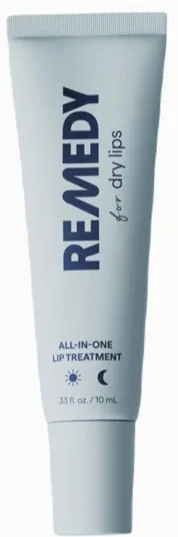
Skin elsewhere can self-lubricate; lips depend almost entirely on what you put on them, so the priority is an occlusive seal — petrolatum, shea butter, lanolin — that physically stops water from evaporating. Aquaphor Lip Repair ($5) and the petrolatum-forward Remedy balm ($16) are the no-nonsense fixers for genuinely cracked lips. The smartest formulas layer in barrier lipids like ceramides and squalane (Torriden's SOLID-IN essence, $14) and a little humectant for hydration, but the humectant needs that occlusive cap or, in dry air, it'll pull water from your lips and leave them tighter. The traps to avoid are the balms that feel active but irritate: menthol, camphor, salicylic acid, and strong flavors create a tingle that dries and inflames, fueling the cycle where you reapply constantly and never heal. Watch for those if your "moisturizing" balm somehow leaves you needing more. The honest note: chronic chapping that won't quit despite a good occlusive balm can signal a deficiency, allergy, or cheilitis worth a doctor's look. At $5 to $60, the cheapest picks here are among the most effective — lip care is no place to overspend.
Buying Guide
Occlusion is the foundation: look for petrolatum, shea butter, lanolin, or beeswax as the workhorses that seal in moisture, since lips can't produce their own oils to do it. Pair that with barrier lipids like ceramides and squalane and a touch of humectant (hyaluronic acid, glycerin) for hydration — but the humectant should sit under an occlusive layer, or it can backfire in dry conditions. Just as important is what to avoid: menthol, camphor, peppermint or citrus flavoring, and exfoliating acids create a tingling sensation that actually irritates and dries lips, driving the constant-reapplication cycle. Texture is a preference — rich ointments heal cracked lips fastest, while lighter balms and tinted options suit daily upkeep. If you wear it outdoors, a balm with SPF adds worthwhile sun protection for an area that burns easily. On price, this is firmly a budget-wins category: a $5 Aquaphor or $11–$16 ceramide balm outperforms most luxury lip treatments, which mostly charge for packaging and peptides.
Frequently Asked Questions
Why do my lips stay dry no matter how much balm I use?
Often the balm itself is the problem — formulas with menthol, camphor, or strong flavors create a soothing tingle but irritate and dry the lips, so you reapply endlessly without healing. Switching to a plain occlusive balm with petrolatum or shea butter usually breaks the cycle; if dryness persists, it's worth ruling out an allergy, deficiency, or cheilitis with a doctor.
What's the best ingredient for severely chapped lips?
Petrolatum is the gold standard for cracked lips because it forms an occlusive seal that locks in moisture and lets the skin underneath heal, which is why ointment-style balms work so fast. Layering it over a ceramide or humectant balm gives you both repair and a protective cap, especially overnight.
Can lip balm actually make dryness worse?
Yes — humectant-heavy balms without an occlusive seal can draw water out of your lips in dry air, and balms with menthol, camphor, or flavoring irritate the thin lip skin. The fix is choosing an occlusive, fragrance- and flavor-free balm so each application protects rather than provokes.
Should my lip balm have SPF?
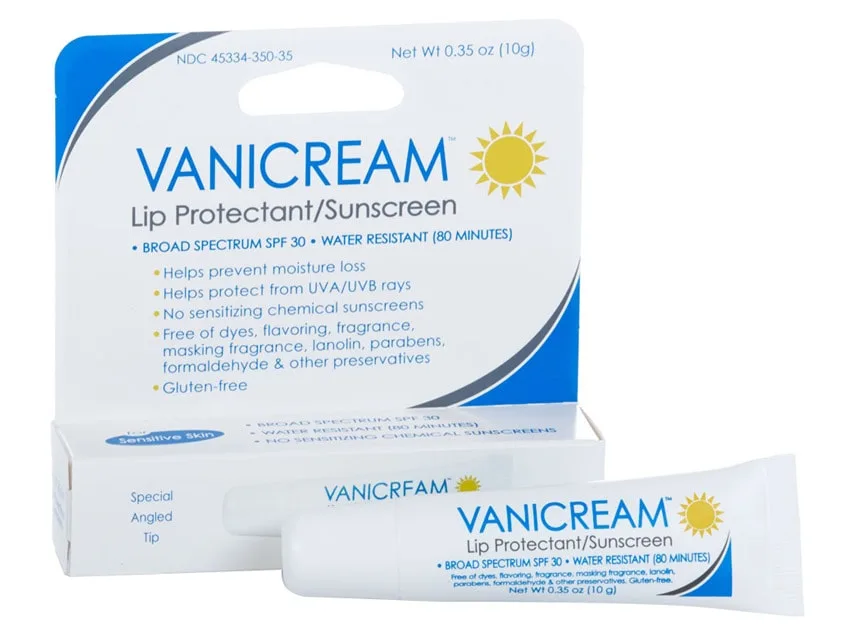
If you spend time outdoors, yes — lips have minimal natural protection and burn easily, and sun exposure is a common cause of chronic chapping and damage. A daytime balm with broad-spectrum SPF guards against that, though for overnight repair a rich occlusive balm without SPF is fine.