Best Moisturizers for Dryness
Updated September 2026 · independently researched, no sponsored placements
Our top 40 picks, ranked from 1088 reviewed products — ordered by each product's dryness verdict, then evidence strength.


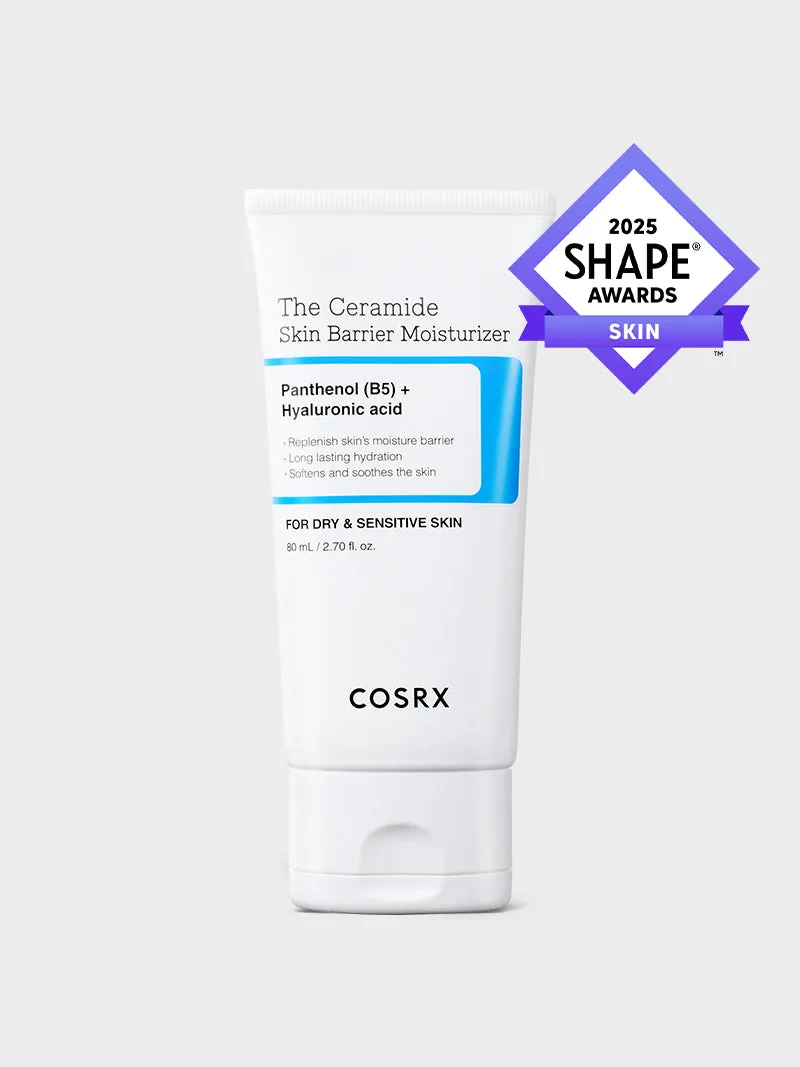

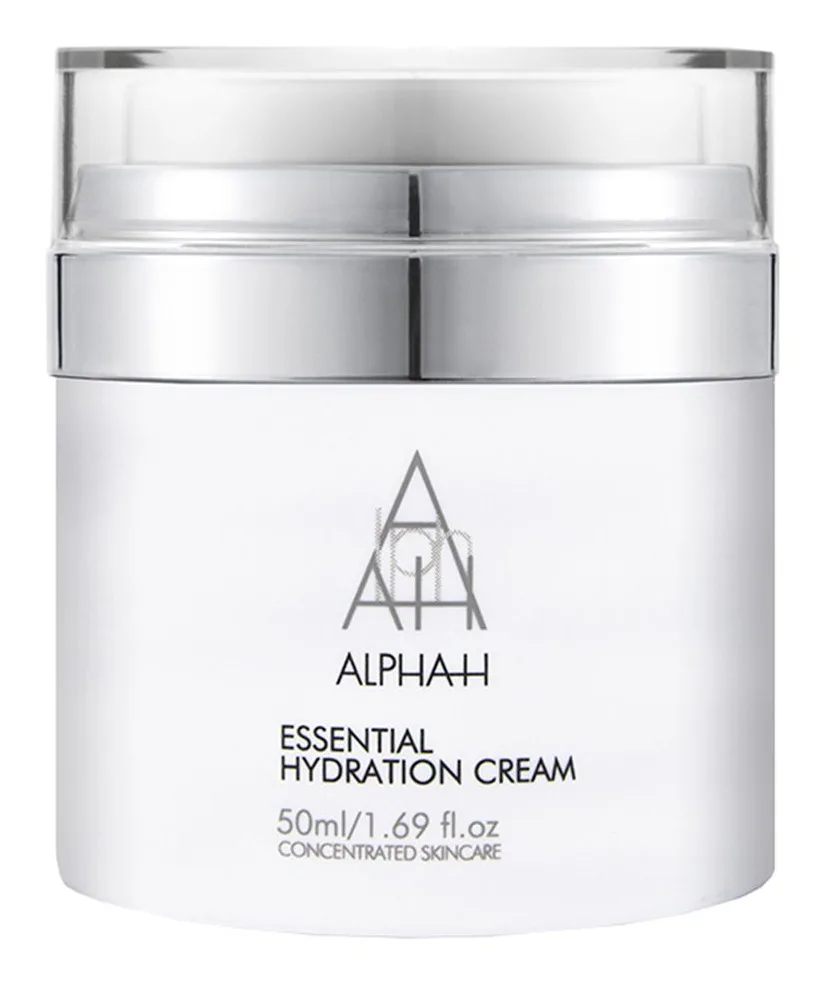



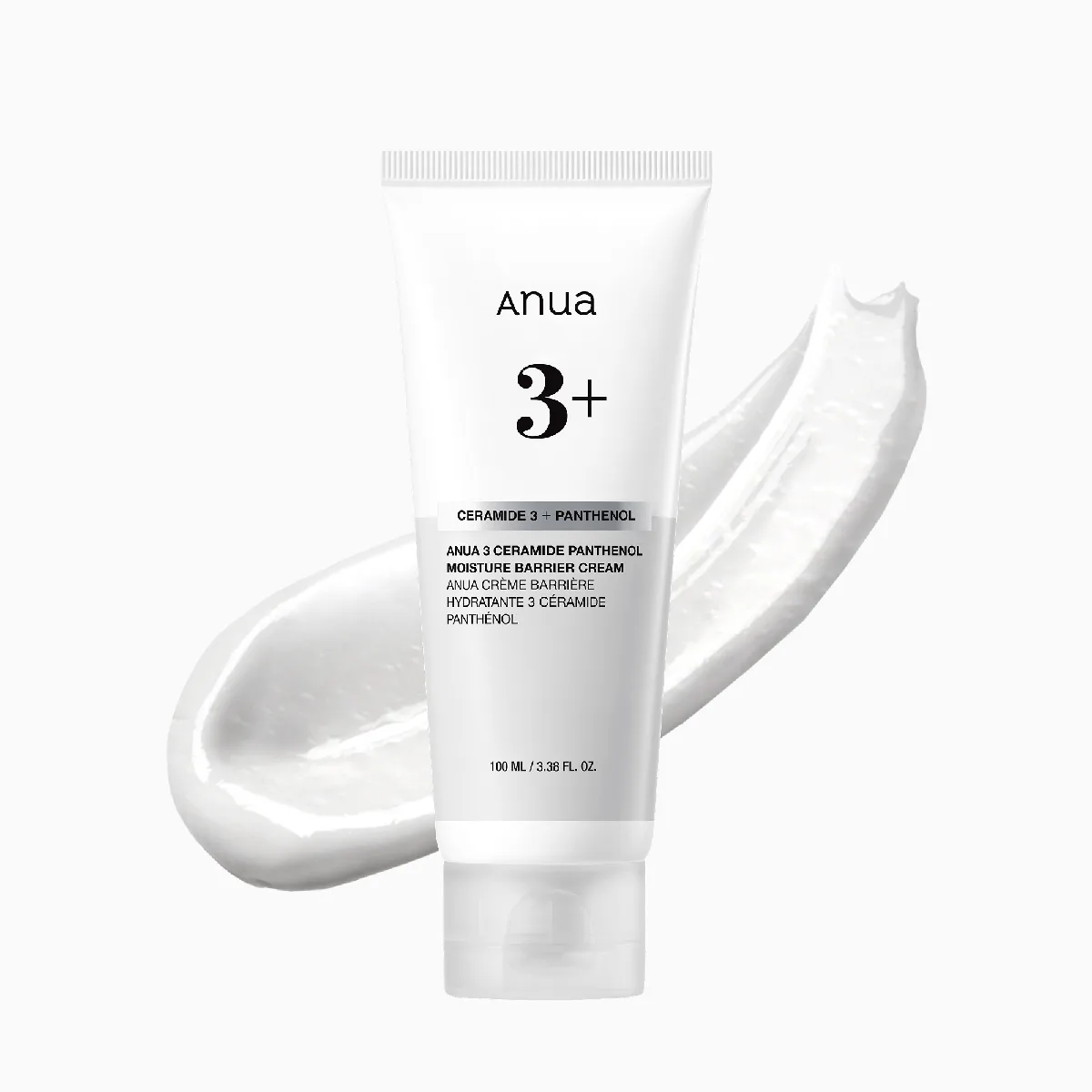




How to Choose
The best moisturizers for dryness are judged by what they leave behind — a sealing layer of barrier lipids and occlusives that stops water escaping — not by how rich they feel in the jar. Dryness is fundamentally a leak: a barrier short on ceramides, cholesterol, and fatty acids lets moisture evaporate faster than the skin can replace it, which is why flaking, tightness, and that papery look persist no matter how much water you drink.
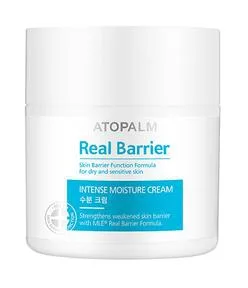
Fixing it means giving the barrier back its raw materials and capping the leak. Look for a moisturizer that combines all three: barrier lipids (ceramides plus cholesterol, ideally near a 3:1:1 ratio), humectants (hyaluronic acid, glycerin) to pull water in, and an occlusive (petrolatum, squalane, dimethicone) to lock it down. This is the formula CeraVe Moisturizing Cream ($19) made famous, and the one Versed Daily Recovery ($20) and the $12 Revolution Ceramides cream replicate for less. For stubborn, weather-beaten dryness, a true barrier-repair cream like Atopalm MLE ($32) builds the lipids into a multilamellar structure that mimics your own. The trap is a "hydrating" gel that's mostly water and humectant with nothing to seal it — it feels nice for an hour, then the dryness returns. The honest caveat: severe dryness is a layering job, not a one-product fix. Apply to slightly damp skin, and for cracked winter patches, seal with a thin occlusive on top — the cream does the repair, the seal buys it time to work.
Buying Guide
Shop for the trio that actually treats dryness: lipids, humectants, and occlusion. The lipids are the part most "moisturizers" skimp on — look for ceramides paired with cholesterol and fatty acids, since the barrier needs all three to rebuild, not ceramides alone. Humectants like hyaluronic acid and glycerin draw water in, and an occlusive such as petrolatum, squalane, or dimethicone is what keeps it from evaporating; a formula missing the occlusive step will underperform on genuinely dry skin. Match the texture to severity — a lotion for mild dryness, a rich cream for moderate, and an ointment-like balm or a thin occlusive layer on top for cracked, flaking patches. Fragrance and essential oils are worth avoiding, since dry, compromised skin reacts more easily. Application matters as much as the product: press it into damp skin to trap surface water. Price is firmly on your side here, roughly $5–$110, but the ceiling is irrelevant — the highest-scoring options are pharmacy creams under $25, so reserve any splurge for a specific texture or a clinical barrier-repair formula, not for better results.
Frequently Asked Questions
What ingredients should a moisturizer for dry skin have?
Three categories working together: barrier lipids (ceramides, cholesterol, fatty acids) to rebuild the skin's structure, humectants (hyaluronic acid, glycerin) to draw in water, and occlusives (petrolatum, squalane, dimethicone) to seal it in. A moisturizer that includes all three, like CeraVe Moisturizing Cream, treats dryness far better than one relying on humectants alone. Avoid fragrance if your dry skin is also reactive.
How often should I apply moisturizer if my skin is very dry?
At least twice daily — morning and night — and reapply whenever skin feels tight, especially after washing your face or hands. The most effective timing is right after cleansing or showering while skin is still damp, which traps surface water under the cream. For severe dryness, an extra occlusive layer at night helps the repair ingredients work overnight.
Why does my skin stay dry even when I moisturize a lot?
Usually the moisturizer lacks the sealing and lipid-repair elements, so it hydrates briefly but doesn't fix the leaky barrier underneath — a watery "hydrating" gel is a common culprit. Other causes include over-cleansing with harsh products, hot water, and applying cream to fully dry skin. Switch to a ceramide-rich barrier cream with an occlusive, apply to damp skin, and gentle-cleanse to stop stripping what you're trying to replace.
What is slugging and does it help dry skin?
Slugging means applying a thin layer of an occlusive like petrolatum over your moisturizer at night to seal in everything underneath. It can genuinely help very dry, flaky, or cracked skin by drastically slowing water loss while you sleep. It's best reserved for dry skin rather than oily or acne-prone skin, since the heavy occlusion can trap oil and trigger breakouts on the latter.