Oils for Dryness: What the Verdicts Say
Updated September 2026 · independently researched, no sponsored placements
Our top 18 picks, ranked from 93 reviewed products — ordered by each product's dryness verdict, then evidence strength.
This category has no job verdict yet: what a oil product is for cannot be measured from the ingredient list, so this list is ranked on the concern verdicts and tolerability alone — it says what the verdicts say, not which is best.





How to Choose
The best facial oil for dry skin doesn't hydrate it — and understanding that single fact will save you from the most common oil disappointment. An oil contains no water, so it can't quench dehydration on its own; what it does brilliantly is seal.
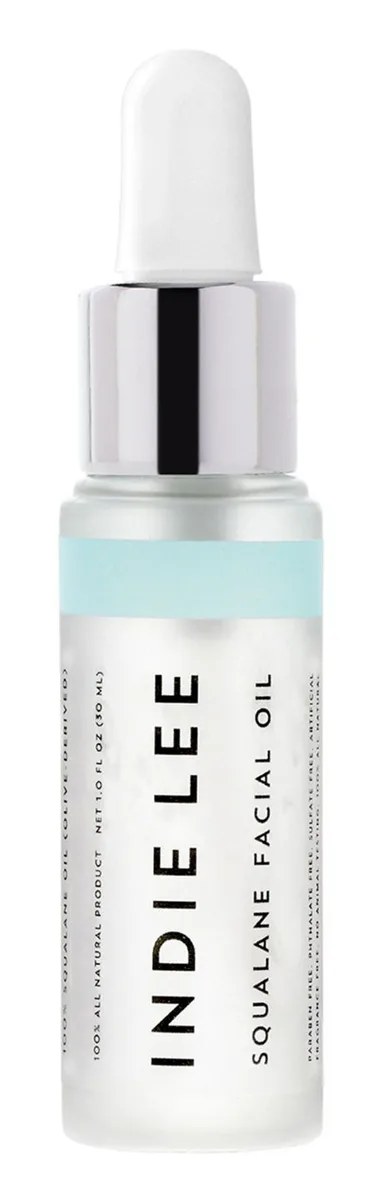
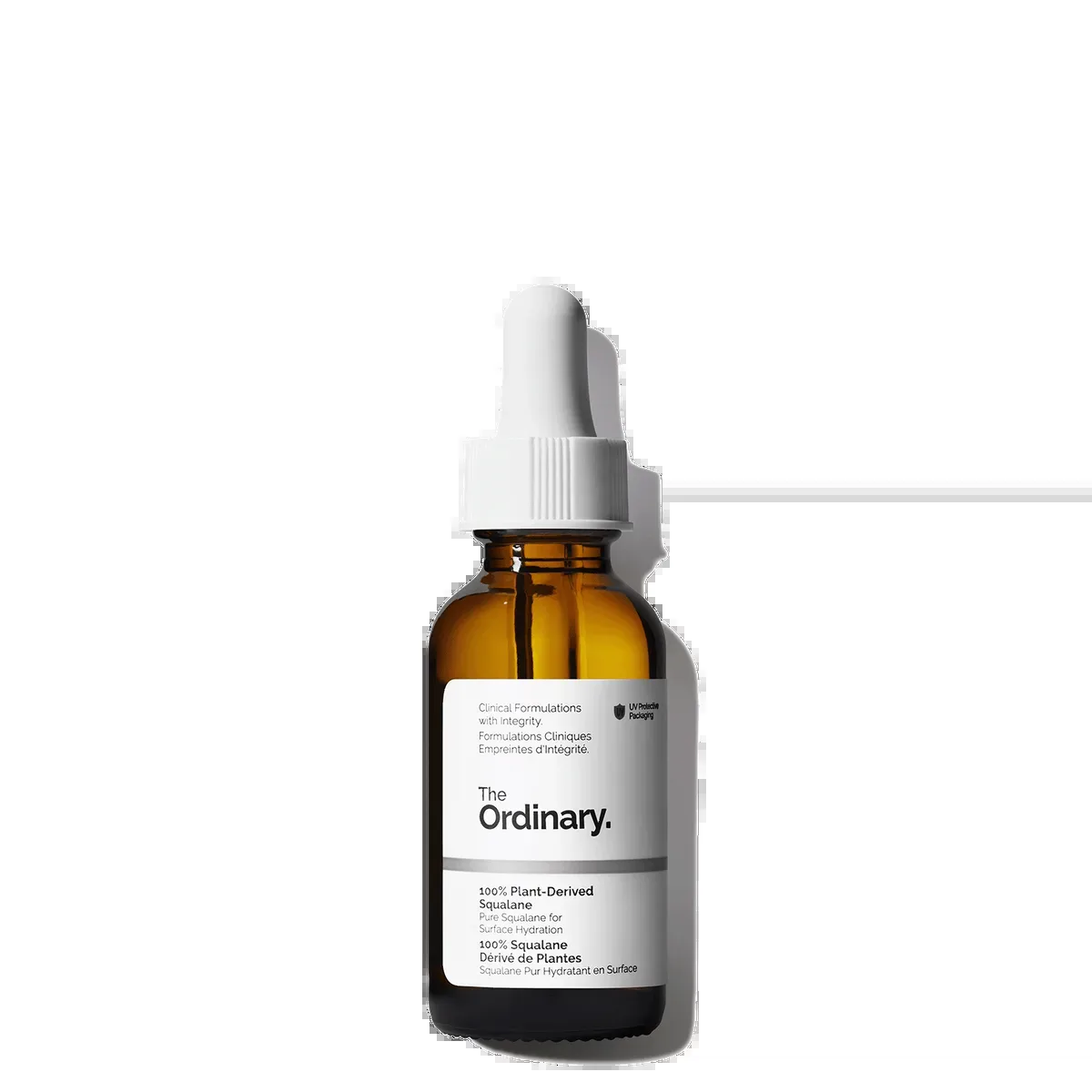
Oils are occlusives and emollients that lay down over the skin, smoothing rough surface cells and slowing the evaporation that leaves dry skin tight and flaky. That's why an oil's payoff comes from how you use it: applied as the last step over a damp, water-based layer, it traps that moisture in. Applied to bone-dry skin alone, it just sits there feeling nice and doing surprisingly little. The other thing that separates oils is their fatty-acid makeup. Squalane is the lightest and most universally tolerated — The Ordinary's $10 bottle is a genuine staple — while rosehip oil brings linoleic acid and natural vitamin A that suits drier, sun-stressed skin (Heritage Store's $14 version is a steal). Argan sits in the middle as an all-purpose emollient. Notice the price spread: $10 squalane and $35 squalane are the same molecule, so heritage branding like HABA's is paying for provenance, not performance. The honest caveat: if your skin is dry and also acne-prone, be selective — heavier oils high in oleic acid can feel suffocating, whereas squalane and linoleic-rich oils are far less likely to clog. Use an oil to lock in hydration, not replace it, and a $10 bottle will outlast the season.
Buying Guide
Decide what role the oil plays: it's a sealing, smoothing final step, not a substitute for a humectant serum or moisturizer, so plan to layer it over damp or already-hydrated skin. Pick the oil by its fatty-acid profile — squalane is the lightest, most universally tolerated and non-comedogenic choice; rosehip is linoleic-rich with natural retinoids for drier, sun-stressed skin; argan is a versatile mid-weight emollient. If you want barrier repair as well as occlusion, a blended oil with added ceramides (Byoma's Recovery Oil) does double duty. Watch comedogenicity if you're breakout-prone: lean toward squalane and linoleic oils over heavy oleic ones. On price, single-ingredient oils are commodities — $10–$18 buys the same actives as the $35–$160 tier, where you're paying for sourcing story and packaging. Store cold-pressed oils away from light and heat so they don't oxidize.
Frequently Asked Questions
Will a face oil hydrate dry skin on its own?
No — oils contain no water, so they can't add hydration the way a humectant serum or moisturizer does. What an oil does is seal in moisture and smooth the skin's surface, which is why it works best applied as the final step over damp skin or a water-based product. Used alone on dry, dehydrated skin, an oil mostly just sits on top without resolving the underlying water deficit.
Which face oil is best for very dry skin?
It depends on your skin's tolerance: squalane is the lightest and most universally suitable, rosehip oil adds linoleic acid and natural vitamin A for drier, sun-damaged skin, and argan is a balanced all-rounder. For barrier support alongside sealing, a blend with ceramides works well. The key is layering whichever you choose over hydrated skin so it has moisture to lock in.
Can I use a face oil if my skin is dry but also breaks out?
Yes, but choose carefully — lighter, less comedogenic oils like squalane and linoleic-rich rosehip are far less likely to clog pores than heavy, oleic-rich oils. Apply a few drops as the last step rather than slathering it on, and skip oils if you notice congestion. Squalane in particular is widely tolerated by combination and acne-prone skin.
Is an expensive face oil better than a cheap one?
Usually not for single-ingredient oils — pure squalane, rosehip, or argan is largely a commodity, so a $10–$14 bottle delivers the same fatty acids as one costing several times more. The premium typically reflects sourcing provenance, organic certification, and packaging rather than a more effective oil. Freshness and proper storage away from light matter more than price.