Best Hyaluronic Acid for Dryness
Updated September 2026 · independently researched, no sponsored placements
Our top 40 picks, ranked from 1285 reviewed products — ordered by each product's dryness verdict, then evidence strength.










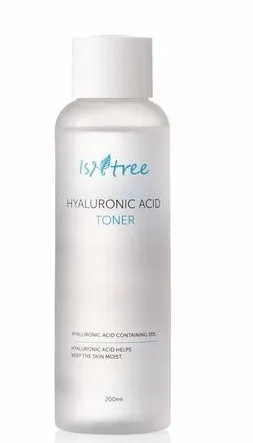
How to Choose
The best hyaluronic acid for dry skin is the kind that comes packaged with ceramides and occlusives, because on its own, hyaluronic acid is the wrong tool for dryness — and understanding why saves you from a frustrating cycle of "hydrating" products that never quite work. Dry skin lacks oil, not just water.
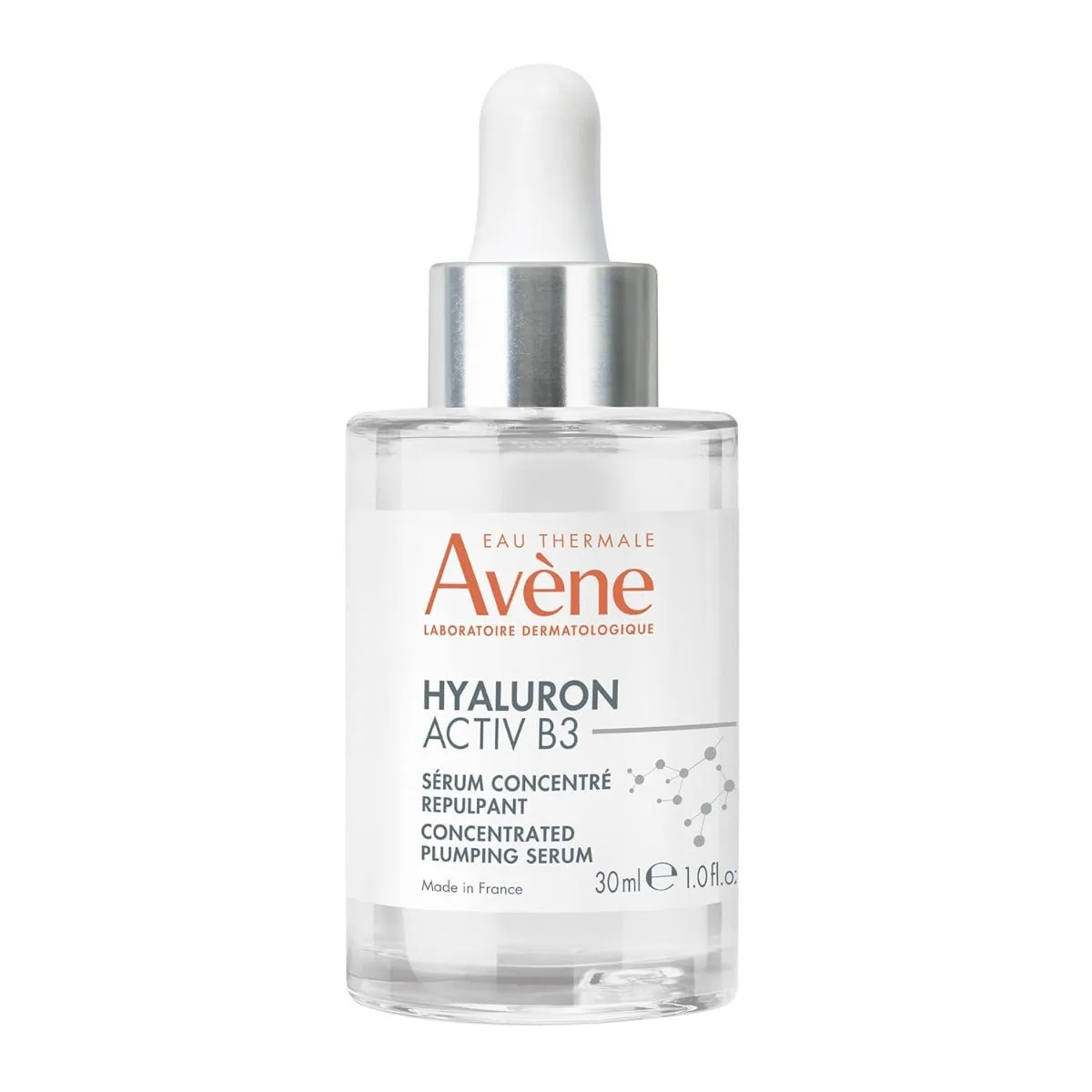
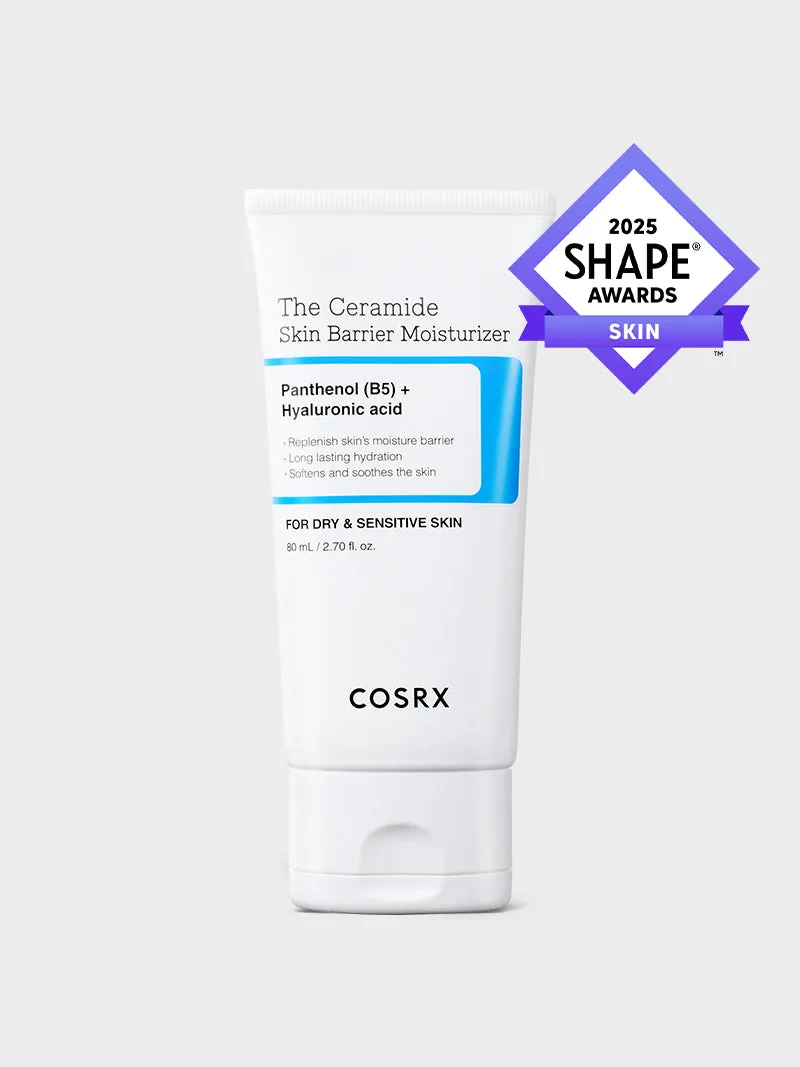
It underproduces the ceramides, cholesterol, and fatty acids that hold the barrier together, so a thin HA serum draws in water that promptly escapes through a leaky barrier. HA still has a role — it's a fine humectant — but for genuine dryness it has to ride inside a lipid-rich vehicle that replenishes the missing oils and seals everything in. That's exactly why the top performers here aren't HA serums at all but barrier creams that happen to include hyaluronic acid: Vanicream Enhanced Moisturizer ($18) with its five ceramides, CeraVe Moisturizing Cream ($19) with ceramides plus petrolatum, the COSRX Skin Barrier cream ($25), and the $12 Revolution Ceramides cream for budget shoppers. Look for HA listed alongside ceramides, cholesterol, squalane, and an occlusive like petrolatum or dimethicone. The trap is buying a standalone HA serum or a watery "hydrating" gel and expecting it to fix flaky, tight, genuinely dry skin — it can't seal what it can't replace. The honest caveat: HA is a supporting player for dryness, not the hero. Layer it under or within a true barrier cream, apply to damp skin, and let the lipids do the actual repair.
Buying Guide
Reframe the search: for dryness you're really shopping for a barrier cream that includes hyaluronic acid, not an HA product per se. The non-negotiables are the lipids dry skin is missing — ceramides, cholesterol, and fatty acids, ideally in a balanced ratio — plus an occlusive (petrolatum, dimethicone, squalane, shea) to stop water loss, with HA and glycerin as the humectant layer underneath. A thin HA serum alone won't cut it; if you love a particular HA serum, treat it as a step you press into damp skin and then seal with a rich cream on top. Texture should skew richer than you'd choose for merely dehydrated skin — creams and ointment-like balms over gels, especially in winter. Watch for fragrance and essential oils, which dry, compromised skin tolerates poorly. Price is reassuringly low: pharmacy heroes like Vanicream and CeraVe sit under $20 and outscore far pricier options, so spend more only for a specific texture or sensitive-skin formulation, not for the promise of better hydration.
Frequently Asked Questions
Is hyaluronic acid enough on its own for very dry skin?
No — hyaluronic acid is a humectant that attracts water, but dry skin's core problem is a shortage of oils and barrier lipids, which HA doesn't replace. Used alone, especially in dry air, it can even pull moisture from deeper layers and leave skin tighter. For real dryness, choose an HA product that's built into a ceramide-rich barrier cream, or layer HA under a richer occlusive moisturizer.
Should I use a hyaluronic acid serum or a hyaluronic acid cream for dry skin?
A cream is the better default for dryness, because it combines HA with the ceramides, cholesterol, and occlusives that seal water in and rebuild the barrier. A serum can work, but only if you follow it immediately with a rich moisturizer on damp skin. Standalone HA serums are better suited to dehydrated-but-not-dry skin than to chronic dryness.
What should I pair hyaluronic acid with for dry skin?
Pair it with barrier lipids and an occlusive: ceramides and cholesterol to replenish what dry skin lacks, plus petrolatum, squalane, or dimethicone to lock hydration in. Glycerin is a useful second humectant. Creams like CeraVe Moisturizing Cream or Vanicream Enhanced Moisturizer bundle HA with all of these, which is why they outperform a lone HA serum on dry skin.
Why doesn't my hyaluronic acid serum stop my skin from feeling dry?
Because a humectant without a seal can't hold water on a leaky, lipid-deficient barrier — the moisture it attracts evaporates, sometimes leaving skin tighter than before. The fix is to apply HA to damp skin and immediately layer a ceramide-rich occlusive cream on top, or switch to a moisturizer that already contains both. The HA isn't failing; it just needs the lipids and seal that dry skin requires.