Body Moisturizers for Keratosis Pilaris: What the Verdicts Say
Updated September 2026 · independently researched, no sponsored placements
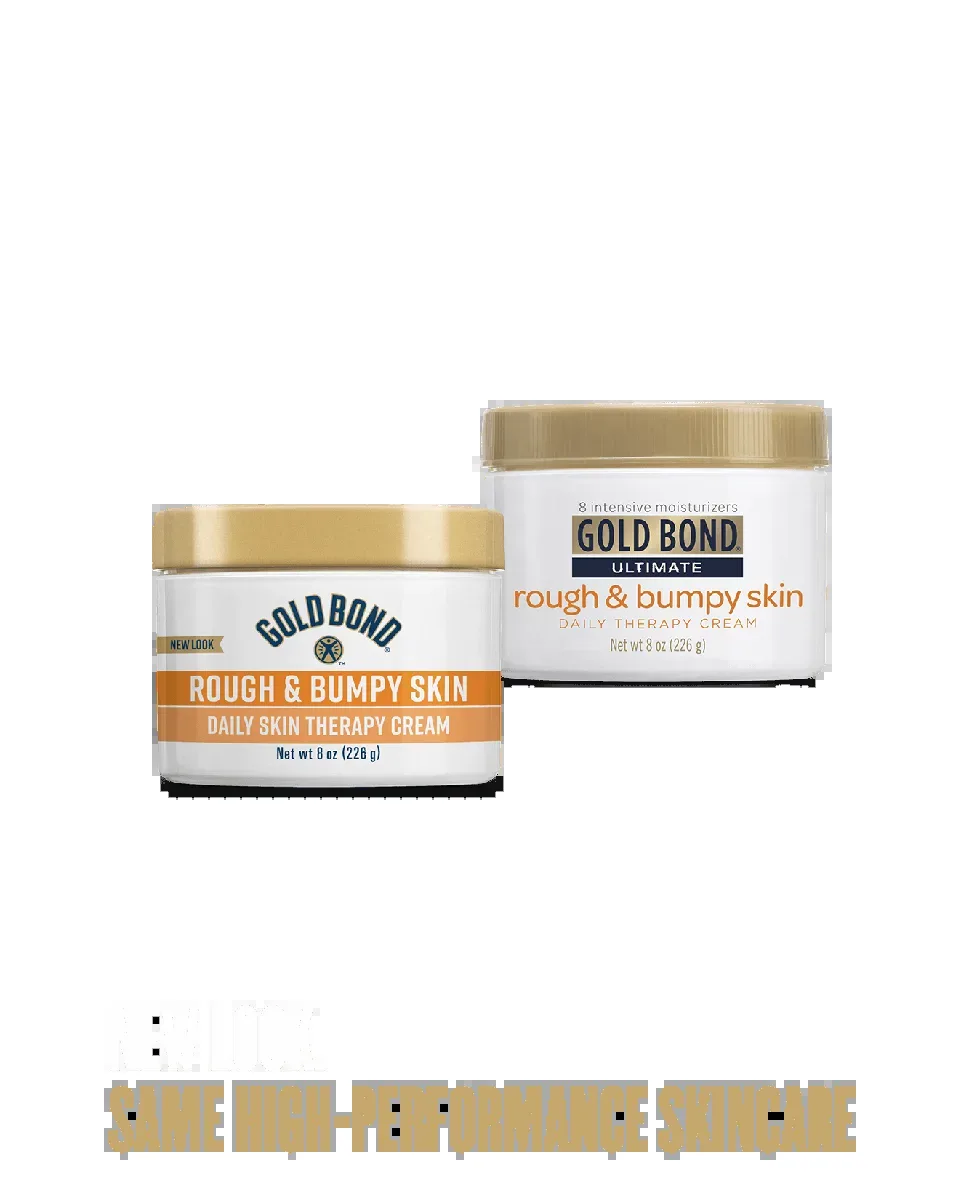
Our top 29 picks, ranked from 89 reviewed products — ordered by each product's keratosis pilaris verdict, then evidence strength.
This category has no job verdict yet: what a body care product is for cannot be measured from the ingredient list, so this list is ranked on the concern verdicts and tolerability alone — it says what the verdicts say, not which is best.









How to Choose
The best body moisturizers for keratosis pilaris work by dissolving the problem rather than scrubbing at it — and that distinction is why so many people fight "chicken skin" for years without progress. KP is caused by keratin, a protein that builds up and plugs hair follicles, creating those rough little bumps on upper arms, thighs, and cheeks.
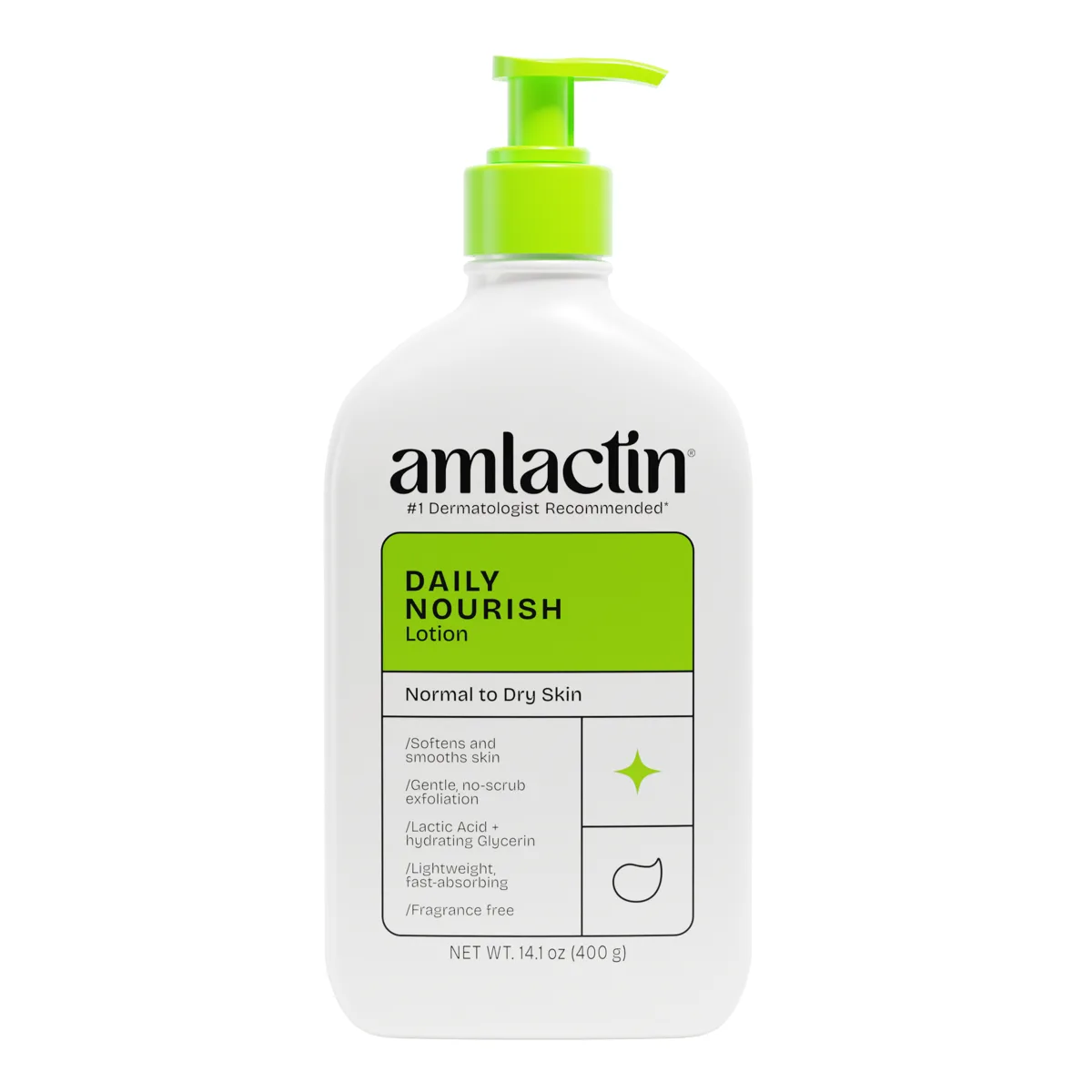
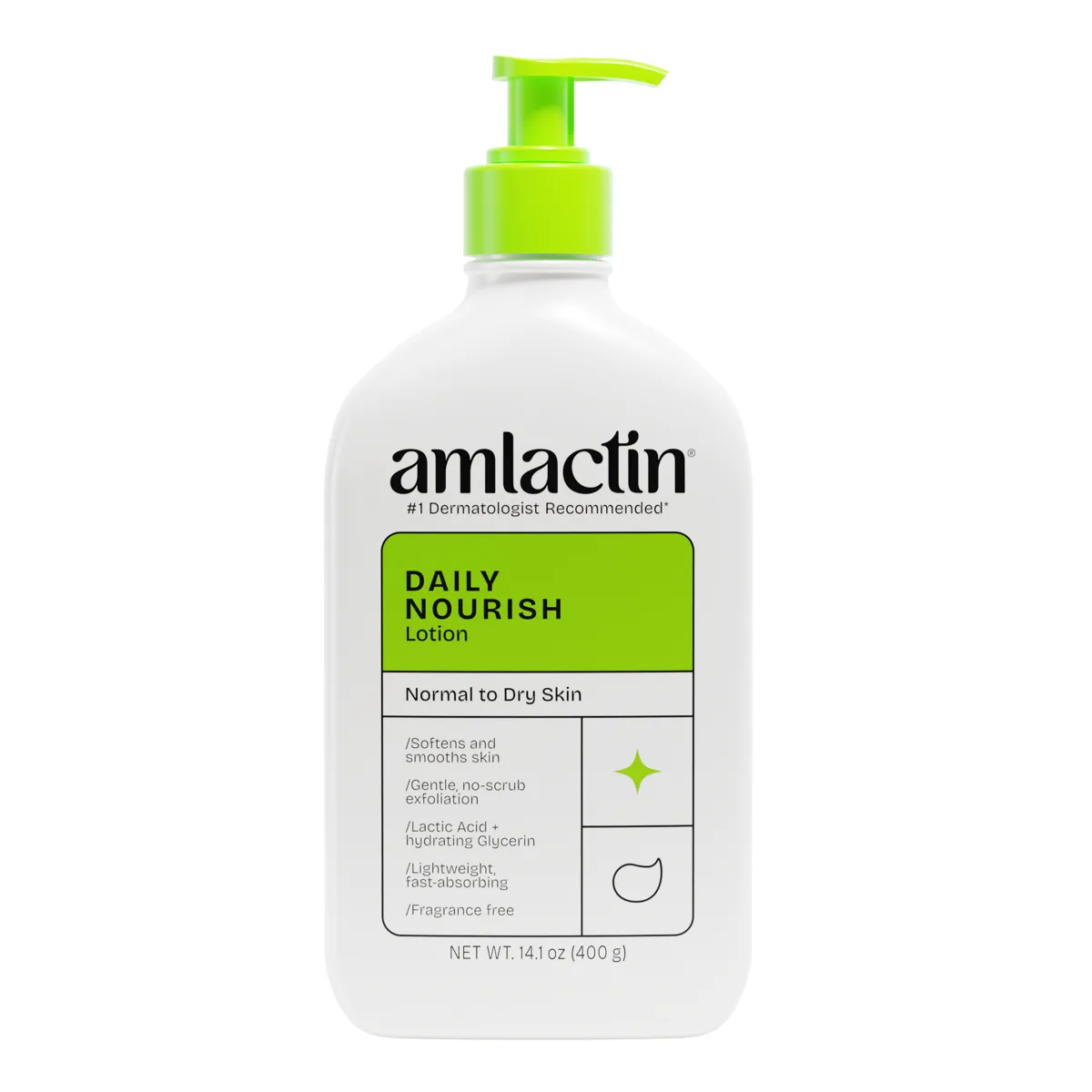
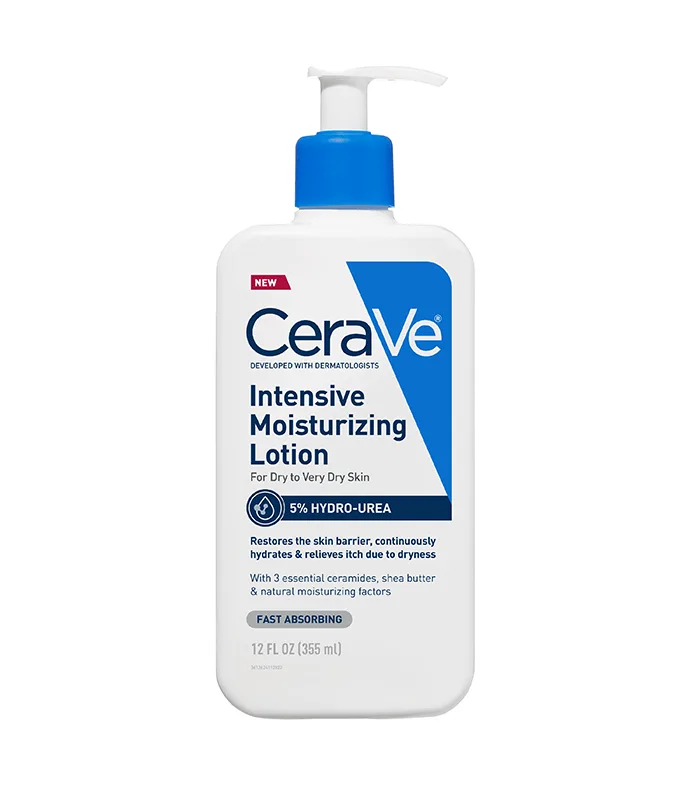
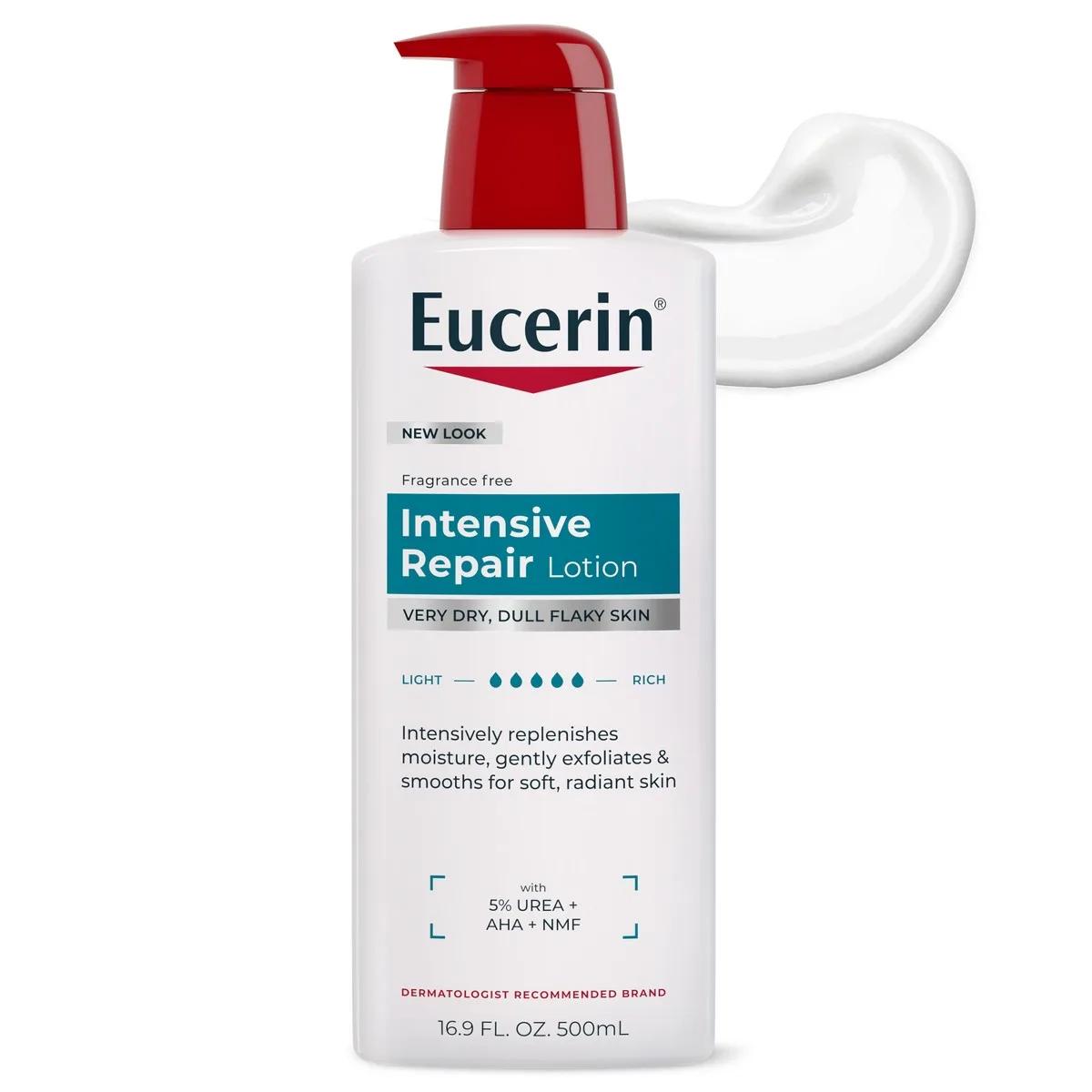
It's completely harmless and very common, but it won't respond to a loofah; scrubbing the bumps just inflames the skin around them and can leave dark marks. What actually smooths KP is chemical exfoliation paired with serious moisture. The exfoliating heroes are humectant acids that also break down keratin: urea (which both hydrates and gently dissolves the plugs), lactic acid (an AHA that loosens dead cells), and salicylic acid (which gets into the follicle). The moisturizing half — ceramides, shea butter, glycerin — repairs the dryness that makes KP look and feel worse. This is why CeraVe's SA Smoothing Cream, with salicylic and lactic acids over a ceramide base, is the widely cited gold standard at $22, while Eucerin's urea lotions (from $13) and AmLactin's 12% lactic formula do the same job affordably. The honest caveat: KP is managed, not cured. It's genetic, it often improves with age, and it flares in dry winter months — so the realistic goal is consistent smoothing, not permanent eradication. Apply your acid-plus-emollient lotion daily, especially right after showering on damp skin, and give it several weeks. Patience and consistency beat any single miracle product.
Buying Guide
Look for the two-part formula that actually addresses KP: a keratin-dissolving exfoliating acid plus rich moisture. The most effective acids are urea (hydrates and softens the plugs), lactic acid (an AHA that loosens dead cells), and salicylic acid (penetrates the follicle) — CeraVe SA, Eucerin Roughness Relief, and AmLactin all build around these. Pair that with barrier moisturizers — ceramides, shea butter, glycerin — since the dryness underlying KP makes the bumps rougher. Match the strength to your skin: 10–12% urea or lactic acid for stubborn, thick KP, gentler formulas if your skin stings easily. Avoid physical scrubs and harsh loofahs, which irritate the bumps and can cause post-inflammatory dark spots. Apply daily to damp skin after showering for best absorption. On price, $13–$24 covers the proven options, so frequency and patience matter far more than spending up — results build over weeks of consistent use.
Frequently Asked Questions
What causes keratosis pilaris and can it be cured?
KP is caused by a buildup of keratin that plugs hair follicles, creating rough bumps — it's genetic, harmless, and very common. It can't be permanently cured, but it's very manageable and often improves with age. The realistic goal is smoother skin through consistent exfoliation and moisture, not eradication.
Which ingredients work best for KP bumps?
Chemical exfoliants that break down keratin are the key: urea, lactic acid, and salicylic acid all loosen the plugs and smooth the skin, with urea and lactic acid also hydrating. Pairing them with ceramides and shea butter repairs the dryness that worsens KP. Formulas like CeraVe SA Smoothing Cream combine an exfoliating acid with a moisturizing base for exactly this reason.
Should I scrub keratosis pilaris to get rid of the bumps?
No — physical scrubbing and harsh loofahs irritate the bumps, can cause redness and dark marks, and don't address the keratin plugs underneath. Chemical exfoliation with urea, lactic, or salicylic acid is far more effective and gentler. If you want mild manual help, a soft washcloth is plenty; let the acids do the real work.
How long until a KP moisturizer shows results?
Expect gradual improvement over several weeks of daily use, since the acids need time to clear the keratin buildup and the moisture to repair the surrounding skin. KP also flares in dry, cold months, so consistency through winter matters. Because it's a chronic, genetic condition, maintaining the routine keeps the smoothing results rather than a one-time fix.