Closed Comedones: The Tiny Bumps That Aren't Really 'Acne'
Those flesh-colored forehead bumps ignore your acne spot treatments for a simple reason — there's nothing inflamed to treat.
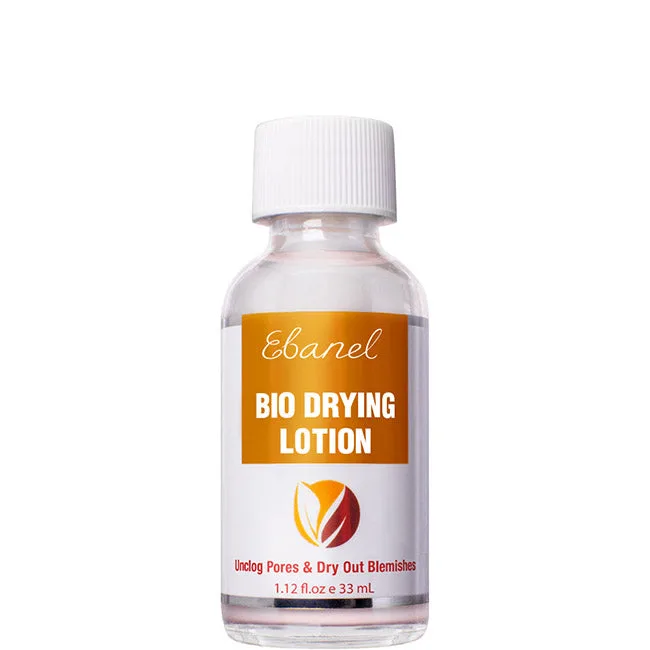
It's a classic pink calamine drying lotion — sulfur, salicylic acid, and calamine you dab onto a whitehead overnight — at a lower price than the famous version it echoes. Its niche is narrow but real: shrinking individual surface pimples by morning, not treating acne broadly.
An affordable, effective take on the classic pink 'drying lotion' spot treatment — sulfur, salicylic acid, and calamine that you dab onto an individual whitehead at night to shrink and dry it by morning. For that narrow job it genuinely works and undercuts the famous version it echoes. But be clear on its limits: it's harsh (denatured alcohol and camphor heavy), strictly for dabbing on individual surface pimples (never all over), useless on cystic acne, and drying to the surrounding skin. A useful, cheap tool for the occasional surface whitehead — nothing more, and nothing you should misuse.
The case for it
Cautions: known irritants.
What would change this: A declared concentration would move this to a firmer reading of the dose.
Same rule for everyone. “Strong choice” is the verdict on 1,459 of 45,024 concern verdicts across the catalog; rule R3 decided 567 of them. Unchanged since September 5, 2026, engine 5.1.1.
Brand or formulator? Disclose a concentration or correct a fact →
The studies behind the evidence row
The case for it
What would change this: A declared concentration would move this to a firmer reading of the dose.
Same rule for everyone. “Strong choice” is the verdict on 1,459 of 45,024 concern verdicts across the catalog; rule R3 decided 567 of them. Unchanged since September 5, 2026, engine 5.1.1.
Brand or formulator? Disclose a concentration or correct a fact →
The studies behind the evidence row
The case for it
What would change this: A declared concentration would move this to a firmer reading of the dose.
Same rule for everyone. “Promising” is the verdict on 7,858 of 45,024 concern verdicts across the catalog; rule R9p decided 7,858 of them. Unchanged since September 5, 2026, engine 5.1.1.
Brand or formulator? Disclose a concentration or correct a fact →
The studies behind the evidence row
A verdict is DermApproved’s assessment of how well a product’s ingredients fit a concern — never a claim about what the product treats. Evidence dots and collected reviews sit beside it and are never blended in. Rules 0.5.1 · evidence table ev-2026.09-r228 · how we decide
Some skincare products are best judged not by how much they do, but by how well they do one small thing, and the drying lotion is the classic example. This is a spot treatment in the most literal sense: a little pink bottle of calamine and drying actives that you dab onto a single pimple overnight to shrink it by morning. It won't treat your acne, improve your skin overall, or do anything for the ninety-nine percent of your face you don't touch it to. Understanding that narrowness isn't a criticism — it's the entire key to using it correctly and being happy with it.
The format is a decades-old one, made famous by a certain iconic pink bottle, and Ebanel's version is a faithful, cheaper take on it. The mechanism is genuinely effective for its purpose. You don't shake the bottle; you let the pink calamine sediment settle, dip a cotton swab down into it, and dab that paste onto a surface whitehead. Overnight, the sulfur draws out oil and dries the blemish, the salicylic acid penetrates the pore to clear debris, the calamine (zinc and iron oxides) absorbs and calms, and the camphor and alcohol accelerate the drying. The result, on a surface pimple with a visible head, is real: it usually looks noticeably smaller, flatter, and drier by morning. For that specific job, it works.
But the two rules that govern a drying lotion aren't optional, and both come down to respecting its narrowness. The first: spot use only, never all over. This is built on denatured alcohol, camphor, sulfur, and salicylic acid — a deliberately harsh, desiccating combination that's fine on a single pimple but genuinely damaging if spread across your face, where it will over-dry, irritate, and disrupt the barrier, potentially making breakouts worse. It is not an acne treatment; it's a pimple treatment, and those are different things. Use a gentle salicylic or benzoyl peroxide product, or a retinoid, for overall acne, and reserve this for individual spots.
The second rule: it's for surface whiteheads, not cystic acne. The drying actives work by desiccating a pimple that's already near the surface. Deep, painful cystic or nodular pimples sit far below with nothing to dry out, so a drying lotion barely touches them and just irritates the skin on top. Reaching for it on a cyst wastes the product and can inflame already-angry skin. For those, a hydrocolloid patch (on surface ones) or, for persistent deep acne, a dermatologist is the right call.
Within those limits, the practical notes are simple. It's harsh, so keep it strictly on the blemish, follow the rest of your routine with a moisturizer, and don't use it on open, broken, dry, or sensitive skin. It's oil-free and, thanks to the sulfur, fungal-acne compatible. Used sparingly as a spot treatment, its actives are generally considered low-risk in pregnancy, though the camphor is something some prefer to avoid — check with your doctor. And a bottle lasts a very long time, since a single pimple needs only a dab.
There's a broader lesson about matching product to problem that the drying lotion teaches unusually clearly, because its narrowness is so explicit. A lot of skincare frustration comes from using the right ingredient for the wrong situation — a gentle hydrator on a raging pimple, or a harsh spot treatment on an inflamed cyst — and then concluding the product 'doesn't work.' The drying lotion works beautifully in its lane and fails completely outside it, with almost no middle ground, which makes it a good tutor. It rewards you for asking the right question first: what kind of blemish is this, and what does it actually need? A surface whitehead with a visible head wants to be dried out and gone by morning; a deep cyst wants to be soothed and left alone, or patched, or treated by a professional; widespread breakouts want a consistent, gentle regimen. Get in the habit of diagnosing before treating, and you'll not only use this little bottle correctly, you'll waste far less money on products aimed at the wrong target. On value, it's a good, cheap pick for what it is. At around $15 for a bottle that lasts many months, it's an affordable alternative to the famous drying lotion it echoes, doing essentially the same job for less. The value is entirely in its narrow competence: if you get the occasional surface whitehead and like the overnight-drying approach, it's a handy, inexpensive tool to keep around. Who should buy it? Oily or combination, non-sensitive skin that gets occasional surface whiteheads and wants a cheap, effective overnight spot treatment — and fans of the drying-lotion format looking to save money. Who should skip it? Dry, sensitive, rosacea-, or eczema-prone skin (too harsh), anyone with primarily cystic acne (it won't help), those wanting an all-over acne treatment (this isn't one), and anyone who'd misuse it by spreading it broadly. Taken honestly — a competent, affordable, appropriately narrow overnight spot treatment for surface whiteheads — it's a useful little bottle, as long as you use it for its one job and don't ask it to be more.
The hero actives that drive this product's performance.
| Ingredient | Function | Evidence |
|---|---|---|
| Sulfur | An antibacterial, oil-absorbing acne active that draws out excess oil and helps dry and heal surface pimples — a traditional, effective spot-treatment ingredient, though it can be drying. | Regulator-approved for Acne · limited certainty |
| Salicylic Acid (BHA) | An oil-soluble beta-hydroxy acid that penetrates the pore to dissolve the debris clogging it — clearing the blemish from within alongside the sulfur's surface action. | Regulator-approved for Acne · emerging certainty |
| Calamine (Zinc Oxide & Iron Oxide) | The pink mineral base that settles at the bottom of the bottle — you dab this sediment onto a pimple; it absorbs oil, calms, and dries the blemish, giving the lotion its signature look and drying action. | Not yet assessed |
| Camphor & Alcohol | Camphor and denatured alcohol give a cooling, fast-drying effect that helps shrink a pimple overnight — but both are strong irritants and the reason this is strictly a spot treatment, never an all-over product. | Not yet assessed |
Ingredient standings describe the active at treatment-level doses and vehicles; this product's own condition grades weigh its actual formula.
Alcohol Denat., Water, Calamine (Zinc Oxide, CI 77491 Iron Oxides), Sulfur, Glycerin, Salicylic Acid, Camphor, Azelaic Acid, Niacinamide, Boswellia Serrata Extract, Titanium Dioxide
treatment
PM
Do NOT shake the bottle. Dip a cotton swab into the pink sediment at the bottom and dab it directly onto an individual whitehead at night, then leave it to dry — never spread it over large areas or use it as an all-over treatment. Rinse off in the morning. Follow with moisturizer, and don't use it on open, broken, or cystic pimples.
A surface whitehead often looks visibly smaller and drier by morning after one overnight application; deeper or cystic pimples respond little.
This is a traditional calamine-based drying-lotion spot treatment, and its actives are well-established for surface pustules. Sulfur is keratolytic and mildly antibacterial, absorbing sebum and promoting desquamation; salicylic acid is a lipophilic BHA that penetrates the follicle to dissolve comedonal debris; calamine (zinc oxide plus iron oxides) is absorbent and mildly soothing, and gives the settled pink sediment that is the functional part of the product. Azelaic acid and niacinamide add antibacterial and anti-inflammatory support. The mechanism is desiccation of a superficial, already-headed pustule, which is why efficacy is confined to surface whiteheads and essentially absent for deep cystic/nodular lesions that lack a surface component. The formulation is deliberately harsh: denatured alcohol (the first ingredient) and camphor provide rapid drying and a cooling effect but are significant irritants, mandating strict spot application — broad use risks irritant contact dermatitis and barrier disruption that can aggravate acne. It is oil-free and, given sulfur's antifungal activity, compatible with Malassezia (fungal) acne. Used sparingly on tiny areas, sulfur and salicylic acid carry minimal systemic exposure and are generally considered acceptable in pregnancy, though camphor is often avoided. Overall, an effective, narrowly-indicated overnight spot treatment whose harshness is appropriate for pinpoint use and inappropriate for anything broader.
Dermatologists would recognize this as a classic calamine drying-lotion spot treatment and endorse its narrow use. Its actives — sulfur (sebum-absorbing, keratolytic, mildly antibacterial), salicylic acid (comedolytic BHA), and calamine — are effective for desiccating superficial whiteheads and pustules overnight, and azelaic acid and niacinamide add anti-inflammatory support. Clinically, two points define appropriate use: it is a pinpoint spot treatment only, since its denatured-alcohol and camphor base is deliberately drying and would cause irritant dermatitis and barrier disruption if applied broadly; and it is effective only on surface lesions, not deep cystic or nodular acne, which require different management (hydrocolloid patches for surface cysts, and dermatologic/prescription care for persistent nodulocystic disease). Patients should apply the settled sediment precisely to individual blemishes with a cotton swab, avoid broken or sensitive skin, and moisturize the surrounding area. It is oil-free and fungal-acne compatible. Sparing spot use carries minimal systemic salicylate exposure and is generally acceptable in pregnancy, though camphor is often avoided and physician confirmation is advised. As a targeted overnight tool for occasional surface whiteheads, it is effective and appropriate; it is not a substitute for a comprehensive acne regimen.
Do not shake the bottle. Let the pink calamine sediment settle, dip a cotton swab straight down into it through the clear liquid, and dab the pink paste directly onto an individual surface whitehead at night. Leave it to dry overnight and rinse in the morning. Use it only on the pimple itself — never spread it over larger areas — and follow the rest of your routine with a moisturizer. Avoid it on open, broken, dry, or sensitive skin and on deep cystic pimples, and keep it strictly as an occasional spot treatment.
At around $15 for a 1.12 oz bottle that lasts many months — since a single pimple needs only a dab — this is genuinely good value for what it is: an affordable, effective overnight spot treatment for surface whiteheads, and a cheaper alternative to the iconic drying lotion it echoes. The value is entirely tied to its narrow competence, so it's a good buy specifically for people who get occasional surface pimples and want a targeted, fast-acting tool to keep on hand. It offers no value as an all-over acne treatment (it's harmful used that way) or for cystic acne (it doesn't work there), so anyone whose needs fall outside 'shrink the occasional whitehead overnight' should spend elsewhere — a proper acne regimen, hydrocolloid patches, or dermatologic care as appropriate. But judged against its actual job, it's inexpensive, long-lasting, and effective, making it a sensible, low-cost addition for the right user rather than a comprehensive solution.
Oily or combination, non-sensitive skin that gets occasional surface whiteheads and wants a cheap, effective overnight spot treatment — and fans of the classic drying-lotion format looking for a lower-priced option. Used precisely on individual pimples, it's a handy, long-lasting tool.
Dry, sensitive, rosacea-, or eczema-prone skin should skip it as too harsh, and anyone with primarily deep or cystic acne won't get results, since it only works on surface pimples. Those wanting an all-over acne treatment should choose a proper regimen instead, and anyone likely to misuse it broadly should avoid it.
A two-layer lotion: clear liquid on top, pink calamine sediment settled below — you use the sediment.
A medicinal camphor-and-sulfur scent.
A 1.12 oz glass bottle (do not shake).
Dabbed onto a whitehead with a cotton swab, the pink paste dries to a matte crust overnight and the pimple usually looks visibly smaller and drier by morning. The camphor gives a cooling tingle and a medicinal scent. Effective on surface pimples but drying — keep it strictly to the blemish, not the skin around it.
A 1.12 oz bottle lasts many months, since only a dab per pimple is used.
All Year
Ebanel made an affordable take on the iconic pink 'drying lotion' spot treatment, a decades-old format that dries out surface pimples overnight with sulfur, calamine, and salicylic acid.
Ebanel is an Amazon-native skincare brand (founded around 2015). This is a classic pink calamine 'drying lotion' spot treatment — the format made famous by Mario Badescu — combining sulfur, salicylic acid, calamine, and camphor to dry out surface whiteheads overnight; it's genuinely effective for that narrow job but harsh (alcohol-heavy) and strictly for dabbing on individual pimples, never all over.
You can use drying lotion all over your face to treat acne.
No — this is strictly a spot treatment, and using it broadly will damage your skin. It's built on denatured alcohol, camphor, sulfur, and salicylic acid, a deliberately drying, harsh combination meant to desiccate a single pimple overnight. Spread over larger areas, it will over-dry, irritate, and disrupt the skin barrier, potentially worsening breakouts. Dab it only onto individual whiteheads with a cotton swab, and use a normal acne treatment (a gentle salicylic or benzoyl peroxide product, or a retinoid) for overall acne management. Spot treatments and acne treatments are different tools.
It works on all types of pimples.
It doesn't — it's for surface whiteheads, and does little for deep or cystic acne. The drying actives work by desiccating a pimple that's already near the surface with visible pus, shrinking it overnight. But deep, painful cystic or nodular pimples sit far below the surface with nothing to 'dry out,' so a drying lotion barely touches them and can just irritate the skin over them. For cystic acne, you need different tools — a dermatologist, prescription treatment, or a pimple patch with hydrocolloid at most. Match the treatment to the pimple type.
Don't shake the bottle — that's key. Let the pink calamine sediment settle at the bottom, dip a cotton swab straight down into it (through the clear liquid, without mixing), and dab the pink paste directly onto an individual whitehead at night. Leave it to dry overnight, then rinse in the morning. Use it only on the pimple itself, never spread over larger areas, and follow the rest of your routine with a moisturizer. It's a targeted overnight spot treatment, not an all-over acne product.
On surface whiteheads, yes — genuinely. The sulfur, salicylic acid, and calamine draw out oil, dissolve pore debris, and dry the blemish, so a surface pimple often looks visibly smaller and drier by morning after one overnight application. Its limits are important, though: it does little for deep, cystic, or nodular acne, which sits too far below the surface to 'dry out,' and it's harsh, so it's strictly for dabbing on individual spots, not treating acne broadly. For what it does — shrinking surface whiteheads overnight — it's effective and affordable.
For the skin around a pimple, yes — which is why it's a spot-only treatment. It's built on denatured alcohol, camphor, sulfur, and salicylic acid, a deliberately drying combination that will over-dry and irritate if spread over larger areas or used on sensitive skin. Applied precisely to a single whitehead, that drying action is the point and is fine; applied broadly, it damages the barrier. Keep it strictly to the blemish, moisturize the rest of your skin, and avoid it on open, broken, or already-dry, irritated skin.
Not effectively. Deep, painful cystic or nodular pimples sit far below the skin's surface with no 'head' to dry out, so a drying lotion barely reaches them and can just irritate the skin on top. It's designed for surface whiteheads with visible pus. For cystic acne, better options include a hydrocolloid pimple patch (for surface ones), and for persistent deep acne, a dermatologist visit and possibly prescription treatment. Using a drying lotion on a cyst wastes the product and risks irritating already-inflamed skin without helping the underlying pimple.
Yes — it's essentially the same classic format (pink calamine, sulfur, salicylic acid, camphor) at a lower price, and works much the same way on surface whiteheads. If you like the drying-lotion approach, it's an affordable option that does the job. The same caveats apply as to any drying lotion: spot use only, harsh and drying, useless on cystic acne, and best followed by moisturizer. It's a competent, cheaper take on a well-known product, so if the format suits your occasional surface pimples, it's a reasonable pick.
As a spot treatment used sparingly, its actives (sulfur, and salicylic acid applied to a tiny area) are generally considered low-risk in pregnancy, so an occasional dab on a pimple is usually regarded as acceptable — but the camphor is something some prefer to avoid, and you should always confirm with your doctor. If you want a pregnancy-safe spot option, sulfur alone or a hydrocolloid patch avoids the camphor and alcohol. Given it's used only on tiny spots, systemic exposure is minimal, but check with your OB to be sure.
Recurring themes our editors read across retailer reviews of this product — summaries in our words, not quotations, and not a substitute for your own patch test.
Dries out whiteheads overnight
Affordable Mario Badescu-style alternative
Works fast on surface pimples
A little goes a long way
Very drying (alcohol, camphor)
Only for spot use, not all over
Useless on cystic acne
Can irritate surrounding skin