Products for Acne
Recommended for Acne
Shop by proven active
Clinical standing — first-line firstTreat
 Editors' No.1
 Epiduo Acne Gel
For roughly fifteen years this exact adapalene-benzoyl peroxide gel lived behind a prescription pad; in May 2026 the FDA cleared it to cross into the drugstore aisle. It's a genuine dual-active acne treatment — retinoid plus antibacterial in one once-daily gel — carrying a Phase 3 record most OTC products can only envy. The trade-off is real retinoid irritation up front; the payoff is clinic-grade efficacy without the prescription.
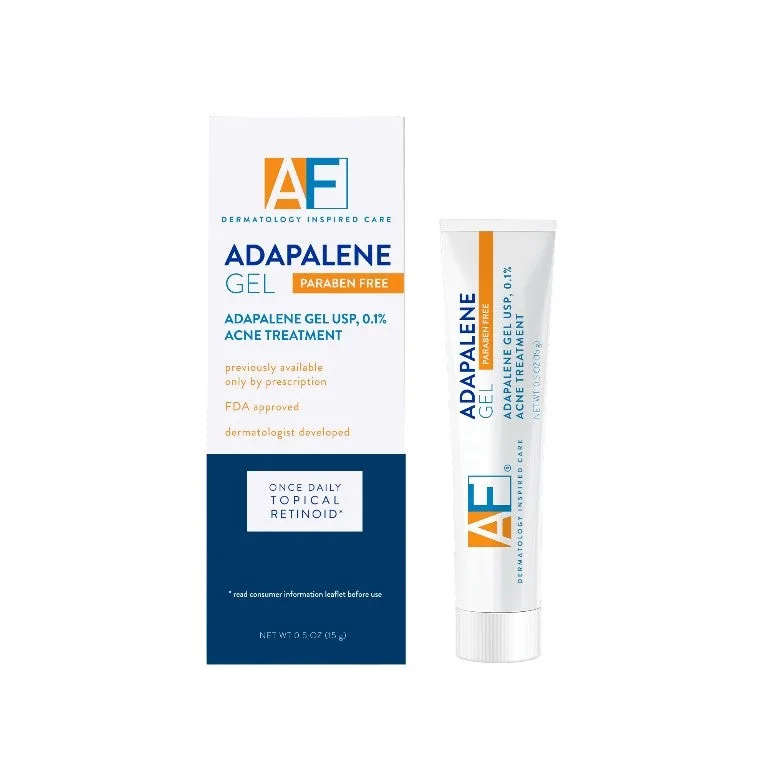 Gold-Standard OTC Retinoid
 Adapalene Gel USP 0.1%
The single most evidence-backed acne active you can buy without a prescription — 0.1% adapalene, the same gold-standard retinoid as Differin — in a clean, fragrance-free, oil-free gel, often at a competitive price. It genuinely prevents and clears acne, smooths texture, and fades marks with consistent nightly use. The only real caveats are universal to retinoids: an adjustment period, mandatory sunscreen, and a firm no during pregnancy.
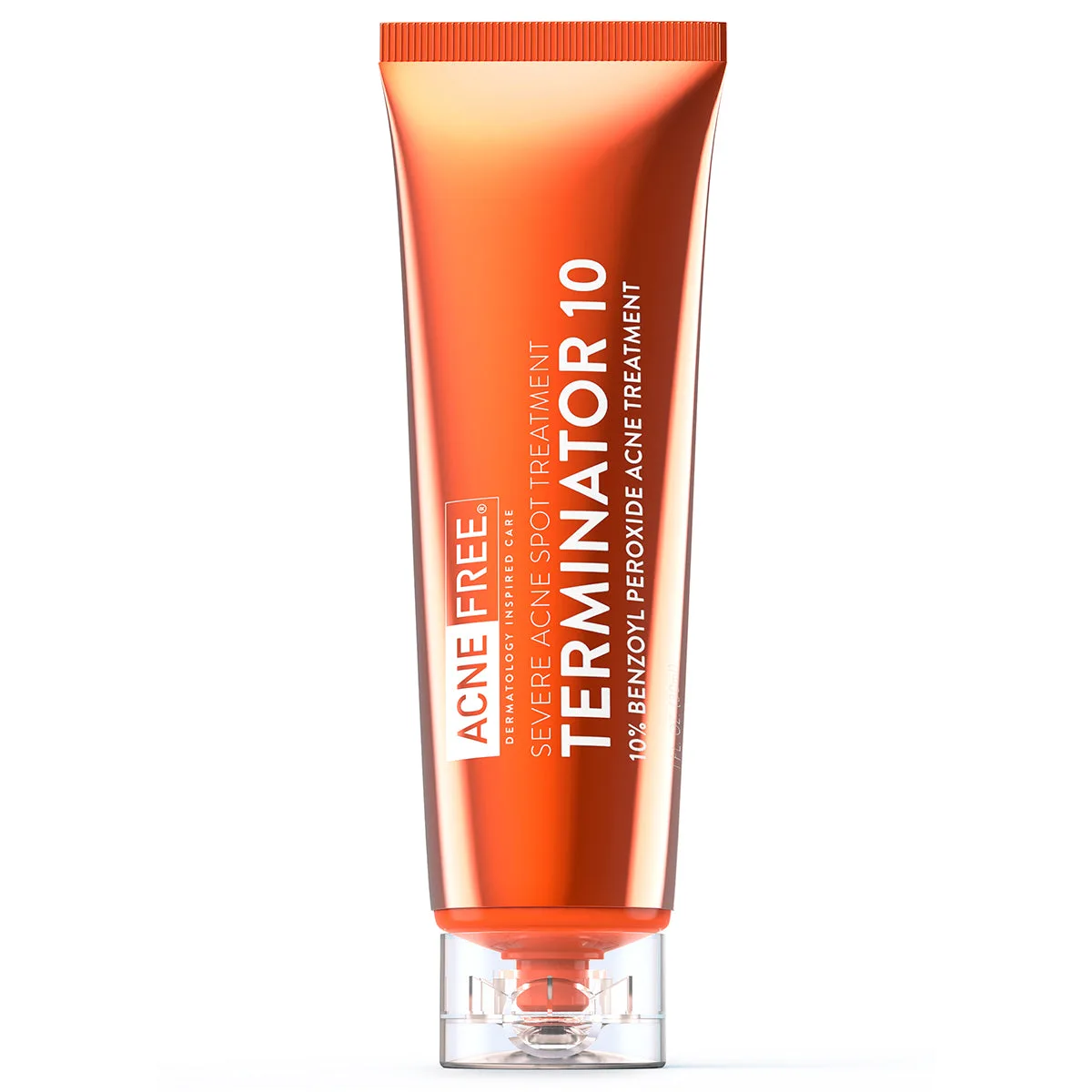 Fast Pimple Zapper
 Terminator 10
A fast, effective, cult-favorite maximum-strength 10% benzoyl peroxide spot treatment, softened with a genuine soothing blend of bisabolol, chamomile, ginger, and sea whip so it zaps individual pimples while calming the spot, fragrance-free, for eight dollars. It's a reliable pimple firefighter — just use it strictly on spots, not all over, and mind that 10% BPO dries skin and bleaches fabric.
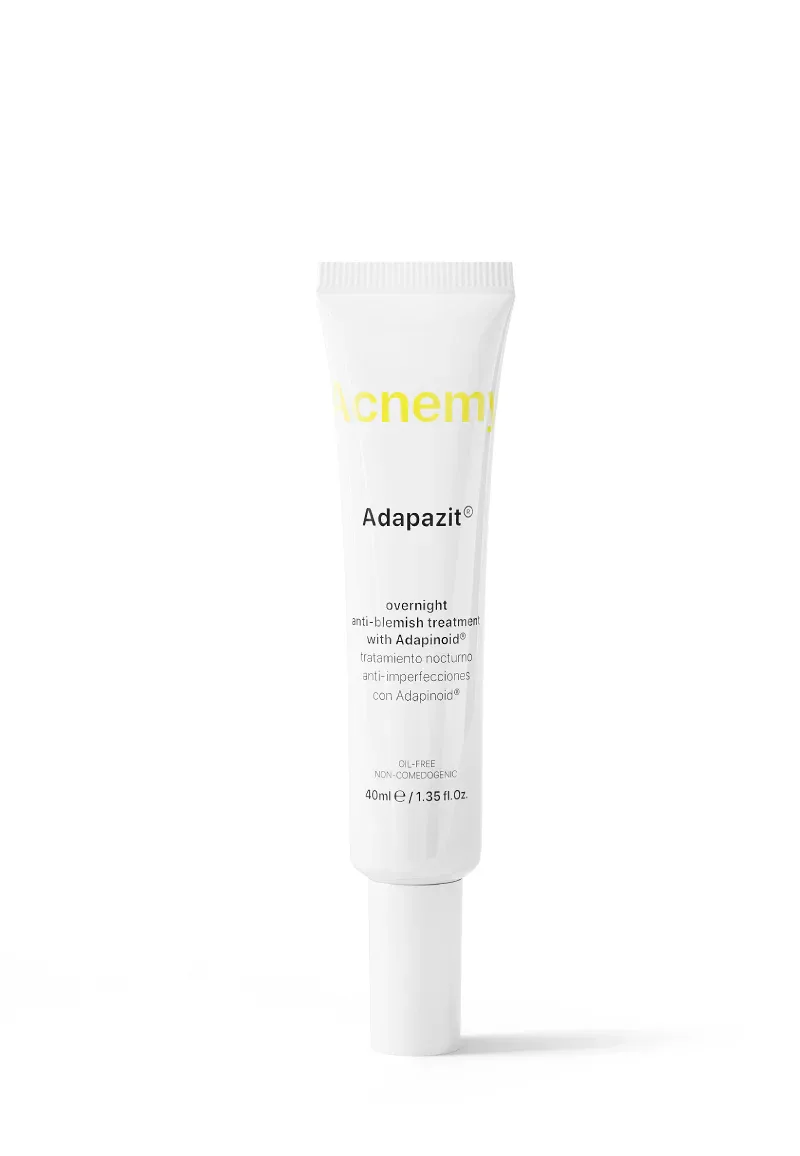 Spanish OTC Adapalene Treatment
 Adapazit Retinoid Night Treatment
Acnemy's Adapazit Retinoid Night Treatment combines 0.1% adapalene (prescription-strength retinoid, OTC since 2016) with meaningful niacinamide plus complete centella triterpene framework plus barrier-support cast. Real OTC retinoid acne treatment at 30-dollar Spanish indie tier pricing.
Cleanse
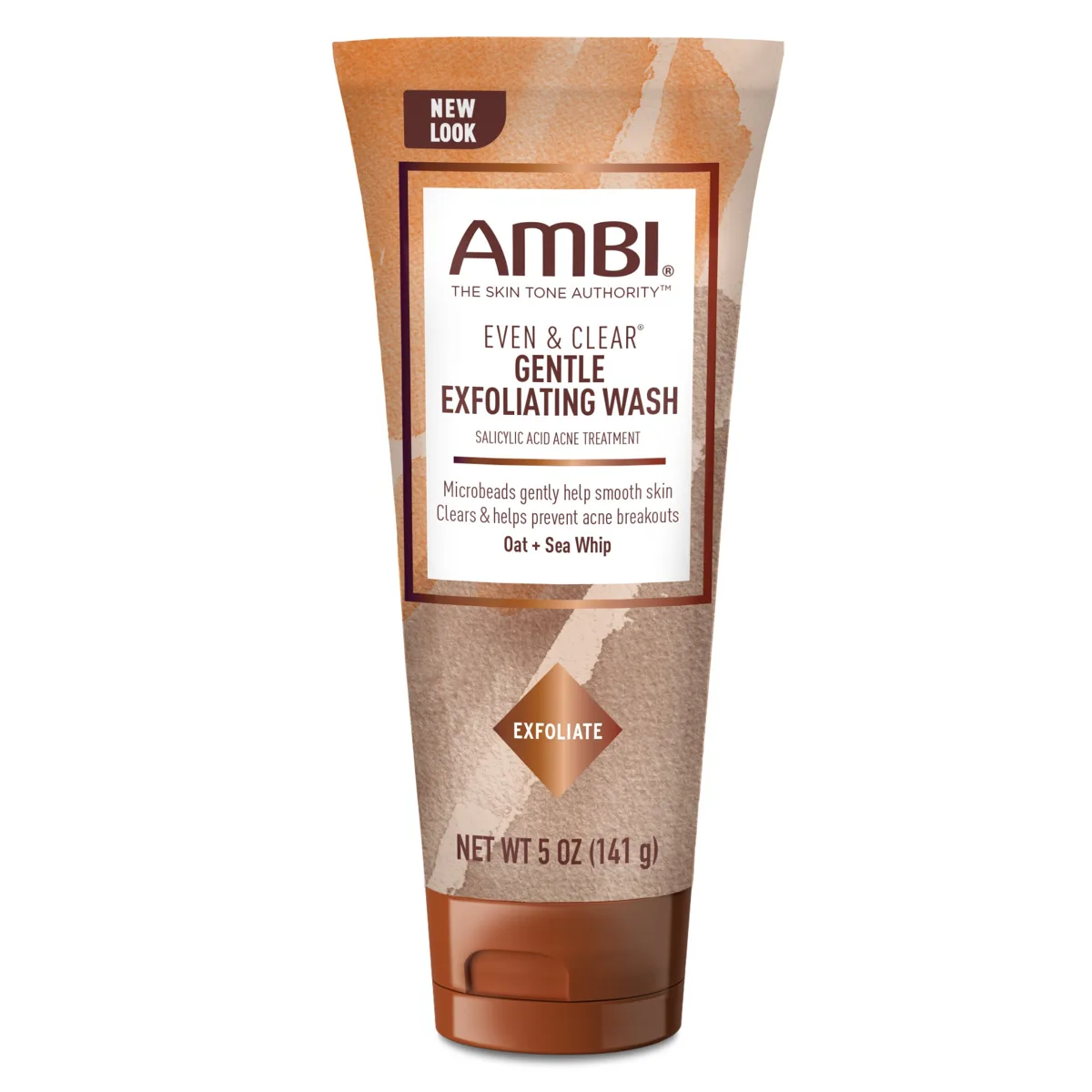 Dual Exfoliating Acne Wash
 Even & Clear Gentle Exfoliating Wash
A capable dual-exfoliating acne wash that pairs 1.5% salicylic acid with smooth jojoba microbeads, soothed by oat and sea whip so the double action stays reasonably gentle. It clears blackheads, smooths texture, and controls oil for around seven dollars — best for oily and combination skin used no more than once daily, and less suited to dry or sensitive skin given the beads and light vanilla scent.
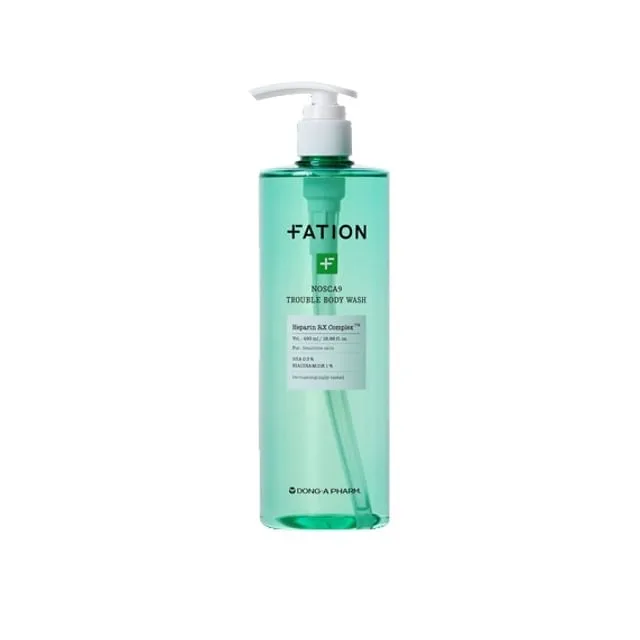 Fragrance-Free Bacne Wash
 Nosca9 Trouble Body Wash
One of the better-built acne body washes around: soap-free, fragrance-free, with 0.5% salicylic acid and 1% niacinamide declared on the bottle and a gentle multi-acid supporting cast. Used the way the brand suggests, with a one-minute pause on breakout areas, it is a genuinely useful daily step for back and chest bumps, though inflamed body acne will still need a leave-on treatment.
 Gentle Dual Exfoliating Scrub
 Scrub So Clean
A dual-action exfoliating wash that combines gentle rice-bran beads with low-dose salicylic acid and a genuinely soothing botanical base. It leaves oily, congestion-prone skin smooth and clean for very little money, but the added fragrance, physical particles, and acne-prone focus make it a poor fit for dry, sensitive, or reactive skin.
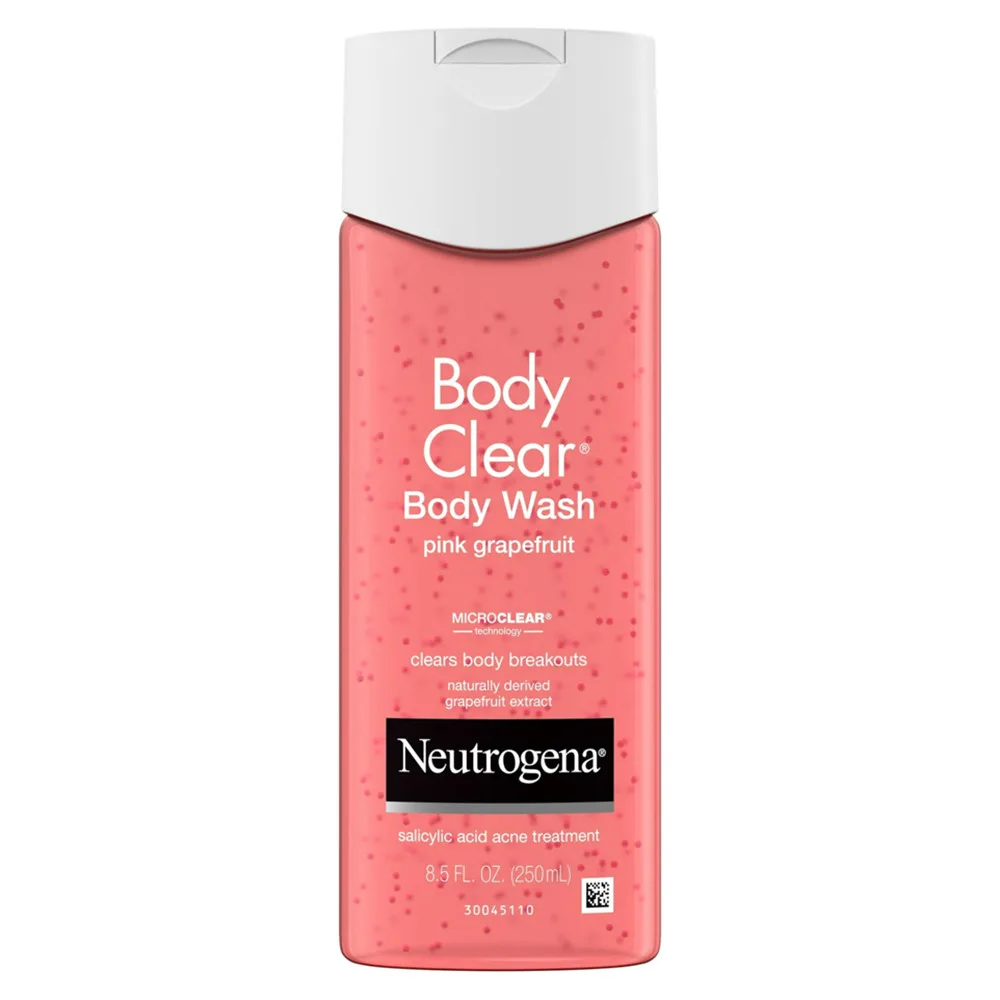 Bacne Buster
 Body Clear Body Wash
A genuinely effective, affordable body-acne wash built around maximum-strength 2% salicylic acid for the back, chest, and shoulders, finished with a signature pink grapefruit scent. It clears bacne with consistent use and rinses clean without grease. The trade-offs are fragrance, grapefruit extract, and added dyes that make it a poor fit for sensitive or very dry skin.
Moisturize
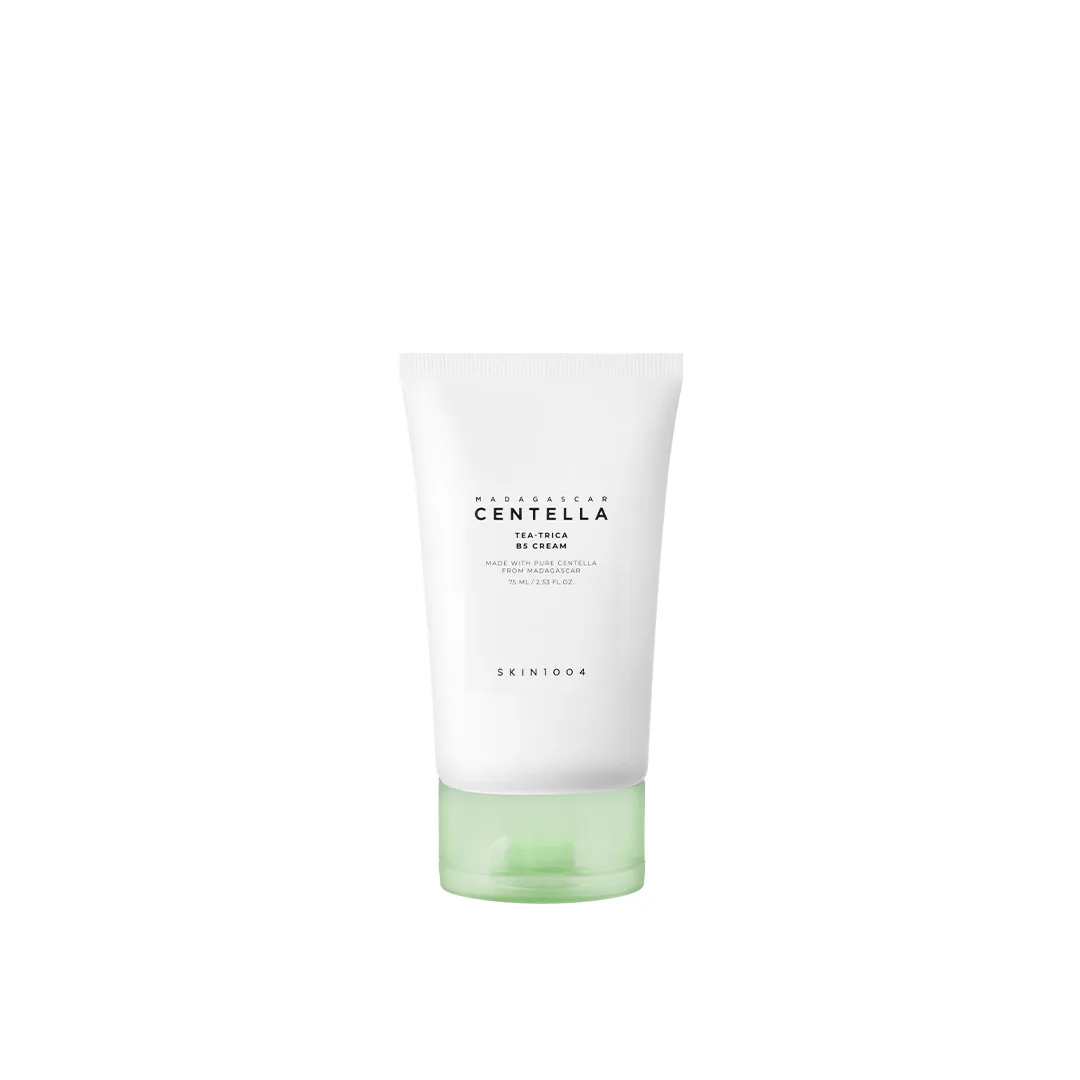 Acne-Prone Oil-Control Pick
 Tea-Trica B5 Cream
SKIN1004's acne-prone answer to its own centella lineage — a gel-cream that stacks tea tree, salicylic acid, niacinamide, and zinc PCA on a base of full-panel centella. Built for oily and breakout-prone skin that wants more bite than the brand's gentler barrier creams.
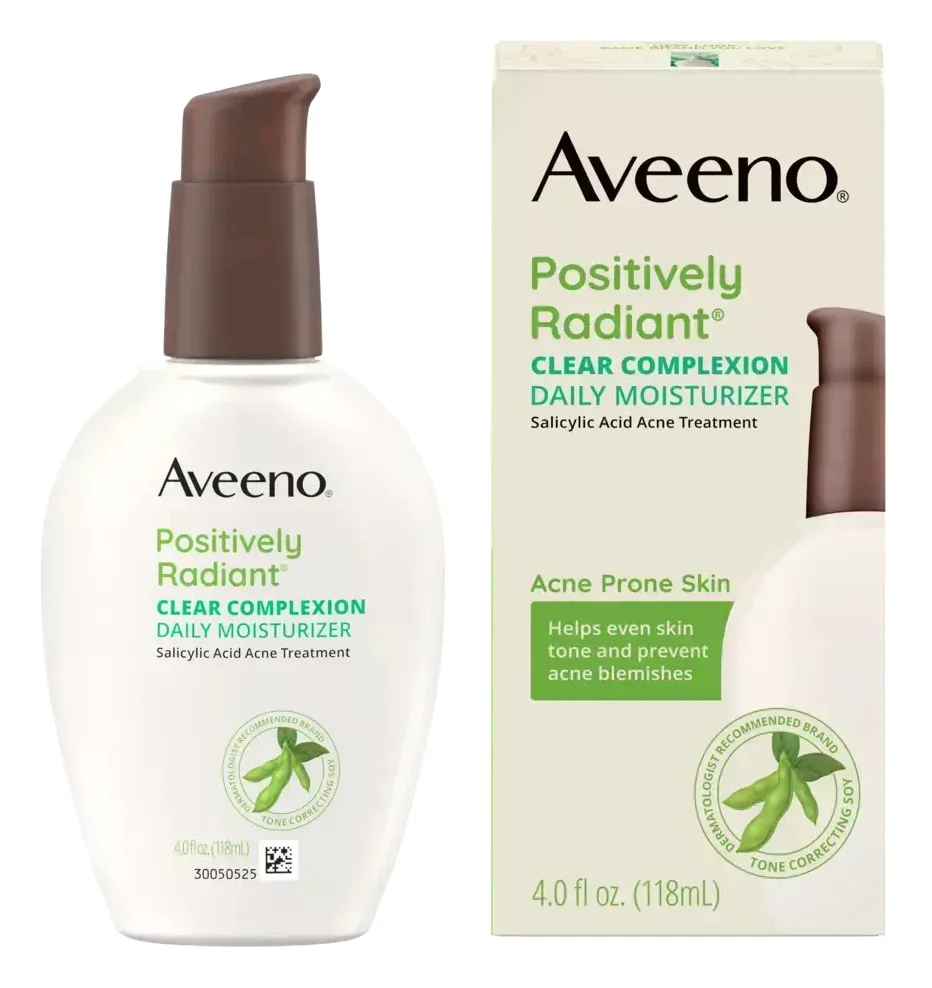 Two-in-One Acne Moisturizer
 Positively Radiant Clear Complexion Face Moisturizer
A smart two-in-one for acne-prone skin: a lightweight oil-free moisturizer carrying a gentle 0.5% salicylic acid dose plus soy to help with post-breakout marks. It controls oil and clogged pores without stripping, and the convenience is real. Fragrance and a mild active strength are the trade-offs.
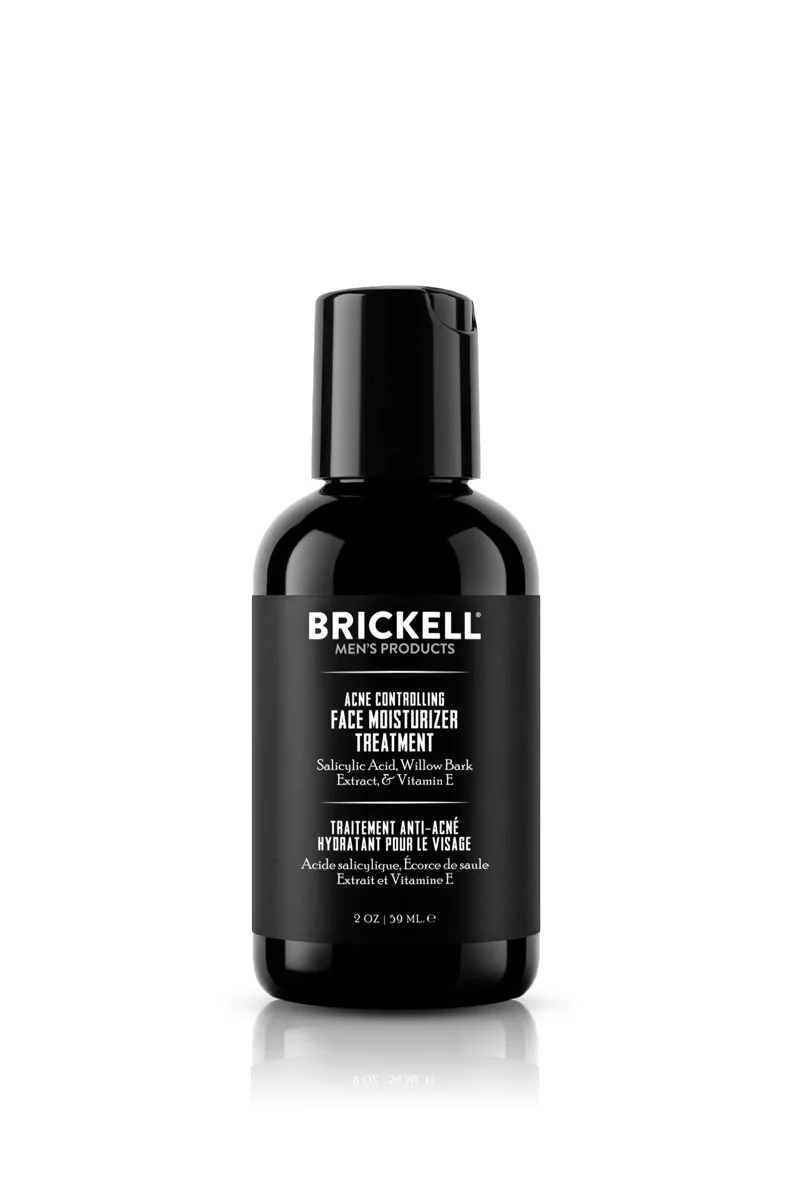 Acid in the Wrong Base
 Acne Controlling Face Moisturizer Treatment for Men
A leave-on moisturizer with a full 2% salicylic acid active is the right idea, and this one delivers the acid in the format where it actually works. It then dissolves that acid in coconut oil, isopropyl palmitate, butters and beeswax and scents it with tea tree, peppermint and citrus oils, which is close to the opposite of what acne-prone skin needs. Combination skin in winter may get on with it; oily, inflamed or sensitive skin should not try.
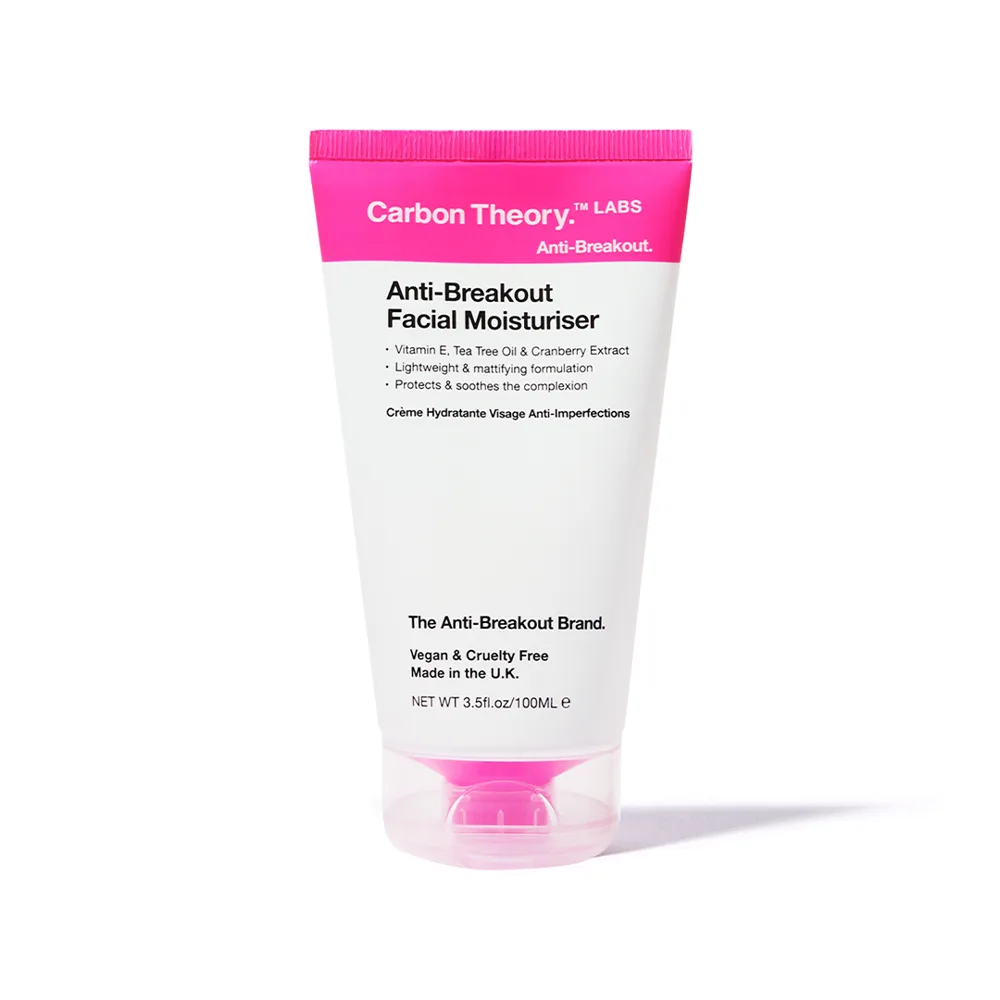 Budget Acne Moisturiser
 Breakout Control Facial Moisturiser
A smart, wallet-friendly acne moisturiser that builds a low-dose BHA directly into the cream — meaning acne-prone users skip the separate acid step without losing hydration. The tea tree scent and combined irritant load keep it firmly in the oily-and-resilient lane rather than a universal pick.
Protect
 SPF 50 + BHA Acne Sunscreen
 Zitcontrol SPF50 Daily Blemish Treatment
Acnemy's Zitcontrol SPF50 Daily Blemish Treatment combines European-tier SPF 50 hybrid filter framework with 0.5% salicylic acid plus niacinamide plus zinc PCA plus K-beauty soothing cast. Dual-mechanism acne sunscreen at 28-dollar accessible Spanish indie pricing — limited US retail availability.
 Derm Office Staple
 Anthelios UV Clear Sunscreen SPF 50
One of the only US chemical sunscreens that genuinely earns its 'for sensitive and breakout-prone skin' positioning. A photostable Anthelios filter system paired with a legitimate azelaic acid dose in a lightweight serum-fluid that disappears on every skin tone. Excellent for rosacea, acne, and post-inflammatory hyperpigmentation — and probably the single best daily sunscreen in the La Roche-Posay US lineup for those conditions.
 Acne-Prone SPF Pick
 Capital Soleil UV-Clear Anti-Imperfections Water Fluid SPF 50+
A genuinely smart sunscreen for the skin type that needs one most. Vichy paired L'Oreal's six-filter Mexoryl system with real anti-blemish actives — 2% niacinamide, 0.3% salicylic acid, sarcosine — in a watery fluid that dries truly matte. The frustration: it's aimed at acne-prone skin yet includes fragrance, denatured alcohol, and a comedogenic ester.
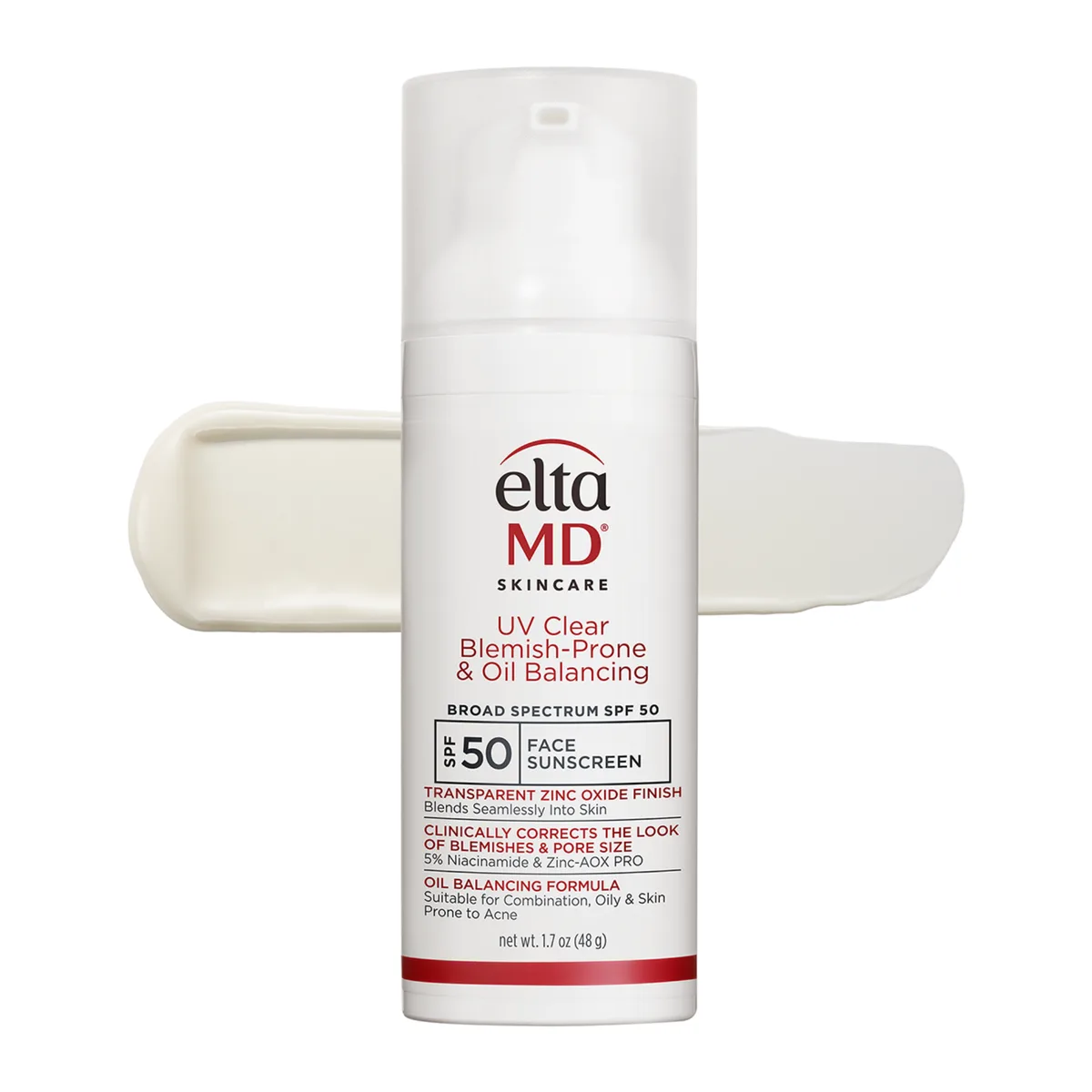 Derm-Favorite Acne-Prone SPF
 UV Clear Blemish-Prone & Oil Balancing SPF 50
An updated version of a longtime dermatologist-favorite sunscreen for acne-prone skin — a high-zinc hybrid filter system with a genuine 5% niacinamide, lightweight, oil-free, and non-comedogenic. It solves the real problem of finding a sunscreen blemish-prone skin will actually wear. Premium-priced, and a hybrid rather than pure mineral.
The full acne guide
Acne is the most common skin concern worldwide, yet it is widely misunderstood as a hygiene problem.
In reality it is a multi-factorial follicular disease — excess sebum, sticky dead skin cells, Cutibacterium acnes bacteria, and inflammation all converge inside the pore. That is why a single product rarely solves it: the most effective routines combine a pore-clearing exfoliant, a bacteria-targeting or oil-regulating active, and consistent barrier support.
How to treat acne & what to avoid
Recommended approach
Cleanse with a gentle, low-pH cleanser twice daily. Use a BHA (salicylic acid) to clear pores, or benzoyl peroxide to kill bacteria. Apply a lightweight, non-comedogenic moisturizer — skipping moisturizer worsens acne by triggering rebound oil. Finish with SPF, especially if using retinoids.
What to avoid
Avoid harsh scrubs and physical exfoliants — they spread bacteria and cause micro-tears. Skip heavy oils (coconut, wheat germ) and thick occlusives on acne-prone areas. Don't layer too many actives at once (BHA + benzoyl peroxide + retinoid = irritation disaster). Avoid touching your face and changing products every week — give actives 6-8 weeks.
Ingredients that help with Acne
The best-evidenced acne actives are salicylic acid (a BHA that dissolves pore-clogging debris), benzoyl peroxide (which kills acne bacteria), adapalene and other retinoids (which normalize cell turnover), niacinamide (which calms inflammation and regulates oil), and azelaic acid (which addresses both bumps and the marks they leave). Look for these high on an ingredient list rather than buried at the bottom.
Acne: frequently asked questions
What's the single most effective ingredient for acne?
There isn't one — acne has four drivers, so the best routines pair actives. That said, a topical retinoid (adapalene) and benzoyl peroxide together have the strongest clinical track record. Salicylic acid is the gentlest effective starting point for mild, comedonal acne.
Why does my acne get worse before it gets better?
Retinoids and some exfoliants speed up cell turnover, which can push existing micro-clogs to the surface — the so-called purge. It typically lasts 4-6 weeks and appears only where you normally break out. New breakouts in unusual areas are irritation, not purging.
Should I skip moisturizer if my skin is oily and acne-prone?
No. Stripping the skin triggers rebound oil production and damages the barrier, which worsens breakouts. Use a lightweight, non-comedogenic, oil-free gel-cream — hydration and acne control are not in conflict.
How long should I give an acne product before judging it?
Six to eight weeks of consistent use. Skin cells take roughly a month to turn over, and actives need a full cycle or two to show real results. Switching products weekly is one of the most common reasons acne routines fail.
Are physical scrubs good for acne?
No — abrasive scrubs spread bacteria, cause micro-tears, and inflame active breakouts, which can lead to more marks and scarring. Chemical exfoliants like salicylic acid clear pores far more effectively without the mechanical damage.
The honest ceilingWhat over-the-counter care can and can't do for acne
What OTC cannot do: reliably control deep nodular or cystic acne, prevent or treat scarring, or resolve a hormonal driver. No over-the-counter product removes a scar or shrinks a cyst. When those are the problem, more products is the wrong axis to add on.
A fair over-the-counter trial is about 12 weeks of consistent, correct use. If lesions haven't meaningfully dropped by then, that's the signal to see a clinician — not to keep swapping products.
Some acne shouldn't wait for an OTC trial at all: deep painful nodules or cysts, any scarring, or acne causing real distress are reasons to see a dermatologist now.
Education, not medical advice — it describes how acne is treated, and does not recommend a therapy for anyone. Nothing on that page is for sale: no affiliate links, no ads, no referral commissions.