Best Treatments for Hormonal Acne
Updated September 2026 · independently researched, no sponsored placements
Our top 36 picks, ranked from 191 reviewed products — ordered by each product's acne verdict, then evidence strength.










How to Choose
Hormonal acne has a tell: it clusters along the lower face — jawline, chin, and neck — and tends to flare on a cycle, often in the week before a period, because it's driven from the inside by androgen hormones that crank up oil production. That internal origin is the key to understanding what topicals can and can't do.
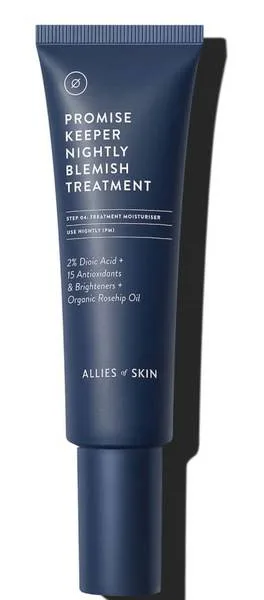
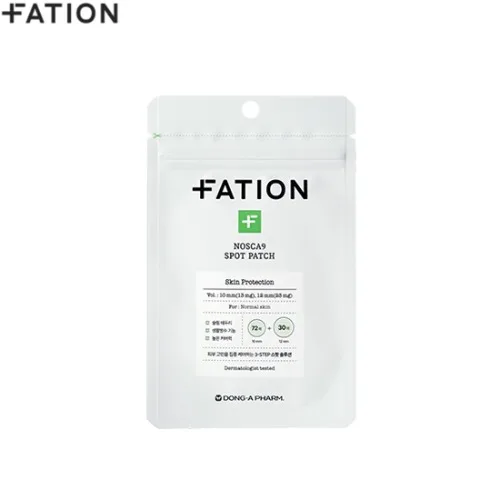
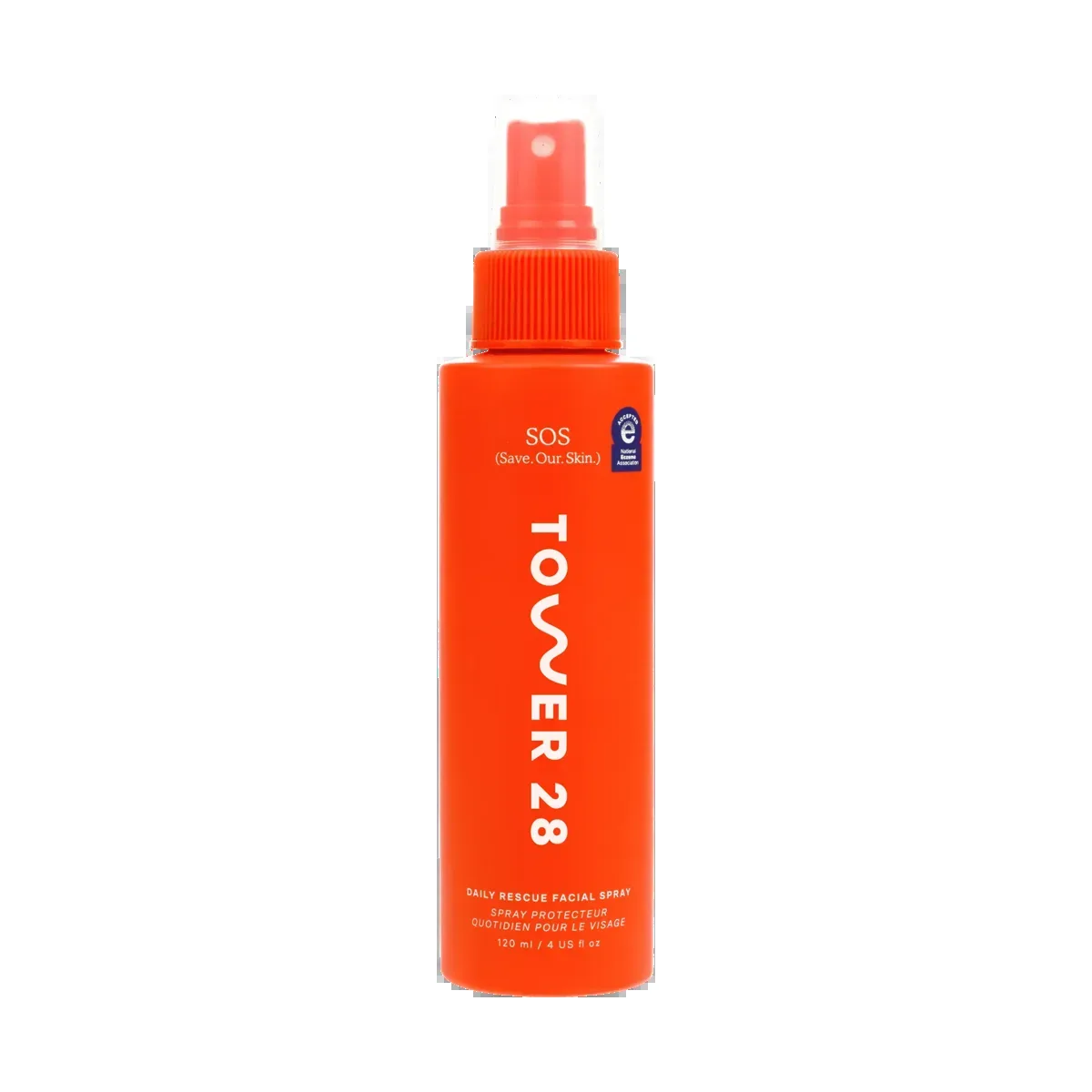
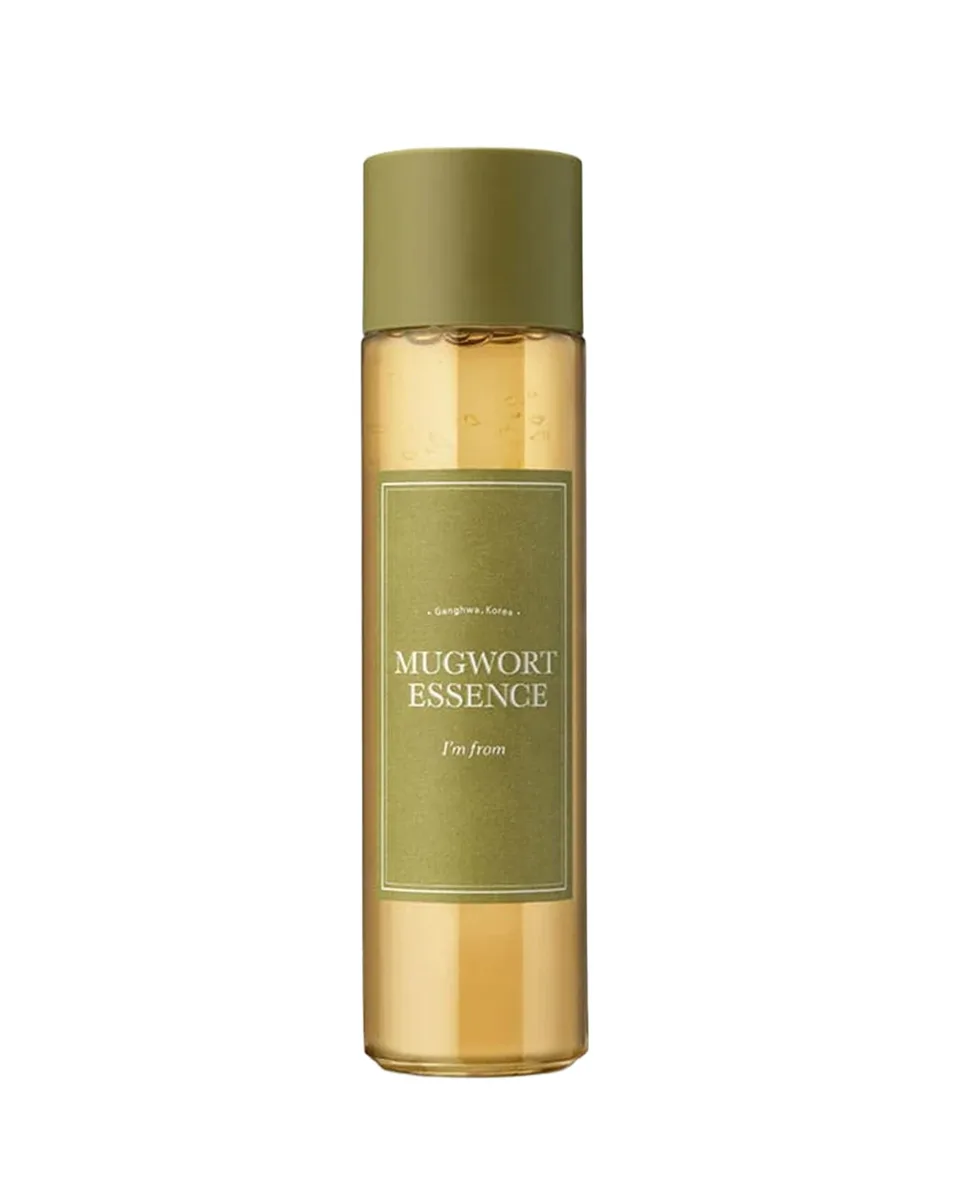
Because the trigger is hormonal rather than purely surface-level, the most powerful treatments for persistent hormonal acne are often systemic — prescription options like spironolactone or certain oral contraceptives that address the androgen signal directly — and those come from a doctor. What over-the-counter products do is manage the skin-level fallout: the excess oil, clogged pores, and inflammation along your breakout zone. Azelaic acid is the MVP here because it works on multiple fronts — calming inflammation, clearing pores, and fading the dark marks hormonal breakouts leave on the jaw — and it's gentle enough for daily use (Geek & Gorgeous's 20% derivative, $11; SVR Sebiaclear, $47). Niacinamide helps rein in the oil surge, and a hypochlorous acid mist (PanOxyl, $15) calms angry skin without irritation. For an individual flare, a salicylic-infused or hydrocolloid patch contains it overnight. The honest caveat: topicals applied consistently genuinely help, but if your breakouts are cyclical, deep, and stubborn along the jawline despite a solid routine, the most effective path is usually addressing the hormones internally with a dermatologist. Treat the surface diligently, but don't ignore the source.
Buying Guide
Build a routine around calming, oil-regulating actives and apply it consistently to your whole breakout zone, not just individual spots — hormonal acne is a recurring, area-wide pattern. Azelaic acid is the standout topical because it tackles inflammation, clogged pores, and post-acne marks at once while staying gentle (Geek & Gorgeous, SVR Sebiaclear); niacinamide complements it by helping reduce the androgen-driven oil surge. A hypochlorous acid mist (PanOxyl) is a soothing way to lower surface bacteria without aggravating already-inflamed skin. Keep everything non-comedogenic and avoid the temptation to over-strip — harsh drying triggers more oil and irritation along the jaw. For occasional flares, spot patches help contain a single lesion. The most important strategic point, though, is recognizing when topicals aren't enough: cyclical, persistent jawline breakouts that don't respond to a consistent routine usually have an internal hormonal driver best treated with a dermatologist's prescription options. Don't overspend cycling through serums — a few well-chosen $11–$47 products plus professional input on the hormonal side is the smarter investment.
Frequently Asked Questions
How do I know if my acne is hormonal?
Hormonal acne typically appears along the lower face — jawline, chin, and neck — and flares cyclically, often in the week before a menstrual period. It tends to be deeper and more inflamed than surface congestion and frequently persists into adulthood. If your breakouts follow that timing and location pattern, hormones are likely a driver.
What topical ingredients work best for hormonal acne?
Azelaic acid is among the most useful because it calms inflammation, clears pores, and fades the dark marks hormonal breakouts leave behind, all gently enough for daily use. Niacinamide helps reduce the excess oil that androgens trigger. These manage the skin-level symptoms, but they work best applied consistently across the whole breakout area rather than dabbed on spots.
Can skincare alone fix hormonal acne?
Skincare can meaningfully reduce hormonal breakouts and the marks they leave, but because the root cause is internal, topicals alone often aren't enough for persistent cases. Cyclical, deep jawline acne that resists a good routine usually responds best to hormonal treatments prescribed by a dermatologist, such as spironolactone or oral contraceptives. The most effective approach often combines diligent topical care with addressing the hormonal driver.
Does hormonal acne go away on its own?
It can fluctuate with hormonal changes, but for many people it's persistent and recurs cyclically rather than resolving by itself. Consistent topical care helps keep it under control in the meantime. If it's affecting your skin or confidence and isn't improving, seeing a dermatologist to address the hormonal component is worthwhile.