Products for Fungal Acne
Recommended for Fungal Acne
Treat
 Minimalist Gentle Brightener
Niacinamide + Chaenomeles Sinensis Serum
A refreshingly minimalist, fragrance-free, vegan and fungal-acne-safe brightening serum: a 93% Chinese quince base with 2% niacinamide and almost nothing else. Its real strength is how gentle and broadly tolerable it is — genuinely suitable for sensitive, oily, acne- and even fungal-acne-prone skin. The honest limit is that the 2% niacinamide is a modest dose, so it's a calm everyday evener rather than a high-strength treatment.
 Universal Skin Staple
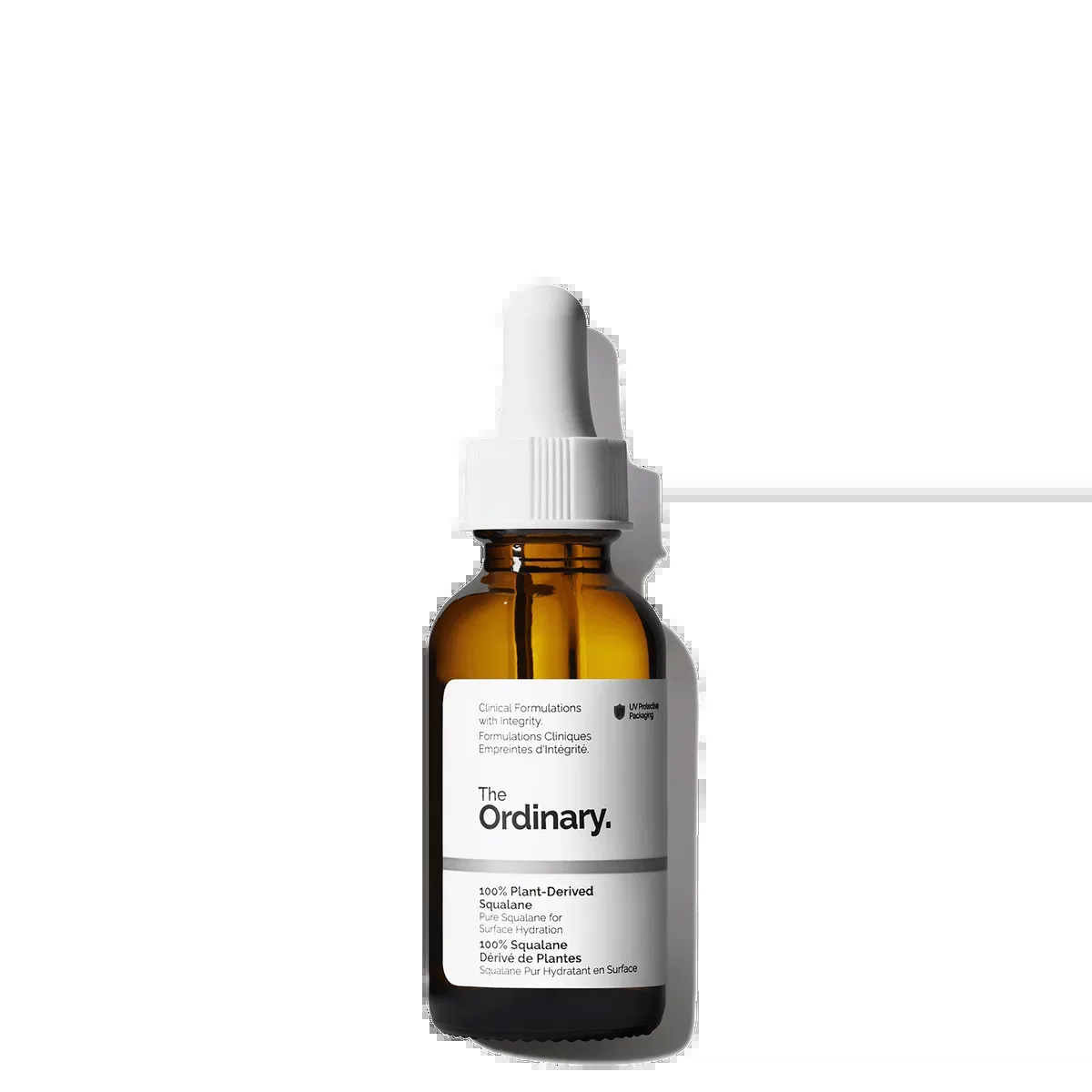
100% Plant-Derived Squalane
A near-universal face oil that works for virtually every skin type — including fungal-acne-prone — thanks to its skin-identical composition and zero irritants. It won't transform your skin alone, but as a lightweight sealant over active treatments, it's the $10 workhorse that makes everything else in your routine perform better.
 Sensitive Skin MVP
Acne Treatment for Sensitive Skin with 5% Sulfur
Half-strength sulfur for the people the cult 10% jar leaves flaky: same two-ingredient monograph formula, same ten-minute rinse-off ritual, dramatically better odds that sensitive skin finishes the treatment comfortable. Slower on big cystic spots, but as a tolerable daily clearing tool for reactive, breakout-prone skin, it's ten dollars extremely well spent.
 Farmacia Cult Classic
Acne Treatment Maximum Strength with 10% Sulfur
A two-ingredient, ten-minute sulfur mask that has been quietly clearing breakouts in Latino households for generations — and still embarrasses treatments five times its price. Buy it for cystic flare-ups, whiteheads, or fungal acne; skip it if you're dry, sensitive, or can't forgive a rotten-egg smell during the treatment window.
Cleanse
 Fungal-Acne Sulfur Wash
Sulfur Acne Foaming Cleanser
A rare and genuinely useful drugstore sulfur cleanser: 3.5% sulfur that targets both bacterial and the fungal (Malassezia) acne benzoyl peroxide can't touch, buffered with niacinamide, oat, and a full ceramide complex so it clears without the harsh dryness of old sulfur washes. It's an excellent, affordable pick for fungal acne and congested oily skin — the caveats are the sulfur-and-lemon scent, the lemon oil for sensitive skin, and sulfur's inherent drying.
 K-Beauty Gentle Daily Cleanser
Cosmic Dew Water Cleanser
A gentle, fragrance-free K-beauty gel-to-foam cleanser with thoughtful amphoteric-and-amino-acid surfactant chemistry, calming botanicals, and humectant support. Strong daily cleanser for sensitive, reactive, and barrier-compromised users from one of the more interesting indie brands in the queer beauty space.
 Budget Acne Workhorse
10% Benzoyl Peroxide Acne Cleansing Bar
A maximum-strength 10% benzoyl peroxide bar — the gold-standard acne active, in a stripped-down, soap-free base, at a genuinely cheap price. It is effective and a brilliant body-acne workhorse. Just know it is a potent, drying, targeted treatment, and that 10% is not automatically the right strength for every face.
 Fragrance-Free Yuja Gel Cleanser
Day By Day Cleansing Gel
An unusually clean, broadly recommendable Sioris cleanser — fragrance-free, essential-oil-free, sulfate-free, vegan, fungal-acne-safe and pH-balanced at 5.5, with a 36% yuja fruit-water base and disclosed 5% aloe. One of the rare K-beauty gel cleansers that earns a near-universal recommendation, with only the premium pricing as a meaningful caveat.
Moisturize
 Oily Skin Active-Moisturizer Hybrid
Supergel Oil-Free Moisturiser M3
An oil-free gel moisturizer that doubles as a mild treatment product — niacinamide, salicylic, lactic, sodium ascorbyl phosphate, plus chamomile and aloe — in a fungal-acne-safe formula at one of the lowest price points for this active stack. Built specifically for oily, combination, and acne-prone skin that needs hydration without occlusion.
 Sensitive Skin MVP
Toleriane Sensitive Fluide
A masterclass in formulation restraint — ten ingredients, zero unnecessary irritants, and genuinely effective barrier repair. The Toleriane Sensitive Fluide is the moisturizer dermatologists reach for when every other product makes skin angrier. Not the most hydrating option, but for reactive and rosacea-prone skin, its minimalism is precisely the point.
 Fungal Acne Holy Grail
5% Urea Moisturizer
The flagship product of the only commercial brand that takes fungal acne seriously, and for the intended user it's the moisturizer that finally works. A simple, intelligent formula built around 5% urea, dimethicone, and niacinamide — no fatty acids, no ceramides, no plant oils, no flare triggers. At $17 for 150ml, it's reasonable too.
 Oily-Skin Barrier Gel
Barrier Balancing Water Cream
Twenty-two ingredients, squalane as the only lipid, niacinamide at a working position, zinc PCA and an all-day humectant, and testing for comedogenicity, acnegenicity and fungal acne that most brands never bother with. This is very close to the ideal moisturiser for oily, acne-treated skin: hydration that vanishes, less shine by evening, and nothing to feed a breakout. Fifty-four dollars is prestige money for a lean formula, and the refill softens it.
Protect
 Clean Mineral Shield
5-Zero Mild Sun Cream
A mineral sunscreen stripped down to its most essential, gentlest form — zinc oxide only, fragrance-free, alcohol-free, vegan, and fungal-acne safe. It will not dazzle you with treatment actives or cosmetic elegance, but for sensitive, reactive, or condition-prone skin that needs reliable SPF 50+ without any inflammatory triggers, it is exactly the right amount of product doing exactly the right thing.
The full fungal acne guide
Fungal acne, properly called pityrosporum or Malassezia folliculitis, isn't acne at all — it's a yeast overgrowth in the hair follicles producing small, uniform, often itchy bumps. Standard acne treatments don't work and can worsen it.
The strategy is twofold: starve the yeast by avoiding the oils and fatty acids it feeds on, and use antifungal actives to bring it back into balance.
How to treat fungal acne & what to avoid
Recommended approach
Use a fungal acne-safe cleanser (no fatty acids, oils, or esters). Apply a minimal moisturizer — pure squalane, glycerin, or aloe-based gels are safe. Use an antifungal wash (ketoconazole, zinc pyrithione) as a short-contact treatment. Keep the affected area dry and clean.
What to avoid
Avoid oils, fatty acids (including cetearyl alcohol, stearic acid), polysorbates, and esters in your products. Skip heavy moisturizers and occlusives. Don't use fermented ingredients (galactomyces, saccharomyces). Avoid tight, non-breathable clothing over affected areas. Check every product on a fungal acne-safe ingredient checker before use.
Ingredients that help with Fungal Acne
Antifungal actives like zinc pyrithione and ketoconazole target the yeast directly. For maintenance, stick to Malassezia-safe ingredients — pure squalane, glycerin, hyaluronic acid, and urea. The organism metabolizes fatty acids with carbon chains roughly 11 to 24 atoms long, which is the reason an ingredient list rather than a product claim decides whether something is safe, and why oils, esters, polysorbates, and fermented ingredients so reliably feed a flare.
Fungal Acne: frequently asked questions
How do I know if I have fungal acne, not regular acne?
Fungal acne appears as small, uniform, itchy bumps, often in clusters on the forehead, chest, or back, and it doesn't respond to — or worsens with — standard acne products. Regular acne is varied in size and rarely itchy.
Why do my acne products make fungal acne worse?
Many acne products contain oils, fatty acids, and esters that feed the yeast behind fungal acne. They can also disrupt the skin's microbial balance. Antifungal actives and a stripped-back, Malassezia-safe routine are what actually help.
Which ingredients feed fungal acne?
Most oils, fatty acids (including some fatty alcohols like cetearyl alcohol), esters, polysorbates, and fermented ingredients like galactomyces feed Malassezia. Checking products against a fungal-acne-safe list before use prevents flare-ups.
What can I safely moisturize with?
Pure squalane, glycerin, hyaluronic acid, and aloe-based gels are generally safe. Keep moisturizing minimal and lightweight — heavy occlusives and oil-rich creams tend to feed the yeast.
Does fungal acne come back?
It often recurs because the yeast is a normal skin resident that overgrows under the right conditions — heat, sweat, and occlusion. Periodic antifungal washes and avoiding trigger ingredients keep it controlled long-term.
The honest ceilingWhat over-the-counter care can and can't do for fungal acne
Two limits, and the second is the important one. First: no wash reaches deep or extensive follicular involvement reliably, which is where oral antifungals earn their place. Second, and more consequential — nothing over the counter changes why this happened. The yeast is a normal resident and will still be there afterwards. If the conditions that let it overgrow are unchanged, it returns, and it returns on a timescale of months rather than years. This is a condition where treatment is easy and prevention is the actual work, which is precisely backwards from what people expect and is the main reason it is experienced as chronic.
This one is judged at two to four weeks rather than three months, because an antifungal wash used properly works fast — and if nothing has changed in a month, the useful conclusion is usually that the diagnosis is wrong rather than that the treatment is weak.
Uniform itchy bumps that flare on antibiotics prescribed for acne are worth a second opinion rather than a stronger acne prescription. So is any eruption with fever, spreading redness or pain out of proportion, which is a different question entirely.
Education, not medical advice — it describes how fungal acne is treated, and does not recommend a therapy for anyone. Nothing on that page is for sale: no affiliate links, no ads, no referral commissions.