Best Sunscreens for Acne
Updated September 2026 · independently researched, no sponsored placements
Our top 19 picks, ranked from 33 reviewed products — ordered by each product's acne verdict, then evidence strength.








How to Choose
If you're treating acne, sunscreen isn't optional — it's the step that protects all the work your actives are doing. Here's the link people miss: the very ingredients that clear breakouts, like retinoids, benzoyl peroxide, and exfoliating acids, make your skin significantly more sensitive to the sun, and unprotected UV both irritates inflamed skin and darkens the post-acne marks that linger long after a pimple heals.
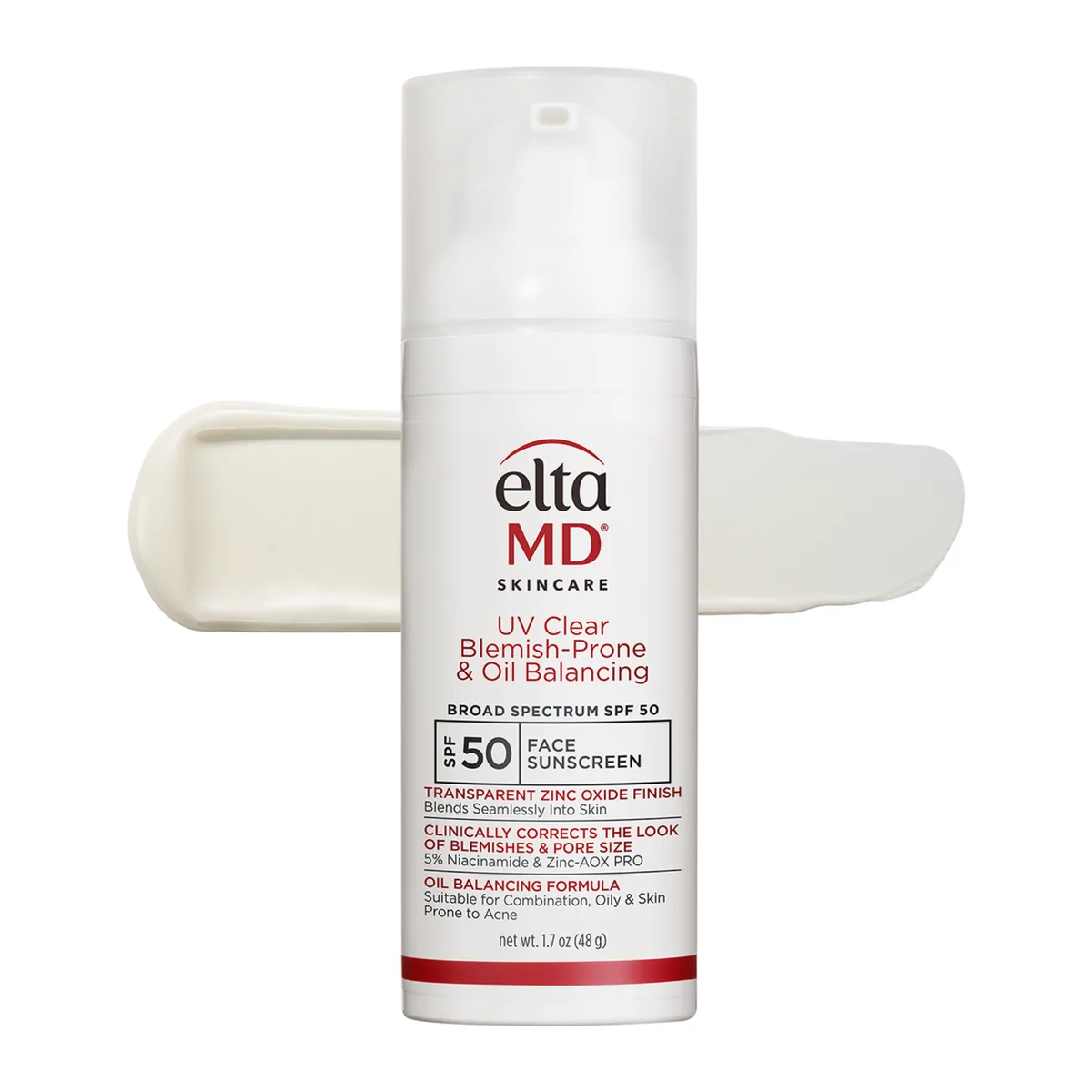
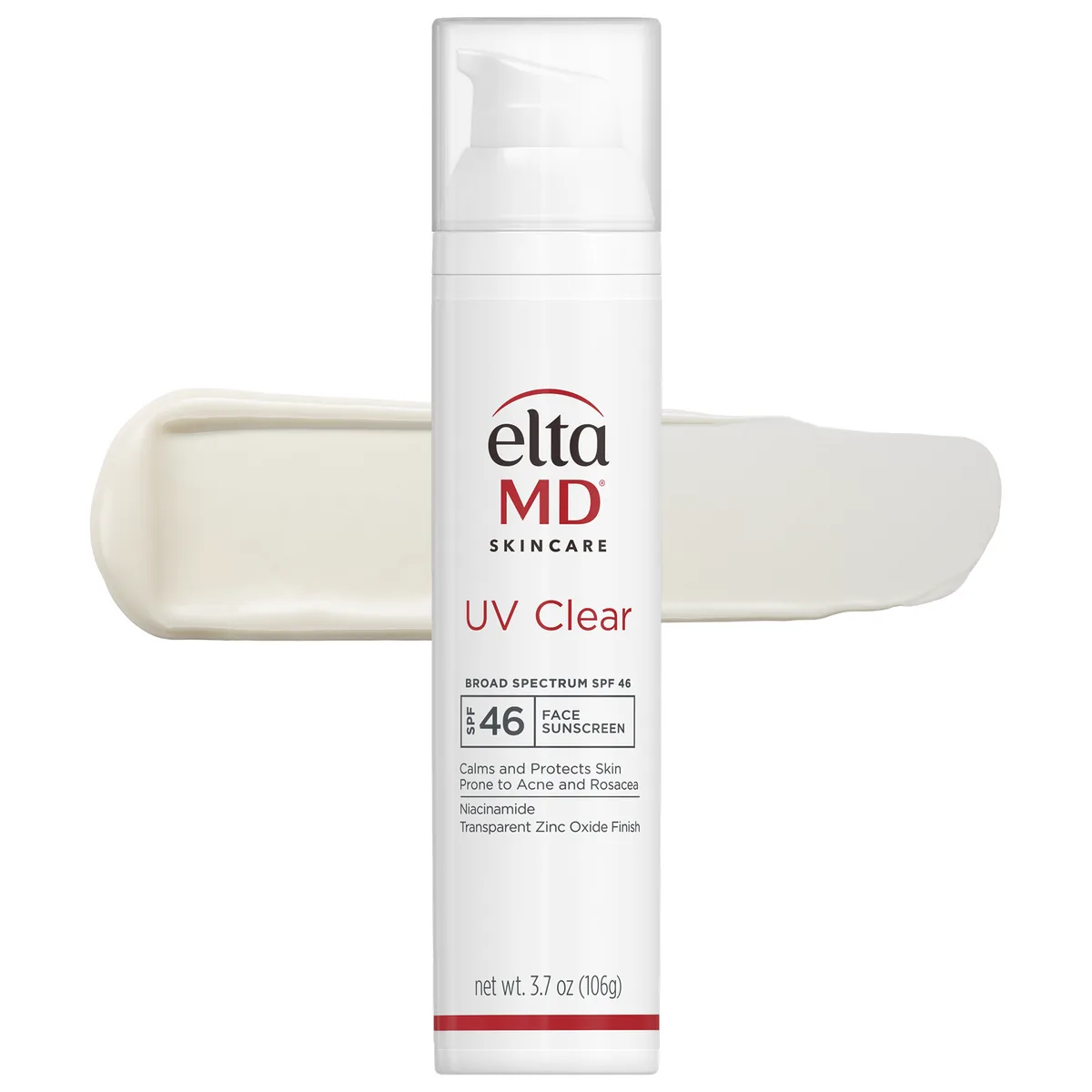
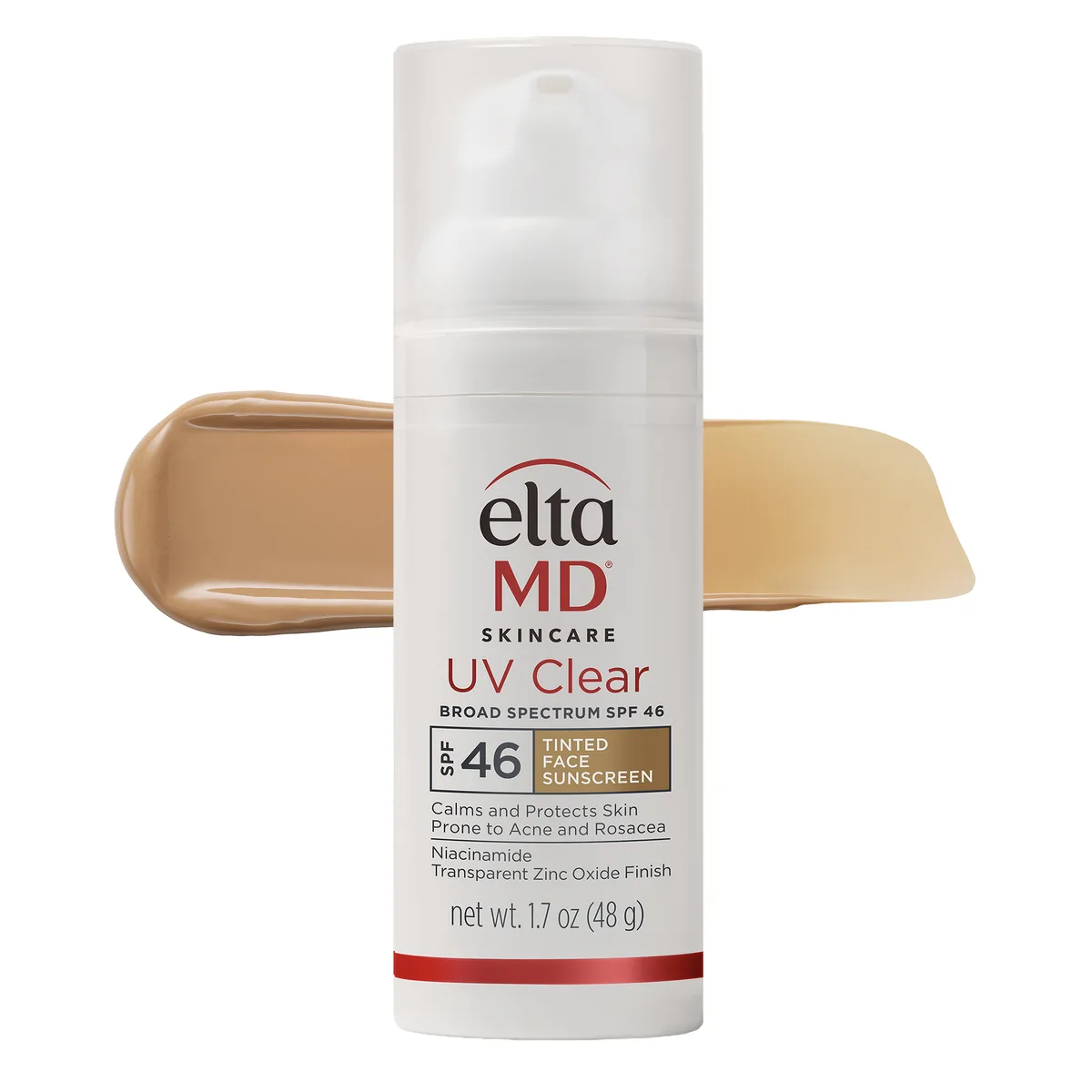
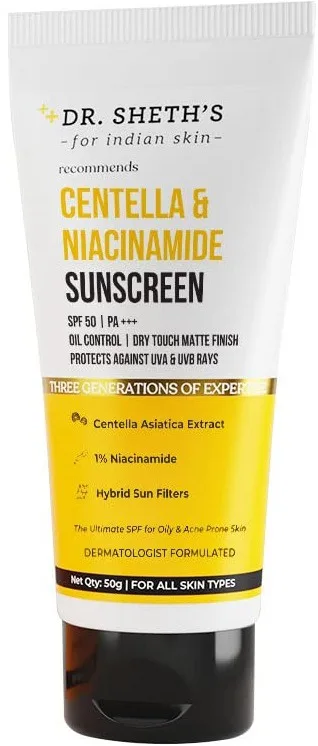
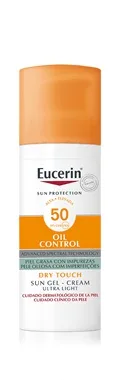
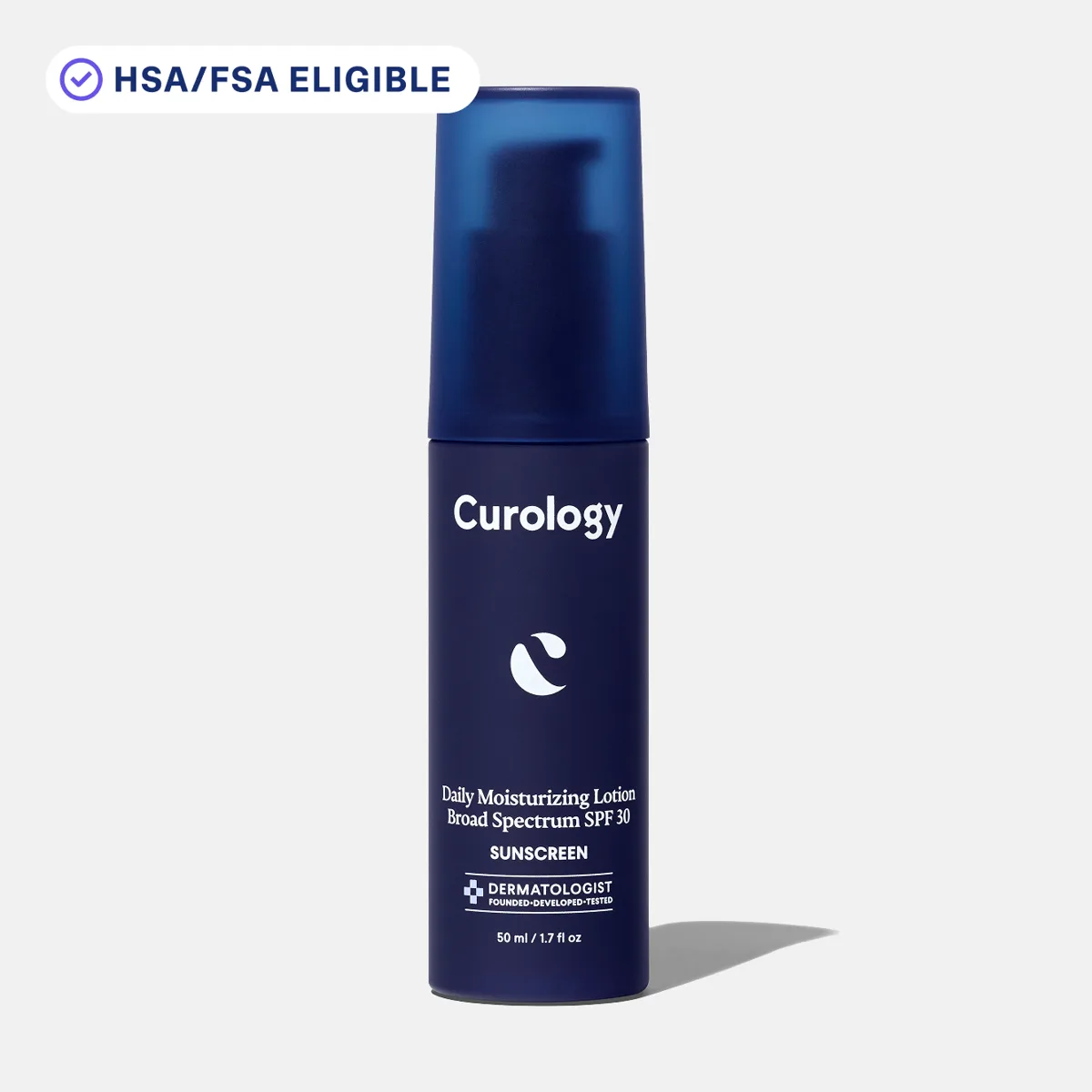
So the best sunscreen for acne does two things at once: it shields skin that's been sensitized by treatment, and it prevents the brown and red spots (post-inflammatory hyperpigmentation) that are often more stubborn than the acne itself. The reason acne-prone people skip sunscreen is real, though — heavy, greasy formulas clog pores and trigger breakouts, creating a vicious cycle. The fix is choosing carefully: look for the words non-comedogenic and oil-free, lightweight fluid or gel textures, and bonus actives like niacinamide that calm and regulate oil. EltaMD UV Clear at $45 is the long-standing acne-prone favorite precisely because its niacinamide-rich, oil-free formula protects without congesting, while budget K-beauty options like IUNIK's Centella Daily Sunscreen at $15 and Dr. Sheth's matte SPF deliver the same logic affordably. The honest caveat: "non-comedogenic" isn't a regulated guarantee, so patch-test a new sunscreen for a week before committing, and reapply through the day even if it feels light. A lightweight sunscreen you'll actually wear beats a perfect one you avoid — and for acne-prone skin, wearing it daily is what keeps those marks from setting in.
Buying Guide
Make non-comedogenic and oil-free your first filter, since clogging is the main reason acne-prone skin breaks out from sunscreen — favor lightweight fluid, gel, or matte textures over rich creams. Look for calming, oil-regulating extras like niacinamide, centella, and bisabolol, which soothe inflamed skin and help control shine (EltaMD UV Clear, Dr. Sheth's, IUNIK). Both mineral (zinc oxide) and gentle modern chemical filters (Tinosorb, Uvinul A Plus) work for acne; mineral suits the most reactive skin, while newer filters give a lighter feel. Keep it fragrance-free to avoid irritating already-inflamed skin. Crucially, sunscreen matters most when you're using acne actives like retinoids or acids, which heighten sun sensitivity and demand daily SPF. On price, $15–$24 buys excellent acne-friendly options, so spend on a texture you'll wear daily, patch-test first since 'non-comedogenic' isn't guaranteed, and reapply through the day.
Frequently Asked Questions
Why do I need sunscreen if I have acne?
Acne treatments like retinoids, benzoyl peroxide, and exfoliating acids make your skin much more sensitive to the sun, and UV exposure both irritates inflamed skin and darkens the post-acne marks that linger after breakouts heal. Daily sunscreen protects sensitized skin and prevents that stubborn hyperpigmentation. Skipping it often means the dark spots outlast the acne itself.
What sunscreen won't clog pores or cause breakouts?
Look for sunscreens labeled non-comedogenic and oil-free, in lightweight fluid, gel, or matte textures rather than heavy creams. Formulas with niacinamide help regulate oil and calm the skin, and fragrance-free options reduce irritation. Since 'non-comedogenic' isn't a regulated guarantee, patch-test a new sunscreen for about a week before using it all over.
Is mineral or chemical sunscreen better for acne-prone skin?
Both can work — mineral sunscreens with zinc oxide are gentle and suit very reactive or inflamed skin, while gentle modern chemical filters like Tinosorb give a lighter, more cosmetically elegant finish that oily, acne-prone skin often prefers. The bigger factors are that it's oil-free, non-comedogenic, and a texture you'll wear daily. Choose based on feel and how your skin reacts in a patch test.
Can sunscreen help fade post-acne dark spots?
Indirectly but importantly — sunscreen won't fade existing marks on its own, but it prevents UV from darkening them further, which is essential while you treat them with brighteners. Without daily SPF, sun exposure keeps re-darkening post-inflammatory hyperpigmentation, making it far harder to clear. A sunscreen with niacinamide adds mild tone-evening support alongside the protection.