Calamine
Products with Calamine
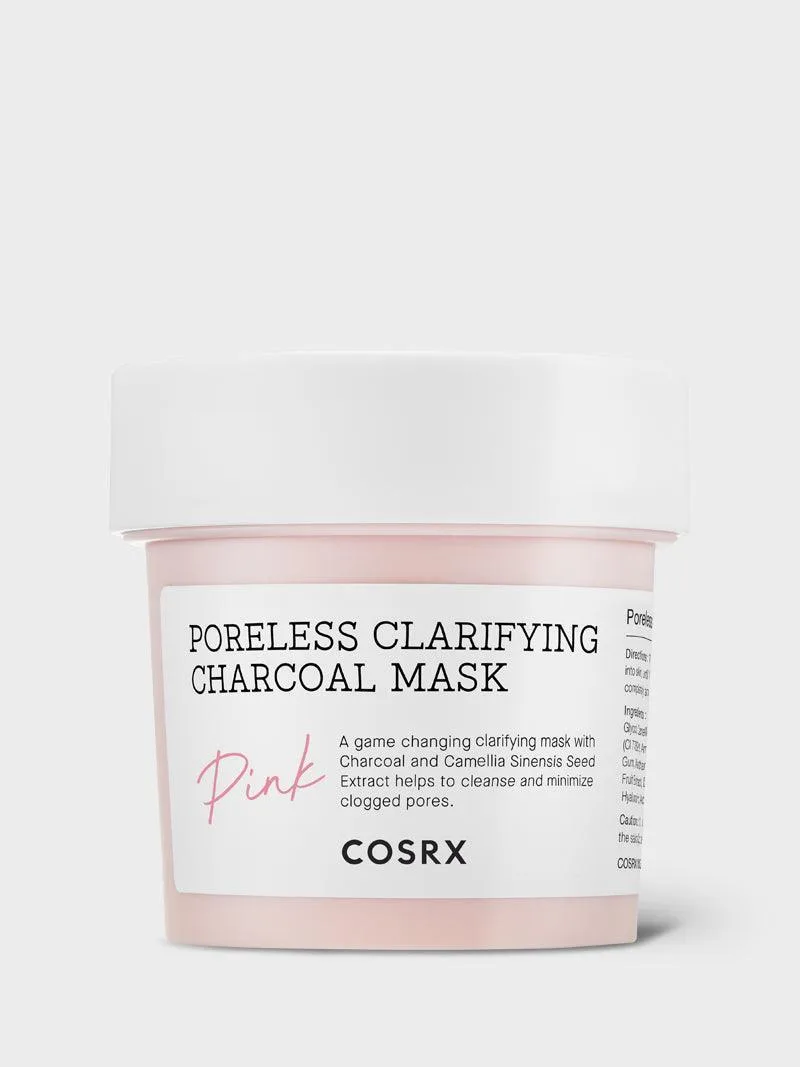 Color-Changing Oil Control
 Poreless Clarifying Charcoal Mask Pink
A fun color-changing wash-off mask — pink calamine to grey charcoal to white — sitting on a genuinely effective kaolin-silica oil-absorbing base, with calamine and a little salicylic acid to soothe and clear. It does honest work for oily, blackhead-prone skin at a fair $19, but it's a clay mask through and through: drying by nature, and not the right pick for dry or sensitive types.
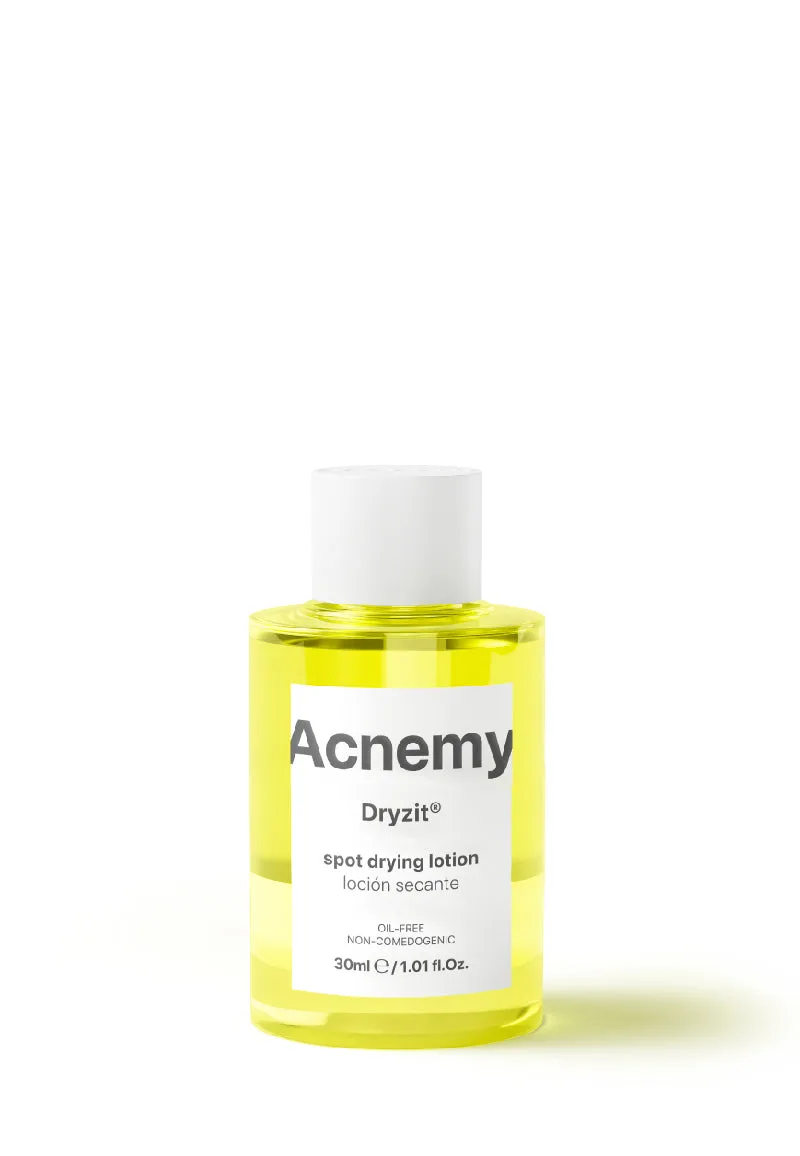 Modern Calamine Upgrade
 Dryzit Drying Lotion
Dryzit takes the classic bifasic calamine spot treatment — a category invented by Mario Badescu in the 1960s — and rebuilds it for the niacinamide era. You get the same satisfying ritual of dipping a cotton swab into a pink powder layer and dabbing it onto a whitehead before bed, but with 5% niacinamide and a low-dose salicylic acid assist that the original format never had.
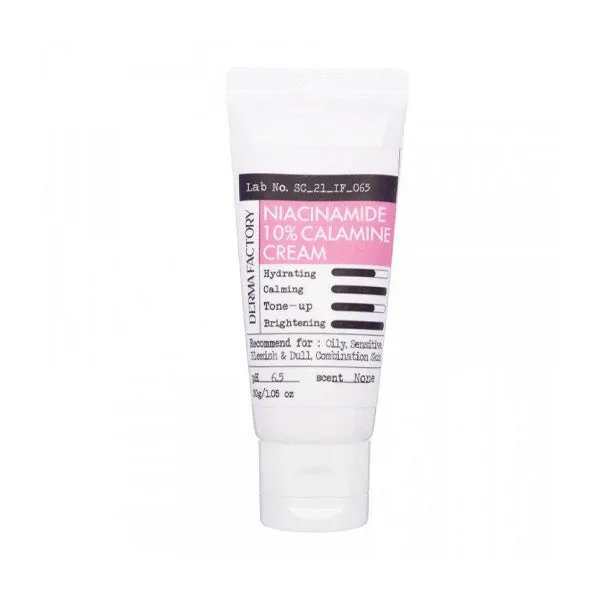 Calamine Tone-Up Calmer
 Niacinamide 10% Calamine Cream
A clever, inexpensive update of classic calamine: declared 10 percent niacinamide with 5 percent zinc oxide and 5 percent calamine in a fragrance-free, oil-free silicone cream that calms redness, controls shine and adds a soft tone-up. It is too mattifying for dry skin, and despite the zinc it is not a sunscreen.
 K-Beauty Pore Stick Innovation
 Poremizing Quick Clay Stick Mask
An innovative stick-format clay mask that delivers a traditional kaolin-plus-bentonite oil-absorbing system in a genuinely convenient twist-up format. Thoughtfully includes adzuki powder polish and centella buffering, making it one of the gentler clay masks in its category. The small 20g size for the premium price is the main value concern.
 Sensitive Skin Exfoliator
 Pineapple Exfoliating Powder
A gentle, daily-use enzyme exfoliant that brings the powder-to-foam format to the budget tier without sacrificing the key ingredients that make it work. At $16 for 60g, it lasts months and delivers consistently smoother, brighter skin through pineapple and papain enzymes backed by calamine soothing and vitamin C. It won't replace strong acid exfoliants for stubborn texture, but it's the gentlest on-ramp to exfoliation money can buy.
 Post-Procedure Relief Specialist
 Cicarelief Cream
Real Barrier's Cicarelief Cream is a modern reinterpretation of the traditional calamine cream, reworked with ceramides, panthenol, and the full centella derivative suite into a K-beauty post-procedure specialist. It's not a daily moisturizer for most — it's a targeted recovery cream that belongs in the skincare medicine cabinet for acute irritation episodes.
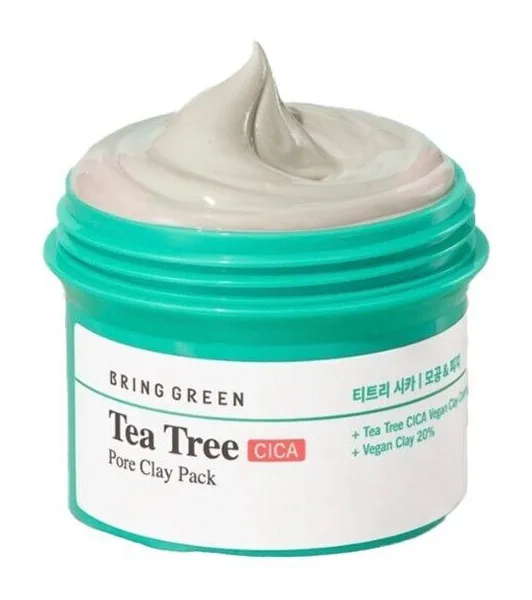 Budget Pore-Care Staple
 Tea Tree Cica Pore Clay Pack
A genuinely well-balanced budget clay mask that deep-cleans pores with a serious multi-clay complex while a high 10% centella dose and calamine keep it from stripping skin raw. It is a pore-care staple for oily and combination skin at a bargain price, with the usual clay-mask caveats around alcohol, dryness and frequency.
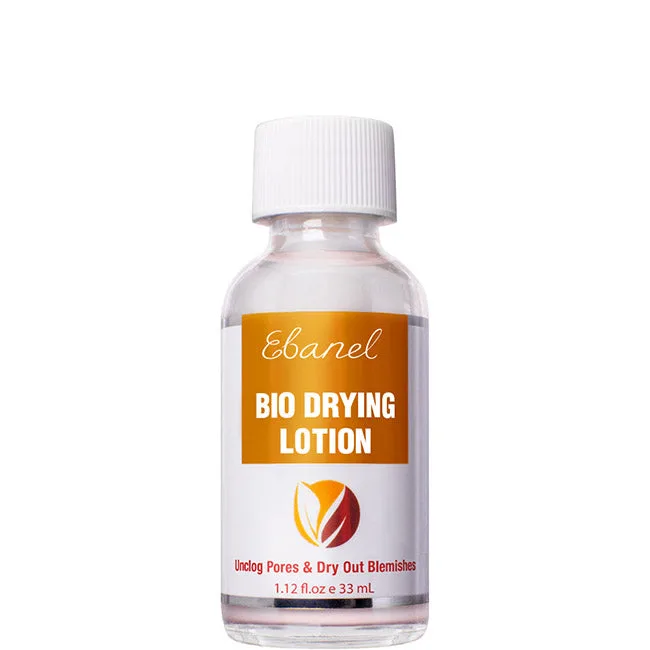 Overnight Whitehead Dryer
 Bio Drying Lotion
An affordable, effective take on the classic pink 'drying lotion' spot treatment — sulfur, salicylic acid, and calamine that you dab onto an individual whitehead at night to shrink and dry it by morning. For that narrow job it genuinely works and undercuts the famous version it echoes. But be clear on its limits: it's harsh (denatured alcohol and camphor heavy), strictly for dabbing on individual surface pimples (never all over), useless on cystic acne, and drying to the surrounding skin. A useful, cheap tool for the occasional surface whitehead — nothing more, and nothing you should misuse.
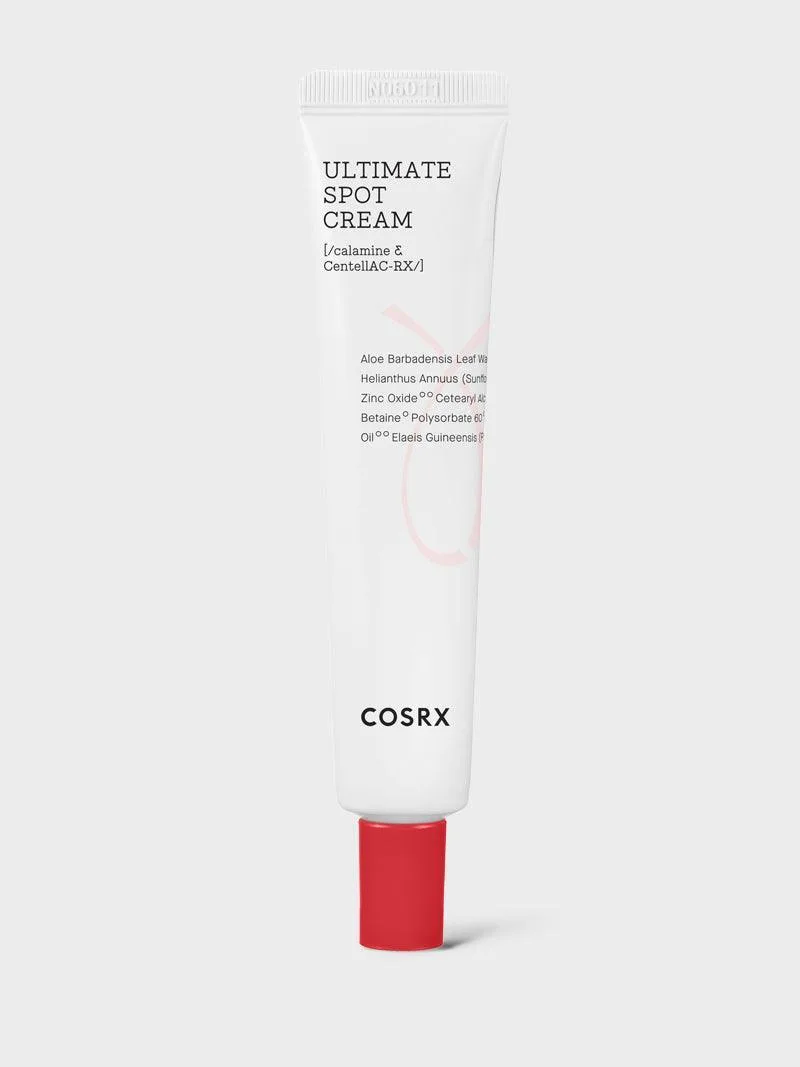 Gentle Blemish First Aid
 AC Collection Ultimate Spot Cream
A gentle, mineral-based spot treatment that soothes blemishes through zinc oxide and calamine rather than chemical warfare. It won't clear cystic acne, but for surface-level pimples and inflamed spots on sensitive skin, it provides calm, steady reduction in redness and swelling overnight. Think of it as first aid for your face, not a cure.
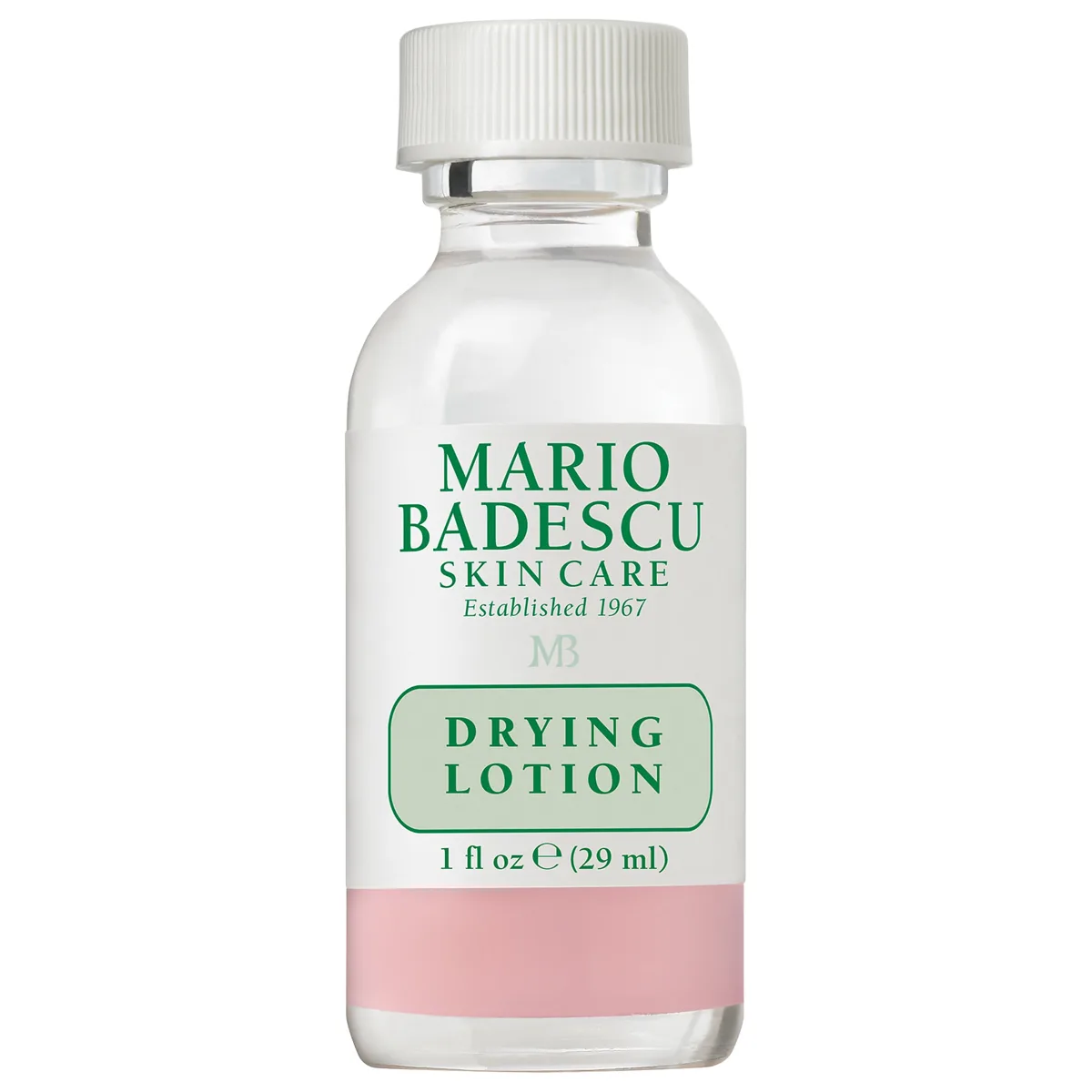 The Original Pink Dot
 Drying Lotion
The pink-dotted overnight ritual that launched a thousand TikToks. A minimalist, unchanged-since-the-sixties formula that genuinely flattens whiteheads by morning — though the aggressive alcohol-and-sulfur approach earns its results through sheer drying force rather than modern pharmacological sophistication.
 Affordable Pore Workhorse
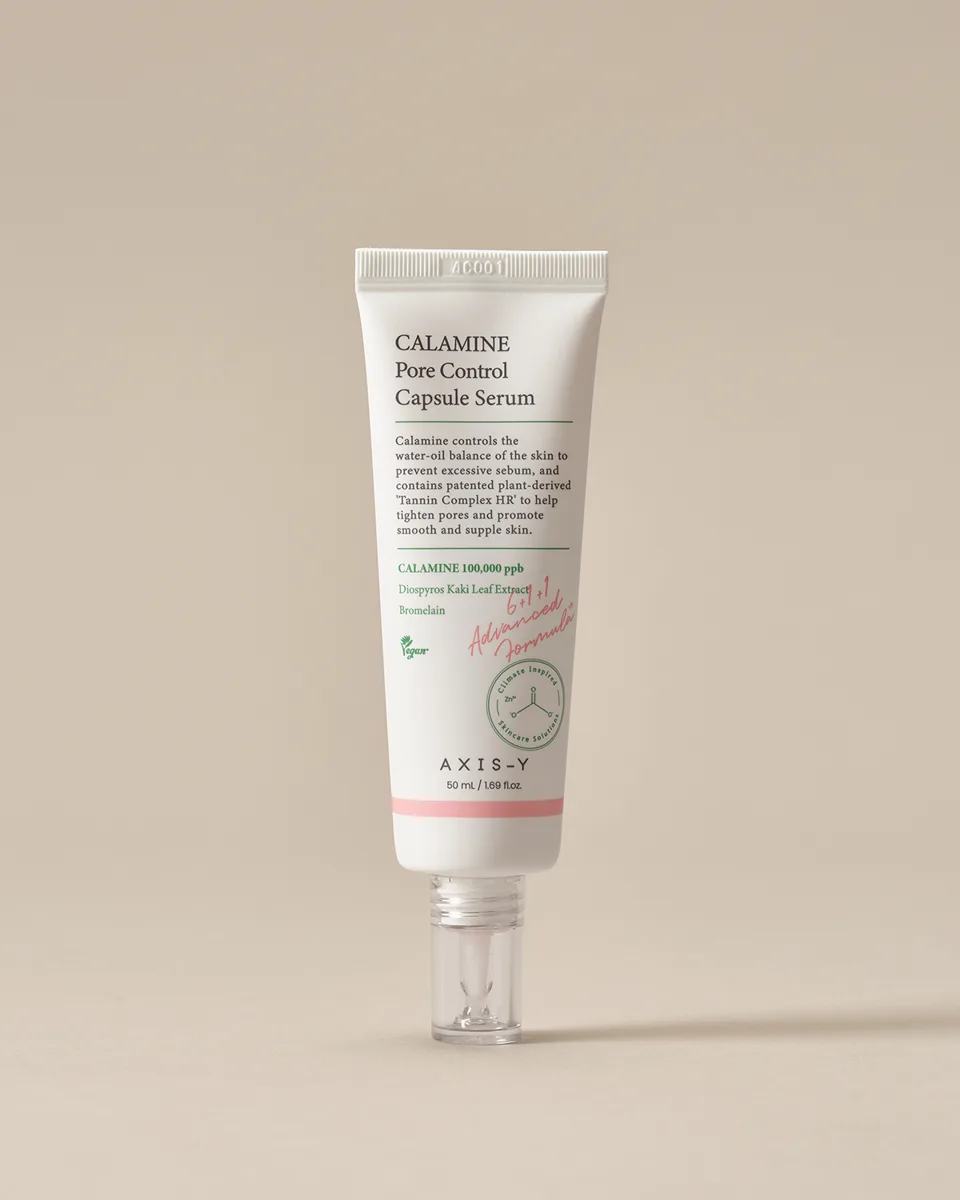
 Calamine Pore Control Capsule Serum
An affordable, fragrance-free pore-control serum that combines calamine, witch hazel, and a surprisingly dense multi-botanical extract cast for under $25. The capsule format is mostly visual marketing, but the underlying formula is sensible and effective for oily and combination skin.
 Soothing Sebum Toner
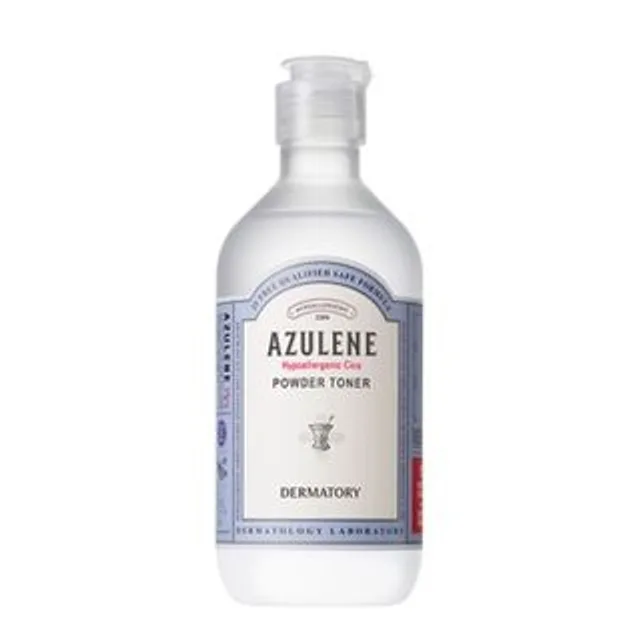
 Hypoallergenic Cica Powder Toner
A clever biphasic toner that pairs a soothing azulene water phase with a settling cica-and-calamine powder phase you shake in before use. It genuinely calms redness and controls shine at once, fragrance-free — a combination aimed at the oily, reactive skin most soothing toners ignore. The ethanol sitting third is the catch, giving it a clarifying edge that dry or compromised skin should approach with care.
 Korean Take on the Drying Lotion
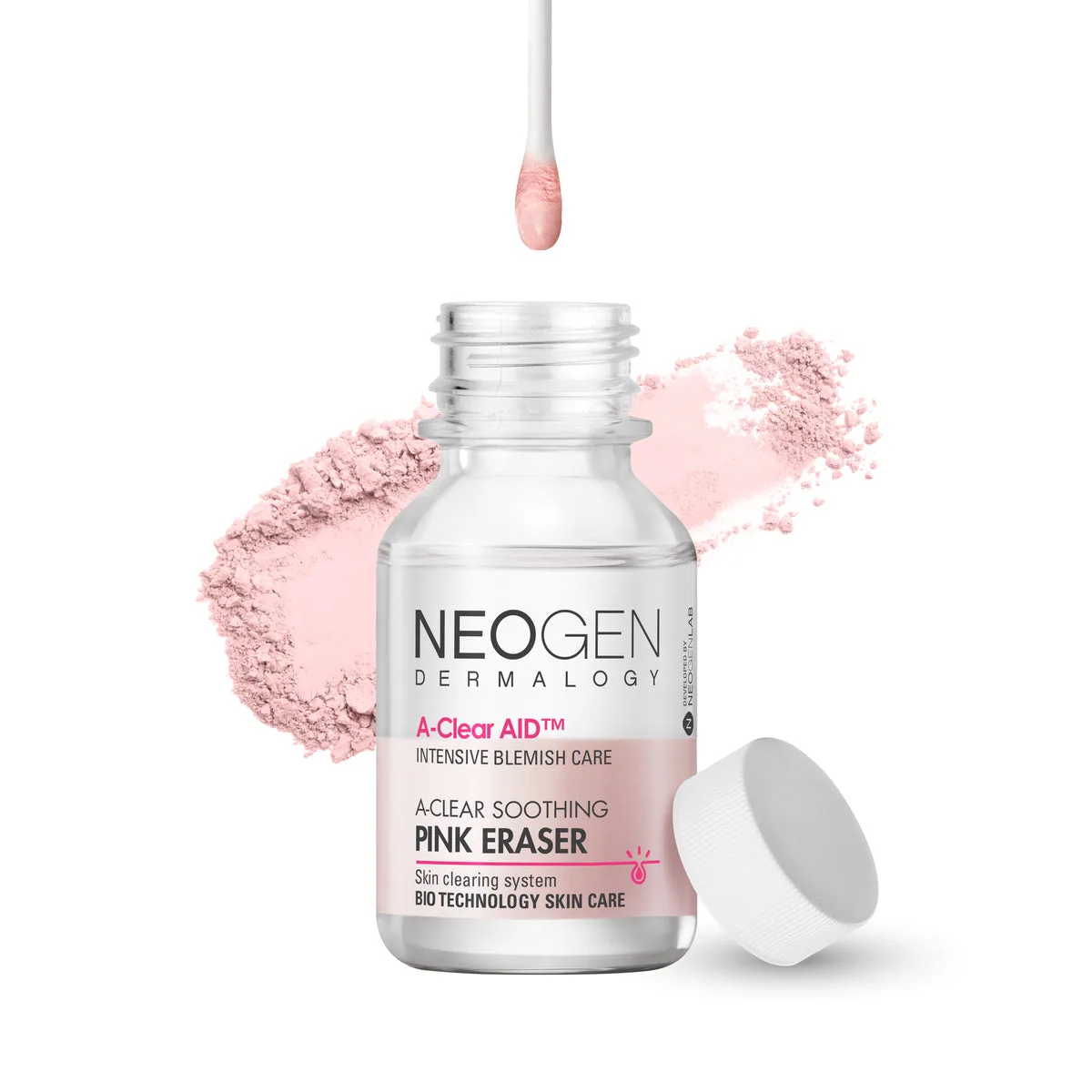
 A-Clear Aid Soothing Pink Eraser
A Korean take on the century-old pink drying lotion: alcohol and calamine flatten a surface whitehead overnight, a high-placed centella complex and azulene keep the aftermath calmer than the American originals, and a trace of salicylic acid decorates the label. It does the one thing drying lotions do and nothing else, stings, can mark deeper skin, and comes with brand copy that misidentifies its own key ingredient.
 Cica Spot Calmer
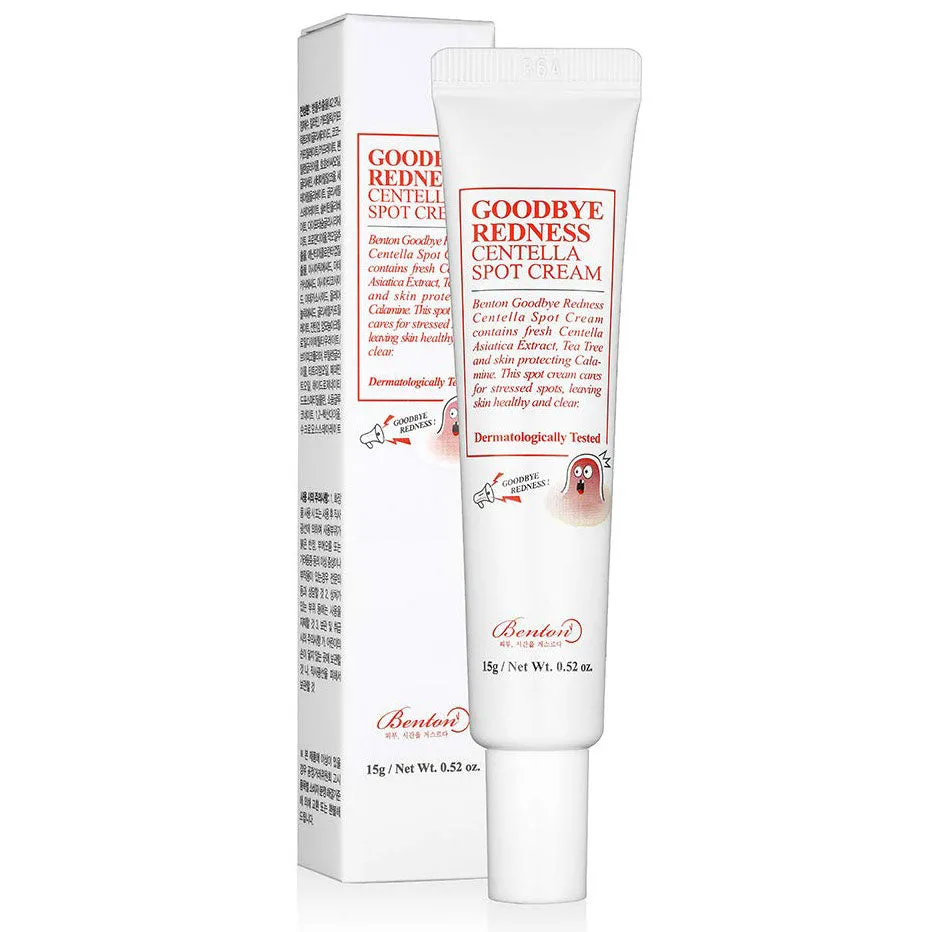
 Goodbye Redness Centella Spot Cream
A genuinely concentrated cica spot treatment: 42% centella with all four isolated actives, plus 10% calamine for instant settling, in a tube under fifteen dollars. It calms an angry spot fast and repairs underneath, making it a smart, cheap addition to a breakout-prone routine. The catch is the tea tree and peppermint, which keep it strictly a targeted treatment rather than an allover cream.
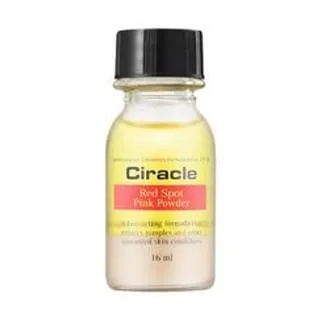 Cult Overnight Spot Zapper
 Red Spot Pink Powder
Ciracle's cult classic for good reason: a Korean take on the pink calamine drying lotion, loaded with sulfur, salicylic and glycolic acid and zinc, that genuinely flattens surfaced whiteheads overnight. A 16ml bottle lasts a year because you only dab the settled pink sediment on a spot. The flip side — alcohol, two acids and strong essential oils — makes it potent, drying, and strictly spot-only.
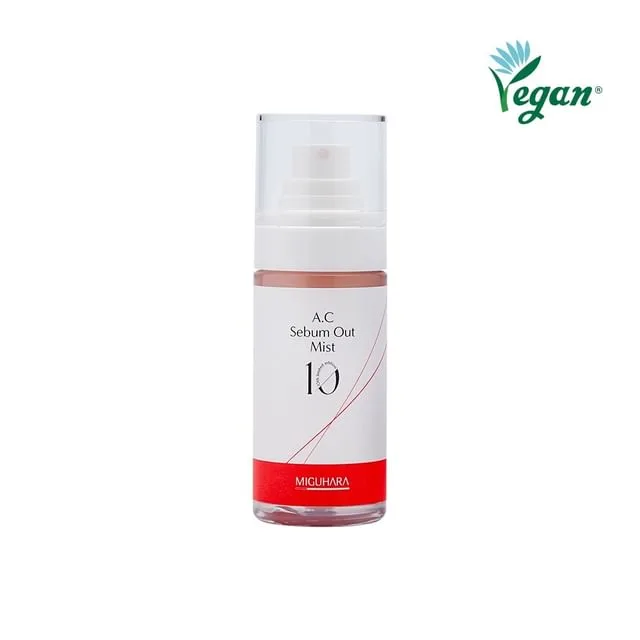 Sebum-Control Mist
 A.C Sebum Out Mist
A genuinely functional sebum-control mist, not just scented water, built on an 80% green tea base with a multi-acid blend, kaolin, and pink calamine, all fragrance-free. It mattifies and refreshes oily skin on the go and gently clears pores, with the acids, rosemary oil, and aluminum chlorohydrate keeping it best suited to oily, tolerant skin.
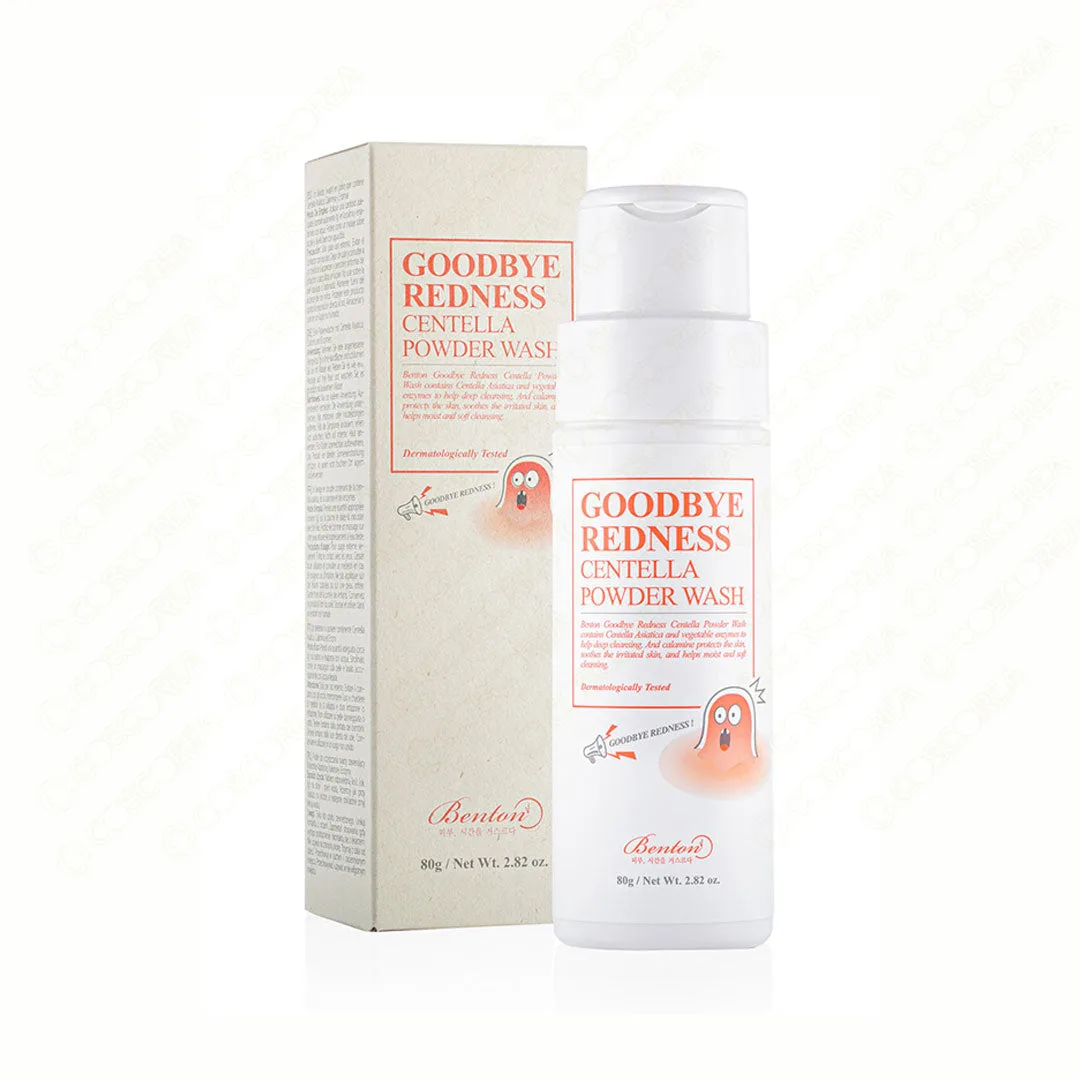 Gentle Enzyme Cleanse
 Goodbye Redness Centella Powder Wash
An enzyme powder cleanser that exfoliates and soothes in the same step: protease and bromelain handle the gentle dead-cell digestion while a full centella cica complex and calamine calm redness, all fragrance-free. It's a genuinely mild daily exfoliating wash that suits most skin, including sensitive. The main hesitations are the premium price for an 80g rinse-off and the slightly fussier powder-and-water ritual.
 Skincare-Powered Mattifier
 No.1 Pantothenic Skincare 100 Powder
An oil-control powder that's smarter than most: roughly 49% mattifying silica blended with genuine soothing actives — pantothenic acid, cica, calamine, zinc PCA — so it absorbs shine without the stripped, tight feel drying powders usually leave. It controls oil all day and even doubles as an overnight blemish-drying step. Strictly for oily and blemish-prone skin, though; dry types should skip it entirely.
The full calamine guide
Before hyaluronic acid serums, before retinol cycles, before the 10-step routine — there was that pink bottle in the medicine cabinet.
Calamine has been soothing irritated skin for generations, and there is real chemistry behind the folklore. 5% ferric oxide, the iron pigment responsible for that signature dusty-rose color. Its soothing reputation rests on a few mechanisms that hold up to modern scrutiny — surface barrier formation, mild astringency, and an evaporative cooling effect that physically interrupts the itch-scratch cycle.
How it's regulated in the US
FDA does not classify ingredients — it classifies products, by what they are sold to do. The same molecule can be a drug active in one product and a cosmetic ingredient in the next, and only the claim on the label decides which. What follows is a statement about that legal standing, not about whether it works — the evidence question is answered separately above.
OTC drug active Calamine has never been a cosmetic ingredient in the US — a calamine lotion is a skin protectant drug, sold under a Drug Facts panel.
- skin protection and poison ivy drying OTC monograph 1 to 25 percent
Generally recognized as safe and effective under an FDA order — marketed without FDA approval
Permitted label wording “Dries the oozing and weeping of poison ivy, oak and sumac”
Calamine holds FDA OTC drug status as a recognized skin protectant and antipruritic, and it appears on the WHO Model List of Essential Medicines for dermatological use — both regulatory recognitions of its core soothing role. Direct clinical trial data is modest: a 2022 retrospective study in Medicine (PMC9439764) of 50 infants found that adding calamine lotion to mometasone furoate ointment improved eczema area and severity index, lesion area, and pruritus scores compared with the steroid alone, though the sample was small and not a randomized controlled trial. Beyond that, the evidence base leans on long-standing traditional use and well-characterized pharmacology rather than large RCTs. For its established applications — itch relief, protecting minor irritation, and absorbing surface oil — the mechanism is well understood and the safety profile is excellent.
How it works
Calamine's soothing action is multi-pronged, which helps explain why it keeps surfacing across product types — from K-beauty spot powders to clinical itch-relief lotions. The antipruritic effect is partly physical. As the watery vehicle in a calamine preparation evaporates off the skin, it draws heat away from the surface, producing a mild cooling sensation that interrupts the neurological itch-scratch feedback loop. That's why these lotions tend to feel soothing almost on contact, before anything else has happened. The zinc oxide does the heavier structural work, depositing a thin, water-resistant film over the surface. This film limits transepidermal water loss and acts as a physical buffer against external irritants reaching reactive skin. Zinc compounds are also generally regarded as mildly anti-inflammatory at the skin surface, which adds to the calming effect on reactive, blemish-prone, and eczema-prone complexions, though the precise pathways are not fully mapped. The ferric oxide — that rose-pink pigment — is purely a cosmetic colorant with no established therapeutic activity; historically it distinguished calamine from plain zinc oxide preparations. At the higher concentrations used in some treatments (roughly 5–15%), calamine's powdery character lends real oil-absorbing and mattifying behavior, adsorbing excess sebum to cut shine and gently dry active blemishes — a surface effect, with none of the systemic action or resistance concerns of antibiotics.
Key benefits
- Eases itch from insect bites, rashes, and contact irritation
- Lays down a protective mineral film that buffers skin from further irritants
- Absorbs surface oil, cutting shine on oily and combination skin
- May support infant eczema recovery when layered over a prescribed topical steroid
- Generally well tolerated by sensitive, reactive, and compromised skin at standard concentrations
- Helps dry weeping or oozing minor lesions without stripping the surrounding skin
Concentration & usage
Traditional OTC therapeutic lotions and liquids run calamine at roughly 8%, usually with glycerin as a co-humectant to offset the drying. Cosmetic skincare tends to use less for general soothing and protection — around 1–5% in lotions and creams, 5–10% in masks and treatment products, climbing to as high as 15% in concentrated spot-care powders and blemish treatments. On an INCI list it appears simply as "Calamine," which denotes zinc oxide combined with approximately 0.5% ferric oxide. Because zinc oxide is the base, higher-concentration products carry a slight whitening cast and a distinctly mineral, powdery feel — worth keeping in mind when weighing a product's finish and wearability claims, especially on deeper skin tones.
Who it's for & who should be cautious
Who it's for
Oily and acne-prone skin gets the most obvious mileage here — both as a targeted spot treatment and as an oil-managing layer in masks or setting formulas. It also suits reactive, easily irritated skin: contact-irritant flares, insect bites, minor sunburn, and eczema-prone complexions tend to respond well to its barrier-forming and itch-calming properties. And because it carries no fragrance, alcohol, or complex bioactives, it is one of the more predictably tolerated actives for skin that reacts to conventional treatments.
Who should be cautious
Very dry or dehydrated skin should approach calamine carefully, especially at higher concentrations — the astringent, drying action that benefits oily skin can deepen tightness, flaking, and barrier stress in lipid-depleted complexions. If you are already on prescription-strength drying actives like retinoids or benzoyl peroxide, patch-test first and don't stack them at once, since layering multiple drying agents compounds the irritation risk. Anyone with a known zinc sensitivity should also tread lightly, though genuine zinc oxide allergy is uncommon.
Pairs with & conflicts
Pairs well with: Kaolin (White Clay), Colloidal Oatmeal, Allantoin, Centella Asiatica (Cica), Niacinamide (Vitamin B3), Glycerin, Panthenol (Pro-Vitamin B5)
Use with care alongside: Benzoyl Peroxide, Salicylic Acid (BHA), Retinol, Glycolic Acid (AHA)
Myths & facts
Myth: Calamine is just the chickenpox stuff — it has no place in modern skincare.
Reality: That association is cultural, not chemical. The zinc oxide base delivers genuine oil absorption, surface protection, and a calming effect, which is exactly why K-beauty blemish formulas — some running concentrations as high as 15% — have quietly leaned on it for years.
Myth: The pink color means it's doing something special.
Reality: The pink comes entirely from ferric oxide, a pigment colorant with no established therapeutic effect. It was added historically just to set calamine apart from plain zinc oxide; the actual skin work is the zinc oxide's job.
Myth: Calamine clears acne by killing acne-causing bacteria.
Reality: It doesn't act as an antibacterial. It manages the conditions blemishes thrive in — soaking up excess oil, calming surface inflammation, drying active spots — but it doesn't target C. acnes the way benzoyl peroxide or antibiotics do.
Frequently asked questions
Can calamine pull double duty as a daily moisturizer for oily skin?
It works better as a spot treatment or an oil-control component than as a stand-alone moisturizer. Calamine soaks up sebum and has a light-drying effect, but it doesn't deliver the humectants or occlusives skin needs to stay balanced day to day — pairing it with glycerin or hyaluronic acid elsewhere in the routine covers that gap.
Is calamine lotion safe to use during pregnancy?
Plain topical calamine is generally considered pregnancy-safe, since its zinc oxide and ferric oxide stay largely at the skin surface with minimal absorption. The catch is the rest of the formula — some calamine products add camphor, pramoxine, phenol, or other actives — so read the full ingredient list and check with your provider before regular use.
Why does calamine feel cool the moment it goes on?
That cooling is an evaporative effect: as the water in the formula evaporates off the surface, it carries heat away, producing a brief temperature drop. This physical cooling is a real part of how calamine quiets the itch sensation, kicking in before the zinc oxide film has even fully set.
Can calamine go on broken or weeping skin?
Yes — that's one of its classic uses. The astringent action helps dry oozing from minor irritation, while the zinc oxide film shields the compromised surface from further contact. For open wounds or heavily inflamed skin, treat it as a supportive measure alongside proper medical care rather than a stand-alone fix.
How is calamine different from plain zinc oxide in skincare?
Functionally they're close cousins — calamine's effects come almost entirely from its zinc oxide content. The practical difference is the ferric oxide colorant, which tints calamine pink and can leave a visible cast on deeper skin tones. Formulas aiming for a clear or tone-neutral finish usually reach for pure zinc oxide instead.
Is the 15% calamine in some K-beauty spot treatments safe to use?
At 15% it sits above typical OTC lotion levels but is used safely in several established Korean spot products. The trade-off is a stronger drying and mattifying effect — ideal dabbed on an active blemish, but too desiccating for repeated all-over-face use without a hydrating step to balance it out.