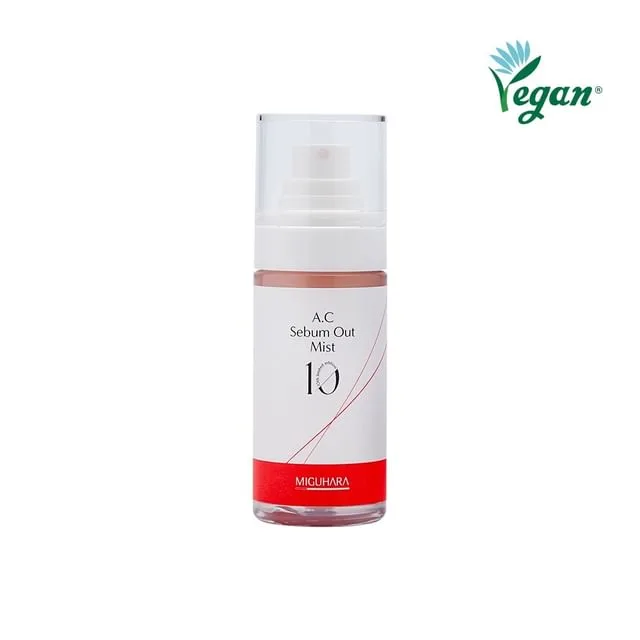
It is a sebum-control face mist rather than a serum or toner, pairing an 80% green tea base with a multi-acid blend (AHA, BHA, PHA), kaolin, and pink calamine in a fragrance-free spray. That on-the-go, mattify-and-clarify format for oily skin is its niche.
A genuinely functional sebum-control mist, not just scented water, built on an 80% green tea base with a multi-acid blend, kaolin, and pink calamine, all fragrance-free. It mattifies and refreshes oily skin on the go and gently clears pores, with the acids, rosemary oil, and aluminum chlorohydrate keeping it best suited to oily, tolerant skin.
A recent launch from an established brand, the mist has a still-building review base, so this read leans on its green-tea, multi-acid, and calamine oil-control formula as much as on feedback. How drying or refreshing it feels depends on skin type and how often it is reapplied, factors reviews seldom isolate.
Verdicts
How well it fits each concern
Verdict by concern tap a concern for the case
Promisingfor Excess OilinessIn your profileYou chose · Green Tea Extract has trial-level evidence for excess oiliness but no guideline or regulatory standing yet — promising, short of a recommendation; the other actives here are not yet assessed for it.Moderate evidenceGentleNo reviews collected yet
The case for it
Green Tea has trial-level evidence for this concern but no guideline or regulatory standing yet.
It is present at an effective concentration, declared or high in the ingredient list.
The formula carries none of the triggers this concern is sensitive to.
What would change this: Guideline or regulatory standing for the active on this concern would move this from a promising bet to a recommendation.
Same rule for everyone. “Promising” is the verdict on 7,858 of 45,024 concern verdicts across the catalog; rule R9p decided 7,858 of them.
Unchanged since September 5, 2026, engine 5.1.1.
R9p — 0.5.0: 'Unproven' beside three filled dots read as one question answered twice with opposite words (7,018 rows). The chip measures standing, the dots measure trial volume; where the row carries at least one RCT or a tier-2 source (moderate dots) and the active is present at a working level, the honest word is Promising. Unproven is reserved for plausible-standing rows with limited or weak evidence, or an under-dosed form. Same rank as Unproven — a bet either way; the dots order them. · the full register
Carrying active
Green Tea
Standing
plausible — trials support it
Form
adequate (declared 80%) — studied range 3–5%, from the OTC monograph or label; needs leave-on contact
Tolerability
gentle
Row checked
against its sources on July 17, 2026 (evidence table ev-2026.09-r228)
Also listed for Acne, Large Pores and Blackheads — the actives here (Green Tea Extract, Calamine, Gluconolactone, Licorice Root Extract) are in our research queue for those concerns; there is no verdict until their evidence rows are written. That is a gap in our table, not a mark against the product.
Does the jobDoes what a toner is for: not alcohol-driven, adds something real. Not measured from the label: restores skin pH, plays well with what follows.
A verdict is DermApproved’s assessment of how well a product’s ingredients fit a concern — never a claim about what the product treats. Evidence dots and collected reviews sit beside it and are never blended in.
Rules 0.5.1 · evidence table ev-2026.09-r228 · how we decide
✓ Kaolin and pink calamine mattify and soothe oily skin
✓ Convenient on-the-go shine control, even over makeup
✓ Fragrance-free with a cooling, matte finish
✓ Vegan and fairly priced
✓ Licorice and green tea calm as they control oil
Cons
✗ Exfoliating acids can dry skin if overused
✗ Aluminum chlorohydrate and rosemary oil add astringency
✗ Best only for oily, tolerant skin
✗ Needs shaking before each use as it settles
✗ Unlikely to suit malassezia-prone (fungal acne) skin
Review
Full Review
Face mists have an image problem, and mostly it is deserved. The category is full of overpriced bottles of water with a whisper of glycerin and a marketing story, products that refresh for a pleasant thirty seconds and do nothing lasting. So it is worth approaching any mist with skepticism, and then giving credit where a formula actually earns it. Miguhara's A.C Sebum Out Mist earns some, because it is not built on water at all: its base is an 80% green tea leaf water from Jeju, and it carries a working set of actives that make it a genuine oil-control step rather than a spritz of nothing.
The green tea does the foundational work. At a stated 80%, replacing plain water entirely, it brings real antioxidant and sebum-balancing properties, the same logic behind the brand's A.C Control Serum but in a sprayable format. Layered onto that base is a multi-acid blend, gluconolactone (a gentle PHA), salicylic acid (BHA), and glycolic acid (AHA), which adds a light exfoliating, pore-clearing action. And then the clever part: kaolin clay and pink calamine, which give the mist genuine sebum-absorbing, soothing, faintly mattifying character and the subtle pink tint. That combination, green tea plus acids plus clay and calamine, is a legitimately thought-through oil-control formula compressed into a mist.
The format is the appeal. As a first step after cleansing, it preps oily skin; sprayed over makeup midday, it cuts shine and refreshes without disturbing the face. For oily and combination skin that fights a greasy T-zone by afternoon, a fine mist you can reapply on the go is a more practical shine solution than blotting papers or a heavy powder. It settles to a soft matte finish, is fragrance-free, and feels cooling without relying on menthol. Over a few weeks of regular use, the green tea and acids can help pores look clearer and oil feel steadier.
The caveats keep it from being universal. The exfoliating acids, while gentle and lightly dosed, mean overuse can dry the skin, and the formula also contains aluminum chlorohydrate, an astringent more familiar from antiperspirants used here for its oil-and-pore-tightening effect, plus rosemary leaf oil. None of these are alarming, but together they make the mist better suited to oily, resilient skin than to dry, sensitive, or reactive complexions, which should use it sparingly or skip it. Because it contains acids, daytime sunscreen is important, and the calamine and clay mean you must shake the bottle before each use or risk an uneven, settled spray. Fungal-acne sufferers should note it is not certified malassezia-safe and vet the formula accordingly.
Miguhara itself is a settled name in Korean skincare, brightening-focused and known for building its formulas on plant water instead of plain purified water, which is exactly why this mist rests on a green tea base. That philosophy is exactly what makes this mist more substantive than the category norm, even if the brand lacks the clinical depth of a medical house. This is also a newer product, so its long-term review base is still building, which means a little more weight falls on the formula itself.
It is worth picturing the moments this mist actually earns its place, because the format is its whole pitch. The mid-afternoon shine that creeps across a T-zone by 3pm; the post-lunch refresh when blotting papers feel inadequate; the warm commute that leaves oily skin slick. In those situations, a fine spray you can apply over makeup, with real oil-absorbing calamine and clay behind it rather than just water, is genuinely more useful than carrying a powder. It is not a routine cornerstone and it does not pretend to be; it is a targeted convenience for people whose oiliness is a recurring daytime nuisance. Seen that way, as a practical shine-management tool with actual actives, it fills a small niche that most of the skincare aisle ignores, and fills it well for the oily skin it suits. Just remember to shake it, keep it to the skin that can take the acids, and treat it as the convenient daytime shine-control tool it is rather than a cornerstone of the routine, and it earns its modest, specialized keep.
Ultimately, it is a genuinely useful niche product for the right user: oily and combination skin that wants convenient, throughout-the-day shine control with a formula that actually does something. Go in understanding that the acids and astringent ingredients make it a poor fit for dry or sensitive skin, that you need to shake it and pair it with sunscreen, and that it is a supporting oil-control tool rather than a complete routine, and it delivers a refreshing, mattifying, gently clarifying experience that most face mists cannot match. For oily skin that has been disappointed by watery mists, this is the rare one with real substance behind the spray, and at a fair price it is an easy, if specialized, recommendation.
Formula
Key Ingredients
The hero actives that drive this product's performance.
Green tea leaf water leads the mist at a stated 80%, standing in for plain water as the antioxidant, sebum-balancing base; this Jeju green tea concentration is the calming, oil-controlling heart of the formula that the acids and clay then build on.
A trio of AHA, BHA, and PHA gives the mist a gentle exfoliating, pore-clearing action; in a spray format the dose is light, so it works as a mild daily refresh-and-clarify step rather than a strong leave-on exfoliant.
Calamine and kaolin clay give the mist its sebum-absorbing, soothing character and faint pink tint; they help mattify oily skin and calm irritation on the go, which is the point of a spray you can reapply through the day.
A licorice-derived anti-inflammatory that calms redness and supports the green tea's soothing action; in an oil-control mist it keeps the acids and astringent ingredients from leaving skin irritated.
Shake well and mist over cleansed skin as a first step, or spritz over makeup through the day to refresh and control shine. Pat in rather than letting it dry down fully, and pair with sunscreen since it contains exfoliating acids.
Results Timeline
Skin looks less shiny right after misting; clearer pores and steadier oil control build over a few weeks of regular use.
The mist is more substantive than most because its base is green tea (Camellia sinensis) leaf water at a stated 80%, replacing plain water; green tea has well-documented antioxidant activity and catechin-driven sebum-balancing properties, giving the formula a legitimate oil-control foundation. The exfoliating acids are a sensible, gentle trio: gluconolactone is a polyhydroxy acid with mild, low-irritation exfoliation, salicylic acid is an oil-soluble BHA that clears pores, and glycolic acid is an AHA for surface renewal, though all are lightly dosed in a mist format. Kaolin is a documented oil-absorbing clay and calamine (a zinc-oxide-and-iron-oxide blend) has soothing, mildly astringent properties, both contributing the mattifying, calming character. Dipotassium glycyrrhizate adds anti-inflammatory support. The more astringent inclusions are aluminum chlorohydrate, used for its pore- and oil-tightening effect but potentially drying, and rosemary leaf oil, a fragrant botanical and possible sensitizer. The fair reading is that the green-tea base and multi-acid-plus-clay approach give the mist genuine, evidence-aligned oil-control function, while the astringent ingredients narrow its suitability to oily, tolerant skin and warrant sun protection given the acids.
Dermatologist Perspective
A mist combining green tea, gentle acids, and oil-absorbing clay is a reasonable, if niche, tool for oily skin, and the fragrance-free formulation is a point in its favor. Clinically, the considerations are the exfoliating acids, which call for daytime sunscreen and caution against overuse, and the astringent ingredients, aluminum chlorohydrate and rosemary oil, which can dry or irritate, making this less suitable for dry, sensitive, or rosacea-prone skin. Misting acids over makeup is fine for shine control but should not replace a proper routine. For oily skin, it can be a convenient adjunct to a standard regimen of gentle cleansing, oil-free moisturizer, and sun protection, rather than a standalone treatment.
Guidance
Usage & Recommendations
How to Use
Shake the bottle well, then mist over cleansed skin as a first step, or spritz lightly over makeup through the day to control shine and refresh. Hold it a short distance away for a fine, even spray, and pat in the excess rather than soaking the skin. Follow your routine with an oil-free moisturizer and, in the morning, sunscreen, since the mist contains exfoliating acids. Use it sparingly if your skin leans dry or sensitive, and patch test first given the acids and rosemary oil.
Value Assessment
At a modest price for 60ml, the mist offers fair value for what is a genuinely functional, fragrance-free oil-control spray rather than scented water. The green-tea base and multi-acid-and-clay formula give it real substance, which justifies its cost over a basic hydrating mist. The catch is that it is a specialized product suited mainly to oily, tolerant skin, so its value only materializes for that audience, and a 60ml mist used through the day will not last indefinitely. There is no larger size to weigh, and prices vary across K-beauty retailers. For oily skin that wants on-the-go shine control with actual actives, it is a worthwhile, if niche, buy.
Who Should Buy
Oily and combination skin that wants convenient, throughout-the-day shine control from a mist with real actives, green tea, gentle acids, and oil-absorbing calamine and clay. It suits anyone who finds plain hydrating mists pointless and wants a sprayable oil-control step that also works over makeup.
Who Should Skip
Dry, sensitive, or rosacea-prone skin should use it sparingly or skip it, given the exfoliating acids, aluminum chlorohydrate, and rosemary oil. Those wanting a purely hydrating mist, or who manage fungal acne, should choose a different product.
A fine, slightly milky mist that settles to a soft matte finish without stickiness.
Scent
Fragrance-free, with only a faint natural herbal note.
Packaging
A fine-mist spray bottle, convenient for on-the-go use, though the calamine means it needs a shake before each use.
Finish
mattelightweightfast-absorbing
What to Expect on First Use
On first use it mists on cool and fine, settling to a soft matte finish; oily skin should feel refreshed and less shiny, with no scent and a faint cooling, though the acids mean sensitive skin should test first.
How Long It Lasts
About 2-3 months with daily use from the 60ml bottle, depending on how often you reapply.
The A.C Sebum Out Mist sits in Miguhara's acne-focused A.C line, reflecting the brand's botanical-base philosophy of building formulas on plant water. It applies the brand's green tea oil-control approach to a sprayable mist for refreshing and mattifying oily skin throughout the day.
About Miguhara Established Brand (5–20 years)
Miguhara, a Korean brand dating to roughly 2012, is recognized for botanical-base formulating and a brightening-led catalog. As an indie label without medical-house backing, it has earned a dependable reputation across K-beauty retailers rather than through published clinical validation.
Brand founded: 2012 · Product launched: 2023
Myth vs. Reality
Common Myths
Myth
A face mist is just water and cannot do real skincare.
Reality
Plain hydrating mists are mostly water, but this one is built on 80% green tea with acids, clay, and calamine, so it genuinely offers oil control and gentle exfoliation; the format is a spray, but the formula does more than refresh.
FAQ
Frequently Asked Questions
What does the Sebum Out Mist actually do?
It is a sebum-control mist built on an 80% green tea base with a multi-acid blend (AHA, BHA, PHA), kaolin clay, and pink calamine. It mattifies and refreshes oily skin, gently clears pores, and soothes, and can be used as a first step or spritzed over makeup to manage shine.
Can I spray it over makeup?
Yes, a light mist over makeup helps cut shine and refresh oily skin through the day. Use a fine spray and let it settle rather than soaking the face, and shake the bottle first since the calamine and clay can settle.
Is the mist drying because of the acids?
It contains gentle exfoliating acids plus aluminum chlorohydrate and rosemary oil, so overuse can be drying or irritating for some. Oily, tolerant skin usually finds it refreshing; dry or sensitive skin should use it sparingly and pair it with hydration.
Does the A.C Sebum Out Mist contain added fragrance?
It has no added fragrance, with only a faint natural herbal note, though it does contain rosemary leaf oil. Most users find it effectively scentless, but the most fragrance-reactive skin should patch test first.
Who is this mist best for?
Oily and combination skin that wants convenient, on-the-go shine control with a green-tea-and-acid formula. It is less suited to dry or sensitive skin given the acids and astringent ingredients.
Reviews
What Reviewers Tend to Say
Recurring themes our editors read across retailer reviews of this product — summaries in our words, not quotations, and not a substitute for your own patch test.
Polyhydroxy acids get filed under 'beginner exfoliant,' as if gentle meant weak. The truth is stranger: their bulk is exactly why they work for the skin everything else sets on fire.
Cutting a beard hair takes about a twentieth of a newton. You press with two and stretch your skin by a fifth — which is why almost every shaving problem is a technique problem wearing a hardware costume.
The whole case for salicylic acid rests on one unglamorous fact of chemistry: it dissolves in oil. Understand that, and you know exactly when it beats a glycolic acid — and when it's overkill.
Your immune cells already make it to kill microbes. Now it's in a spray bottle for breakouts and redness, and the real evidence is quietly stronger than the 'miracle mist' marketing that's outrunning it.
Jan 18, 2026· 4 min
Questions people ask about Acne
Verified answers from our questions library — the nuance a product page cannot carry.
Products, answers, therapy guides, tools and articles in one search. Brand names,
slang and abbreviations all work — accutane finds isotretinoin, bacne finds truncal acne.