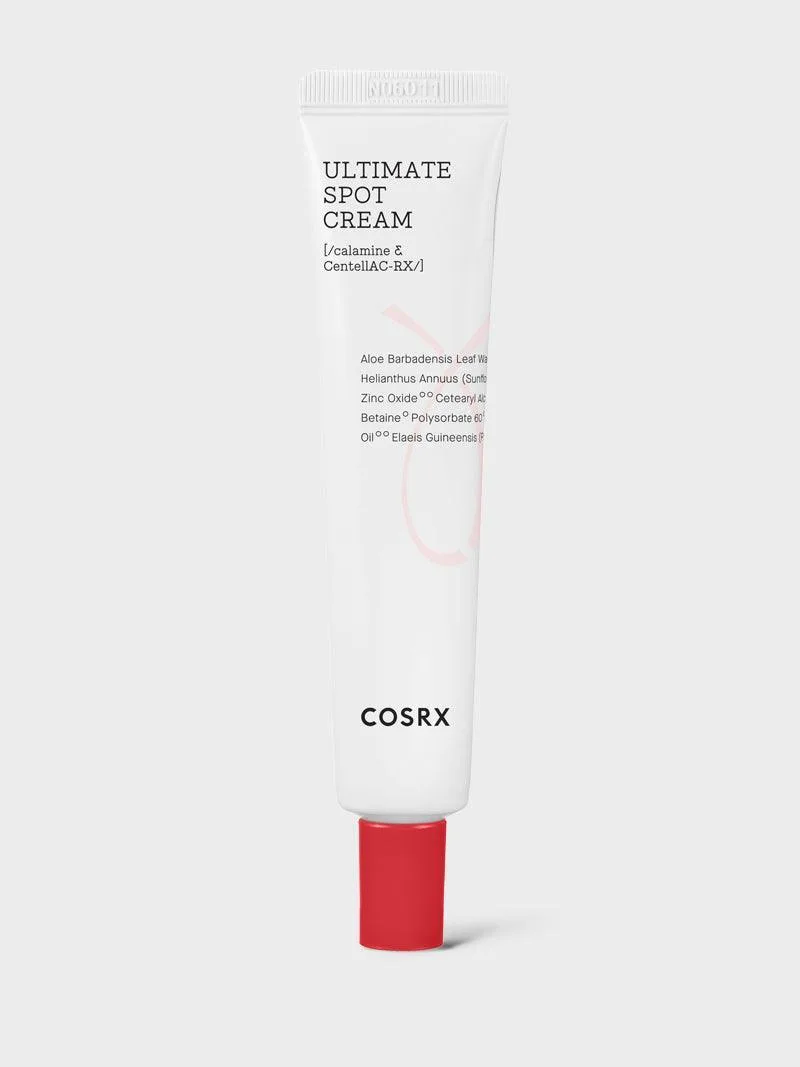
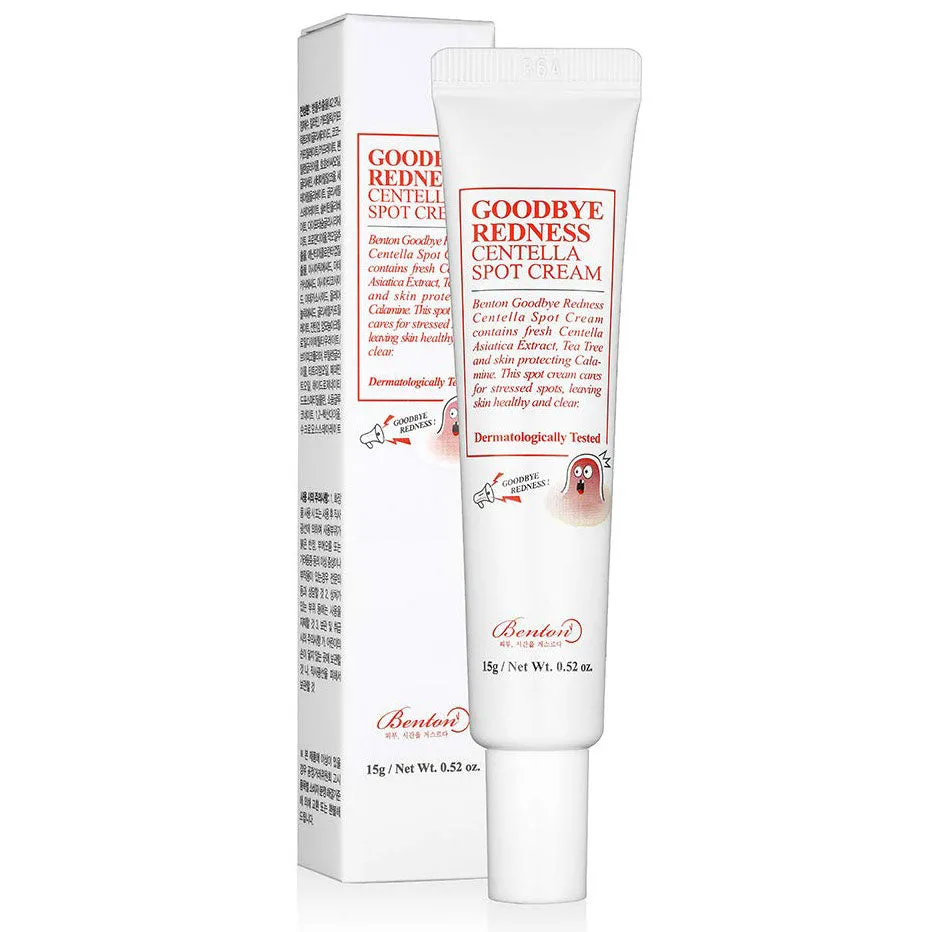
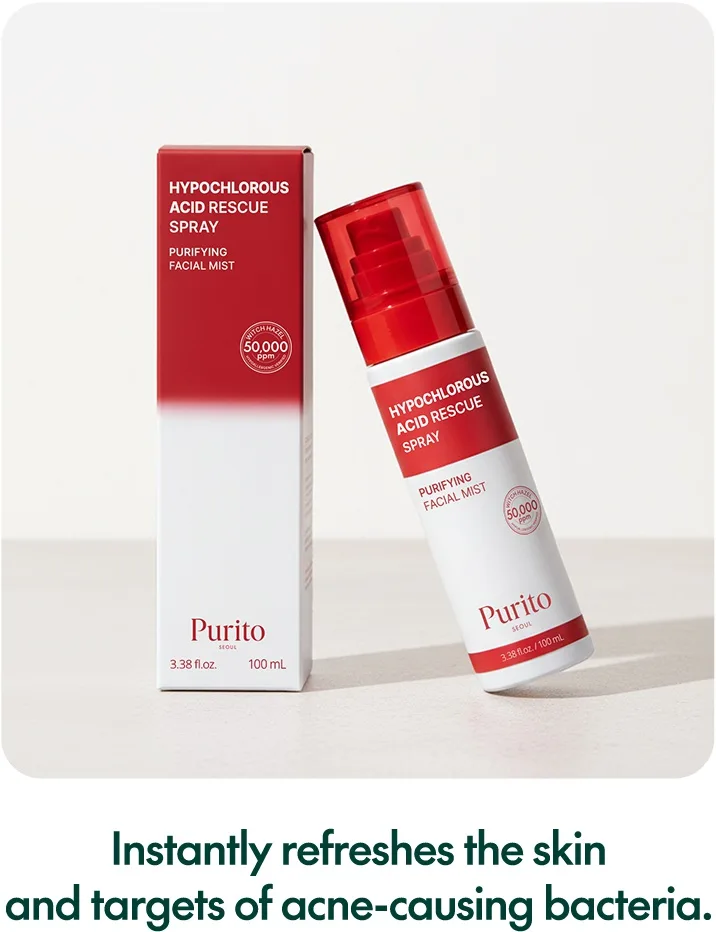
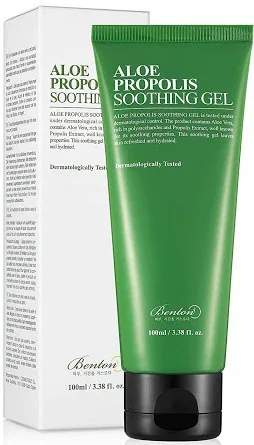
Most spot treatments rely on benzoyl peroxide or high-concentration salicylic acid to nuke individual pimples — effective but often irritating and drying to surrounding skin. This cream takes a mineral approach: zinc oxide and calamine absorb oil and reduce inflammation while the CentellAC-RX complex promotes healing. It's the difference between burning down the house and calmly putting out the fire.
A gentle, mineral-based spot treatment that soothes blemishes through zinc oxide and calamine rather than chemical warfare. It won't clear cystic acne, but for surface-level pimples and inflamed spots on sensitive skin, it provides calm, steady reduction in redness and swelling overnight. Think of it as first aid for your face, not a cure.
Avoidfor SensitivityIn your profileYou chose · This formula carries fragrance — the kind of thing reactive skin flags first.Not yet assessedCarries a triggerNo reviews collected yet
The case for it
CentellAC-RX Complex has been researched for this concern and the evidence does not support it.
It is plausibly present at a working level, though the concentration is not declared.
The formula carries a known trigger for this concern, which decides the verdict before any efficacy question.
What would change this: Removing the trigger named above would let the actives be judged on their own.
Same rule for everyone. “Avoid” is the verdict on 1,909 of 45,024 concern verdicts across the catalog; rule F1 decided 605 of them.
Unchanged since September 5, 2026, engine 5.1.1.
Also listed for Acne — the actives here (Aloe Vera, Zinc Oxide, MSM (Methylsulfonylmethane) are in our research queue for that concern; there is no verdict until their evidence rows are written. That is a gap in our table, not a mark against the product.
A verdict is DermApproved’s assessment of how well a product’s ingredients fit a concern — never a claim about what the product treats. Evidence dots and collected reviews sit beside it and are never blended in.
Rules 0.5.1 · evidence table ev-2026.09-r228 · how we decide
Assessment
Pros & Cons
Pros
✓ Zinc oxide and calamine provide proven anti-inflammatory and oil-absorbing action without chemical harshness
✓ Aloe vera base prevents over-drying of the blemish area and surrounding skin
✓ Virtually unscented and gentle enough for even sensitive, reactive skin
✓ Hygienic squeeze tube lasts 3-6 months with spot-treatment use
✓ Works well under hydrocolloid pimple patches for enhanced overnight treatment
✓ No stinging or tingling on application — comfortable even on inflamed breakouts
Cons
✗ Zinc oxide white cast makes it impractical for daytime wear
✗ Centella triterpenoids appear at the very end of INCI suggesting trace concentrations
✗ Not potent enough for deep cystic acne — works best on surface-level blemishes
✗ Thick, sticky texture doesn't absorb fully into the skin
✗ Contains palm oil, which some users avoid for environmental reasons
Review
Full Review
There's something almost charmingly old-fashioned about a spot treatment built on calamine and zinc oxide. These are ingredients with decades of dermatological history — calamine for soothing inflamed skin, zinc oxide for its anti-inflammatory and oil-absorbing properties. They've been used in everything from diaper rash cream to poison ivy treatment. And now COSRX has formulated them into a K-beauty spot cream that takes a conspicuously gentle approach to the aggressive business of fighting pimples.
The formula centers on a mineral strategy rather than a chemical one. Zinc oxide provides the primary anti-inflammatory and oil-absorbing action — sitting on the surface of the blemish, soaking up excess sebum while reducing the inflammatory cascade that makes pimples red, swollen, and angry. Calamine (itself a mixture of zinc oxide and iron oxide) reinforces this with additional soothing and anti-itch properties. Together, they create a protective, drying barrier over the spot that lets the skin underneath calm down.
The aloe vera leaf water base ensures the spot doesn't become a desiccated crater. Where pure zinc oxide or calamine products can over-dry the treatment area and the surrounding skin, the aloe base provides hydrating, anti-inflammatory support that prevents the mineral actives from going too far. Sunflower seed oil and palm oils add emollient richness that keeps the cream workable and prevents excessive drying. It's a thoughtful balance between drying out the blemish and not destroying the skin around it.
Sitting quietly in the middle of the list is dimethyl sulfone, better known as MSM — an organic sulfur compound with anti-inflammatory activity that gets far less attention than it deserves. Its value here is that it attacks the same swelling and redness through a different pathway than the minerals do, which is what a well-built anti-inflammatory formula ought to do rather than doubling down on one mechanism. Alongside it sit two botanicals worth naming: baikal skullcap root extract, a genuinely capable antioxidant and anti-inflammatory, and anise fruit extract. Cetearyl olivate and sorbitan olivate, both olive-derived, do the emulsifying that holds this unusually mineral-heavy cream together without adding harshness.
One inclusion deserves a caution rather than applause. Tea tree leaf oil appears near the end of the list, and while it has real antimicrobial credentials in acne, it is also among the more common contact sensitizers in skincare. For most people at this concentration it passes unnoticed. For anyone with a history of reacting to essential oils, it's the ingredient to watch, and it sits oddly in a formula whose entire pitch is gentleness. The palm and palm kernel oils draw their own objections, both from people avoiding palm for environmental reasons and from the fungal-acne-prone, for whom this cream is not a safe choice.
COSRX's CentellAC-RX complex — asiaticoside, asiatic acid, and madecassic acid — appears at the very end of the ingredient list, suggesting these are present at low concentrations. This is a legitimate critique: if the centella complex is the proprietary highlight of the AC Collection line, its trace presence in the spot cream feels like brand consistency more than therapeutic strategy. The centella triterpenoids are active at low concentrations, but the positioning in the INCI doesn't inspire confidence about meaningful dosing.
The texture is intentionally thick — this is not a lightweight serum you pat into your skin. It's a dense, opaque cream that sits on the surface, creating a visible layer over the blemish. The white cast from the zinc oxide is unavoidable and makes this purely a nighttime product for most people. You apply a small dab to the offending spot, leave it alone, and let it work overnight. By morning, the redness should be visibly reduced and the blemish somewhat flattened.
That white layer prompts a recurring worry that the cream must be heavy enough to clog what it covers. It isn't. The opacity is simply what zinc oxide looks like — the same mineral doing the same optical trick in mineral sunscreens — and zinc oxide is non-comedogenic, used in dermatology precisely on inflamed and irritated skin. The visible film is the mechanism, not a side effect of it: a barrier that absorbs oil at the surface while the skin beneath gets left alone to heal. The ingredients in this formula that carry genuine pore-clogging potential are the palm oils, not the minerals people notice.
The results timeline is honest and modest. This cream doesn't promise overnight miracles. Active pimples typically show reduced redness and swelling within 12-24 hours, with progressive flattening over 2-3 days. The best strategy is early intervention — applying the cream at the first sign of a forming blemish can prevent it from fully developing. Once a pimple is fully formed and inflamed, the cream manages the inflammation rather than eliminating the underlying cause.
Pairing this cream with a hydrocolloid pimple patch is the power move that many COSRX users have discovered. Apply the spot cream, then place a patch over it. The patch creates a sealed environment that enhances ingredient absorption while physically preventing you from touching the blemish — easily the most counterproductive habit in acne management.
User sentiment across roughly twelve hundred reviews averaging 4.3 lands almost exactly where the formulation predicts. People report redness dropping within hours and appreciate that nothing stings going on. They also report, in nearly the same breath, that it doesn't clear their acne — which is true, and which is the difference between an anti-inflammatory and an acne treatment. The reviews that read as disappointed are almost always the ones that expected the second thing from a product built to do the first.
The 30 g tube at $23 is reasonably priced for a spot treatment that lasts months. You need a tiny amount per blemish, so even with frequent breakouts, a single tube easily covers three to six months of use. The squeeze tube format, with its narrow opening and twist cap, is more hygienic than a jar and lets you place a precise dab where you want it rather than dragging a finger through the pot.
This isn't a product that will impress people who measure spot treatment efficacy by how quickly and aggressively it destroys a pimple. Benzoyl peroxide will act faster. Prescription retinoids will clear more thoroughly. But for sensitive acne-prone skin that can't tolerate those aggressive options — or for anyone who wants to calm a blemish without the dryness, peeling, and pillowcase-bleaching that come with BP — the COSRX AC Collection Ultimate Spot Cream provides a gentle, mineral-based alternative that treats pimples with patience instead of punishment.
Formula
Key Ingredients
The hero actives that drive this product's performance.
Provides dual anti-inflammatory and mild antimicrobial action while absorbing excess oil from the surface of blemishes. In this spot cream, zinc oxide creates a protective, oil-absorbing layer over active breakouts that helps dry them out and reduce swelling — functioning like a calamine-enhanced Band-Aid for pimples.
A mineral blend of zinc oxide and iron oxide that provides soothing, anti-itch, and oil-absorbing properties. Paired with the standalone zinc oxide in this formula, calamine creates a robust mineral-based soothing system that reduces redness and discomfort from inflamed pimples without the harshness of chemical acne actives.
COSRX's proprietary centella complex promotes wound healing and reduces inflammation at the cellular level. Listed near the end of the INCI suggesting lower concentration, but the triterpenoids are active at small amounts — stimulating collagen synthesis and inhibiting pro-inflammatory cytokines to help blemishes heal faster with less scarring risk.
An organic sulfur compound with anti-inflammatory properties that supports skin repair. In this spot cream, MSM works alongside the zinc oxide and centella to reduce the swelling and redness of active blemishes through a complementary anti-inflammatory pathway.
The primary base ingredient, providing soothing hydration that prevents the spot cream from over-drying the skin around the blemish. Aloe vera's natural anti-inflammatory polysaccharides complement the zinc and centella's soothing action while maintaining moisture at the application site.
Not yet assessed
Ingredient standings describe the active at treatment-level doses and
vehicles; this product's own condition grades weigh its actual formula.
Make this the final step of your evening routine, directly onto individual blemishes. Use a thin layer — a little goes a long way. The cream creates a protective barrier over the spot, so apply after all other skincare has absorbed. Can be used under pimple patches for enhanced effectiveness.
Results Timeline
Visible reduction in redness and swelling within 12-24 hours. Active pimples flatten and dry out over 2-3 days. Best results when used at the first sign of a forming blemish — early application can prevent full development. Not designed for long-term skin clearing, but for acute spot treatment of individual breakouts.
Pairs Well With
COSRX Acne Pimple Master Patch over the spot cream for overnight treatmentCOSRX AC Collection Blemish Spot Clearing Serum as an all-over treatment earlier in routineLightweight non-comedogenic moisturizer around (not on) the treated spots
THIS PRODUCT — dab onto individual blemishes as final step
Evidence
Science & Expert Perspective
The Science
Zinc oxide's role in dermatology extends well beyond sunscreen. A comprehensive 2014 review in Dermatology Research and Practice documented zinc's anti-inflammatory effects through inhibition of inflammatory cytokines, including IL-1, IL-6, and TNF-alpha — the same cytokines that drive acne inflammation. Topical zinc has demonstrated efficacy in multiple inflammatory skin conditions, and its oil-absorbing properties make it particularly relevant for acne where excess sebum is a contributing factor.
The centella triterpenoids, while present at the end of the INCI, have documented activity at low concentrations. A 2019 study in Bioscience, Biotechnology, and Biochemistry showed that madecassoside (a centella derivative closely related to the asiaticoside in this formula) significantly inhibited pro-inflammatory IL-1beta and TLR2 in C. acnes-stimulated cells — directly relevant to the inflammatory acne this spot cream targets. A 2020 randomized controlled trial published in the Journal of Cosmetic Dermatology demonstrated that a centella extract standardized for asiaticoside and madecassoside significantly reduced erythema after laser resurfacing, confirming wound-healing benefits in a clinical setting.
Dimethyl sulfone (MSM) adds an additional anti-inflammatory dimension. A 2022 study in Biomedicines demonstrated MSM's protective effects against UV-induced skin damage through anti-inflammatory and antioxidant mechanisms — suggesting broader skin-protective properties beyond its traditional use as a joint supplement.
Dermatologists recognize zinc oxide and calamine as time-tested topical anti-inflammatory agents with an excellent safety profile. Skin-care clinicians often recommend mineral-based spot treatments for patients who cannot tolerate benzoyl peroxide or salicylic acid, particularly those with sensitive or eczema-prone skin. The mineral approach is less potent than chemical spot treatments but carries virtually no risk of allergic contact dermatitis or excessive drying. Dermatologists typically position this type of product as a complementary treatment — useful for acute symptom management while systemic or prescription topical treatments address the underlying acne pathology.
Guidance
Usage & Recommendations
How to Use
Apply as the final step of your evening skincare routine. Dab a small amount directly onto individual blemishes — do not apply all over the face. The cream is meant to sit on the surface as a protective layer, so don't try to rub it in completely. For enhanced results, place a hydrocolloid pimple patch over the treated spot. Leave on overnight. In the morning, cleanse as normal. Use at the first sign of a forming blemish for best results.
Value Assessment
At $23 for 30 g, the per-gram cost is higher than drugstore calamine lotion. But you're paying for a formulated spot treatment with centella, MSM, and tea tree in a hygienic, precise-application tube. Since you only use a tiny amount per blemish, the tube lasts 3-6 months — putting the monthly cost at roughly $4-8. For a targeted spot treatment from a reputable K-beauty brand, the value is fair.
Who Should Buy
People with sensitive skin who need a spot treatment that won't burn, sting, or over-dry. Anyone who finds benzoyl peroxide too harsh or irritating. K-beauty users looking for a gentle complementary spot treatment alongside their AC Collection routine. Those who prefer mineral-based skincare over chemical actives for blemish management.
Who Should Skip
People with moderate-to-severe cystic acne need stronger prescription treatments. Anyone who wants a clear, invisible spot treatment for daytime wear — the white cast is unavoidable. Those who expect overnight pimple elimination will find this cream's gentle approach too slow. Users who avoid palm oil for environmental reasons should note the Elaeis Guineensis oils in the formula.
Ready to try COSRX AC Collection Ultimate Spot Cream?
Thick, almost clay-like cream that requires some effort to spread. Sits on the surface of the skin rather than absorbing fully — this is intentional, as the cream creates a protective, oil-absorbing barrier over the blemish. Not suitable for all-over face application.
Scent
Virtually unscented. Faint mineral/zinc smell if you hold the tube to your nose, but nothing detectable during normal application.
Packaging
White and red aluminum squeeze tube with a twist cap, 30 g. Features COSRX's 'Dual Block System' designed to maintain hygiene. Small, precise opening allows controlled dispensing for spot application.
Finish
matte
What to Expect on First Use
Applies as a thick white cream that sits visibly on the skin. The zinc oxide creates an immediate white cast on the treated spot. Feels slightly drying and protective — like a very refined calamine lotion. Best used before bed so the white cast isn't a cosmetic concern. No stinging or tingling on application.
How Long It Lasts
3-6 months with spot-treatment use only — a little product covers each blemish, so the 30 g tube lasts a long time
The AC Collection Ultimate Spot Cream rounds out COSRX's acne lineup as the emergency intervention product. While the cleanser, toner, and serum provide daily prevention and treatment, this cream is for the moment a specific pimple demands targeted attention. The zinc oxide and calamine approach draws from traditional dermatological treatments for inflamed skin conditions, repackaged in a modern K-beauty format.
About COSRX Established Brand (5–20 years)
COSRX was founded in 2013 and is one of K-beauty's most trusted brands for targeted acne solutions. The AC Collection line uses the brand's proprietary CentellAC-RX complex. Now a subsidiary of Amorepacific since 2023.
Brand founded: 2013 · Product launched: 2019
Myth vs. Reality
Common Myths
Myth
Spot treatments need benzoyl peroxide to actually work on pimples.
Reality
Benzoyl peroxide is effective for acne, but it's not the only approach. Zinc oxide has demonstrated anti-inflammatory and mild antimicrobial properties in dermatological research. This cream works by reducing the inflammation and oil production that sustain active blemishes, rather than by killing bacteria through oxidation. Different mechanism, gentler execution.
Myth
The white cast from zinc oxide means the product is too heavy and will clog pores.
Reality
The white cast simply reflects zinc oxide's natural opacity — it's the same mineral used in mineral sunscreens. Zinc oxide is non-comedogenic and is actually used in dermatology to treat inflamed, irritated skin conditions. The visible layer creates a protective barrier that absorbs excess oil while allowing the skin underneath to heal.
FAQ
Frequently Asked Questions
Does the COSRX AC Ultimate Spot Cream contain benzoyl peroxide?
No — this cream uses zinc oxide and calamine as its primary active minerals instead of benzoyl peroxide. It takes a gentler, anti-inflammatory approach to spot treating pimples rather than the antibacterial oxidation mechanism of BP. This makes it more suitable for sensitive skin but potentially less aggressive against stubborn acne.
Can I wear this spot cream during the day?
You can, but the thick texture and white cast from the zinc oxide make it cosmetically impractical for daytime wear unless you're staying home. Most users apply it as the last step of their evening routine and sleep with it on. If you need a daytime spot treatment, consider a clear, invisible formula instead.
Can I use this cream with pimple patches?
Yes — applying this cream underneath a COSRX Pimple Master Patch or hydrocolloid patch is a popular combination. The cream provides the active ingredients while the patch creates a sealed, protective environment that enhances absorption and prevents you from touching the blemish overnight.
Is this spot cream good for cystic acne?
This cream can help reduce the redness and inflammation of cystic acne, but it's not potent enough to treat deep cystic lesions on its own. Cystic acne typically requires prescription treatments (topical retinoids, oral antibiotics, or isotretinoin). This cream works best on surface-level inflammatory pimples and whiteheads.
Why does the cream leave a white cast?
The white cast comes from zinc oxide, the same mineral used in physical sunscreens. It's a sign that the mineral is sitting on the skin surface, absorbing oil and providing a protective barrier. The white cast is a cosmetic trade-off for the gentle, non-irritating mechanism — use it overnight when the visibility doesn't matter.
Reviews
What Reviewers Tend to Say
Recurring themes our editors read across retailer reviews of this product — summaries in our words, not quotations, and not a substitute for your own patch test.
Common Praise
Effectively reduces redness and swelling of active blemishes within hours
Zinc oxide and calamine combination dries out pimples without harsh chemicals
Hygienic squeeze tube packaging prevents contamination during application
Gentle enough for sensitive skin without causing additional irritation
Long-lasting tube — a small amount covers individual spots effectively
Common Complaints
Doesn't eliminate acne — works more as an anti-inflammatory than a true acne treatment
Zinc oxide leaves a visible white cast on the treated area
Thick, somewhat sticky texture doesn't absorb fully into the skin
Key centella actives are listed at the very end of INCI suggesting low concentrations
Results are slow and modest compared to benzoyl peroxide spot treatments
The strongest counterexample to blanket botanical scepticism is also one of the more common contact allergens — and holding both facts at once is the only honest way to read it.
Essential oils are declared by botanical name rather than as fragrance, which is why the most heavily perfumed products in the natural aisle can carry the reassuring word — and why the bottle gets more sensitising the longer you own it.
The burn trials are real and the skeptics who dismiss aloe as folklore are wrong — but the same substance has delayed healing in other wounds, and none of it says anything about what a soothing gel does to intact skin.
Products, answers, therapy guides, tools and articles in one search. Brand names,
slang and abbreviations all work — accutane finds isotretinoin, bacne finds truncal acne.