MSM (Methylsulfonylmethane)
Products with MSM (Methylsulfonylmethane)
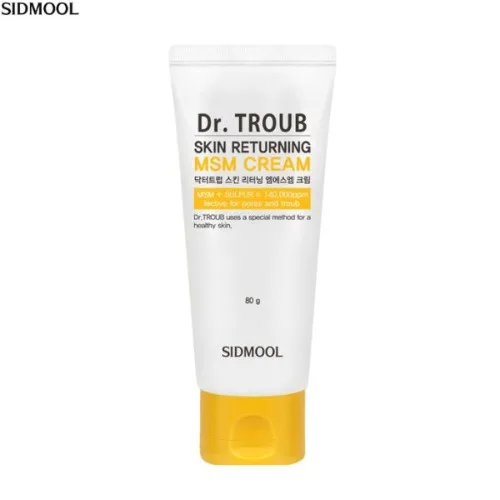 Sulfur-Forward Calming Gel
Dr. Troub Skin Returning MSM Cream
A bare, fragrance-free gel built around 13 percent MSM and one percent sulfur, with panthenol, squalane and skullcap to keep it calm. The MSM evidence on skin is thin and the sulfur dose is sub-treatment, so it is a soothing, mildly antimicrobial moisturiser for oily, breakout-prone skin rather than an acne cure, and at this price it is an easy, honest one to try.
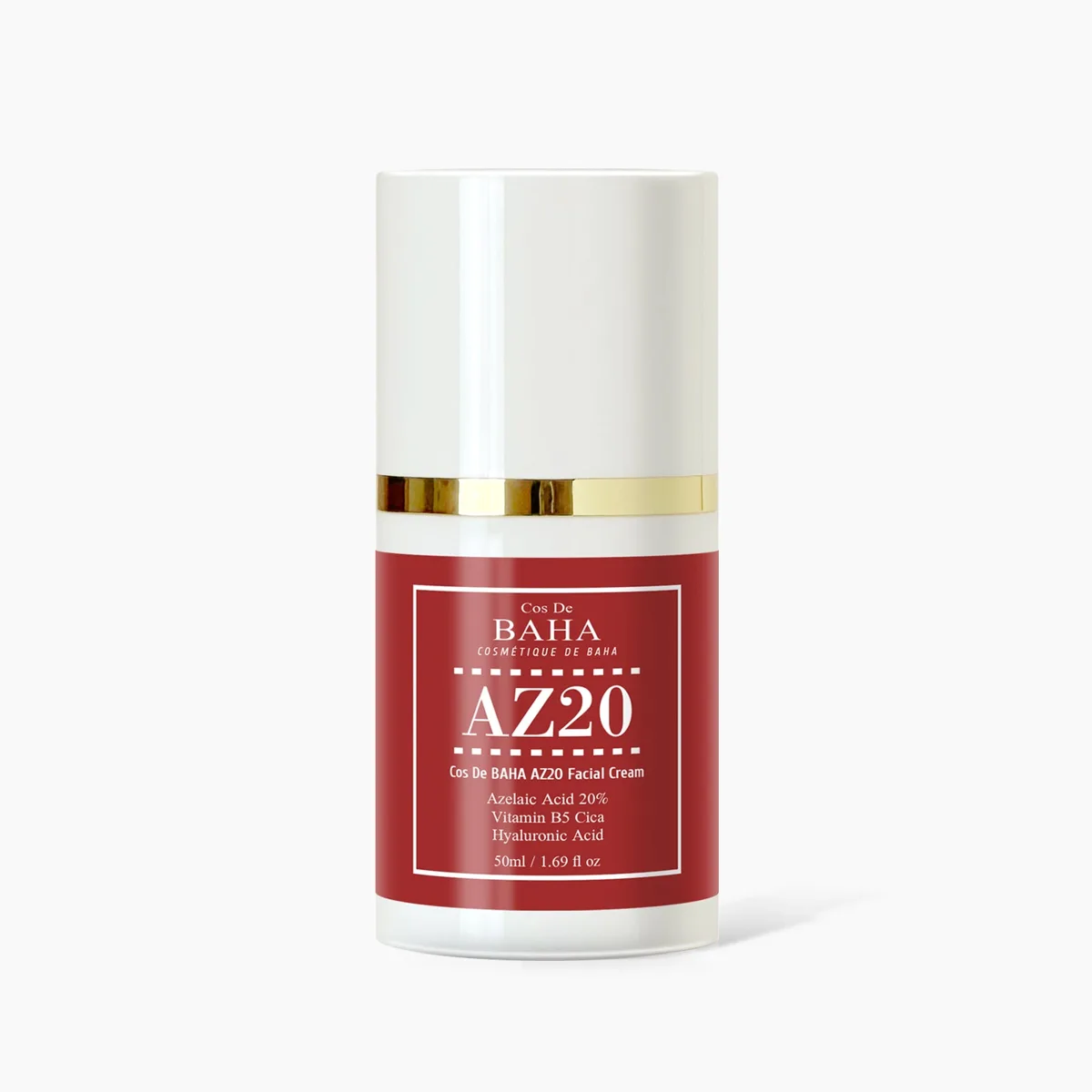 Strongest OTC Azelaic Cream
Azelaic Acid 20% MSM B5 CICA Cream
A strong, sensibly built 20 percent azelaic acid cream that pairs a high dose with a cushioning, fragrance-free base and a gentle two-to-three-nights-a-week schedule. It is excellent value for acne, redness and dark marks, but irritation is likely at first, the pH is undisclosed, and its esters rule it out for fungal acne.
 Soothing Honey Moisturizer for Dry Skin
Manuka Honey Face Cream
Look past the '12-in-1 superfood' marketing and this is a genuinely gentle, fragrance-free moisturizer built on an aloe-juice base and manuka honey that soothes dry, sensitive skin nicely. It's rich, calming, and well-reviewed, but the crowded ingredient list does more for the label than for results, and the coconut-and-cocoa-butter richness makes it a poor fit for oily or acne-prone skin.
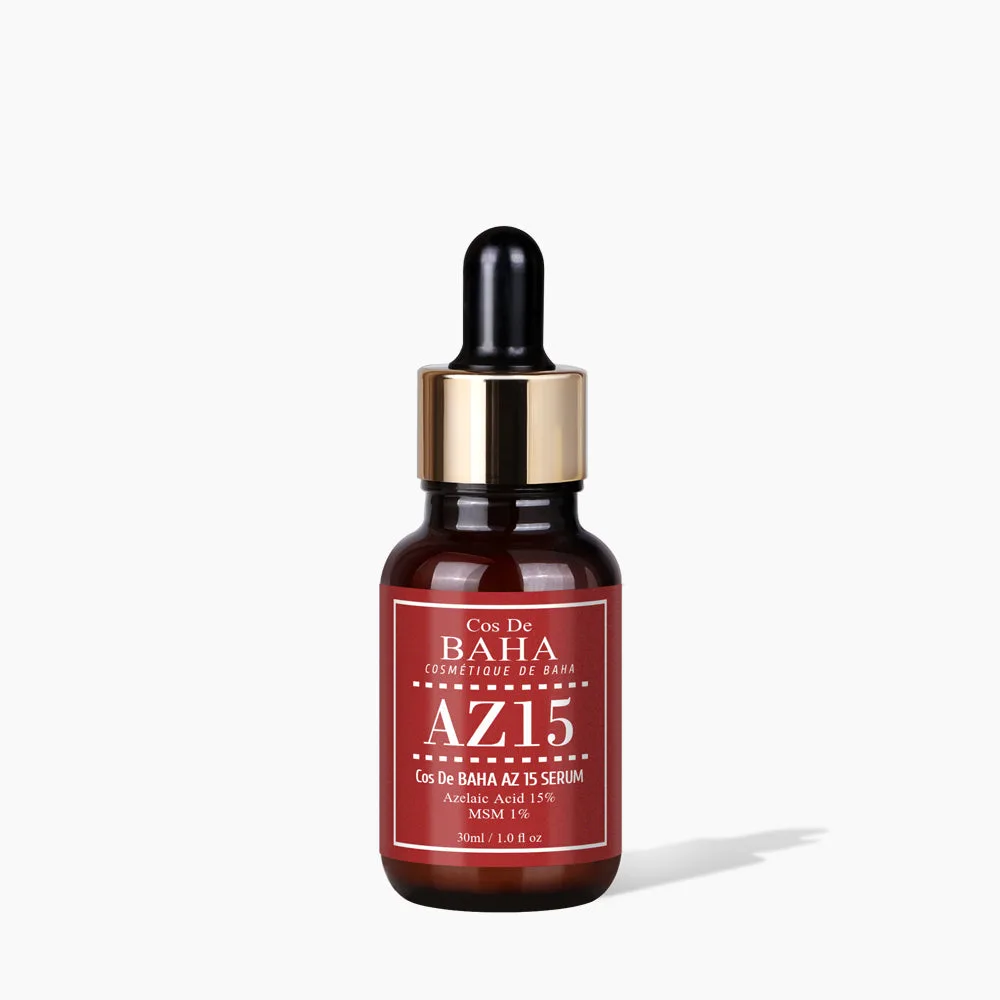 Clear-Serum Azelaic Acid
Azelaic Acid 15% MSM 1% Ceramide CICA B5 Serum
An impressively elegant way to use 15 percent azelaic acid: a clear, fragrance-free serum with soothing MSM, ceramide and panthenol at a very low price. Partial neutralisation and an undisclosed pH mean it may not match prescription gels for potency, and it has little real-world track record yet, but it is an excellent entry point for mild acne, redness and dark marks.
 K-Beauty BHA Foam Cleanser Value
Pore-Purifying Salicylic Acid Foaming Cleanser
Jumiso K-beauty salicylic acid foaming cleanser combining 0.5% salicylic acid + multi-component amino-acid surfactant pool + mineral clay pool + glycerin humectant balance + multi-fruit AHA pool + MSM. Vegan + fragrance-free + alcohol-free + oil-free + 16-ingredient minimalist formulation. Strong K-beauty value at $18 for 150ml.
 Budget Hydration Pick
Hyaluronic Acid Serum
A budget hydrating serum that does the core job honestly — two forms of hyaluronic acid plump and soften skin for pocket change, and the huge, happy review base isn't wrong. The catch is the supporting cast: witch hazel sits oddly high and geranium oil adds a fragrance note, both of which make this a less obvious yes for sensitive skin than a plain HA serum would be.
 Cult Soothing Serum
Rich Moist Soothing Serum
A cult lightweight serum that genuinely calms and lightly hydrates, built on a centella-MSM-licorice soothing trio plus hyaluronic acid, and beloved for buffering harsh actives. It absorbs fast and layers under anything. The persistent irony is its essential-oil blend — lavender, citrus, eucalyptus, ylang — which sits oddly in a 'soothing' product and makes it a patch-test, not a given, for the most reactive skin it targets.
 Gentle Vitamin C
Vitamin C Facial Serum with MSM
A gentle, fragrance-free vitamin C serum that swaps stinging L-ascorbic acid for 5 percent sodium ascorbyl phosphate, adds vitamin E and ferulic acid, and suits sensitive and acne-prone skin well at a budget price. Brightening is slower than with pure vitamin C, and the marketing's claims for MSM go far beyond what the evidence supports.
 Sensitive Skin MVP
Supple Preparation Unscented Toner
The unscented sibling of Klairs' cult toner is arguably the better product — same soothing MSM-and-centella base, none of the essential oils that made the original a gamble for reactive skin. It's become a go-to recommendation in rosacea and sensitive-skin communities for good reason, and at the same price as the scented version, there's very little argument for picking the other one.
 MSM Soothing Cream for Redness
Soothing MSM Moisturiser
The soothing-focused MooGoo moisturiser: a meaningful 10% MSM, a sulfur compound with a calming reputation, in an edible-grade oil base with honey, allantoin and hops, aimed at red, irritated, reactive skin. It genuinely soothes many users. The caveats mirror its siblings — vanilla fragrance, nut and honey allergens, and comedogenic coconut oil — so 'natural' here still warrants an allergen check.
 Right Resin, Wrong Active
Hard To Resist Advanced Nail Strengthener
Genuine credit for building this on epoxy resin instead of the formaldehyde resin that dominates the category — that is a real improvement almost nobody else has made. Everything else works against it: an active with no route to the tissue it targets, a recognized allergen further down the list, eleven dollars, and the weakest ratings in the brand's nail range.
 Amazon Tea Tree Staple
Tea Tree Serum
A decade-old Amazon staple that lists seven actives and declares the dose of none, whose real work is done by a vitamin C salt and niacinamide while the tea tree on the label sits at fragrance level beside lavender and ylang-ylang. Resilient oily skin gets a cheap, mattifying, mildly clarifying serum; sensitive, inflamed or pregnant skin gets a bottle of reasons to say no.
 Mild Scrub, Strong Label
Glycolic Acid Face Wash & Cleanser
A pleasant, sulfate-free gel scrub for oily skin that has been named after its least effective ingredient. The glycolic acid is low, neutralised and rinsed off in thirty seconds; the jojoba beads and the mild glucoside base do the real work. Worth the money as a gentle daily polish, not as the acid treatment the tube — which also lists two acids the formula no longer contains — implies.
 Soothing Botanical Cream
Redness Relief Moisturizer
A genuinely soothing, fragrance-free botanical cream that calms dry, irritated skin and hydrates richly — with one head-scratching choice. For a product aimed at rosacea-prone faces, it includes retinol and coconut oil, two ingredients that can do the opposite of soothe reactive skin. The calming actives are real, but the formula contradicts its own brief, so patch testing is non-negotiable.
 Gentle Stable Vitamin C
Vitamin C Serum 20%
A gentle, affordable, longtime-bestselling vitamin C serum that gets the important thing right: it discloses its vitamin C form, sodium ascorbyl phosphate, a stable, well-tolerated derivative suited to oily and sensitive skin, and pairs it with soothing botanicals. It's milder than pure L-ascorbic acid, so results are gradual, and the usual budget-brand quirks apply — the '20%' overstates a gentle derivative and the 'botanical hyaluronic acid' is cassia gum, not real HA, with fragrant geranium and witch hazel as minor irritant risks. As a gentle, stable daily brightener under sunscreen, it's a sensible, honest pick.
 Espresso Shot for Puffy Mornings
Caffeine Facial Serum
Sixteen dollars buys a 5 percent caffeine and niacinamide water gel that visibly depuffs within twenty minutes and makes a tidy morning base for oily and combination skin. The MSM and ginseng are wellness-shelf decoration, the witch hazel is a wrinkle for dry faces, and the results are temporary — but for what a caffeine serum can honestly do, this does it cheaply and cleanly.
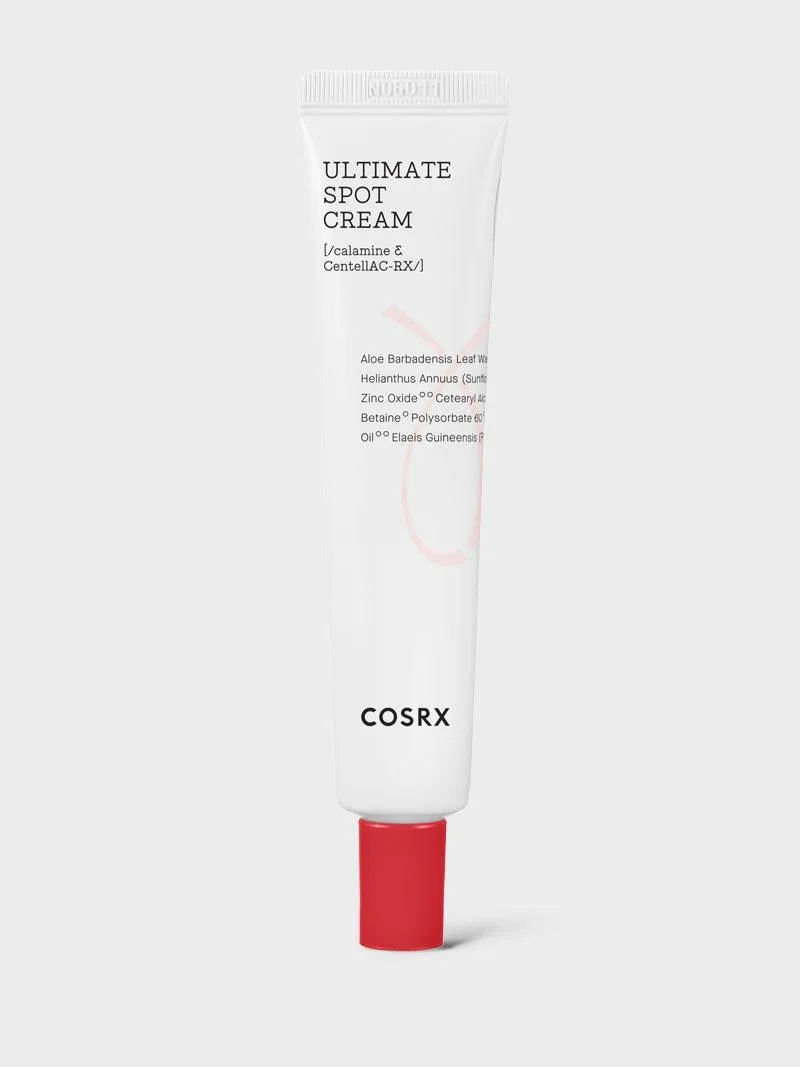 Gentle Blemish First Aid
AC Collection Ultimate Spot Cream
A gentle, mineral-based spot treatment that soothes blemishes through zinc oxide and calamine rather than chemical warfare. It won't clear cystic acne, but for surface-level pimples and inflamed spots on sensitive skin, it provides calm, steady reduction in redness and swelling overnight. Think of it as first aid for your face, not a cure.
 K-Beauty Gateway Toner
Supple Preparation Facial Toner
Klairs built its reputation on this toner, and a decade later it still earns its place in K-beauty rotations. The formula puts MSM, beta-glucan and centella to work as a genuine first-step treatment rather than an astringent splash — skin feels plumper immediately. The essential oil blend is the one caveat that keeps it from being a universal recommendation.
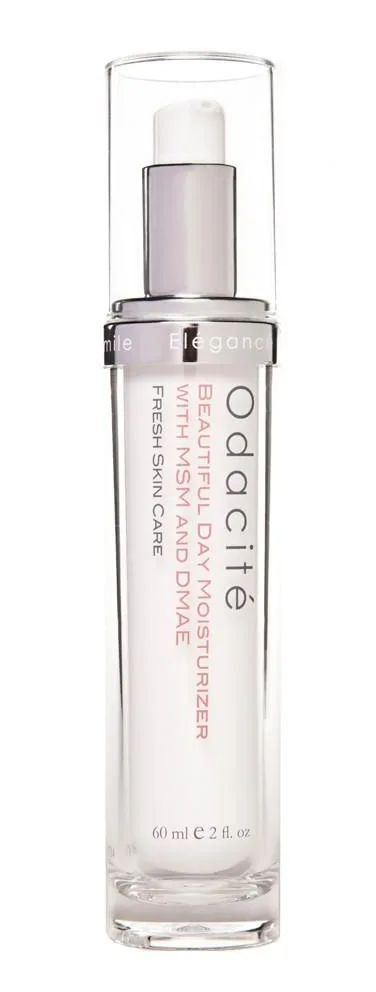 Botanical Smoothing Day Cream
Beautiful Day Moisturizer
A pleasant, plant-forward day cream that softens and smooths normal-to-dry skin, pairing soothing MSM and a temporarily-firming DMAE with white tea and willow bark antioxidants. It feels light and natural. The honest catches are real: comedogenic coconut oil that can break out acne-prone skin, lavender and rosemary essential oils, no SPF despite the name, and a clean-luxury price.
 Budget Vitamin C Serum
Vitamin C Serum
An affordable, gentle, natural-leaning vitamin C serum that can genuinely brighten dull, uneven skin at a budget price, softened with soothing aloe, gotu kola, and jojoba — a longtime Amazon favorite. It's worth buying with clear eyes, though: the vitamin C form is unspecified and a 20% water-based claim raises stability questions, the 'botanical hyaluronic acid' is tara gum rather than real HA, and it contains fragrant geranium and alcohol. A decent, cheap brightening serum, so long as you read past the marketing and use it fresh.
 Fresh-Batch Vitamin C
Little Lily Vitamin C Serum
The 0.5 oz size of LilyAna's bestselling water-based vitamin C serum — and for vitamin C, small is genuinely smart, since a bottle you finish in weeks stays fresher than a big one that oxidizes on the shelf. It's an affordable brightener with a soothing botanical base and real, if modest, potential. The catches are familiar: the '20%' vitamin C comes without a specified, stability-verified form, the 'botanical hyaluronic acid' is really tara gum, and fragrant geranium plus alcohol may bother reactive skin. As a fresh, low-commitment way to try or travel with vitamin C, it's a sensible little bottle.
 Gentle Stable Vitamin C
Vitamin C Serum
A gentle, stable vitamin C serum that quietly does something most budget rivals don't: it names its active. That active is sodium ascorbyl phosphate — a shelf-stable, low-drama vitamin C derivative with real evidence, notably for oily and acne-prone skin — rather than a mysterious 'high percentage.' It's milder than pure L-ascorbic acid and the concentration is undisclosed, so results are gradual, and the usual budget-brand quirks apply (tara gum billed as 'botanical HA,' fragrant geranium, a little alcohol). But as an affordable, well-tolerated, stable vitamin C for oily or sensitive skin, it's a sensible, honest pick.
 Barrier-First Redness Cream
Dual Action Redness Relief
The smartest redness formula PCA makes, and one of the more evidence-literate on the professional market: high-dose niacinamide and ceramide-mimetic lipids for the barrier, a TRPV1 antagonist and an avenanthramide analogue for the sting. It works the way sensitive-skin science says it should. It also costs $128 an ounce and has barely a dozen reviews to its name.
 Cult British Cleanser
Renaissance Cleansing Gel
A genuinely luxurious British cult cleanser that uses pumpkin enzymes and MSM in actually meaningful concentrations, with a sucrose-laurate base that rinses cleaner than the average oil-cleanser. The price is steep and the seven-essential-oil scent disqualifies anyone with reactive skin — but for everyone else, it's the rare splurge that earns its slot in the routine.
 The Undone Manicure
AHA Nail Sheer
As a sheer wash it is lovely — thin, self-levelling, 10-free, with conditioning lipids and silica in the film. As a treatment it has a chemistry problem: the three alpha hydroxy acids in the name are dissolved in a lacquer that dries to a solid film in under a minute, and acids cannot work without water.
 Big Dose, Big Scent
Vitamin C Toner
A rare thing: a toner with a serious dose of vitamin C derivative — sodium ascorbyl phosphate right behind water — at a low price with six thousand reviewers behind it. It is also a witch-hazel astringent carrying lavender, geranium, tea tree and carrot seed oils and four declared allergens, which makes it a fresh, brightening pick for resilient oily skin and a stinging mistake for anyone reactive.
 Bakuchiol-First Alternative
Super 16 Serum
A genuinely thoughtful multi-active anti-aging serum that uses bakuchiol at meaningful concentration alongside a deliberately mild retinyl ester — perfect for the user who has tried retinol and bounced off it. The $130 / 30ml price is the only honest weakness, and only matters if you've never priced the alternative of layering four separate actives.
 Real Leave-On Exfoliant
Smooth Finish Glycolic Acid Peel for Men
Here's the Brickell exfoliating product that actually delivers: a leave-on multi-AHA blend of glycolic, lactic, and malic acids that, because it stays on the skin, genuinely resurfaces — smoothing texture, brightening dullness, and refining tone over a few weeks. A buffering aloe-and-jojoba base keeps it reasonably gentle for an acid treatment. The honest catches are undisclosed acid percentages (so potency is a guess), a weakly-evidenced MSM pigmentation claim, and a steep $34 for just 2 oz. If you'll commit to twice-weekly use and daily sunscreen, it's a legitimately effective at-home exfoliant — just don't buy it for the MSM, and know cheaper transparent AHAs compete.
 Moisturizer in Disguise
Clearing Scar Cream for Men
A rich, genuinely pleasant plant-oil face balm with a small dose of stable vitamin C, sold under a name it cannot live up to: it contains no silicone, no meaningful scar active, and it carries peppermint and tea tree oils onto exactly the healing skin they are most likely to irritate. Fine as a night moisturizer for dry, scarred areas and for fading razor-bump marks; not a scar treatment.
 MSM-Forward Night Cream
Bedtime Beauty Boost
A genuinely rich, MSM-forward night cream where the second-position sulfur source isn't marketing dressing — it's the actual organizing principle of the formula. Excellent for dry, normal, or maturing skin that wants a nutrient-led overnight treatment; not the right pick if you're fragrance-reactive, vegan, or want something light. At $110 for 50ml it earns its keep over three months of use.
 Hydrating 10% Lactic Mask
Renaissance Mask
A genuine 10% lactic acid resurfacing mask with the unusual benefit of a glycerin-and-humectant backbone that prevents the post-acid tight-skin problem most AHA products cause. Worth the $95 if you exfoliate aggressively and want one mask that does it all; not the right pick for sensitive skin or anyone allergic to essential oils — the fragrance load is real.
The full msm (methylsulfonylmethane) guide
Sulfur rarely gets glamour billing in skincare, but it quietly underpins two of skin's most important structural proteins — collagen and keratin.
MSM (methylsulfonylmethane) is the bioavailable organic sulfur compound that supplies raw material for that construction work, while also appearing to dampen inflammation through pathways researchers have mapped at the molecular level. A handful of small human trials lend it more substance than most trending botanicals — though the data lean heavily toward oral supplementation, and the topical side is still thin.
How it's regulated in the US
FDA does not classify ingredients — it classifies products, by what they are sold to do. The same molecule can be a drug active in one product and a cosmetic ingredient in the next, and only the claim on the label decides which. What follows is a statement about that legal standing, not about whether it works — the evidence question is answered separately above.
Cosmetic MSM (Methylsulfonylmethane) is a cosmetic ingredient in the US: no OTC monograph covers it and it is not an active in any FDA-approved drug, so a product built around it is a cosmetic rather than a drug.
Human trial data exists, which puts MSM ahead of many botanical actives that have never been tested on people. A 2020 randomized, double-blind, placebo-controlled study published in the International Journal for Vitamin and Nutrition Research (Beauty from within; PMID 32083522) ran in two parts: a 20-participant pilot at 3 g/day and a 63-participant dose-response arm comparing 1 g and 3 g/day, both over 16 weeks, reporting improvements in facial lines, firmness, and skin texture. An earlier 2015 paper in the Natural Medicine Journal (Anthonavage, Benjamin, Withee) covered the original 20-participant pilot alongside an in vitro arm in which 2.5% MSM modulated 92 genes tied to barrier function, extracellular matrix production, and inflammation. On the mechanistic side, a 2014 study in Cytokine (PMID 25461402) showed MSM inhibits NLRP3 inflammasome activation and downregulates NF-κB-driven cytokines including IL-1β and IL-6 — a plausible molecular basis for the skin findings. Caveats run deep: the clinical trials are industry-adjacent, sample sizes are modest, the strongest data concern oral dosing rather than topical use, and direct skin-penetration evidence for topical MSM is sparse. The label "promising" fits — real and mechanistically grounded, but not settled.
How it works
Start with sulfur, because that is MSM's whole reason for being in a formula. Sulfur is required to form the disulfide bonds that give collagen fibers their tensile strength and lock keratin strands into their rigid structure. The body builds those bonds from sulfur-containing amino acids — chiefly cysteine and methionine — and MSM is understood to act as a bioavailable sulfur source feeding that synthesis pathway. In practical terms, that means support for the two proteins most responsible for skin firmness and structural integrity. The anti-inflammatory side is more sharply characterized. MSM has been shown to block NLRP3 inflammasome activation in macrophages and to keep NF-κB from translocating into the cell nucleus — the molecular switch that drives inflammatory cytokines such as IL-1β, IL-6, and TNF-α. It also lowers mitochondrial reactive oxygen species, layering a mild antioxidant effect on top. For skin, that combination is relevant to anything driven by chronic low-grade inflammation: redness, reactivity, and the collagen breakdown behind visible aging. In vitro work also suggests MSM nudges gene expression toward barrier repair and moisture retention rather than simply quieting inflammation. How much of that transfers to real benefit from a topical product — versus an oral capsule — remains genuinely unsettled, since skin penetration of the molecule has not been rigorously mapped the way it has for DMSO. What is clearer is that MSM is well tolerated and broadly compatible with other actives, making it a low-risk addition to formulas aimed at sensitive or chronically inflamed skin.
Key benefits
- Donates bioavailable sulfur that supports collagen and keratin synthesis
- Inhibits NLRP3 inflammasome activation, which may calm redness and chronic inflammation
- Improved firmness and reduced fine lines in oral 16-week trials
- In vitro work suggests it shifts barrier and hydration-related gene expression toward repair
- Lowers mitochondrial reactive oxygen species, adding mild antioxidant activity
- Well tolerated and compatible across sensitive and reactive skin types
Concentration & usage
In commercial topical products, MSM typically appears anywhere from roughly 2% to 15%; the in vitro gene-expression arm used a 2.5% solution. Higher loads (10–15%) tend to show up in products marketed for rosacea- and eczema-prone skin, though controlled dose-ranging data for topical use simply doesn't exist yet, so treat those concentrations as formulator choices rather than validated targets. On an INCI list it reads as "methylsulfonylmethane," matching the chemical name. Oral trials used 1–3 grams daily over 16 weeks, and notably the 3 g dose did not beat 1 g for most skin outcomes in the dose-response arm. No pH dependence has been established — unlike acids or vitamin C, MSM does not need a low-pH environment to work.
Who it's for & who should be cautious
Who it's for
People dealing with persistent redness, reactivity, or mild inflammatory conditions like rosacea are the most logical candidates, since MSM's NF-κB and NLRP3 effects map onto that presentation. It also makes sense as a support ingredient for anyone focused on collagen maintenance — aging skin, post-procedure recovery, or diets low in sulfur-rich protein. Because it lacks the sting of exfoliating acids or retinoids, it suits people who want an anti-aging support active without piling on sensitization risk. Worth remembering: the stronger human evidence currently sits with oral supplementation, so topical results should be approached with tempered expectations.
Who should be cautious
Sulfur-compound sensitivities warrant a patch test first — topical reactions are uncommon but do happen, usually as localized redness or itching within about half an hour of application. The link between MSM and sulfonamide (sulfa drug) allergy isn't well characterized, so people with a documented sulfa allergy should check with a physician before taking it orally. A single case report described acute angle-closure glaucoma during MSM supplement use (alongside other supplements), which is reason for anyone with narrow-angle glaucoma to be cautious with oral dosing. Those who are pregnant or breastfeeding should skip oral MSM until more safety data exist.
Pairs with & conflicts
Myths & facts
Myth: MSM is just a marketing name for a sulfur supplement with no real skin evidence
Reality: The dataset is modest, but MSM does have randomized controlled trial data in humans — including a 63-participant oral dose-response study that reported measurable gains in fine lines, firmness, and texture. That puts it ahead of most trending botanicals, which have never been tested on human skin in a controlled setting.
Myth: Topical MSM works the same way as DMSO and carries the same risks
Reality: The two are related — DMSO oxidizes to MSM in the body — but they are distinct compounds. DMSO is an aggressive penetration enhancer with real toxicity concerns at higher concentrations. MSM is far more polar, less reactive, and has a much friendlier safety profile. They should not be treated as interchangeable in terms of risk.
Myth: You have to take very high doses for MSM to do anything for skin
Reality: In the oral dose-response trial, 1 g/day produced results comparable to 3 g/day for most skin outcomes over 16 weeks. The relationship isn't simply more-is-better, and pushing the dose higher tends to add side effects without a matching payoff for skin.
Frequently asked questions
If MSM is in my moisturizer, does it actually get into the skin or just sit on top?
Honestly an open question. MSM is small and water-soluble, and it's structurally analogous to DMSO (a known penetration enhancer), so penetration is plausible — but rigorous topical-absorption studies on the scale done for vitamin C or retinol don't yet exist. The most reliable skin-outcome data we have comes from oral supplementation, not creams, so topical efficacy is currently more inference than proof.
Could MSM help calm rosacea-prone skin?
Mechanistically it lines up: MSM inhibits NLRP3 inflammasome activation and suppresses NF-κB, both tied to the chronic low-grade inflammation behind rosacea's flushing and persistent redness. It's a popular pick in the rosacea community, and some targeted products load it at 10–15% for exactly this reason. But controlled trials in actual rosacea patients are lacking, so keep expectations grounded.
Is it fine to use topical MSM every day, or should I cycle it?
Daily use is generally well tolerated, with no known accumulation issues or documented reason to rotate it. Unlike retinoids or strong acids, it doesn't need a ramp-up period or trigger the usual adjustment-phase reactions. The one real precaution is a patch test for sulfur-sensitive users, who might see localized redness or itching at the application site.
How long before MSM shows anything on my skin?
The 16-week window from the oral trials is the best reference: participants on both 1 g and 3 g doses showed measurable improvements in lines, firmness, and hydration by study's end, with some effects emerging by week 8. For topical use, where the evidence is thinner, give it at least 8–12 weeks of consistent use before judging.
Is the MSM in skincare natural or synthetic?
Both technically exist, but the practical answer is synthetic. MSM occurs in trace amounts in foods like garlic, onions, and cruciferous vegetables — and naturally in human plasma — but those levels are far too small to harvest commercially. The MSM in supplements and cosmetics is almost always lab-made by oxidizing DMSO, and it's chemically identical to the naturally occurring molecule, so source shouldn't affect how it performs.
Can I take MSM supplements and use a topical MSM product at the same time?
There's no known reason the two routes would clash, and some people deliberately combine them — the idea being that oral MSM supports systemic sulfur availability for collagen while the topical delivers anti-inflammatory effects locally. That stacked approach hasn't been studied in trials, though, so any additive benefit is speculative. If you take medications, especially blood thinners, run oral MSM past a physician first.
Sources
- https://pubmed.ncbi.nlm.nih.gov/32083522/
- https://pubmed.ncbi.nlm.nih.gov/25461402/
- https://www.naturalmedicinejournal.com/journal/effects-oral-supplementation-methylsulfonylmethane-skin-health-and-wrinkle-reduction
- https://examine.com/faq/can-msm-be-used-in-the-treatment-of-skin-conditions/
- https://www.medicalnewstoday.com/articles/324544