Tea Tree Oil (Melaleuca alternifolia)
Products with Tea Tree Oil (Melaleuca alternifolia)
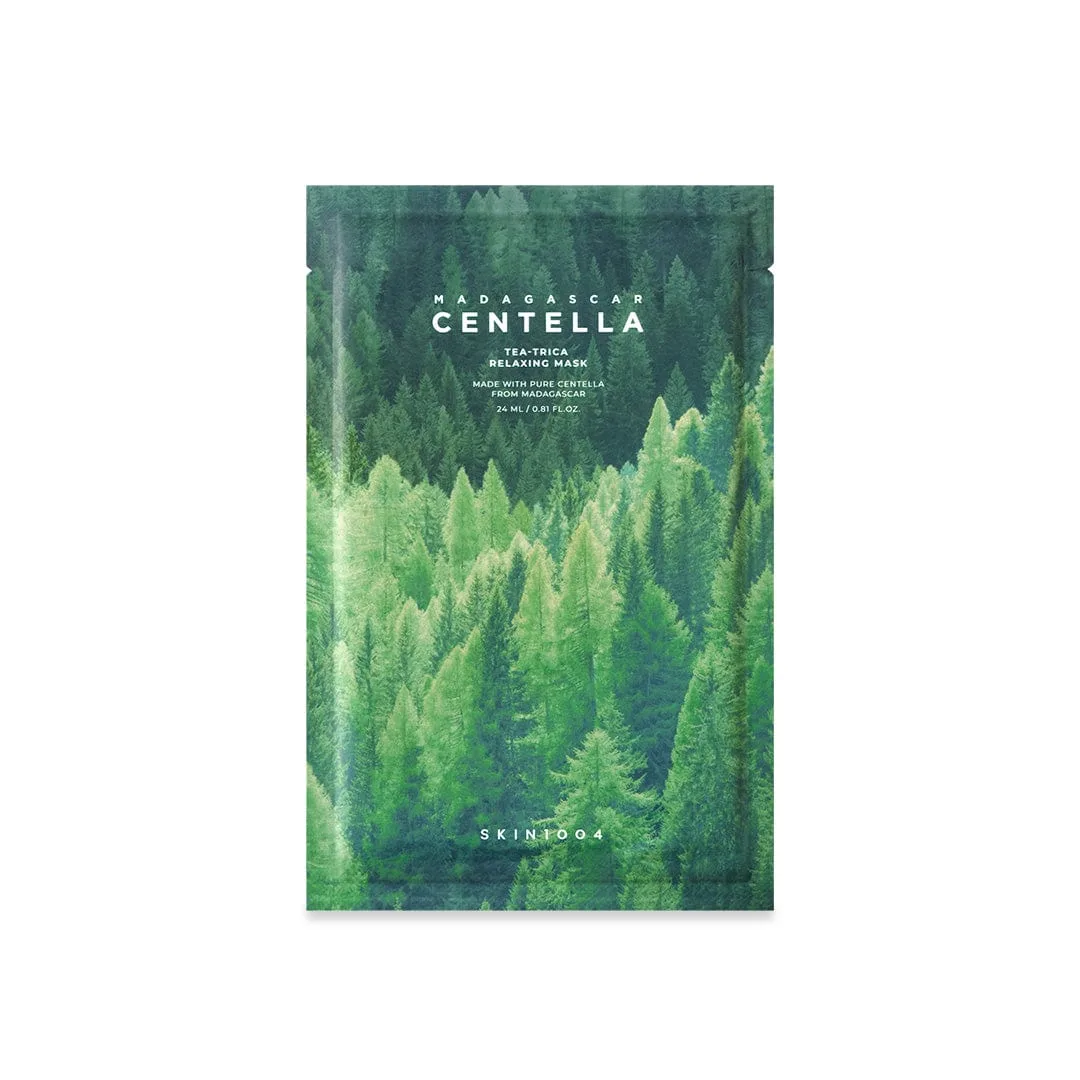 Breakout SOS Sheet Mask
Tea-Trica Relaxing Mask
A treatment-grade tea tree sheet mask that uses Melaleuca leaf water as the entire essence base rather than a token extract. With leave-on salicylic acid, the full centella panel, and niacinamide, it's a smarter acne sheet than most on the market.
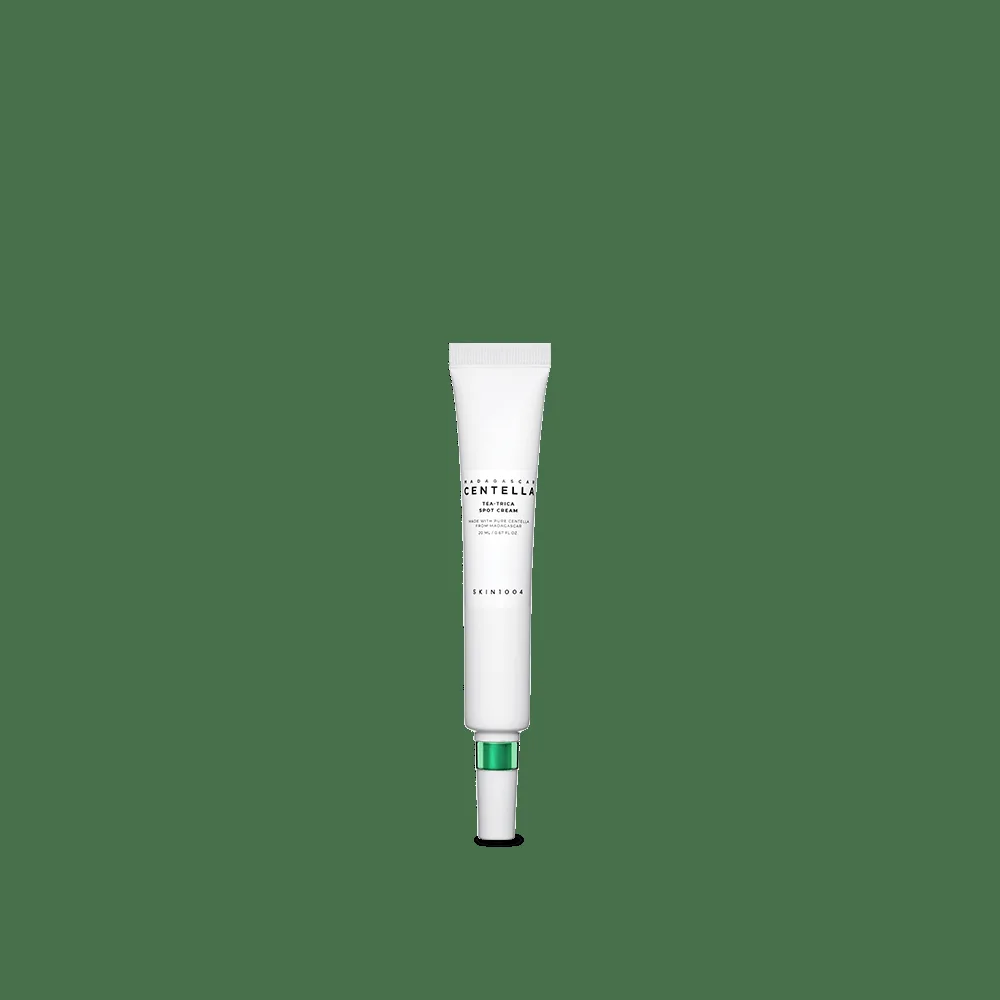 Multi-Active Spot Treatment
Tea-Trica Spot Cream
A genuinely multi-mechanism spot treatment that combines tea tree, salicylic acid, sulfur, zinc oxide, and the centella triterpene panel. It's more aggressive than the rest of the Tea-Trica line and more effective on active pimples, with sulfur quietly doing more work than most users expect.
 K-Beauty Tea Tree Soothing Serum
Tea Tree Relief Serum
A clever take on tea tree: instead of the harsh concentrated essential oil, it uses 67% tea tree leaf water — a gentle hydrosol — backed by 19% Centella, niacinamide, and beta-glucan. The result is a calming, fragrance-free, fungal-acne-safe serum that soothes blemish-prone skin without irritation. Just don't mistake it for treatment-strength acne medication.
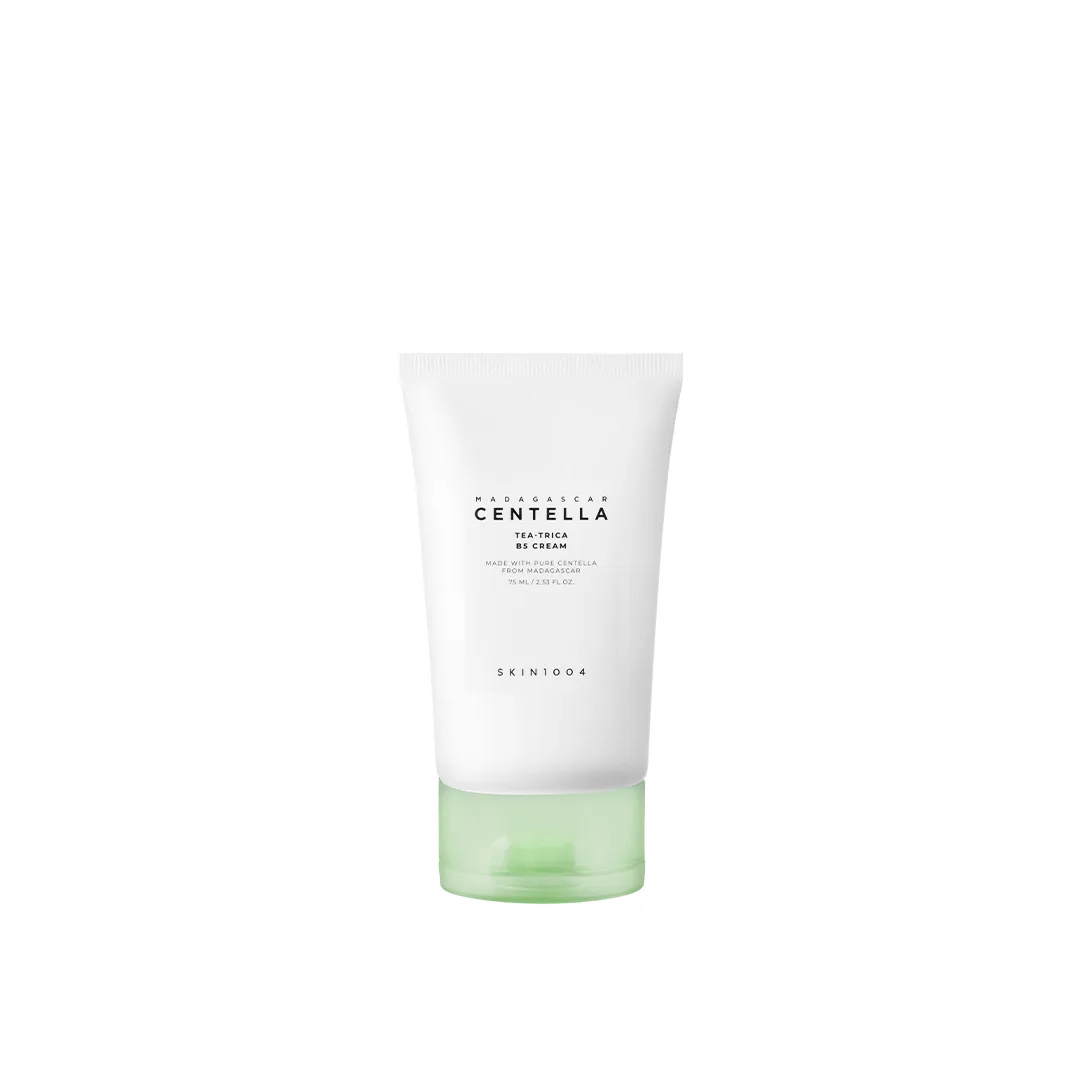 Acne-Prone Oil-Control Pick
Tea-Trica B5 Cream
SKIN1004's acne-prone answer to its own centella lineage — a gel-cream that stacks tea tree, salicylic acid, niacinamide, and zinc PCA on a base of full-panel centella. Built for oily and breakout-prone skin that wants more bite than the brand's gentler barrier creams.
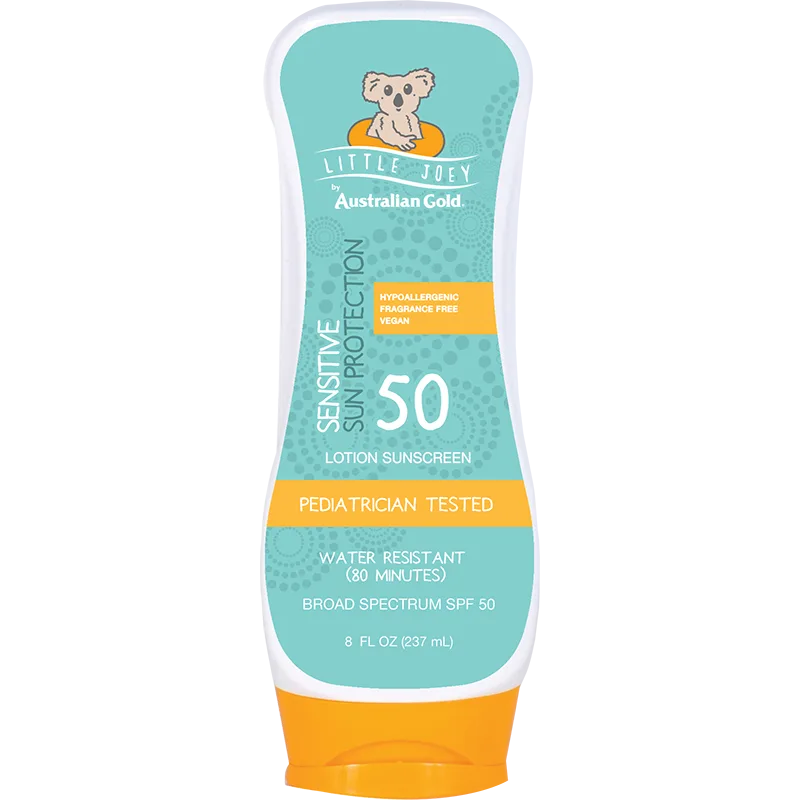 Family Sun Protection Staple
Little Joey SPF 50 Mineral Sunscreen Lotion
A practical, affordable, and genuinely gentle kids' sunscreen built on an aloe vera-rich base with botanical nourishing oils. Parents should be aware it uses chemical rather than mineral UV filters, but the pediatrician-tested formula, fragrance-free profile, and generous 8 fl oz size make it a solid family suncare choice.
 Budget Gentle Cleanser
Mighty Bamboo Panthenol Cleanser
A genuinely gentle gel cleanser that foams enough to satisfy yet leaves skin soft rather than stripped, thanks to mild amino-acid surfactants and a meaningful 0.3% panthenol. The small dose of tea tree is the one thing for the very reactive to note, but at around $14 for a generous 150 ml, it's one of the smartest budget cleanser buys around.
 Cooling Post-Cleanse Rescue
Azulene Anti Blemish Toner
The best product in TONYMOLY's Azulene line and the one whose formula actually delivers the calm it promises, though not through the azulene, which is declared at 5 parts per billion. Humectants, erythritol cooling and allantoin make a genuinely pleasant, alcohol-free post-cleanse toner for oily, breakout-prone skin; two essential oils are the only reason to hesitate.
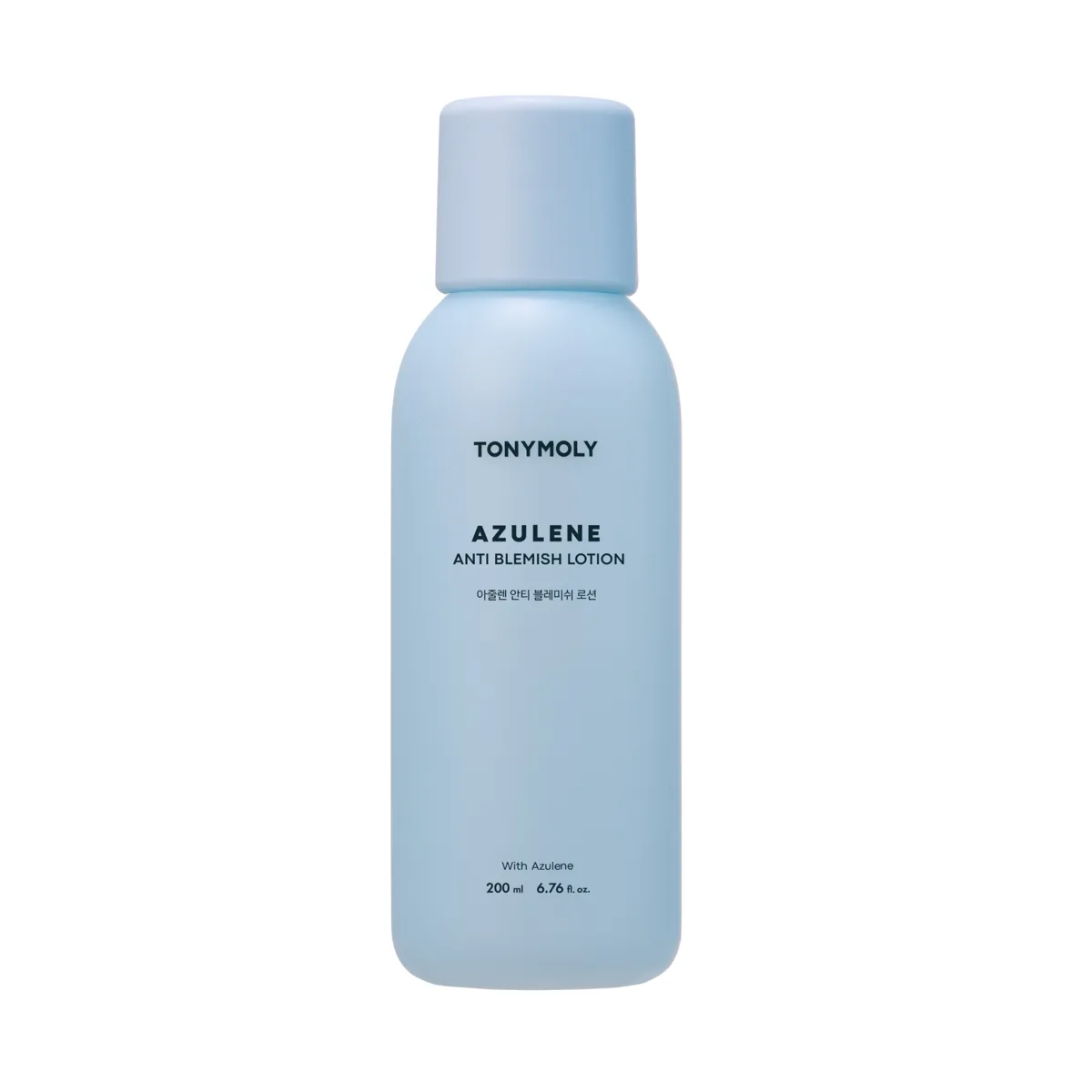 Oil-Free Comfort for Acne Routines
Azulene Anti Blemish Lotion
A light, oil-free, silicone-slip lotion that hydrates oily and acne-treated skin with glycerin and panthenol, cools without menthol, and feels like nothing five minutes later, which is what this skin usually wants. The azulene is a one-part-per-billion label story and the essential oils are the only real caution; at $20 for 200 mL it is a generous and sensible finishing step rather than a treatment.
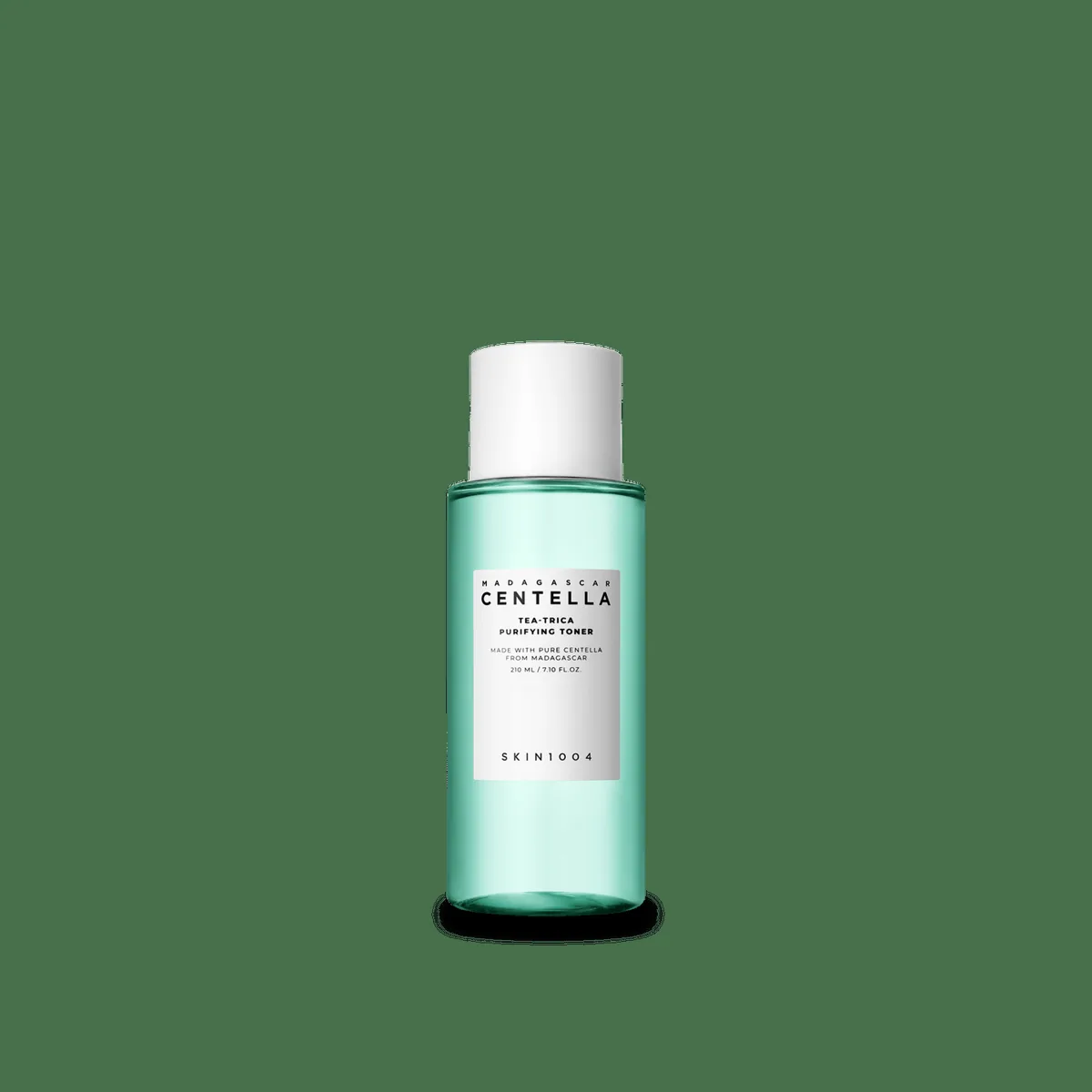 Daily BHA for Oily Skin
Tea-Trica Purifying Toner
A well-built daily BHA toner that uses betaine salicylate as its engine and surrounds it with tea tree, centella, niacinamide, and zinc. Less sting than Western salicylic acid toners, more staying power than a typical hydrating K-beauty essence.
 Acne Treatment Ampoule
Tea-Trica Relief Ampoule
The treatment-tier anchor of SKIN1004's Tea-Trica line — a tea-tree-water-based ampoule that carries a treatment-grade betaine salicylate dose plus the full centella triterpene panel and beta-glucan for buffering. For oily, acne-prone skin, it's one of the better K-beauty acne serums in this price range.
 Overnight Pimple Fix
Tea-Trica Spot Cover Patch
A solid tea-tree-and-centella-enhanced hydrocolloid patch at a strong per-patch price. Does what a good pimple patch should: absorbs fluid overnight, protects from picking, and leaves a less angry spot behind. Doesn't rewrite the category, but doesn't need to.
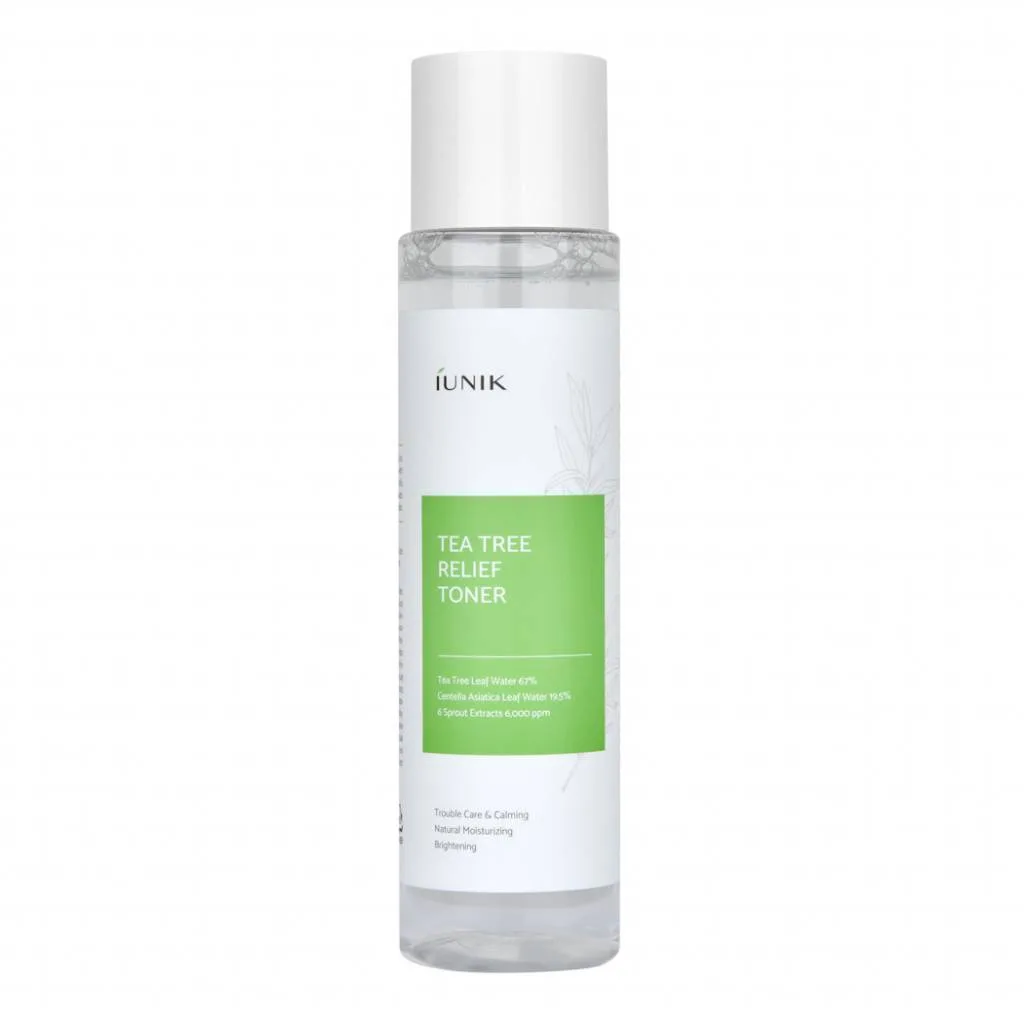 Tea Tree Acne Toner
Tea Tree Relief Toner
IUNIK's Tea Tree Relief Toner combines 67% tea tree leaf water (exceptional concentration) with 20% centella leaf water and niacinamide in an acne-targeted K-beauty toner format. At $18.50 for 200ml the value is strong. The fragrance addition limits sensitive-skin suitability; otherwise an excellent acne-prone toner with documented anti-bacterial and anti-inflammatory chemistry.
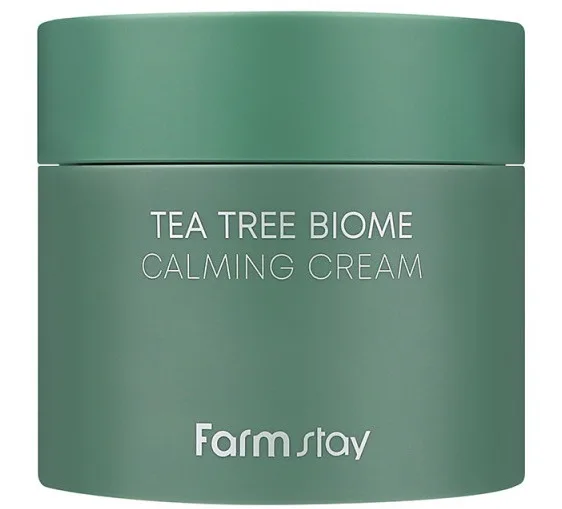 Lightweight Tea Tree Moisturizer
Tea Tree Biome Calming Cream
A genuinely lightweight, squalane-based tea tree moisturizer with a meaningful ~1% tea tree, well-suited to oily and blemish-prone skin that wants a cream without heaviness. It's the fragranced member of the Tea Tree Biome line, though — mugwort and eucalyptus oils give it a herbal scent that makes it riskier for sensitive skin than the line's fragrance-free ampoule.
 Old-School Drugstore Acne Wash
Acnedote Deep Pore Wash
A drugstore 2% salicylic acid wash that still works the way 2008 acne cleansers worked — tingly, aggressive, effective, and a little rough around the edges. For tough oily skin on a tight budget, it's a reasonable pickup. For sensitive skin or barrier-compromised users, it's the wrong cleanser, and the natural-brand packaging doesn't change that.
 Oily-Skin Lightweight
Tea Tree Balancing Emulsion
Aromatica's tea tree emulsion is a quietly competent answer to the eternal oily-skin problem: how to hydrate without slick. Tea tree leaf extract and aloe sit in the first two ingredient slots instead of water, the lipid load stays deliberately light, and the result is daily hydration that doesn't feel like a tax on your sebum. The bergamot oil is the one thing keeping it from a wider audience.
 Post-Sun SOS Cooling
No.4 Icy Soothing Sheet Mask
A cooling sheet mask that genuinely cools — a non-menthol agent delivers a clinically-cited 8°C temperature drop, backed by a dense roster of soothing botanicals in a fragrance-free, vegan essence. It's a legitimately effective SOS for heated, flushed, or post-sun skin. The tea tree oil means the very reactive should patch test, and single-use cost adds up, but for targeted relief it delivers.
 Gentle Acne Foam Wash
Clear Skin Clarifying Foam Cleanser
Dickinson's first real acne medication and a genuinely modern one: an FDA-registered 2% salicylic acid foam wash backed by niacinamide, ceramides, and a gentle surfactant, so it clears blackheads and breakouts without the stripped-raw feel of old acne cleansers. It's an effective, fragrance-free daily wash for oily and combination skin — less suited to dry or sensitive skin, and not fungal-acne safe.
 Natural Acne Pick
Acne Rebalancing Cream
A serviceable natural-positioned daily acne moisturizer from a legacy California vegan brand, combining 0.53% salicylic acid with a supporting cast of tea tree, willow bark, and soothing botanicals. The matte finish and vegan credentials earn it a place in oily-skin routines, though the heavy essential oil load will rule it out for anyone who's reactive.
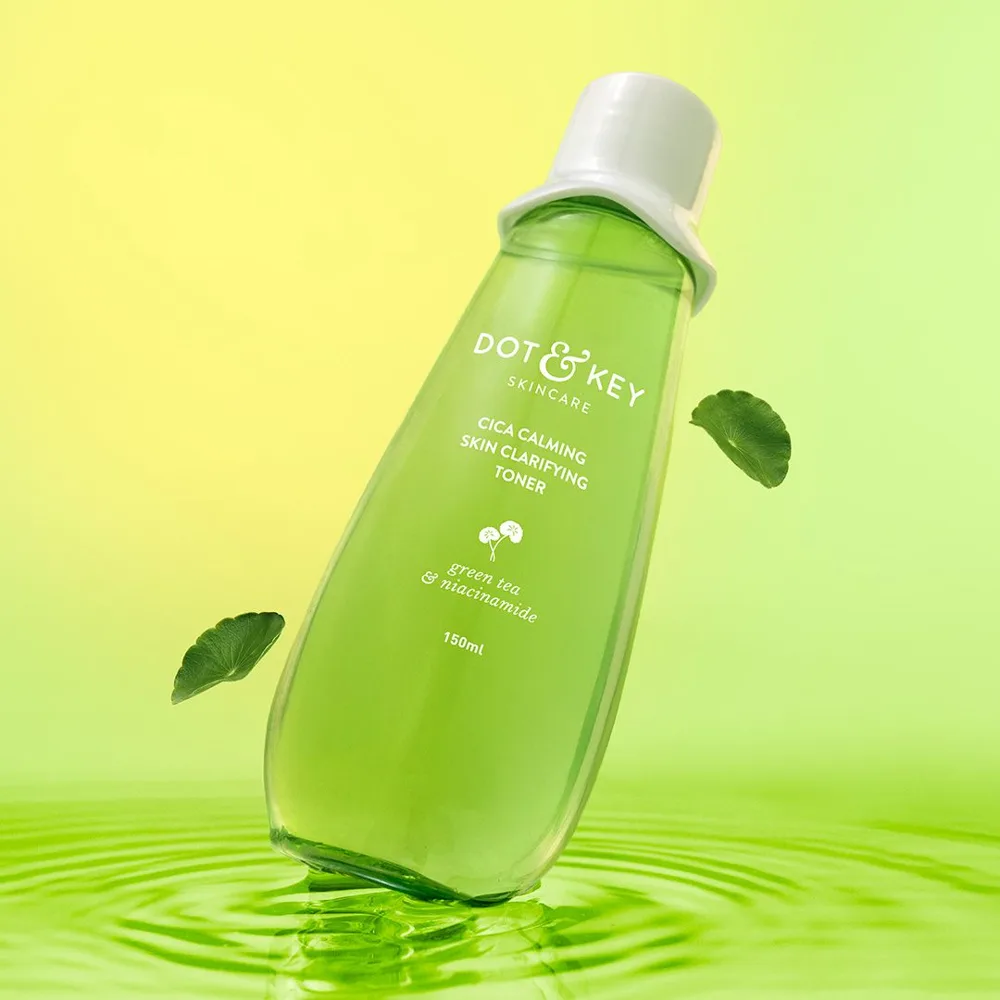 Budget BHA Workhorse
Cica Calming Skin Clarifying Toner
A surprisingly well-formulated 2% salicylic acid toner from an Indian direct-to-consumer brand, built for oily, acne-prone skin in hot-humid climates. The centella-and-niacinamide soothing layer makes the BHA genuinely tolerable for daily use, and at $9 for 200ml it's one of the best-value BHA toners on the market. Sensitive skin should still proceed carefully.
 Gentle Blemish Treatment
Azelaic Acid 10 Kojic Tea Tree Serum
A genuinely good blemish serum built on a disclosed, functional 10% azelaic acid — one of skincare's most versatile and best-tolerated acne actives — with sensible tea tree and antioxidant support. The 'triple active 20%' framing flatters the dilute extras, but the azelaic acid core is the real, worthwhile thing.
 Budget Cica Pick
Real Cica Serum
A transparently-built centella serum that names its asiaticoside and madecassoside instead of hiding behind a vague 'cica' label, backed by beta-glucan, panthenol and a touch of tea tree — all for the price of a sandwich. Light hydration and added fragrance are the trade-offs, but for everyday calming on sensitive, combination or breakout-prone skin, the value is genuinely hard to beat.
 Cooling Cica Gel
Cica Gel Moisturizer
A lightweight, centella-led gel moisturizer that pairs soothing actives with tea tree and eucalyptus for a cooling, clarifying edge, aimed at oily and blemish-prone skin that finds creams too heavy. It calms and hydrates convincingly without grease, with the essential-oil scent and cooling botanicals the main reasons the most reactive skin should approach with care.
 Light Tea Tree Lotion
Tea Tree Biome Calming Emulsion
A lightweight, hyaluronic-acid-boosted tea tree emulsion that hydrates oily, blemish-prone skin nicely with a meaningful ~1% tea tree. But it carries one of the longest fragrance-allergen lists in the whole line, plus synthetic dyes — so it's a pleasant light lotion for resilient skin and a genuine misstep for sensitive skin, which should reach for the fragrance-free ampoule instead.
 Daily Cooling Mask
Real Centella Cica Daily Quick Cooling Mask
A 30-pack of cooling daily sheet masks from the brand that mastered the format: standardized centella to calm, a six-herb complex to clarify oily skin, and sugar alcohols for genuine cooling. Refreshing, hydrating and excellent value at under a dollar a mask — but the aromatic tea tree, eucalyptus and lavender extracts make it a poor fit for sensitive skin, and like all sheet masks the benefits are temporary.
 Affordable Acne Daily Wash
Clear Start Breakout Clearing Foaming Wash
An affordable, sensibly gentle salicylic acid foaming wash that controls oil and helps clear everyday breakouts without breaking the bank or over-stripping skin. The 0.5% active is mild and the tea-tree-lavender scent won't suit everyone, but for oily, acne-prone skin wanting a budget-friendly daily acne cleanser, it punches well above its price.
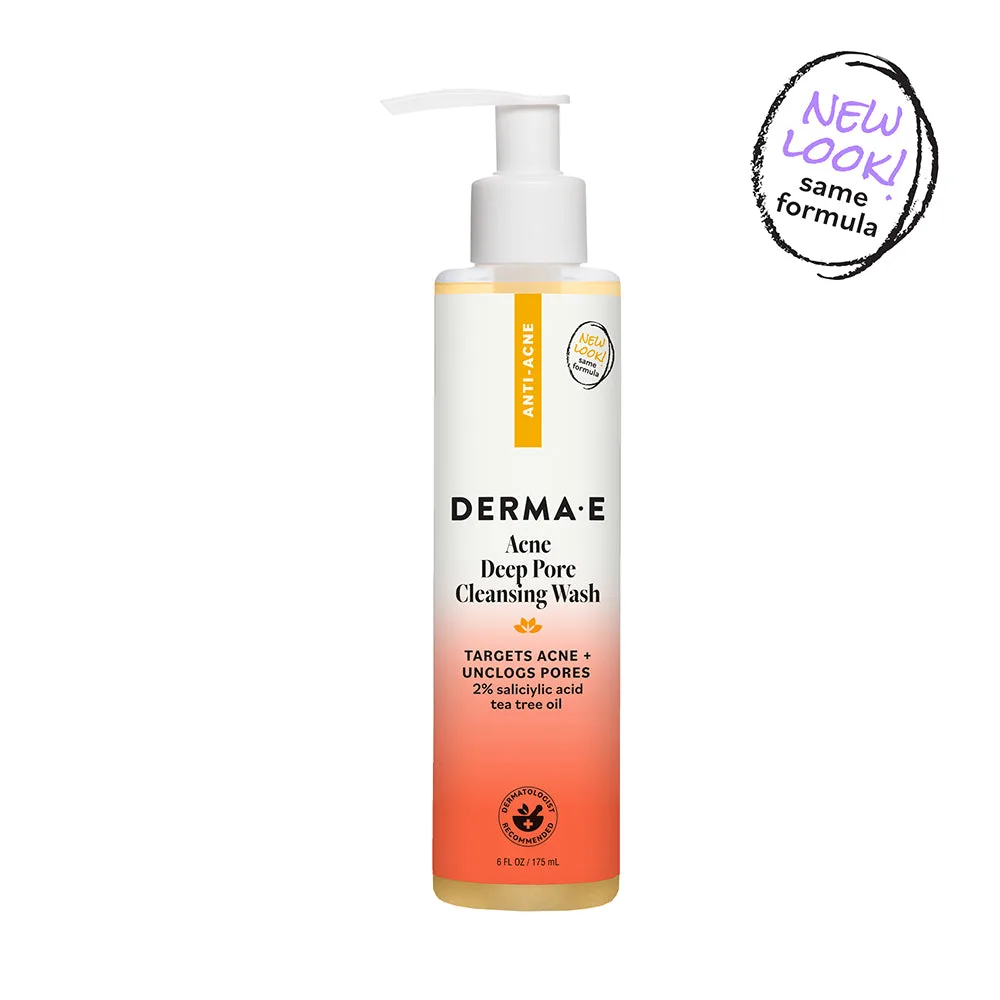 Daily Acne Cleanser
Acne Deep Pore Cleansing Wash
A capable daily acne wash that delivers the full 2% salicylic acid dose in a sulfate-free, botanically soothed base. It controls oil and curbs clogged pores without the harsh strip of cheaper acne cleansers, though the tea-tree-lavender scent and potential for dryness with twice-daily use are real considerations. A dependable, fairly priced workhorse.
 Honest Sulfate Acne Wash
Red Spot Tea Tree Wash
A well-built, inexpensive gel cleanser for oily and blemish-prone skin, with declared doses of salicylic acid and tea tree oil and no added fragrance. Despite the brand's gentle framing, it is a buffered sulfate wash, and the low-dose, rinse-off acid works slowly. Good for oily skin that likes a thorough cleanse, less suited to dry or reactive skin.
 Lotion-Rich Tea Tree Serum
Tea Tree Biome Calming Serum
A pleasant, lotion-like moisturizing serum whose real work comes from glycerin, shea butter, emollient esters, biosaccharide gum and adenosine. The tea tree and 'biome' ingredients that give it its name are declared at 105 ppm and fractions of a ppm respectively, so it will not calm breakouts. Bergamot oil and dyes add irritation risk, and at around thirty-five dollars it is poor value next to the brand's own ampoule.
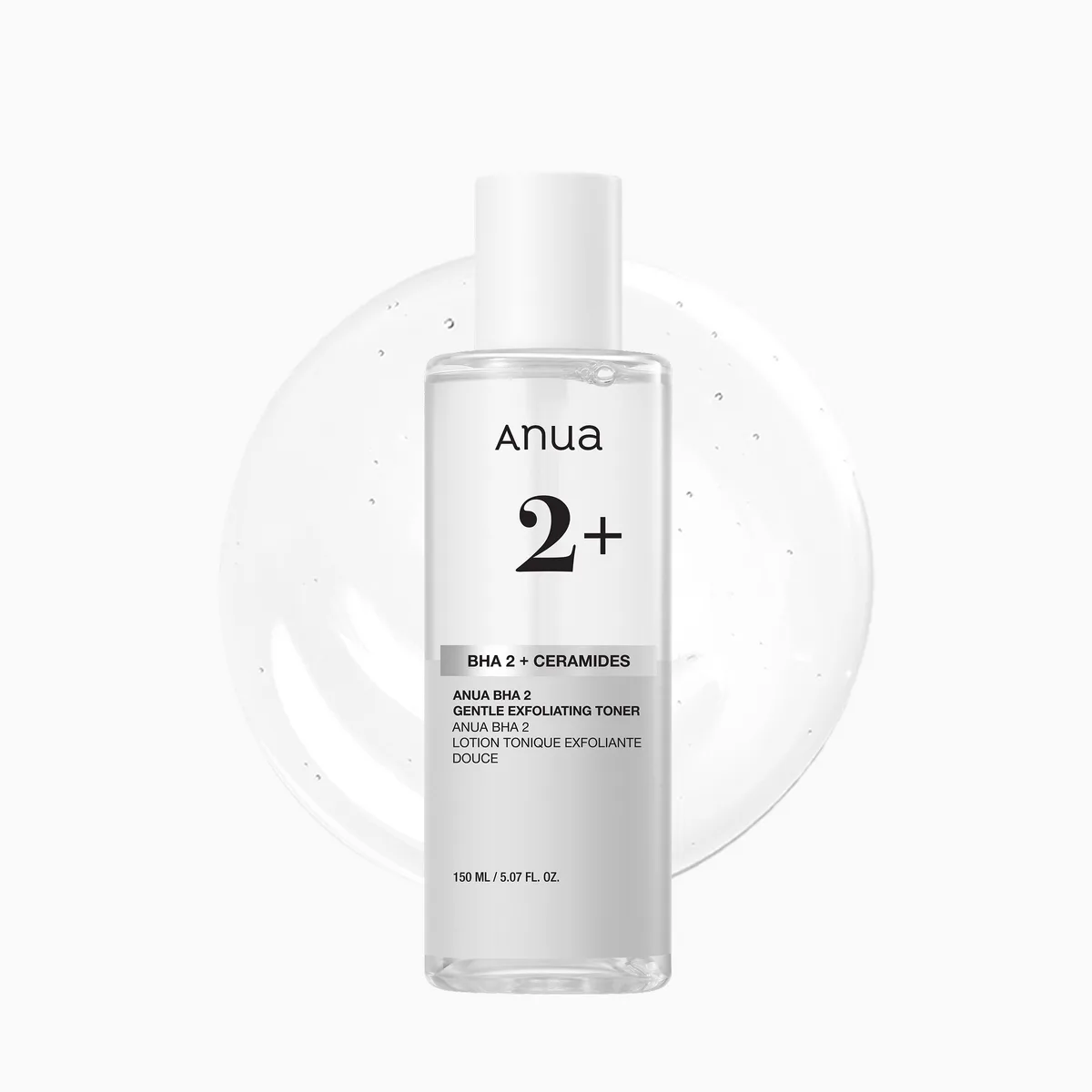 Gentle BHA Gateway
BHA 2% Gentle Exfoliating Toner
A smartly formulated BHA toner that wraps genuine 2% salicylic acid exfoliation in a cocoon of soothing and hydrating ingredients. It earned its reputation as the gentler K-beauty alternative to more aggressive Western BHA toners, though the tacky finish and mild scent may test your patience. For blackhead-prone skin that has been burned by harsher exfoliants, this is worth the tradeoff.
 K-Beauty AHA/BHA/PHA Workhorse
Daily Purifying Treatment Toner
A genuinely well-formulated triple-acid treatment toner that combines glycolic, salicylic, and gluconolactone with an unusually high centella concentration as the second ingredient — strong value at $26 for 200ml, with the small caveat that the lavender and tea tree oils add fragrance allergen risk.
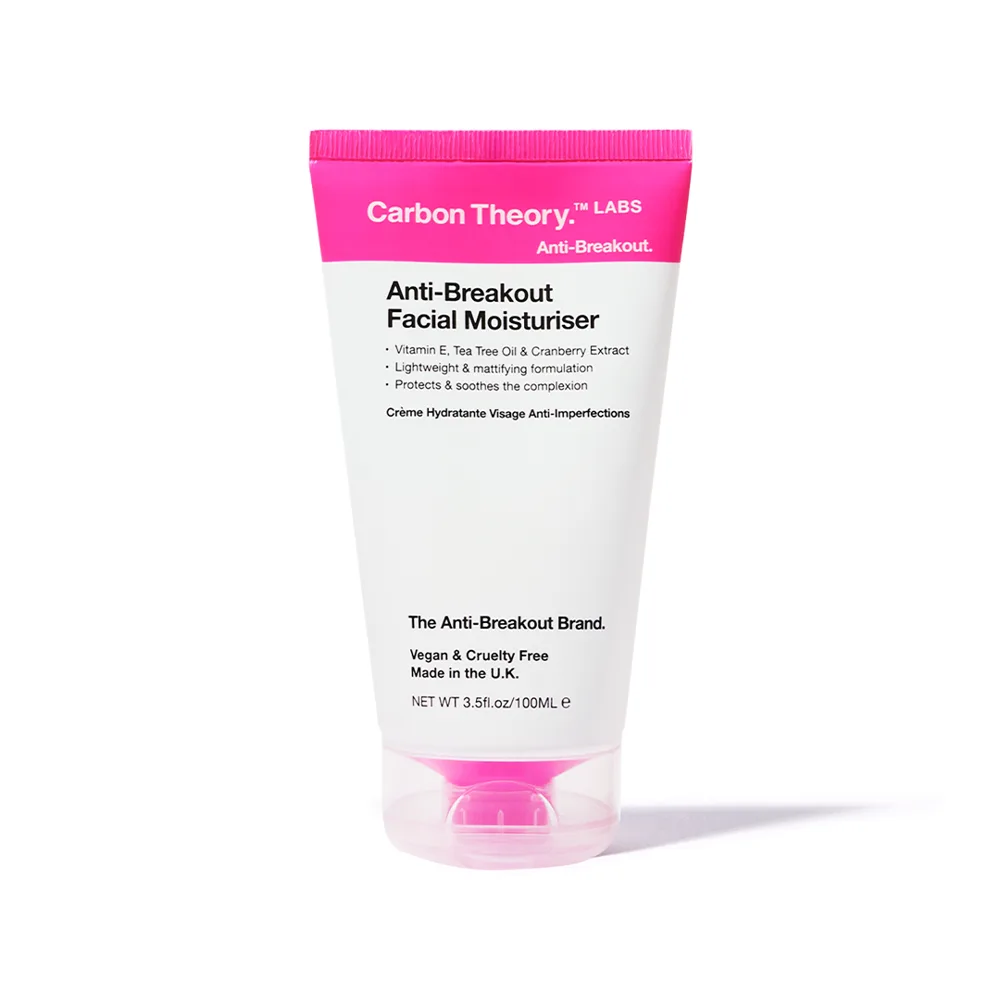 Budget Acne Moisturiser
Breakout Control Facial Moisturiser
A smart, wallet-friendly acne moisturiser that builds a low-dose BHA directly into the cream — meaning acne-prone users skip the separate acid step without losing hydration. The tea tree scent and combined irritant load keep it firmly in the oily-and-resilient lane rather than a universal pick.
 Budget Acne Pick
Acne Serum
A budget acne serum that pairs salicylic acid with tea tree hydrosol, centella, and licorice to clear breakouts while keeping irritation in check. At around five dollars it's a smart, gentle entry point for oily and combination skin, though the tiny bottle and undisclosed BHA strength mean it's a starter, not a heavy hitter.
 Budget BHA Cleanser
Calming Salicylic Acid Cleanser
A genuinely gentle BHA gel cleanser that pairs a 0.5% salicylic acid with mild surfactants and soothing centella, ceramide, and beta-glucan, all at a budget price. It clarifies oily, congested skin without the stripped, tight aftermath of harsher acne washes, as long as you understand the acid does light daily decongesting rather than real exfoliation.
 Budget Body-Acne Pick
Clarify & Cleanse Bar
A five-dollar clarifying cleansing bar that genuinely earns its keep, especially for body acne. The gentle syndet base, kaolin, salicylic acid, and tea tree oil decongest oily and breakout-prone skin without stripping it. The BHA is mild and the tea tree scent won't please everyone, but as a cheap, convenient face-and-body acne wash, it's a standout value.
 Thin K-Beauty Spot Patch
Ac Rescue Ampoule Spot Patch
A thin, nearly invisible hydrocolloid patch that does what every good hydrocolloid patch does — draws the fluid out of a whitehead or an opened spot overnight, keeps fingers off it and lets it heal cleaner — at eight dollars for 42, which undercuts most medicated patches. The salicylic acid and tea tree in the adhesive are the 'ampoule' story and probably marginal; the hydrocolloid is the product. Tea tree and rosin are the two things a reactive face should know about.
 Teen Fizz Favourite
Blackhead Clearing Fizz Mask
A short, satisfying sulfur-and-clay mask whose bubbling is a silicone trick and whose tingle is fourteen essential oils, wrapped around a genuinely useful five-minute degrease for oily teenage T-zones. It will not extract a blackhead, and it is rougher on sensitive skin than a mask for inflamed adolescents should be, but for resilient oily skin that needs to be persuaded into a routine it does its job with more charm than most.
 Sensitive Acne-Prone Cleanser
Theracne 365 Clear pH Balanced Cleansing Gel
A Korean pharmacy acne cleanser that finally takes sensitive acne-prone skin seriously. pH-balanced, low-irritation, salicylic acid at a polite level, and enough Centella to keep you from flinching — it's the cleanser you hand to the adult-acne sufferer who's tried every drugstore face wash and regretted it.
 Budget 2% BHA
Breakout Control Overnight Detox Serum
A genuinely clinical 2% BHA dose married to 5% niacinamide and zinc in one water-thin serum, priced like a drugstore product. For oily, resilient, breakout-prone skin it's one of the best budget overnight acne treatments on shelves — the tea tree scent and active load just mean it's the wrong pick for sensitive or dry users.
 Budget 2% BHA
Overnight Detox Serum
One of the best budget 2% BHA serums on the indie acne shelf — a proper clinical-strength salicylic acid dose cushioned with 5% niacinamide and zinc PCA, at less than half the price of most prestige alternatives. Tea tree scent and active load keep it firmly in the oily-resilient-skin lane.
 Tea Tree Essence Benchmark
Tea Tree Purifine 95 Essence
A smart tea tree essence that sidesteps the irritation problem plaguing most tea tree products by using 95% leaf water instead of essential oil. Backed by functional salicylic acid and niacinamide, it earns its place in oily and combination routines without scorching the barrier.
 Oily-Skin Classic
Tea Tree Skin Clearing Facial Wash
A high-foaming, menthol-cooled tea tree gel wash that has been the entry point to oily-skin care for a generation. It cleanses oily complexions thoroughly at a friendly price, but its SLS base, added menthol, and token salicylic acid mean it is a satisfying everyday cleanser rather than a genuine acne treatment, and drier or sensitive skin should be wary.
 Charcoal Detox Face Wash For Oily Skin
African Black Soap Bamboo Charcoal Facial Wash & Scrub
A solid, affordable clarifying face wash for oily and congested skin: real African black soap and bamboo charcoal cut grease, tea tree oil targets blemishes, and a sulfate-free base keeps it from being brutally stripping. It's matte-clean satisfying for oily types and too clarifying for dry or sensitive skin. Rinse well, moisturize after, and it's an easy budget pick for the right complexion.
 Budget Tea Tree Eye Cream
Tea Tree Biome Calming Eye Cream
A generously-sized budget eye cream that hydrates and softens the eye area with meadowfoam oil, glycerin, and panthenol. But the tea tree theme is irrelevant to under-eye concerns, the cica actives are trace-level, and most tellingly, it carries bergamot oil and fragrance allergens right next to the delicate eye — making the line's fragrance-free ampoule the smarter choice around the eyes.
 Budget Blemish Cleanser
Cica Farm Acne Foam Cleanser
A budget acne-focused foaming cleanser that pairs salicylic acid and tea tree with the Cica Farm line's soothing centella on a deep-cleaning soap base. It clarifies oily, congested skin effectively and cheaply, with centella softening the harshness — best for oily and combination skin, since the soap base and fragrance can be too much for dry or sensitive types.
 Spicule Decongesting Mask
Chadew Tea Tree Herb Tox Peeling Mask
A fragrance-free decongesting mask that clears pores two ways at once: absorbent bentonite clay plus physical sea-sponge spicules that resurface as you massage, all buffered by soothing mugwort, tea tree, and green tea. It genuinely leaves oily, congested skin smoother and clearer, but the spicule exfoliation is potent and easy to overdo, which firmly rules it out for sensitive skin. Used sparingly on oilier skin at around $23, it's an effective weekly reset.
 Cooling Calm for Oily Skin
Sensitive Soothing Gel Cream
A cooling, near-72%-heartleaf gel cream that calms redness and supports blemish-prone skin while hydrating with six forms of hyaluronic acid. For oily, combination, and reactive skin in warm weather, it's a refreshing, clean, well-priced moisturizer. Just know it's a light gel cream, not a rich barrier cream, and a companion to acne actives rather than a treatment.
 Leave-On BHA Pick
Acne Blemish Control Treatment Serum
The standout of Derma E's acne range and the one that actually does leave-on work: a true 1.9% salicylic acid serum buffered with niacinamide, green tea and aloe. It clears blackheads and curbs breakouts on oily skin while feeling gentler than a bare acid, with the herbal scent and oily-skin focus as the main caveats. Strong value.
 Scale-Lifting Workhorse
Scalp Psoriasis Shampoo & Conditioner
An unusually disciplined medicated shampoo — eleven ingredients, no fragrance, no dyes, sulfate-free, with salicylic acid at the strongest concentration the monograph permits. It lifts psoriatic scale properly and conditions well enough to use twice weekly. Just know that despite the name on the bottle, there is no ketoconazole anywhere in it.
 Deep-Clean Foam for Oily Skin
Azulene Acne Foam Cleanser
A lavish, deep-cleaning saponified foam that oily skin will enjoy and that the label dresses as a soothing acne treatment it is not: the salicylic acid sits in an alkaline soap base, the tea tree is aromatic, and the azulene is declared at 0.3 parts per billion. Fine at $15 as a once-a-day degreaser for resilient oily skin; wrong for the sensitive, breakout-prone faces it is marketed to.
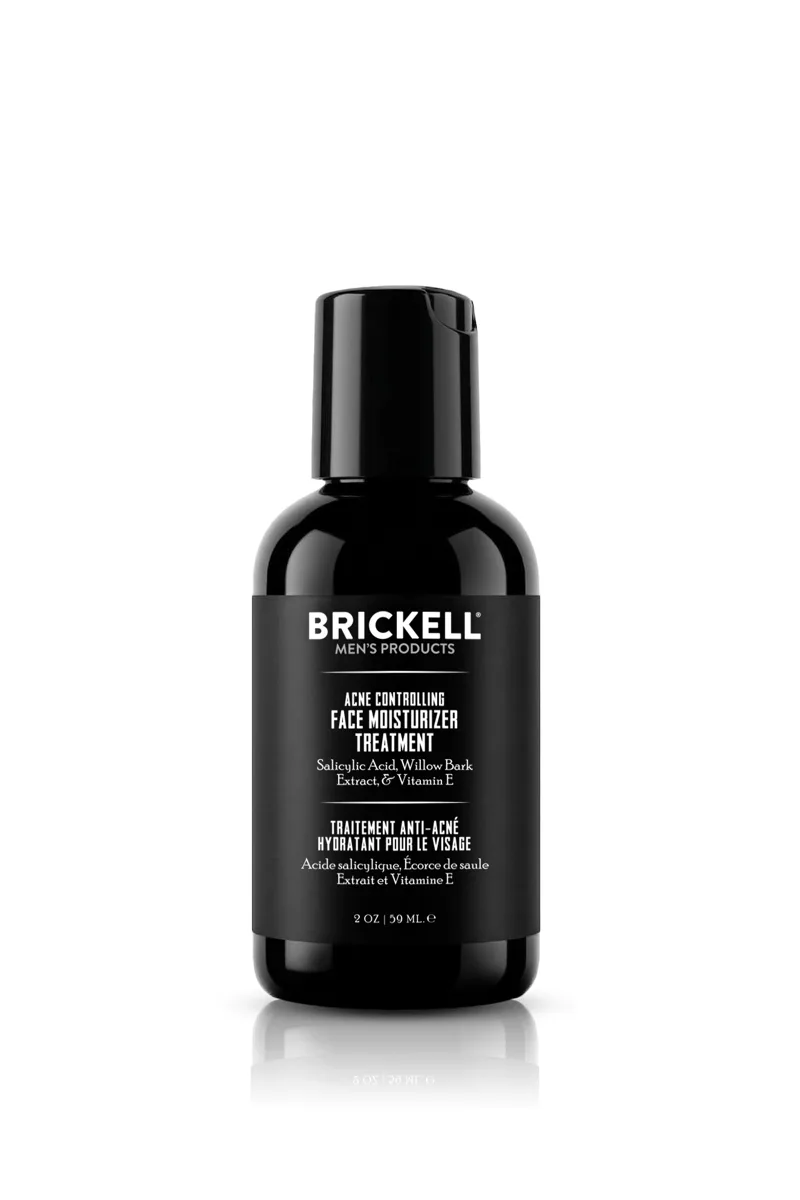 Acid in the Wrong Base
Acne Controlling Face Moisturizer Treatment for Men
A leave-on moisturizer with a full 2% salicylic acid active is the right idea, and this one delivers the acid in the format where it actually works. It then dissolves that acid in coconut oil, isopropyl palmitate, butters and beeswax and scents it with tea tree, peppermint and citrus oils, which is close to the opposite of what acne-prone skin needs. Combination skin in winter may get on with it; oily, inflamed or sensitive skin should not try.
 Honest-Label Micellar Water
Tea Tree Cica Sensitive Cleansing Water
A gentle, fragrance-free micellar water whose label adds up: five tea tree ingredients total just over one percent, exactly as the bottle claims, though the concentrated oil is only 0.03 percent. The real work is done by mild polyglyceryl surfactants that lift sunscreen and light makeup without sting. It is inexpensive and easy to live with, but not for waterproof mascara.
 No-Frills Oily-Skin Pump Wash
Anti-Blemish Teatree Wash
A dependable, well-buffered sulfate gel that leaves oily skin clean and matte, in a generous pump bottle at a low price. Its anti-blemish labelling overpromises: there is no acne active, and the tea tree oil is present only at a low level. Buy it as an everyday cleanser for oily skin and pair it with a real treatment.
 K-Beauty OG Cleanser
Low pH Good Morning Gel Cleanser
The cleanser that started a pH revolution. Over a decade after launch, COSRX's most iconic product remains one of the best gel cleansers for oily and acne-prone skin — effective, affordable, and respectful of the skin barrier in a way that most cleansers still aren't. The tea tree scent and BHA content make it less universal than COSRX's newer options, but for its target audience, it's earned its cult status.
 K-Beauty Acne Fighter
AHA BHA PHA 30 Days Miracle Cleansing Foam
A genuinely effective budget exfoliating cleanser that earns its cult status among oily and acne-prone skin types, though the peppermint oil and ambitious '30 Days Miracle' branding deserve a raised eyebrow. Best suited for resilient skin that can handle daily acid exposure in a wash-off format.
 Budget Spot Zapper
Blemish Breakthrough Acne Fighting Spot Gel
A five-dollar spot treatment that does exactly what it says — delivers salicylic acid and tea tree oil directly to blemishes through a convenient roll-on applicator. Not subtle, not fancy, but effective for quick blemish intervention. The camphor and alcohol mean this is for resilient, oily skin, not delicate flowers.
 Pit Detox Pioneer
Happy Pits Underarm Mask
A cleverly formulated underarm treatment that goes beyond odor control to address the bumps, darkening, and texture issues that nobody else bothers to solve. The multi-acid exfoliation and clay detoxification are legit, though the niche use case and tingling sensation mean it's not for everyone — or every day.
 Triple-Acid Pore Clarifier
Mandelic Clarifying Cleanser
A smartly formulated triple-acid cleanser from the brand that literally wrote the textbook on hydroxy acids. The mandelic-salicylic-gluconolactone trio delivers genuine pore-clarifying results for oily skin, and at $34 for 200mL, the value is strong — though dry and sensitive skin types should steer well clear.
 Acne-Friendly Gel Pick
Oil-Free Moisturizer
Peach Slices Oil-Free Moisturizer is one of the more thoughtfully formulated drugstore acne moisturizers available — fragrance-free, alcohol-free, and built around a functional niacinamide concentration with centella and willow bark for supporting acne-friendly action. A strong pick for oily and combination skin looking for a lightweight moisturizer that works alongside a full acne routine without adding irritation or occlusion.
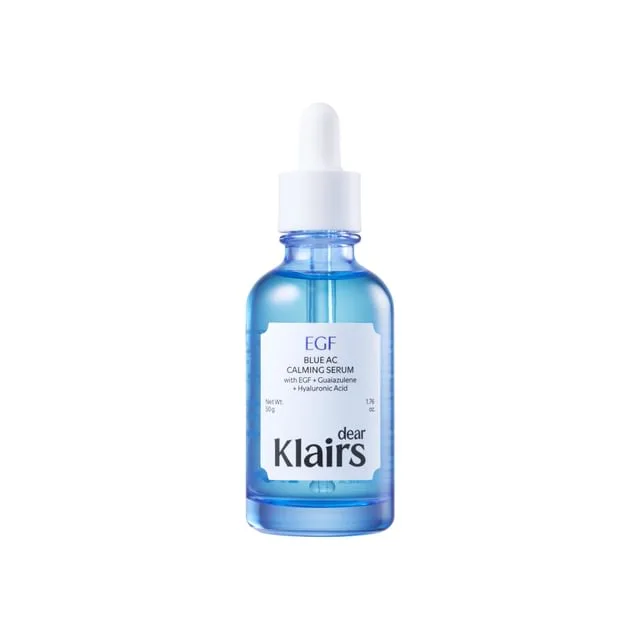 Calm-the-Breakout Pick
Blue AC Calming Serum
An acne serum that works by calming rather than stripping — niacinamide, guaiazulene, centella and a deep soothing roster settle the inflammation behind breakouts, while gentle LHA and PHA handle congestion. Genuinely well-suited to reactive, blemish-prone skin and excellent value; the tea tree oil is the one note that pulls against its gentle promise.
 Micropoint Early-Stage Blemish Targeting
Mighty Patch for Early-Stage Blemishes
Hero Cosmetics Micropoint patch with 395 self-dissolving salicylic acid micropoints delivering active into early-stage developing blemishes. Madecassoside + niacinamide + willow bark + tea tree multi-active support. The micropoint delivery mechanism distinguishes from traditional surface-active hydrocolloid patches. Strong suitability and irritation risk scores for the targeted use case.
The full tea tree oil (melaleuca alternifolia) guide
Distilled from the leaves of an Australian shrub, tea tree oil was treating skin complaints long before it became a fixture in every acne-focused medicine cabinet.
Its lead compound, terpinen-4-ol, disrupts bacterial cell membranes, and a handful of human acne trials point to a genuine effect on lesion counts. But the honest position sits between folk remedy and proven drug: the best systematic reviews still rate the overall evidence as modest at best. Useful for mild-to-moderate acne, frequently oversold for everything else.
Where the evidence stands, by concern
Evidence for an ingredient is not one grade — it differs concern by concern. Each row below was researched separately against regulatory approvals, clinical guidelines, and trials our team opened and verified; the band and dots rank how central tea tree oil (melaleuca alternifolia) is to treating that concern, from first-line therapy down to supportive care, at treatment-level doses and vehicles. A product's own grade weighs its actual formula.
Researched, not established: Dandruff, Nail Fungus. We looked at each of these and the current evidence does not clear our bar for a treatment standing — that is a finding, not a gap in our research.
How it's regulated in the US
FDA does not classify ingredients — it classifies products, by what they are sold to do. The same molecule can be a drug active in one product and a cosmetic ingredient in the next, and only the claim on the label decides which. What follows is a statement about that legal standing, not about whether it works — the evidence question is answered separately above.
Cosmetic Tea tree oil is not among the seven OTC antifungal actives, so a US product containing it cannot claim to treat a fungal infection however it is marketed.
The most-cited human result is an acne trial in which a 5% tea tree oil gel cut total lesion counts by about 43.6% versus roughly 12% for placebo over 45 days (Enshaieh et al., 2007). An earlier single-blind comparison found 5% tea tree oil and 5% benzoyl peroxide reduced lesions similarly, though benzoyl peroxide acted faster on inflamed lesions and caused more skin reactions (Bassett et al., 1990). A 2023 systematic review of 46 randomized controlled trials across multiple fields concluded the overall research quality was "poor to modest" and called for larger, better-reported trials before firm claims. Anti-inflammatory and antifungal effects are reported mainly in lab and animal models and still lack large human confirmation. The EU's SCCS (2025 opinion) set tight cosmetic limits, including just 0.1% in leave-on face creams.
How it works
Terpinen-4-ol, which typically makes up roughly 35-40% of the oil by volume, does most of the work. It partitions into the lipid bilayer of microbial cell membranes; once embedded, it increases membrane fluidity and permeability until the cell can no longer hold internal pressure, leaking ions and cytoplasmic contents. That mechanism explains its lab activity against Cutibacterium acnes (central to inflammatory acne), Staphylococcus aureus, and several fungi, all of which depend on intact membranes. Beyond the antimicrobial side, the oil appears to dampen inflammatory signaling: water-soluble fractions have reduced pro-inflammatory mediator release in cell-culture studies, which may help explain the calmer-looking skin some users report, though these findings come from in vitro work rather than controlled human trials. Composition is the catch. Tea tree oil is a variable natural product, and ISO 4730:2017 sets a minimum of 35% terpinen-4-ol and a maximum of 10% 1,8-cineole, a component linked to irritation. Commercial oils span that whole range, and the oil also oxidizes on exposure to air and light, generating sensitizing breakdown products. Fresh, well-stored oil rich in terpinen-4-ol and low in cineole tends to be both more active and gentler than an old, oxidized bottle.
Key benefits
- Reduces inflamed acne lesions such as papules and pustules, with supporting human trial data
- Shows activity against Cutibacterium acnes at low concentrations in laboratory testing
- Appears to calm inflammatory signaling, which may ease redness around breakouts
- Has antifungal activity relevant to fungal acne (Malassezia folliculitis)
- Offers an antimicrobial option with fewer systemic concerns than oral antibiotics for mild acne
- Paired with adapalene in a 6% nanoemulsion, outperformed adapalene alone in a 2021 randomized trial
Concentration & usage
Skincare products generally use somewhere between 1% and 5% tea tree oil, while the acne trials showing benefit mostly used 5-6%. There's a regulatory wrinkle worth knowing: the EU's SCCS (2025 opinion) considers it safe only at low limits, including about 0.1% in leave-on face creams, 1% in face wash and shower gel, and 2% in shampoo, reflecting its rating as a moderate sensitizer in leave-on use. Higher percentages buy efficacy but raise contact dermatitis risk, so a well-formulated low-cineole product is often the smarter trade. On an INCI list it reads as "Melaleuca Alternifolia Leaf Oil"; if it sits at the very tail of the list, the dose is probably token. Because the oil degrades with air and light exposure, opaque or airless packaging is a meaningful quality signal.
Who it's for & who should be cautious
Who it's for
It suits oily and acne-prone skin contending with mild-to-moderate breakouts, especially anyone who wants an antimicrobial active that tends to feel less harsh than benzoyl peroxide. It can also help with scalp issues and fungal acne (Malassezia folliculitis), where the antifungal side comes into play. Combination skin dealing with the occasional spot rather than widespread cystic acne is where the existing evidence applies most cleanly.
Who should be cautious
Skip it if you've reacted to essential oils, fragrance, or tea tree itself before; sensitization is well-documented and turns up in roughly 1-5% of users, with oxidized oil behind most cases. Anyone with a compromised, actively inflamed, or eczema-prone barrier should be cautious, since irritation risk climbs sharply on damaged skin. Concentrations above 5% on sensitive skin are a fairly reliable path to redness and peeling. Pregnancy guidance is inconsistent; the careful approach is sparing, well-diluted use only when needed, and many clinicians steer toward better-studied alternatives instead.
Pairs with & conflicts
Pairs well with: Niacinamide (Vitamin B3), Zinc, Salicylic Acid (BHA), Centella Asiatica (Cica), Aloe Vera, Glycerin
Use with care alongside: Benzoyl Peroxide, Retinol
Myths & facts
Myth: Because it's natural, neat tea tree oil can be dabbed straight onto a spot
Reality: Applied undiluted, tea tree oil can cause chemical burns and allergic contact dermatitis, and the bulk of documented allergy cases trace back to high-concentration or neat use. Effective spot treatment relies on diluted 2-5% formulations, not pure oil.
Myth: Tea tree oil is basically as good as benzoyl peroxide for acne
Reality: Head-to-head, both lower total lesion counts, but benzoyl peroxide clears inflamed lesions faster. Tea tree oil's draw is gentler tolerability, not greater strength or speed, which makes it a reasonable option mainly for people who can't tolerate benzoyl peroxide.
Myth: A higher tea tree percentage always means a better product
Reality: Terpinen-4-ol content and freshness matter more than the headline number. An oxidized 5% oil can be weaker and far more sensitizing than a fresh, high-terpinen-4-ol 2% formula, so storage, packaging, and oil quality often outweigh raw concentration.
Frequently asked questions
How long before tea tree oil makes a visible difference on acne?
The trials behind 5% tea tree oil gels measured results around the 45-day mark, where lesion counts dropped meaningfully, though some people see redness ease within the first week or two. It acts more slowly than benzoyl peroxide, so plan on a 4-6 week stretch before judging whether it's earning its place in your routine.
Will tea tree oil help with fungal acne, or just regular breakouts?
It has antifungal as well as antibacterial activity, so it's plausibly relevant to Malassezia folliculitis, the fungal-driven look-alike of acne. That said, human data specific to fungal acne is thin and the antifungal evidence is mostly lab-based, so it's worth trying as an add-on while stubborn or widespread cases usually call for a dedicated antifungal.
Is daily facial use of tea tree oil safe?
For most people, once-daily use of a well-made 1-5% product is fine, as long as the oil is fresh and the skin isn't already sensitized. A sensible start is once a day after patch-testing, then adjusting to tolerance. Stacking it with other strong actives such as benzoyl peroxide, retinoids, or potent acids on the same day pushes irritation risk up considerably.
Why is tea tree oil suddenly irritating my skin more than when I started?
Irritation that worsens after a period of tolerating the product is a classic sign of developing contact sensitization rather than ordinary stinging. Once your immune system reacts to tea tree components (often oxidized terpinenes), each new exposure tends to provoke a stronger response, which usually means stopping tea tree products altogether rather than pushing through.
Does the grade or quality of the oil actually change how well it works?
It does, and noticeably. Effectiveness tracks with terpinen-4-ol content (more is better, ideally above ~38%), low 1,8-cineole, and how oxidized the oil is. Oxidized oil loses antimicrobial punch while gaining sensitization risk. ISO 4730:2017 sets a baseline, but not every cosmetic uses high-grade oil, so opaque or airless packaging is a reassuring sign.
Can I use tea tree oil on my skin while pregnant?
There's no solid human safety data on topical tea tree oil in pregnancy. Most dermatologists view brief, diluted, small-area use as low risk while still advising caution, especially in the first trimester and with stronger products. Many simply suggest better-studied acne options such as azelaic acid, which has a clearer pregnancy track record.
- Natural & BotanicalTea Tree Oil Beat Placebo in a Real Acne Trial. It Also Sensitises People.The strongest counterexample to blanket botanical scepticism is also one of the more common contact allergens — and holding both facts at once is the only honest way to read it.
- Clean Beauty & MarketingThe Most Common Contact Allergens in Skincare Are Overwhelmingly Plant-DerivedThe fourth most frequent positive patch test in North America is an oxidation product of a molecule that occurs naturally in lavender. Nobody synthesised it into your face cream.
- Natural & BotanicalA Product Can Be Scented Head to Toe and Still Say Fragrance-FreeEssential oils are declared by botanical name rather than as fragrance, which is why the most heavily perfumed products in the natural aisle can carry the reassuring word — and why the bottle gets more sensitising the longer you own it.
- Men's GroomingBeard Oil Is for the Skin Underneath. Most of It Is Sold for the Hair.The yeast that drives beard flaking cannot manufacture its own fatty acids — it has to scavenge them. Which is an awkward fact for an aisle built almost entirely on fatty acids.