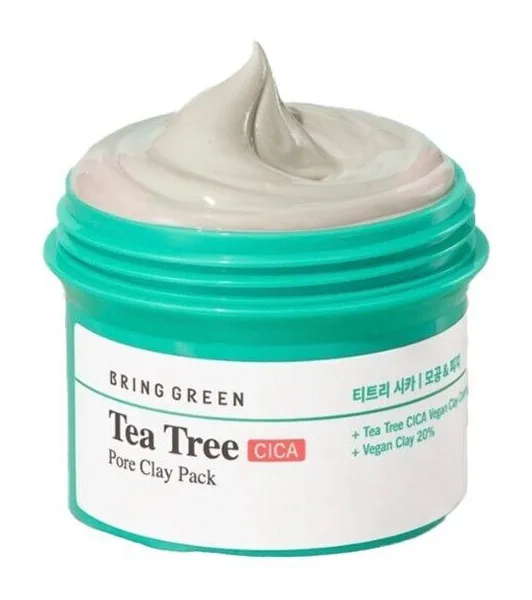
It balances a serious multi-clay absorbing complex with a high 10% centella dose, calamine and a touch of PHA, so it deep-cleans pores without the harsh, stripped aftermath of a basic bentonite mask. That soothing-meets-purifying balance, at a budget price and generous size, is its appeal.
A genuinely well-balanced budget clay mask that deep-cleans pores with a serious multi-clay complex while a high 10% centella dose and calamine keep it from stripping skin raw. It is a pore-care staple for oily and combination skin at a bargain price, with the usual clay-mask caveats around alcohol, dryness and frequency.
Listed for Excess Oiliness, Blackheads, Large Pores, Acne and Rough Texture — the actives here (Centella Asiatica, Calamine, Tea Tree Oil, Kaolin Clay) are in our research queue for those concerns; there is no verdict until their evidence rows are written. That is a gap in our table, not a mark against the product.
As a maskNot judged: what a mask is for — works within its wear time, benefit outlasts the mask, comes off cleanly — cannot yet be measured from the ingredient list (only intensity without injury can).
A verdict is DermApproved’s assessment of how well a product’s ingredients fit a concern — never a claim about what the product treats. Evidence dots and collected reviews sit beside it and are never blended in.
Rules 0.5.1 · evidence table ev-2026.09-r228 · how we decide
Assessment
Pros & Cons
Pros
✓ Serious multi-clay complex genuinely clears sebum and pores
✓ High 10% centella dose offsets clay's drying tightness
✓ Calamine and PHA add soothing and gentle smoothing
✓ Rinses to a clean, refreshed rather than stripped feel
✓ Comparatively low-scent, tea tree as extract not neat oil
✓ Vegan, generous 120g tub at a bargain price
✓ Long-running bestseller with thousands of reviews
Cons
✗ Contains alcohol denat that adds drying potential
✗ Can over-dry if overused or left on too long
✗ Best for oily and combination skin, not dry or sensitive
✗ Not fungal-acne (malassezia) safe
Review
Full Review
Anyone who has used clay masks for long enough knows the familiar disappointment. You slather one on hoping for clearer pores, leave it until it cracks like a dry riverbed, rinse, and are rewarded with skin that feels tight, squeaky and faintly irritated, as if you have cleaned it by sandblasting. The deep clean is real, but so is the collateral damage, and for sensitive or breakout-prone skin that aftermath can trigger the very redness and reactive oil production you were trying to calm. Bring Green's Tea Tree Cica Pore Clay Pack is interesting precisely because it is engineered to deliver the absorption without the stripped, punished feeling, and for the most part it succeeds.
The deep-cleaning credentials are not in doubt. This is a properly built multi-clay mask: kaolin leads, backed by bentonite, illite, montmorillonite, and mineral-rich Canadian colloidal and Manicouagan clays. That variety matters, because different clays pull sebum and debris with different intensities, and blending them gives a thorough oil-absorbing draw that still feels a touch more measured than a single aggressive bentonite mask. Add silica and a touch of gluconolactone PHA to loosen dead surface cells, and you have a mask that genuinely clears congestion, leaving pores looking cleaner and skin mattified after a rinse.
What sets it apart is the soothing architecture built alongside the clays. There is a high 10% dose of centella asiatica, the calming, redness-reducing active that acts as a direct counterweight to the drying tightness clay produces, plus calamine, the classic pink soothing-and-mildly-astringent agent that has comforted irritated skin for generations. A 10% tea tree complex, delivered as extracts rather than concentrated oil, adds a purifying, blemish-targeting note suited to the oily, congested skin this is aimed at, and hyaluronic acid and chlorella round out the comfort. The effect of all this is that the mask tightens and cleans as it dries, but rinses to a result that feels clean and refreshed rather than stripped and sore. For a deep-cleansing clay mask, that restraint is genuinely well done.
In use, it behaves exactly as a good clay mask should. The smooth grey-green paste spreads cool, dries to a firm matte film over ten to fifteen minutes, and rinses off cleanly with water. Oily skin emerges visibly less shiny and smoother; the immediate gratification is real. Over a few weeks of regular use, congested areas and blackheads look clearer, though as with any clay mask this is maintenance rather than cure, pore size is largely genetic, and what you are buying is a cleaner, less congested look that consistent use sustains, not a permanent shrinking.
The limitations are the honest fine print of the format. Despite the soothing additions, this is still a clay mask, and it does contain alcohol denat, which helps it dry quickly but adds to the potential for dryness. Left on too long, used too often, or applied all over genuinely dry skin, it can over-dry, and the smart approach is restraint: once or twice a week, ideally on the T-zone and oilier areas rather than the entire face, always followed by proper hydration. For that reason it is firmly a mask for oily and combination skin; dry and sensitive types can still use it as a targeted spot treatment but should not treat it as an all-over weekly ritual. And while it is comparatively low-scent and uses tea tree as extracts rather than neat oil, it is not strictly fungal-acne safe, so the malassezia-prone should keep that in mind.
Value is where it shines brightest, fittingly for this brand. At around fourteen dollars for a generous 120g tub, it is genuinely cheap, and because you use a clay mask only once or twice a week, that tub lasts for months, driving the per-use cost down to pennies. For a vegan, multi-clay mask with a real soothing complex and a cult following on Olive Young, that is excellent value, and there is no hype premium baked in despite its popularity. It is the kind of unglamorous, effective, affordable staple that earns a permanent spot in a routine.
Who should buy it? Oily and combination skin that wants an effective, soothing, budget pore mask for weekly deep cleaning, especially anyone whose skin is both oily and a little reactive and has found other clay masks too harsh. Who should skip it, or use sparingly? Genuinely dry or sensitive skin, which should confine it to oily patches if they use it at all, and anyone hoping a clay mask will permanently shrink pores or cure acne. Used with a little restraint by the right skin, though, this is one of the better budget clay masks out there, the rare popular product whose formula actually justifies the hype. There is a quiet lesson in how this mask is built, too. The cheapest way to make a clay mask is to maximize the clay and ignore the aftermath, betting that the satisfying tightness reads as effectiveness. Bring Green spent some of its modest budget instead on the centella and calamine that soften the experience, and that choice is exactly why people keep repurchasing it rather than abandoning it in a drawer after the first stripped, uncomfortable use.
Formula
Key Ingredients
The hero actives that drive this product's performance.
A layered blend of absorbent clays, with kaolin leading and bentonite, illite and mineral-rich Canadian clays behind it, draws out excess sebum and loosens pore-clogging debris as the mask dries. The variety of clays balances strong oil absorption with a slightly gentler pull than a single bentonite mask.
A high dose of centella offsets the drying, tightening effect clays can have, calming the redness and reactivity that oily, congested skin often carries. It is the soothing counterweight that lets a deep-cleansing clay mask stay comfortable rather than stripping.
Tea tree extracts add a purifying, blemish-targeting note that suits the pore-and-sebum focus, reinforcing the mask's appeal for breakout-prone skin. As extracts rather than concentrated oil, the effect is supportive and gentler than neat tea tree oil.
Calamine adds a classic soothing, mildly astringent calming effect for irritated, breakout-prone skin, while a touch of gluconolactone PHA gently loosens dead surface cells for smoother pores. Together they round out the mask beyond pure clay absorption.
Not yet assessed
Ingredient standings describe the active at treatment-level doses and
vehicles; this product's own condition grades weigh its actual formula.
Use as a weekly or twice-weekly treatment after cleansing, before the rest of your routine. Apply to the T-zone or wherever skin is oiliest rather than the whole dry face, and follow with hydration.
Results Timeline
Immediately cleaner, less shiny, smoother-feeling skin after rinsing; fewer congested pores and blackheads over a few weeks of regular use; overuse can dry skin out, so frequency matters.
The mask works through two complementary mechanisms: clay absorption and botanical soothing. The clays, kaolin, bentonite, illite, montmorillonite and the mineral colloidal clays, are well-established sebum absorbers; they bind and lift excess oil and loosen surface debris as the mask dries, which temporarily reduces the appearance of congested pores. The evidence for clay masks is essentially mechanical and short-term: they manage oiliness and the look of pores effectively but do not alter pore size, which is determined largely by genetics and chronic factors. The added gluconolactone is a polyhydroxy acid that provides mild, gentle exfoliation of dead surface cells, supporting the smoothing effect without the sting of stronger acids. On the soothing side, centella asiatica at a stated 10% has solid anti-inflammatory and barrier-supportive evidence and is a sensible, meaningful counter to the drying tendency of clay, while calamine (a zinc oxide and ferric oxide blend) has long-standing use as a soothing, mildly astringent agent for irritated skin. Tea tree, here as extracts rather than the concentrated oil studied for acne at around 5 percent, contributes a lighter purifying note rather than a therapeutic antimicrobial dose. The one ingredient working against the soothing intent is alcohol denat, which aids fast drying and a matte finish but can increase transepidermal water loss and dryness with frequent use. The overall design is sound: effective, evidence-based oil absorption tempered by genuinely soothing actives, with realistic, maintenance-level rather than curative, benefits.
Dermatologist Perspective
Clay masks are generally regarded in clinical terms as a reasonable adjunct for oily and acne-prone skin, useful for managing surface oil and the appearance of congested pores, but with effects that are temporary and require ongoing use rather than producing lasting changes to pore size. Dermatologists typically advise oily-skinned patients to use such masks no more than once or twice weekly and to follow with moisturizer, since overuse can compromise the barrier, and to apply them selectively on oilier zones if skin tends dry. The high centella content and calamine in this formula align with the goal of minimizing the irritation clay can cause, a thoughtful touch for reactive, breakout-prone skin. The alcohol content is the element to watch for dry or sensitive patients. Tea tree at extract levels should be seen as a mild purifying addition rather than an acne treatment, and as always, consistent sun protection and a complete routine matter far more to acne and pore outcomes than any single mask.
Guidance
Usage & Recommendations
How to Use
After cleansing, apply an even layer to clean, dry skin, concentrating on the T-zone, nose and any oily or congested areas rather than the whole face if your skin runs dry. Leave it on for ten to fifteen minutes, until it is dry but before it cracks hard, then rinse off thoroughly with lukewarm water. Use it once or twice a week, not daily, and always follow with a hydrating toner, serum and moisturizer to replenish. If your skin is on the drier or more sensitive side, keep the time short and treat it as a targeted spot mask rather than an all-over treatment.
Value Assessment
At roughly fourteen dollars for a generous 120g tub, this clay mask is genuinely inexpensive, and because masks are used only once or twice weekly, that tub stretches over many months, making the real per-use cost negligible. For a vegan, multi-clay formula with a meaningful soothing complex of centella and calamine, that is strong value, and there is no premium attached despite the product's cult popularity. Compared with boutique clay masks that charge two or three times as much for a similar or harsher experience, it is an easy budget recommendation. The only caveat to the value is fit: dry and sensitive skin will get limited use from it, but for the oily and combination skin it targets, it is one of the most cost-effective pore-care staples available.
Who Should Buy
Consider it if you have oily or combination skin and want an effective, soothing, budget clay mask for weekly deep pore cleaning, particularly if your skin is both oily and a little reactive and other clay masks have left it stripped. The generous tub and low price make it an easy staple.
Who Should Skip
Use it sparingly or skip it if your skin is genuinely dry or sensitive, in which case confine it to oily patches at most. Anyone expecting a clay mask to permanently shrink pores or cure acne, or who wants a completely alcohol-free formula, should look elsewhere.
Ready to try Bring Green Tea Tree Cica Pore Clay Pack?
A smooth, spreadable grey-green clay paste that goes on cool, dries to a firm matte film, and rinses off cleanly with water.
Scent
Largely fragrance-free with a faint earthy-herbal note from the clays and tea tree extracts.
Packaging
Wide screw-top tub with a spatula-friendly opening; generous and practical, though a tub is less hygienic than a tube.
Finish
mattenon-greasy
What to Expect on First Use
Spreads cool and tightens as it dries over ten to fifteen minutes, with a clean, mattifying result after rinsing rather than a stripped, painful tightness. Oily skin feels refreshed; drier areas may feel taut, a sign to apply it only where needed.
How Long It Lasts
Several months of weekly to twice-weekly use from the generous 120g tub.
The Pore Clay Pack is one of the products that built Bring Green's tea tree cica line into an Olive Young pore-care staple, riding the Korean clay-mask trend while differentiating itself with a calming centella-and-calamine angle aimed at sensitive, breakout-prone skin.
About Bring Green Established Brand (5–20 years)
Bring Green is a Korean vegan-focused brand sold widely through Olive Young, built around single-botanical hero lines like tea tree, carrot and bamboo. The Tea Tree Cica clay pack is one of its most popular pore-care products, though independent clinical validation remains limited.
Brand founded: 2019 · Product launched: 2020
Myth vs. Reality
Common Myths
Myth
A clay mask shrinks your pores permanently.
Reality
Clay temporarily clears and tightens the look of pores by removing sebum and debris, but pore size is largely genetic; regular use keeps them looking clearer, not permanently smaller.
FAQ
Frequently Asked Questions
How often should I use the Pore Clay Pack?
Once or twice a week is plenty. Clay masks deep-clean by absorbing sebum, so overusing this one, or leaving it on too long, can over-dry skin; regular but spaced use keeps pores clear without stripping the barrier.
Is this clay mask too drying?
It is gentler than many clay masks thanks to a high 10% centella dose and calamine, but it does contain clays and some alcohol, so dry or sensitive skin should apply it only to oily areas and keep the time short.
Is the Pore Clay Pack good for blackheads?
Yes. The multi-clay complex absorbs the sebum that feeds blackheads while a touch of PHA loosens surface debris, leaving pores looking clearer, though regular use is needed to maintain the effect.
Can dry or sensitive skin use this mask?
It is best suited to oily and combination skin. Dry or sensitive types can still use it as a targeted T-zone treatment rather than an all-over mask, and should follow with plenty of hydration.
Does the clay pack contain fragrance or tea tree oil?
It has no added perfume and uses tea tree as extracts rather than concentrated oil, so it is comparatively low-scent, though it does contain a small amount of alcohol that helps it dry.
Reviews
What Reviewers Tend to Say
Recurring themes our editors read across retailer reviews of this product — summaries in our words, not quotations, and not a substitute for your own patch test.
The whole case for salicylic acid rests on one unglamorous fact of chemistry: it dissolves in oil. Understand that, and you know exactly when it beats a glycolic acid — and when it's overkill.
The strongest counterexample to blanket botanical scepticism is also one of the more common contact allergens — and holding both facts at once is the only honest way to read it.
Essential oils are declared by botanical name rather than as fragrance, which is why the most heavily perfumed products in the natural aisle can carry the reassuring word — and why the bottle gets more sensitising the longer you own it.
The K-beauty buzzword slaps a green leaf on half the shelf — but centella is one of the rare botanicals with genuine wound-healing data. The trick is knowing which molecule is doing the job.
Feb 27, 2026· 6 min
Questions people ask about Acne
Verified answers from our questions library — the nuance a product page cannot carry.
Products, answers, therapy guides, tools and articles in one search. Brand names,
slang and abbreviations all work — accutane finds isotretinoin, bacne finds truncal acne.