Sulfur
Products with Sulfur
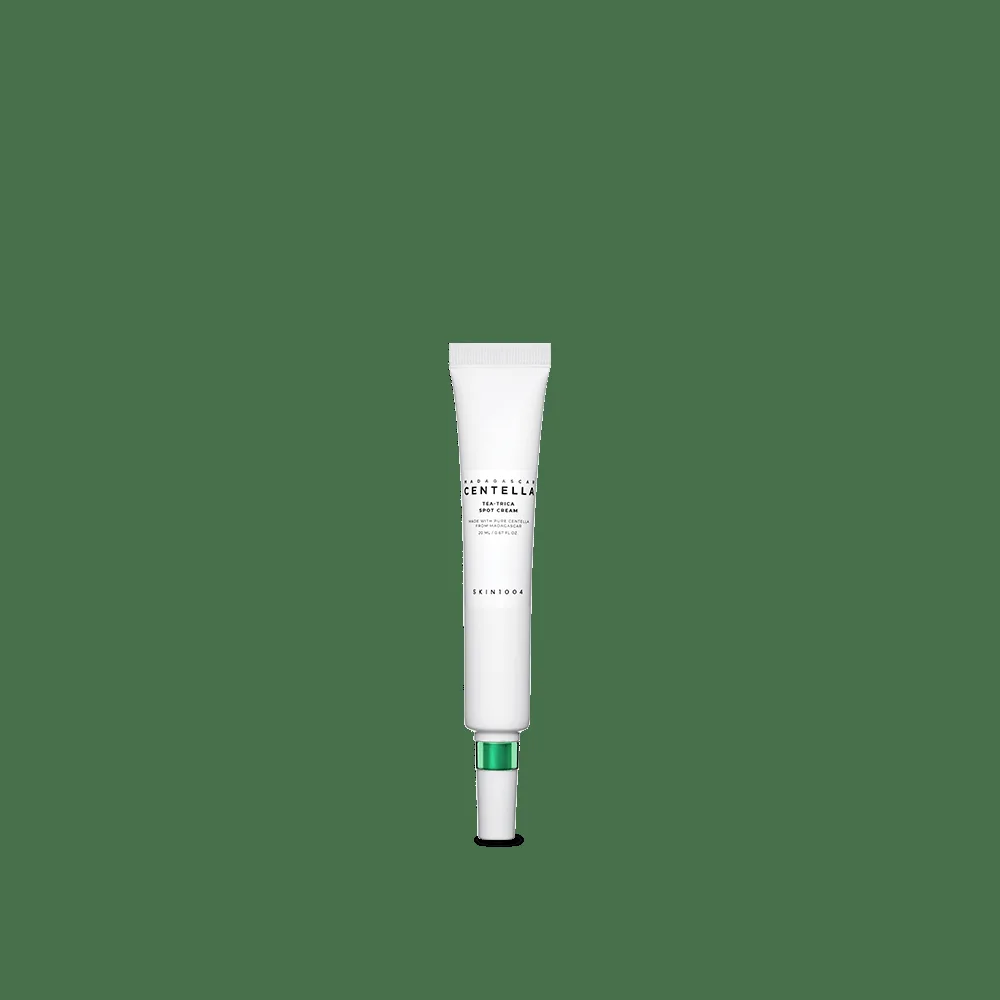 Multi-Active Spot Treatment
Tea-Trica Spot Cream
A genuinely multi-mechanism spot treatment that combines tea tree, salicylic acid, sulfur, zinc oxide, and the centella triterpene panel. It's more aggressive than the rest of the Tea-Trica line and more effective on active pimples, with sulfur quietly doing more work than most users expect.
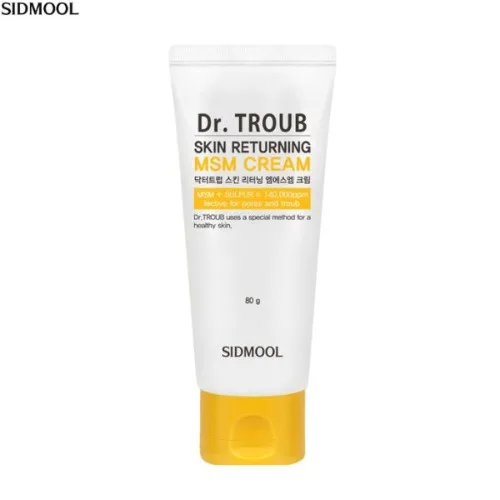 Sulfur-Forward Calming Gel
Dr. Troub Skin Returning MSM Cream
A bare, fragrance-free gel built around 13 percent MSM and one percent sulfur, with panthenol, squalane and skullcap to keep it calm. The MSM evidence on skin is thin and the sulfur dose is sub-treatment, so it is a soothing, mildly antimicrobial moisturiser for oily, breakout-prone skin rather than an acne cure, and at this price it is an easy, honest one to try.
 Sensitive Skin Acne Cleanser
Clean+ Acne Cleanser
Proactiv's gentlest cleanser ever swaps benzoyl peroxide for sulfur and strips the formula down to clean-conscious essentials. It's a welcome departure for sensitive acne-prone skin, though the simplicity that makes it gentle also limits how much heavy lifting it can do against stubborn breakouts.
 Farmacia Cult Classic
Acne Treatment Maximum Strength with 10% Sulfur
A two-ingredient, ten-minute sulfur mask that has been quietly clearing breakouts in Latino households for generations — and still embarrasses treatments five times its price. Buy it for cystic flare-ups, whiteheads, or fungal acne; skip it if you're dry, sensitive, or can't forgive a rotten-egg smell during the treatment window.
 Sensitive Skin MVP
Acne Treatment for Sensitive Skin with 5% Sulfur
Half-strength sulfur for the people the cult 10% jar leaves flaky: same two-ingredient monograph formula, same ten-minute rinse-off ritual, dramatically better odds that sensitive skin finishes the treatment comfortable. Slower on big cystic spots, but as a tolerable daily clearing tool for reactive, breakout-prone skin, it's ten dollars extremely well spent.
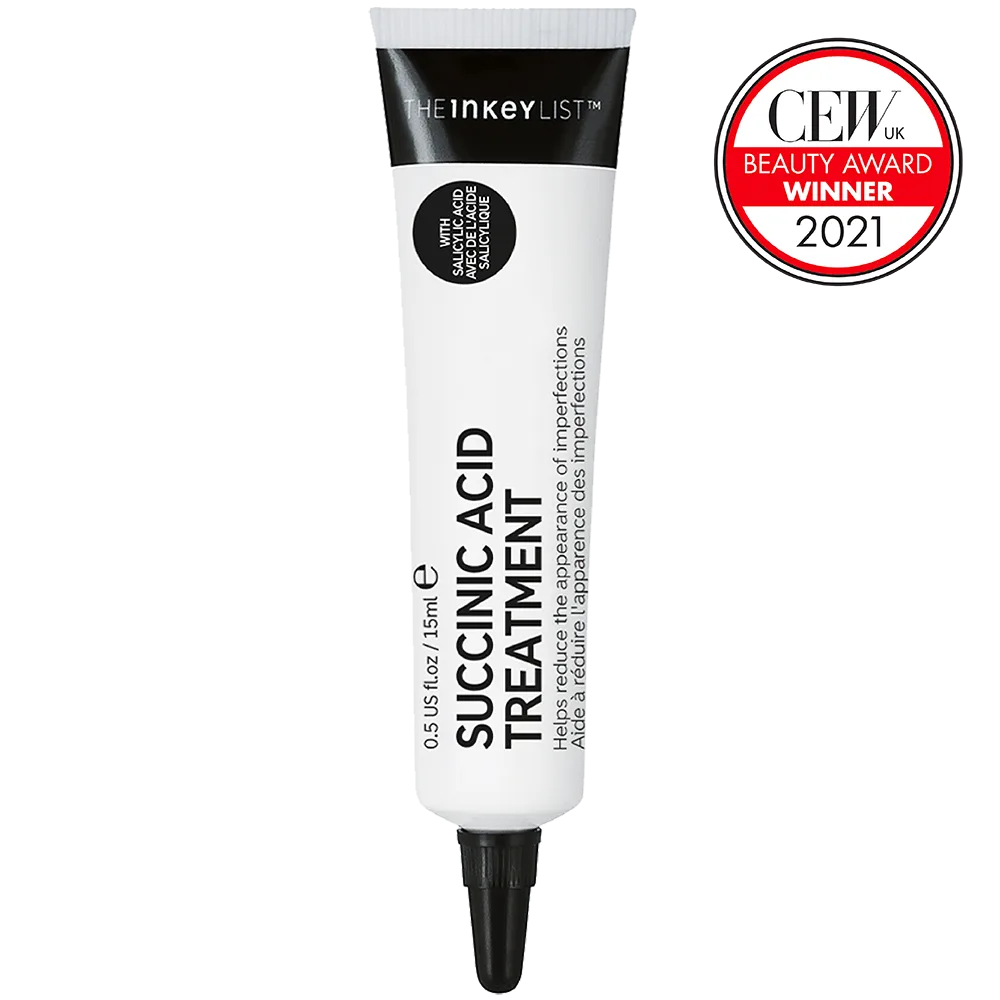 Budget Blemish Fighter
Succinic Acid Treatment
A triple-threat acne spot treatment that punches above its weight — succinic acid, sulfur, and salicylic acid working in concert for under $9. The green tint and small tube are trade-offs, but the multi-active approach delivers faster blemish resolution than most single-ingredient alternatives.
 Sulfur Acne Mask
Clear Skin Clay Mask
A genuinely effective acne mask that does something most clay masks don't — actually treat breakouts, via well-evidenced colloidal sulfur backed by willow bark and oil-absorbing clay. It clears congestion, controls oil, and helps prevent the post-acne dark marks common on melanin-rich skin, and it's even pregnancy-safe. The trade-off is dryness: sulfur and clay are stripping, so it's an oily-skin tool, not a universal one, with a faint sulfur smell and geranium oil to note.
 Max-Strength Spot Zapper
Even Clearer Therapeutic Sulfur Mask
A maximum-strength 10% sulfur mask that pulls double duty as a full-face oil-control treatment and a remarkably effective overnight spot zapper. Backed by absorbent clays and a small soothing cast, it flattens stubborn blemishes fast for oily, acne-prone skin. The trade-offs are real dryness, an unavoidable sulfur smell compounded by added fragrance, and a premium price for a single-job product.
 Sulfur Without the Suffering
The Revealer Sulfur Body Wash
The first sulfur wash that does not feel like a punishment: a whipped, sulfate-free, fragrance-free cream with a declared 2 percent colloidal sulfur, aloe, inulin and glycerin, gentle enough to use on a whole body every day. It quiets red, bumpy chests and backs over a few weeks and is the rare wash that helps fungal-acne pustules, at $17 for 16.9 ounces. Two percent in a rinse-off is a cosmetic claim rather than an acne treatment, sulfur's evidence is thinner than its reputation, it smells faintly of what it is, and it will tarnish your silver — but as the calm cleanser under a body-acne routine it earns its place.
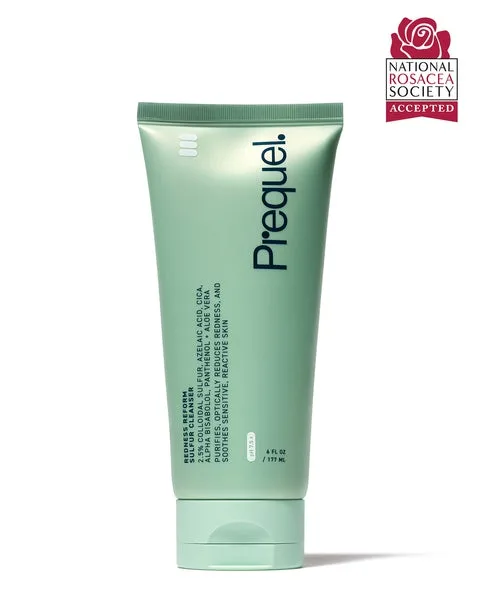 Rosacea-Smart Sulfur Wash
Redness Reform Sulfur Cleanser
Sulfur is one of skincare's oldest rosacea actives, and Prequel's cleanser rehabilitates it well: 2.5% colloidal sulfur and azelaic acid, two evidence-backed redness ingredients, buffered with a generous soothing stack of cica, bisabolol and panthenol. It is far gentler and less smelly than sulfur's reputation, and it carries the National Rosacea Society seal. Best for oily and combination redness-prone skin; dry skin should use it carefully.
 Overnight Whitehead Fix
Original Drying Lotion
The classic settle-don't-shake pink spot treatment, doing exactly one thing well: drying out a surfaced whitehead overnight for a few dollars. Salicylic acid, sulfur and zinc make a genuinely effective dab-on paste for individual pimples. Just know its limits — it's harsh, smells of sulfur, does nothing for deep cysts, and is strictly a targeted fix, not an acne routine.
 Teen Fizz Favourite
Blackhead Clearing Fizz Mask
A short, satisfying sulfur-and-clay mask whose bubbling is a silicone trick and whose tingle is fourteen essential oils, wrapped around a genuinely useful five-minute degrease for oily teenage T-zones. It will not extract a blackhead, and it is rougher on sensitive skin than a mask for inflamed adolescents should be, but for resilient oily skin that needs to be persuaded into a routine it does its job with more charm than most.
 Breakout SOS Mask
Out of Trouble 10 Minute Mask to Rescue Problem Skin
A refreshingly no-nonsense acne mask that puts sulfur, salicylic acid, zinc oxide, and clay to work with no perfume to get in the way. It genuinely calms blemishes and cuts oil for a low price, and its fragrance-free simplicity is a standout in the Origins lineup, but the drying actives make it strictly a tool for oily, breakout-prone skin.
 3-in-1 Sulfur Workhorse
Acne All-Star 3-in-1 Acne Cleanser
A genuinely thoughtful sulfur acne treatment that earns its 3-in-1 positioning by letting you scale contact time up or down based on whether you're doing maintenance or active flare-up management. The probiotic and botanical supporting cast is unusual in the sulfur category, and the result is a treatment that's notably easier to live with than older medical-grade options.
 Pregnancy-Safe Sulfur Acne Mask
Zitmask Anti-Blemish Sulfur Mask
Acnemy's Zitmask Anti-Blemish Sulfur Mask combines 3% sulfur with dual-clay framework plus niacinamide plus zinc PCA plus comprehensive K-beauty soothing cast. Pregnancy-safe acne treatment alternative at 25-dollar Spanish indie pricing — sulfur is one of the few acne actives safe during pregnancy.
 Sulfur Clay Acne Mask
Acne Clearing Mask
An effective sulfur-and-clay treatment mask that both clears pores chemically (3.5% sulfur, antibacterial and antifungal) and draws out oil physically (bentonite and kaolin), with zinc and vitamin C rounding it out. It's a genuinely useful periodic deep-clean for oily, congested, and fungal-acne-prone skin at eleven dollars — the caveats are the sulfur smell, the menthyl-lactate cooling, and a methylisothiazolinone preservative that sensitive skin should note.
 Substance Under the Matcha
Matcha Dual Serum
TIRTIR's matcha spin on the invented-PDRN trick — but this time the formula underneath actually earns it. Behind the '2% Matcha PDRN' and bi-phase theater sits a genuinely good, fragrance-free calming-and-brightening serum: a real 5% niacinamide, a full centella TECA complex, squalane, and colloidal sulfur. The matcha and green tea are largely trace garnish, but the working core is legitimate. A quietly strong redness-and-tone serum.
 Sulfur Paste, Updated
Rapid Acne Spot Treatment
A sulfur paste that has been to finishing school: 10% monograph sulfur to dry and flatten a spot overnight, plus a stated 4% niacinamide, 2.5% glycolic acid, phenylethyl resorcinol and licorice for the redness and the mark it leaves. Fragrance-free, bleach-safe, fast on whiteheads, and it smells like a struck match. Sulfur's evidence is old and thin, and this treats the bump in front of you, never the acne behind it.
 Best Post-Extraction Powder
Blemish Repairing Powder
Mario Badescu's 2024 reformulation of the cult Special Healing Powder — bismuth subgallate, sulfur, kaolin, zinc oxide in a talc-free arrowroot base. Specifically for popped, picked, or extracted blemishes where wet treatments cannot apply. Effective, affordable at 14 dollars, and one of the few dry-powder spot treatments still made.
 Quick Spot Zapper
Medicated Sealing Jell
A cheap, effective, old-school spot zapper that pairs salicylic acid with sulfur — a genuinely proven combination for drying out individual blemishes fast — softened a little by centella. It does its narrow job well. But the alcohol, sulfur, and fragrance make it drying and stinging, strictly a targeted tool for oily, resilient skin and active spots, not an all-over or sensitive-skin acne product.
 Oil-Control Spot Fix
Volcanic Ash Drying Lotion
The oil-control entry in the drying-lotion lineup, trading calamine pink and tea tree for sebum-soaking volcanic ash. It dries out surfaced whiteheads overnight much like its siblings, with extra oil absorption for very shiny skin, and skips the camphor and fragrance. The catches remain: it costs more than the original, the denatured-alcohol base is drying, and the 'detox' marketing oversells what ash actually does.
 Iconic Sulfur Acne Bar
Acne Bar Soap
The iconic Asepxia yellow bar is a genuinely multi-active medicated soap: 2% salicylic acid plus sulfur, glycolic acid, and white willow, all in a cheap drugstore bar built to cut oil and clear breakouts on oily skin. For greasy, congested, resilient skin it's an effective and beloved staple. But it's a true soap with a higher pH and a drying acid-and-sulfur load, which makes it a poor, stripping choice for dry, sensitive, or normal skin.
 Calming Sulfur Mask
Clearly Breakout Mask
A genuinely gentle update on the old sulfur acne mask. Clearly pairs colloidal sulfur and kaolin with azelaic acid and a calming botanical cast, so it clears congestion and flattens blemishes without the stripping, stinking reputation sulfur usually carries. The 30 mL size makes it pricey, but it's flexible, effective, and kind to the skin.
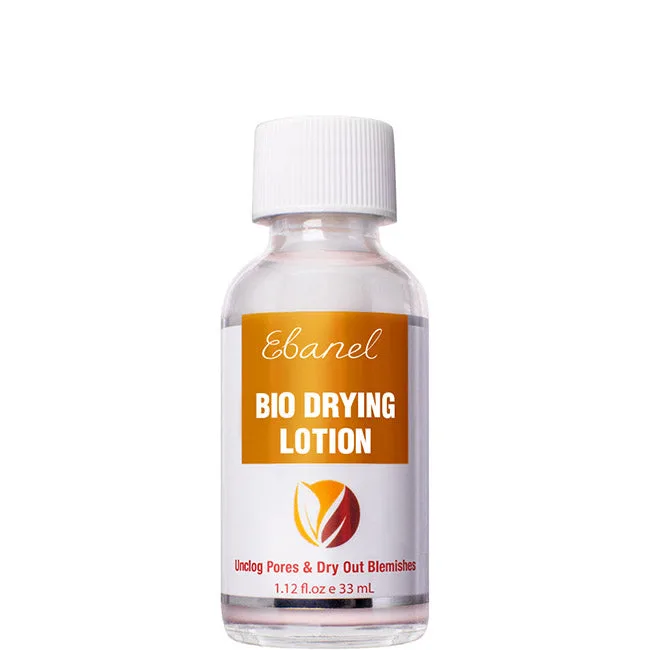 Overnight Whitehead Dryer
Bio Drying Lotion
An affordable, effective take on the classic pink 'drying lotion' spot treatment — sulfur, salicylic acid, and calamine that you dab onto an individual whitehead at night to shrink and dry it by morning. For that narrow job it genuinely works and undercuts the famous version it echoes. But be clear on its limits: it's harsh (denatured alcohol and camphor heavy), strictly for dabbing on individual surface pimples (never all over), useless on cystic acne, and drying to the surrounding skin. A useful, cheap tool for the occasional surface whitehead — nothing more, and nothing you should misuse.
 Triple-Active Spot Dab
No.0 Zero Blemish 3X Spot Correcting Cream
A smartly stacked overnight spot cream that flattens pustules with sulfur, backs it up with azelaic acid and puts a full 10% niacinamide to work on the mark afterwards, all cushioned by centella. The actives are cosmetic-strength rather than prescription-strength and the tube is small for the money, but as a dab-on for oily, breakout-prone skin it earns its place. Too new for anyone to vouch for beyond the formula.
 Sulfur Foam for Oily Skin
No.0 Zero Blemish Clarifying 2% Sulfur Cleansing Foam
A rare thing: a sulfur cleanser that oily, breakout-prone skin can use twice a day without feeling scoured. The 2% colloidal sulfur degreases and knocks back surface bacteria, the amino-acid foam and glycerin keep the rinse soft, and the polyhydroxy acid and centella earn their places. The salicylic acid on the label is a trace, the price is high for a wash, and dry or reactive skin should pass.
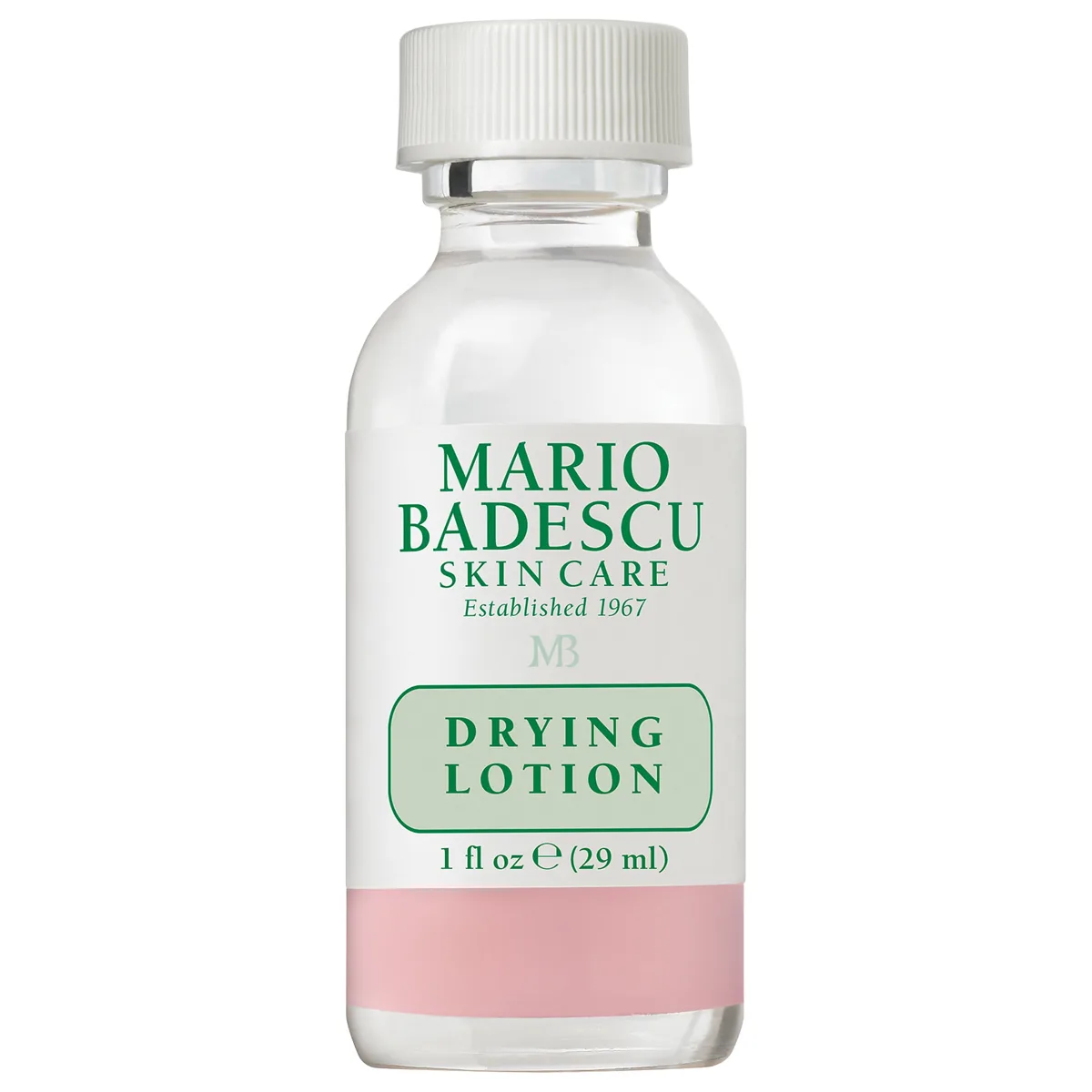 The Original Pink Dot
Drying Lotion
The pink-dotted overnight ritual that launched a thousand TikToks. A minimalist, unchanged-since-the-sixties formula that genuinely flattens whiteheads by morning — though the aggressive alcohol-and-sulfur approach earns its results through sheer drying force rather than modern pharmacological sophistication.
 Fungal-Acne Sulfur Wash
Sulfur Acne Foaming Cleanser
A rare and genuinely useful drugstore sulfur cleanser: 3.5% sulfur that targets both bacterial and the fungal (Malassezia) acne benzoyl peroxide can't touch, buffered with niacinamide, oat, and a full ceramide complex so it clears without the harsh dryness of old sulfur washes. It's an excellent, affordable pick for fungal acne and congested oily skin — the caveats are the sulfur-and-lemon scent, the lemon oil for sensitive skin, and sulfur's inherent drying.
 Overnight Blemish Eraser
EradiKate Acne Treatment
A potent, clinic-born sulfur spot treatment that genuinely flattens blemishes overnight through a unique two-phase delivery system. The isopropyl alcohol base and unmistakable sulfur smell are trade-offs for a product that earns its cult following with speed and efficacy.
 Overnight Pimple Flattener
Sulfur 10% Powder-to-Cream Acne Spot Treatment Concentrate
This is a genuinely modern reformulation of a very old active. Sulfur has always worked on inflammatory pimples — it just always smelled awful and looked worse. Deciem's colloidal, powder-to-cream version keeps the efficacy and fixes the cosmetics, and at ten dollars it is one of the easiest additions to an acne-prone routine.
 Sulfur Spot Treatment
Acne Spot Therapy
An effective, sensible acne spot treatment built on 3% sulfur — a genuine, FDA-recognized acne active that's antibacterial, oil-absorbing, and notably pregnancy-compatible — plus vitamin C and licorice to fade the marks breakouts leave behind. Dabbed onto blemishes, it calms them within a day or two, and the mark-fading support is a genuinely useful touch. Sulfur's drying tendency (keep it to spots) and a royal-jelly allergen are the main considerations. A solid, affordable spot treatment.
 Gentler Cica Spot Gel
Red Spot Cica Sulfur Gel
The Pink Powder's calmer cousin: a sulfur-and-clay spot gel that swaps the harsh salicylic and glycolic acids for oil-absorbing calamine, bentonite and a fermented cica complex. It dries and soothes a spot while helping the post-acne mark fade, all in a discreet matte gel you can wear under makeup. Alcohol and fragrance keep it off the sensitive-skin list, but it's the more wearable Red Spot.
 Oil-Control Spot Hero
Rapid Relief Acne Sulfur Mask
A genuinely effective oil-control and spot-treatment mask that runs a full 5% sulfur with salicylic acid yet sidesteps the classic eggy smell. It mattifies instantly and flattens blemishes fast, making it a worthy oily-skin tool — though $48 for a small tube asks a premium for what's still, at heart, a clay mask.
 Tea Tree Spot Zapper
Tea Tree Drying Lotion
A tea-tree-spiked take on the classic settle-and-dab drying lotion, adding a botanical antibacterial angle to the proven salicylic-acid-sulfur-zinc paste. It dries out surfaced whiteheads overnight much like the original, with tea tree's natural-leaning appeal. The trade-offs: it costs more, the denatured-alcohol base is harsh, and the tea tree oil brings its own irritation and allergy potential.
 Old-School Apothecary Spot Fix
Drying Cream
A throwback sulfur-and-ichthammol spot cream that genuinely works on surface blemishes overnight, rooted in European apothecary traditions most modern brands have abandoned. Limited by fragrance allergens, parabens, and an opaque finish that confines it strictly to nighttime use.
 Cult Spot Treatment
Red Spot Cream
The cult flagship that made Ciracle, and unlike some of its rangemates, it earns the reputation: a genuinely well-built spot treatment anchored by proven actives — sulfur, zinc oxide, niacinamide, and a real centella complex — that calms an angry, red blemish gently rather than just blasting it dry. It's effective, unusually soothing, wearable daily, and cheap. The only real caveats are that it isn't fungal-acne safe and contains tea tree and a trace of fragrance.
 Cult Overnight Spot Zapper
Red Spot Pink Powder
Ciracle's cult classic for good reason: a Korean take on the pink calamine drying lotion, loaded with sulfur, salicylic and glycolic acid and zinc, that genuinely flattens surfaced whiteheads overnight. A 16ml bottle lasts a year because you only dab the settled pink sediment on a spot. The flip side — alcohol, two acids and strong essential oils — makes it potent, drying, and strictly spot-only.
 Sensitive-Skin Sulfur Pick
Sulfur Spot Treatment
A thoughtful, vegan update of the old-school pink sulfur drying lotion. It flattens stubborn whiteheads reliably and cushions the harsh actives with niacinamide and allantoin, so it dries spots without scorching the surrounding skin. The medicinal scent and alcohol-camphor base are the main caveats. Strong value for occasional spot use.
 Invisible Spot Patch
Deep Acne Liquid Patch
An inventive invisible liquid patch that dries clear over a forming blemish and treats it with proven 5% sulfur and 4% niacinamide — genuinely clever and wearable under makeup. The actives work, but a surprisingly heavy load of essential oils, camphor, and thymol on inflamed acne skin makes it a riskier choice than its soothing branding suggests.
 Sulfur Spot Fighter
Saturn Sulfur Acne Treatment Mask
Saturn is a thoughtfully formulated sulfur spot treatment that combines FDA-recognized acne-fighting power with niacinamide and zinc — but at $55 for half an ounce, you're paying a steep premium for a sulfur mask that goes fast and smells like it means business.
 Cult NYC Apothecary Spot Treatment
Acne Treatment Nighttime Serum
A two-decade-old NYC apothecary classic that borrows from the old dermatology playbook: 10% sulfur, zinc oxide, and a little salicylic acid settled into a pink sediment you dab on a whitehead before bed. It is genuinely excellent at flattening surface pimples overnight, but it is not a maintenance product and the per-ounce price sits well above drugstore sulfur lotions.
 Oily-Skin Soap Mask
Clear Skin Cleansing Bar
A glycerin soap bar in a jar with a sponge, cosmetic-level sulfur and salicylic acid, and an instruction to leave the lather on for two minutes that is the whole reason it works better than it should on oily, breakout-prone skin. It strips like a soap, smells of eucalyptus, dries out anyone who is not oily, and asks $25 for the privilege. Effective for its narrow audience and honestly overpriced for what it contains.
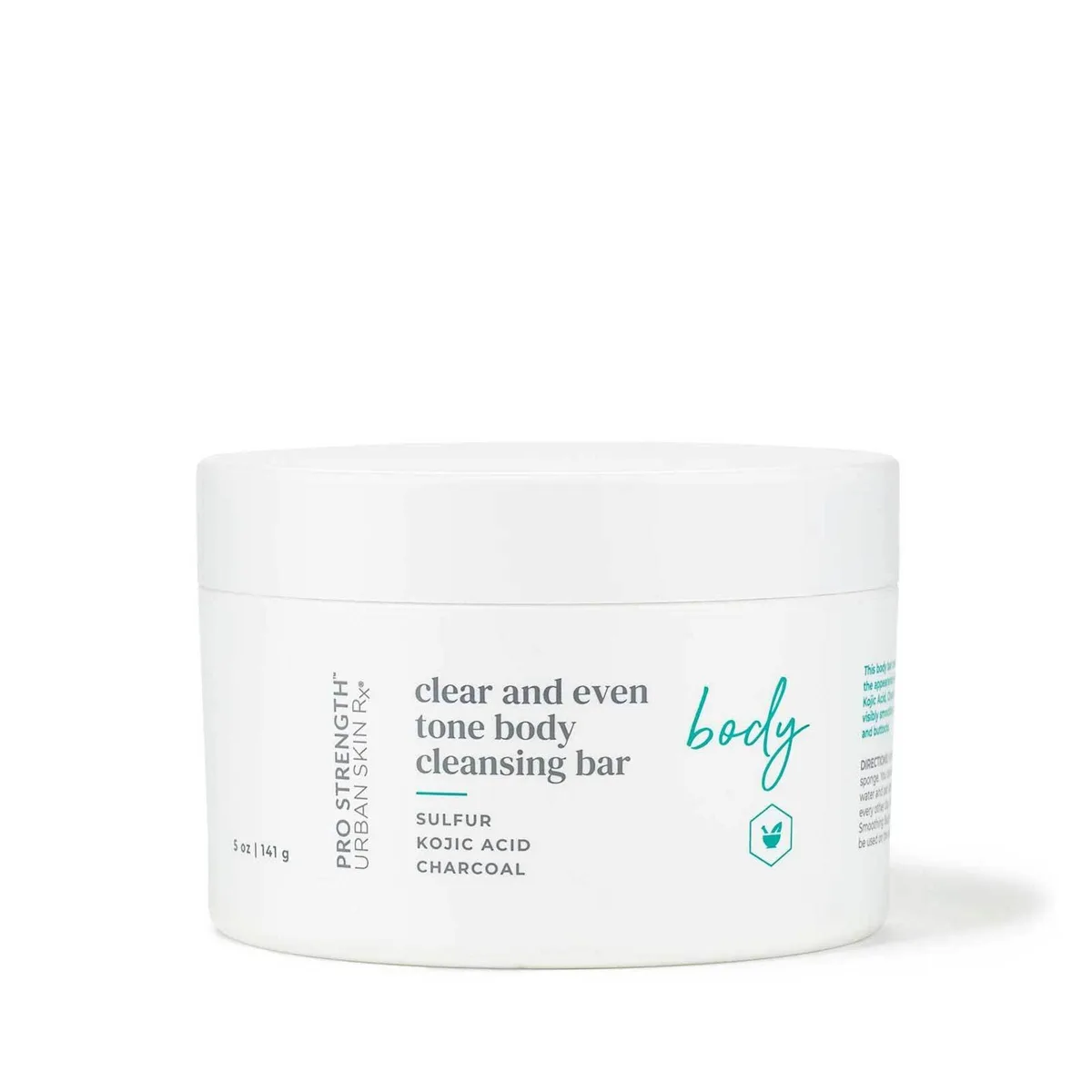 Back-Acne Soap in a Jar
Clear and Even Tone Body Cleansing Bar
A black oleate soap with charcoal, cosmetic-level sulfur and salicylic acid, niacinamide at a real position and a sponge that does the scrubbing, built for the shoulders, back and buttocks where body breakouts leave marks on skin of colour. Used as a targeted mask on oily zones it clears bumps well; used on the whole body it dries everything. Thirty-two dollars for five ounces of fast-dissolving soap is the hard part.
The full sulfur guide
Long before retinoids or benzoyl peroxide showed up, dermatologists were already reaching for sulfur to calm acne and seborrheic skin — and the FDA still lists it as a Category I (safe-and-effective) OTC acne active at 3–10%.
What keeps it on the shelf isn't nostalgia; it's a mechanism distinct enough to fill gaps the heavy hitters leave open, especially for rosacea-prone, sensitive, and pregnancy-conscious skin where the stronger actives often aren't a fit.
Where the evidence stands, by concern
Evidence for an ingredient is not one grade — it differs concern by concern. Each row below was researched separately against regulatory approvals, clinical guidelines, and trials our team opened and verified; the band and dots rank how central sulfur is to treating that concern, from first-line therapy down to supportive care, at treatment-level doses and vehicles. A product's own grade weighs its actual formula.
Researched, not established: Fungal Acne, Rosacea. We looked at each of these and the current evidence does not clear our bar for a treatment standing — that is a finding, not a gap in our research.
How it's regulated in the US
FDA does not classify ingredients — it classifies products, by what they are sold to do. The same molecule can be a drug active in one product and a cosmetic ingredient in the next, and only the claim on the label decides which. What follows is a statement about that legal standing, not about whether it works — the evidence question is answered separately above.
OTC drug active Sulfur holds monograph standing for two separate uses — and it is the clearest case in the catalog of regulatory recognition and clinical evidence pointing different ways: the monograph has recognized it for acne since the 1980s, while the 2024 AAD acne guideline declined to recommend it.
- acne OTC monograph 3 to 10 percent
Generally recognized as safe and effective under an FDA order — marketed without FDA approval
Permitted label wording “For the treatment of acne”
3 to 8 percent when combined with resorcinol or resorcinol monoacetate under § M006.20.
- dandruff OTC monograph 2 to 5 percent
Generally recognized as safe and effective under an FDA order — marketed without FDA approval
Permitted label wording “Controls the symptoms of dandruff”
FDA-recognized OTC acne active (3–10%) with keratolytic, antibacterial, and antifungal properties. Evidence for mild-to-moderate acne is solid and long-standing, much of it built around sodium sulfacetamide 10%/sulfur 5% formulations, which dermatology literature has long noted are better tolerated than benzoyl peroxide and retinoids. A 2023 real-world JMA Journal study of 47 Japanese patients found topical sulfur comparable to metronidazole for papulopustular and erythematotelangiectatic rosacea over the observation period, though with a higher rate of contact dermatitis. Sulfur's antifungal use against Malassezia-driven seborrheic dermatitis and pityriasis versicolor is well-documented in dermatological reviews (Gupta & Nicol, 2004). Demodex-reduction claims rest on thinner, smaller data. Overall: strong for acne and seborrheic conditions, promising for rosacea subsets, and more speculative for indications beyond these.
How it works
Three overlapping pathways do the work here, none of them glamorous — which may be why sulfur never became a marketing darling despite centuries of real use. The first is keratolysis: it speeds shedding of the stratum corneum, loosening the plugs of dead keratinocytes that build into comedones. It's a gentler, slower form of exfoliation than AHAs, less prone to provoking flares. The second is antibacterial action against Cutibacterium acnes (formerly Propionibacterium acnes), dampening the inflammatory cascade that turns a clogged pore into a tender papule. The third is antifungal activity against Malassezia yeasts — the organisms behind seborrheic dermatitis, dandruff, and pityrosporum folliculitis — which is what sets sulfur apart from purely antibacterial acne actives. That combination in one ingredient is uncommon. Sulfur also appears to trim sebum output modestly, useful in oily contexts without benzoyl peroxide's desiccating bite. Its activity against Demodex mites (of possible relevance in rosacea) is less precisely characterized but has been described clinically. One quirk worth knowing: sulfur reacts with skin keratin to release small amounts of hydrogen sulfide, the source of the faint egg-like smell that makes these formulas a tough sell despite how well many of them perform.
Key benefits
- FDA Category I OTC acne active across the 3–10% range
- Keratolytic clearing of comedones with little exfoliant rebound
- Antibacterial against C. acnes with low resistance risk
- Antifungal activity helps Malassezia-driven seborrheic dermatitis
- Often better tolerated than benzoyl peroxide on reactive skin
- Frequently chosen when pregnancy-friendly acne options are needed
Concentration & usage
OTC acne products use 3–10% precipitated or colloidal sulfur, the FDA-approved range. Cleansers and wash-off masks usually sit at the lower end (3–5%); spot treatments and medicated creams may reach 8–10%. Prescription sodium sulfacetamide 10% + sulfur 5% combinations are common for rosacea and seborrheic dermatitis. On an INCI list, look for "Sulfur" (precipitated) or "Sulfur, Colloidal." Higher concentrations appear in compounded formulations for scabies and tinea versicolor but fall outside standard OTC use. Unlike AHAs or vitamin C, pH isn't a meaningful usage lever for sulfur — it performs across a typical cosmetic pH range.
Who it's for & who should be cautious
Who it's for
Anyone with acne-prone, oily, or combination skin who found benzoyl peroxide too drying or stinging — sulfur's softer keratolytic profile makes it a workable swap. It also suits people managing seborrheic dermatitis, dandruff, or pityrosporum folliculitis (fungal acne), where its antifungal side adds something purely antibacterial actives can't. And it's a reasonable pick for those who are pregnant or nursing and want an acne option with a longer real-world safety history than salicylic acid or retinoids — after a check with their clinician.
Who should be cautious
People with known sulfur sensitivity or a tendency toward contact dermatitis — the 2023 rosacea comparison specifically logged more contact reactions with sulfur cream than with metronidazole. Very dry or barrier-compromised skin should go slowly, since sulfur's keratolytic action can tip into flaking when the skin is already low on lipids. And avoid layering sulfur with a strong oxidizer like benzoyl peroxide on the same spot at the same time; together they can ramp up irritation, even though prescription sulfur/benzoyl peroxide products exist under medical supervision.
Pairs with & conflicts
Pairs well with: Niacinamide (Vitamin B3), Kaolin (White Clay), Clays (Kaolin, Bentonite, Rhassoul), Salicylic Acid (BHA), Zinc, Calamine, Witch Hazel, Centella Asiatica (Cica)
Use with care alongside: Benzoyl Peroxide, Retinol, Glycolic Acid (AHA)
Myths & facts
Myth: Sulfur is too old-fashioned to bother with — newer actives have replaced it.
Reality: Its FDA Category I OTC status means it cleared the same efficacy bar as benzoyl peroxide and salicylic acid. No newer mass-market acne ingredient has made it obsolete; it holds a distinct niche for fungal acne, rosacea-adjacent breakouts, and pregnancy-conscious regimens that the others don't cover.
Myth: The smell means it's harsh and will irritate your skin.
Reality: That odor is hydrogen sulfide released as sulfur reacts with skin keratin — unrelated to irritation potential. Dermatology literature has long noted sulfur and sulfacetamide/sulfur formulas tend to be better tolerated than benzoyl peroxide, with fewer reports of dryness and redness, though contact-sensitization does occur in a subset of users.
Myth: Sulfur only works as a spot treatment.
Reality: It's formulated as cleansers, masks, and leave-on creams alike. Rinse-off products work partly through mechanical clearance; leave-on formats extend antibacterial and keratolytic contact time. Neither is inherently better — the format should match your skin's tolerance.
Frequently asked questions
Can I use a sulfur product daily, or will it dry me out?
Daily use is fine for most people at standard OTC strengths (3–5%), especially in rinse-off cleansers. Leave-on treatments at 8–10% are better used as targeted spots or every other day to avoid cumulative dryness. If you start flaking or feeling tight, ease off the frequency and follow with a plain moisturizer.
Is topical sulfur genuinely okay during pregnancy?
Many clinicians view standard-strength topical sulfur as a reasonable acne option in pregnancy, particularly when salicylic acid and retinoids are off the table. The FDA hasn't assigned it a formal pregnancy category and controlled human trials are lacking, but it has decades of use without documented fetal harm. Confirm with your OB or dermatologist before starting anything while pregnant.
Will sulfur help with fungal acne (pityrosporum folliculitis)?
Often, yes — this is one of sulfur's real advantages over standard acne actives. Its antifungal activity targets the Malassezia yeasts behind pityrosporum folliculitis, a condition routinely mistaken for ordinary acne that won't respond to typical antibacterial treatment. A sulfur cleanser or mask used two to three times weekly is a common starting recommendation.
Why does sulfur smell like eggs, and can I get around it?
The smell is hydrogen sulfide, produced as sulfur reacts with keratin proteins in your skin — a normal byproduct of how it works, not a sign of a bad product. Rinse-off formats like cleansers and wash-off masks cut down odor exposure a lot. Some products add masking fragrance, though that can introduce its own irritation risk on sensitive skin.
Does sulfur actually do anything for rosacea?
There's clinical support for papulopustular rosacea: a 2023 JMA Journal study found topical sulfur comparable to metronidazole over the observation period. A possible anti-Demodex effect is a plausible mechanism, since Demodex overpopulation is implicated in some rosacea subtypes. But sulfur carried a higher contact-dermatitis rate than metronidazole, so it tends to be a secondary option, often as the sodium sulfacetamide/sulfur combination.
How does sulfur differ from salicylic acid for breakouts?
Salicylic acid is an oil-soluble BHA that gets inside the pore lining and dissolves comedone plugs at the source. Sulfur works keratolytically from the surface while also directly hitting C. acnes bacteria and Malassezia fungi. The two are sometimes combined at lower strengths for complementary action, though stacking them as separate high-strength products on the same area raises irritation risk.
- Scalp & Hair HealthThe Bottle Says Selsun Blue. It Does Not Say Which Drug Is Inside.Four actives run the medicated shampoo aisle, they work by three different mechanisms, and the brand name on the front tells you almost nothing about which one you just bought.
- Brightening & Pigment ActivesThe Melasma Cream That Smells Like Rotten Eggs — and Rivals HydroquinoneCysteamine is one of the few non-hydroquinone pigment treatments with real trial data. The price of admission is ten genuinely unpleasant minutes a day.