Fatty Alcohols
Products with Fatty Alcohols
 Drugstore Oat Basic for the Face
 Daily Moisturizing Prebiotic Oat Face Cream
The face version of America's default drugstore moisturiser, a fragrance-free seventeen-ingredient cream with glycerin second and colloidal oat fourth in a light ether-and-triglyceride emulsion, that hydrates and calms a normal, dry or sensitive face for a day, sits under sunscreen and costs ten dollars for five ounces. It does nothing else, it is too light for severe dryness, and the 2026 rename to Face Lotion changed the label and not the formula.
 Sensitive Skin Staple
 Moisturizing Lotion
A deliberately boring moisturizer — and that's the highest compliment in dermatology. Eleven ingredients, zero fragrance, and decades of clinical trust make this the lotion dermatologists reach for when they need to rule out every possible irritant. It won't transform your skin, but it absolutely will not betray it.
 Pharmacy-Counter Legend
 Moisturizing Skin Cream
The original sensitive-skin moisturizer — eleven ingredients, zero fragrance, forty-five years of dermatologist trust. It's thick, it's basic, and it works. This is the cream that proved skincare didn't need to be complicated to be effective, and 30,000 reviews later, nothing about the formula has needed to change.
 Minimalist Soothing Staple
 Moisturizing Cream
The minimalist, near-medicinal Bepanthen classic — roughly nine ingredients built around a real dose of dexpanthenol and trusty lanolin, fragrance-free and cheap. It soothes chapped, irritated, over-stressed skin fast and protects it, with almost nothing to react to (the lanolin being the one caveat). Not a fancy treatment, just a genuinely good, inexpensive soother that's earned its decades of trust.
 Winter Tub Workhorse
 Cocoa Butter Body Cream
A dense, old-fashioned tub cream that moisturizes dry body skin as well as anything at eight dollars a pound, because mineral oil and glycerin sit second and third and the cocoa, shea and coconut butters are along for the scent. Nearly thirty thousand reviewers are right that it fixes winter skin; the honest caveats are fragrance, methylparaben, denatured alcohol and two pore-clogging oils that keep it off faces, chests and sensitive skin.
 Fast-Absorbing Shea Lotion
 Tip to Toe
A ten-dollar body lotion that hides a serious shea-glycerin-petrolatum moisturizer behind a fresh fig-and-mandarin scent and a hair-conditioner emulsifier that makes it vanish into skin in seconds. It genuinely moisturizes, absorbs faster than most lotions with half its occlusive dose, and is only let down by an ester-heavy base that breakout-prone chests and backs should avoid.
 The Family Urea Lotion
 ATO Lotion Blue Label
One of the better-reasoned drugstore-priced body lotions around: glycerin and 5 percent urea up top, a skin-identical fatty-acid base instead of silicones, no fragrance, and a pump bottle under twenty dollars that a whole household can share. It stings on broken skin like every urea product and it lacks the ceramides the brand saves for pricier lines, but for dry, flaky, itchy body skin it does exactly what the evidence says it should.
 Winter Dry-Skin Pick
 Makeup Remover Perfect Cleansing Cream
The cream sibling to Biore's well-known Perfect Oil offers an effective makeup remover format that dry-skinned users tend to prefer to either oil or foam cleansing. The mineral-oil-based formula does real work, and the rich tube texture earns its place in winter routines — though oily skin and fungal-acne-prone users should look elsewhere.
 Sulfur Without the Suffering
 The Revealer Sulfur Body Wash
The first sulfur wash that does not feel like a punishment: a whipped, sulfate-free, fragrance-free cream with a declared 2 percent colloidal sulfur, aloe, inulin and glycerin, gentle enough to use on a whole body every day. It quiets red, bumpy chests and backs over a few weeks and is the rare wash that helps fungal-acne pustules, at $17 for 16.9 ounces. Two percent in a rinse-off is a cosmetic claim rather than an acne treatment, sulfur's evidence is thinner than its reputation, it smells faintly of what it is, and it will tarnish your silver — but as the calm cleanser under a body-acne routine it earns its place.
 Least-Reactive Conditioner
 Conditioner
The conditioner with the shortest list of things to react to that you can buy: eleven ingredients, an esterquat instead of a conventional quat, a synthetic hydrocarbon instead of silicone or oil, no fragrance, no botanical, no formaldehyde releaser. It detangles fine and normal hair cleanly and leaves coarse or very dry hair wanting more, and that trade — tolerance over richness — is the whole design.
 Olive-and-Jojoba Minimalist Cream
 Absowater Moist Cream
A short, fragrance-free cream that wraps dry skin in olive and jojoba oils with very little else to react to. It is comforting and reliable, but it lacks glycerin and barrier lipids like ceramides, which limits how much it can do on its own, and ¥4,510 for a 30g jar is a steep price for such a simple emulsion.
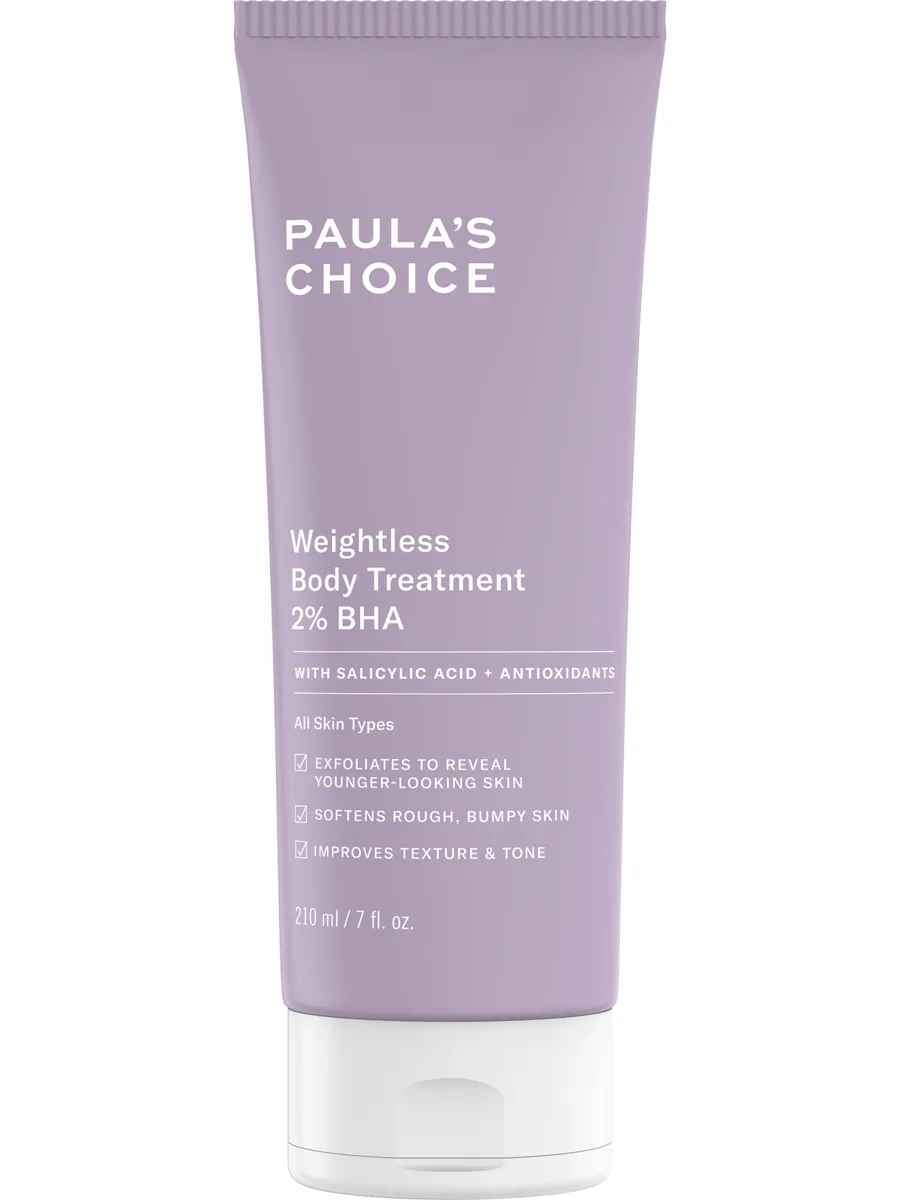 KP Smoothing Staple
 2% BHA Weightless Body Treatment
The body lotion that made keratosis pilaris a solvable problem for a lot of people: 2% salicylic acid at a stated acidic pH, in a silky silicone-light base with chamomile and bisabolol to keep arms calm. It smooths bumps in two weeks and clears body congestion in a month, costs a fair thirty-five dollars for seven ounces, and asks only that you go slowly and wear sunscreen.
 Wash-Day Peacekeeper
 Kids Curly Hair Hydrating Conditioner
A real cream conditioner, not a polymer rinse: cetearyl alcohol and cetyl esters carrying two quats of different chain lengths, silicone-free, and it detangles a child's curls the way wash day needs. The shea and oat on the front are decoration and the fragrance is an avoidable choice, but on waves and loose curls this is the bottle that ends the crying. Tighter coils want the brand's richer sibling.
 Flare-Day Cleanser
 Tolerance Extremely Gentle Cleanser Lotion
A fifteen-ingredient, fragrance-free, no-rinse cleansing milk whose third ingredient is a genuinely studied postbiotic from the Avène spring. For skin that stings when it is washed, it is one of the few cleansers that makes the stinging stop, and it removes sunscreen and light makeup without water. It cannot handle heavy makeup or oily skin, and that is fine; it was never meant to.
 Gentle-Dose Niacinamide
 Niacinamide Vitamin B3 Serum
The older, gentler of Eva Naturals' two niacinamide products, and for most faces the more sensible one: 5 percent niacinamide, the dose the trials actually used, in a light avocado-and-fatty-alcohol lotion that drier and reactive skin can wear twice a day. It smells faintly of neem, it is a lotion masquerading as a serum, and the hyaluronic acid is a trace, but it does the niacinamide job quietly and well.
 Cold-Cream Comfort Cleanse
 Cleansing Cream EX
A genuinely comforting cold-cream-style cleanser that pampers dry, tight-feeling skin through a slow, velvety massage rather than a brisk foam. It dissolves makeup well and leaves skin soft instead of stripped. The two real catches are a pair of fragrant essential oils — lavender and orange — that rule it out for sensitive skin, and a department-store price that the modest formula does not quite earn.
 Whole-Avocado Family Balm
 Multi-Purpose Balm with 3 Avocado Extracts
A rich, avocado-oil-forward cream in a balm's clothing: water first, virgin avocado oil second, glycerin high and mild organic-style emulsifiers, so it absorbs where a wax balm would sit and works on lips, cuticles, cheeks and elbows across the whole family. It's gentle, short-listed and genuinely useful. It is not a sealant for cracked skin, its 'no added fragrance' rests on a terpene doing the scenting, and $20 for 75 mL is a lot for what's in the tube.
 Sensitive-Skin Winter Cream
 Soothing Moisturizing Cream
A dependable, old-fashioned barrier cream in a whipped modern texture: jojoba, squalane and a wax-alcohol stack seal moisture in, panthenol and centella calm, and it does exactly what a dry or reactive face needs on a cold night. It is not clever, it carries a light fragrance it should not, and it has no US retailer, but as a winter cream for sensitive skin it is easy to trust.
 Pharmacy Coil Conditioner
 Kids Coily Hair Conditioner
The brand's curly conditioner rebuilt for tight coils: three quats, an ester added to the fatty alcohol base, coconut oil in place of shea, and a slip that finally lets a comb through type 4 hair. It is silicone-free, it costs under nine dollars, and it does the job that specialist brands charge twice as much for. The fragrance and a comedogenic ester near the hairline are the caveats.
 Professional Staple
 Bioglycolic Face Cleanser
The original Jan Marini product and still one of the few glycolic cleansers that earns the name. A non-foaming lotion base carries a genuinely active glycolic dose without stripping drier skin, which is why it remains the priming step in dermatology-office routines three decades after launch. Expensive for a cleanser, but the right one to start a Jan Marini regimen.
 Light Silicone-Free Conditioner
 Ultra Hydrating Conditioner
A light, silicone-free cream conditioner that detangles and softens fine-to-medium dry hair well for ten dollars, with fatty alcohols and panthenol doing more of the work than the argan oil on the label. Coarse and very damaged hair will find it thin, and the cassia-and-benzaldehyde scent makes it a poor pick for a reactive scalp; within its lane it is a sound everyday conditioner.
 Curl-Friendly Wet-Comb Fix
 Detangling & Nourishing Conditioner
An eleven-ingredient, silicone-free children's conditioner that puts sunflower oil second and uses a single biodegradable esterquat to get the comb through wet curls. It softens and de-frizzes long, wavy and curly hair, doubles as a leave-in, and is as clean a conditioner as the kids' aisle offers. It is fragranced, too rich for fine straight hair, and, at weeks old, unproven beyond the brand's own use test.
 Leave-In Wearing a Styling Label
 3-in-Wonder Magic Styling Cream
A light, pleasant leave-in conditioner with a whisper of polymer hold, sold as a three-way styler and a creatine strengthener; it does the first job well, the second three jobs softly, and the strengthening not at all in any proven sense. Nine dollars for five ounces is fair for a conditioning cream that tames frizz and groups waves, and the fragrance and sulfite are the two things a leave-on this gentle did not need to carry.
 Shea-Rich Body Butter
 Eight Hour Cream Intensive Moisturizing Body Treatment
The Eight Hour body product that lives up to its adjective: shea second in the list, glycerin and hyaluronate behind it, and a dense ester-and-fatty-alcohol body that reads as a butter rather than a lotion. It softens dry winter skin reliably and a tub lasts months. The signature fragrance with five declared allergens, two pore-clogging esters and a fingertip tub are the trade-offs, and at $55 for 400 ml it is fairly priced for prestige, if not for the formula.
 Light-Touch Hand Cream
 Soothing Hand and Nail Cream
A short, gentle, glycerin-led hand cream that vanishes in seconds, calms tight over-washed hands and suits skin that finds richer creams too much. It is vegan and cheap at $13.50, and its limits are honest ones: too little lipid to mend cracked winter knuckles, and a light rose fragrance that keeps it from being the truly unscented cream sensitive hands often need.
 Cooling Scalp Conditioner
 Probiotics Hair & Scalp Treatment
A pleasant, well-built rinse-off conditioner that detangles and softens hair while a strong menthol chill refreshes the scalp. The 'treatment' and 'probiotics' labels overstate what it does, fragrance and menthol can sting sensitive scalps, and beeswax in the formula undercuts vegan claims, but as a cooling daily conditioner it performs well.
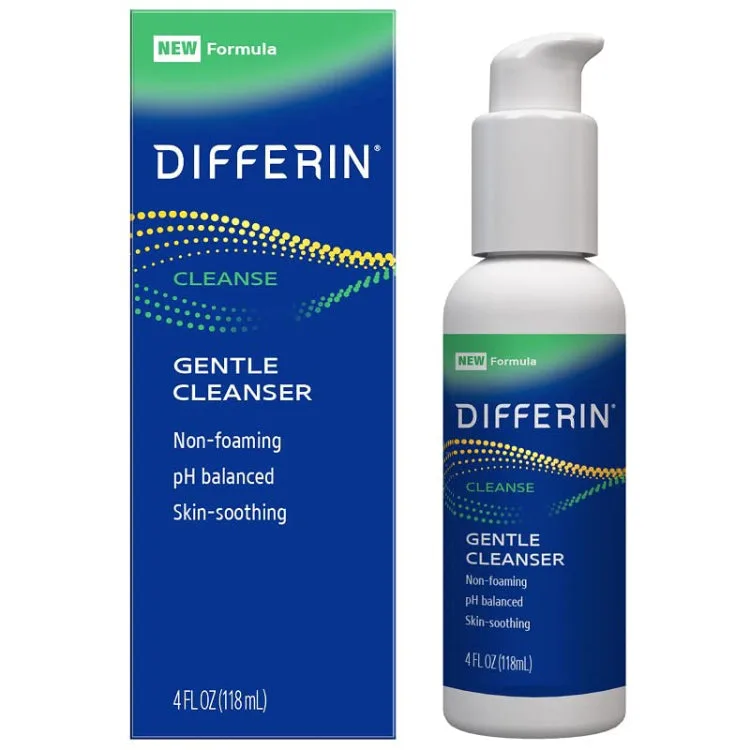 Retinoid Companion Pick
 Gentle Cleanser
A deliberately boring cleanser — and that's exactly the point. Differin's Gentle Cleanser strips away everything except the basics: fatty alcohols, a surfactant, and a preservative system. It won't wow you with botanical extracts or trendy actives, but if you're on adapalene and need your cleanser to stay out of the way, this eight-ingredient formula does exactly that.
 Sink-Side Hand Lotion
 Eight Hour Cream Intensive Moisturizing Hand Treatment
A light, quick, silky hand lotion that people love keeping by the sink, and one of the emptiest formulas in prestige hand care: fatty alcohol, a light ester, dimethicone and allantoin, with no glycerin, oils, butters or petrolatum, emulsified with sulfates and preserved with five parabens under the Eight Hour perfume. For mildly dry office hands it is pleasant; for the cracked hands the word 'intensive' implies, it is the wrong product, and $47 for 200 ml buys mostly the name.
 Rich Silicone-Free Smoother
 Simply Smoothing Conditioner
The richest conditioner in Acure's range, with ten plant oils and butters over a fatty-alcohol base and panthenol fourth in the list, and a good silicone-free smoother for coarse and wavy hair at ten dollars. Its cationics are low, so it coats more than it binds, fine hair will feel it as weight, and the clove-and-citrus essential-oil scent, left on for minutes and applied by hand, makes it the wrong choice for reactive scalps.
 Light Herbal Conditioner
 Curiously Clarifying Conditioner
The lightest of Acure's cream conditioners, with panthenol fourth in the list and a restrained oil set, and a good silicone-free daily conditioner for oily-rooted and fine hair at ten dollars. The clarifying name is a scent and a weight class rather than a function, since no conditioner clarifies and this one deposits a cationic guar like any other; dry or coarse hair will find it thin, and the declared citral and linalool make it wrong for reactive skin.
 Light Daily Conditioner
 Daily Workout Conditioner
A light, silicone-free daily conditioner built on fatty alcohols and panthenol with a deliberately small oil load, good for conditioning normal and oily-rooted hair every day without flattening it, at ten dollars. It is also the most fragrance-forward conditioner Acure makes, with orange peel oil fourth in the list and four declared allergens on a product applied by hand daily, which makes it wrong for reactive skin; dry and coarse hair will find it thin.
 Feather-Weight Conditioner
 Vivacious Volume Conditioner
A light, silicone-free conditioner built with a deliberately small dose of cationic conditioners so fine hair comes out soft and still stands up. Panthenol adds a little body, the olive ester supplies slip, and the price is ten dollars. It conditions fine hair well and anything coarser poorly, the mint oils belong nowhere near a sensitive scalp, and the echinacea on the label does nothing at all.
 Pocket Collagen Cream
 Hands
Xhekpon's collagen hand cream is a cheap, cheerful, fast-absorbing little tube that softens dry hands nicely and slips easily into a bag. The catch is the perfume: a very heavy citrus-floral fragrance with a long allergen list that rules it out for sensitive hands. As with the brand's other products, the collagen softens through moisturization, not by rebuilding anything.
 Between-Wash-Day Lifeline
 Kids Coily Hair Leave-In Conditioner
The step that makes the rest of the coily routine work: the rinse-out's quats and ester base, lightened to stay in, plus a cationic polymer for soft hold. It keeps type 4 coils pliable between wash days, refreshes with water, and does it without silicone at a pharmacy price. Because it stays on all day, the fragrance and the comedogenic emollients matter more here than in the rinse-out.
 Silicone-Free Detangler, Protein-Filled
 Bonding Conditioner
A good silicone-free conditioner for damaged hair, sold with a word it cannot back up. The detangling is real — two quaternary conditioners and a cationic guar on a fatty-alcohol base let a comb through bleached tangles without snapping them, which is how any conditioner reduces breakage — and the hydrolysed proteins and amino acids temporarily fill porous lengths. There is no bond-builder here, the essential-oil scent is a note for reactive scalps, fine hair needs to keep it off the roots, and the list price is steep; but at the discounted price it is a sound everyday conditioner for bleached, curly and coarse hair.
 Perfumed Daily Conditioner
 Daily Scalp Treatment
A pleasant, well-built rinse-off conditioner that detangles, smooths and leaves hair noticeably scented — useful for dry, permed or colour-treated lengths. Despite the 'scalp treatment' name there is no real scalp-care active in it, so treat it as a perfumed conditioner and keep it off oily or flaky roots.
 Perfumed Rinse-Off Conditioner
 Daily Scalp Perfume Treatment
A competent, conventional cationic-and-silicone rinse-off conditioner whose distinguishing feature is a perfume built to linger on dry hair for a day. It detangles, smooths and glosses as its category should, the scalp in the name is a misnomer the brand's own directions contradict, and the reseller price is steep for what is, underneath the scent, an ordinary conditioner. Buy it for the fragrance or not at all.
 The Mask That Earns the Line
 Bonding Hair Mask
Of the four Bonding products, this is the one that justifies the rest: a silicone-free deep-conditioning mask with behentrimonium chloride high on the list, coconut oil and two hard butters, and proteins that fill porous hair for a wash or two — bleached, coarse and curly lengths come out of five minutes with it softer, glossier and more elastic than the conditioner manages. It rebuilds no bonds, its essential-oil scent is a note for reactive scalps, fine hair can only use it on the ends, and the 5-ounce tube is small at the list price; but as a weekly treatment at the discounted price, it is a genuinely good mask.
 Vegan Lanolin Rescue
 Ultra-Rich Barrier Cream
A dense, effective vegan stand-in for a lanolin balm that rescues cracked hands, heels and lips overnight and adds a little niacinamide to the sealing, at a fair price for 2 oz. It is too heavy for most faces, its ceramide is a plant mimetic rather than the named lipids, its brightening botanicals are passengers, and the orange oil and rosin ester are odd inclusions in a cream for compromised skin. As a hand-and-heel rescue it is very good; as a facial barrier cream it is a stretch.
 Scented Shine Rinse
 High Shine Conditioner
A well-built silicone-free conditioner that detangles on cationic chemistry and shines on camellia oil, wrapped in the Huile Prodigieuse perfume that is both its biggest selling point and its biggest complaint. Fine and medium hair that is dry at the ends will love it; coarse or very dry hair will want more, and anyone sensitive to fragrance should walk past. At $30.50 for 200 mL, you are paying for the scent as much as the slip.
 Brightening Comfort Cream
 Vita Intensive Melatoning Cream
A comfortable, well-formulated brightening moisturiser for dry and normal skin, pairing a declared 2% niacinamide with rich esters and fatty alcohols that genuinely keep skin soft for hours. The vitamins are trace, there's no melatonin despite the name, and it's fragranced and fairly pricey in the US — but as a one-step brightening cream for dry skin, it works.
 Japanese Luxury Massage Cream
 Designing Massage Cream
A genuinely purpose-engineered massage cream specifically designed for SUQQU's signature gankin facial massage protocol — multi-texture system, sustained slip base, botanical treatment layer. Earns its place for dedicated SUQQU brand users who commit to learning and practicing the methodology; harder to justify as a general moisturizer or for users who won't engage with the technique. Heavy fragrance allergen load excludes sensitive-skin populations.
 Silicone Heat Shield, ppm Keratin
 RX Amino Keratin Heat Protecting Leave In Treatment
A conventional, effective silicone heat-protecting leave-in, cyclopentasiloxane and dimethiconol with a cationic conditioner, that smooths, detangles and reduces heat damage the way such creams do, labelled with a candour that reveals its keratin at 200 ppm and its amino acids at single digits. Competent for fine and normal hair used sparingly; the fragrance with seven declared allergens and the K-beauty premium are the reasons to shop around.
 Perfumed Repair Balm
 Intensive Repair Hair Mask
A rich, silicone-free mask that earns the word repair as far as any cosmetic can, because coconut oil sits fifth on the list and actually gets into the fibre. Hair comes out softer, glossier and easier to comb, wrapped in the Huile Prodigieuse perfume for days. The price is the problem: $51.50 for 200 mL is prestige money for a formula whose working parts are coconut, shea, fatty alcohols and an amidoamine.
 Perfumed Leave-In Slip
 Detangling Leave-in Hair Milk
A well-behaved silicone-free leave-in that detangles damp hair instantly on a rapeseed amidoamine, buffers everyday blow-drying and keeps the Huile Prodigieuse scent in your hair longer than anything else in the range. Dose it lightly or it looks greasy, and read the allergen list before it goes anywhere near a reactive scalp. At $31 for 100 mL it is expensive for what it is.
 Cream Scrub in Luxury Clothes
 Regenerating Cleanser
The cleanser that built the brand: a cushioning olivate cream with finely milled apricot seed, a grapefruit-and-bergamot scent and a glow after one wash that three thousand reviews describe accurately. It is also a scrub sold as a daily cleanser, with two citrus oils and three declared allergens on freshly buffed skin, at $88 for 125 ml; used two or three evenings a week on resilient skin it is a genuine luxury, and used as directed on most faces it is a slow route to a tight, flushed one.
 High-Hold Sculpting Glue
 Sculpting Hair Glue for Men
A properly engineered high-hold glue — three fixative polymers plasticised with petrolatum and sorbitol into a clear, flake-free, all-day set — that is the most effective and the least natural thing Brickell sells. Buy it for spikes and sculpted shapes on unreactive skin; ignore the biotin, keep the petrolatum and five essential oils off your forehead, and do not pay for the word natural.
The full fatty alcohols guide
Despite the word "alcohol" sending many ingredient-conscious shoppers into a panic, fatty alcohols are about as far from pore-stripping ethanol as you can get.
These long-chain, waxy compounds — cetyl, stearyl, and cetearyl alcohol being the most common in skincare — act as emollients, emulsifiers, and thickeners that leave skin softer and formulas more stable. They're not a recent innovation or a hyped active; they're foundational to how creams and lotions have worked for decades.
Where the evidence stands, by concern
Evidence for an ingredient is not one grade — it differs concern by concern. Each row below was researched separately against regulatory approvals, clinical guidelines, and trials our team opened and verified; the band and dots rank how central fatty alcohols is to treating that concern, from first-line therapy down to supportive care, at treatment-level doses and vehicles. A product's own grade weighs its actual formula.
How it's regulated in the US
FDA does not classify ingredients — it classifies products, by what they are sold to do. The same molecule can be a drug active in one product and a cosmetic ingredient in the next, and only the claim on the label decides which. What follows is a statement about that legal standing, not about whether it works — the evidence question is answered separately above.
Cosmetic Fatty Alcohols is a cosmetic ingredient in the US: no OTC monograph covers it and it is not an active in any FDA-approved drug, so a product built around it is a cosmetic rather than a drug.
Fatty alcohols are among the most well-characterized functional ingredients in cosmetic chemistry. The Cosmetic Ingredient Review (CIR) has assessed their safety and found them safe as used in cosmetics, with a low sensitization profile at typical formulation levels. They appear routinely in the INCI lists of products recommended by dermatologists for compromised and sensitive skin. The primary mechanism — forming a semi-crystalline lipid film that slows transepidermal water loss (TEWL) — is well-supported by formulation science. One caution: a small but real contact-allergy rate exists for cetearyl alcohol specifically, which is included in the British Society for Cutaneous Allergy baseline patch-test series; sensitization is most relevant to people with chronic leg ulcers or those who use many topical medicaments. Comedogenicity ratings derived from older animal models have generated some debate, but human clinical experience and dermatologist guidance generally treat long-chain fatty alcohols as low-risk for congestion at typical use levels.
How it works
Fatty alcohols are long-chain alcohols — typically 12 to 22 carbons in length — that bear almost no resemblance to short-chain alcohols like ethanol. Where ethanol volatilizes off the skin and can disrupt the barrier at high concentrations, fatty alcohols are solid or semi-solid at room temperature and behave more like waxes than solvents. In a cream or lotion, they serve several roles at once. As emollients, they fill microscopic gaps between cells in the stratum corneum, smoothing surface texture and slowing the rate at which moisture escapes. As thickeners and co-emulsifiers, they build a semi-crystalline network within the formula, interlocking with other lipids to create the stable, spreadable consistency that keeps an oil-in-water emulsion from separating. At the skin surface, the longer-chain members (cetyl at 16 carbons, stearyl at 18, behenyl at 22) form a light film that reduces water loss without the heavy, greasy feel of petrolatum or silicone. That makes them useful in products meant to feel elegant while still offering meaningful barrier support. There is also research suggesting certain fatty alcohols act as penetration enhancers, helping other actives absorb more efficiently — though this effect is most pronounced with shorter-chain variants (such as decanol and octanol) that are rarely used as standalone emollients in facial care. The net result in a well-formulated product is a smooth, rich texture, a stable emulsion, and a modest contribution to hydration that complements the humectants and occlusives also present.
Key benefits
- Softens the skin surface by filling gaps between corneocytes
- Slows transepidermal water loss without a heavy or greasy feel
- Stabilizes emulsions, improving the texture and shelf life of creams and lotions
- Broadly tolerated, including by sensitive and eczema-prone skin
- Improves the skin feel and spreadability of heavier occlusive ingredients
- Compatible with nearly every skincare active without interference
Concentration & usage
Fatty alcohols appear on INCI lists as cetyl alcohol, stearyl alcohol, cetearyl alcohol (a blend of the two), behenyl alcohol, or myristyl alcohol. In most facial moisturizers they sit around 2–4%; richer body butters and night creams typically run 4–8%, and cleansing balms may use up to 5–10% to set their solid texture. There is no user-facing concentration to chase — their role is structural and textural, and they perform across the full range of formulation percentages. The CIR's safety assessment supports their use well above leave-on levels, so their presence on a label simply signals a well-emulsified, texture-stable product rather than a number to optimize.
Who it's for & who should be cautious
Who it's for
Most skin types benefit from fatty alcohols without any special consideration — they're the kind of background ingredient that makes a formula work. Dry, sensitive, and eczema-prone skin gains the most from their emollient and barrier-supporting properties. They're also a forgiving choice for anyone building a first routine: products formulated with fatty alcohols tend to be non-irritating and compatible with almost everything else on the shelf.
Who should be cautious
The one genuine caution is a documented, if uncommon, contact allergy to cetearyl alcohol — most clinically relevant in people who use many topical medicaments or have chronic leg ulcers, where repeated exposure drives sensitization. If you've had a positive patch test for cetearyl alcohol, note that allergy guidance advises avoiding the closely related cetyl, stearyl, and cetostearyl alcohols as well, since cross-reactivity is common — substituting one for another is not a reliable fix. Acne-prone users occasionally find heavily emulsified, fatty-alcohol-rich creams occlusive enough to contribute to congestion, though the texture and richness of the overall formula is usually the more relevant factor than the ingredient itself.
Pairs with & conflicts
Myths & facts
Myth: Alcohol in the name means it will dry out your skin
Reality: The "alcohol" in cetyl, stearyl, and cetearyl alcohol refers to a chemical structure (a hydroxyl group on a long carbon chain), not the short-chain ethanol that evaporates and can strip the skin barrier. Fatty alcohols are emollients that help skin hold onto moisture rather than lose it.
Myth: Fatty alcohols are comedogenic and should be avoided for acne-prone skin
Reality: Older comedogenicity ratings come largely from rabbit-ear models that don't reliably translate to human facial skin. Formulators and dermatologists generally regard long-chain fatty alcohols (cetyl, cetearyl, stearyl) as low-risk for congestion at typical levels, and the overall richness of a formula tends to matter more than whether it contains fatty alcohols.
Myth: These are purely synthetic filler ingredients with no real benefit
Reality: Fatty alcohols occur naturally in plant and animal waxes and can also be produced synthetically. Their role isn't cosmetic fluff — the semi-crystalline lipid network they create in an emulsion directly contributes to skin feel, formula stability, and the film that slows moisture loss.
Frequently asked questions
Is cetearyl alcohol the same thing as the alcohol in drinks or toners?
No — the shared name is a chemistry technicality, not a functional similarity. Cetearyl alcohol is a waxy, solid blend of cetyl and stearyl alcohol with 16- and 18-carbon chains, and it works as an emollient and emulsifier, not a solvent. Short-chain alcohols like ethanol evaporate from skin and can compromise the barrier; cetearyl alcohol does the opposite by helping slow moisture loss.
Can I use products with fatty alcohols if I have eczema or a compromised barrier?
Generally yes — fatty alcohols are a staple in many dermatologist-recommended moisturizers used for eczema and barrier repair. The exception is if you've been patch-tested and confirmed a contact allergy to cetearyl alcohol, which exists at a low prevalence and is more common in people who apply many topical treatments regularly.
Why do so many products list cetearyl or cetyl alcohol near the top of the ingredient list?
Because fatty alcohols are structural ingredients used at meaningful concentrations (often 2–8%) to stabilize emulsions and build the creamy, spreadable texture people expect. A product that lists cetearyl alcohol early in the INCI isn't padding the formula — it's part of what holds the oil and water phases together instead of letting them separate.
Do fatty alcohols actually hydrate skin, or just improve texture?
A bit of both. The emollient film they leave on the surface physically slows transepidermal water loss, so skin retains moisture better over time. They aren't humectants — they don't draw water in — but they complement humectants like glycerin and hyaluronic acid by helping lock in what those ingredients attract.
Are fatty alcohols considered safe to use during pregnancy?
There are no known systemic-absorption concerns with fatty alcohols, and they appear throughout products used during pregnancy, including barrier creams, stretch-mark lotions, and sensitive-skin formulas. As with any product, anyone with specific concerns should check with their own clinician, but the ingredient itself carries no pregnancy-specific cautions.
What's the practical difference between cetyl, stearyl, and cetearyl alcohol?
Cetyl alcohol (16-carbon chain) gives a lighter, silkier feel; stearyl alcohol (18-carbon) is slightly richer and more occlusive; cetearyl alcohol blends the two for a balance that works across product types from face lotions to body creams. For most users the differences on skin are subtle — but note they share allergy cross-reactivity, so they aren't interchangeable for someone patch-test positive to one of them.