Niacinamide vs Vitamin C: You're Asking the Wrong Question
They brighten through completely different machinery — which is exactly why the 'pick one' framing is a trap.
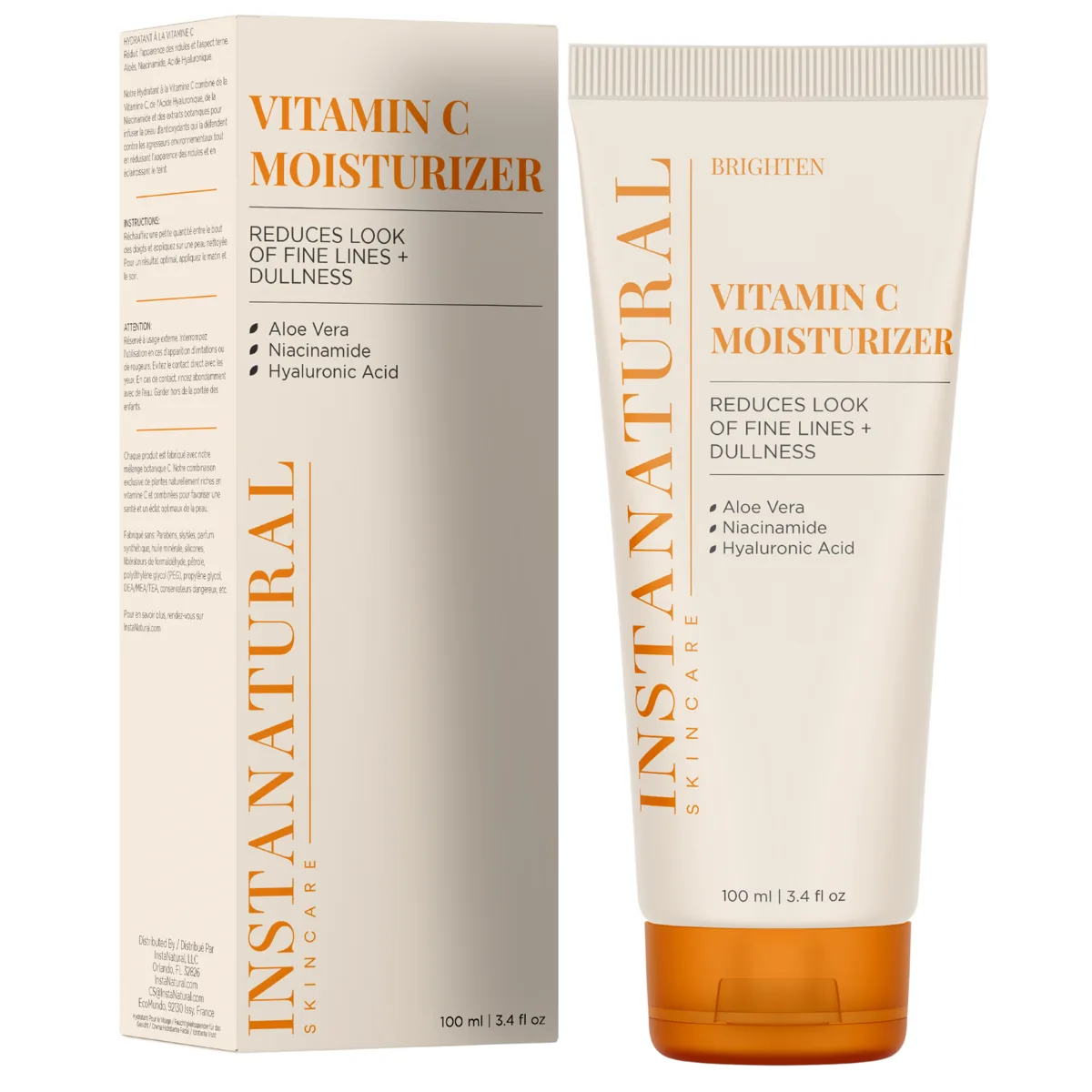
Where most budget vitamin C creams bury a derivative near the bottom of the list, this one puts sodium ascorbyl phosphate sixth and niacinamide tenth in a shea-ester-and-plant-oil base, then sells 100ml for less than a fast-food lunch. The trade is a mandarin essential-oil fragrance with declared allergens — the brand's 'naturally derived' signature and its one real drawback.
A rich, cheerful, citrus-scented cream that puts a stable vitamin C derivative and niacinamide genuinely high in a plant-oil base and sells 100ml for under ten dollars, with six thousand Amazon reviewers behind it. Dry and normal skin get a lot of moisturizer for very little money; oily, acne-prone and fragrance-sensitive skin should look at the essential oils and walk on.
The case for it
Same rule for everyone. “Good choice” is the verdict on 9,564 of 45,024 concern verdicts across the catalog; rule R5 decided 9,072 of them. As of September 25, 2026, engine 5.1.1.
Brand or formulator? Disclose a concentration or correct a fact →
The studies behind the evidence row
The case for it
What would change this: Guideline or regulatory standing for the active on this concern would move this from a promising bet to a recommendation.
Same rule for everyone. “Promising” is the verdict on 7,858 of 45,024 concern verdicts across the catalog; rule R9p decided 7,858 of them. As of September 25, 2026, engine 5.1.1.
Brand or formulator? Disclose a concentration or correct a fact →
The studies behind the evidence row
The case for it
What would change this: A declared concentration would move this to a firmer reading of the dose.
Same rule for everyone. “Good choice” is the verdict on 9,564 of 45,024 concern verdicts across the catalog; rule R5 decided 9,072 of them. As of September 25, 2026, engine 5.1.1.
Brand or formulator? Disclose a concentration or correct a fact →
The studies behind the evidence row
The case for it
What would change this: A declared concentration would move this to a firmer reading of the dose.
Same rule for everyone. “Promising” is the verdict on 7,858 of 45,024 concern verdicts across the catalog; rule R9p decided 7,858 of them. As of September 25, 2026, engine 5.1.1.
Brand or formulator? Disclose a concentration or correct a fact →
The studies behind the evidence row
The case for it
What would change this: A declared concentration would move this to a firmer reading of the dose.
Same rule for everyone. “Supporting role” is the verdict on 8,197 of 45,024 concern verdicts across the catalog; rule R8a decided 1,489 of them. As of September 25, 2026, engine 5.1.1.
Brand or formulator? Disclose a concentration or correct a fact →
The studies behind the evidence row
Does the jobDoes what a moisturizer is for: draws in water, softens and smooths.
A verdict is DermApproved’s assessment of how well a product’s ingredients fit a concern — never a claim about what the product treats. Evidence dots and collected reviews sit beside it and are never blended in. Rules 0.5.1 · evidence table ev-2026.09-r228 · how we decide
Eight dollars. That is what InstaNatural charges on its own site for a hundred millilitres of this cream, against a printed list price of twenty-nine that nobody has paid in years, and Amazon hovers around ten. The number reframes every question you might ask of the product. A moisturizer at that price does not have to be excellent; it has to be honest about what it contains and not do any harm. This one is honest about what it contains, contains more than it needs to, and does a small, specific kind of harm to a specific kind of skin, which is the whole review in three sentences. The details are worth having anyway.
The ingredient list opens with water, shea butter ethyl esters, caprylic/capric triglyceride, glycerin and cetearyl olivate — a soft, olive-emulsified cream base that explains the whipped-butter texture. Then, sixth, sodium ascorbyl phosphate, which is a startlingly high placement for a vitamin C derivative in a cream; most budget 'vitamin C moisturizers' put their derivative in the twenties. Sunflower oil, meadowfoam, and at tenth, niacinamide, which at that position is plausibly at a low but functional level. Then the mandarin peel oil, aloe, real sodium hyaluronate, and a parade of plant oils — argan, avocado, jojoba, rosehip, squalane, sea buckthorn — with a botanical tail and, at the end, the two words that matter for sensitive skin: limonene and linalool.
For dry and normal skin, this is a lot of cream for the money. It goes on dense and takes a minute to sink, then leaves a soft, satin, comfortable surface that holds through a working day in cool weather. The six thousand Amazon reviews are remarkably consistent: soft, hydrated, not greasy, smells nice, brighter over time, good value. That last phrase appears so often it reads like a chorus. The 'brighter' is real but modest — a freshness of tone over the first month that comes from ascorbyl phosphate and niacinamide working together, one slowing pigment production, the other blocking its transfer — and it should not be confused with the spot-fading a proper vitamin C serum can do. The cream is a moisturizer with two well-placed actives, not a treatment. Used at night over a retinol, though, it earns a second role: the shea esters and plant oils buffer the dryness of the first retinoid weeks better than most gels, and the neutral-pH ascorbyl phosphate does not interfere with the retinol the way an acidic vitamin C serum would. Several long-term reviewers describe exactly that pairing — a cheap retinol serum underneath, this cream on top — as the routine that finally made a retinoid tolerable for them, which is a more useful thing to know about the product than anything on the box.
The scent is where the product divides its audience, and InstaNatural's 'naturally derived' framing does not help. Mandarin orange peel oil sits twelfth, high enough that limonene and linalool have to be declared, and the cream smells cheerfully of citrus for several minutes after application. Most reviewers love it. A minority, the ones with fragrance sensitivity, rosacea or eczema, report warmth and redness, and they are not being precious — cold-pressed citrus oils are among the most common cosmetic sensitizers regardless of whether they came from a fruit or a lab, and a citrus oil in a daytime product adds a little photosensitivity precisely where you are hoping to fade spots. It is an avoidable flaw in an otherwise gentle formula, and it costs the product its claim to sensitive-skin suitability.
The oil base is the other limit. Argan, avocado and jojoba are lovely on a dry face in February and a bad idea on an oily one in July, and acne-prone reviewers who bought it for the vitamin C tend to report congestion. Fungal-acne-prone skin has more to avoid here than it can list. InstaNatural makes a gel moisturizer for exactly those people; this is the winter cream.
In context, the formulation is better than its price suggests and worse than its scent suggests. A decade on sale, a real ascorbyl phosphate placed where it counts, real niacinamide, real hyaluronate, no parabens, no silicones, no drying alcohol, a tube that protects the vitamin C from light — that is a competent, well-intentioned moisturizer. Add a fragrance-free version and it would be an easy recommendation for anyone. As it stands, it is an easy recommendation for dry and normal skin without fragrance issues, a decent night cream over a retinol for the same people, and a pass for everyone else.
InstaNatural's own evidence for the 'reduces signs of aging' line is the usual consumer survey, and the brand has never commissioned a clinical study; the value of the product does not depend on either. It depends on eight dollars buying three or four months of a comfortable, honest cream that happens to carry two brightening actives. On those terms it earns its reviews.
The hero actives that drive this product's performance.
| Ingredient | Function | Evidence |
|---|---|---|
| Sodium Ascorbyl Phosphate | Sixth in the list — an unusually high placement for a derivative in a cream — and the stable, neutral-pH form of vitamin C that makes it possible to keep a brightening active in an oil-rich moisturizer without it browning in a month. | Limited for Hyperpigmentation |
| Niacinamide | Tenth, just under the emulsifiers, at what is plausibly a functional low-percent dose; it complements the ascorbyl phosphate by blocking pigment transfer while the vitamin C slows its production, and it supports the 'barrier strength' claim on the box. | Emerging for Hyperpigmentation |
| Shea Butter Ethyl Esters | Second ingredient: a lighter, ester-form shea that gives the cream its cushion and softening without the heaviness of raw shea, and with the triglyceride and olivate emulsifiers builds a base that feels richer than it wears. | Established mechanism for Dryness · established mechanism |
| Citrus Nobilis (Mandarin Orange) Peel Oil | Twelfth in the list and the source of the citrus scent that reviewers love — but a cold-pressed peel oil high enough to declare limonene and linalool as allergens, which makes a daytime brightener mildly photosensitizing and a poor fit for reactive skin. | Not yet assessed |
| Sodium Hyaluronate | Genuine hyaluronate, fourteenth in the list, adding surface water-binding under the oil-and-ester film; glycerin in fourth place does the heavier humectant lifting. | Plausible mechanism for Dullness |
Ingredient standings describe the active at treatment-level doses and vehicles; this product's own condition grades weigh its actual formula.
Water (Aqua), Shea Butter Ethyl Esters, Caprylic/Capric Triglyceride, Glycerin, Cetearyl Olivate, Sodium Ascorbyl Phosphate, Helianthus Annuus (Sunflower) Seed Oil, Sorbitan Olivate, Limnanthes Alba (Meadowfoam) Seed Oil, Niacinamide, Cetyl Alcohol, Citrus Nobilis (Mandarin Orange) Peel Oil, Aloe Barbadensis Leaf Extract, Sodium Hyaluronate, Argania Spinosa Kernel Oil, Persea Gratissima (Avocado) Oil, Simmondsia Chinensis (Jojoba) Seed Oil, Rosa Canina Seed Oil, Squalane, Glucosyl Hesperidin, Rosmarinus Officinalis (Rosemary) Leaf Extract, Centella Asiatica Extract, Hibiscus Rosa-Sinensis Flower Extract, Citrus Grandis (Grapefruit) Peel Extract, Camellia Sinensis Leaf Extract, Chamomilla Recutita (Matricaria) Flower Extract, Hippophae Rhamnoides Fruit Oil, Tocopherol, Panthenol, Xanthan Gum, Citric Acid, Propanediol, Phenethyl Alcohol, Pentylene Glycol, Limonene, Linalool
moisturizer
AM & PM
Apply as the final leave-on step over serums; in the morning follow with sunscreen without fail, since the citrus oils add a little photosensitivity to a product meant to fade spots.
Soft, comfortable skin from the first use; a slightly brighter, more even look after four to six weeks as the ascorbyl phosphate and niacinamide accumulate; dark spots fade slowly, if at all, over two to three months — this is a moisturizer with brightening actives, not a spot treatment.
The two actives in this cream are among the better-studied brightening ingredients available over the counter, and their pairing is rational. Sodium ascorbyl phosphate is a phosphate ester of ascorbic acid that remains stable in water at neutral pH and is converted to ascorbic acid by phosphatases in the skin; a 2026 systematic review in the Journal of Clinical and Aesthetic Dermatology surveying clinical applications of topical vitamin C found that the phosphate derivatives deliver antioxidant and modest tone-evening effects with far better stability and tolerance than L-ascorbic acid, at the cost of lower potency, with the most consistent derivative evidence in acne and mild pigmentation. Its sixth-place position in this formula is high enough to expect that effect rather than a token one.
Niacinamide, tenth in the list, acts at a different point in the pigment pathway — inhibiting transfer of melanosomes from melanocytes to keratinocytes — while also increasing ceramide and fatty-acid synthesis in the barrier. Wohlrab and Kreft's 2014 review in Skin Pharmacology and Physiology summarizes the clinical work showing improvements in hyperpigmentation, fine lines and barrier function at 2 to 5 percent, and the anti-inflammatory activity that makes it tolerable across skin types; at its position here the dose is plausibly in the low single digits. Combining a tyrosinase-side vitamin C derivative with a transfer-side niacinamide is a well-established strategy in brightening formulations.
The base is emollient-heavy: shea butter ethyl esters, triglyceride, sunflower, meadowfoam, argan, avocado, jojoba, rosehip, squalane and sea buckthorn oils, emulsified with olive-derived cetearyl and sorbitan olivate. It reduces transepidermal water loss effectively and is well suited to dry skin, but several of these oils are comedogenic on oily skin and none are fungal-acne-safe. The fragrance components deserve specific mention: mandarin peel oil and grapefruit peel extract carry limonene and linalool, both listed allergens under EU cosmetic regulation, and citrus peel oils are recognized mild photosensitizers, a relevant caveat for a daytime brightening product.
As a daily moisturizer for dry and normal skin without a history of fragrance sensitivity, this cream is a reasonable, inexpensive choice, and its inclusion of a stable vitamin C derivative and niacinamide at meaningful positions gives it a mild evening-of-tone benefit that most drugstore creams lack. The clinical caveats are specific. Mandarin peel oil with declared limonene and linalool places it among the products practitioners would steer away from for patients with rosacea, eczema, or documented fragrance allergy, and the essential-oil content argues for patch testing before facial use in anyone with reactive skin. Its plant-oil-rich base is appropriate for xerotic skin and inappropriate for acne-prone patients, for whom a non-comedogenic gel would be the usual suggestion. The brightening actives are supportive rather than therapeutic; patients with established melasma or post-inflammatory hyperpigmentation would be counselled that a dedicated vitamin C serum, azelaic acid, or a prescription agent does more. Daily broad-spectrum sunscreen remains the essential partner for any pigment goal and is doubly advisable given the citrus oil.
Morning and evening, after cleansing and any serums, squeeze a pea- to almond-sized amount from the tube, warm it between the fingers so the dense cream softens, and press over the face and neck. Allow a minute or two for it to sink in; in the morning, follow with a broad-spectrum sunscreen, which both protects the brightening work and offsets the mild photosensitivity of the citrus oil. At night it can go directly over a retinol serum, where its oil base helps buffer dryness. Use less in warm weather or on combination skin, or confine it to the drier cheeks. Patch test on the inner forearm first if you react to essential oils. Keep the tube capped and out of sunlight.
This is one of the cheapest competent moisturizers on the market: $7.99 for 100ml on the brand's own site — eight cents per millilitre — and around $10 on Amazon, for a tube that lasts three to four months at twice-daily use. The formula would be respectable at three times the price: a vitamin C derivative in sixth place, niacinamide in tenth, real hyaluronate, a plant-oil base with no fillers of note. The $29 list price is a fiction that has not been charged in years, so the discount framing should be ignored; the real price is the low one. There is a single size and no reason for another. InstaNatural's decade with the formula and its six-thousand-plus Amazon ratings remove almost all purchase risk for the dry-skinned buyer it suits. The value is poor only for oily, acne-prone or fragrance-sensitive skin, for whom a cheap product that does not suit is still money wasted.
Dry and normal skin that wants an inexpensive, comforting daily cream with a genuine vitamin C derivative and niacinamide for a gradual lift in tone, and does not mind — or actively enjoys — a natural citrus scent. It is a sensible winter moisturizer, a cheap night cream over a retinol, and a safe bet for anyone who values a long, consistent review record.
Oily, acne-prone and fungal-acne-prone skin, which the argan, avocado and jojoba base will congest. Anyone with rosacea, eczema or a fragrance or citrus sensitivity, because of the mandarin peel oil and declared limonene and linalool. And anyone hoping a moisturizer will fade dark spots the way a vitamin C serum does.
Ready to try InstaNatural Vitamin C Moisturizer?
Buy at Amazon ♥A dense, pale-yellow cream with a whipped-butter body that softens on contact, spreads with a little work and settles to a satin, faintly cushioned finish.
A bright, natural mandarin-orange scent from the peel oil, noticeable for several minutes after application.
A 100ml cream-colored squeeze tube with an orange flip cap, boxed; the opaque tube protects the ascorbyl phosphate from light.
The cream feels rich going on and takes a minute to sink in, leaving skin soft and comfortable with a lingering citrus scent. There is no tingle for most people, but a minority with fragrance sensitivity report warmth or redness from the peel oil. Brightening is gradual and shows up as a general freshness of tone over the first month rather than any single spot fading.
Around three to four months at twice-daily use on face and neck from the 100ml tube.
fall winter
Released at the end of 2014 as the moisturizer companion to InstaNatural's breakout vitamin C serum, this cream rode the same Amazon wave to more than six thousand ratings and became one of the brand's longest-running products. It has stayed formulated around a stable ascorbyl phosphate and a natural citrus scent through a decade of trend cycles, and the brand's current $7.99 price against a $29 list is closer to a permanent position than a sale.
InstaNatural is an Orlando-based, Amazon-first skincare brand founded around 2013 whose vitamin C range has accumulated tens of thousands of reviews. It publishes full ingredient lists and marks naturally derived entries, does not disclose active percentages, and backs its claims with consumer surveys rather than clinical trials.
A moisturizer with vitamin C fades dark spots the way a vitamin C serum does.
The vitamin C here is sodium ascorbyl phosphate, a gentle derivative that converts to ascorbic acid in the skin at low efficiency, sitting in a rich cream rather than a low-pH serum. It brightens overall tone slowly and supports antioxidant defence; it is not a spot-fading treatment, and the niacinamide is doing at least as much of the evening work.
Because the scent is 'naturally derived', it is gentler than synthetic fragrance.
Mandarin peel oil is a cold-pressed essential oil whose limonene and linalool must be declared as allergens by EU rules, which is why they appear at the end of the list. Natural or not, they are among the most common fragrance sensitizers, and a citrus oil in a daytime product adds a little photosensitivity.
Not a listed 'fragrance', but it is scented by mandarin orange peel oil, grapefruit peel extract and phenethyl alcohol, and limonene and linalool are declared at the end of the list. It smells distinctly of citrus, and fragrance-sensitive skin should treat it as a scented product.
Sodium ascorbyl phosphate, a stable, water-soluble derivative that works at neutral pH and does not sting. It is the sixth ingredient, which is high for a cream, but InstaNatural does not disclose the percentage.
It is a poor match. The base is shea esters, sunflower, meadowfoam, argan, avocado, jojoba and rosehip oils — rich and comforting for dry skin, heavy and potentially congesting for oily or breakout-prone faces. The brand's gel moisturizer is the better pick for that skin.
Yes, and sunscreen is essential rather than optional: the vitamin C and niacinamide work best under daily SPF, and the citrus peel oil adds a small photosensitizing risk. Give the cream a couple of minutes to settle before applying sunscreen over it.
Yes. Sodium ascorbyl phosphate sits at a neutral pH and does not destabilize retinol, so the cream is a sensible night moisturizer over a retinol serum, and its rich oil base helps buffer retinoid dryness.
InstaNatural sells it at $7.99 on its own site against a $29 list price, and Amazon prices hover around $10, which appears to be a long-term position rather than a temporary sale. The formula uses inexpensive plant oils and a derivative form of vitamin C, and the brand competes on volume.
Recurring themes our editors read across retailer reviews of this product — summaries in our words, not quotations, and not a substitute for your own patch test.
Softens and hydrates without feeling oily
Pleasant fresh citrus scent
Brighter, more even tone over weeks
Exceptional value for the size
Citrus scent and essential oils irritate some
Too rich for oily or acne-prone skin
Modest effect on stubborn dark spots
Vitamin C percentage not disclosed