Octocrylene and Homosalate: The Filters America Is Stuck With
The critics are right about the data gap, and they are right that it took two decades to move. What follows from that is not the conclusion most people draw.
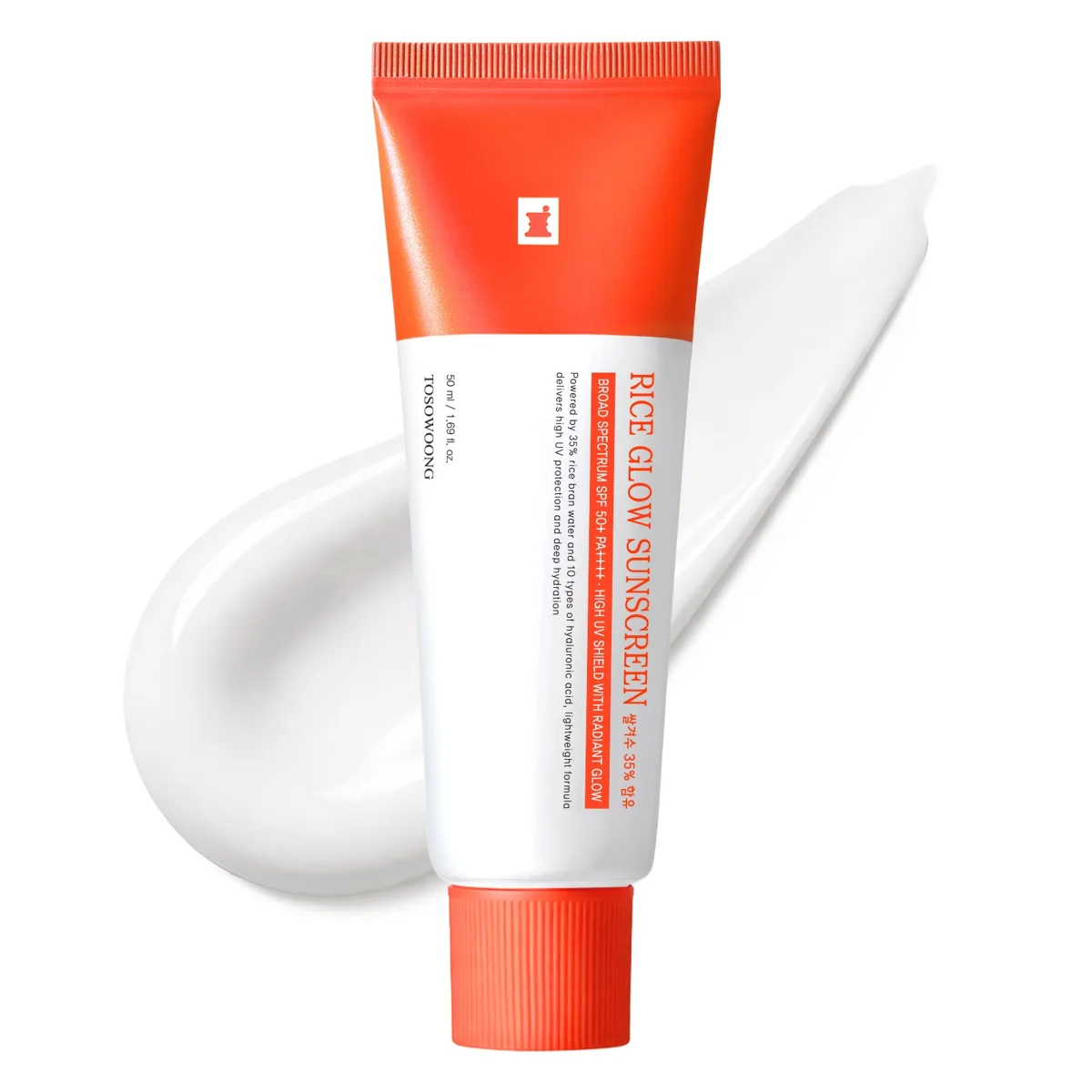
It is a Korean glass-skin sunscreen rebuilt for the US on FDA-permitted filters, with maximum-dose avobenzone, niacinamide, ten hyaluronates and a rice bran water base declared to the part per million, at a price well under most dewy-finish SPF 50s. The five essential oils are the odd choice: a sensitive-skin claim and a citronella-lavender-litsea blend do not belong in the same leave-on sunscreen.
A Korean glass-skin sunscreen rebuilt on American filters, with maximum-dose avobenzone, niacinamide, a hydrating rice-water base and a dewy, cast-free finish at a friendly price. Then five essential oils in a leave-on sold for sensitive skin, no water resistance, and eye-sting from the filter set. Good for normal-to-dry, non-reactive skin on ordinary days; the wrong bottle for reactive faces, oily skin or a day outdoors.
This is the US version of a Korean sunscreen, registered on DailyMed in November 2025 and sold through Amazon and TOSOWOONG's US store since, and its review record is still thin. The filter percentages are verified by the drug label, but how it wears, whether it stings and how often its essential oils sensitise across many users are inferred from the ingredient list and early reports rather than from a season of feedback.
The case for it
Same rule for everyone. “Full protection” is the verdict on 2,288 of 45,024 concern verdicts across the catalog; rule P1 decided 2,232 of them. As of September 25, 2026, engine 5.1.1.
Brand or formulator? Disclose a concentration or correct a fact →
The studies behind the evidence row
The case for it
What would change this: A declared concentration would move this to a firmer reading of the dose.
Same rule for everyone. “Full protection” is the verdict on 2,288 of 45,024 concern verdicts across the catalog; rule P1 decided 2,232 of them. As of September 25, 2026, engine 5.1.1.
Brand or formulator? Disclose a concentration or correct a fact →
The studies behind the evidence row
Also listed for Dehydration — the actives here (Avobenzone, Homosalate, Octocrylene, Niacinamide) are in our research queue for that concern; there is no verdict until their evidence rows are written. That is a gap in our table, not a mark against the product.
Does the jobDoes what a sunscreen is for: UVA coverage, holds up in sunlight. Not measured from the label: pleasant enough to actually use.
A verdict is DermApproved’s assessment of how well a product’s ingredients fit a concern — never a claim about what the product treats. Evidence dots and collected reviews sit beside it and are never blended in. Rules 0.5.1 · evidence table ev-2026.09-r228 · how we decide
There are two sunscreens called TOSOWOONG Rice Glow, and only one of them is sold in the United States. The Korean original uses the newer filters that make Asian sunscreens so pleasant; the American version, which is the one on Amazon and the brand's US store, was rebuilt around avobenzone, homosalate, octisalate and octocrylene and registered on DailyMed in November 2025, because those are the filters US law permits. That label is the most useful document about this product. It says avobenzone 3 percent, the maximum allowed and the only real UVA filter on the American list; homosalate 10 percent, also at its ceiling; octisalate 5; octocrylene 8.7, dosed high to keep the avobenzone stable. As chemical filter sets on the US market go, that is a properly built one, and the SPF 50+ and broad-spectrum claims rest on it rather than on the rice.
The inactive list is where the glass-skin idea lives. Rice bran water replaces plain water as the base, declared at 35 percent, an infusion with a faint softness and a large number; isohexadecane and a polysorbate carry the oily filters; niacinamide sits sixth, at a placement suggesting a real dose and giving a daily sunscreen the tone-evening and barrier support most chemical SPFs skip; then glycols, arginine, and further down a ten-strong hyaluronate family, centella water, a soy ferment, traces of arbutin and glutathione. On the skin it is a light, milky cream that spreads with a fluid slip, sets in a minute or two to a dewy glow, and leaves no cast on any skin tone, which is the promise of the format and the thing early reviewers praise most. On normal and dry skin it doubles as the morning moisturiser and sits under makeup once set. It is, on those terms, a pleasant and affordable daily SPF, and it earns the glass-skin adjective more honestly than most: the finish is a soft, wet-looking sheen rather than a greasy one, and on dry skin in winter it is the kind of sunscreen that gets worn because it feels like skincare.
A word on the number that a US buyer should actually care about. The Korean version's newer filters give broader, more stable UVA coverage with less eye-sting, and a reader who has used it and expects the same bottle here will be disappointed on both counts; the American rebuild is a good US sunscreen, which is a lower bar, and the brand is candid enough to file the label that proves it.
Then, mid-list, the essential oils: rosemary, citronella, basil, litsea cubeba and lavender, five of them, in a leave-on product that will sit on the face in the sun all day and that the tube describes as suitable for sensitive skin. Citronella, litsea and lavender are among the more reactive essential oils, contributing citral, citronellal and linalool, and the herbal scent they give the cream lingers for several minutes after application. There is no synthetic fragrance, which is true and beside the point; natural fragrance is fragrance, and a sunscreen is the last place to put it, since it is applied daily, generously and over the largest area of skin. Reactive, rosacea-prone and eczema-prone faces should read past the sensitive-skin wording on the tube, and the brand's completed irritation test, run on the usual small panel, does not change that.
The other limits are the limits of the filter set and the format. Chemical filters migrate with sweat and sting the eyes, and octocrylene at nearly nine percent is the usual culprit; a mineral stick near the eyes solves it. There is no water-resistance claim on the label at all, so sweat, swimming and a towel remove it, and reapplication every two hours outdoors is not optional. The FDA's open request for more safety data on all four filters is context rather than a verdict, and the brand's OTC-registered wording should be read as verified, not approved. Oily skin will find the dewy finish turning to shine by midday, and isohexadecane, the polysorbate and the oils are ingredients some acne-prone faces dislike.
The price is the case for it. Twenty-three dollars for fifty millilitres is well under most dewy-finish SPF 50 creams sold in the US, and at a proper quarter-teaspoon for the face the tube lasts five or six weeks, which is the honest cost of daily sun protection; the tube travels well and doses cleanly. TOSOWOONG, a Seoul brand since 2004 that has rebuilt itself around percentage-labelled formulas, has only a thin review record on this sunscreen so far, and the assessment rests on the drug label and what the ingredient list predicts.
So the recommendation is split down the ingredient list. For normal-to-dry, non-reactive skin that wants a cast-free, hydrating, verified SPF 50+ for commuting and errands at a low price, this does that well and the niacinamide is a bonus. For reactive skin, the five essential oils rule it out; for oily skin, the finish does; for a day outdoors, the missing water resistance does. The filters are good. The rice is the water. The oils are the mistake, and an avoidable one.
The hero actives that drive this product's performance.
| Ingredient | Function | Evidence |
|---|---|---|
| Avobenzone 3% (3%) | The UVA filter at the maximum three percent US rules allow, stabilised by the 8.7 percent octocrylene beside it, which together give the formula its broad-spectrum claim. This is the US version of a Korean sunscreen, rebuilt on FDA-permitted filters; the avobenzone dose is as good as the American list gets, and it is the reason the SPF 50+ means something for long-wave UVA. | Regulator-approved for Sun Damage · emerging certainty |
| Homosalate 10% & Octisalate 5% (10%) | Two salicylate UVB filters, the homosalate at its regulatory ceiling, that carry the bulk of the SPF rating and lend the cream its oily slip. Both are filters the FDA has asked for more safety data on under its ongoing sunscreen review, a fact that belongs beside the brand's safety-compliant wording without contradicting it. | Regulator-approved for Sun Damage · limited certainty |
| Octocrylene 8.7% (8.7%) | A high dose of the UVB filter that doubles as avobenzone's photostabiliser, which is why it can outweigh the UVA filter it protects. It is also the filter most often responsible for stinging near the eyes and the one independent labs have flagged for benzophenone formation as bottles age. | Regulator-approved for Sun Damage · limited certainty |
| Niacinamide | Sixth on the inactive list, at a placement suggesting a real dose, giving a daily sunscreen a modest tone-evening and barrier benefit that most chemical SPFs skip. With the ten-hyaluronate humectant set behind it, it is the reason the cream can pass as a moisturiser on normal skin. | Limited for Sun Damage |
| Essential Oils (Citronella, Litsea, Lavender, Basil, Rosemary Leaf) | Five essential oils mid-list that scent the cream and supply linalool, citral, citronellal and camphor to skin that will then sit in the sun all day. In a leave-on sunscreen marketed as suitable for sensitive skin, this is the formula's most questionable choice and the ingredient set that decides who should not buy it. | Not yet assessed |
Ingredient standings describe the active at treatment-level doses and vehicles; this product's own condition grades weigh its actual formula.
Active Ingredients: Avobenzone 3%, Homosalate 10%, Octisalate 5%, Octocrylene 8.7%. Inactive Ingredients: Oryza Sativa (Rice) Bran Water, Water, Isohexadecane, Dipropylene Glycol, Polysorbate 80, Niacinamide, Silica, Pentylene Glycol, 1,2-Hexanediol, Arginine, Methylpropanediol, Caprylyl Glycol, Ethylhexylglycerin, Xanthan Gum, Rosmarinus Officinalis (Rosemary) Leaf Oil, Steareth-30, Cymbopogon Nardus (Citronella) Oil, Ocimum Basilicum (Basil) Oil, Litsea Cubeba Fruit Oil, Lavandula Angustifolia (Lavender) Oil, Glutathione, Arbutin, Butylene Glycol, Houttuynia Cordata Extract, Dimethylsilanol Hyaluronate, Hyaluronic Acid, Sodium Hyaluronate, Sodium Acetylated Hyaluronate, Acrylates/C10-30 Alkyl Acrylate Crosspolymer, Mentha Arvensis Extract, Lactobacillus/Soymilk Ferment Filtrate, Centella Asiatica Leaf Water, Hydrolyzed Sodium Hyaluronate, Hydrolyzed Hyaluronic Acid, Potassium Hyaluronate, Sodium Hyaluronate Crosspolymer, Hydroxypropyltrimonium Hyaluronate
sunscreen
AM
Apply as the last step each morning, a quarter-teaspoon for the face, fifteen minutes before going out; on normal skin it doubles as the moisturiser, and it sits under makeup once it has set, but keep it off the eyelids, where the octocrylene migrates.
Protection begins fifteen minutes after application and lasts two hours in sun; there is no water-resistance claim, so sweat and swimming end it sooner. Daily use prevents new sun-driven pigmentation over months, and the niacinamide adds a slight evening of tone; the arbutin and glutathione are traces.
The formula's protection is defined by its OTC label: avobenzone 3%, homosalate 10%, octisalate 5% and octocrylene 8.7%. Avobenzone is the sole broad-spectrum UVA absorber on the US filter list and is photolabile, degrading on sun exposure unless stabilised; octocrylene, dosed here above the avobenzone, quenches the excited-state molecule and is the standard US stabiliser. Homosalate at its regulatory ceiling and octisalate are weaker UVB absorbers that carry the SPF rating and solubilise the other filters. The combination at these doses supports the SPF 50+ and broad-spectrum claims at the standard two milligrams per square centimetre, and its UVA coverage is as good as a purely US-filter formula achieves, though below what the Asian filters in the brand's home-market version provide. The label carries no water-resistance claim, which means the product was not tested for retention after immersion and should be assumed to wash and sweat off.
The inactive base combines a rice bran water phase, declared at 35 percent and contributing trace inositol and ferulic acid rather than any active dose, with dipropylene glycol, pentylene glycol and methylpropanediol as humectants, isohexadecane and polysorbate 80 as the oil carrier and emulsifier for the filters, and a family of ten hyaluronate species for surface hydration. Niacinamide sixth on the inactive list is consistent with a few percent and carries controlled-trial evidence at that range for tone, barrier and sebum effects, which is a genuine added benefit in a daily sunscreen. Arbutin and glutathione appear at trace levels. Centella leaf water, houttuynia extract and a soy ferment add a soothing gesture.
The essential oils are the formula's most clinically relevant inclusion. Rosmarinus officinalis leaf oil, Cymbopogon nardus (citronella) oil, Ocimum basilicum oil, Litsea cubeba fruit oil and Lavandula angustifolia oil sit mid-list, above the humectant tail, and contribute citral, citronellal, geraniol, linalool and camphor, all recognised fragrance allergens or irritants in patch-test series; citral and linalool oxidation products are among the more frequent sensitisers. In a leave-on product applied daily and worn under UV, this load is a meaningful sensitisation risk, and the brand's irritation-test claim addresses acute irritation in a small panel rather than allergic sensitisation over time. Two regulatory points also apply: the FDA's 2019 and 2021 proposed orders found insufficient data to classify avobenzone, homosalate, octisalate and octocrylene as generally recognised as safe and effective, a finding of missing data rather than harm; and octocrylene degradation to benzophenone in aged products has been documented by independent testing, which argues for using the tube within a year. No independent efficacy study of the product exists beyond the label's required SPF and broad-spectrum testing.
Dermatologists would first verify what an American buyer is actually getting, and the DailyMed label answers that: a competent four-filter chemical sunscreen with avobenzone at the maximum dose, equivalent in protection to any well-made US chemical SPF 50 and inferior in UVA breadth to the Asian-filter version sold in Korea. Clinicians would credit the niacinamide and the hydrating base as reasons a patient with normal or dry skin might actually wear it daily, which is the outcome that matters most. They would be direct about the essential oils: five of them in a leave-on sunscreen is a sensitisation risk that no sensitive-skin label offsets, and patients with rosacea, eczema, a history of contact dermatitis or simply reactive skin would be steered to a fragrance-free or mineral formula. They would note the absence of water resistance as disqualifying for exercise, swimming or a hot day outdoors, would suggest a mineral stick around the eyes for the octocrylene sting, and would mention, without alarm, that the FDA's data requests on these filters lead many clinicians to suggest zinc-based sunscreens in pregnancy. For melasma-prone patients, a tinted mineral sunscreen with iron oxides remains the better tool, since chemical filters offer no visible-light protection.
Every morning, as the final step after any serum or moisturiser has absorbed, squeeze about a quarter-teaspoon of the cream onto the fingertips and spread it evenly over the face, stopping short of the eyelids where the filters can migrate into the eyes, and use more for the neck and ears. Let it set for a minute or two before makeup. Apply at least fifteen minutes before going outside and reapply every two hours in sustained sun; because the label carries no water-resistance claim, reapply immediately after sweating, swimming or towelling, or choose a water-resistant sunscreen for those days. Use a mineral stick or powder near the eyes if they sting. It is for daytime use only. Store the tube away from heat and use it within a year of opening, since octocrylene-based formulas degrade with age. Patch test on the jawline first if essential oils or fragrance have bothered you before.
At about $23 for 50 mL this is inexpensive for a dewy-finish SPF 50+ face sunscreen with a verified filter label, niacinamide and a hydrating base, and at a proper quarter-teaspoon a day the tube lasts five to six weeks, which is the real cost of daily protection with any sunscreen. For normal-to-dry, non-reactive skin that wants a cast-free daily SPF for indoor and commuting days, the value is good. It falls apart for reactive skin, which is likely to react to the essential oils and abandon the tube, and for anyone who needs water resistance, which this formula does not claim; both groups would be better served by a plainer sunscreen at a similar price. There is one size, and the rice water on the label adds to the story rather than to the protection.
People with normal, combination or dry skin that is not reactive, who want a dewy, cast-free, hydrating SPF 50+ with verified filters and a niacinamide bonus for ordinary indoor and commuting days at a low price, and who like a light herbal scent in a sunscreen.
Anyone with sensitive, rosacea-prone, eczema-prone or contact-allergy-prone skin, for whom five essential oils in a daily leave-on are a poor bet whatever the tube says, and anyone who sweats, swims or spends the day outdoors, since there is no water resistance. Oily skin will find the finish too dewy, and melasma-prone skin will do better with a tinted mineral sunscreen.
Ready to try TOSOWOONG Rice Glow Sunscreen SPF 50+?
Buy at Amazon ♥A light, milky-white cream with a fluid slip that spreads easily, absorbs in a minute or two to a dewy, faintly tacky finish and leaves no white cast.
A noticeable herbal-citrus scent from the rosemary, citronella, litsea and lavender oils, with a basil note, that lingers for several minutes after application.
A 50 mL orange-and-white squeeze tube with an orange screw cap, the 35 percent rice bran water and a PA++++ rating printed down the side; the tube doses cleanly and travels well.
The first application feels like a light hydrating lotion with a herbal scent, setting to a dewy glow within a couple of minutes and leaving no cast on any skin tone. Users prone to sunscreen eye-sting tend to notice it on the first hot day, and reactive skin may feel a warmth from the essential oils in the first week.
Five to six weeks at a full quarter-teaspoon for the face every morning; longer with a thinner layer, which under-protects.
All Year
TOSOWOONG launched the Rice Glow line in early 2025 and, to sell the sunscreen in the US, reformulated it around avobenzone, homosalate, octisalate and octocrylene, registering it on DailyMed in November 2025; the home-market version uses newer Asian filters. It is the brand's first OTC-registered product in the US and the SPF step of its rice-water glass-skin routine.
TOSOWOONG has been a Seoul skincare name since 2004 and now sells percentage-labelled formulas through Amazon and a US web store. This sunscreen is its first US-registered OTC product, filed on DailyMed in late 2025 with FDA-permitted filters rather than the Asian filters the brand's home-market sunscreens use, and its claims rest on that drug label and the brand's own irritation test rather than on published efficacy data.
A sunscreen registered with the FDA has been approved by the FDA.
OTC sunscreens are marketed under the sunscreen monograph and listed on DailyMed; the filing verifies the label and the filter percentages, which is genuinely useful, but the FDA does not approve individual sunscreens, and it has asked for more safety data on all four filters in this formula.
A sunscreen with a hydrating rice-water base is gentle by nature.
The base is gentle; the essential oils are not. Rosemary, citronella, basil, litsea and lavender oils sit mid-list in a leave-on worn in the sun all day, and they are the reason reactive skin should read past the sensitive-skin wording on the tube.
The DailyMed label lists avobenzone 3%, homosalate 10%, octisalate 5% and octocrylene 8.7%, a chemical broad-spectrum combination using FDA-permitted filters. The Korean home-market version uses different, newer filters, so the two are not the same formula.
No. The label makes no water-resistance claim, so sweat, swimming and towelling remove it; for outdoor or active days, a water-resistant sunscreen is the better choice and reapplication every two hours is essential.
There is no synthetic fragrance, but the formula carries rosemary, citronella, basil, litsea and lavender essential oils mid-list, which scent it noticeably and are recognised sensitisers. Fragrance-avoiding and sensitive skin should treat it as a scented sunscreen.
No. It uses only chemical filters, no zinc or titanium, and early users across skin tones describe a transparent, dewy finish. The trade-off is that chemical filters can sting near the eyes.
It is possible but not ideal: the dewy finish reads as shine on oily skin by midday, and isohexadecane, polysorbate 80 and the essential oils are ingredients some acne-prone skin dislikes. A matte-finish sunscreen suits that skin better.
It means rice bran water is a large part of the water phase, and it contributes a faint softness and the brand's glow story. The sun protection comes entirely from the four filters, and the hydration from the glycols and hyaluronates.
Recurring themes our editors read across retailer reviews of this product — summaries in our words, not quotations, and not a substitute for your own patch test.
Many early adopters describe a dewy, cast-free finish on medium and deep skin tones
Hydrating enough to skip moisturiser
Sits well under makeup
Affordable for an SPF 50+
Several reviewers report stinging eyes and a herbal scent
Dewy finish turns shiny on oily skin
No water resistance for outdoor days
Rice water marketing over-promises