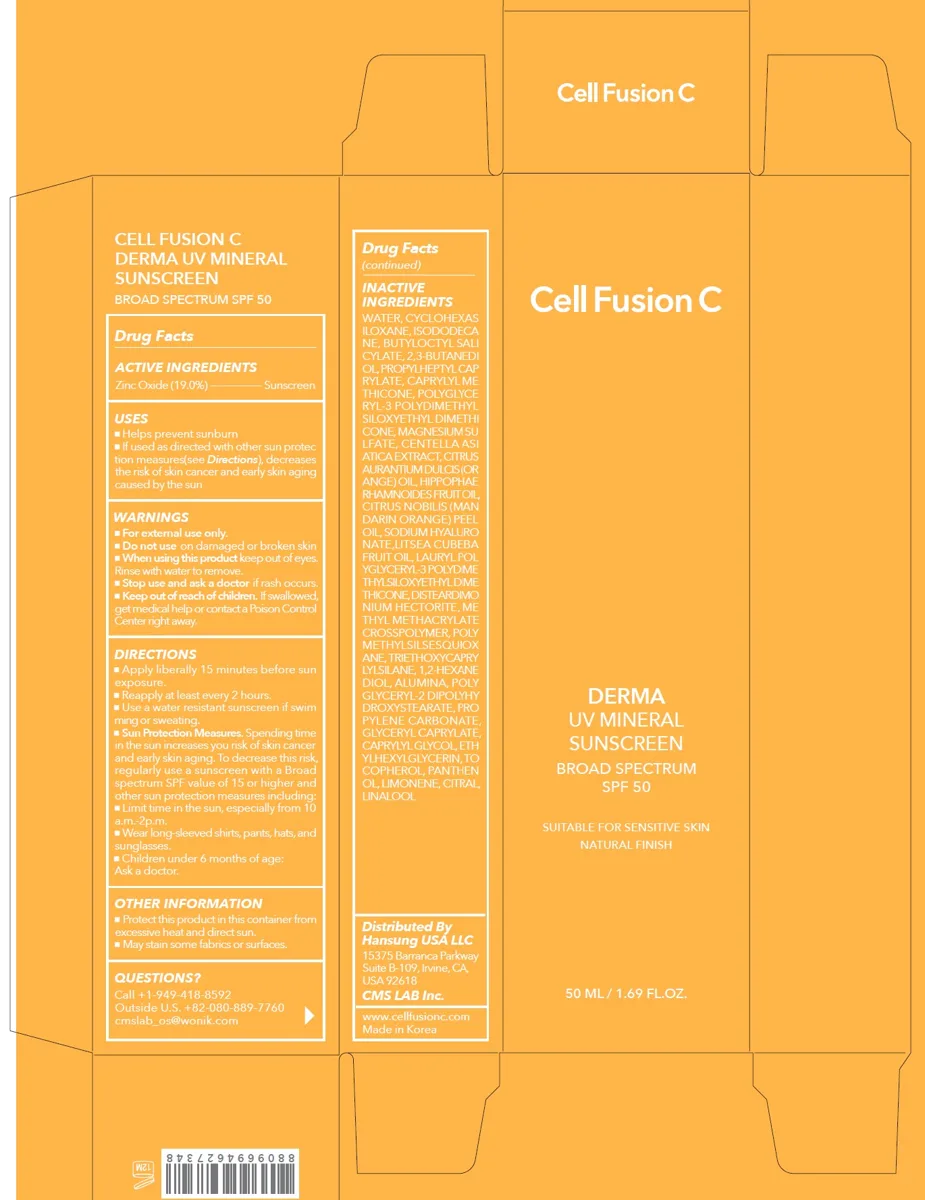
It's a true mineral sunscreen with an unusually high 19% zinc oxide as its only filter, dispersed in a silicone base for surprising wearability, plus soothing centella, HA and panthenol. The honest differentiator runs both ways: a genuinely strong, gentle mineral filter, paired with citrus essential oils that work against its sensitive-skin marketing.
A genuinely strong mineral sunscreen with a self-inflicted flaw. The filter is excellent: 19% zinc oxide, true mineral, broad-spectrum, gentle, and dispersed in a silicone base that keeps it surprisingly wearable, with soothing centella, HA and panthenol. But it's pitched for sensitive 'Derma' skin and then loaded with citrus essential oils — orange, mandarin, litsea, plus limonene, citral and linalool — that can irritate exactly that skin. Great filter, questionable fragrance brief.
Drawing on the FDA (DailyMed) OTC label, which confirms zinc oxide 19% as the sole active and lists the full inactive ingredients, so the protection and formula are precisely documented and the high-zinc mineral filter's strength is reliable. Pricing wasn't independently verifiable and stays unlisted; the medium-confidence rating reflects the contradiction between the gentle, sensitive-skin positioning and the added citrus essential oils (with limonene, citral and linalool), which raise irritation potential for the audience the product targets.
Verdicts
How well it fits each concern
Verdict by concern tap a concern for the case
Full protectionfor Sun DamageIn your profileYou chose · Broad-spectrum SPF 50 with zinc oxide: the protection sun damage calls for.Moderate evidenceStandard tolerabilityNo reviews collected yet
The case for it
Zinc Oxide 19% is a first-line active — approved, monograph-listed or named in current guidelines — for this concern.
It is present at an effective concentration, declared or high in the ingredient list.
The formula carries no trigger this concern is sensitive to, with the cautions noted.
Cautions: a photosensitising active — use sun protection.
Same rule for everyone. “Full protection” is the verdict on 2,288 of 45,024 concern verdicts across the catalog; rule P1 decided 2,232 of them.
Unchanged since September 5, 2026, engine 5.1.1.
P1 — Photoprotection standing is regulatory (M020 / Annex VI filters; 21 CFR 201.327 attaches the early-skin-aging claim to tested broad-spectrum SPF 15+). SPF 30 is the AAD daily-use bar. · the full register
Avoidfor SensitivityIn your profileYou chose · This formula carries fragrance — the kind of thing reactive skin flags first.Not yet assessedCarries a triggerNo reviews collected yet
The case for it
Centella, Hyaluronic Acid & Panthenol has been researched for this concern and the evidence does not support it.
It is plausibly present at a working level, though the concentration is not declared.
The formula carries a known trigger for this concern, which decides the verdict before any efficacy question.
Cautions: a declarable fragrance allergen.
What would change this: Removing the trigger named above would let the actives be judged on their own.
Same rule for everyone. “Avoid” is the verdict on 1,909 of 45,024 concern verdicts across the catalog; rule F1 decided 605 of them.
Unchanged since September 5, 2026, engine 5.1.1.
Supporting rolefor AcneIn your profileYou chose · Nothing here targets acne directly; photoprotection for post-inflammatory marks is the recognised companion to treating it, and this cream does that without known triggers.Not yet assessedStandard tolerabilityNo reviews collected yet
The case for it
Zinc Oxide 19% has no evidence row yet for this concern — it is in the research queue.
The formula carries no trigger this concern is sensitive to, with the cautions noted.
Cautions: fragrance; fungal-acne triggers.
What would change this: A researched evidence row for the lead active would replace this with a verdict.
Same rule for everyone. “Supporting role” is the verdict on 8,197 of 45,024 concern verdicts across the catalog; rule R8 decided 4,250 of them.
Unchanged since September 5, 2026, engine 5.1.1.
R8 — The category's job (barrier care, humectant hydration, gentle cleansing, photoprotection) is the documented supportive role for this concern. This is the honest verdict for a moisturizer on an acne page. · the full register
Does the jobDoes what a sunscreen is for: UVA coverage, holds up in sunlight. Not measured from the label: pleasant enough to actually use.
A verdict is DermApproved’s assessment of how well a product’s ingredients fit a concern — never a claim about what the product treats. Evidence dots and collected reviews sit beside it and are never blended in.
Rules 0.5.1 · evidence table ev-2026.09-r228 · how we decide
Assessment
Pros & Cons
Pros
✓ High 19% zinc oxide gives strong, true mineral broad-spectrum protection
✓ Confirmed zinc-only filter (no hidden chemical sunscreens)
✓ Silicone base keeps the high zinc surprisingly wearable
✓ Soothing centella, hyaluronic acid and panthenol extras
✓ Zinc-only filter suits pregnancy and reef-conscious shoppers
✓ Semi-matte finish good for oily and combination skin
Cons
✗ Citrus essential oils contradict the sensitive-skin 'Derma' pitch
✗ Declares limonene, citral and linalool fragrance allergens
✗ Can irritate genuinely reactive or rosacea-prone skin
✗ Some white cast on deeper skin tones
✗ Sea buckthorn and citrus oils make it not fungal-acne safe
Review
Full Review
Mineral sunscreens earn their loyal following for one main reason: zinc oxide is about as gentle and well-tolerated as a UV filter gets, which makes mineral formulas the default recommendation for sensitive, reactive and acne-prone skin. Cell Fusion C's Derma UV leans hard into that promise — 'Derma,' 'Mineral,' aimed at exactly that audience — and on the filter, it delivers handsomely. The frustration is what the brand chose to add on top.
Start with the genuine strength, because it's real and we can verify it precisely: this is a US-registered OTC sunscreen, and its FDA Drug Facts label lists zinc oxide 19% as the sole active ingredient. That's worth dwelling on for two reasons. First, 19% is a high zinc load, which translates to robust, genuinely broad-spectrum protection across UVA and UVB. Second, it's zinc only — no hidden chemical filters — so this is a true mineral sunscreen, which matters to the people who deliberately seek one out (sensitive skin, pregnancy, reef-conscious shoppers). Plenty of products styled as 'mineral' quietly include organic filters; this one doesn't, and that honesty on the filter deserves credit.
The formulation around the zinc is also smart. A 19% mineral filter can easily feel heavy, draggy and chalky, but here cyclohexasiloxane, isododecane and caprylyl methicone disperse the zinc into a base that spreads with real slip and sets to a soft, semi-matte finish. White cast is mild on light-to-medium tones — though, as with essentially all high-zinc sunscreens, deeper skin tones may still notice some. Better still, the brand layered in genuinely nice skincare extras for the sensitive-skin audience: centella to soothe, sodium hyaluronate to hydrate, panthenol and vitamin E to comfort. On paper, this is shaping up to be an excellent gentle mineral sunscreen.
And then you reach the citrus. The inactive list includes orange oil, mandarin peel oil and litsea cubeba fruit oil, and the formula declares limonene, citral and linalool — the fragrance allergens those oils carry. This is the flaw, and it's a self-inflicted one. Citrus and litsea essential oils are well-documented contact sensitizers, and they're precisely the kind of ingredient a sensitive-skin product should avoid. There's a particular irony in adding fragrant citrus oils to a sunscreen, since some citrus oils are associated with photosensitivity, and a doubly sharp irony in doing it to a 'Derma' mineral sunscreen whose entire reason for existing is to be gentle. The gentle zinc filter and the soothing centella are, to some extent, working against the fragrance the brand bolted on. For robust skin, this is a non-issue and the sunscreen is lovely. For the genuinely reactive, rosacea-prone or fragrance-allergic skin the marketing courts, it's a real reason to patch test — or to pick a fragrance-free mineral sunscreen instead.
In use, it's more pleasant than its zinc percentage suggests: it spreads easily, sets soft and semi-matte, and wears well under makeup, with a noticeable fresh citrus scent. The high zinc and silicone base make it a solid daily face sunscreen for oily and combination skin especially. Two smaller notes: it contains sea buckthorn fruit oil and the citrus oils, so it isn't fungal-acne safe, and while the composition is effectively vegan, certification isn't stated. On the plus side, the zinc-only filter is the one typically preferred in pregnancy and isn't tied to reef concerns.
The brand context is reassuring on substance: Cell Fusion C is a Korean clinical brand with genuine sun-care expertise, and the FDA registration means the protection is documented, not estimated. The misstep is purely the fragrance brief — the formula would be an easy, near-unqualified recommendation for sensitive skin without the citrus oils, which add nothing protective and subtract from the very positioning the product is built on.
This product also lands in a frustrating pattern worth naming, because it recurs across the category: brands build a formula around a gentle, sensitive-skin-appropriate hero — here, a high zinc filter — and then add fragrance or essential oils for sensory appeal, partially undoing the gentleness that was the whole point. It happens because scent sells and an unscented product can feel less 'finished' on a shelf, but it leaves the most vulnerable users worse served than they should be. The practical takeaway for anyone shopping mineral sunscreens for reactive skin is to treat 'mineral' and 'sensitive' as claims about the filter, then read the back of the pack for the fragrance reality. Do that here and you'll find an otherwise excellent zinc sunscreen with an asterisk you can decide for yourself how much to weigh — robust skin can ignore it, while truly reactive skin should take it seriously.
The bottom line: an excellent high-zinc true mineral sunscreen, surprisingly wearable, with soothing extras — held back from a clean recommendation by citrus essential oils that contradict its sensitive-skin promise. Buy it if your skin is reasonably robust and you want strong, gentle mineral protection with an elegant finish; it's a genuinely good daily SPF. But if you're shopping it specifically for sensitive, reactive or rosacea-prone skin — the audience it targets — take the 'Derma' label with a grain of salt, patch test for the citrus, and consider a fragrance-free mineral sunscreen if your skin reacts.
Formula
Key Ingredients
The hero actives that drive this product's performance.
The sole UV filter, and a high one — 19% zinc oxide gives genuinely broad-spectrum mineral protection (UVA and UVB) by sitting on the skin and scattering light, with the inherent gentleness that makes mineral filters a go-to for sensitive and acne-prone skin.
Regulator-approvedfor Sun Damage · limited certainty
Cyclohexasiloxane, isododecane and caprylyl methicone disperse the high zinc load evenly and lightly, which is what keeps a 19% mineral formula from feeling heavy or chalky and helps minimize white cast.
Soothing and hydrating skincare extras — centella to calm, sodium hyaluronate to hydrate, panthenol and vitamin E to comfort — that complement the gentle mineral filter and support its sensitive-skin pitch.
Fragrant citrus oils added for scent and a 'natural' character; they introduce limonene, citral and linalool — recognized sensitizers — which is a questionable choice in a mineral sunscreen marketed for sensitive, reactive skin.
Not yet assessed
Ingredient standings describe the active at treatment-level doses and
vehicles; this product's own condition grades weigh its actual formula.
Apply as the last morning step over moisturizer, using a generous, even layer to get the full SPF from the zinc; let it set before makeup, and reapply through the day with sun exposure.
Results Timeline
Immediate: broad-spectrum mineral protection and a soft, hydrated finish on application, with the usual need to reapply every couple of hours under sun exposure.
The protection is precisely documented via the FDA OTC label: zinc oxide 19% as the sole active, a high concentration delivering broad-spectrum UVA/UVB attenuation through reflection and absorption, with the gentleness and low irritation potential that make zinc the preferred filter for sensitive, acne-prone, pediatric and pregnancy use, and one outside the reef-implicated organic filters. A high mineral load is typically cosmetically challenging, but the silicone/isododecane vehicle (cyclohexasiloxane, caprylyl methicone, isododecane) with dispersants (disteardimonium hectorite, triethoxycaprylylsilane-coated particles, alumina) improves spreadability and limits white cast. Supportive actives — Centella asiatica, sodium hyaluronate, panthenol and tocopherol — add soothing, hydrating and antioxidant value consistent with the sensitive-skin intent. The notable formulation inconsistency is the fragrance system: Citrus aurantium dulcis (orange) oil, Citrus nobilis (mandarin) peel oil and Litsea cubeba oil, with declared limonene, citral and linalool, are recognized contact sensitizers (and citrus oils carry photosensitization associations), which conflicts with the product's sensitive-skin positioning. Hippophae rhamnoides oil and the essential oils also reduce malassezia-safety. Net: an excellent mineral filter system with a fragrance choice that undermines its target use.
Dermatologist Perspective
Clinically, the filter here is exemplary for the intended audience: 19% zinc oxide is a high, effective, broad-spectrum mineral filter and among the best-tolerated options for sensitive, acne-prone, rosacea-prone, pediatric and pregnant patients, and it avoids the organic filters tied to reef concerns. The vehicle is well-designed to make a high-zinc formula wearable, and the centella, hyaluronic acid and panthenol are sensible soothing additions. The clear clinical reservation is the citrus essential-oil content (orange, mandarin, litsea cubeba) with limonene, citral and linalool: these are common contact allergens, and dermatologists would generally steer reactive, eczema- or rosacea-prone patients — precisely those drawn to a gentle mineral sunscreen — away from fragranced formulas. A patch test is advisable, and a fragrance-free mineral sunscreen would be preferable for the most sensitive skin. For tolerant skin, this is a strong, gentle daily mineral SPF; the fragrance, not the filter, is what tempers the recommendation.
Guidance
Usage & Recommendations
How to Use
As the last step of your morning routine, smooth on a generous, even layer over moisturizer, using a generous, even layer — even a high-zinc sunscreen only delivers its rated SPF at adequate quantity, so don't skimp. Let it set for a minute before makeup. Reapply every two hours during sun exposure, and after sweating or swimming. Given the citrus oils and declared fragrance allergens, patch test on the inner arm first if your skin is sensitive or rosacea-prone, and switch to a fragrance-free mineral sunscreen if you notice stinging or redness. Remove thoroughly at night.
Value Assessment
A confirmed US price wasn't available and is left unset; clinical-brand Korean mineral sunscreens of this caliber generally sit in the mid-to-upper range, and it's sold through US channels including the brand's own site. On substance, the value is good for the filter: a high 19% zinc, true-mineral, FDA-documented broad-spectrum sunscreen with an elegant finish is worth a mid-range price, and the soothing extras add genuine value. What dents the value for its core sensitive-skin audience is the citrus fragrance — if you can't comfortably wear it, the strong filter is moot. For robust skin, it's fair value for an elegant high-zinc mineral; for reactive skin, a fragrance-free mineral sunscreen is the smarter spend even at similar cost. Confirm the current price before buying.
Who Should Buy
Consider it if you want a strong, true mineral (zinc-only) sunscreen with an elegant, wearable finish, and your skin is reasonably robust — it's a great daily SPF for oily, combination and normal skin, and a sensible pick for those who prefer zinc filters for pregnancy or reef reasons. The high 19% zinc and soothing extras make it a quality mineral option.
Who Should Skip
Reconsider if your skin is genuinely sensitive, reactive, rosacea- or eczema-prone — the citrus essential oils and declared allergens contradict the 'Derma' positioning and can irritate exactly that skin — or if you manage fungal acne (the oils are a risk). Deeper skin tones bothered by white cast, and anyone wanting a fragrance-free mineral sunscreen, should also look elsewhere.
Ready to try Cell Fusion C Derma UV Mineral Sunscreen SPF 50?
A mineral cream that spreads with silicone slip and sets to a soft, semi-matte finish.
Scent
Fresh citrus, from the essential oils.
Packaging
A 50ml tube.
Finish
semi-mattesoftnatural
What to Expect on First Use
It spreads more easily than its high zinc load suggests, thanks to the silicone-and-isododecane base, setting to a soft, semi-matte finish with only mild potential white cast on deeper tones. There's a noticeable fresh citrus scent. The zinc itself is gentle, but the citrus oils mean genuinely reactive or rosacea-prone skin should patch test despite the 'Derma' name.
How Long It Lasts
About 1.5-2 months as a daily face sunscreen from the 50ml tube, with proper reapplication.
Cell Fusion C developed this as the mineral counterpart to its chemical sunscreens, aimed at sensitive and acne-prone skin that prefers a zinc-only filter — registering it as a US OTC product and loading it with a high 19% zinc, then adding fresh citrus oils for a 'clean' sensory finish.
About Cell Fusion C Established Brand (5–20 years)
Cell Fusion C is a Korean clinical/professional brand known for sun care. This US-registered (FDA-labeled) mineral sunscreen uses a high 19% zinc oxide as its sole filter — a genuinely strong, gentle mineral base — though it adds citrus essential oils that sit oddly against its sensitive-skin 'Derma' positioning.
Brand founded: 2002
Myth vs. Reality
Common Myths
Myth
A mineral sunscreen marketed for sensitive skin is automatically fragrance-free and gentle.
Reality
Not always — and this is a clear example. The zinc oxide filter is indeed gentle and a great choice for reactive or acne-prone skin, which is why mineral sunscreens have that reputation. But 'mineral' and 'Derma' describe the filter and the marketing, not the whole formula, and here the brand added orange, mandarin and litsea cubeba oils, plus the allergens limonene, citral and linalool. Those citrus oils are common sensitizers, so the formula can irritate the very skin it's pitched to. The lesson: a gentle filter doesn't guarantee a gentle product — read the full list, because added fragrance can undo the advantage of choosing mineral in the first place.
FAQ
Frequently Asked Questions
What does the Cell Fusion C Derma UV Mineral Sunscreen do?
It's a true mineral sunscreen using 19% zinc oxide as its only UV filter for broad-spectrum SPF 50 protection. The zinc sits on the skin and scatters UV, with a silicone base that keeps the high zinc load wearable and soothing centella, hyaluronic acid and panthenol to comfort and hydrate. It protects gently, suiting acne-prone and sensitive-leaning skin.
Is it a true mineral sunscreen or a hybrid?
It's a true mineral sunscreen — the FDA Drug Facts label lists zinc oxide 19% as the only active ingredient, with no chemical filters. That's a high zinc concentration and genuinely broad-spectrum. So if you specifically want a mineral (zinc-only) sunscreen, this qualifies, unlike many 'mineral-look' products that hide chemical filters. Just note the inactive ingredients include fragrant citrus oils.
Is it actually good for sensitive skin?
The filter is — zinc oxide is one of the gentlest, best-tolerated UV filters, ideal for reactive and acne-prone skin. The catch is the fragrance: the formula contains orange, mandarin and litsea cubeba oils plus limonene, citral and linalool, which are recognized sensitizers and can irritate genuinely reactive or rosacea-prone skin. So patch test despite the 'Derma' name, and if you react to fragrance, choose a fragrance-free mineral sunscreen instead.
Will it leave a white cast?
Less than you'd expect from 19% zinc. The silicone-and-isododecane base disperses the zinc well for a soft, semi-matte finish, so white cast is mild on light-to-medium tones, though deeper skin tones may still notice some, as with most high-zinc mineral sunscreens. Applying an even, not overly thick layer and letting it set helps minimize it.
Is it pregnancy-safe and reef-friendly?
The filter is well-suited to both: zinc oxide is the filter typically preferred during pregnancy and isn't among the chemical filters associated with reef concerns. Note this is general information, not medical advice — confirm with your doctor. The citrus oils and fragrance are a separate consideration for sensitive skin, unrelated to the filter's pregnancy or reef profile.
Reviews
What Reviewers Tend to Say
Recurring themes our editors read across retailer reviews of this product — summaries in our words, not quotations, and not a substitute for your own patch test.
The fourth most frequent positive patch test in North America is an oxidation product of a molecule that occurs naturally in lavender. Nobody synthesised it into your face cream.
Five brands that own the feed, judged on their ingredient lists rather than their view counts — including the one active all five suddenly added at once, and what that tells you.
Essential oils are declared by botanical name rather than as fragrance, which is why the most heavily perfumed products in the natural aisle can carry the reassuring word — and why the bottle gets more sensitising the longer you own it.
The K-beauty buzzword slaps a green leaf on half the shelf — but centella is one of the rare botanicals with genuine wound-healing data. The trick is knowing which molecule is doing the job.
Feb 27, 2026· 6 min
Questions people ask about sensitive skin
Verified answers from our questions library — the nuance a product page cannot carry.
Products, answers, therapy guides, tools and articles in one search. Brand names,
slang and abbreviations all work — accutane finds isotretinoin, bacne finds truncal acne.