Niacinamide for Oily Skin: What the Verdicts Say
Updated September 2026 · independently researched, no sponsored placements
Our top 31 picks, ranked from 472 reviewed products — ordered by each product's excess oiliness verdict, then evidence strength.
Nothing here earns a Strong or Good choice for oily skin in our verdicts; this list ranks what exists, and says so.


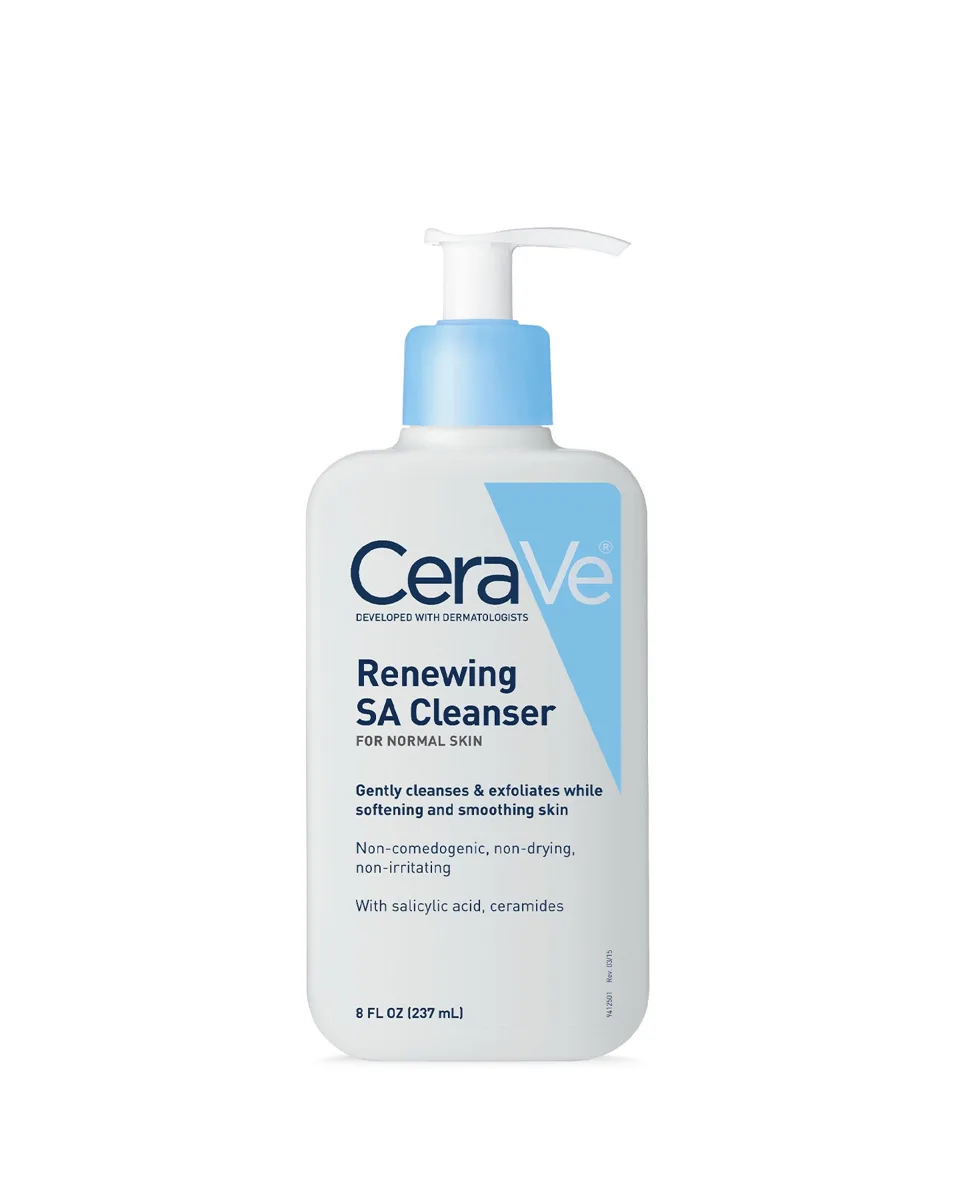

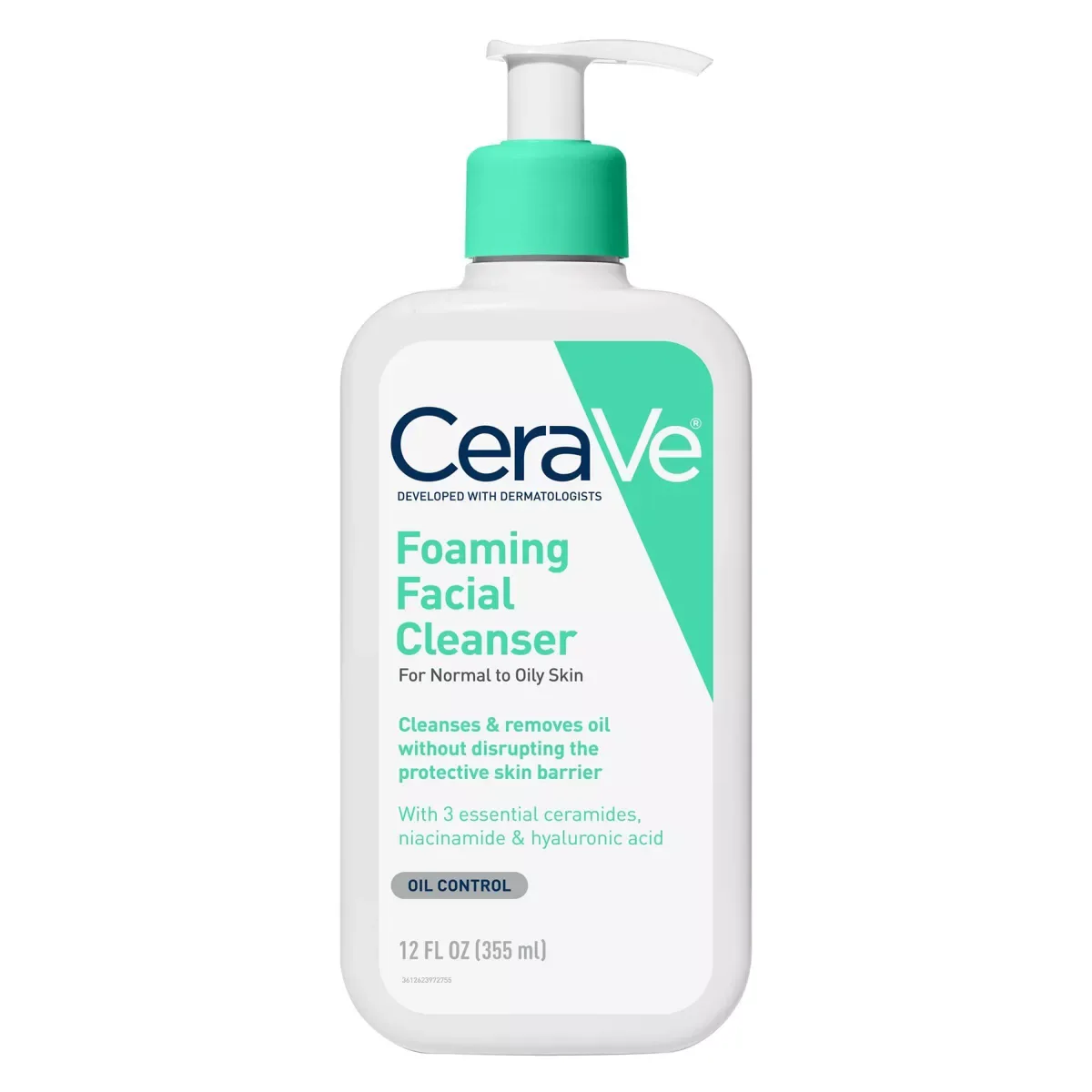

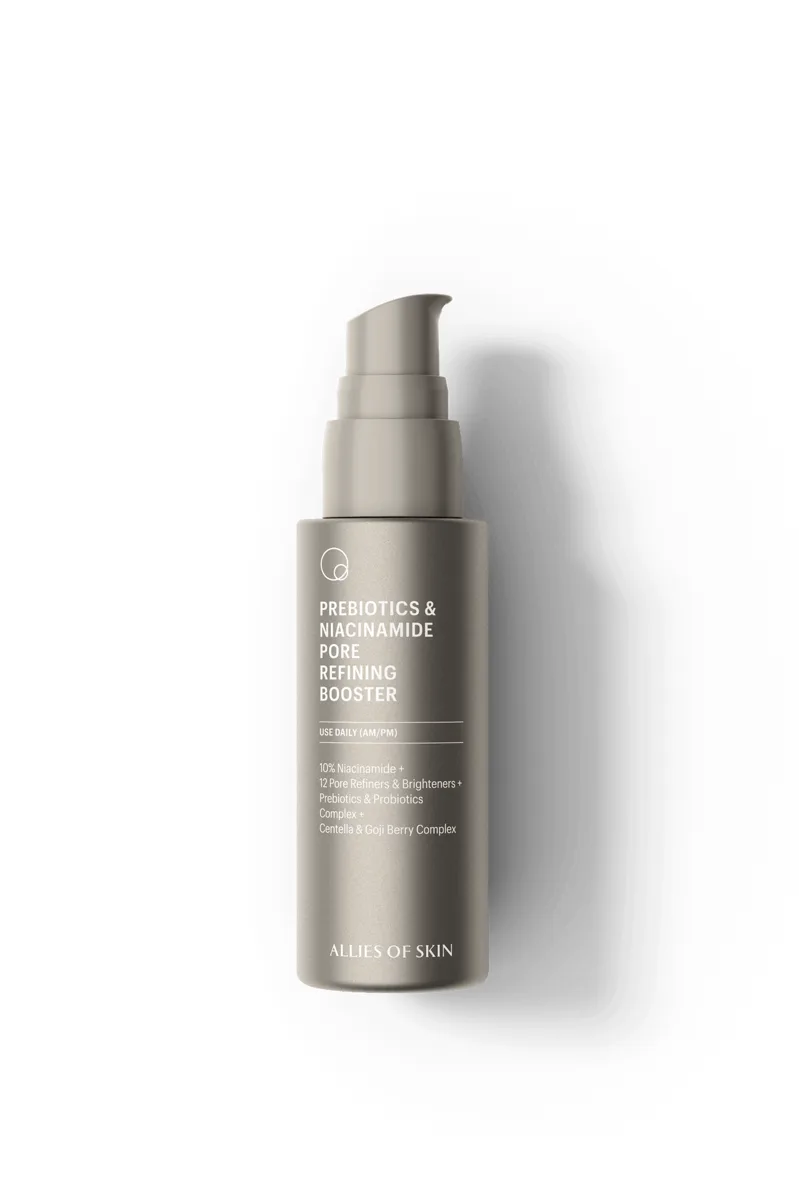

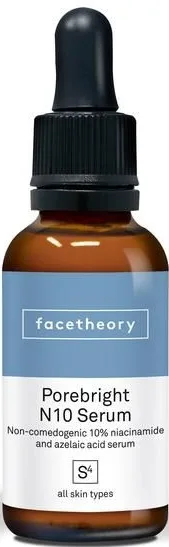










How to Choose
The best niacinamide for oily skin is a leave-on serum at a sensible concentration — around 4 to 10% — because this is the one well-studied active that genuinely helps regulate sebum and refine the look of pores over time, not just for an afternoon. Niacinamide (vitamin B3) is the quiet overachiever of oily-skin routines.
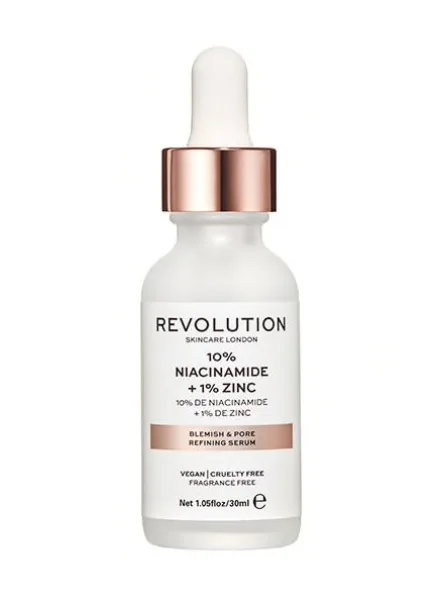
Research has linked topical niacinamide to a measurable reduction in skin surface oil and sebum production, and it also supports the barrier and visibly tightens the appearance of enlarged pores — the exact cluster of concerns oily skin cares about. Crucially, it does this without the strip-and-rebound cycle that harsher oil-control products trigger. The sweet spot is concentration: 4 to 5% is plenty effective and well tolerated, and even the popular 10% formulas like Minimalist's 10% Niacinamide ($7) work well for most, though a minority find very high doses tingly or irritating — more isn't automatically better here. A clean, minimalist serum like Tunemakers Undiluted Niacinamide ($17) lets you slot it in without fuss, and the active pairs especially well with zinc, which adds its own oil-balancing nudge. What to watch for: gimmicky 20% products promising dramatic results (diminishing returns and more irritation risk) and serums where niacinamide is buried under a long list of fillers. The honest caveat: niacinamide is a steady, cumulative performer, not an overnight matte filter — give it eight to twelve weeks of daily use before judging the oil-control payoff. At $7 to $89, the budget serums deliver the same active as the luxury ones.
Buying Guide
For oily skin, you want niacinamide as a leave-on serum, since that's where it has the contact time to regulate sebum and improve pore appearance. Concentration is the key spec: 4–5% is the well-tolerated, evidence-backed sweet spot, and 10% (as in Minimalist's serum) suits most oily skin too — but skip the 20% novelty formulas, which raise irritation risk without proportionate benefit. Look for a short, clean formula; pairing niacinamide with zinc adds extra oil-balancing benefit, while hyaluronic acid keeps the lightweight hydration oily skin still needs. Texture matters for compliance — a fast-absorbing, watery serum layers cleanly under sunscreen and won't feel heavy, which is what you want on an oily face. If your skin is reactive as well as oily, start with a lower percentage and use it once daily before building up, since high-dose niacinamide can occasionally cause flushing or tingling. And remember niacinamide plays well with others: it can sit comfortably alongside vitamin C, retinoids, and exfoliating acids, so it's easy to add to an existing routine. Effective options start around $7, so price is no barrier to getting the real thing.
Frequently Asked Questions
Does niacinamide actually reduce oily skin?
Yes — topical niacinamide has been shown to help lower the skin's surface oil and sebum production with consistent use, while also refining the look of enlarged pores. Unlike harsh oil-stripping products, it does this without compromising the barrier, so it doesn't trigger rebound oiliness. The effect is gradual and cumulative, so it builds over weeks of daily application rather than working instantly.
What percentage of niacinamide is best for oily skin?
Around 4–5% is the well-tolerated, evidence-supported sweet spot, and 10% formulas work well for most oily skin too. Higher concentrations like 20% don't deliver proportionally better results and raise the risk of irritation and flushing, so they're generally not worth it. If your skin is sensitive, start lower and build up to gauge tolerance.
How long does niacinamide take to control oil and shrink pores?
Plan on about eight to twelve weeks of daily use before you see meaningful changes in oiliness and pore appearance, since niacinamide works cumulatively rather than overnight. You may notice the barrier-supporting and hydrating benefits sooner. Consistency is what delivers results — using it sporadically won't give the sebum-regulating effect a chance to build.
Can I use niacinamide with other actives if I have oily skin?
Absolutely — niacinamide is one of the most compatible actives around. The old myth that it cancels out vitamin C has been debunked, and it layers comfortably with retinoids, salicylic acid, and other exfoliants common in oily-skin routines. That versatility makes it easy to add to whatever you're already using without conflict.
Is a niacinamide serum or moisturizer better for oily skin?
A serum is generally the more effective format because it delivers a higher, more targeted concentration of niacinamide as a leave-on step. A niacinamide-containing moisturizer is a nice bonus but usually has the active at a lower level. For oil control specifically, a lightweight serum applied before your moisturizer gives you the best of both — active delivery plus the hydration oily skin still needs.