Oil-Control Cleansers: What the Verdicts Say
Updated September 2026 · independently researched, no sponsored placements
Our top 27 picks, ranked from 528 reviewed products — ordered by each product's excess oiliness verdict, then evidence strength.
Nothing here earns a Strong or Good choice for excess-oiliness in our verdicts; this list ranks what exists, and says so.












How to Choose
The best cleanser for oily skin removes the day's excess sebum without that squeaky, stripped finish — because the harsh foaming washes that promise to banish shine are exactly what keep your skin greasy. It sounds backwards, but here's the mechanism: when a high-pH or sulfate-heavy cleanser strips away too much oil, your skin reads the sudden dryness as an emergency and cranks sebum production up to compensate.
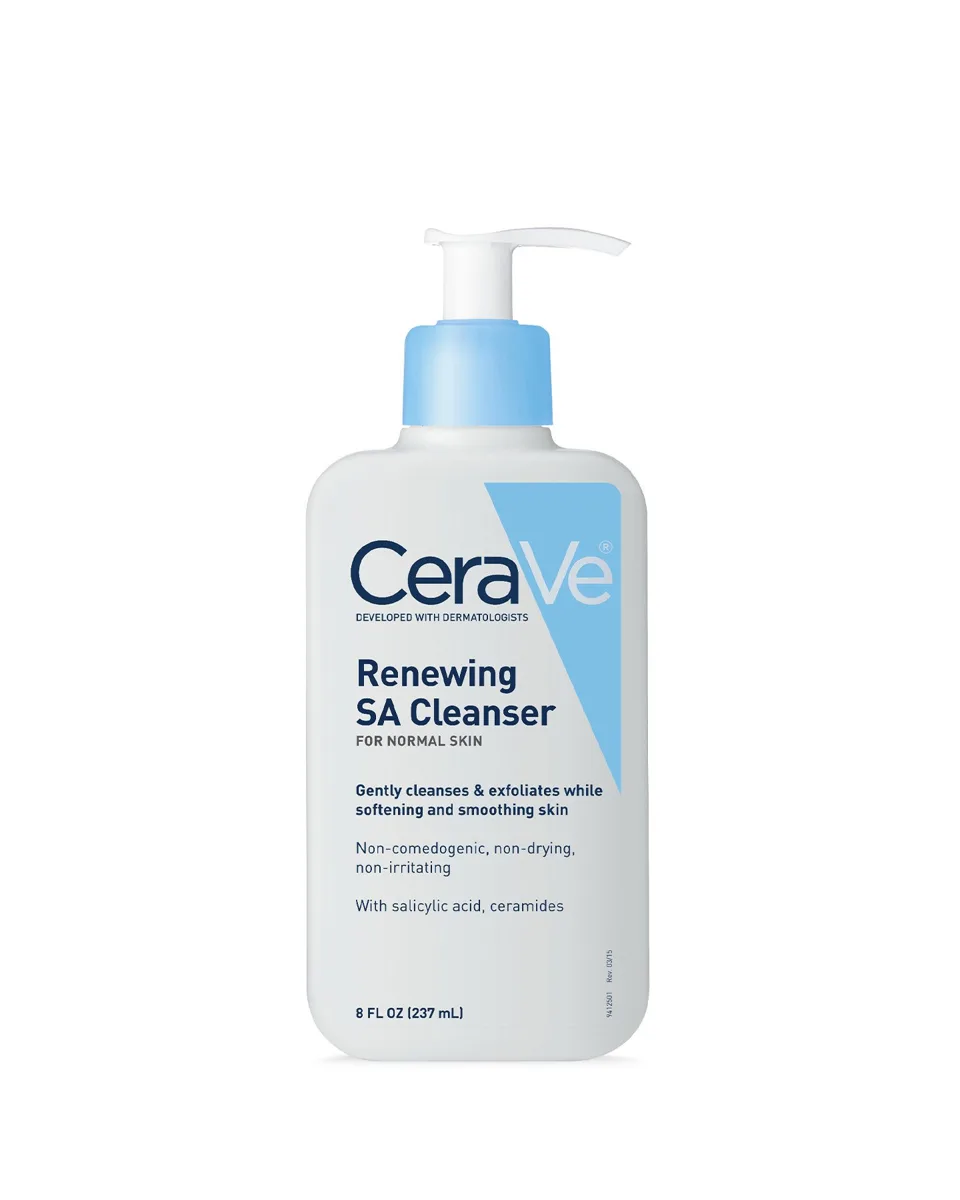
You wash, you feel tight and matte for an hour, then you're shinier than before — a frustrating loop a lot of oily-skinned people are stuck in. The fix is a cleanser that respects your barrier while still cutting oil. Low-pH gel and foam formulas like Round Lab's Dokdo Cleanser ($17) and La Roche-Posay's Toleriane foaming cleanser ($22) cleanse thoroughly without that desperate-for-moisture aftermath. The actives worth seeking out are niacinamide, which helps regulate sebum and refine the look of pores over time (it's the star of Naturium's Cleansing Gelée at $18), and a modest dose of salicylic acid to keep oily pores clear, as in Thayers' pH Balancing Cleanser ($12) or CeraVe's SA Smoothing Cleanser ($16). What to skip: anything that markets a tight, astringent, menthol-cooled "deep clean," plus denatured alcohol high on the list. The honest caveat — a cleanser manages surface oil for a few hours but it can't change how much sebum your glands make; genuine oil regulation comes from leave-on niacinamide, retinoids, and consistency. At $10 to $60, gentle and low-pH beats aggressive every time.
Buying Guide
The counterintuitive rule for oily skin is to cleanse effectively without over-cleansing, so build your choice around a balanced, low-pH formula rather than the strongest foam on the shelf. Gel and lightweight foam textures suit oily skin best — they cut sebum and feel fresh without leaving residue — while creamy or balm cleansers can feel too rich. Niacinamide is the active to look for, since it helps regulate oil and improve pore appearance with regular use; a low level of salicylic acid is a useful bonus for keeping oily pores clear, but you don't need it in every step. Steer clear of the classic oily-skin traps: high-pH sulfate cleansers that leave skin tight, denatured alcohol near the top of the list, and "cooling" menthol or strong astringents that irritate without actually controlling oil. If your skin is oily but also sensitive, a fragrance-light, barrier-supporting option like La Roche-Posay's keeps things calm. Cleanse twice a day at most, and always follow with a lightweight, oil-free moisturizer — skipping it is what drives the rebound oiliness in the first place. Effective oil-control cleansers sit comfortably in the $12–$22 range.
Frequently Asked Questions
Does washing my face more often reduce oily skin?
No — over-washing is one of the main reasons skin stays oily. Stripping away too much sebum signals your glands to produce more, creating a rebound cycle of shine. Stick to cleansing twice a day with a gentle, low-pH formula, and always moisturize afterward; counterintuitively, keeping skin balanced helps it produce less oil than aggressive washing does.
What ingredients help control oil in a cleanser?
Niacinamide is the standout — it helps regulate sebum and refine the look of pores with consistent use — and a modest amount of salicylic acid keeps oily pores clear. Just as important is what's absent: avoid harsh sulfates, high pH, and denatured alcohol, which strip skin and trigger more oil. A balanced formula controls shine far better than an aggressive one.
Should oily skin use a foaming or a cream cleanser?
Lightweight gel and foam cleansers generally suit oily skin best because they remove excess sebum and rinse clean without leaving a heavy residue. Cream and balm cleansers can feel too rich for very oily skin during the day, though an oil or balm can work nicely as a first step at night to break down sunscreen and makeup. The key is that the foam be low-pH and non-stripping.
Why does my skin feel tight after cleansing if it's oily?
That tight feeling means your cleanser is too harsh and has stripped the barrier — and on oily skin, that backfires by prompting even more oil production. A properly balanced, low-pH cleanser should leave your skin feeling clean but comfortable, never tight or squeaky. If you're getting that pulled, dry sensation, it's time to switch to a gentler formula.
Can a cleanser alone stop my skin from being oily?
A cleanser manages surface oil for a few hours, but it can't change how much sebum your glands actually produce. Long-term oil regulation comes from leave-on ingredients like niacinamide and retinoids, plus consistent habits and a lightweight moisturizer. Think of your cleanser as one supporting piece of the routine, not the whole solution to oiliness.