Oil-Control Sunscreens: What the Verdicts Say
Updated September 2026 · independently researched, no sponsored placements
Our top 23 picks, ranked from 123 reviewed products — ordered by each product's excess oiliness verdict, then evidence strength.
Nothing here earns a Strong or Good choice for excess-oiliness in our verdicts; this list ranks what exists, and says so.










How to Choose
The best sunscreens for oily, shine-prone skin manage sebum and stay matte through the day without resorting to the alcohol-heavy, stripping formulas that backfire by triggering more oil. Excess oiliness is the concern here, not just an oily skin type, so the goal is active shine control: a lightweight texture that absorbs fast, an oil-absorbing or semi-matte finish, and ideally ingredients that temper sebum over time rather than just blotting it.
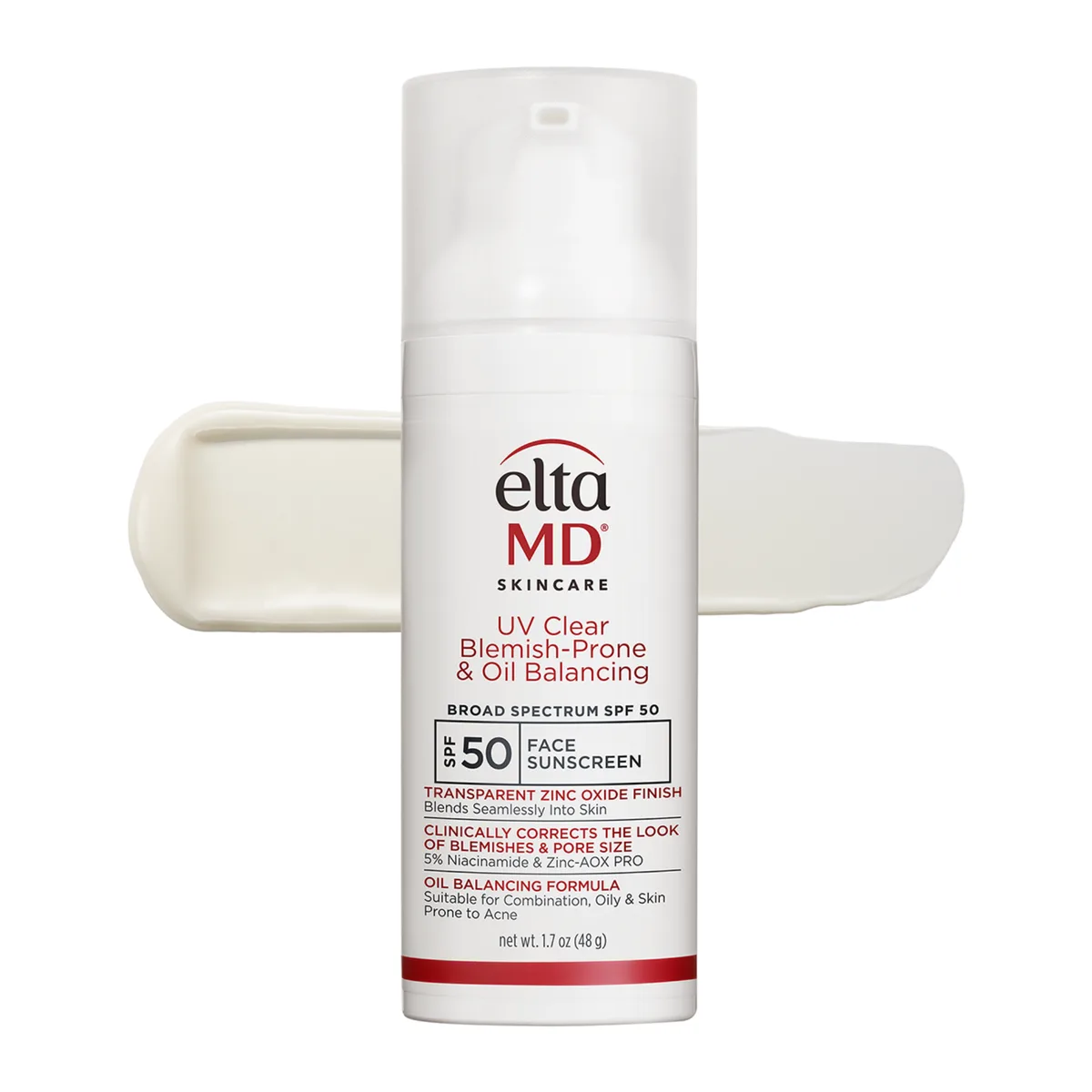
That's why niacinamide shows up across the top picks — it genuinely helps regulate oil production, which is more useful long-term than a formula that simply mattifies on contact. Texture and filter type do the heavy lifting: gel and fluid sunscreens like Deconstruct's $4 SPF 50 (built on modern Tinosorb-class filters) feel weightless, while a dedicated matte mineral like SkinCeuticals Physical Matte ($38) uses silica to keep shine down for oily skin that prefers zinc. EltaMD UV Clear ($45) stays a derm favorite because it's lightweight, niacinamide-rich, and won't clog. What to avoid is the false fix: sunscreens that lean on drying alcohol for an instant matte finish strip the skin, which prompts the oil glands to overcompensate. Look for oil-free and non-comedogenic on the label. The honest reality is that no sunscreen stays perfectly matte for eight hours, so shine by midday isn't failure — blot and reapply (a powder SPF helps here). Prices span $4 to $69, and the budget gels genuinely beat many premium options on a shiny T-zone.
Buying Guide
Prioritize a lightweight, fast-absorbing texture with a matte or semi-matte finish — gel, fluid, and serum sunscreens suit oily skin far better than rich creams that sit greasy and pill. Look for sebum-friendly extras: niacinamide to help regulate oil over time, and oil-absorbing silica in mineral formulas for shine control. "Oil-free" and "non-comedogenic" on the label are worth heeding if you're breakout-prone. Be wary of two traps: sunscreens that achieve their matte feel with high levels of drying alcohol, which strips skin and can rebound oilier, and heavy zinc creams that leave a greasy film. Decide on filter type by preference — modern chemical and hybrid filters tend to feel lightest and leave no cast, while matte mineral formulas with silica suit those who want zinc or titanium dioxide. Plan for reapplication, since no formula stays shine-free all day; a powder or stick SPF makes midday touch-ups easy over makeup. On price, this is a budget-friendly category — $4–$20 gels and fluids hold their own against the $38–$47 derm-brand staples, so let texture and finish decide.
Frequently Asked Questions
What kind of sunscreen is best for controlling oil and shine?
A lightweight gel, fluid, or matte serum sunscreen works best, ideally with niacinamide to help regulate sebum and, in mineral options, silica to absorb oil. Avoid rich creams and formulas that rely on drying alcohol for their matte feel — the former feels greasy and the latter can strip skin and trigger more oil.
Why does my sunscreen make my face look greasy?
Heavy, emollient-rich or thick mineral sunscreens leave a film that reads as greasy on already-oily skin, and applying too much at once compounds it. Switching to a lightweight oil-free gel or fluid and using a measured amount usually fixes the shine, since the issue is the formula's texture rather than sun protection itself.
How do I reapply sunscreen over makeup without looking shiny?
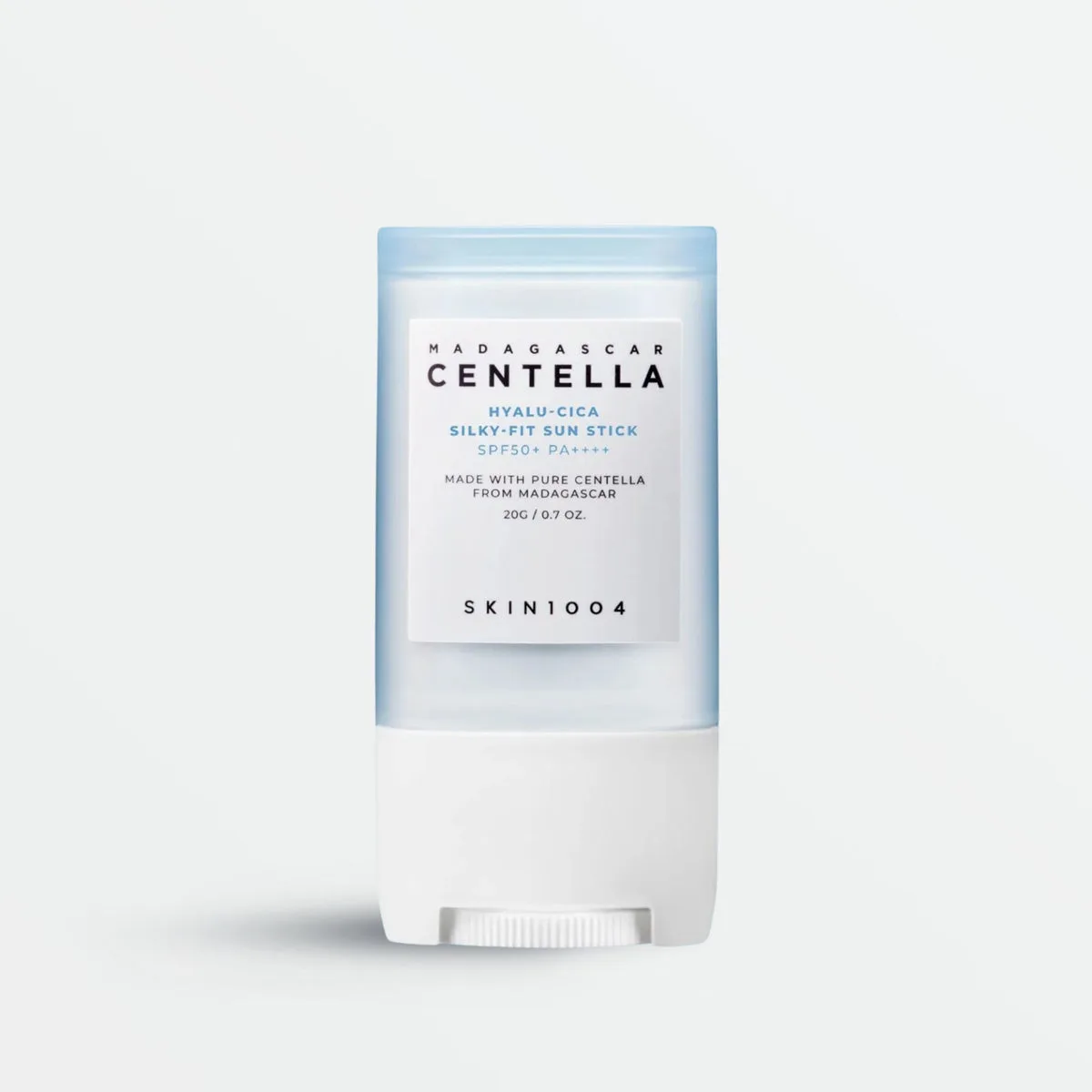
Blot away excess oil first, then use a powder SPF or a sunscreen stick, which refresh protection without disturbing makeup or adding grease. Reapplication is non-negotiable because sunscreen wears off through the day, and a powder format is the most practical way for oily skin to top up midday.
Should oily skin use mineral or chemical sunscreen?
Both can work — modern chemical and hybrid filters usually feel lightest and leave no cast, while matte mineral formulas with silica give strong shine control for those who prefer zinc or titanium dioxide. The finish and texture matter more than the filter category for oily skin, so choose whichever stays comfortably matte on you.