



K-Beauty Is Sold on Hydration. Its Best Work Is Arguably on Oily Skin.
The dewy-layering marketing reads as a warning if you are congested — and it is hiding the strongest mass-market lineup anywhere for exactly that skin.
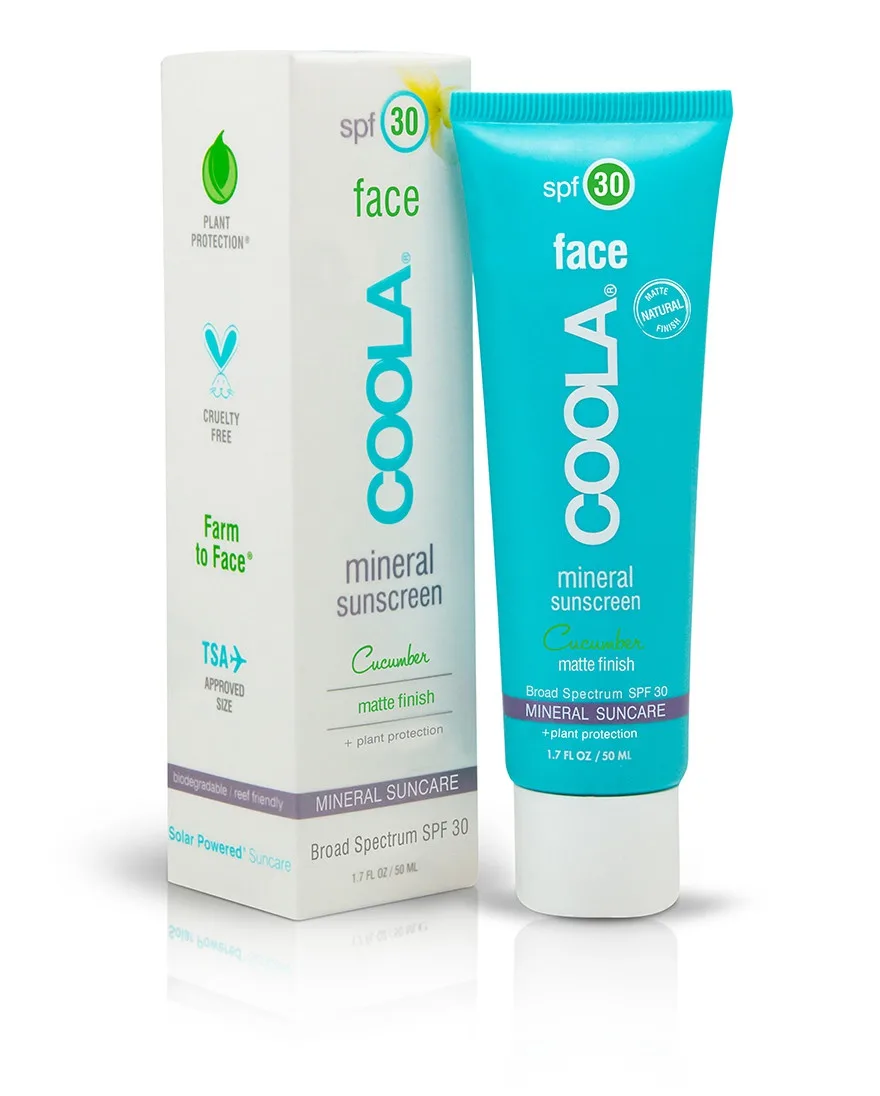
Mineral sunscreens are usually dewy and prone to a greasy sheen — a problem for oily skin. This one is engineered against that: an all-mineral SPF 30 of zinc oxide and titanium dioxide, paired with oil-absorbing silica for a genuine matte finish. It is a mineral sunscreen built specifically for oily, shine-prone skin.
An all-mineral SPF 30 with something genuinely uncommon — a real matte finish. Gentle zinc oxide and titanium dioxide filters, fragrance-free and pregnancy-friendly, with oil-absorbing silica that solves mineral sunscreen's usual greasy sheen. A solid mineral pick for oily skin; the modest mineral load, SPF 30 and isopropyl myristate are the honest caveats.
The case for it
Same rule for everyone. “Full protection” is the verdict on 2,288 of 45,024 concern verdicts across the catalog; rule P1 decided 2,232 of them. Unchanged since September 5, 2026, engine 5.1.1.
Brand or formulator? Disclose a concentration or correct a fact →
The studies behind the evidence row
The case for it
What would change this: A researched evidence row for the lead active would replace this with a verdict.
Same rule for everyone. “Full protection” is the verdict on 2,288 of 45,024 concern verdicts across the catalog; rule P1 decided 2,232 of them. Unchanged since September 5, 2026, engine 5.1.1.
Brand or formulator? Disclose a concentration or correct a fact →
Also listed for Excess Oiliness — the actives here (Titanium Dioxide, Zinc Oxide, Silica, Cucumber) are in our research queue for that concern; there is no verdict until their evidence rows are written. That is a gap in our table, not a mark against the product.
Does the jobDoes what a sunscreen is for: UVA coverage, kind to the skin wearing it. Not measured from the label: pleasant enough to actually use.
A verdict is DermApproved’s assessment of how well a product’s ingredients fit a concern — never a claim about what the product treats. Evidence dots and collected reviews sit beside it and are never blended in. Rules 0.5.1 · evidence table ev-2026.09-r228 · how we decide
The mineral-versus-chemical sunscreen argument usually gets framed as a question of safety, which is mostly a distraction, since both filter classes are effective and extensively studied. The more useful difference, the one that actually decides what people will wear every day, is one of feel, and for a particular group of users that difference has been quietly decisive for years. Mineral sunscreens, the ones built on zinc oxide and titanium dioxide, have long carried a reputation for a specific kind of unpleasantness: a heavy, dewy, faintly greasy film that can leave a white cast and a persistent shine. For oily skin, that texture alone has been the single biggest reason to skip mineral SPF altogether and reach for a chemical filter instead. This COOLA formula is engineered against exactly that problem, and to its considerable credit it largely solves it. The whole pitch lives in the finish, and the finish delivers. It is an all-mineral lotion, with 3.2% titanium dioxide and 1.8% zinc oxide doing the UV work, yet it spreads to a dry, genuinely matte, non-shiny result that feels far less dewy and occlusive than a typical mineral sunscreen. The mechanism behind that is silica silylate, an oil-absorbing silica powder that mops up the slick sheen mineral filters usually leave sitting on the surface. If your skin turns glossy by midday and you have written off mineral sunscreen entirely on the strength of how it sits and shines, this is one of the rare formulas built with your specific complaint in mind. Cucumber extract and shea butter ride along for a touch of soothing and conditioning, the latter also helping the mineral filters spread smoothly rather than dragging and skipping across the skin, and the product is fragrance-free, carrying only a faint natural cucumber-and-botanical note from the extracts rather than any added perfume. The strengths run deeper than texture alone, though texture is the headline. Zinc oxide and titanium dioxide are inherently gentle, broad-spectrum filters that protect by absorbing and scattering UV at the surface rather than penetrating into the skin, which makes this a sensible pick for reactive complexions and a genuinely pregnancy-friendly option, since mineral filters are the usual recommendation during pregnancy when chemical filters give people pause. COOLA has been making California sun care since 2004, so this is a long-running, broadly well-reviewed range rather than a first attempt from a brand still finding its feet, and the irritation-risk score, the highest of its category marks here, fairly reflects how comfortable that gentle, fragrance-free system is on touchy skin. The caveats are real and worth stating plainly, because a flattering review that hides them helps nobody. The SPF is 30, not 50; SPF 30 is genuinely sufficient protection when applied properly, and the real-world gap between 30 and 50 is far narrower than the numbers instinctively suggest, but it leaves you less margin for the chronic under-application almost everyone is guilty of, so you have to be honest with yourself about laying down a full, even layer rather than a thin smear. The mineral load is also on the modest side. A combined 3.2% titanium dioxide and 1.8% zinc oxide is light for an all-mineral SPF, which is part of how it achieves that elegant matte feel in the first place, but it does mean the protective cushion is leaner than a more heavily mineralised formula, again making generous application non-negotiable rather than optional. The formula also contains isopropyl myristate, an emollient with a comedogenic reputation in the literature, which is a fair thing to flag for a product aimed largely at oily, breakout-prone skin even though individual responses vary widely, and it is worth noting the formula is not fungal-acne safe. Mineral filters can still leave a faint cast, particularly on deeper skin tones, and on genuinely dry skin the matte finish can read flat or even accentuate flaking, so this is decidedly a formula for the shine-prone rather than the parched. None of these are dealbreakers in isolation, but together they explain why the ingredient and value scores sit in the mid-seventies rather than higher, and why the suitability, though perfectly decent, is not universal. At thirty-eight dollars for 44 mL it lands squarely in the mid-range for a face-specific mineral sunscreen, a reasonable price for what is genuinely a specialist tool rather than an all-rounder. It is not trying to be the highest-protection or most heavily mineralised SPF on the shelf; it is trying to be the mineral sunscreen that oily skin will actually enjoy wearing every single day, and on that narrow, specific brief it clearly succeeds. Recommend it to anyone who wants gentle mineral filters without the greasy mineral feel, who is comfortable with SPF 30 and will apply it generously, and who is not especially worried about a single comedogenic-leaning emollient. For dry skin, for fungal-acne concerns, or for anyone wanting the maximum protection numbers on the box, look elsewhere without hesitation. As a smart, well-judged answer to a long-standing texture problem, though, it remains one of the more satisfying mineral options around. One more practical point deserves attention, because it is where mineral sunscreens of every kind are most often let down in real life: reapplication. The same matte, makeup-friendly behaviour that makes this pleasant to wear in the morning also makes it awkward to top up over the course of a long day, since rubbing more lotion over foundation tends to disturb both. For a daily-driver indoor-leaning routine that is rarely an issue, but anyone planning hours of genuine sun exposure should plan their reapplication around it rather than assume a single morning layer will hold. Used the way it is clearly designed to be used, though, as the everyday face SPF for skin that hates a greasy mineral finish, it removes the single most common reason oily-skinned people abandon mineral filters, and that alone makes it worth a place on the shelf.
The hero actives that drive this product's performance.
| Ingredient | Function | Evidence |
|---|---|---|
| Titanium Dioxide 3.2% (3.2%) | A mineral UV filter that physically reflects and scatters UV rays — it does not absorb into the skin the way chemical filters do. With zinc oxide it forms the all-mineral SPF 30 system, sitting on the skin's surface as a gentle, low-irritation shield. | Regulator-approved for Sun Damage · limited certainty |
| Zinc Oxide 1.8% (1.8%) | The second mineral filter — zinc oxide gives broad-spectrum coverage across UVA and UVB and is the gentlest, least irritating UV filter available, well suited to sensitive and reactive skin and to use during pregnancy. | Regulator-approved for Sun Damage · limited certainty |
| Silica Silylate | An oil-absorbing silica that creates the 'matte' in the name — it blots excess sebum and shine, addressing the dewy, sometimes greasy finish mineral sunscreens are known for and making this one suit oily skin. | Not yet assessed |
| Cucumber Extract | The namesake botanical — cucumber fruit extract, included for a light soothing, refreshing touch. It is a mild, conditioning addition rather than a powerful active, in keeping with the brand's clean, botanical positioning. | Not yet assessed |
| Shea Butter | An emollient butter that conditions the skin and helps the mineral filters spread smoothly and evenly — countering the dragging, patchy application mineral sunscreens can otherwise have. | Not yet assessed |
Ingredient standings describe the active at treatment-level doses and vehicles; this product's own condition grades weigh its actual formula.
Titanium Dioxide 3.2%, Zinc Oxide 1.8%, Aluminum Hydroxide, Butyrospermum Parkii (Shea) Butter, Cucumis Sativus (Cucumber) Fruit Extract, Cyclopentasiloxane, Dimethicone Crosspolymer, Glycerin, Hydrogen Dimethicone, Isopropyl Myristate, Linum Usitatissimum (Linseed) Seed Oil, Oenothera Biennis (Evening Primrose) Oil, Plankton Extract, Polyamide-5, Polysilicone-11, Propylene Carbonate, Rosa Canina (Rose Hip) Fruit Oil, Silica Silylate, Stearalkonium Hectorite
sunscreen
AM
Save this for the last step of your morning routine, after moisturizer. Use two finger-lengths for the face and neck to reach the labeled SPF 30. Let it set before makeup; the matte finish makes a workable base. Reapply every two hours of sun exposure.
UV protection is immediate once applied and settled, provided enough product is used. The photoaging-prevention benefit accrues invisibly over years of consistent daily use.
Titanium dioxide and zinc oxide are inorganic UV filters that protect by absorbing and scattering ultraviolet radiation; both are well-established, broad-spectrum and recognized for low irritation potential, which underpins their routine recommendation for sensitive skin and during pregnancy. This formula combines them at 3.2% titanium dioxide and 1.8% zinc oxide for an all-mineral SPF 30. That combined load is modest for an all-mineral product, which is relevant to two things at once: it contributes to the lighter, more cosmetically elegant feel, and it means the protective margin is leaner than a more heavily mineralized formula — making correct, generous application especially important.
The formulation's distinguishing feature is the use of silica silylate. Silica-based powders are valued in cosmetic chemistry for oil absorption and mattifying; here, silica silylate counteracts the dewy, occlusive surface that mineral filters typically produce, which is the practical reason the product achieves a genuinely matte rather than glossy finish. This is a texture-engineering choice rather than a protective one — it does not change the UV performance, but it changes who will realistically wear the product daily.
Cucumber extract and shea butter are supporting soothing and emollient ingredients with modest, general evidence rather than central actives. One formulation note worth flagging on evidence grounds: the formula contains isopropyl myristate, an emollient with a comedogenic reputation in the literature, which is a reasonable consideration given the product's positioning toward oily, breakout-prone skin, even though individual responses vary.
Dermatology regards mineral sunscreens — those using zinc oxide and titanium dioxide — as excellent options for sensitive, reactive and rosacea-prone skin, and as the generally preferred sunscreen type during pregnancy, owing to their surface-acting filters and strong tolerability. Clinicians do note the well-known trade-off: mineral filters are visible and can leave a cast, particularly on deeper skin tones, which can affect adherence. A matte-finish mineral sunscreen is viewed positively for oily skin, since the dewy finish of typical mineral formulas is a common complaint. On SPF, dermatologists emphasize that SPF 30 applied generously is adequate for everyday exposure and that application amount matters far more than the SPF number. Some clinicians would flag isopropyl myristate as a consideration for acne-prone patients, given its comedogenic potential. The consistent guidance is to apply generously — about two finger-lengths for the face and neck — reapply every two hours of sun exposure, and choose whichever sunscreen, mineral or chemical, a person will reliably wear, since consistent use is what determines real-world protection.
As the last step of your morning routine, apply a generous, even layer over the whole face about fifteen minutes before heading outdoors — with SPF 30 there is little room to skimp, so use a full measure rather than a thin smear. Because it is mineral, it works immediately, but giving it those few minutes to set helps the matte finish settle. Reapply across the day during prolonged sun exposure; over makeup, a powder or stick SPF makes touch-ups easier. Shake or work the lotion well before applying so the filters are evenly dispersed.
At around $38 for 44 mL, this sunscreen is mid-range for a mineral facial sunscreen — mineral formulas generally cost more than chemical ones, and this sits in the normal band rather than being a bargain or an outlier. With daily face-and-neck use the tube lasts roughly two to three months. The value case rests on the matte finish: a mineral sunscreen that genuinely works for oily skin without a greasy sheen is a relatively uncommon, useful thing, and that specificity justifies a mid-range mineral price for the right buyer. Compared with other matte mineral facial sunscreens, the pricing is competitive. The value is reasonable for oily and combination skin seeking gentle mineral protection; it is weaker for dry skin (the matte finish is a poor fit) and for anyone who could get equivalent protection from a less expensive chemical sunscreen they tolerate well.
This is the mineral sunscreen for people with oily or combination skin who have given up on mineral SPF because of the greasy, glossy feel — the silica-driven matte finish is the whole point. It also suits sensitive skin and those wanting a pregnancy-friendly mineral option, provided they are comfortable with SPF 30 and willing to apply a full layer.
Dry skin should skip it — the matte finish looks flat and can accentuate dryness; a dewy or hydrating sunscreen is a better fit. Those who need a completely invisible finish on deep skin tones should consider a chemical sunscreen, and acne-prone skin should weigh the isopropyl myristate.
Ready to try COOLA Mineral Face SPF 30 Matte Cucumber?
Buy at Amazon ♥A lightweight mineral lotion that spreads to a dry, matte, non-shiny finish. It feels far less dewy and greasy than a typical mineral sunscreen.
Fragrance-free; a faint natural cucumber-and-botanical note from the extracts.
44 mL tube in COOLA's clean-suncare design. Practical and travel-friendly for a daily facial sunscreen.
First use stands out for the finish — unlike most mineral sunscreens, this one dries down genuinely matte rather than dewy or greasy. It spreads smoothly, controls shine, and there is a faint fresh cucumber note. A slight cast can show on deeper skin tones, as with most mineral formulas.
About 2-3 months with daily face-and-neck use
All Year
COOLA, a California suncare brand, built its range around organic-leaning, clean-positioned sunscreens. The Mineral Face Matte Cucumber applies that to a common gap — a mineral sunscreen that does not leave oily skin looking shiny — with a matte finish and the brand's signature cucumber botanical theme.
COOLA is a California sun-care brand founded in 2004, focused on organic-leaning, clean-positioned sunscreens. It has a long-running, well-reviewed suncare range, with a brand identity built around clean formulation rather than clinical research.
Mineral sunscreens always leave a heavy white cast and a greasy sheen.
That was true of older mineral formulas, but modern ones have improved considerably. This sunscreen, with oil-absorbing silica, dries to a genuine matte finish rather than a dewy sheen. A slight cast can still show, especially on deeper skin tones — mineral filters are inherently somewhat visible — but the greasy-and-glowing problem is largely solved here.
A higher SPF number is the most important thing in a sunscreen.
Not really. SPF 30 applied generously blocks about 97% of UVB; SPF 50 about 98%. The gap is small, and far less important than applying enough and reapplying. A mineral SPF 30 you will actually wear and reapply protects better than a higher SPF used sparingly.
It is an all-mineral (physical) sunscreen — its UV filters are titanium dioxide and zinc oxide, which sit on the skin and reflect UV rather than absorbing into it like chemical filters. Mineral filters are the gentlest type, well suited to sensitive skin and recommended during pregnancy.
It can leave a slight cast, as most mineral sunscreens do — titanium dioxide and zinc oxide are inherently somewhat visible, and this is more noticeable on deeper skin tones. It is less heavy than older mineral formulas, and the matte finish helps, but a faint cast is the trade-off of all-mineral filters.
Yes — it is designed for it. Most mineral sunscreens dry to a dewy or greasy sheen, but this one uses oil-absorbing silica for a genuine matte finish that controls shine. That makes it one of the better mineral options for oily and combination skin, and a workable makeup base.
Mineral sunscreens are generally the preferred type during pregnancy, since their zinc oxide and titanium dioxide filters sit on the skin rather than absorbing. This fragrance-free mineral SPF 30 is a sensible pregnancy-friendly choice, though as always, confirm with your healthcare provider.
The oil-absorbing silica that creates the matte finish is ideal for controlling shine on oily skin, but on dry skin it can look flat and accentuate dry patches or flaking. Dry skin is better served by a dewy or hydrating sunscreen rather than a mattifying one.
Recurring themes our editors read across retailer reviews of this product — summaries in our words, not quotations, and not a substitute for your own patch test.
Genuine matte finish — rare and welcome in a mineral sunscreen
All-mineral, gentle and fragrance-free for sensitive skin
Controls shine and works as a makeup base on oily skin
Pregnancy-friendly mineral filters
Can still leave a slight cast, as mineral sunscreens tend to
SPF 30 rather than the SPF 50 some users expect
Matte finish can look flat or accentuate dryness on dry skin
Contains isopropyl myristate, a more pore-clogging emollient
Verified answers from our questions library — the nuance a product page cannot carry.