

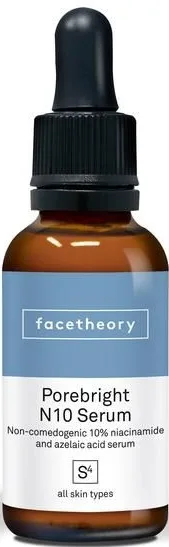
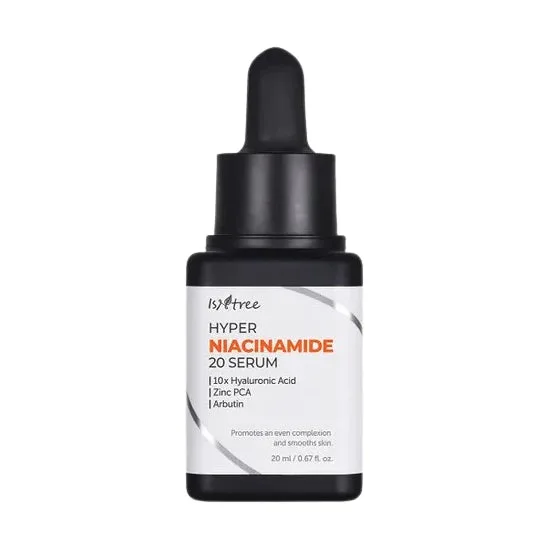


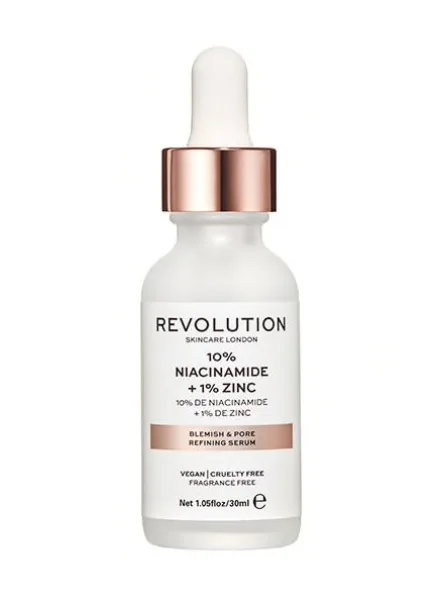

Niacinamide: How Much Do You Actually Need? (The 10% Arms Race Is Marketing)
Brands keep climbing the percentage ladder — 5%, 10%, now 15% and 20%. The evidence quietly tops out far lower, and higher isn't gentler.

Plenty of serums advertise niacinamide, but few combine a full 15 percent with this much genuine support: zinc PCA for oil, arbutin for a second brightening pathway, ferulic acid and vitamin C as antioxidants, plus ceramide NP and bisabolol to keep that high dose comfortable. It is a treatment-grade formula at a budget price.
One of the most generously formulated niacinamide serums you can buy for under twenty dollars. A full 15 percent niacinamide is backed by zinc, arbutin, ferulic acid, vitamin C, and ceramide NP, with bisabolol and panthenol keeping that potency wearable. It is a near-ideal pick for oily, congested, or uneven skin, and only the high dose's occasional flushing keeps it from a clean sweep.
The case for it
Cautions: fungal-acne triggers.
What would change this: Guideline or regulatory standing for the active on this concern would move this from a promising bet to a recommendation.
Same rule for everyone. “Promising” is the verdict on 7,858 of 45,024 concern verdicts across the catalog; rule R9p decided 7,858 of them. Unchanged since September 5, 2026, engine 5.1.1.
Brand or formulator? Disclose a concentration or correct a fact →
The studies behind the evidence row
The case for it
What would change this: Guideline or regulatory standing for the active on this concern would move this from a promising bet to a recommendation.
Same rule for everyone. “Promising” is the verdict on 7,858 of 45,024 concern verdicts across the catalog; rule R9p decided 7,858 of them. Unchanged since September 5, 2026, engine 5.1.1.
Brand or formulator? Disclose a concentration or correct a fact →
The studies behind the evidence row
The case for it
Same rule for everyone. “Good choice” is the verdict on 9,564 of 45,024 concern verdicts across the catalog; rule R5 decided 9,072 of them. Unchanged since September 5, 2026, engine 5.1.1.
Brand or formulator? Disclose a concentration or correct a fact →
The studies behind the evidence row
The case for it
What would change this: Guideline or regulatory standing for the active on this concern would move this from a promising bet to a recommendation.
Same rule for everyone. “Promising” is the verdict on 7,858 of 45,024 concern verdicts across the catalog; rule R9p decided 7,858 of them. Unchanged since September 5, 2026, engine 5.1.1.
Brand or formulator? Disclose a concentration or correct a fact →
The studies behind the evidence row
The case for it
Cautions: fungal-acne triggers.
What would change this: Guideline or regulatory standing for the active on this concern would move this from a promising bet to a recommendation.
Same rule for everyone. “Promising” is the verdict on 7,858 of 45,024 concern verdicts across the catalog; rule R9p decided 7,858 of them. Unchanged since September 5, 2026, engine 5.1.1.
Brand or formulator? Disclose a concentration or correct a fact →
The studies behind the evidence row
Also listed for Dullness — the actives here (Niacinamide, Bisabolol, Ceramides, Arbutin) are in our research queue for that concern; there is no verdict until their evidence rows are written. That is a gap in our table, not a mark against the product.
A verdict is DermApproved’s assessment of how well a product’s ingredients fit a concern — never a claim about what the product treats. Evidence dots and collected reviews sit beside it and are never blended in. Rules 0.5.1 · evidence table ev-2026.09-r228 · how we decide
Skincare loves a number on a label, and "15% niacinamide" is a particularly seductive one. It signals strength, it photographs well on a bottle, and it lets a brand win the spec-sheet comparison against every 5 and 10 percent rival on the shelf. What that number does not tell you is whether the formula around it is any good, and this is exactly where Neogen's entry separates itself. Yes, the niacinamide is here at a punchy 15 percent, sitting second on the ingredient list. But the more interesting story is everything Neogen packed in behind it to make that dose something your skin will actually tolerate day after day.
Niacinamide at high concentrations is a genuinely useful but slightly temperamental active. It is one of the most evidence-backed ingredients in all of skincare, with solid data behind its ability to regulate oil, refine the appearance of pores, fade post-inflammatory marks, and shore up the skin barrier. The catch is that as you climb past 10 percent, the law of diminishing returns kicks in and the odds of transient flushing or tingling rise. A poorly built 15 percent serum can leave skin red and uncomfortable. Neogen clearly anticipated this, which is why bisabolol, the chamomile-derived soother, sits high on the list, with ceramide NP, panthenol, and calendula reinforcing the barrier further down. The whole formula is constructed to absorb the impact of that headline dose.
Then there is the supporting active cast, which is unusually deep for the price. Zinc PCA joins the niacinamide on oil control, a sensible pairing for the congested, shine-prone skin this serum is clearly aimed at. Arbutin contributes a second, mechanistically distinct brightening pathway, inhibiting the tyrosinase enzyme that drives pigment, so uneven tone and dark spots get attacked from two angles in a single step rather than relying on niacinamide alone. Ferulic acid and a small amount of sodium ascorbyl phosphate, plus vitamin E, build a little antioxidant network on top, addressing the free-radical exposure that causes pigment to form in the first place. There are even B-vitamin extras, riboflavin and thiamine, and soothing botanicals like houttuynia and artemisia. For under twenty dollars, the formula reads like something that should cost considerably more.
In use, it behaves like a well-mannered modern serum. The texture is a light, milky-clear gel that spreads thin and sinks in fast, drying down to a smooth, faintly powdery finish that sits happily under moisturizer, sunscreen, or makeup. It is fragrance-free, with none of the citrus allergens that show up in a lot of brightening serums, which is a meaningful advantage if your skin reacts to scent. The first benefit most people register is oil control, often within a week or two; skin simply looks less shiny by afternoon. The pore-refining and redness-calming effects build over four to six weeks, and the brightening of actual dark spots is the slow burn, asking for eight to twelve weeks of consistency before you judge it.
The honest limitation is baked into the very thing that makes it appealing. Fifteen percent is a lot of niacinamide, and a subset of users, particularly those with sensitive or rosacea-prone skin, will feel a warm flush or mild tingle in the first few applications. For most, that settles as the skin acclimates, and the smart move is to start once daily or every other day before building up. But it is the reason this is not a universal recommendation, and it is the single factor keeping the score out of the very top tier. A couple of other minor gripes round things out: the serum can pill if you layer it too thickly or too quickly over other products, and the 30 milliliter bottle is on the small side for something you may want to use twice a day.
Value is where it becomes genuinely hard to argue with. At nineteen dollars, you are getting a treatment-grade, multi-active formula that brightens, controls oil, refines pores, and supports the barrier, all fragrance-free, from an established K-beauty brand rather than an untested hype label. There is no larger size to bring the per-milliliter cost down, but at this starting price that scarcely matters. For oily, combination, congested, or unevenly toned skin that can handle a high niacinamide dose, this is one of the easiest serums on the market to recommend, and a standout in its price bracket. The only people who should hesitate are those whose skin has historically protested at strong niacinamide, and even they can often ease into it with a slower start. One last practical point in its favor: because the formula is so multi-functional, it can genuinely stand in for two or three separate products, an oil-control treatment, a brightening serum, and a pore-refining step all at once, which makes its already-low price look even better once you account for what it lets you remove from a routine.
The hero actives that drive this product's performance.
| Ingredient | Function | Evidence |
|---|---|---|
| Niacinamide (15%) | Headlines the formula at a high 15 percent (second ingredient on the list), the concentration where niacinamide most reliably regulates oil, refines the look of pores, and fades post-blemish marks — and the reason the rest of this formula is stacked with soothers to keep that potency comfortable. | Emerging for Hyperpigmentation |
| Bisabolol | Placed high on the list as the formula's main calming agent, this chamomile-derived soother is doing the unglamorous but essential job of buffering the 15 percent niacinamide so the serum stays usable on reactive, blemish-prone skin rather than triggering flushing. | Not yet assessed |
| Zinc PCA | Teams up with the high-dose niacinamide on the oil-control front, helping curb excess sebum and lending a mild antibacterial edge that makes this serum especially well suited to congested, shine-prone skin. | Limited for Excess Oiliness |
| Arbutin | Adds a second, complementary brightening pathway to the niacinamide by inhibiting tyrosinase, the enzyme that drives pigment production, so dark spots and uneven tone are targeted from two directions in a single step. | Not yet assessed |
| Ferulic Acid | Works as the antioxidant anchor here, stabilizing and amplifying the formula's other antioxidants (the included sodium ascorbyl phosphate and vitamin E) so the serum protects against free-radical-driven pigmentation as well as treating existing marks. | Not yet assessed |
| Ceramide NP | A barrier lipid included specifically to offset the drying, slightly stripping potential of a high niacinamide dose, helping the serum support the skin barrier rather than compromise it over weeks of daily use. | Not yet assessed |
Ingredient standings describe the active at treatment-level doses and vehicles; this product's own condition grades weigh its actual formula.
Water, Niacinamide, Glycerin, Cetyl Ethylhexanoate, Dipropylene Glycol, 1,2-Hexanediol, Polysorbate 60, Propanediol, Bisabolol, Coco-Caprylate/Caprate, Tromethamine, Acrylates/C10-30 Alkyl Acrylate Crosspolymer, Carbomer, Ethylhexylglycerin, Caprylic/Capric Triglyceride, Adenosine, Xanthan Gum, Hydrogenated Lecithin, Phytosteryl/Octyldodecyl Lauroyl Glutamate, Ceramide NP, Riboflavin, Arbutin, Thiamine HCl, Panthenol, Zinc PCA, Ferulic Acid, Sodium Hyaluronate, Sodium Starch Octenylsuccinate, Maltodextrin, Calcium Pantothenate, Houttuynia Cordata Extract, Sodium Ascorbyl Phosphate, Tocopheryl Acetate, Pyridoxine HCl, Calendula Officinalis Extract, Artemisia Capillaris Extract, Silica
serum
AM & PM
Slot it in after cleansing and toner, before moisturizer, morning or night. It is fragrance-free and plays well with most other actives; if you also use a vitamin C serum or an exfoliating acid, separate them into different routines or wait a few minutes between layers to keep things comfortable.
Oil and shine often look better within the first week or two; visibly smaller-looking pores and reduced redness build over 4-6 weeks, and fading of dark spots and post-acne marks is a longer 8-12 week project. Consistency matters more than dose here.
Niacinamide is among the best-studied cosmetic actives, with peer-reviewed support for reducing sebum output, improving the appearance of enlarged pores, fading hyperpigmentation, and strengthening the stratum corneum by boosting ceramide and free fatty acid synthesis. Most of the classic clinical work used concentrations between 2 and 5 percent, which is worth keeping in mind: 15 percent is well above the doses where benefits were demonstrated, and there is little evidence that tripling the concentration triples the effect. What rises more reliably with concentration is the chance of transient flushing, a harmless prostaglandin-mediated response, which is precisely why the formulation choices here matter. The more compelling science in this product is the layering of complementary mechanisms. Arbutin is a hydroquinone derivative that competitively inhibits tyrosinase, the rate-limiting enzyme in melanin synthesis, attacking pigment by a different route than niacinamide, which works further downstream by blocking the transfer of melanosomes to keratinocytes. Combining a tyrosinase inhibitor with a melanosome-transfer blocker is a rational, evidence-aligned strategy for uneven tone. Ferulic acid contributes as an antioxidant that is known to stabilize and regenerate other antioxidants such as vitamin C and vitamin E, both present here in small amounts, extending the formula's free-radical defense. Zinc PCA has data supporting sebum regulation and mild antibacterial activity relevant to acne-prone skin. Ceramide NP and bisabolol are included less for active treatment than for tolerability, replenishing barrier lipids and calming inflammation so the high niacinamide dose can be used consistently. The net design is a brightening-and-oil-control serum whose individual mechanisms are each well supported, even if the specific 15 percent figure is more marketing than clinical necessity.
In clinical practice, niacinamide is a workhorse recommendation for oily, acne-prone, and hyperpigmented skin because its safety profile is excellent and it pairs with almost any other active. A serum like this is typically positioned as a versatile daily option that addresses several concerns at once: oil, pore appearance, post-inflammatory pigment, and barrier support. Clinicians would point out that the 15 percent concentration is higher than the levels used in most published studies, and that more is not necessarily better; the practical advice is usually to start with lower frequency if the skin is reactive, since transient flushing at high doses is common and benign. The inclusion of bisabolol, ceramide NP, and the absence of added fragrance make this a reasonable choice even for somewhat sensitive skin, with the caveat that rosacea-prone individuals should patch test first. As always, daytime use is best paired with sunscreen, since sun protection is what preserves any brightening progress against new pigment formation.
Apply it after cleansing and toner, before your moisturizer, once or twice a day. Dispense a small amount, roughly two pumps, and press it evenly over the face, avoiding the immediate eye area. If your skin is sensitive or new to high-dose niacinamide, begin once daily or every other day and build up as it acclimates. It layers cleanly with most products, but to prevent pilling, apply it to slightly damp skin and let it absorb fully before adding heavier creams. In the morning, always follow with sunscreen to protect the brightening progress, and keep the bottle out of direct light.
At nineteen dollars for 30 milliliters, this is one of the strongest value propositions in the brightening-serum category. You are getting a high 15 percent niacinamide dose plus a genuinely deep supporting cast, zinc PCA, arbutin, ferulic acid, vitamin C, ceramide NP, and bisabolol, that would not look out of place in a serum costing two or three times as much. The only knock on value is the modest 30 milliliter size and the lack of a larger format to bring down the per-use cost over time. But as an entry from an established K-beauty brand rather than a hype-driven label, the price reflects the formula honestly, and for anyone wanting maximum active variety per dollar, it is very hard to beat.
This is an excellent pick if you have oily, combination, or congested skin and want a single serum that tackles shine, pore appearance, dark spots, and uneven tone at once. It is also a smart choice for value-minded shoppers who want a deep, multi-active formula without paying a premium, and for fragrance-sensitive users who still want serious brightening power.
Approach with caution, or look to a lower percentage, if your skin is genuinely sensitive or rosacea-prone and has flushed from strong niacinamide before. It is also not the serum for anyone seeking a single-ingredient minimalist formula, since the long, busy ingredient list is the whole point and may be more than reactive skin wants.
Ready to try Neogen Real Niacinamide 15% Serum?
Buy at Amazon ♥A light, milky-clear gel-serum that spreads thin and sinks in quickly, leaving a smooth, slightly powdery-soft finish
Fragrance-free, with a faint neutral cosmetic smell and nothing perfumed
Frosted pump bottle that dispenses a controlled dose and shields the formula from light
It applies smoothly with no sting for most people, though a small number notice a brief warmth or flush from the high niacinamide level in the first few uses, which typically settles as skin adjusts. There is no purge; oil control is usually the first benefit people register, within a week or two.
Around 2-3 months with once or twice daily use from the 30ml bottle
All Year
After the success of its single-active Real serum range, Neogen pushed the niacinamide entry to a punchy 15 percent and surrounded it with soothing and barrier ingredients to make that strength wearable. The approach reflects a wider K-beauty instinct: chase efficacy, but never at the expense of comfort or daily usability.
Neogen Dermalogy, founded in 2009, is an established K-beauty brand carried at Soko Glam, Ulta, and Amazon. Its Real serum line pairs a single headline active with a sensible supporting formula, and this niacinamide entry is one of its more heavily reviewed and recommended releases.
Higher niacinamide percentages are always better.
More is not automatically more effective; benefits plateau and the risk of flushing rises with concentration. This serum's 15 percent is on the higher end, which is why it leans on bisabolol and ceramide NP to stay tolerable — the support cast matters as much as the headline number.
For most people it is fine daily, because this formula buffers the high dose with bisabolol, ceramide NP, and panthenol. Some sensitive users do experience brief flushing, in which case starting once daily or every other day lets the skin adjust before moving to twice daily.
It is a genuine multitasker. The 15 percent niacinamide plus zinc PCA controls oil and refines the look of pores, arbutin adds a second brightening pathway for dark spots, and ferulic acid with vitamin C provides antioxidant protection, all in one fragrance-free step.
Yes. The old worry about niacinamide and vitamin C cancelling out has been largely debunked, and this serum even contains a little sodium ascorbyl phosphate itself. To keep things simple and comfortable, many people use vitamin C in the morning and this serum at night.
Yes, it contains no added fragrance and no citrus-derived allergens, which makes it a better fit than many brightening serums for fragrance-sensitive and reactive skin, despite its high active load.
It can help on both fronts. Niacinamide and zinc PCA temper oil and calm inflammation associated with breakouts, while niacinamide and arbutin gradually fade the brown post-acne marks left behind, though it is a supportive treatment rather than a dedicated acne medication.
Recurring themes our editors read across retailer reviews of this product — summaries in our words, not quotations, and not a substitute for your own patch test.
Visibly less oil and shine
Pores look refined over time
Fragrance-free and gentle for the strength
Excellent price for the active load
Lightweight, non-sticky finish
15% niacinamide flushes some sensitive users
Subtle results on dark spots, slow to show
Can pill if layered too heavily
Small 30ml bottle for daily use
Verified answers from our questions library — the nuance a product page cannot carry.