Arbutin (Alpha-Arbutin)
Products with Arbutin (Alpha-Arbutin)
 Budget Brightening Essential
 Niacinamide Brightening Toner
A cleverly constructed multi-pathway brightening toner that combines four different melanin-targeting mechanisms at gentle concentrations. At fourteen dollars, it's a remarkably smart approach to hyperpigmentation that trades intensity for breadth — and for most skin types, that's the better strategy.
 Brightening Daily Swipe
 One Step Original Tone Clarifying Moisture Pad
A generous, gentle daily toner pad that trades the original Clear pad's BHA exfoliation for a four-active brightening blend and a remarkably deep hyaluronic-acid bench, soaked in 69% rice water. The tone-evening is gradual rather than dramatic, but at $26 for 230mL of essence it's an easy, low-irritation way to layer brightening and hydration into a routine.
 Brightening Powerhouse Toner
 No. 5 Vitamin Boosting Essential Toner
Numbuzin's most scientifically ambitious formula yet — five distinct brightening mechanisms in a clean, irritant-free toner that outperforms products costing three times as much. This is what happens when a K-beauty brand stops chasing viral moments and starts chasing formulation excellence.
 Cult J-Beauty Value Pick
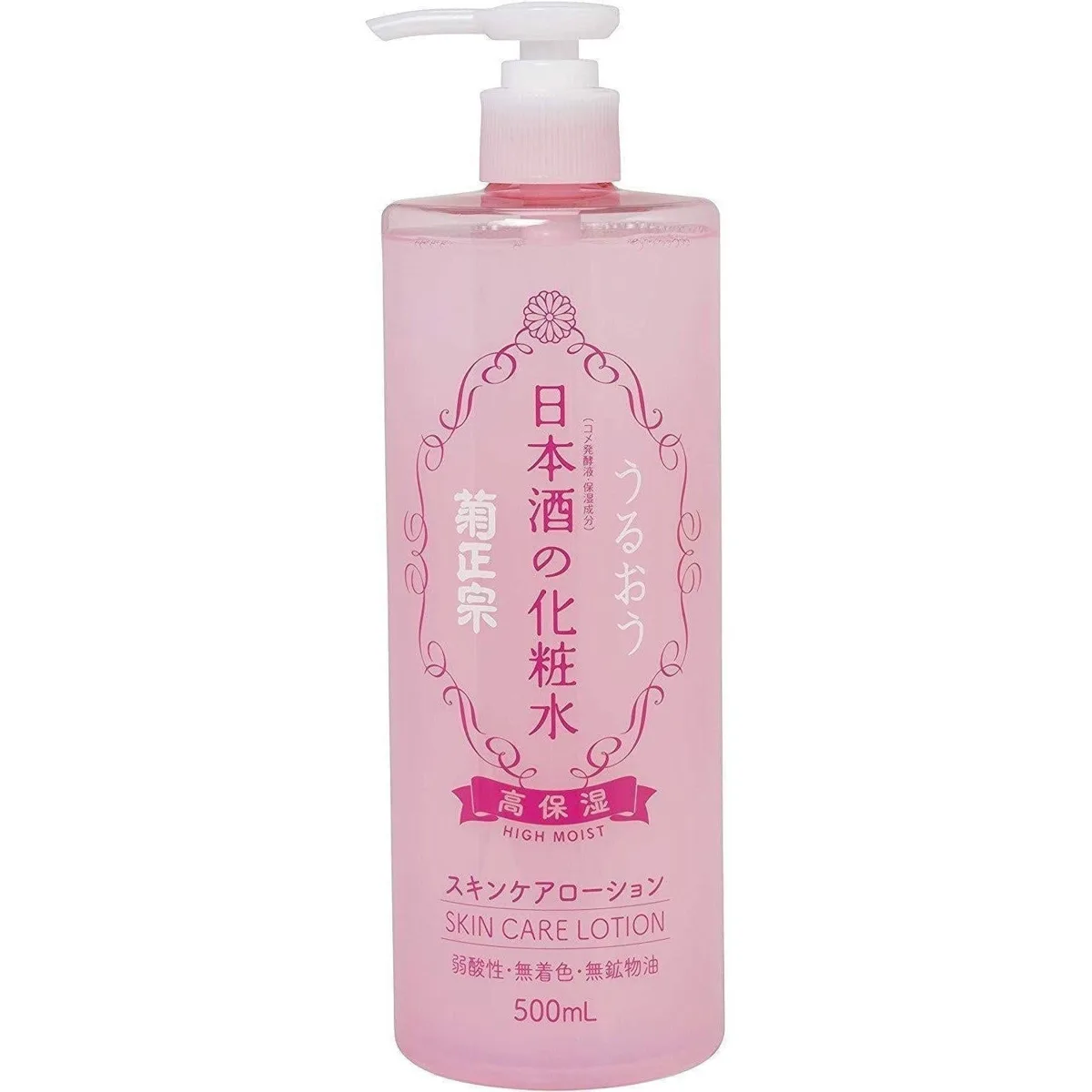
 High Moist Lotion
A 350-year-old sake brewery turned its own fermentation byproduct into one of the best-value hydrating essences in skincare — $14 for 500ml, with real sake ferment, dual ceramides, an amino acid complex, and arbutin. The per-ml price is almost unbelievable. The trade-off is a fragranced, paraben-containing formula and an undisclosed placental protein, which keep it from being a clean recommendation for everyone.
 Sensitive Skin Brightening Hero
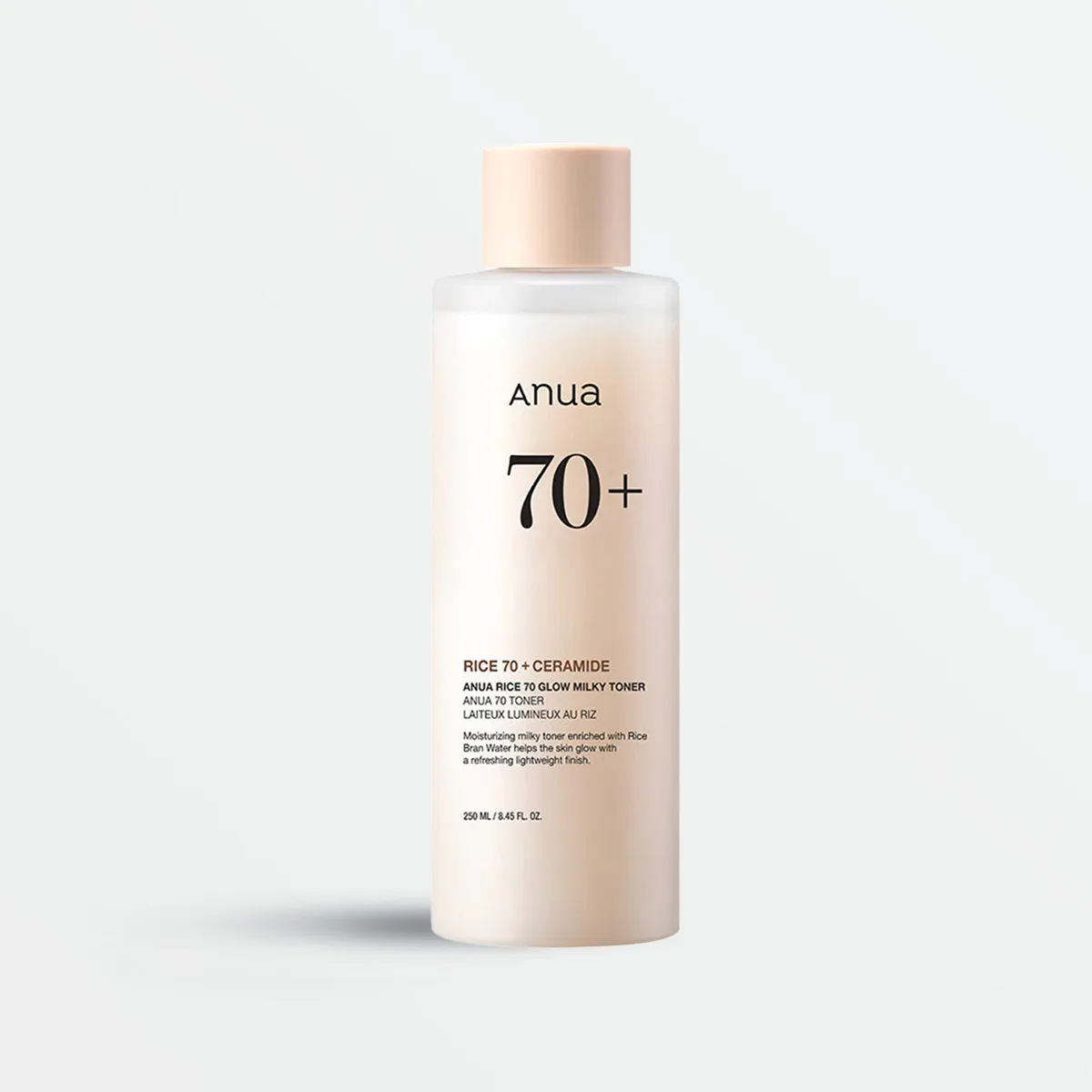
 Rice 70 Glow Milky Toner
Anua's fragrance-free answer to their own Peach toner, and in many ways the more impressive formulation — a complete triple ceramide barrier system, rice-derived brightening, and a milky texture that turns the toner step into genuine skincare. At $20 for 250ml, the value is outstanding.
 Award-Winning Japanese Mask
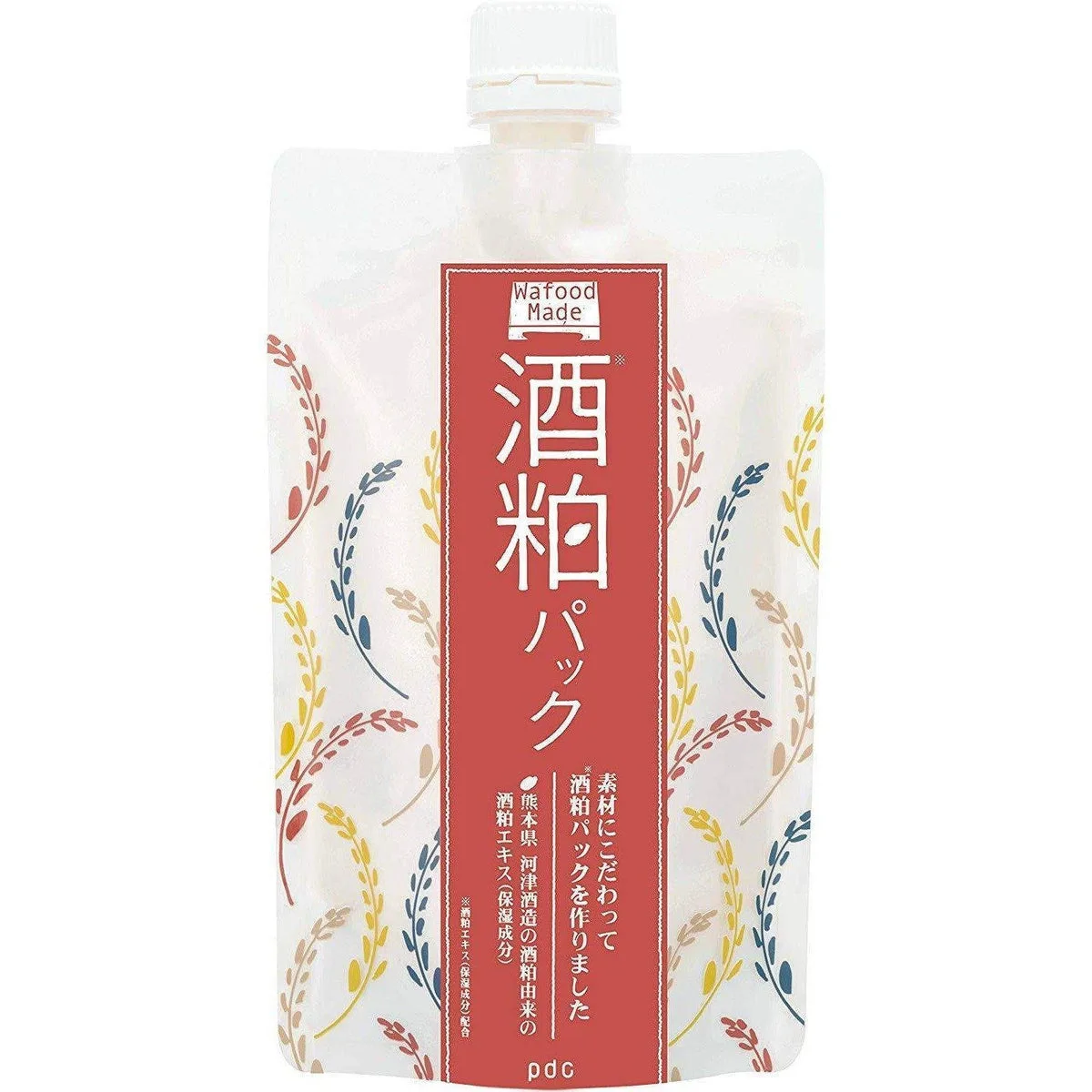
 Wafood Made Sake Kasu Pack
pdc's Wafood Made Sake Kasu Pack layers sake lees fermentation, arbutin, a 14-amino-acid complex, phytoceramide, and yogurt-and-rice ferments in a wash-off mask at seventeen dollars for 170g. The formulation depth is genuinely beyond what most masks at any price point deliver, and the yeasty natural scent and Cosme Award track record reflect a J-beauty staple that has earned its decade-plus cult following honestly.
 Complete Ceramide Trio J-Beauty
 Sake Brewing Skin Care Emulsion
The moisturizer step of Kiku-Masamune's sake line, and a quiet overachiever — a complete ceramide trio plus phytosphingosine and cholesterol, the actual lipid recipe of a healthy barrier, for $18. Sake ferment and an amino acid complex round it out. The texture is light for a barrier product, and the only marks against it are parfum and an undisclosed placental protein.
 Same Product, Different Name
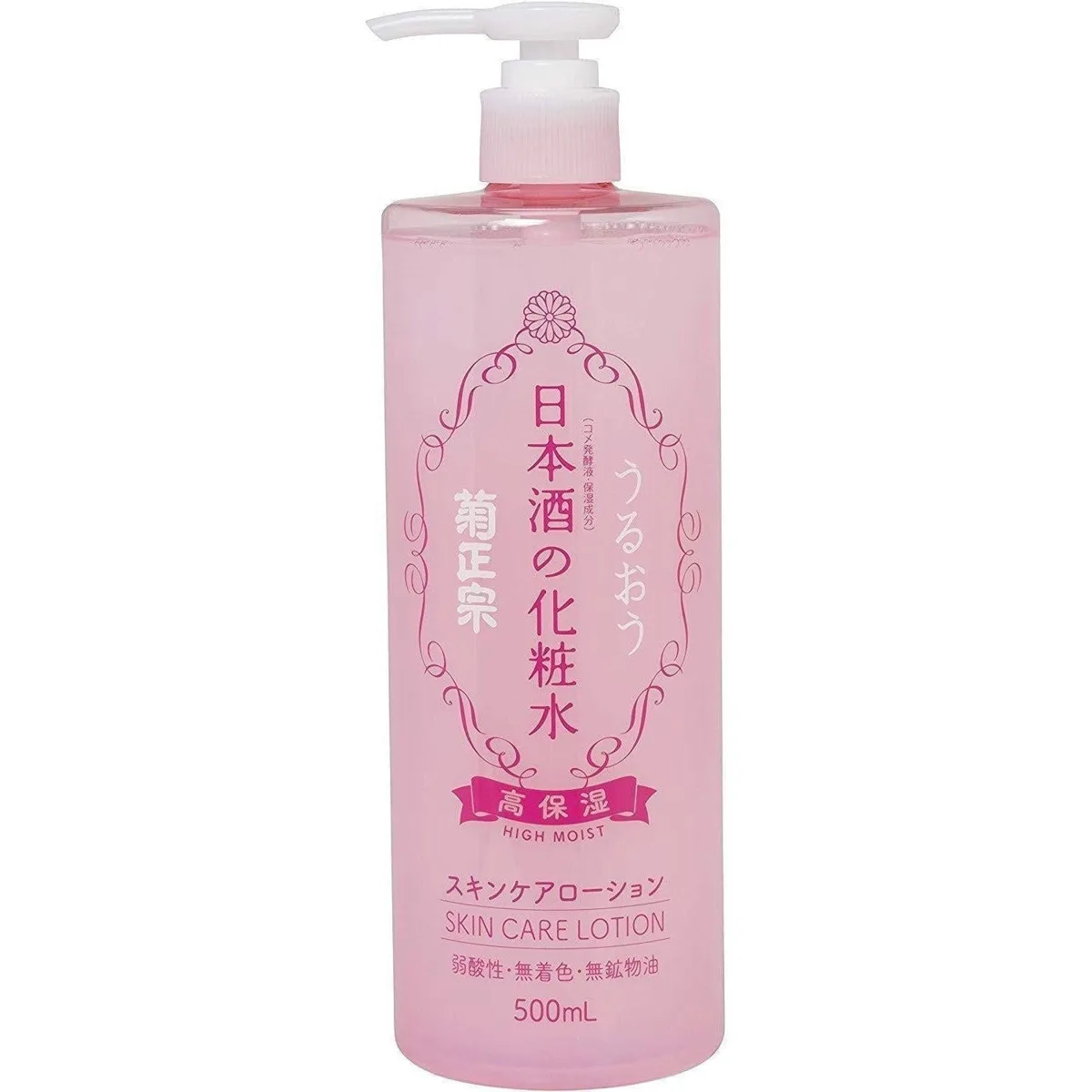
 Sake Skin Lotion High Moisture
The internet's favorite cheap J-beauty hydrating essence, full stop. For around $14 you get 500ml of a watery lotion built on sake ferment, dual ceramides, and an amino acid complex — barrier care at a price that embarrasses most toners. It's fragranced and uses methylparaben, but as a daily hydration workhorse it's almost impossible to beat.
 Gentle Brightening Starter
 Daily Brightening Serum
A gentle, hydrating, eight-dollar brightening serum built around arbutin — a low-drama tyrosinase inhibitor that fades dark spots and dullness without the sting of harsher actives. It works slowly and pairs best with sunscreen and other brighteners, but for sensitive skin or anyone easing into pigmentation care, it's a genuinely smart, affordable choice.
 J-Beauty Rich Sake Cream
 Sake Skin Care Cream
The richest moisturizer in Kiku-Masamune's sake line, and the one to reach for in winter — the same complete ceramide-cholesterol-phytosphingosine barrier system, now wrapped in a multi-oil emollient stack of rice bran, rice germ, jojoba, and squalane. At $22 for 150g it is a strong value for dry skin. Parfum and methylparaben are the trade-offs.
 TXA and Ten Percent Niacinamide, Honestly Dosed
 TXA Niacinamide Narcissus PDRN Serum
Two brighteners at doses that matter, ten percent niacinamide and two percent tranexamic acid, both declared, in a bouncy tremella-and-glycol base with allantoin, panthenol and madecassoside, fragrance-free, for twenty-two dollars and fifty cents: that pairing is a real dark-spot serum at a drugstore price. The 3X Glow Capsule of arbutin, glutathione and kojic acid and the narcissus PDRN at 100 ppb are label content at the tail, ten percent niacinamide flushes a minority, kojic acid is a sensitiser, and the bottle is two months old; but for marks, melasma and uneven tone it is one of the better-value serums of its kind.
 Dissolving Microneedle Dots
 Dark Spots Microneedling Dots
Peace Out Skincare Dark Spots Microneedling Dots use dissolving microneedle technology to deliver niacinamide, tranexamic acid, arbutin, ferulic acid, phytic acid, and licorice extract directly through the stratum corneum to targeted dark spots. Twelve single-use dots at 28 dollars.
 Budget Vitamin C
 Vitamin C Facial Serum with L-Ascorbic Acid 15%
A potent, fragrance-free 15% pure L-ascorbic acid serum that doubles up with arbutin for genuine dark-spot and tone work, at a near-unbeatable price. It delivers gold-standard vitamin C on a budget — the catch is the inherent instability of L-ascorbic acid and packaging that doesn't fully protect it, so buy it to use up reasonably quickly.
 High-Strength Niacinamide
 Niacinamide 20% + Zinc 4% Serum for Face
A maximalist oil-control serum that stacks a high 20% niacinamide with 4% zinc PCA plus an arbutin brightening bonus and hydrators, all at a budget price. It's genuinely effective for oily, congested, uneven skin, but the high niacinamide dose tingles or overwhelms a minority of users, so it's a confident pick for resilient skin and a maybe for the easily-irritated.
 Budget Multi-Pathway Brightener
 377 Dark Spot Serum
Skintific's flagship brightener packs a resorcinol, niacinamide, tranexamic acid and arbutin onto a ceramide base for fifteen dollars, fragrance-free, and it works — quickly on red post-acne marks, slowly on brown ones. The brand's 14-day claim oversells the second half of that sentence, and no concentrations are declared, but as a budget multi-pathway dark-spot serum it is hard to beat.
 The OG BB Cream
 M Perfect Cover BB Cream SPF 42
The BB cream that launched a thousand imitators — and still holds its own nearly two decades later. At under $15 for medium buildable coverage, SPF 42, and genuine skincare actives, the value proposition remains remarkable. The limited shade range and dated ingredient list (hello, parabens) show its age, but for the skin tones it does serve, this remains a gold-standard gateway product.
 Triple-Active Brightening Serum
 Niacinamide 10% + Tranexamic Acid 4% Serum
An exceptionally well-loaded multi-pathway brightening serum at K-beauty mid-tier pricing — three percentage-disclosed actives (10% niacinamide, 4% tranexamic acid, 2% arbutin) targeting hyperpigmentation through coordinated mechanisms, supported by an eight-form hyaluronic chassis and a fragrance-free composition. The lipid content disqualifies fungal-acne use; otherwise this is one of the more genuinely impressive value plays in the brightening category.
 Trend-Smart Brightener
 Vita C Glutathione Brightening Ampoule
A genuinely multi-pathway brightening ampoule that doesn't lean on its trendy namesake: glutathione is surrounded by vitamin C, alpha-arbutin and niacinamide, with vitamin C and glutathione recycling each other for real synergy. Fragrance-free and gentle despite the active load. Topical glutathione's evidence is still emerging, but the proven partners make this a smart, affordable tone-evening serum.
 Budget Brightening Pick
 Shirojyun Arbutin Whitening Lotion
A rare three-active brightening lotion at a drugstore price: arbutin, tranexamic acid, and a stable vitamin C derivative in a hydrating, fragrance-free base, all under Japanese quasi-drug regulation. Best for normal to dry skin chasing gradual fading of dark spots and dullness who will commit to daily sunscreen. Expect a slow burn, not a dramatic overnight change.
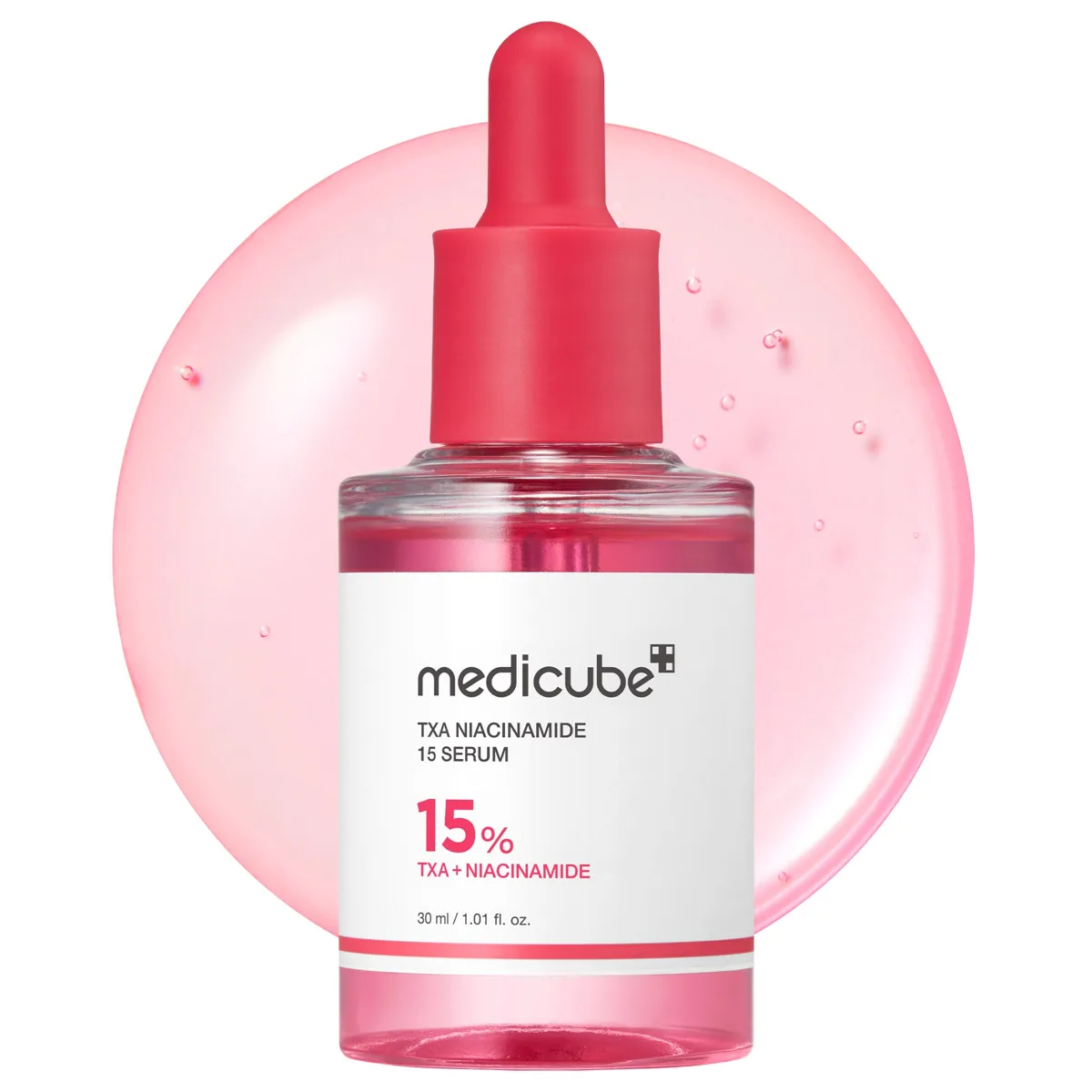 Three-Pathway Brightener, Disclosed Doses
 TXA Niacinamide Serum
A genuinely well-dosed brightening serum that prints its numbers, 5 percent tranexamic acid, 10 percent niacinamide and 2 percent arbutin, and hits three separate points in the pigment pathway in a light, hydrating base for twenty-four dollars. It is slow, as every honest brightener is, the high niacinamide can flush reactive skin, and the fragrance-free claim ignores a rose oil, but for post-acne marks and melasma maintenance it is one of the best-value serums in its category.
 Five-Percent Arbutin Everyday Cream
 Natural Whitening Waterfull Cream
A daily hydrating cream that quietly carries a full 5 percent arbutin, plus niacinamide and licorice, in a fragrance-free base for under twenty dollars. It fades marks slowly and evens tone over a few months while doing a competent job as a moisturizer. The plant oils and the import are the drawbacks; the dose is the reason to bother.
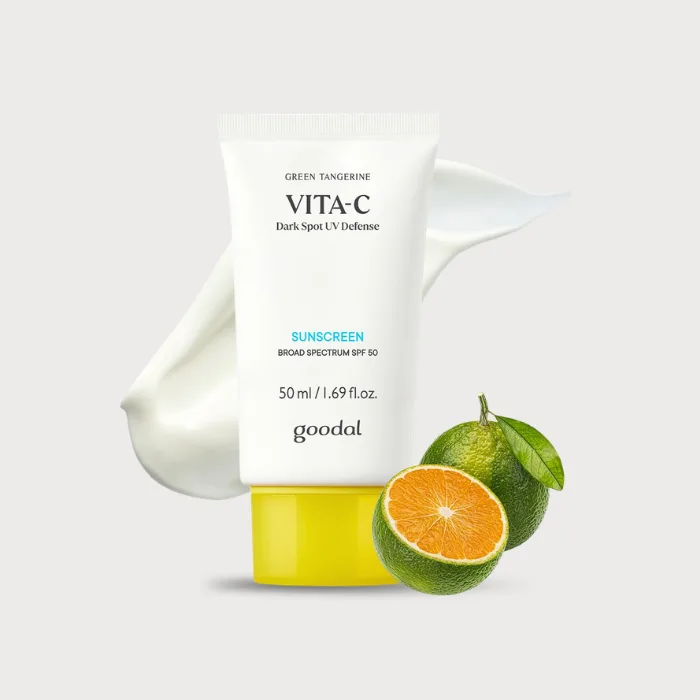 Fragrance-Free Everyday SPF
 Green Tangerine Vita C Dark Spot UV Defense Sunscreen
The version of Goodal's brightening sunscreen that sensitive skin can actually wear: fragrance-free, alcohol-free, registered with the FDA, and carrying niacinamide and acetyl glucosamine high enough to mean something. It gives up the elegant European filters of the Korean sibling for a stabilised avobenzone system that is perfectly sound, and charges a few dollars more for the privilege. For daily wear in the U.S., that is a fair trade.
 K-Beauty Sunscreen Game-Changer
 Ginseng Moist Sun Serum SPF 50+
The sunscreen that convinced a generation that daily SPF does not have to feel like a punishment. Next-generation UV filters provide genuinely superior broad-spectrum protection in a serum that looks and feels like skincare, with ginseng, arbutin, and adenosine turning daily sun protection into an active anti-aging treatment. The alcohol content keeps it from being truly universal.
 J-Beauty Brightening Essence
 Sake Skin Lotion Bright Moisture
A 500ml bottle of competent J-beauty brightening essence for $15 is the kind of value that feels like a clerical error. Arbutin sits higher in this 'Bright' variant than the standard formula, backed by sake ferment, dual ceramides, and an amino acid complex. It won't erase deep pigmentation, but for everyday hydration with a gentle brightening tilt, almost nothing competes on price.
 High-Strength Arbutin + Niacinamide Serum
 Niacinamide 10% Arbutin 7% Serum
A serious tyrosinase-pathway brightening serum with disclosed 10% niacinamide, 7% arbutin (at the upper bound of cosmetic concentrations), and a supplementary glutathione touch. Three coordinated brightening mechanisms in a single bottle at affordable pricing. The alcohol content and the lipid composition limit suitability for sensitive and fungal-acne-prone users; otherwise this is one of the more aggressively-loaded brightening serums in the K-beauty value tier.
 Updated K-Beauty Vita C
 Green Tangerine Vita C Dark Spot Care Serum Alpha
Goodal Green Tangerine Vita C Dark Spot Care Serum Alpha is the March 2026 update of the brand's bestselling vitamin C serum — 70% green tangerine extract, 4% niacinamide, ascorbyl glucoside, arbutin, plus a full triterpene centella complex (madecassoside + asiaticoside + asiatic acid). Fragrance-free at 30 dollars for 50ml.
 Eye-Area Brightening Patches
 Green Tangerine Vita C Dark Spot Care Eye Patch Alpha
Goodal Green Tangerine Vita C Dark Spot Care Eye Patch Alpha brings the established Vita C line's brightening chemistry to a hydrogel under-eye patch format with the March 2026 Alpha update's triterpene additions at 25 dollars for 60 patches.
 Gold Kiwi Vitamin C Sleeping Cream
 Gold Kiwi Vita C+ Brightening Sleeping Cream
Holika Holika's Gold Kiwi Vita C+ Brightening Sleeping Cream is the overnight treatment companion to the gold kiwi serum — combines gold kiwi platform chemistry with melatonin overnight treatment, 12-vitamin complex, arbutin + glutathione brightening, and skin-mimetic lipid system at $24.99 for 80ml. Kiwi allergen consideration; otherwise solid K-beauty sleeping mask.
 Transparent-Dose Niacinamide Pick
 Vita B3 Source
A transparently-dosed 10% niacinamide plus 2% arbutin serum that brightens uneven tone, supports the barrier, and balances oil, all for a budget price. Fragrance-free, gentle, vegan, and well-buffered with licorice and allantoin, it's one of the easiest affordable brightening serums to recommend — just expect gradual results.
 Loaded Niacinamide Value Pick
 Real Niacinamide 15% Serum
One of the most generously formulated niacinamide serums you can buy for under twenty dollars. A full 15 percent niacinamide is backed by zinc, arbutin, ferulic acid, vitamin C, and ceramide NP, with bisabolol and panthenol keeping that potency wearable. It is a near-ideal pick for oily, congested, or uneven skin, and only the high dose's occasional flushing keeps it from a clean sweep.
 Rose Brightening Eye Cream
 Rose Eye Concentrate
isoi's rose brightening philosophy applied to the eye area: arbutin for the look of pigmented dark circles, adenosine for fine lines, and a rich shea-and-rose base that nourishes thin under-eye skin. It's a genuine tone-and-nourishment eye cream with the brand's signature rose, held back mainly by the natural fragrance near the delicate eye area.
 Hyperpigmentation Multitasker
 Faded Brightening & Clearing Serum
One of the more genuinely sophisticated drugstore-adjacent brightening serums going, Faded throws a whole cocktail of evidence-backed pigment fighters, tranexamic and kojic and azelaic acids, niacinamide, arbutin, glutathione, into one bottle aimed squarely at stubborn dark spots and post-acne marks. It works, but slowly and only with sunscreen, and the premium price asks you to be patient. A strong pick for hyperpigmentation, especially in deeper skin tones.
 K-Beauty Brightening Workhorse
 Vita Clinic Vitamin Eye Cream
A pigment-pathway tag-team in a cooling rollerball tube — 5% arbutin, 2% niacinamide, glutathione, and two stabilized vitamin C forms working four parallel angles on under-eye darkness. It earns its $26 if your concern is hyperpigmentation, but a faint perfume note keeps it off the sensitive-eye shortlist.
 Gentle Centella Soother
 Centel Calming Shot Ampoule
A genuinely gentle, fragrance-free calming ampoule that leads with a double dose of centella — purified madecassoside plus a callus culture — backed by allantoin, panthenol and soothing botanicals. The clever twist is a high placement of arbutin, so it calms reactive skin and gently fades post-irritation marks at once. Well-priced and broadly suitable; soothing is its strength, brightening a useful bonus.
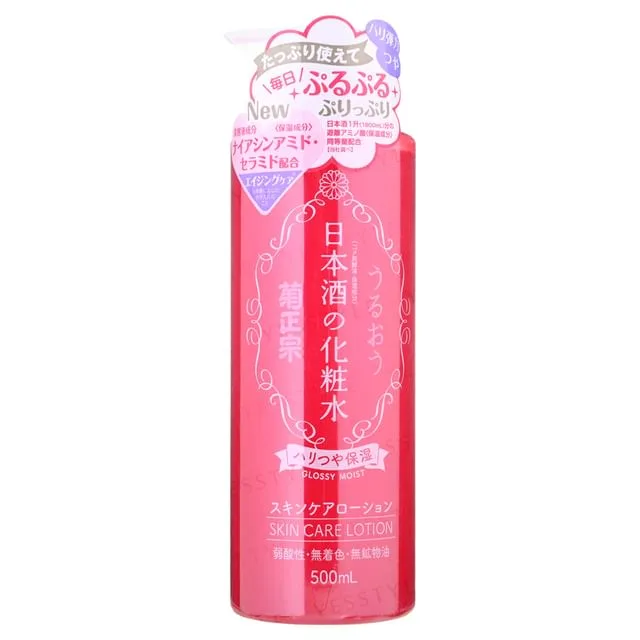 Big-Bottle Sake Firming Lotion
 Sake Skin Lotion FIRM
A remarkably loaded big-bottle sake lotion: the FIRM variant pairs Kiku-Masamune's fermentation-derived amino acids with two ceramides, niacinamide and arbutin, so a 500ml hydrating toner doubles as a gentle firming-and-brightening step. It's deeply hydrating, plumping and outstanding value. The fragrance is the one caveat for sensitive skin, but otherwise it's a quietly excellent everyday lotion.
 Antioxidant Brightening Smoothie
 Red Collagen + Peptide Smoothie Serum
A genuinely loaded, fragrance-free brightening serum built on 8% niacinamide plus arbutin, ferulic acid, four forms of vitamin C, a peptide, and an antioxidant blend of red fruits. The brightening stack is strong and well-chosen, and it suits most skin types. The 'collagen' headlining the name is essentially marketing, and at $34 it runs a touch pricey — but the actives that matter are the real deal.
 Lightweight Rose Brightener
 Rose Cream
The lightweight, brightening-focused moisturizer of isoi's rose line, pairing a genuine arbutin-and-glutathione brightening duo with a 5-type hyaluronic acid and ceramide barrier base and real Bulgarian rose. It brightens and hydrates without heaviness — a more tone-focused, less rich alternative to the Intensive cream, with the natural rose fragrance the main caveat.
 Niacinamide Glow Mask
 Bio Vita Duo Brightening Mask
A fragrance-free brightening hydrogel mask whose marketing and formula tell different stories. The 'Vita Duo / 11 vitamins' branding is almost entirely parts-per-billion theater — and the glutathione the marketing touts doesn't appear in the ingredient list at all. But the genuine brightening engine, a real 2% niacinamide plus arbutin, is legitimately strong. Read it correctly and it's a sound brightening-and-hydration treat; read the label and it overpromises.
 Budget Glow Sheet Mask
 Wafood Made Sakekasu Facial Masks 10pcs
A genuinely hydrating, lightly brightening Japanese sheet mask built around sake kasu (fermented-rice lees), backed by a real amino-acid complex, rice ceramides, and evidence-based arbutin — all for about a dollar a sheet. The thick three-layer carrier and follow-up essence make it a standout budget glow mask, as long as you seal it in with moisturizer.
 Daily Brightening Sheet
 Yuja Niacin Anti Blemish Daily Mask
A pleasant, citrus-scented way to put 2% niacinamide on your face every morning, which is the one thing in this tub that will actually soften post-acne marks over a couple of months. The arbutin, vitamin C derivatives and yuja are supporting colour at undisclosed doses, the anti-blemish name oversells its effect on live breakouts, and the peel oil rules it out for reactive skin. As a brightening habit with a sunscreen on top, it works; as a treatment, it is a whisper.
 Three-Active Spot Cream
 ArbutXA Glow Cream
An unusually honest budget tone cream: seven percent arbutin including two percent alpha-arbutin, five percent tranexamic acid and two percent niacinamide, all printed on the jar and consistent with the ingredient order. It is fragrance-free, comfortable and under twenty dollars. The marketing overreaches on ceramides and squalane that are not actually in it, and results need months plus daily sunscreen.
 Multi-Vitamin K-Beauty Brightening Serum
 Gold Kiwi Vita C+ Brightening Serum
Holika Holika's Gold Kiwi Vita C+ Brightening Serum combines 97.5% gold kiwi fruit extract first INCI position with 12 vitamins, multi-brightening actives (arbutin + 4-butylresorcinol + glutathione), two vitamin C forms, niacinamide, and Ayurvedic botanicals at $21.99 for 45ml. Comprehensive multi-active K-beauty brightening at strong value. Kiwi allergen consideration.
 Luxury Brightening Emulsion
 Gongjinhyang Seol Radiant White Emulsion
The line's most genuinely functional brightening step: a silky, luxurious emulsion whose niacinamide and arbutin give the 'radiant white' claim a real, if gradual, basis in a leave-on format. The hanbang herbs and signature scent supply the heritage experience. It works — but the actives doing the work are cheap and common, so you're paying a luxury premium for tone results you could get for far less.
 Clean Brightening Workhorse
 Dr. Troub Skin Returning Niaten Serum
A near-textbook example of how to build a high-percentage brightening serum without wrecking it: a clinical 10% niacinamide plus 2% arbutin and purified green-tea EGCG, dropped into an 83% bamboo-water base with zero fragrance, oil, or filler. At around sixteen dollars it is one of the best value brighteners in K-beauty, let down only by a small bottle and reseller-only availability.
 Budget Brightening Stack
 Carrot Dark Spot Serum
A surprisingly serious brightening serum hiding behind cute carrot branding: it stacks niacinamide, tranexamic acid, arbutin and stable vitamin C, four evidence-backed pigment fighters, at a genuinely budget price. It is a credible dark-spot treatment for most skin types, with the usual Bring Green catch of a fragrant essential-oil blend that sidelines sensitive skin.
 Gentle Spot Brightener
 Arbutin 5% Serum with Niacinamide 5%
A capable, affordable dark-spot brightener that pairs 5% arbutin — a gentle tyrosinase inhibitor — with 5% niacinamide for a two-pronged attack on pigment, rounded out with licorice and soothers. Results are slow and sunscreen-dependent, and fragrant botanicals keep it from being the most sensitive-friendly option, but for fading spots and age marks cheaply, it delivers.
 All-Rounder Radiance Serum
 Retinol 0.02% + Tranexamic Acid + Bakuchiol 2% Radiance Boost Serum
A do-a-bit-of-everything radiance serum that bundles brightening (tranexamic acid and arbutin), gentle anti-aging (2% bakuchiol plus a trace of retinol) and barrier support (ceramide, centella, squalane) into one cheap bottle. The 0.02% retinol is essentially decorative, but the brightening actives and bakuchiol do real work, making this a gentle, well-rounded radiance-and-conditioning serum that genuinely over-delivers for the price.
 Rose Anti-Aging Barrier Cream
 Bulgarian Rose Energizing Cream
The richest, most active-packed cream in isoi's Bulgarian Rose line: a genuine firm-nourish-brighten moisturizer combining palmitoyl tripeptide-5 and adenosine with arbutin and a barrier-lipid blend of macadamia, squalane, shea and ceramide NP. Excellent for dry, mature skin — but it's also the line's most allergen-heavy formula, with natural rose and niaouli oils, and US pricing is frustratingly inconsistent.
 Flagship PDRN Ampoule
 Dual Effect Ampoule
Rejuran's flagship topical treatment, a fragrance-free rejuvenation ampoule built around a high, disclosed 5,000 ppm dose of c-PDRN plus niacinamide, ceramide NP, cholesterol and arbutin. It is genuinely loaded, gentle and broadly suitable, and skin looks plumper and healthier with use — but the price is steep and topical polynucleotides remain an emerging hero, so part of what you pay for is the Rejuran name.
 K-Beauty Brightening Pick
 Yuja Niacin Brightening Moisture Gel Cream
A bouncy K-beauty gel cream that stacks four brightening mechanisms into a single moisturizer. Nicely made, genuinely effective with consistent use, and priced sensibly — but the added fragrance and citrus notes make it a harder sell for sensitive skin.
 K-Beauty Pigmentation Powerhouse
 Arbutin 7% + Tranexamic Acid 4% Cream
A surprisingly potent K-beauty brightening cream that stacks four pigmentation actives at concentrations most competitors charge twice the price for. The 7% arbutin headline is real, the tranexamic acid percentage is real, and the formula delivers visible tone evening within a month for most users — provided you wear sunscreen religiously.
 Brightening Moisturizer
 Green Tangerine Vita C Dark Spot Care Cream Alpha
Goodal Green Tangerine Vita C Dark Spot Care Cream Alpha combines the bestselling Vita C line chemistry into a moisturizer cream format with the March 2026 Alpha update adding triterpene centella complex and ceramide barrier support at 32 dollars for 50ml.
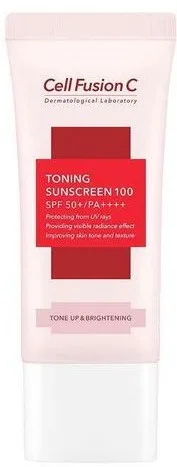 Tinted Brightening Sensitive Sunscreen
 Toning Sunscreen SPF50+
Take the brand's excellent sensitive-skin sunscreen, add an iron-oxide tint and a genuine brightening deck, and you get one of the smartest tinted sunscreens for pigmentation-prone and post-procedure skin. The tint cancels the mineral cast and protects against the visible light that drives melasma, while arbutin, niacinamide and vitamin C actively even tone — all fragrance-free and gentle. A single universal shade and a trace retinoid are the only real caveats.
 Two-Layer Cica Ampoule
 CICAGO Cica Double Effect Ampoule
A genuinely soothing two-layer cica ampoule that combines a watery centella recovery layer with a light oil barrier layer, plus sericin silk protein and mild arbutin brightening, in one shake-to-mix bottle. The water-oil 'double effect' suits both oily and dry skin and calms reactive, stressed skin well. The catches are bergamot oil and fragrance allergens that undercut the soothing positioning, and a premium price for 30ml.
 Brightening Sleep Mask
 VC Shot Sleeping Pack
A solid budget brightening sleeping pack that brings the brand's vitamin-C, niacinamide and arbutin trio into a gentler, AHA-free overnight base, with adenosine and melatonin for repair and a lavender scent for the ritual. Skin looks fresher and brighter each morning, and over weeks, more even. The lavender-led essential oils are the only real caveat on a leave-on product.
 Original c-PDRN Ampoule
 Turnover Ampoule
Rejuran's original and most accessible c-PDRN ampoule: a genuinely gentle, fragrance-free brightening serum pairing the brand's signature 0.5 percent polynucleotide with functional niacinamide, berry antioxidants and arbutin. It evens tone and smooths gently over time and is mild enough for sensitive skin. The premium price and emerging topical-PDRN evidence are the caveats, and the arbutin means a pregnancy check — but as a gentle brightening ampoule, it's well-made.
 Jumbo Hydrating Toner
 Skin Boost Glutathione Toner XL
A generously sized, comfortable humectant toner that is genuinely nice to use freely — for cotton-pad compresses, layering or even the body. But the glutathione on the label is disclosed at 10.89 ppm, about 0.001%, and the niacinamide and tranexamic acid sit even lower. Treat it as a big-bottle hydrating toner and get brightening from a real serum.
 Targeted Treatment Innovator
 Dark Spots Brightening Dots
An innovative delivery format that puts clinically respected brightening ingredients — tranexamic acid, niacinamide, arbutin, and licorice — directly past the skin barrier via dissolving microneedles. The science behind the delivery is compelling, but at $28 for 12 small dots, the cost-per-dark-spot adds up fast, and results require weeks of patient, consistent application.
 Multi-Mechanism Brightening Sheet Mask
 Precious White Brightening Sheet Mask
A daily-use brightening sheet mask that stacks four pigment-fighting actives — vitamin C derivatives, arbutin, tranexamic acid, and niacinamide — in a fragrance-free essence designed for nightly use. The 32-sheet box makes a consistent brightening habit affordable. It is a maintenance tool for dullness and uneven tone, not a melasma cure, and the retinyl palmitate keeps it off-limits during pregnancy.
 Brightening Toner Pad
 Green Tangerine Vita C Dark Spot Care Pad Alpha
Goodal Green Tangerine Vita C Dark Spot Care Pad Alpha is the toner-pad format of the brand's Vita C line — soaked pads with green tangerine extract, niacinamide, ascorbyl glucoside, arbutin, mild AHA/PHA exfoliation, and the March 2026 Alpha update's triterpene cica complex.
The full arbutin (alpha-arbutin) guide
Bearberry leaves have been delivering arbutin to skin for centuries, but modern cosmetic chemistry finally crystallized why it works: it's a glycosylated cousin of hydroquinone that slows melanin production without the cytotoxicity baggage of its parent compound.
Most serums today reach for the alpha isomer — more stable, more potent, and now capped by EU regulators at 2% in face products — which makes reading the INCI list a genuinely useful exercise for this one ingredient.
How it's regulated in the US
FDA does not classify ingredients — it classifies products, by what they are sold to do. The same molecule can be a drug active in one product and a cosmetic ingredient in the next, and only the claim on the label decides which. What follows is a statement about that legal standing, not about whether it works — the evidence question is answered separately above.
Cosmetic Arbutin (Alpha-Arbutin) is a cosmetic ingredient in the US: no OTC monograph covers it and it is not an active in any FDA-approved drug, so a product built around it is a cosmetic rather than a drug.
The mechanistic case for arbutin (especially the alpha form) is well grounded: in-vitro and ex-vivo work consistently shows competitive tyrosinase inhibition, and a 2004 study in Biological and Pharmaceutical Bulletin reported melanin synthesis dropping to roughly 40% of control in a three-dimensional human skin model. Human clinical data is thinner but accumulating. A split-face randomized pilot trial published in the Journal of Cosmetic Dermatology found that a 5% alpha-arbutin plus 2% kojic acid cream performed comparably to a prescription triple-combination cream for melasma over 12 weeks, with lower recurrence after stopping — a promising signal, though arbutin wasn't isolated from the kojic acid. A separate 2025 interventional study pairing 2% alpha-arbutin with trihydroxybenzoic acid glucoside and daily sunscreen reported about a 16% reduction in melanin content and 18% in mMASI at 90 days. Net read: the evidence is real but best described as promising rather than settled, and arbutin earns its keep as one active in a consistent brightening routine anchored by SPF. The conversion-to-hydroquinone concern is real but judged low-risk at typical cosmetic levels in the SCCS's 2023 opinion.
How it works
Melanin gets built inside melanocytes through a chain reaction that begins with tyrosinase, the enzyme that converts the amino acid tyrosine into DOPA and onward into pigment. Arbutin slips into tyrosinase's active site and blocks it competitively — it doesn't destroy the enzyme, it just occupies the doorway long enough to slow the assembly line. Less active tyrosinase means less melanin produced, which over a span of weeks shows up as less pigment handed off to the surface skin cells that eventually darken. Structurally, the interesting part is what arbutin actually is: a glucose molecule bolted onto hydroquinone. That sugar tag changes the story. Free hydroquinone is effective but carries cytotoxicity concerns and is banned or restricted in many markets; glycosylation essentially leashes it, cutting dermal absorption while keeping the molecule able to engage tyrosinase. The alpha configuration places the glucose in an axial bond, which buys it better stability in water-based formulas and stronger tyrosinase inhibition than the beta form (sold simply as "Arbutin"). One wrinkle is worth knowing: skin bacteria — primarily Staphylococcus epidermidis — can gradually hydrolyze arbutin back toward hydroquinone, with the rate climbing at higher pH. That biology is partly why the EU caps alpha-arbutin at 2% on the face and 0.5% in body lotions. At normal cosmetic concentrations the conversion is considered negligible, but it's a fair reason to keep arbutin off broken or heavily compromised skin, where bacterial activity is harder to predict.
Key benefits
- Competitively inhibits tyrosinase to slow new melanin production over roughly 8 to 12 weeks
- Helps fade post-inflammatory hyperpigmentation left behind by acne
- Offers a gentler profile than free hydroquinone, with lower cytotoxicity at cosmetic concentrations
- Targets UV-driven dark spots and sun-related uneven tone when paired with daily SPF
- Stacks logically with vitamin C and niacinamide, which hit complementary points in the pigment pathway
- Studied for melasma in combination formulas, with early human data suggesting meaningful improvement
Concentration & usage
Look for "Alpha-Arbutin" on the INCI list specifically — plain "Arbutin" signals the beta form, which is less potent and less stable in formula. Effective over-the-counter concentrations for alpha-arbutin generally run 1 to 2% in serums; the EU's SCCS considers 2% safe for face products and 0.5% for body applications. A few clinical studies have used 5% under controlled conditions, but consumer products rarely climb that high. Placement matters too — alpha-arbutin appearing in the first half of the ingredient list points to a meaningful dose. Formulas that combine alpha-arbutin with niacinamide, vitamin C, or kojic acid tend to outperform arbutin on its own, since they intercept different steps of melanin synthesis at the same time.
Who it's for & who should be cautious
Who it's for
Anyone working on post-acne marks, sun spots, melasma, or generally uneven tone who wants a brightening active that skips the prescription and the long tolerance-building ramp. It plays well with most skin types, sensitive skin included, and people with Fitzpatrick types IV through VI can use it without the paradoxical darkening risk that some stronger actives can trigger.
Who should be cautious
Anyone with a known hypersensitivity to hydroquinone should approach cautiously given the structural kinship, even though direct reactions at cosmetic concentrations are uncommon. Pregnancy guidance is genuinely unsettled — some dermatologists offer a cautious green light at low concentrations while others suggest skipping it entirely over the theoretical hydroquinone conversion, so checking with an OB-GYN or dermatologist is the honest call. And anyone applying it to broken, abraded, or badly compromised skin should hold off, since a disrupted barrier can make absorption unpredictable.
Pairs with & conflicts
Pairs well with: Niacinamide (Vitamin B3), Vitamin C (L-Ascorbic Acid), Kojic Acid, Tranexamic Acid, Glycolic Acid (AHA), Ferulic Acid, Azelaic Acid, Glycerin, Hyaluronic Acid, Centella Asiatica (Cica)
Use with care alongside: Benzoyl Peroxide
Myths & facts
Myth: Arbutin and alpha-arbutin are the same thing.
Reality: They're isomers with different molecular geometry. Alpha-arbutin carries the glucose in an axial position, which makes it notably more stable in formula and more potent at tyrosinase inhibition. Beta-arbutin (listed simply as 'Arbutin') is the form that occurs naturally in bearberry, but it degrades more easily and usually needs higher concentrations to match alpha-arbutin's effect.
Myth: Arbutin is just a sneaky way to put hydroquinone on your skin.
Reality: Arbutin is structurally derived from hydroquinone, but the attached glucose fundamentally changes how it behaves — dermal absorption is far lower than free hydroquinone, and the 2023 SCCS opinion judged the hydroquinone conversion from typical cosmetic levels of alpha-arbutin to be negligible. Treating the two as interchangeable badly overstates the risk.
Myth: A couple of weeks of arbutin is enough to see results.
Reality: Because arbutin slows melanin production rather than bleaching pigment that's already there, visible change typically takes 8 to 12 weeks of steady use. Existing pigment fades as skin cycles through its natural turnover while new spots are kept from forming. Quitting early and concluding it failed is the most common mistake people make with this one.
Frequently asked questions
Is alpha-arbutin a safe choice for deeper skin tones?
Generally yes — it's considered one of the more forgiving brightening actives for richer Fitzpatrick types (IV through VI). Unlike some aggressive depigmenting approaches, it isn't associated with the paradoxical post-inflammatory darkening that can worry dermatologists. The catch is that daily SPF is non-negotiable alongside it, since UV keeps re-triggering the very melanin production arbutin is working to slow.
Can I use alpha-arbutin daily, or should I cycle it?
Daily use is fine and is actually how most results show up — unlike retinol or strong exfoliants, arbutin doesn't demand an adjustment period or rest days. The clinical studies that reported improvement ran around 12 weeks of consistent application. Pairing it with a broad-spectrum SPF 30 or higher every morning is usually what separates visible progress from running in place.
Does arbutin actually help with melasma?
It can contribute, though rarely as a solo fix. A split-face randomized trial found a 5% alpha-arbutin plus kojic acid cream held up against a prescription triple-combination cream over 12 weeks, with less rebound afterward. Melasma is stubborn and hormonally driven, so most dermatologists fold arbutin into a stack with niacinamide, tranexamic acid, and rigorous SPF rather than leaning on it alone — and unprotected sun will undo gains fast.
How does arbutin stack up against vitamin C for dark spots?
They tackle the same problem by different routes, which is exactly why they pair well. Arbutin blocks tyrosinase competitively to throttle melanin at the source, while vitamin C interferes with a later oxidation step and adds antioxidant protection against UV-triggered pigment. Running both — vitamin C usually first, given its lower-pH preference — is a common and sensible routine for post-inflammatory marks or sun damage.
Why does the EU put a cap on arbutin concentrations?
The 2023 SCCS opinion, carried into EU Regulation 2024/996, limits alpha-arbutin to 2% in face products and 0.5% in body lotions. The worry isn't toxicity at normal use levels — it's the theoretical conversion of arbutin to hydroquinone by skin bacteria, which scales up with higher concentrations and larger application areas like the whole body. At 2% on the face the SCCS judged the risk negligible; the lower body-lotion cap reflects the much greater surface area involved.
Morning or night for arbutin?
Either slot works, but mornings make the logic tidy: arbutin slows melanin formation while your SPF blocks the UV that would otherwise trigger more of it. Some people apply it twice a day for continuous inhibition. If you're also using acids or retinol — which belong at night — parking arbutin in the AM keeps layering simple and avoids piling everything into one application.